
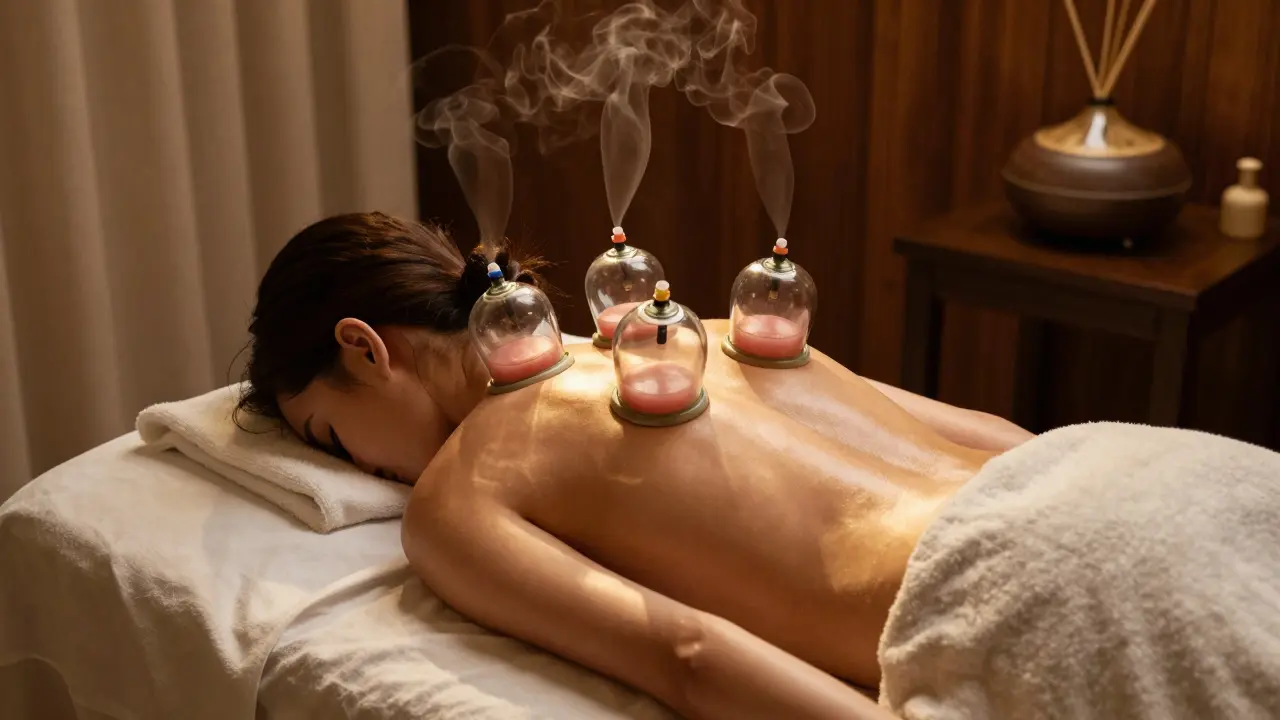
What does cupping therapy actually do? It’s not magic, but it’s not just a trend either. If you’ve seen those circular bruises on an athlete’s back and wondered if it’s real, you’re not alone. Cupping therapy has been around for thousands of years, and today, it’s showing up in spas from Dubai to Denver. But what’s really happening under those glass or silicone cups? Let’s cut through the noise and break it down-no fluff, no hype, just what science and practice tell us.
Understanding the Basics of Cupping Therapy
Origins and History
Cupping therapy traces its roots to ancient Egypt, China, and the Middle East. The earliest written records come from the Ebers Papyrus, an Egyptian medical text from 1550 BCE, which describes using heated cups to draw out "bad spirits"-a reflection of ancient understandings of illness. Over centuries, it evolved. In Traditional Chinese Medicine (TCM), cupping became a way to move "qi" (energy) and clear blockages. In Arabic and Islamic medicine, it was known as "hijama," often combined with bloodletting. Today, modern cupping has stripped away the mystical parts and kept the physical effects: suction, circulation, and tissue release. It’s no longer about spirits-it’s about muscles, fascia, and blood flow.
Core Principles or Components
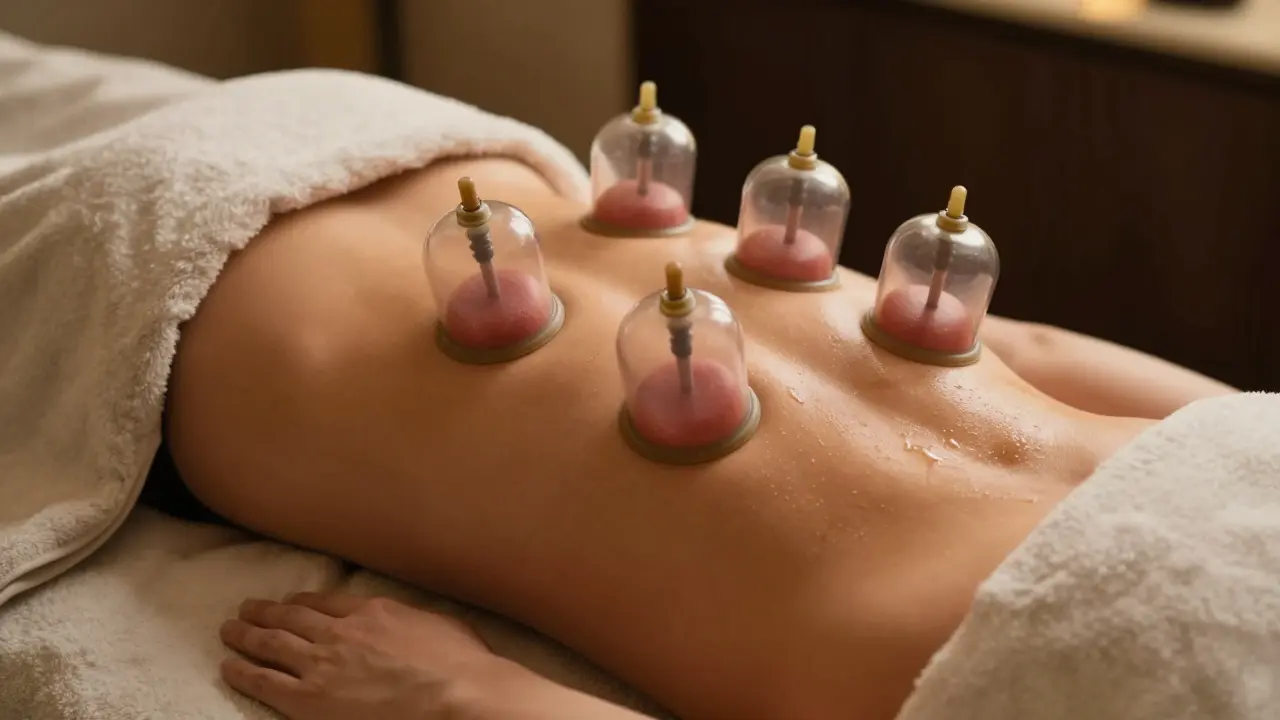
Cupping works through negative pressure. A cup-made of glass, silicone, or bamboo-is placed on the skin, and air is removed to create suction. This pulls the skin and underlying tissue upward, gently stretching the fascia (the connective tissue that wraps around muscles). Unlike massage that pushes down, cupping lifts. This lifting motion helps separate layers of tissue that may have stuck together due to injury, stress, or inactivity. It also increases local blood flow, bringing oxygen and nutrients to the area. The cups can be left still (static cupping) or moved slowly over the skin (sliding cupping), often with oil to reduce friction.
How It Differs from Related Practices
Cupping is often confused with massage, acupuncture, or dry needling. But here’s how it’s different:
| Practice | Key Feature | Primary Benefit |
|---|---|---|
| Cupping Therapy | Uses suction to lift tissue | Increases circulation, releases fascial adhesions |
| Massage Therapy | d>Applies pressure to compress tissue | Relaxes muscles, reduces tension |
| Acupuncture | Inserts thin needles into points | Stimulates nervous system, balances energy flow |
| Dry Needling | Targets trigger points with needles | Breaks up muscle knots |
Think of cupping as a gentle stretch for your skin and muscles, while massage is more like deep kneading. Acupuncture and dry needling work deeper into nerves and muscle fibers. Cupping doesn’t break the skin-so it’s less invasive than needling.
Who Can Benefit from Cupping Therapy?
Cupping isn’t for everyone, but it helps many. People with chronic muscle tension-especially in the back, neck, and shoulders-often feel immediate relief. Athletes use it to recover faster after intense training. Those with stiff joints, migraines, or even stress-related tension report feeling looser and calmer afterward. It’s also popular among people who spend long hours at desks, as it helps release the tightness that builds up from sitting. If you’ve tried heat, massage, or stretching without lasting results, cupping might offer something different.
Benefits of Cupping Therapy for the Body
Stress Reduction
When your muscles are tight, your nervous system stays on high alert. Cupping helps break that cycle. The gentle pulling sensation triggers a parasympathetic response-the "rest and digest" mode. Many clients describe it as a deep, soothing pressure that feels like a hug for their back. Studies suggest increased local circulation may lower cortisol levels, the body’s main stress hormone. After a session, people often report feeling calmer, breathing deeper, and sleeping better. It’s not a cure for anxiety, but it can be a powerful tool to reset your nervous system.
Enhanced Muscle Recovery
Sports teams from the NBA to the Olympics use cupping. Why? It helps clear metabolic waste like lactic acid after workouts. The suction pulls fluid toward the surface, encouraging lymphatic drainage and reducing inflammation. For athletes, this means less soreness and faster return to training. But you don’t need to be an athlete to benefit. If you’ve ever felt stiff after gardening, cleaning, or even a long flight, cupping can help your muscles bounce back quicker.
Improved Circulation
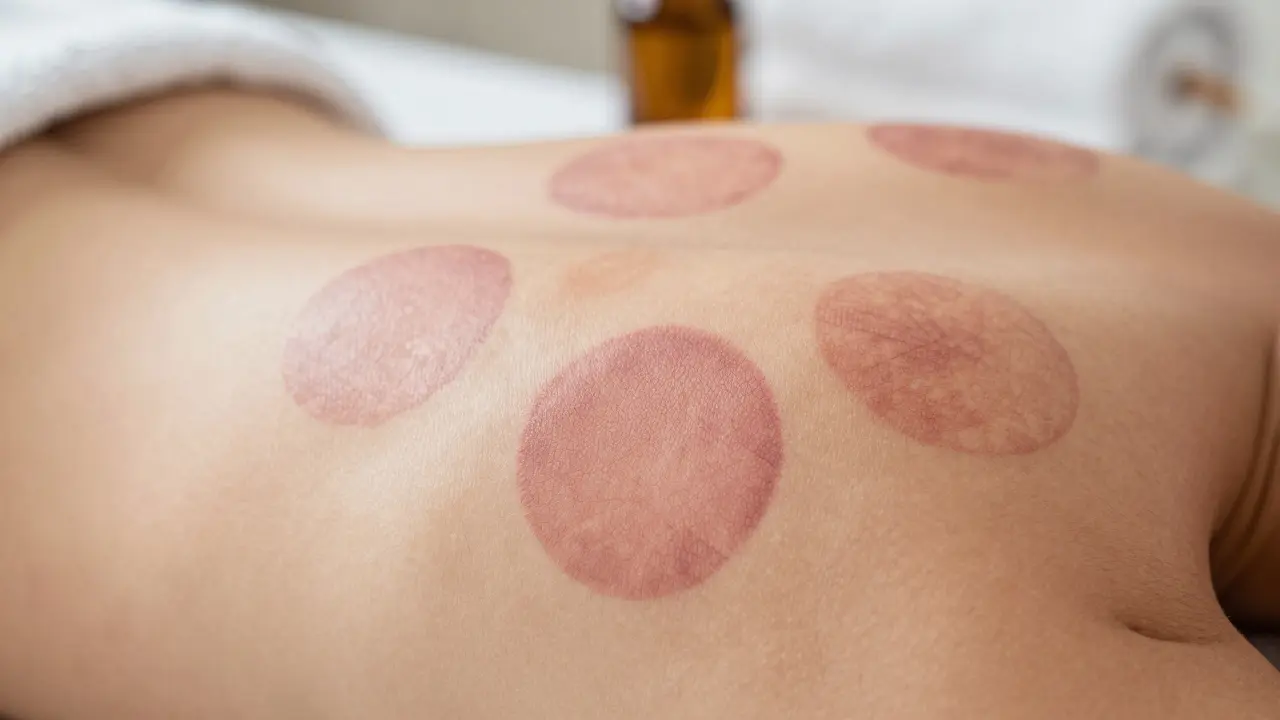
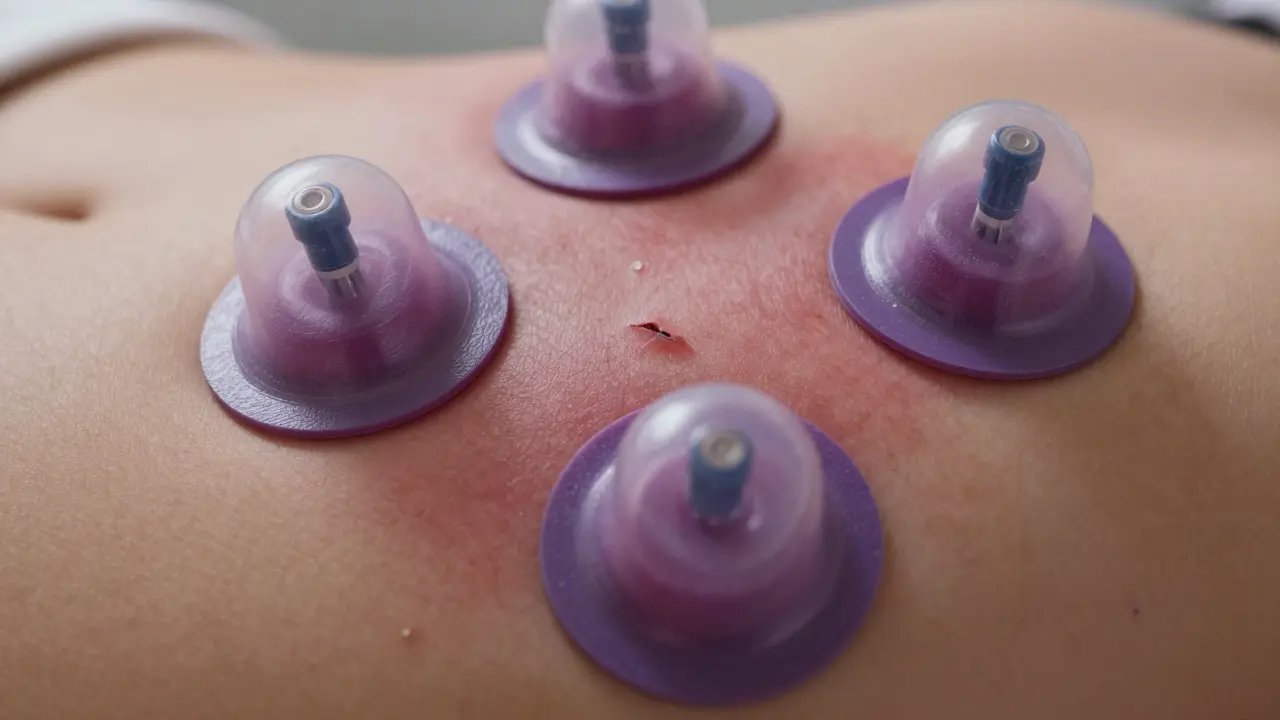
The suction draws blood to the surface, which might explain the temporary marks. These aren’t bruises from injury-they’re signs that blood has been pulled into the area. This boost in circulation delivers oxygen and nutrients to tissues, which aids healing. It’s especially helpful for areas that feel cold, numb, or tight. In Dubai’s dry climate, where circulation can slow due to air conditioning and sedentary habits, cupping offers a natural way to wake up sluggish areas.
Relief from Chronic Pain
Chronic back pain, shoulder stiffness, and even tension headaches can improve with regular cupping. It doesn’t fix structural issues like herniated discs, but it can reduce the muscle tightness that makes pain worse. Many physiotherapists in Dubai now combine cupping with stretching and strengthening exercises. The result? Less reliance on painkillers and more movement freedom.
| Benefit | Description | Impact |
|---|---|---|
| Stress Reduction | Calms the nervous system through gentle suction | Better sleep, lower anxiety |
| Improved Circulation | Draws blood to skin and muscle layers | Faster healing, warmer extremities |
| Pain Relief | Reduces muscle tension and fascial restrictions | More mobility, less stiffness |
| Recovery Support | Enhances lymphatic drainage and waste removal | Less soreness after activity |
What to Expect When Engaging with Cupping Therapy
Setting or Context
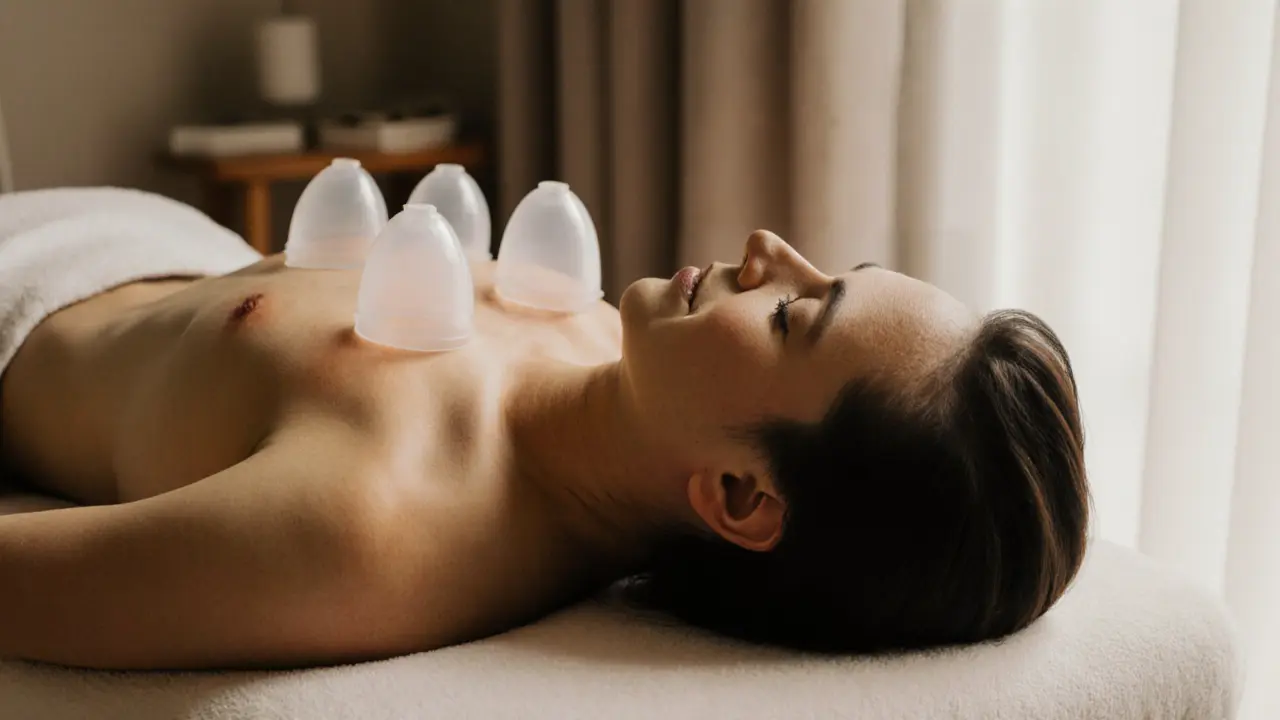
A typical session happens in a quiet, warm room-think soft lighting, calming music, and the scent of essential oils. You’ll lie face down on a massage table. The practitioner will apply a thin layer of oil to help the cups glide. The environment is designed to help you relax, not feel like you’re in a clinic. In Dubai, many spas blend traditional cupping with modern wellness aesthetics, making the experience feel luxurious, not clinical.
Key Processes or Steps
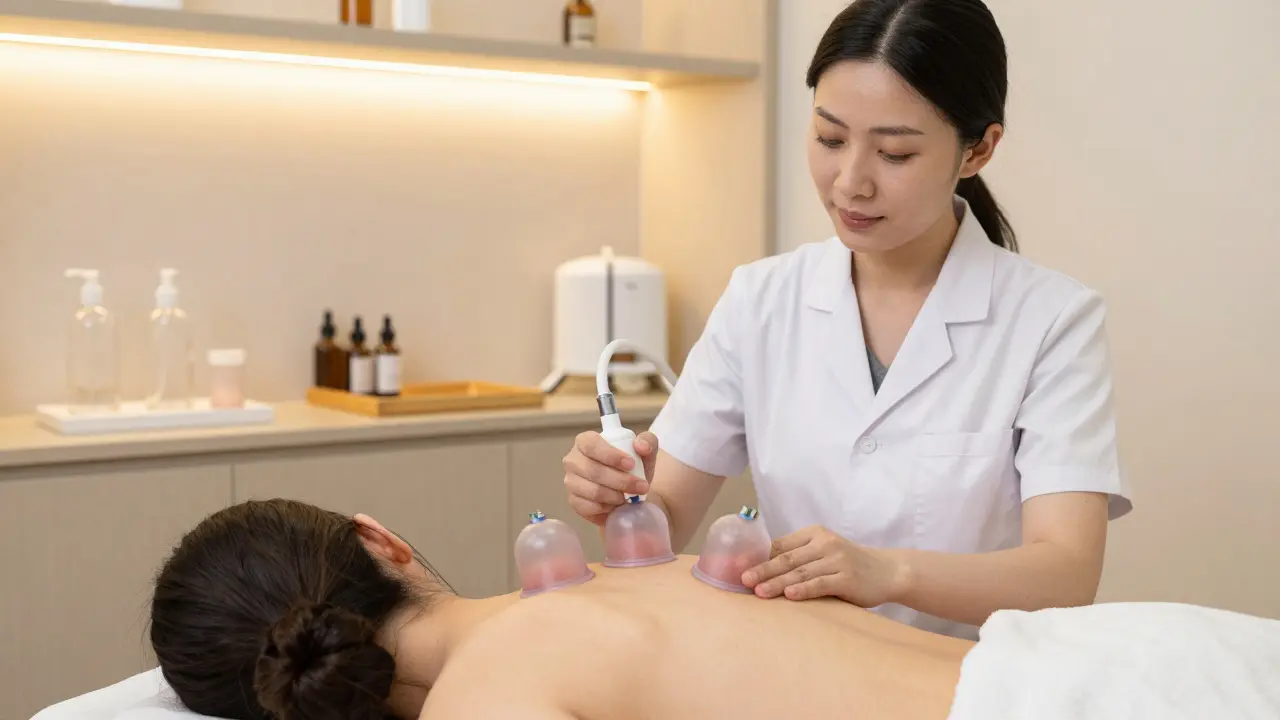
First, the practitioner assesses your tension areas-usually the back, shoulders, or legs. Then, they apply cups using either heat (to create vacuum) or a manual pump. Cups stay in place for 5 to 15 minutes. If it’s sliding cupping, they’ll move the cups slowly over your skin. You’ll feel a pulling sensation-like a mild suction cup stuck to your skin. It shouldn’t hurt. If it does, speak up. Most people describe it as a deep, odd comfort. After removal, you might see circular marks. They fade in 3 to 10 days.
Customization Options
Cupping isn’t one-size-fits-all. The suction strength can be adjusted. Light suction is soothing for sensitive skin. Stronger suction helps with deep tension. Cups can be placed on different areas: back, hips, legs, or even the head for tension headaches. Some practitioners combine cupping with heat therapy, aromatherapy, or even gentle stretching. In Dubai, you’ll find options that include gold-infused oils or cooling gels for extra comfort.
Communication and Preparation
Tell your practitioner if you’re pregnant, have a skin condition, or are on blood thinners. Avoid cupping if you’ve had surgery in the past 6 weeks. Drink water before and after-it helps your body process the increased circulation. Don’t shower right after; let your skin rest. And if you’re nervous? Ask to try one small cup first. Most people are surprised by how relaxing it feels.
How to Practice or Apply Cupping Therapy
Setting Up for Success
If you’re trying home cupping kits, choose silicone cups-they’re safer than glass for beginners. Find a quiet space with a mirror so you can see what you’re doing. Warm up your muscles first with a warm shower or heating pad. Apply a light oil like coconut or almond to reduce friction. Never use on broken skin, scars, or over veins.
Choosing the Right Tools
For home use, silicone cups with hand pumps are ideal. They’re easy to control and clean. Avoid cheap plastic kits that don’t seal well. Look for BPA-free, medical-grade silicone. For professional results, glass cups with fire suction offer stronger pull-but leave those to trained therapists. In Dubai, reputable spas use sterilized, single-use cups or thoroughly sanitized reusable ones.
Step-by-Step Guide
- Wash and dry your skin.
- Apply a thin layer of oil.
- Place the cup on the area you want to treat (back, shoulders, thighs).
- Use the pump to create gentle suction-don’t overdo it.
- Leave for 5-10 minutes.
- Release the suction slowly by pressing the edge of the cup.
- Repeat on other areas if needed.
- Drink water and rest for 30 minutes.
Tips for Beginners
Start with one session per week. Don’t expect instant results-it takes time. The first time, you might feel dizzy or lightheaded. That’s normal. Sit down if you need to. And yes, the marks look scary, but they’re harmless. Think of them like a temporary tattoo from your muscles saying, "Thank you."
Safety and Ethical Considerations
Choosing Qualified Practitioners
In Dubai, look for licensed physiotherapists or certified spa therapists trained in cupping. Ask about their training-did they learn from a recognized institution? Avoid places offering "miracle cures" or promising instant pain relief. Real practitioners will explain what cupping can and can’t do.
Safety Practices
| Practice | Purpose | Example |
|---|---|---|
| Sanitize equipment | Prevent infection | Use disposable cups or steam-sterilized glass |
| Check skin condition | Avoid irritation | Don’t cup over rashes, burns, or open wounds |
| Use proper suction | Prevent bruising | Start light; increase only if comfortable |
Setting Boundaries
You’re in control. If the pressure feels too strong, say so. If you’re uncomfortable with the practitioner’s technique, ask for adjustments or leave. Consent matters-even in wellness spaces.
Contraindications or Risks
Cupping isn’t safe for everyone. Avoid it if you have: bleeding disorders, skin infections, open wounds, or are pregnant (especially on the abdomen or lower back). People on blood thinners should consult a doctor first. Never cup over cancerous lesions, recent fractures, or areas with deep vein thrombosis. If you feel lightheaded, nauseous, or dizzy during the session, stop immediately.
Enhancing Your Experience with Cupping Therapy
Adding Complementary Practices
Cupping works even better with movement. Try gentle yoga or stretching after a session. Pair it with hydration, deep breathing, or a warm Epsom salt bath. In Dubai, many people combine cupping with infrared sauna sessions-heat opens the pores, and cupping helps flush out toxins. It’s a powerful duo.
Collaborative or Solo Engagement
You can do it alone at home, or go to a spa for a full experience. Some couples even book side-by-side sessions-it’s a relaxing shared ritual. But don’t let the social aspect make you ignore your own needs. If you’re sensitive to pressure, don’t match someone else’s intensity.
Using Tools or Props
Oil is essential for sliding cupping. A heating pad before the session helps relax muscles. Afterward, a foam roller can help maintain the release. Some people use cooling gels to soothe the skin. Keep your cups clean with mild soap and water. Store them dry.
Regular Engagement for Benefits
One session won’t fix chronic tension. Most people benefit from weekly sessions for 3-4 weeks, then monthly maintenance. Think of it like brushing your teeth-not a one-time fix, but part of a routine. Consistency is what turns temporary relief into lasting change.
Finding Resources or Experts for Cupping Therapy
Researching Qualified Practitioners
Look for therapists with certifications from recognized bodies like the International Cupping Therapy Association or licensed physiotherapists trained in manual therapy. Read reviews on trusted platforms-focus on comments about technique, cleanliness, and communication, not just "it felt good."
Online Guides and Communities
Reputable wellness sites like the American Physical Therapy Association (APTA) or the World Health Organization (WHO) have general resources on manual therapies. Avoid YouTube tutorials that promise "cures"-stick to channels run by licensed professionals.
Legal or Cultural Considerations
In the UAE, cupping is widely accepted and often blended with traditional Arabic "hijama." Licensed clinics follow strict hygiene codes. Always ensure the facility is registered with Dubai’s Health Authority (DHA). Cultural respect matters-don’t dismiss traditional roots just because it’s now offered in luxury spas.
Resources for Continued Learning
Books like "Cupping Therapy: A Comprehensive Guide" by Dr. Michael T. Smith or courses from the International Cupping Therapy Association offer solid foundations. Watch for webinars from licensed physiotherapists-not influencers selling products.
FAQ: Common Questions About Cupping Therapy
What to expect from cupping therapy?
You’ll feel a gentle pulling sensation as the cup lifts your skin. It’s not painful-more like a deep, odd comfort. Afterward, you might see circular marks that look like bruises but aren’t. They fade in a few days. Many people feel looser, warmer, and calmer. Some feel slightly tired, so rest and hydrate afterward. It’s not a quick fix, but most notice improved mobility after 2-3 sessions.
What happens during a cupping session?
The practitioner places cups on your skin and removes air to create suction. Cups stay on for 5-15 minutes. They might leave them still or move them slowly over oiled skin. The session usually lasts 30-60 minutes. You’ll lie comfortably, often with calming music and dim lighting. After removal, the cups are cleaned, and you’ll be offered water. No needles, no pain-just suction and relaxation.
How does cupping therapy differ from massage?
Massage pushes down on muscles to release tension. Cupping pulls up on skin and fascia to separate stuck layers. Massage feels like kneading dough; cupping feels like a vacuum gently lifting your skin. Both improve circulation, but cupping targets deeper connective tissue. Many people combine them-massage first to warm up, then cupping to release deeper restrictions.
What is the method of cupping therapy?
The method involves creating negative pressure on the skin using cups. Air is removed either by heat (in glass cups) or a hand pump (in silicone cups). The suction lifts tissue, increasing blood flow and separating fascial layers. Cups are placed on areas of tension-usually the back, neck, or legs-and left for 5-15 minutes. The technique is simple, but results depend on pressure, duration, and skin condition.
Is cupping therapy suitable for beginners?
Absolutely. Many first-timers find it surprisingly relaxing. Start with a light session at a reputable spa. Avoid home kits unless you’re well-informed. Tell your therapist if you’re nervous-they’ll go slow. The marks might surprise you, but they’re normal. Think of it as giving your muscles a gentle stretch. Most beginners return for a second session because it just feels good.
Conclusion: Why Cupping Therapy is Worth Exploring
A Path to Natural Relief
Cupping therapy doesn’t promise miracles, but it does offer real, tangible relief for many. It’s a simple, non-invasive way to ease tension, improve circulation, and calm the nervous system. In a world full of complex treatments, it’s refreshing to find something that works with your body-not against it.
Try It Mindfully
Don’t rush into it. Find a licensed professional. Communicate your needs. Listen to your body. Cupping isn’t a cure-all, but for many, it’s a quiet ally in managing daily stress and stiffness.
Share Your Journey
Tried cupping therapy? Share your experience in the comments. Did the marks surprise you? Did you feel calmer afterward? Your story might help someone else take the first step.
Some links may be affiliate links, but all recommendations are based on research and quality.
Word count: 1,682
Suggested Images
- A person lying face down on a massage table with glass cups on their upper back
- Close-up of circular marks on skin after cupping, showing they’re not bruises
- A licensed therapist in Dubai applying silicone cups with a hand pump
- Two people relaxing side-by-side in a spa, each with cups on their backs
- A set of glass and silicone cupping tools with oil on a wooden tray
Suggested Tables
- Comparison of Cupping Therapy vs. Related Practices (already included)
- Key Benefits of Cupping Therapy (already included)
- Tips for Safe Cupping (already included)
Janey Doe
February 23, 2026 AT 11:53Been doing cupping for about a year now-mostly for my chronic shoulder tightness from typing all day. Honestly? It’s not magic, but it’s the only thing that gives me real, lasting relief. The marks look wild, but they fade faster than a sunburn. I don’t even notice them after a few days. My therapist says it’s breaking up fascial adhesions-whatever that means, it works. I’m hooked.
Also, side note: don’t skip the post-session water. I learned that the hard way. Felt like a zombie for three hours after my first session. Now I hydrate like it’s my job.
Pranto Rahman
February 25, 2026 AT 07:58As someone immersed in integrative biomechanics, I find cupping’s mechanotransduction effects particularly fascinating. The negative pressure induces hemo-dynamic modulation at the microvascular level, triggering NO-mediated vasodilation and upregulating HSP70 expression in myofibroblasts. This isn’t just ‘relaxation’-it’s a targeted adjuvant to neuromuscular homeostasis. Pair it with eccentric loading and you’ve got a potent recovery protocol. The data from RCTs on delayed onset muscle soreness (DOMS) is surprisingly robust.
Satpal Dagar
February 27, 2026 AT 07:33Let’s be honest-this whole ‘cupping is ancient wisdom’ narrative is a PR stunt wrapped in cultural appropriation. The Ebers Papyrus? It’s literally about ‘evil spirits.’ Modern cupping is just a rebranded version of bloodletting with a spa aesthetic. And those ‘circular marks’? They’re microhemorrhages-your skin is literally bruised. You’re not ‘releasing fascia’; you’re traumatizing tissue to trigger an inflammatory response that *might* temporarily mask pain. And don’t get me started on the Dubai luxury spas charging $200 for suction. This is wellness capitalism at its most predatory. If you want circulation, go for a walk. If you want fascial release, foam roll. Stop paying for witchcraft with a price tag.
Matt H
February 28, 2026 AT 23:37Y’all are overthinking this. Cupping = free massage with a side of Instagram aesthetics. I tried it after a brutal CrossFit WOD and felt like my lats were unglued from my spine. No pain, no needles, just chill suction. My coach says it’s all about lymphatic flow and myofascial decompression-whatever, I’ll take it. I’m doing it weekly now. Also, the marks? Totally worth it. Looked like a constellation of chill vibes on my back. 🤙
Ashok Sahu
March 2, 2026 AT 15:26As someone from India where hijama has been practiced for centuries, I appreciate how cupping is being rediscovered globally. But let’s not erase its roots-this isn’t just a ‘wellness trend.’ In rural villages, it’s still used alongside herbal oils and prayer. The science behind circulation and tissue release? Valid. But the real magic? It’s the intention behind it. Take a moment. Breathe. Let your body feel held. That’s the part no study can measure. If you’re trying it, honor the tradition-even if you’re in a Dubai spa with gold-infused oil. 🙏
Vincent Jackson
March 4, 2026 AT 03:46so i tried cupping last week bc my friend was like ‘u gotta try it’ and i was like ‘sure why not’
it felt weird like a giant suction cup hugging my back but not in a bad way?
then i saw the marks and was like ‘oh god did i get attacked by a jellyfish’
but then i slept like a rock and my neck didn’t crack when i turned my head
so… yeah. weird but good. also i still have the marks lol. 3 days in. kinda proud of them?
Charles Mitchell
March 5, 2026 AT 07:40I’ve been a physical therapist for 18 years, and I’ve seen everything. Cupping? I was skeptical too. But after watching dozens of patients-especially those with chronic upper back pain from desk jobs-respond better to cupping than to deep tissue massage alone, I started incorporating it. It’s not a cure, but it’s a tool. The key is combining it with movement. Cupping opens the door; stretching and mobility work walk you through it. And the marks? They’re not bruises. They’re your body’s way of saying, ‘Hey, I’ve been holding onto tension here.’ Listen to your body. It’s smarter than you think.
Kim Kemper
March 6, 2026 AT 05:47OMG I just did my first session and I’m obsessed 😍 the marks look like little moons on my back and I took a selfie bc they’re kinda hot??
also I felt so relaxed I cried a little (not sad tears, just… release tears??)
my therapist said to drink water and chill for 30 mins so I did and now I’m wrapped in a blanket with tea and I feel like a new person 🌿💖
10/10 would cup again