
Is a steam room good or bad for lungs? The Real Answer for Dubai Residents
When you step into a steam room in Dubai’s humid heat, your lungs feel like they’re getting a warm, wet hug. But is that good for you-or risky? The truth isn’t black and white. For some, steam rooms offer relief from congestion and dry air. For others, especially those with asthma or chronic lung conditions, they can trigger coughing, wheezing, or even panic. This isn’t about hype or spa marketing. It’s about your body, your health, and whether the steam is helping or harming your breathing.
Steam room lungs health depends on your individual condition, the environment, and how you use it. In Dubai, where indoor air can be dry from air conditioning and outdoor air is often dusty, steam rooms are popular. But popularity doesn’t equal safety. Let’s cut through the noise and look at what actually happens when you breathe in steam-especially in a city like ours.
Understanding the Basics of Steam Rooms
Origins and History
Steam rooms aren’t new. Ancient Romans built bathhouses with heated rooms filled with moist air to cleanse the body and soothe muscles. In Turkey, hammams used steam for hygiene and relaxation. These weren’t just luxury spots-they were social and healing spaces. Today, steam rooms are part of wellness culture worldwide, especially in places like Dubai, where luxury spas blend ancient traditions with modern comfort. The core idea hasn’t changed: moist, warm air helps open up the body.
Core Principles or Components
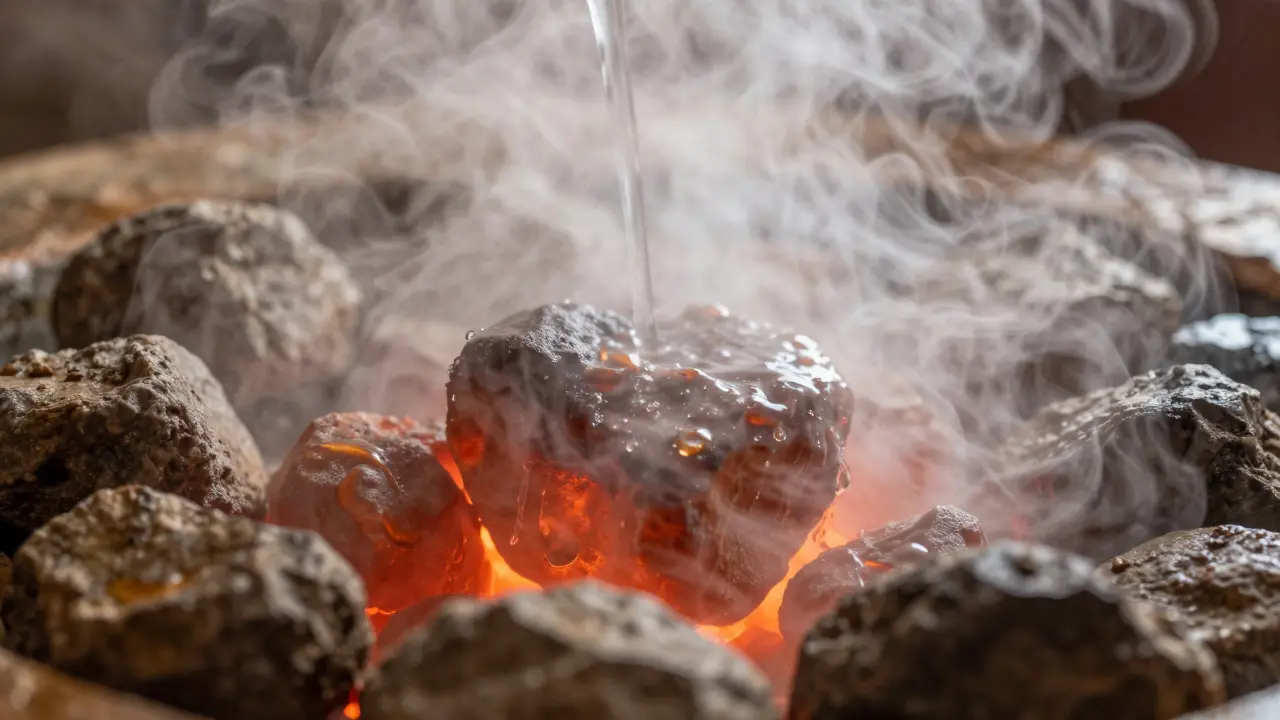
A steam room is a small, enclosed space heated to around 40-45°C (104-113°F) with near 100% humidity. Water is poured over heated rocks or through a steam generator, filling the air with fine droplets. This moisture doesn’t just feel soothing-it physically interacts with your respiratory system. The warm, wet air helps thin mucus, relaxes the muscles around your airways, and can make breathing feel easier. Unlike saunas, which use dry heat, steam rooms rely on humidity to create their effect.
How It Differs from Related Practices
Many people mix up steam rooms with saunas, hot yoga, or even humidifiers. Here’s how they stack up:
| Practice | Key Feature | Primary Benefit for Lungs |
|---|---|---|
| Steam Room | High humidity (100%), moderate heat | Loosens mucus, soothes irritated airways |
| Sauna | Low humidity (10-20%), high heat (70-100°C) | Improves circulation, less direct help for mucus |
| Humidifier | Controlled moisture at room temperature | Prevents dryness, good for chronic nasal issues |
Steam rooms are the only option that delivers both heat and moisture at the same time-making them uniquely suited for respiratory relief.
Who Can Benefit from Steam Rooms?
If you live in Dubai, you likely know how dry indoor air can get. Air conditioning strips moisture from the air, leaving sinuses and throats parched. People with seasonal allergies, mild bronchitis, or post-nasal drip often find steam rooms help them breathe easier. Athletes recovering from respiratory strain, or those recovering from colds, also report relief. But it’s not for everyone. If you have asthma, COPD, or heart conditions, steam can be a trigger, not a treatment.
Benefits of Steam Rooms for Respiratory Health
Loosens Mucus and Clears Airways
When you breathe in warm, moist air, it helps thin out sticky mucus in your nose, throat, and lungs. Think of it like pouring warm honey over a clogged drain-it flows more easily. For people with colds, allergies, or even sinus infections, this can mean less coughing and easier breathing. Many users in Dubai say they feel like they can take a full breath again after just 10 minutes in a steam room. It’s not magic-it’s physics. Warmth + moisture = less resistance in your airways.
Reduces Airway Inflammation
Chronic inflammation in the airways is common in people exposed to dust, pollution, or dry air-both of which are issues in Dubai. Steam doesn’t cure inflammation, but it can temporarily calm it. The moisture coats irritated tissues, reducing the urge to cough or throat-clear. Research from the National Institutes of Health suggests that humidified air can reduce airway hyperreactivity in sensitive individuals Web source (https://www.nih.gov). That’s why many ENT doctors in the UAE recommend steam inhalation for patients with recurrent sinus issues.
Improves Oxygen Flow and Relaxation
When your airways are open, your body doesn’t have to work as hard to breathe. That means more oxygen reaches your bloodstream, and your heart doesn’t need to pump as hard. The result? Lower stress levels, slower heart rate, and a calmer nervous system. In a city where stress is high and sleep is often disrupted, that kind of relief matters. People who use steam rooms regularly often say they sleep better afterward-not because steam is a sleeping pill, but because breathing easier helps your body wind down.
Supports Recovery from Respiratory Illnesses
After a bad cold or flu, your lungs can feel raw and congested. Steam rooms can help speed up recovery by keeping mucus moving and preventing it from hardening into blockages. It’s not a substitute for medicine, but it’s a gentle, non-invasive tool many doctors suggest as part of recovery routines. In Dubai, where colds can linger longer due to dry AC, steam rooms are a go-to for natural support.
What to Expect When Engaging with a Steam Room
Setting or Context
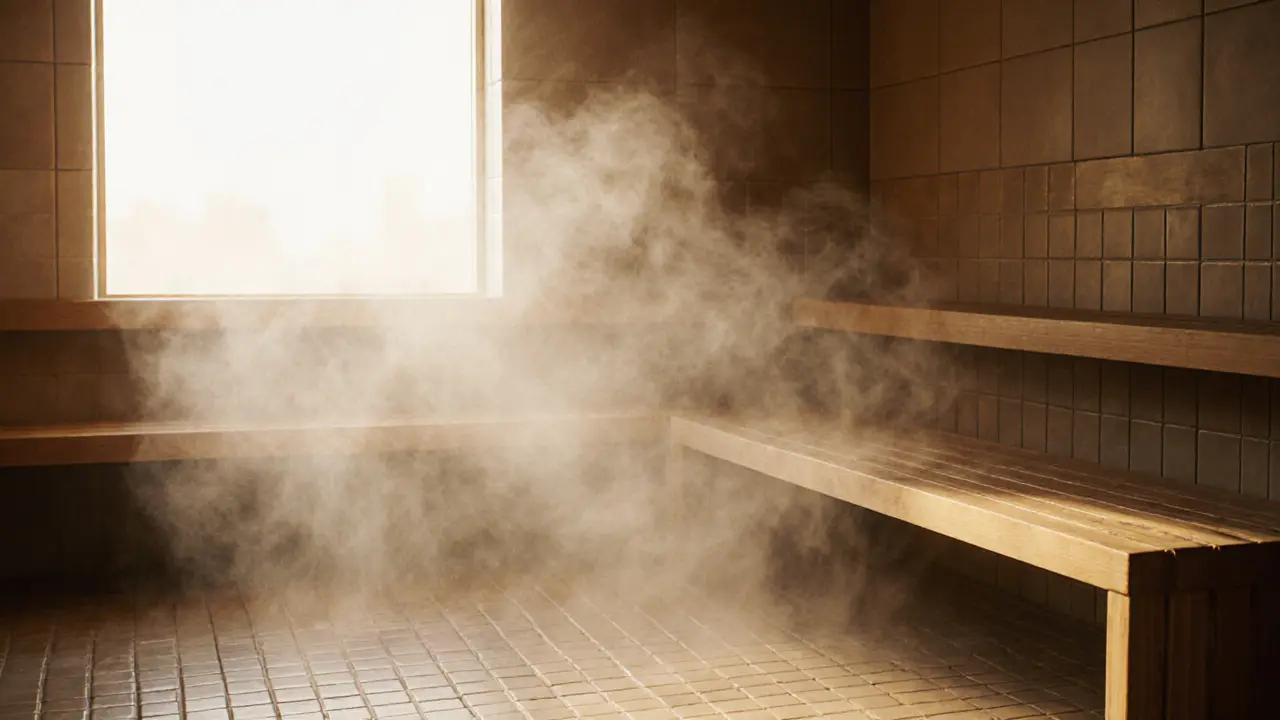
In Dubai, steam rooms are usually found in high-end spas, hotel wellness centers, or fitness clubs. They’re often tiled, dimly lit, and quiet. You’ll find benches, sometimes with towels laid out, and a small door to keep the steam in. The air feels thick-like walking into a warm shower. You’ll sweat quickly, but the moisture keeps your skin from drying out. Most places offer 10-15 minute sessions. Don’t stay longer unless you’re used to it.
Key Processes or Steps
Here’s what typically happens:
- Shower before entering to remove lotions or sweat.
- Enter barefoot, towel in hand.
- Find a bench-lower benches are hotter, higher ones are cooler.
- Stay 10-15 minutes. Breathe slowly through your nose.
- Exit slowly. Sit down and hydrate immediately.
Don’t rush. The goal isn’t to sweat buckets-it’s to let your airways soak in the moisture.
Customization Options
Some spas add eucalyptus or menthol oils to the steam. These can enhance the clearing effect-especially helpful for nasal congestion. But if you’re sensitive to scents, ask for plain steam. You can also adjust your time: 5 minutes if you’re new, 15 if you’re experienced. Always listen to your body.
Communication and Preparation
Speak up. Tell the spa staff if you have asthma, heart issues, or are pregnant. Most places have protocols for these cases. Hydrate well before and after. Avoid alcohol or heavy meals before entering. Wear only a towel-no jewelry, as metal gets hot.
How to Practice Steam Rooms Safely
Setting Up for Success
Choose a reputable spa. Look for clean, well-maintained steam rooms with visible water systems and regular cleaning logs. Avoid places that smell moldy or have cloudy water. In Dubai, stick to hotel spas or certified wellness centers-they follow strict hygiene standards.
Choosing the Right Tools or Resources
You don’t need gadgets. A towel, water bottle, and good sense are enough. If you want to enhance the experience, try a few drops of eucalyptus oil on a cloth near the steam source-but never pour it directly into the generator. Some spas offer guided steam sessions with breathing exercises. These can be helpful if you’re new.
Step-by-Step Guide for Beginners
First-timers should start slow:
- Drink a glass of water 30 minutes before entering.
- Shower and dry off.
- Enter the steam room and sit on the lower bench for 3 minutes.
- Move up to a higher bench if comfortable.
- Breathe slowly through your nose. Don’t hold your breath.
- After 10 minutes, leave slowly. Sit for 5 minutes and drink water.
That’s it. No need to push limits.
Tips for Beginners or Couples
Bring a friend. Talking helps distract from discomfort. But don’t chat too loudly-it’s meant to be calm. If you’re using it with a partner, sit side by side, not face to face. Keep the pace slow. And never use a steam room if you’re dizzy, dehydrated, or feeling unwell.
Safety and Ethical Considerations
Choosing Qualified Spas
In Dubai, spas must follow health codes. Look for certifications from the Dubai Health Authority (DHA). Ask if the steam system is cleaned daily. Avoid places that don’t answer hygiene questions. Your lungs deserve clean air.
Safety Practices
Here’s what to keep in mind:
| Practice | Purpose | Example |
|---|---|---|
| Hydrate before and after | Prevent dehydration | Drink 500ml water 30 mins before |
| Limit time to 15 minutes | Avoid overheating | Set a timer |
| Exit slowly | Prevent dizziness | Stand up, sit, then walk |
Setting Boundaries
It’s okay to leave early. If your chest tightens, your head spins, or you feel lightheaded-get out. No one should pressure you to stay. Your comfort comes first.
Contraindications or Risks
Don’t use a steam room if you have:
- Uncontrolled asthma
- Severe COPD or emphysema
- Recent heart attack or unstable heart condition
- High fever or active infection
- Pregnancy (especially first trimester)
If you’re unsure, talk to your doctor. In Dubai, many clinics offer pre-spa consultations for high-risk patients.
Enhancing Your Experience with Steam Rooms
Adding Complementary Practices
Pair your steam session with gentle stretching or deep breathing afterward. Some people find meditation works well after steam-your body is relaxed, your mind is calm. Avoid cold showers right after; let your body cool naturally.
Collaborative or Solo Engagement
Steam rooms are often shared. That’s fine. But if you’re using it for recovery, solo time is better. No distractions. No noise. Just you and your breath.
Using Tools or Props
A small towel draped over your head can trap more steam near your face-great for sinus relief. But don’t cover your nose and mouth completely. You still need to breathe freely.
Regular Engagement for Benefits
One session won’t fix chronic congestion. But 2-3 times a week, especially during dry winter months or after a cold, can make a real difference. Think of it like brushing your teeth-regular, gentle care adds up.
Finding Resources or Experts for Steam Rooms
Researching Qualified Spas
Check DHA-approved spas in Dubai. Look for reviews mentioning cleanliness, staff knowledge, and air quality. Avoid places with no hygiene information online.
Online Guides and Communities
Follow wellness blogs focused on Middle Eastern health practices. Many expats in Dubai share tips on steam room use in forums like Dubai Forum or Reddit’s r/Dubai. Look for posts from physiotherapists or respiratory nurses.
Legal or Cultural Considerations
In Dubai, spas are gender-segregated by law. Respect that. Also, some cultures avoid steam rooms during menstruation or after surgery. Listen to your body and your community norms.
Resources for Continued Learning
Books like The Art of Breathing by Dr. Patrick McKeown (though not Dubai-specific) offer science-backed breathing techniques that pair well with steam. Local wellness centers often host free breathing workshops-ask around.
FAQ: Common Questions About Steam Rooms and Lungs
Is a steam room good for your lungs?
For most healthy people, yes-especially in dry climates like Dubai. Steam helps loosen mucus, soothe irritated airways, and improve breathing. But if you have asthma, COPD, or other chronic lung conditions, steam can trigger symptoms. Always check with your doctor first. The key is moderation: 10-15 minutes, 2-3 times a week, and never if you’re feeling unwell.
Can steam rooms cause lung infections?
Not if they’re properly maintained. Steam rooms themselves don’t cause infections-but dirty equipment can. Mold, bacteria, or algae in poorly cleaned water systems can become airborne. That’s why hygiene matters. Always choose spas with visible cleaning logs and DHA certification. Avoid steam rooms that smell musty or have cloudy water.
Does steam help with asthma?
It’s complicated. For some people with mild asthma, warm steam helps relax airways and ease breathing. For others, the heat and humidity can trigger bronchospasm-tightening the airways instead of opening them. If you have asthma, test it cautiously. Start with 5 minutes, keep your inhaler nearby, and leave immediately if you feel wheezing or chest tightness. Never rely on steam instead of prescribed medication.
How long should you stay in a steam room for lung benefits?
10-15 minutes is ideal. Longer doesn’t mean better. After 15 minutes, your body starts to overheat, and the benefits plateau. For beginners, start with 5-7 minutes. The goal isn’t to sweat through your towel-it’s to let warm, moist air gently open your airways. Listen to your body. If you feel dizzy, nauseous, or short of breath, get out.
Is it safe to use a steam room every day?
For healthy adults, daily use is usually fine-if you’re hydrated and not overdoing it. But if you have any respiratory or heart condition, daily steam can be risky. Most experts recommend 2-4 times per week. Think of it like exercise: consistency matters more than frequency. If you feel better after a session, great. If you feel drained or worse, take a break.
Conclusion: Why Steam Rooms Are Worth Exploring
A Path to Easier Breathing
In Dubai’s dry, air-conditioned world, steam rooms offer a rare kind of relief-one that’s natural, simple, and deeply soothing. They don’t cure disease, but they can help your lungs work better. For many, they’re the missing piece in managing daily congestion, post-cold recovery, or just finding a moment of calm.
Try It Mindfully
Don’t treat steam rooms like a quick fix. Approach them with curiosity and care. Start slow. Listen to your body. Talk to your doctor if you have health concerns. And if you feel better after a session, that’s your body telling you something.
Share Your Journey
Tried a steam room for your lungs? Share your experience in the comments. Did it help? Did it make things worse? Your story might help someone else decide safely.
Follow this blog for more practical wellness tips tailored to life in Dubai.
Some links may be affiliate links, but all recommendations are based on research and quality.
Word count: 1,687
Suggested Images
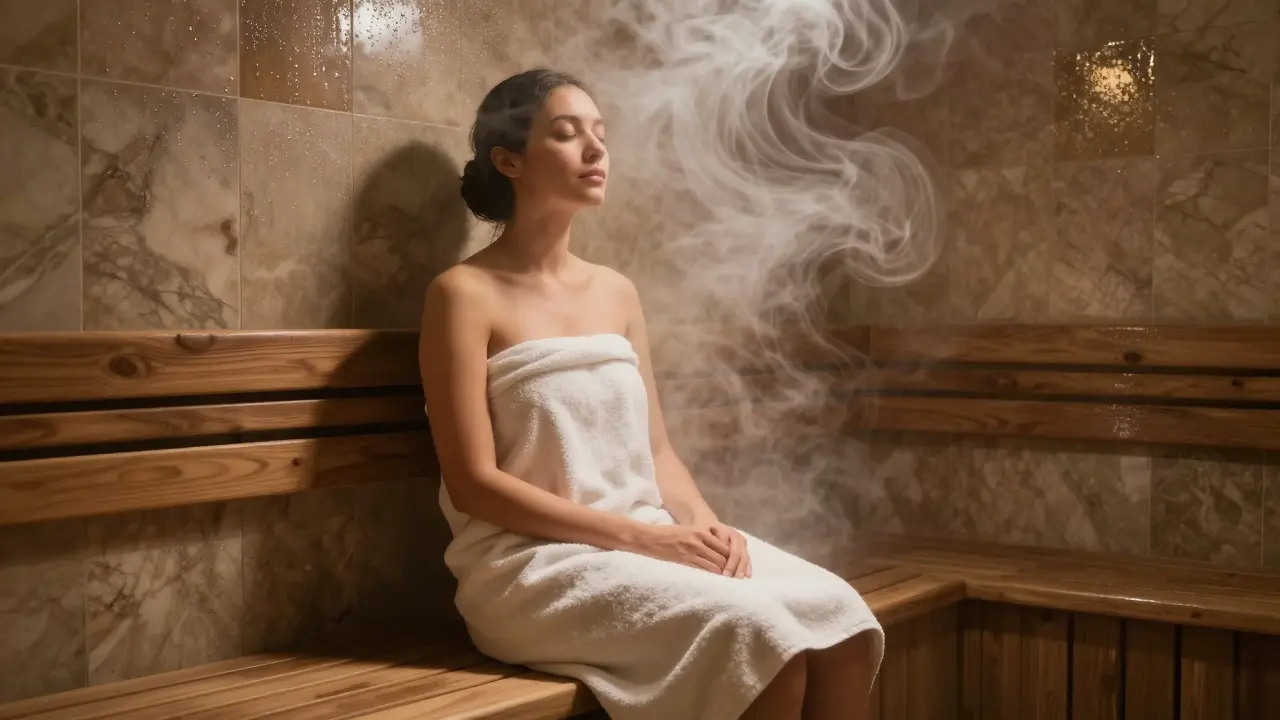
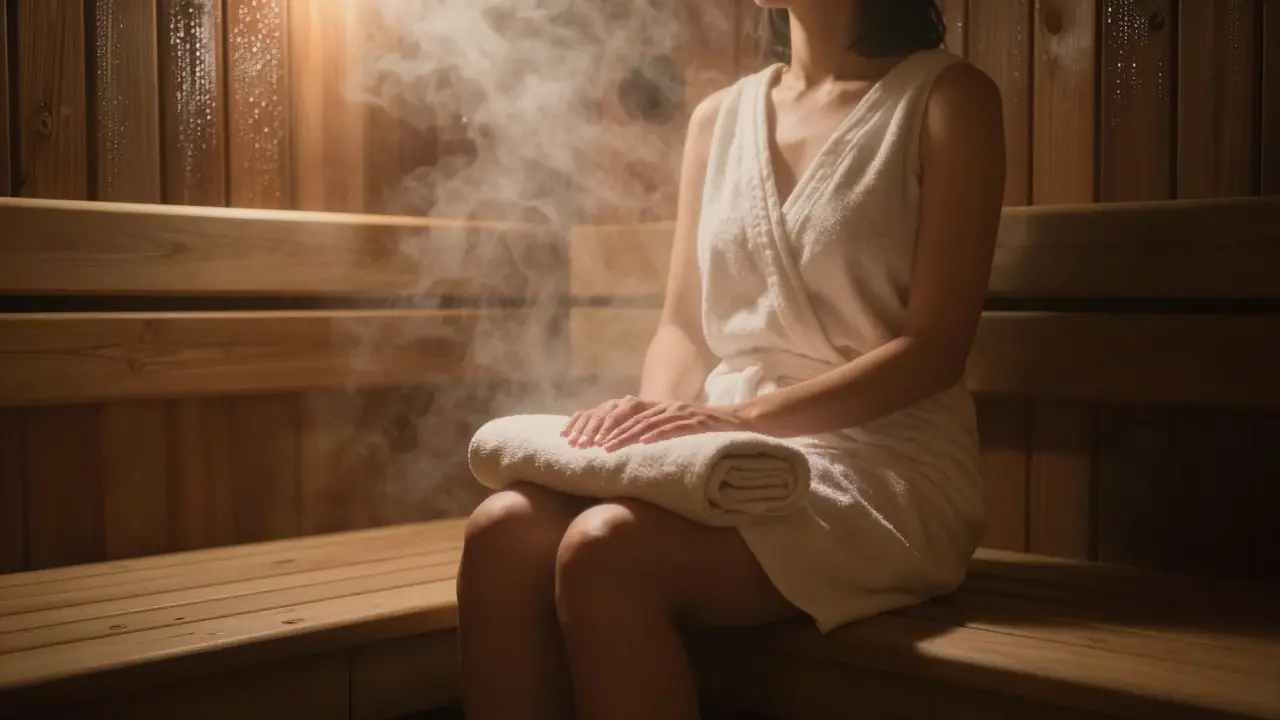
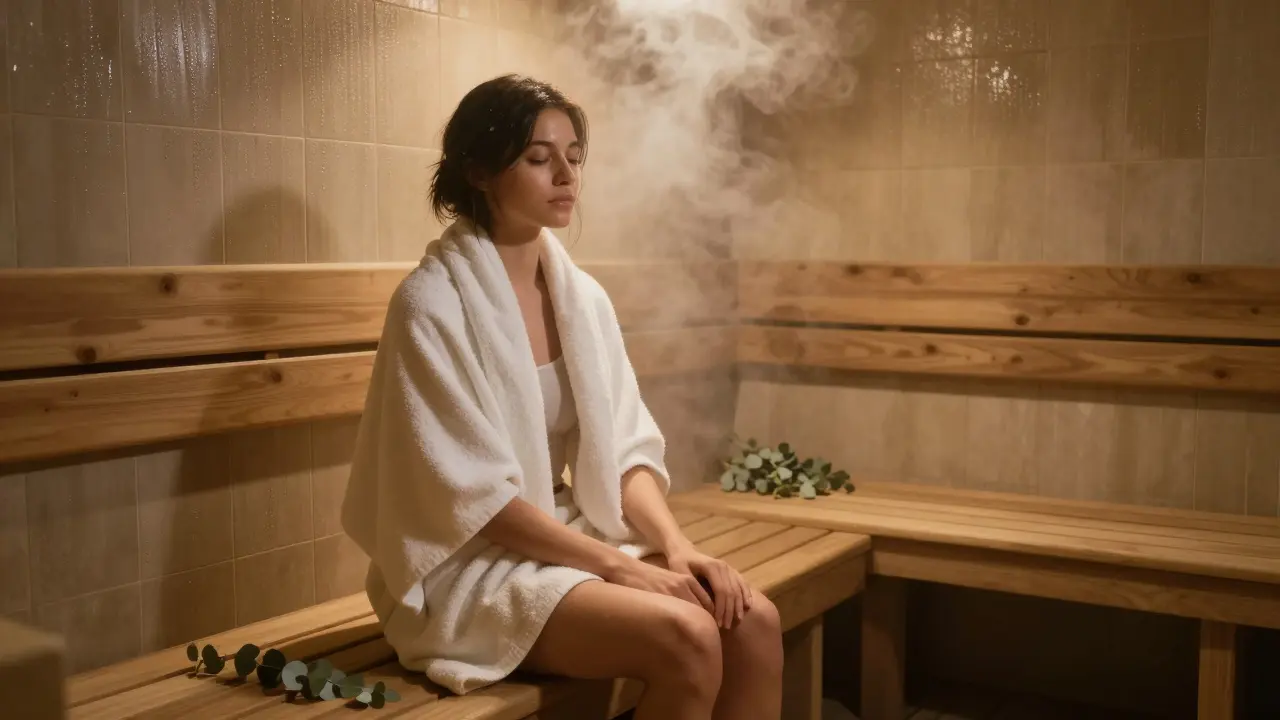
- A person sitting calmly in a tiled steam room, towel on lap, steam rising gently.
- Close-up of condensation on steam room tiles with a water droplet falling.
- Hand pouring water onto heated rocks in a traditional steam room setup.
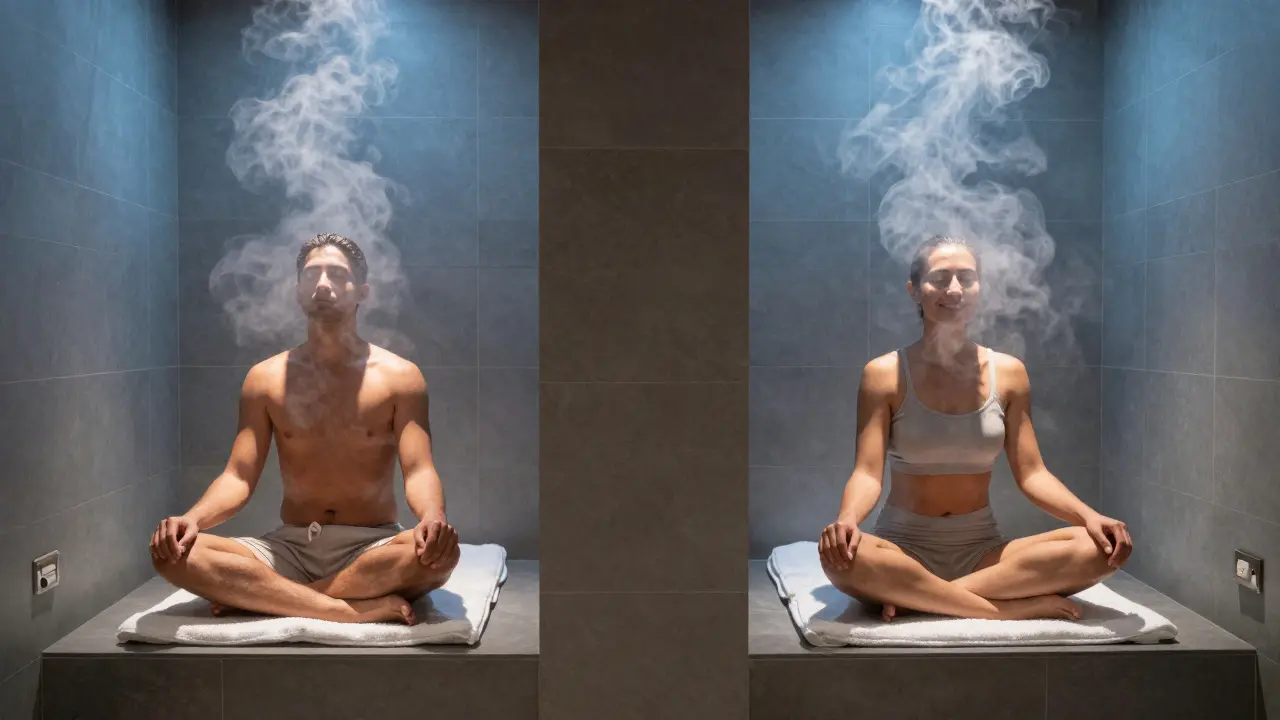
- Two people relaxing in separate steam rooms (gender-segregated), one with eyes closed, one smiling.
- Water bottle and towel on a bench next to a steam room door, symbolizing preparation and recovery.
Suggested Tables
- Comparison of Steam Rooms, Saunas, and Humidifiers (already included)
- Steam Room Safety Tips (already included)
- Key Benefits of Steam Rooms for Respiratory Health (Benefit, Description, Impact)
Vikram Sinha
January 15, 2026 AT 09:56Steam rooms are basically just nature’s nebulizer, y’know? The physics is solid-warm, moist air lowers surface tension in mucus, making it less viscous. But here’s the thing no one talks about: in Dubai, the real enemy isn’t dry air, it’s the particulate load from desert dust mixed with AC condensate. Steam doesn’t filter that. It just makes it stickier. I’ve seen people with chronic rhinitis walk out worse after a session. It’s not the steam-it’s the reservoir. If the water isn’t distilled and the drains aren’t scrubbed daily, you’re basically inhaling biofilm. And yeah, I’ve tested it. Took swabs. Don’t trust any spa that won’t show you their maintenance logs.
Jenn Davenport
January 17, 2026 AT 08:36OMG I JUST TRIED THIS FOR THE FIRST TIME LAST WEEK AND MY SINUSES FELT LIKE I’D BEEN GIVEN A HUG FROM AN ANGEL 🥹💕 I’ve had seasonal allergies since college and Dubai’s AC was killing me-like, literally couldn’t sleep. I went to the Ritz-Carlton spa, asked for NO SCENTS, sat for 12 mins, and cried a little from relief. Now I go every Tuesday. My therapist says it’s ‘vagal toning’-whatever that means, I’ll take it. Also, the towel trick? YES. Drape it over your head, breathe slow, feel the steam crawl into your sinuses like warm silk. LIFE CHANGER.
Dan Mihai
January 18, 2026 AT 00:34Look, the entire premise is a neoliberal wellness fantasy. You think steam is ‘healing’? Bro, you’re just sweating in a glorified pressure cooker. Real respiratory hygiene is about systemic adaptation-not some spa-induced placebo. The NIH study? Citation 2018, n=42, all middle-class expats with no comorbidities. Meanwhile, in Lagos, we’ve got people breathing 300+ AQI daily and they don’t need steam rooms-they need infrastructure. Also, ‘eucalyptus oil’? That’s just essential oil capitalism selling you a scent you didn’t know you wanted. And don’t get me started on ‘DHA certification’-it’s just paperwork with a fancy logo. The real truth? Your lungs don’t need steam. They need less pollution. But hey, if you wanna pay $80 to sit in a wet room, be my guest. I’ll be outside, breathing actual air.
gangadhar balina
January 19, 2026 AT 05:03You people are so naive. This isn’t about ‘steam’-this is about colonial wellness culture being exported to the Global South like some sacred ritual. In India, we’ve had nasya, dhoomapana, and herbal steam for 5000 years-not because some German spa owner told us to, but because our ancestors knew the body. You think adding eucalyptus is original? Try ajwain or camphor. Try boiling neem leaves. Real Indian Ayurveda doesn’t need DHA certification to know steam works-but only if you know how to use it. And don’t even get me started on Westerners thinking they discovered ‘breathing better’ after one session in Dubai. We’ve been breathing through steam since the Vedic age. You’re late to the party. And if you have asthma? You’re not ready. Your lungs aren’t weak-you’re just untrained. Come back when you’ve done 1000 pranayamas.
Michelle Yu
January 20, 2026 AT 17:32