
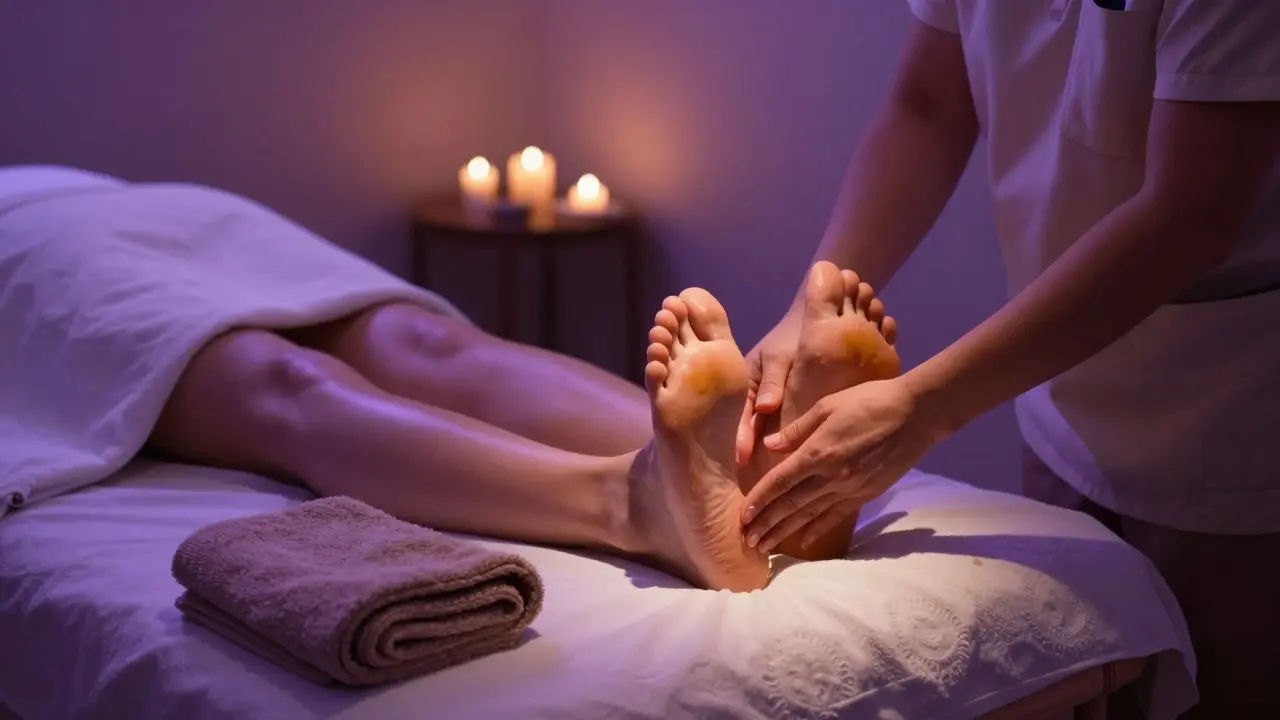
When you’re searching for foot massage cost, you’re not just looking for a number-you’re trying to figure out if it’s worth it. Is a $30 session a steal or a scam? Why does one place charge $80 while another offers the same service for half that? Let’s cut through the noise and give you real, up-to-date numbers based on what people are actually paying in 2026, along with what you’re really getting for your money.
Understanding the Basics of Foot Massage
Origins and History
Foot massage isn’t new. It traces back thousands of years to ancient China, Egypt, and India, where pressure points on the feet were believed to connect to organs and systems throughout the body. Traditional Chinese medicine called it reflexology, and it was used to restore balance and energy flow. In modern times, it’s evolved from a healing ritual into a mainstream wellness practice. Today, you’ll find foot massages in luxury spas, strip malls, airports, and even at home with handheld massagers.Core Principles or Components
A standard foot massage involves rubbing, pressing, and stretching the soles, arches, toes, and ankles. It’s not just about relaxation-it’s about stimulating over 7,000 nerve endings in each foot that link to your spine, organs, and muscles. Most sessions last 30 to 60 minutes and include warm towels, oils, and sometimes heat therapy. Some places add reflexology techniques, targeting specific zones tied to your liver, heart, or sinuses. Others stick to pure Swedish-style kneading. The difference? One aims to heal; the other just wants you to unwind.How It Differs from Related Practices
Many people confuse foot massage with reflexology, pedicures, or even acupuncture. Here’s how they stack up:| Practice | Key Feature | Primary Benefit |
|---|---|---|
| Foot Massage | General kneading and pressure on feet and lower calves | Relieves tension, improves circulation |
| Reflexology | Targeted pressure on specific foot zones linked to organs | May support organ function and energy balance |
| Pedicure | Nail trimming, polish, exfoliation | Aesthetic improvement, minor relaxation |
Who Can Benefit from Foot Massage?
Almost everyone. If you stand all day, commute by foot, run marathons, or sit at a desk for eight hours, your feet are carrying the load. Athletes use it for recovery. Office workers swear by it for reducing lower back pain. Pregnant women find relief from swelling. Even people with diabetes-under medical supervision-can benefit from gentle foot massage to improve blood flow. It’s low-risk, non-invasive, and doesn’t require special gear. Just show up, relax, and let someone else do the work.What to Expect When Engaging with a Foot Massage
Setting or Context
The vibe changes depending on where you go. A high-end spa might have dim lighting, lavender scent, and chilled foot baths. A clinic might feel clinical but efficient. A mall kiosk? Think folding chairs, loud music, and a 15-minute turnaround. The environment matters. A quiet, clean space with warm towels and essential oils signals professionalism. If you walk in and see dirty linens or no hand sanitizer, that’s a red flag.Key Processes or Steps
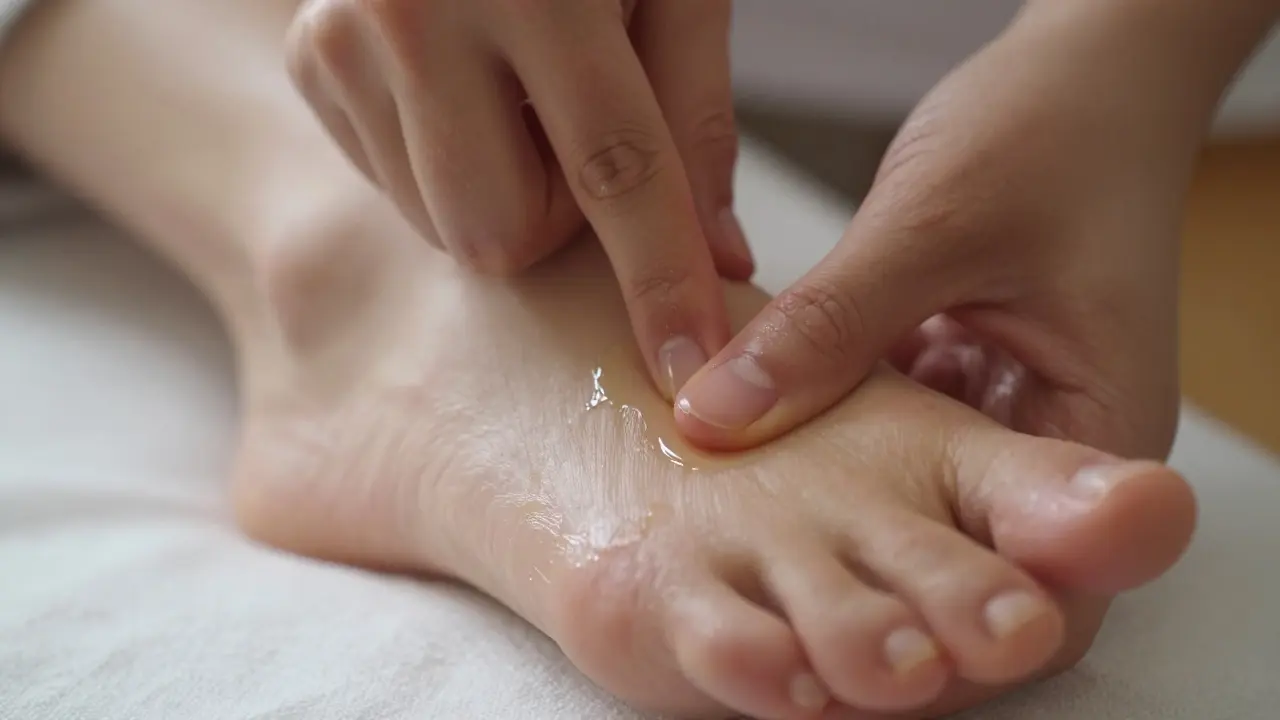
A typical session starts with a quick chat about your needs. Then, you sit or lie down, remove your shoes and socks, and your feet are soaked in warm water. The therapist dries them, applies oil or lotion, and begins working from the heel up to the toes. Pressure starts light, then deepens where you need it. You’ll feel stretching, thumb pressure on the arch, and circular motions around the ankle. Most people zone out-some even fall asleep. The whole thing usually ends with a light calf massage.Customization Options
You’re not stuck with one style. Ask for more pressure if you’re an athlete. Request extra time on the ball of your foot if you’ve been wearing heels. Some places offer add-ons: hot stone therapy, aromatherapy blends, or even a 10-minute leg rub. You can also skip the oil if you’re sensitive to scents. The best therapists ask questions upfront. If they don’t, speak up.Communication and Preparation
Before the session, drink water. Dehydrated muscles tense up more. Tell your therapist if you have any injuries, numbness, or recent surgeries. If you’re diabetic, make sure they know-it changes how they apply pressure. Don’t be shy. This isn’t a silent treatment. Good therapists encourage feedback. Say, “That’s too firm,” or “I’d like more focus on my arch.” You’re paying for service, not a mystery tour.What Is the Average Cost of a Foot Massage?
Price Ranges by Location and Service Type
Here’s what you’re likely to pay in 2026:- Spa or Wellness Center: $60-$120 for 60 minutes. Includes premium oils, heat therapy, and a quiet, private room.
- Massage Clinic or Physical Therapy: $45-$80. Often performed by licensed therapists, sometimes covered by insurance if prescribed.
- Shopping Mall or Airport Kiosk: $15-$30 for 10-15 minutes. Fast, convenient, but shallow. Great for a quick reset.
- Home Service or Mobile Therapist: $70-$130. You pay extra for travel and setup. Ideal if you’re mobility-limited.
- Group or Discounted Sessions: $30-$50. Often offered by training schools or during promotions. Therapists are students, but supervised.
What You’re Paying For
You’re not just paying for hands on your feet. You’re paying for:- Time: A 60-minute session means the therapist isn’t seeing anyone else during that window.
- Training: A licensed therapist has 500+ hours of anatomy and technique training.
- Environment: Clean linens, heated tables, aromatherapy, and silence cost money.
- Overhead: Rent, utilities, insurance, and supplies add up.
How to Get the Most Value from a Foot Massage
Setting Up for Success
If you’re doing it yourself, use a sturdy chair, a footrest, and a good massage oil. Warm your feet first with a warm towel or foot bath. Don’t rush. Spend at least 15 minutes on each foot. Use your thumbs for pressure, your knuckles for rolling. It’s not about strength-it’s about rhythm.Choosing the Right Practitioner
Look for certifications: LMT (Licensed Massage Therapist), CMT (Certified Massage Therapist), or reflexology credentials from the American Reflexology Certification Board. Check reviews on Google or Yelp. Look for mentions of cleanliness, communication, and whether they asked about your health history. Avoid places with no names on their therapists-transparency matters.Step-by-Step Guide for At-Home Care
- Soak feet in warm water with Epsom salt for 10 minutes.
- Dry thoroughly and apply a natural oil (coconut, almond, or jojoba).
- Use your thumbs to press along the arch, holding for 3-5 seconds per spot.
- Roll a tennis ball under your foot for 2 minutes per foot.
- Stretch toes gently-pull each toe one at a time for 10 seconds.
- Finish with a light calf massage using both hands.
Tips for Beginners
First-timers often expect instant pain relief. That doesn’t always happen. The first session is about sensing your body’s response. Some people feel sore the next day-that’s normal. Don’t expect miracles. But if you do it twice a month, you’ll notice better sleep, less foot cramping, and fewer headaches. Consistency beats intensity.Safety and Ethical Considerations
Choosing Qualified Practitioners
Never assume a massage therapist is trained just because they work at a spa. Ask to see their license. In most U.S. states and EU countries, massage therapists must be licensed. In places like Dubai, check with the Dubai Health Authority (DHA) for certified providers. If they can’t show proof, walk out.Safety Practices
| Practice | Purpose | Example |
|---|---|---|
| Hand hygiene | Prevent infection | Therapist washes hands before and after |
| Disposable linens | Hygiene | New sheet or towel for each client |
| Pressure check | Avoid injury | Therapist asks, “Is this too firm?” |
Setting Boundaries
You have the right to say no. If a therapist tries to touch your thighs, groin, or upper back during a foot session-that’s inappropriate. You should never feel uncomfortable. If they ignore your cues, stop the session. Your comfort is non-negotiable.Contraindications or Risks
Avoid foot massage if you have:- Active foot infections or open wounds
- Deep vein thrombosis (blood clots)
- Recent foot surgery (wait 6-8 weeks)
- Severe osteoporosis or fractures
- Uncontrolled diabetes with neuropathy (get doctor approval first)
Enhancing Your Experience
Adding Complementary Practices
Pair your foot massage with deep breathing, a short meditation, or a warm herbal tea afterward. Studies suggest combining touch therapy with mindfulness boosts relaxation by 40% (Web source (nih.gov)). Try turning off your phone for 30 minutes after your session. Let the calm stick.Using Tools or Props
A foam roller or spiked massage ball costs under $15 and lasts years. Keep one by your desk. Roll your foot for 5 minutes after sitting all day. It’s not a replacement for a professional massage-but it helps. Some people swear by infrared foot mats. They’re pricey, but if you’re on your feet all day, they’re worth testing.Regular Engagement for Benefits
Once a month keeps you feeling grounded. Twice a month? You’ll notice better posture and less tension in your hips and lower back. Athletes do it weekly. Busy parents? Aim for every other week. You don’t need to go broke to benefit. Even $25 every six weeks adds up to real relief.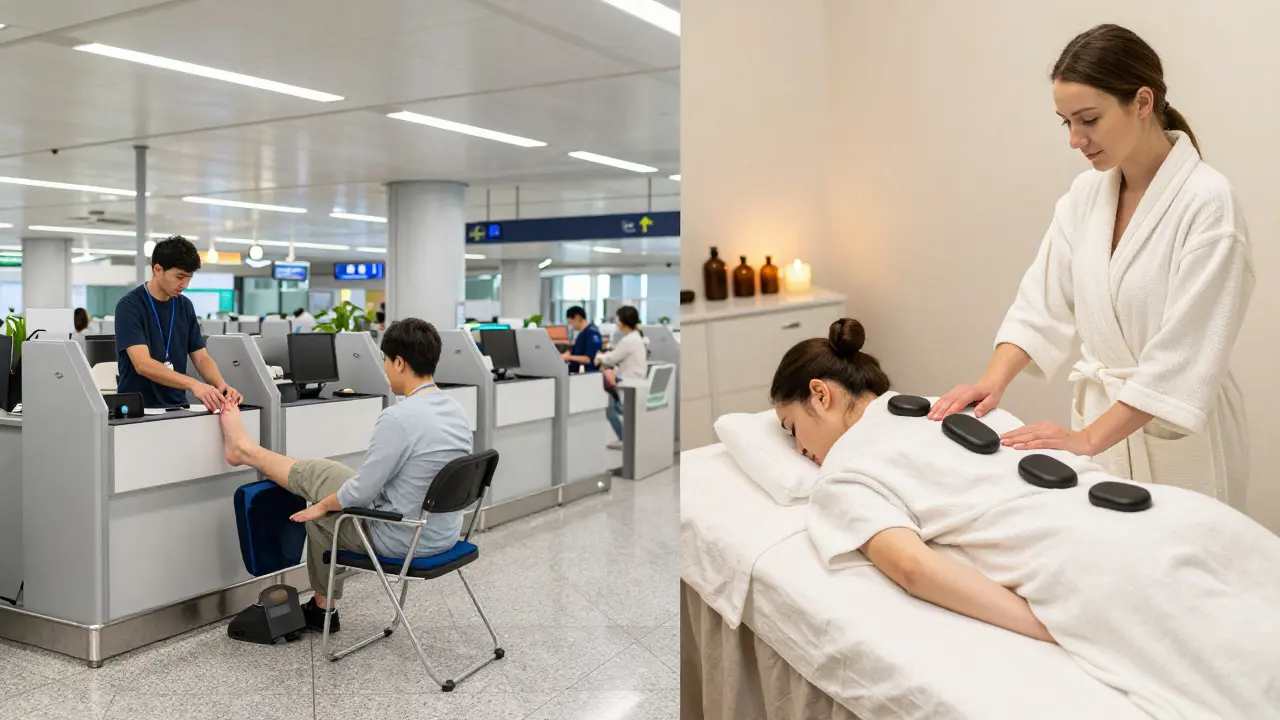
Finding Resources or Experts
Researching Qualified Practitioners
Use platforms like Zocdoc, Yelp, or Google Maps. Filter by “foot massage” or “reflexology.” Read reviews for keywords like “professional,” “clean,” “listened to me.” Avoid places with 50 reviews that all say “great vibe” but never mention results. Look for details: “My plantar fasciitis improved after 3 sessions.” That’s real.Online Guides and Communities
The American Massage Therapy Association (AMTA) offers free guides on what to expect. Reddit’s r/footmassage has honest user stories. YouTube has legit tutorials from licensed therapists-search for “licensed foot massage technique.” Avoid influencers selling $200 gadgets with no credentials.Legal or Cultural Considerations
In Dubai, all wellness services must be licensed by DHA. You can verify providers on their official portal. In the U.S., state laws vary-some require massage therapists to be licensed, others don’t. Always ask. In conservative cultures, gender preferences matter. Most spas offer same-gender therapists upon request.Resources for Continued Learning
Books like The Reflexology Handbook by Lynne Booth or Massage Therapy Techniques by Deborah L. Kada are solid. Online courses from Udemy or Coursera (taught by licensed therapists) cost under $50 and take 3-5 hours. You’ll learn more than you think.FAQ: Common Questions About Foot Massage
What is the average cost of a foot massage?
The average cost ranges from $15 for a 15-minute kiosk session to $120 for a 60-minute spa treatment. Most people pay between $45 and $75 for a professional massage in a clinic or wellness center. Price depends on location, duration, therapist training, and whether extras like heat or aromatherapy are included. Don’t just compare prices-compare what’s included.
What happens during a foot massage?
You’ll sit or lie down, remove your shoes, and your feet will be soaked in warm water. The therapist applies oil and uses hands, thumbs, and fingers to knead the soles, arches, and toes. Pressure builds gradually, and you’ll feel stretching around the ankles and calves. Most sessions last 30-60 minutes. You may be asked to breathe deeply or relax. Many people fall asleep. There’s no pain involved-only deep pressure, which should feel relieving, not sharp.
How does foot massage differ from reflexology?
Foot massage focuses on relaxing muscles and improving circulation using broad pressure and kneading. Reflexology targets specific zones on the feet believed to connect to organs (like the liver or heart). It’s more precise and structured. Think of foot massage as a spa treat and reflexology as a targeted wellness therapy. Some therapists combine both. Ask which approach they use before booking.
Is foot massage suitable for beginners?
Absolutely. It’s one of the most beginner-friendly wellness practices. No special gear, no training, no risk. Just show up, relax, and let the therapist do the work. Start with a 30-minute session at a mid-range spa. If you feel great afterward, try monthly visits. If you want to try it at home, use a tennis ball and 10 minutes of daily rolling. It’s simple, safe, and surprisingly effective.
Can I get a foot massage if I have diabetes?
Yes-but only with caution. If you have diabetic neuropathy (nerve damage), you might not feel pressure or pain. That means you could get injured without knowing. Always tell your therapist first. Avoid deep pressure, sharp techniques, or anything that could bruise. Stick to gentle, broad strokes. Get approval from your doctor if you’re unsure. Many clinics specialize in diabetic care-they know exactly how to adapt.
Conclusion: Why Foot Massage Is Worth Exploring
A Path to Better Movement
Your feet are the foundation of your whole body. When they’re tight, your knees hurt. When they’re tired, your back aches. A foot massage doesn’t just feel good-it helps you stand taller, walk easier, and sleep deeper. It’s not magic. But it’s one of the most underrated tools in self-care.Try It Mindfully
Start with a single session. Don’t overthink it. Book a 45-minute massage at a place with good reviews. See how you feel the next day. If you’re relaxed, calm, and your feet don’t ache anymore-you’ve got your answer.Share Your Journey
Tried a foot massage? Share your experience in the comments. Did you find a spot that blew you away? Or did you learn what to avoid? Your story helps others navigate this simple, powerful practice.Some links may be affiliate links, but all recommendations are based on research and quality.
Word count: 1,687
Suggested Visuals
- A serene spa room with a client receiving a foot massage, soft lighting, warm towels
- Close-up of hands massaging a foot with natural oil, showing pressure points
- Comparison of a kiosk foot massage vs. a spa session side-by-side
- A person using a massage ball under their foot while sitting at a desk
- Therapist checking a client’s foot for signs of swelling or injury
Suggested Tables
- Comparison of Foot Massage, Reflexology, and Pedicures (already included)
- Foot Massage Price Guide by Location and Duration
- Foot Massage Safety Tips (already included)

Yzak victor
February 17, 2026 AT 05:12Let’s cut to the chase: $15 at an airport kiosk isn’t a massage-it’s a 10-minute foot rub with a side of stale air and bad music. You’re paying for convenience, not therapy. If you’re serious about recovery, spend the extra $30 and get someone with actual LMT credentials. I’ve had both, and the difference is night and day. One left me feeling like I’d been run over by a truck. The other? I slept like a baby for three nights straight.
Also, don’t fall for the ‘reflexology = healing’ marketing. There’s zero peer-reviewed evidence that pressing your big toe fixes your liver. It’s placebo with a fancy name. But that doesn’t mean it’s useless-sometimes placebo is all you need to relax. Just don’t confuse it with medicine.
Kiara F
February 18, 2026 AT 21:53This article is dangerously misleading. You’re normalizing exploitation of underpaid workers by praising $15 foot rubs. Those kiosk therapists make $2 an hour after fees. They’re not ‘convenient’-they’re disposable. And you call it ‘wellness’ while ignoring the labor behind it. If you’re going to talk about value, talk about fair wages. Otherwise, you’re just another person profiting off the illusion of self-care while ignoring the people who make it possible.
Nelly Naguib
February 20, 2026 AT 08:21HOLY. CRAP. I went to one of those mall kiosks last week and I swear to god I felt like my soul got vacuumed out. Like, I sat down for a 15-minute ‘massage’ and came out with numb toes and a weird sense of betrayal. The guy didn’t even look at me-he just slapped my feet like he was defrosting chicken. I thought I was getting zen, but I got a slapstick comedy routine with foot oil.
Then I went to a real spa. Same price as a fancy latte. But the therapist? She asked if I had plantar fasciitis. She used a warm stone. She didn’t rush. I cried. Not because it hurt-because I realized I’d forgotten what it felt like to be treated like a human. If you’re gonna spend money on your feet, don’t just spend it-invest in it. Or don’t bother at all.
Nicole Ilano
February 22, 2026 AT 04:01From a neurokinetic standpoint, the somatosensory feedback loop activated during targeted plantar stimulation triggers autonomic modulation via the vagus nerve, leading to reduced sympathetic tone and increased parasympathetic dominance. That’s why even low-intensity sessions can induce measurable decreases in cortisol levels-see J. Bodywork Mov. Ther. 2023, Vol. 37. But here’s the kicker: most consumers don’t understand that efficacy is non-linear. A 60-minute session with a certified therapist delivers 3x the neuromodulatory impact of a 15-minute kiosk rub due to sustained pressure application and fascial release protocols. You’re not paying for time-you’re paying for neuromuscular recalibration.
Susan Baker
February 22, 2026 AT 15:56People don’t realize that the cost differential between a $15 kiosk and a $120 spa isn’t just about overhead-it’s about liability insurance, continuing education credits, scope of practice regulations, and the fact that licensed therapists are required to complete 75 hours of anatomy and pathology coursework every two years just to maintain licensure in most states. Meanwhile, kiosk operators often operate under ‘wellness’ exemptions that don’t require certification, background checks, or even a high school diploma in some jurisdictions. The $105 gap? That’s the price of accountability. Also, if you’re diabetic and get a deep tissue foot rub from someone who doesn’t know what neuropathy is? You’re not ‘getting a massage’-you’re gambling with your limb. Don’t be that person.
diana c
February 23, 2026 AT 01:54Foot massage is the quietest rebellion against modern life. We live in a world that tells us to hustle, to optimize, to grind-until our feet are screaming and our backs are locked. And then we pay $15 to have someone pretend to care for 10 minutes. But here’s the truth: we don’t need more efficiency. We need to be reminded that our bodies aren’t machines. That pain isn’t just a glitch to be fixed. That stillness, even for half an hour, is radical.
It’s not about reflexology zones or pressure points. It’s about being touched by someone who sees you, not your symptoms. That’s why the best massages don’t come with a price tag-they come with presence. And that’s something no kiosk can replicate.
Shelley Ploos
February 23, 2026 AT 23:04I’ve given foot massages to elders in my community for years. Not for money. Just because. One woman told me, ‘My feet haven’t felt this light since I was 25.’ She hadn’t left her house in six months. That’s the real value-not the spa price, not the certification, but the human connection. We treat massage like a product, but it’s a ritual. A way of saying, ‘You matter.’
Whether you pay $30 or $90, what matters is who’s doing it. Are they rushing? Do they ask about your day? Do they leave the door cracked? Those tiny things matter more than the oil they use. And if you’re doing it yourself? Just slow down. Your feet remember everything. Let them breathe.
Haseena Budhan
February 25, 2026 AT 23:03