Deep Tissue Massage Technique: What It Is, How It Works, and What to Expect
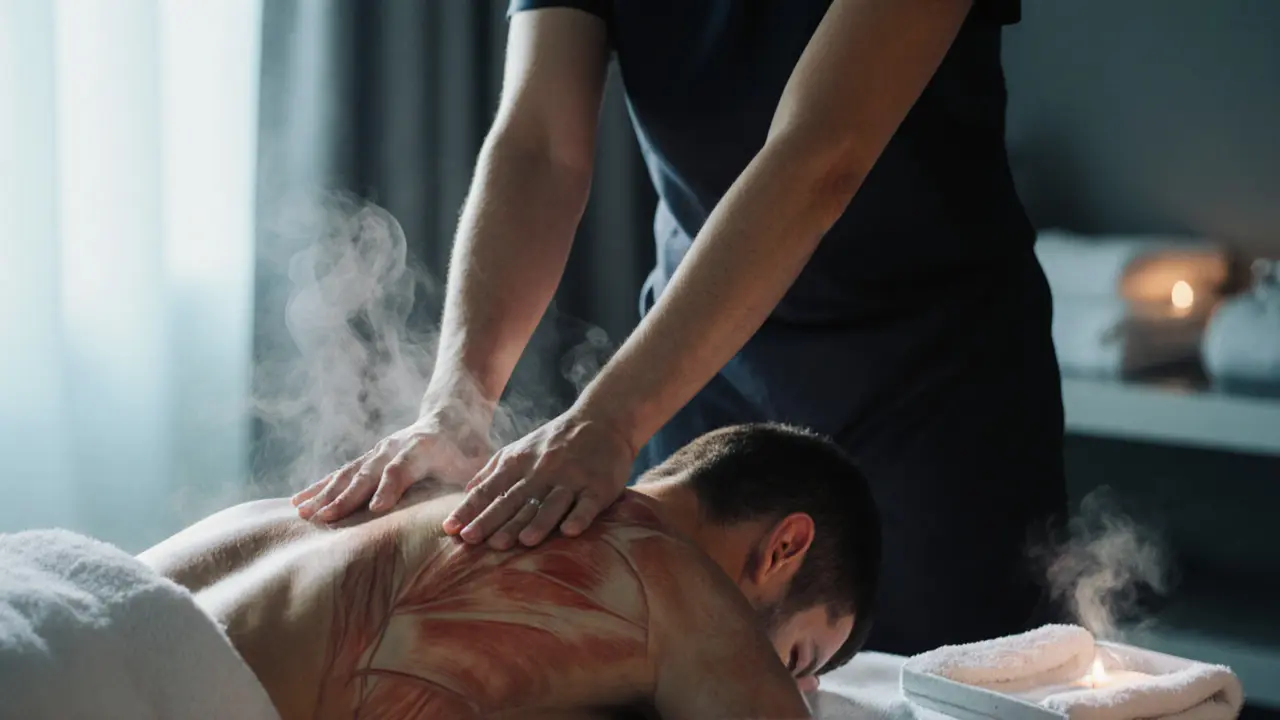
When you hear deep tissue massage technique, a hands-on therapy targeting deeper layers of muscle and connective tissue to relieve chronic tension and pain. It's not just a strong Swedish massage—it’s a focused, intentional approach used to break up scar tissue and muscle adhesions. People often think it’s about pressure, but it’s really about precision. A good therapist doesn’t just push harder—they move slower, follow the muscle fibers, and work with your body’s natural response, not against it.
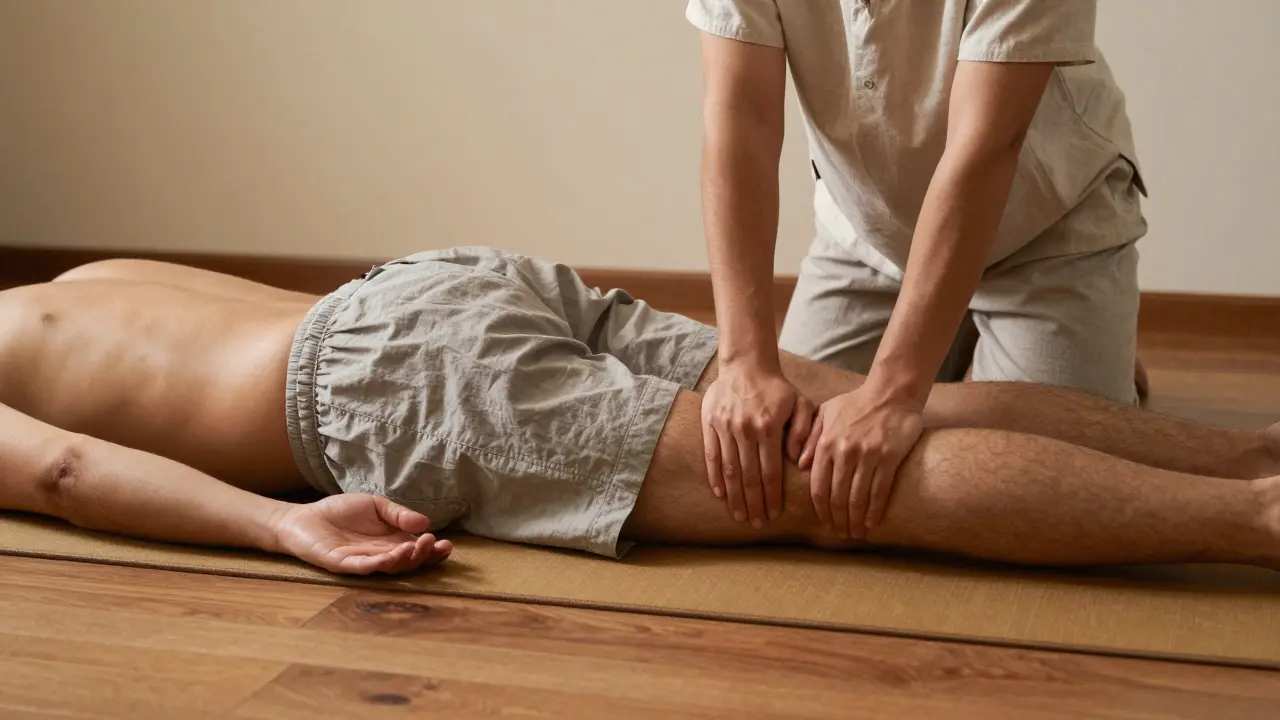
This technique is different from massage therapy, a broad term covering many styles like Swedish, Thai, or sports massage, each with different goals and methods. While Swedish massage is about relaxation and flow, deep tissue targets specific problem areas—tight shoulders from desk work, sore lower back from lifting, or stiff hips from sitting too long. It’s not for everyone, and it’s not meant to be a spa treat. If you’ve got knots that won’t loosen no matter how much you stretch, this is the method that actually gets in there and untangles them.
It’s also not the same as deep tissue massage, a term often misused to describe any firm-pressure massage, intense massage. True deep tissue work follows anatomy. It doesn’t just squeeze the surface—it reaches the fascia, the web-like tissue that wraps around muscles and can get stuck like dried glue. That’s why some people feel sore for a day or two after. That’s not a bad sign—it’s your body adjusting. But if it hurts too much during the session, speak up. Pain isn’t progress; it’s a warning.
People in Dubai often come to this after long flights, back-to-back meetings, or just the daily grind of heat and stress. It’s not a luxury—it’s a reset button. You don’t need to be an athlete to benefit. If your neck feels tight when you wake up, or your legs ache after walking in the mall, this technique can help. But it’s not magic. It works best when paired with movement, hydration, and time to recover.
There’s a reason so many posts here talk about safety, boundaries, and what to expect. Deep tissue isn’t about being aggressive—it’s about being effective. Some therapists overdo it because they think pressure equals results. Others don’t go deep enough because they’re afraid of hurting you. The best ones know the difference. That’s why you’ll find guides here on how to choose a therapist, what to wear, how to breathe during the session, and even how much to tip afterward. This isn’t just about getting a massage—it’s about getting the right kind of care.
Below, you’ll find real experiences from people who’ve tried it—first-timers nervous about pain, others wondering if it’s worth the cost, and a few who thought they’d never relax again until they found the right therapist. Whether you’re curious, skeptical, or already sold, you’ll find answers here that aren’t just theory—they’re what people actually feel, think, and do in Dubai’s busy spa scene.