Hammam Differences: What Sets Moroccan Bath Apart from Other Spa Treatments
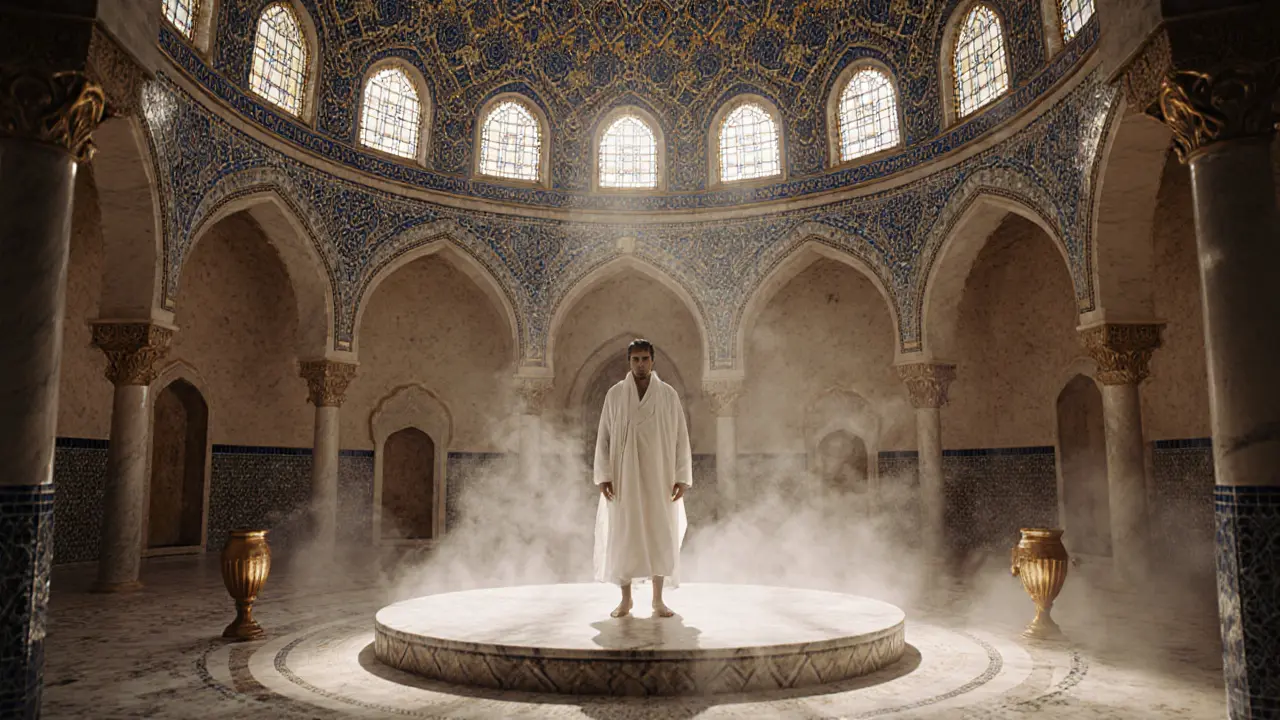
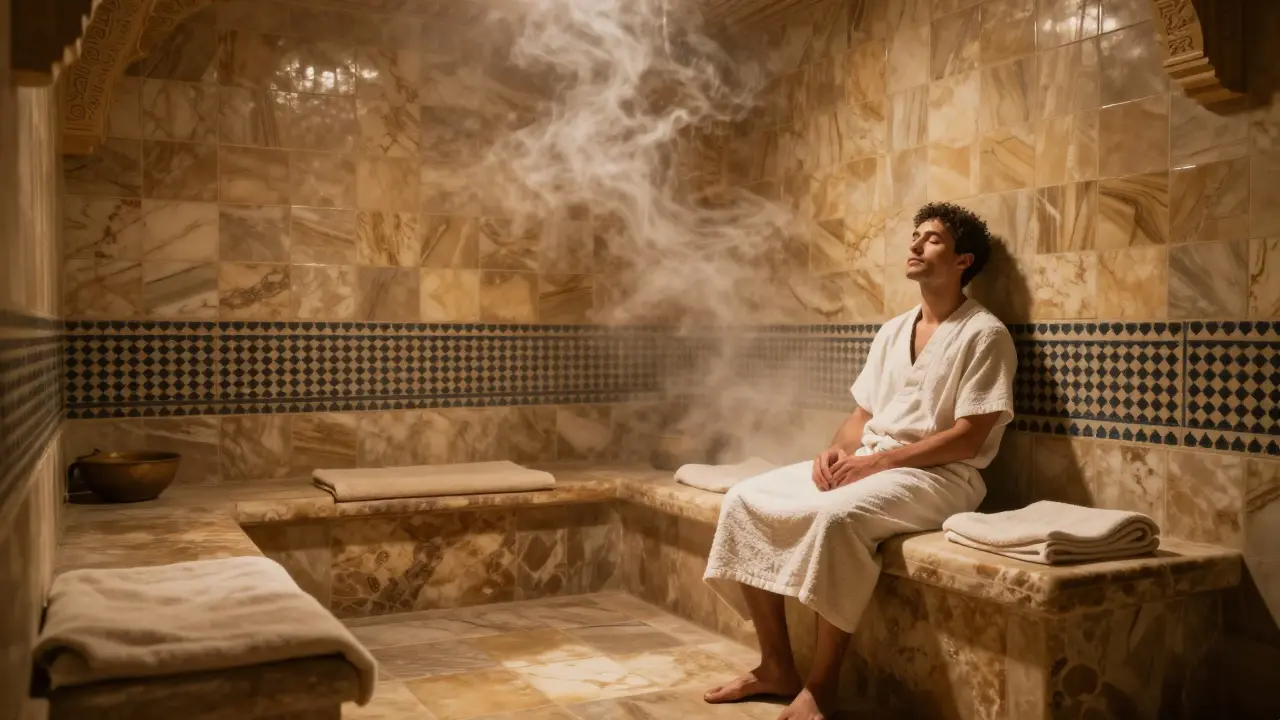
When people talk about a hammam, a traditional Moroccan steam bath rooted in centuries-old North African wellness rituals. Also known as Moroccan bath, it’s not just about sweating—it’s a full-body cleansing ritual that combines heat, steam, scrubbing, and hydration in a way no other spa treatment does. Unlike a quick sauna session or a dry steam room, a hammam is a slow, layered experience designed to open pores, slough off dead skin, and reset your whole system. In Dubai, where luxury meets tradition, the hammam isn’t just a trend—it’s a cultural anchor in high-end spas like Blue Star Arabic Spa.
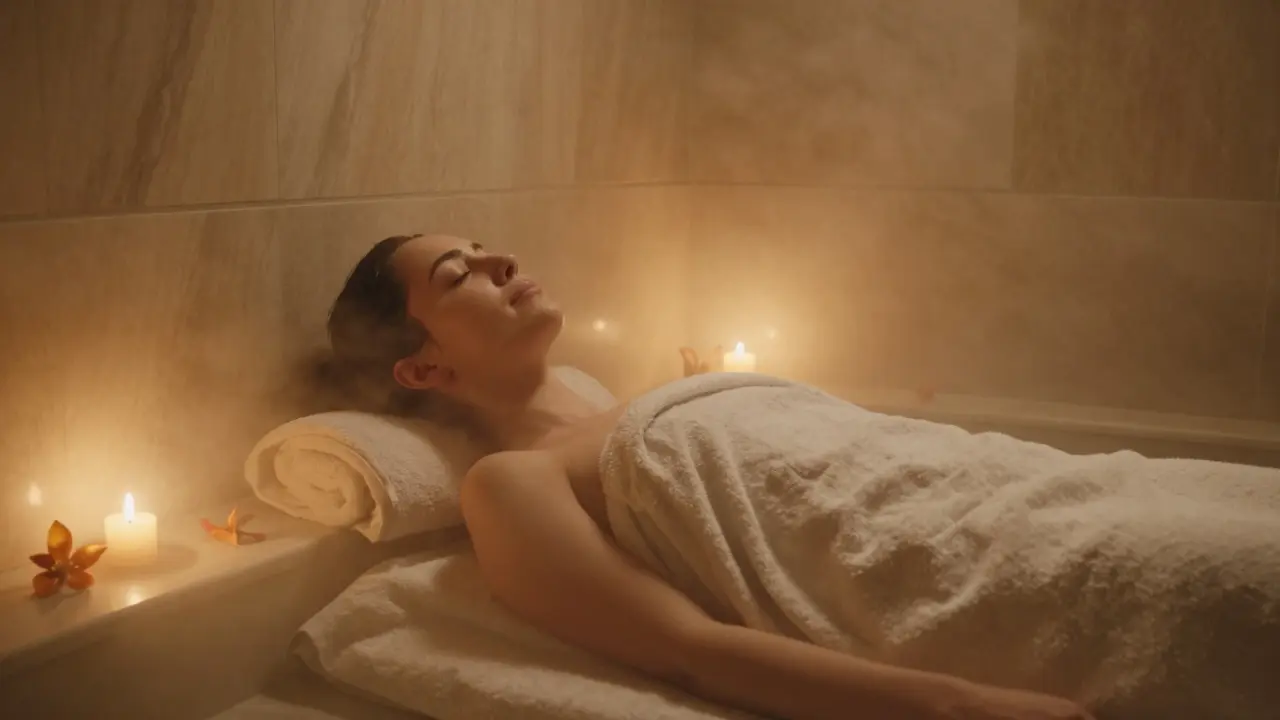
What makes the Moroccan bath, a full-body exfoliation and steam ritual using black soap and kessa gloves different from a steam room, a humid, heated space often found in hotels and gyms? In a steam room, you sit or lie down and breathe in moist heat for 10–20 minutes. That’s it. No scrubbing. No soap. No ritual. A hammam, on the other hand, involves moving through multiple rooms—starting with warm steam, then hotter steam, followed by a full-body wash with natural soap, and ending with a vigorous scrub using a coarse glove to remove layers of dead skin. It’s not just relaxation; it’s renewal.
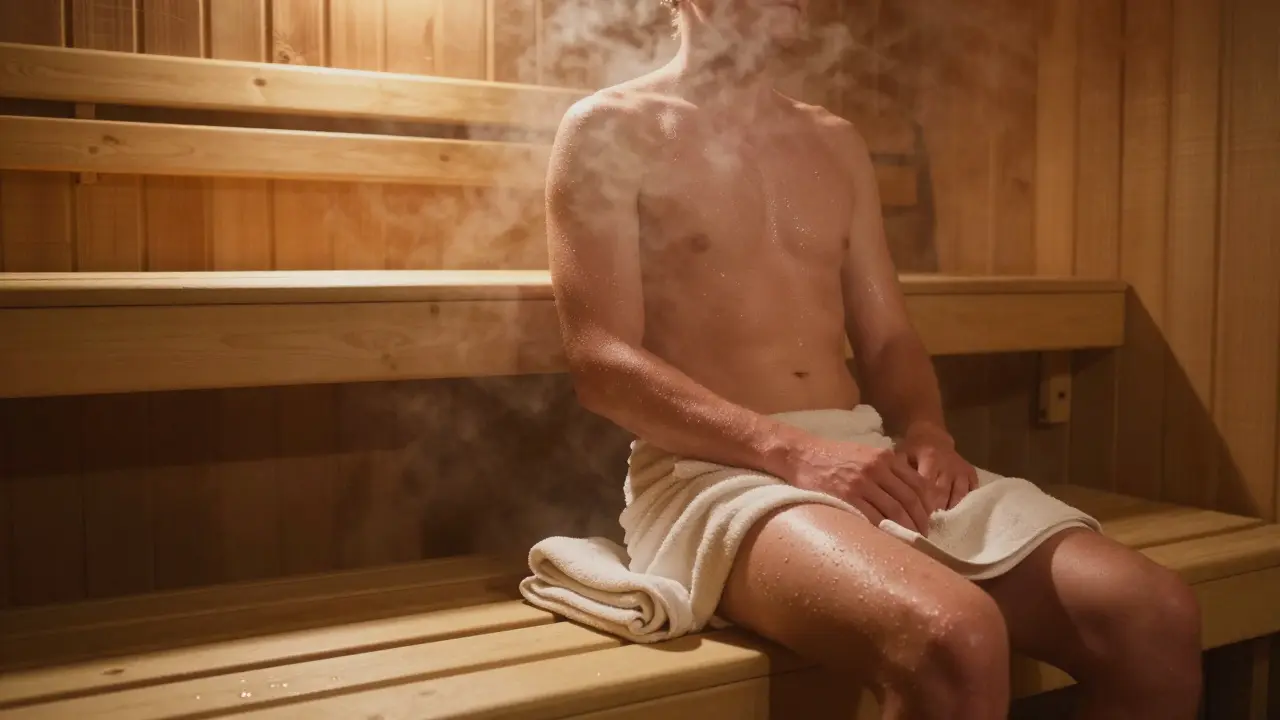
Compare that to a sauna, a dry heat environment, usually made of wood, where temperatures hit 160–200°F. Saunas are great for detox and muscle relief, but they don’t touch your skin the way a hammam does. The Moroccan bath doesn’t just make you sweat—it polishes you. And while saunas and steam rooms are often passive, the hammam is active. You’re being rubbed down, rinsed, and cared for by a trained attendant who knows exactly how much pressure to use, when to pause, and how to cool you down with rosewater or cold towels.
That’s why in Dubai, where people pay for experiences—not just services—the hammam stands out. You’re not just paying for heat. You’re paying for a ritual that’s been passed down for generations. It’s why so many posts here talk about what to wear in a jacuzzi, how to use body scrub, or why cupping works after a steam session. All of it connects. The hammam is the foundation. It’s the first step in a full spa day that includes exfoliation, massage, and hydration. Skip the hammam, and you’re missing the core of what makes a Dubai spa feel like a reset button for your body.
There’s no magic ingredient in a hammam. Just heat, water, soap, and time. But when done right, it changes how your skin feels, how your muscles relax, and even how you breathe. That’s the difference. And if you’ve ever walked out of a spa feeling like you’ve been scrubbed clean inside and out, you’ve felt what a real hammam does. Below, you’ll find real guides on how to use body scrub, what to wear in a sauna, and why steam rooms aren’t the same as a Moroccan bath. All of it leads back to one thing: understanding the hammam isn’t just about spa knowledge—it’s about knowing how to truly care for your body in this city.