
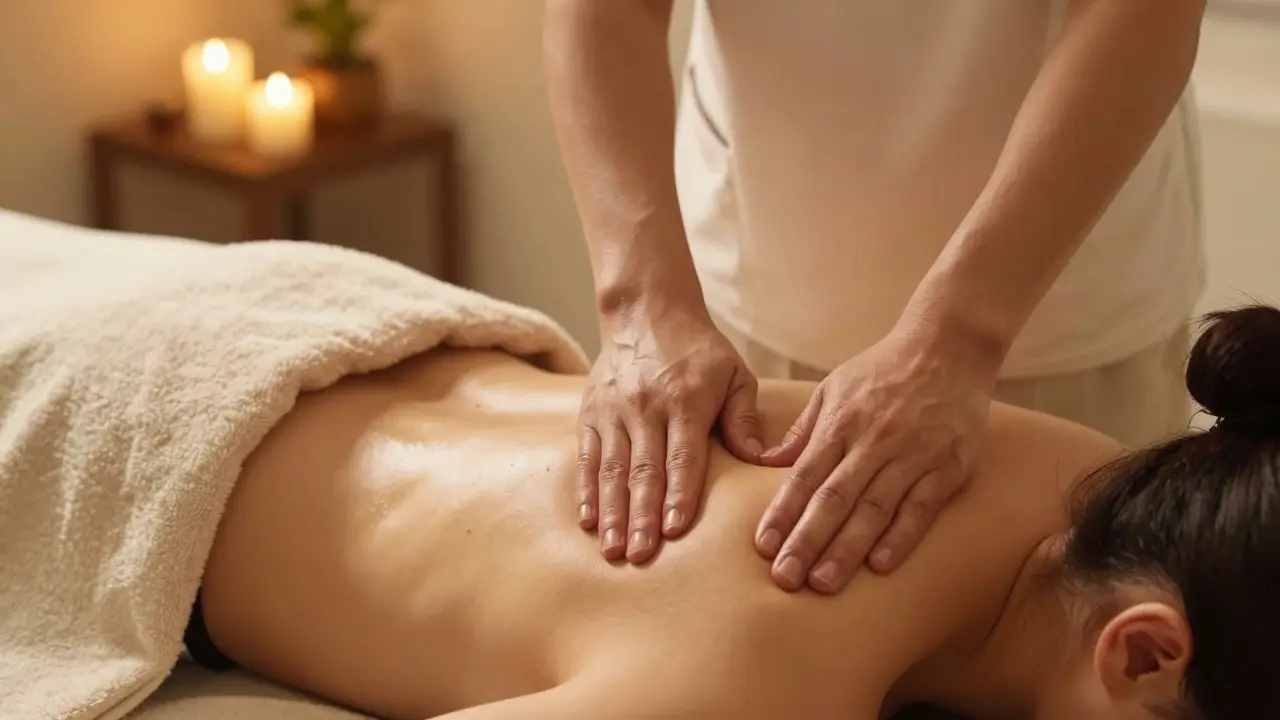
When you’ve got a knot in your shoulder that won’t quit - the kind that makes turning your head feel like cracking concrete - you don’t just want a relaxing rub. You want relief. And not just any massage. You want the kind that actually digs in, finds the tension, and unravels it. So what kind of massage gets knots out? The answer isn’t one technique alone. It’s a mix of targeted methods, each designed to break up stubborn muscle adhesions and restore movement. In Dubai’s busy wellness scene, where stress and long hours at desks or in the sun leave bodies tight, knowing which therapies actually work makes all the difference.
Understanding the Basics of Massage for Knots
Origins and History
Massage for muscle knots, or myofascial trigger points, isn’t new. Ancient cultures from China to Greece used pressure, heat, and friction to soothe stiff muscles. Traditional Chinese medicine used acupressure to release blockages. Ayurvedic practices in India applied herbal oils with firm strokes. Modern Western massage evolved from these roots, blending anatomy with hands-on therapy. The idea? Muscles don’t just get sore - they form tight bands of tissue that restrict blood flow and nerve signaling. Releasing those bands brings back mobility and reduces pain.
Core Principles or Components
Massage for knots works on three core principles: pressure, penetration, and persistence. First, you need enough pressure to reach deep into the muscle, past the superficial layers. Second, the technique must penetrate the fascia - the connective tissue that wraps around muscles. Third, it must be sustained. A quick poke won’t do. You need time - 30 to 60 seconds per knot - for the tissue to soften and release. Tools like fingers, elbows, foam rollers, or even cups can be used, but the goal stays the same: restore elasticity.
How It Differs from Related Practices
Not all massage is built to kill knots. A Swedish massage feels great, but it’s meant to relax, not resolve. Here’s how the top knot-busting methods stack up:
| Technique | Key Feature | Primary Benefit |
|---|---|---|
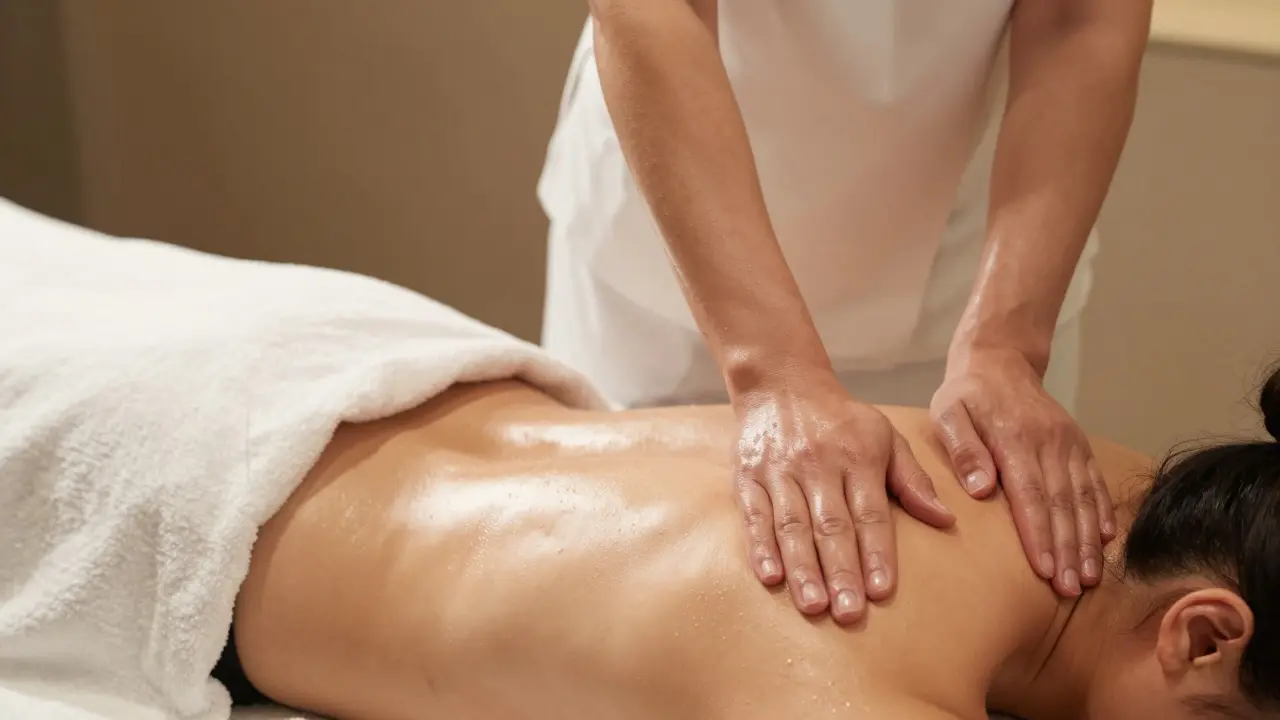
| Deep Tissue Massage | Slow, deliberate pressure using elbows and knuckles | Breaks down chronic adhesions in deep muscle layers |
| Myofascial Release | Long, sustained stretches across fascia | Releases connective tissue restrictions |
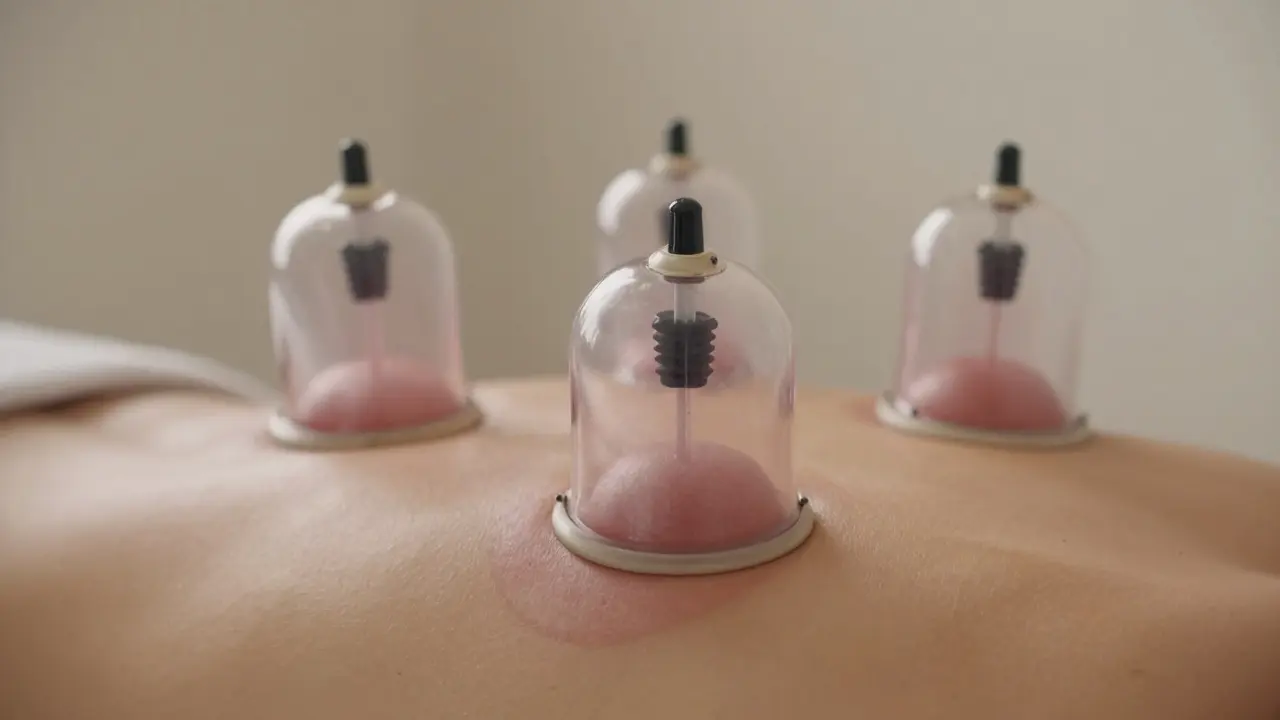
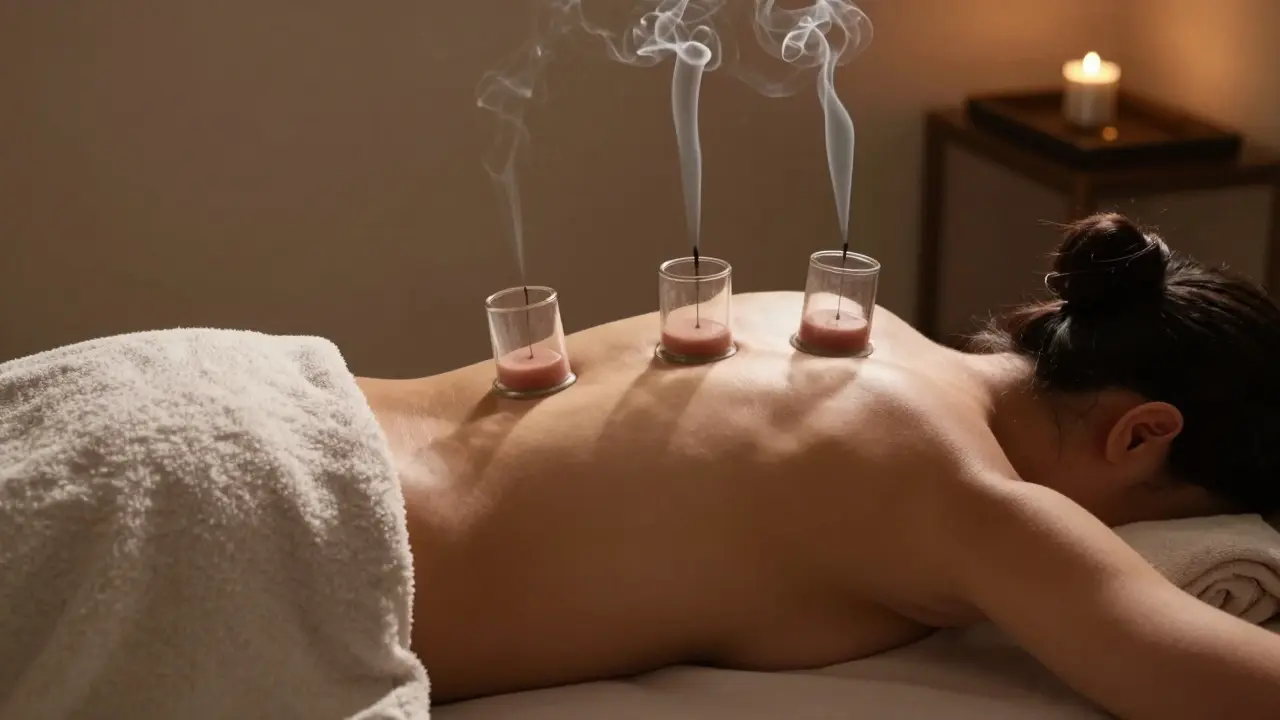
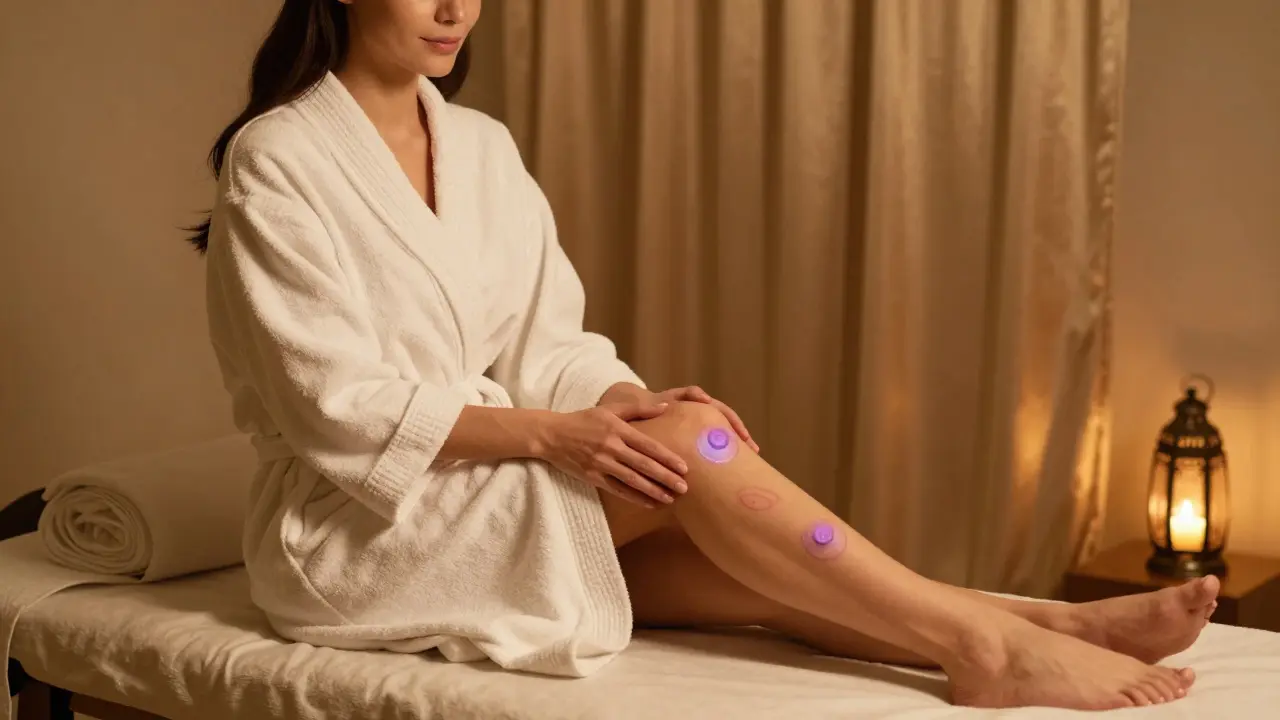
| Cupping Therapy | Uses suction to lift tissue and increase circulation | Improves blood flow to stuck areas |
| Trigger Point Therapy | Focuses on specific tender spots with pinpoint pressure | Reduces referred pain and muscle spasms |
Who Can Benefit from Massage for Knots?
Anyone with tight, aching muscles. Office workers hunched over laptops. Fitness enthusiasts with overworked quads. Parents carrying toddlers. Even people who spend hours in car seats or on scooters in Dubai’s heat. These knots don’t care about your job title - they show up when muscles are overused, under-recovered, or dehydrated. If you’ve ever felt a lump under your skin that hurts when you press it, you’re in the target group.
Benefits of Massage for Knots for Your Body
Stress Reduction
Knots aren’t just physical - they’re emotional. When your shoulders are locked up, your nervous system stays on high alert. Deep tissue work, cupping, or trigger point therapy doesn’t just loosen muscle - it calms your fight-or-flight response. Studies show that consistent massage lowers cortisol levels. In Dubai’s fast-paced environment, where stress is part of daily life, this alone can be a game-changer. You don’t just feel looser - you feel calmer.
Enhanced Functionality
Think of a knot like a tangled headphone cord. The more you pull, the tighter it gets. Same with your muscle. When a knot restricts movement, your body compensates - shifting posture, altering gait, overworking other muscles. That’s how neck pain turns into headaches, or lower back knots lead to hip stiffness. Releasing those knots restores natural movement. You’ll notice you can turn your head fully, lift your arm without wincing, or bend down without groaning.
Emotional Well-Being
It sounds surprising, but there’s a real mind-body link. Chronic muscle tension often mirrors mental stress. When you get a deep massage, your body releases endorphins - natural painkillers that also boost mood. Many people report feeling lighter, more grounded, even tearful after a session. It’s not just the physical release - it’s the emotional one too. In cultures where emotional expression is reserved, this silent healing can be powerful.
Practical Applications
Here’s what real people notice:
| Benefit | Description | Impact |
|---|---|---|
| Improved Sleep | Less muscle tension = fewer nighttime awakenings | Deeper, more restorative rest |
| Reduced Headaches | Release of neck and shoulder knots cuts tension headaches | Up to 60% fewer episodes in regular users |
| Better Posture | Freeing tight muscles allows spine to align naturally | Less strain on back and neck |
| Faster Recovery | Improved circulation clears lactic acid and waste | Shorter downtime after workouts |
What to Expect When Engaging with Massage for Knots
Setting or Context
In Dubai, you’ll find knot-relief sessions in high-end spas, physio clinics, and even wellness centers in residential towers. The setting matters. A quiet room with dim lighting, warm towels, and calming music helps your body relax enough to release. Avoid places that rush you. A good session takes 60-90 minutes. You should feel safe, not rushed.
Key Processes or Steps
A typical session starts with a quick chat: where’s the pain? How long has it been there? Then, the therapist uses their hands - or tools - to map the area. They’ll press gently at first, then deepen the pressure as your muscles soften. You might feel sharp pain for a few seconds - that’s the knot releasing. Then, warmth spreads. That’s blood flowing back in. After, you’ll feel a mix of tiredness and lightness.
Customization Options
Not everyone wants the same intensity. Some prefer gentle myofascial release. Others want deep pressure that makes them grunt. A good therapist adjusts on the fly. Cupping can be light or strong. Trigger point work can focus on one spot or cover a whole region. You’re not just a body - you’re a person with tolerance, history, and goals.
Communication and Preparation
Speak up. Tell your therapist: "That’s too much," or "Keep going - it’s a good hurt." Hydrate well before. Avoid heavy meals. Wear loose clothing. And don’t expect miracles after one session. Knots form over months. Releasing them takes patience.
How to Practice or Apply Massage for Knots
Setting Up for Success
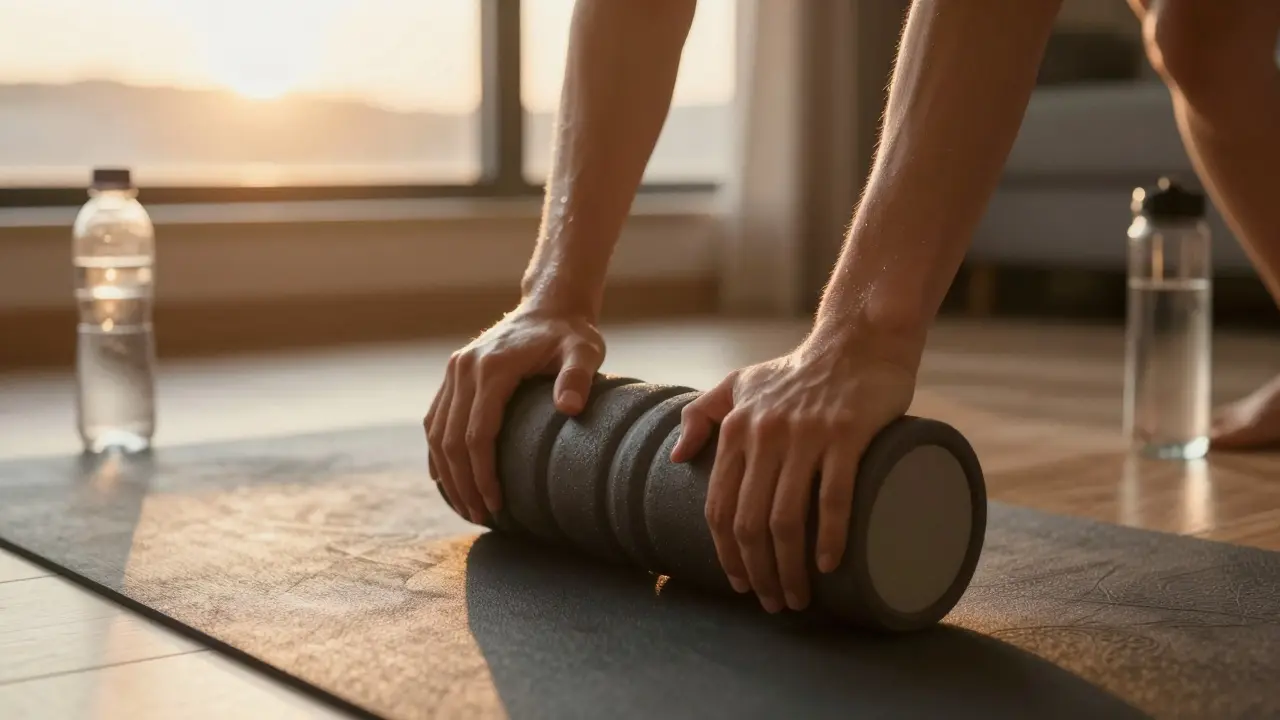
If you’re doing self-care at home, keep a foam roller, tennis ball, or massage gun handy. Warm up first - a hot shower or heating pad for 10 minutes helps. Find a quiet spot. Put on music that makes you feel safe. This isn’t a chore - it’s self-care.
Choosing the Right Tools/Resources
For home use: a foam roller for back and legs, a lacrosse ball for shoulders, a handheld massager for quick relief. For professional help: look for licensed massage therapists with training in deep tissue or myofascial release. In Dubai, check certifications from the Dubai Health Authority or international bodies like the NCBTMB.
Step-by-Step Guide
1. Warm the area with heat or light movement.
2. Find the knot - press gently until you feel a tender spot.
3. Apply steady pressure for 30-60 seconds. Don’t bounce.
4. Breathe deeply. Let your body sink into the pressure.
5. Slowly release. Move the area gently afterward.
6. Drink water. Repeat every 2-3 days.
Tips for Beginners or Couples
Beginners: Start slow. Don’t try to fix everything at once. One knot at a time. Couples: Try giving each other shoulder massages. It’s bonding. And yes - it works better when you’re both relaxed.
Safety and Ethical Considerations
Choosing Qualified Practitioners/Resources
Not everyone calling themselves a "massage therapist" knows how to handle knots. Look for credentials: licensed, certified, trained in anatomy. Ask about their experience with trigger points or myofascial release. In Dubai, reputable spas list therapist qualifications on their websites.
Safety Practices
Here’s what to keep in mind:
| Practice | Purpose | Example |
|---|---|---|
| Hydrate before and after | Helps flush out toxins released during therapy | Drink 500ml water 30 mins before session |
| Use clean tools | Prevents skin infections | Therapist uses disposable gloves or sanitizes rollers |
| Avoid bruised or inflamed areas | Prevents worsening injury | Don’t massage a sunburn or recent sprain |
Setting Boundaries
Your comfort is non-negotiable. If the pressure hurts more than helps, say so. If you’re uncomfortable with touch, ask for adjustments. No therapist should make you feel guilty for speaking up.
Contraindications or Risks
Avoid deep massage if you have: blood clotting disorders, open wounds, recent surgery, osteoporosis, or are pregnant without clearance. If you’re on blood thinners, talk to your doctor first. Cupping can leave marks - that’s normal, but if you’re bruising easily, skip it.
Enhancing Your Experience with Massage for Knots
Adding Complementary Practices
Pair your massage with stretching, yoga, or even sauna sessions. Heat helps loosen tissue. Stretching keeps it loose. In Dubai’s climate, a post-massage sauna or steam can amplify benefits. Hydration is key - drink water, not just soda.
Collaborative or Solo Engagement
Some people prefer quiet, solo sessions. Others love partner massages - it’s intimate, calming, and builds connection. Both work. Choose what fits your rhythm.
Using Tools or Props
A foam roller for your back. A tennis ball under your foot. A massage gun for your thighs. These aren’t luxuries - they’re maintenance tools. Keep one in your car, one at your desk. Use them daily for 5 minutes. It’s like brushing your teeth - but for your muscles.
Regular Engagement for Benefits
Knots come back. That’s normal. Think of massage like exercise - you don’t do it once and call it quits. Aim for once every 2-4 weeks. Even monthly sessions make a huge difference over time.
Finding Resources or Experts for Massage for Knots
Researching Qualified Practitioners/Resources
Look for reviews on Google or Tripadvisor. Check if therapists are licensed by Dubai Health Authority. Ask about their training. Don’t be afraid to ask: "Have you worked with clients who have chronic shoulder knots?" If they hesitate, move on.
Online Guides and Communities
YouTube has great tutorials on self-massage. Look for channels by licensed physiotherapists. Join Facebook groups like "Dubai Wellness Community" - real people share tips, spots, and honest reviews.
Legal or Cultural Considerations
In Dubai, wellness services are regulated. Only licensed clinics can offer therapeutic massage. Avoid unlicensed home services - they’re risky. Also, respect cultural norms: modesty matters. Choose gender-matched therapists if that helps you feel more comfortable.
Resources for Continued Learning
Books like "The Trigger Point Therapy Workbook" by Clair Davies are practical. Podcasts like "The Massage Therapy Podcast" offer science-backed advice. Workshops at Dubai Wellness Centers often cover self-care techniques.
FAQ: Common Questions About Massage for Knots
What kind of massage gets knots out?
The most effective massages for knots are deep tissue, myofascial release, trigger point therapy, and cupping. Deep tissue uses slow, firm pressure to reach muscle layers. Myofascial release stretches the connective tissue around muscles. Trigger point therapy targets specific tender spots. Cupping lifts the tissue to increase blood flow. Often, a combination works best. One session won’t erase years of tension - but a consistent routine will.
What happens during a knot-relief massage?
You’ll start with a brief chat about your pain. The therapist will press along your muscles to find tight spots. When they hit a knot, they’ll hold pressure for 30-60 seconds. You might feel sharp, burning, or achy - that’s normal. Then, the tension releases, and warmth spreads. After, you’ll stretch gently. Many feel tired but lighter. Some soreness the next day is common - like after a good workout.
How does cupping therapy compare to deep tissue massage for knots?
Cupping and deep tissue both help, but they work differently. Deep tissue uses direct pressure to compress and break up knots. Cupping uses suction to lift the tissue, pulling it away from underlying layers. This increases circulation and loosens fascia without direct pressure. Cupping is gentler and leaves temporary marks. Deep tissue is more intense and better for stubborn knots. Many people use both - cupping to prep, deep tissue to finish.
Is massage for knots suitable for beginners?
Yes - but start gently. Beginners should avoid aggressive pressure. Try a 30-minute myofascial release or light cupping first. Use a foam roller at home. Ask your therapist to go slow. You don’t need to "tough it out" - communication matters more than intensity. Many first-timers are surprised how good it feels after just one session.
Why do knots come back after a massage?
Because the root cause hasn’t changed. If you sit 8 hours a day, carry heavy bags, or sleep on your stomach, your muscles will tighten again. Massage treats the symptom, not the habit. To keep knots away, combine therapy with movement, posture changes, hydration, and regular self-care. Think of it like cleaning your house - you don’t do it once and expect it to stay clean forever.
Conclusion: Why Massage for Knots is Worth Exploring
A Path to Better Movement
Knots aren’t just pain - they’re your body’s way of screaming for attention. Ignoring them leads to bigger problems. Massage for knots isn’t a luxury. It’s maintenance. Like oiling a squeaky hinge. In Dubai’s demanding lifestyle, taking 60 minutes to reset your body isn’t selfish - it’s smart.
Try It Mindfully
Don’t rush. Don’t expect magic after one visit. Find a therapist you trust. Try cupping, deep tissue, or both. Listen to your body. If it feels good, keep going. If it doesn’t, adjust. Healing isn’t a race.
Share Your Journey
Tried a knot-relief massage in Dubai? Share your story in the comments. Follow this blog for more wellness tips tailored to life in the city. And remember - your body isn’t just a machine. It’s yours. Treat it like it matters.
Some links may be affiliate links, but all recommendations are based on research and quality.
Word count: 1,728
Suggested Visuals
- A person receiving deep tissue massage on their shoulder in a serene Dubai spa setting
- Close-up of cupping glass cups on a back with slight red marks
- Hands using a foam roller on a thigh, with warm lighting
- Therapist checking in with client during a session, showing calm communication
- Before-and-after posture comparison: slumped vs. upright, showing improved alignment
Suggested Tables
- Comparison of massage techniques for knots (already included)
- Key benefits of knot-relief massage (already included)
- Safety tips for knot-relief therapy (already included)
Triston Hargrave
February 4, 2026 AT 23:18Let’s be real-knots aren’t ‘released’ by magic hands. They’re dissolved through sustained mechanical stress, period. Deep tissue? Sure. But if you’re not hydrating, stretching, and correcting posture? You’re just paying $150 to feel temporarily better. And yes, I said ‘temporarily.’ 😏
Jodie Rae Plaut
February 6, 2026 AT 04:28As a physio-trained massage therapist, I see this all the time. People think one session fixes everything. Nope. Knots are chronic biomechanical adaptations-think of them like scar tissue in your fascia. You need consistent, targeted work: myofascial release + trigger point decompression + active recovery. Also, foam rolling after a hot shower? Game-changer. And yes, hydration matters-your fascia is 60-70% water. Don’t skip the H2O. 💪
Colin Napier
February 7, 2026 AT 09:23Deep tissue isn’t the only option. Myofascial release is far more effective for long-term resolution-especially when the issue is fascial adhesion, not muscle hypertonicity. And cupping? It’s a placebo with bruises. The suction doesn’t ‘lift’ anything meaningful-it just causes micro-hemorrhage, which triggers a mild inflammatory response. That’s not therapy; that’s trauma with a spa vibe. Also: no emoticons. Ever.
Theophilus Twaambo
February 8, 2026 AT 16:38You people are missing the point entirely. It’s not about ‘technique.’ It’s about the *intent* behind the pressure. If your therapist is just ‘digging in’ without neurological feedback-meaning they’re not watching your breathing, muscle tension, or autonomic response-you’re not getting therapy. You’re getting torture. And if you’re using a massage gun? Congrats-you’re self-inflicting microtrauma while thinking you’re being ‘proactive.’ Wake up. The body doesn’t respond to force-it responds to rhythm, timing, and proprioceptive awareness. Stop treating your muscles like a stubborn stain.
Douglas McCarroll
February 10, 2026 AT 02:14Love this thread-really appreciate the nuance. I’ve been doing this for over a decade, and honestly? The magic isn’t in the technique-it’s in the combo. Deep tissue to break the adhesion, myofascial release to reorganize the tissue, then movement re-education to prevent it from coming back. And yeah, hydration. Always. I tell all my clients: if you’re not peeing clear for 24 hours after a session, you didn’t do the work. Also-couples’ massage? It’s not just romantic. It’s therapeutic. Touch is medicine. Don’t overthink it. Just breathe, relax, and let your body do the rest. You’ve got this. 🙌