Hammam Gender Rules: What You Need to Know in Dubai Spas
When you step into a hammam, a traditional steam bath rooted in Middle Eastern and North African culture. Also known as Turkish bath or Moroccan bath, it’s more than just heat and scrub—it’s a ritual tied to cleanliness, community, and faith. But in Dubai, where cultural norms and religious values shape daily life, hammam gender rules aren’t optional. They’re enforced. And if you don’t know them, you risk awkwardness, embarrassment, or worse—being asked to leave.
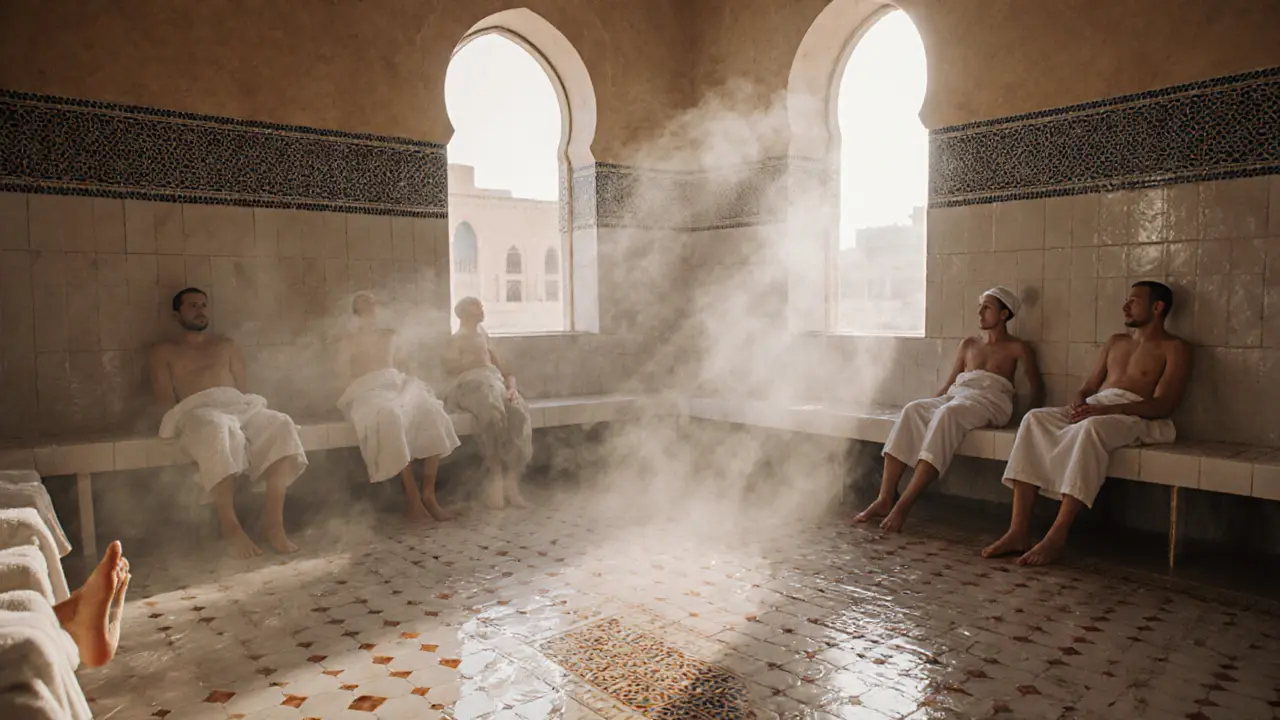
Most reputable spas in Dubai separate men and women by time or space. Some have full gender-exclusive sessions—women only in the morning, men only in the afternoon. Others use physical barriers: separate rooms, private entrances, or even different floors. This isn’t about exclusion—it’s about modesty. In Islam, privacy during bathing is sacred. Even in luxury spas, you won’t find mixed-gender hammams. If someone tells you otherwise, they’re either misinformed or breaking the law. The Islamic spa etiquette, the set of cultural and religious guidelines governing personal care in Muslim-majority spaces is clear: no skin exposure outside of immediate family, no mixed bathing, and no unnecessary physical contact. These rules apply whether you’re a local, a tourist, or a resident. The Moroccan bath rules, the traditional practices around black soap, exfoliation, and steam in North African hammams stay the same here—they’re just adapted to fit Dubai’s legal and cultural boundaries.
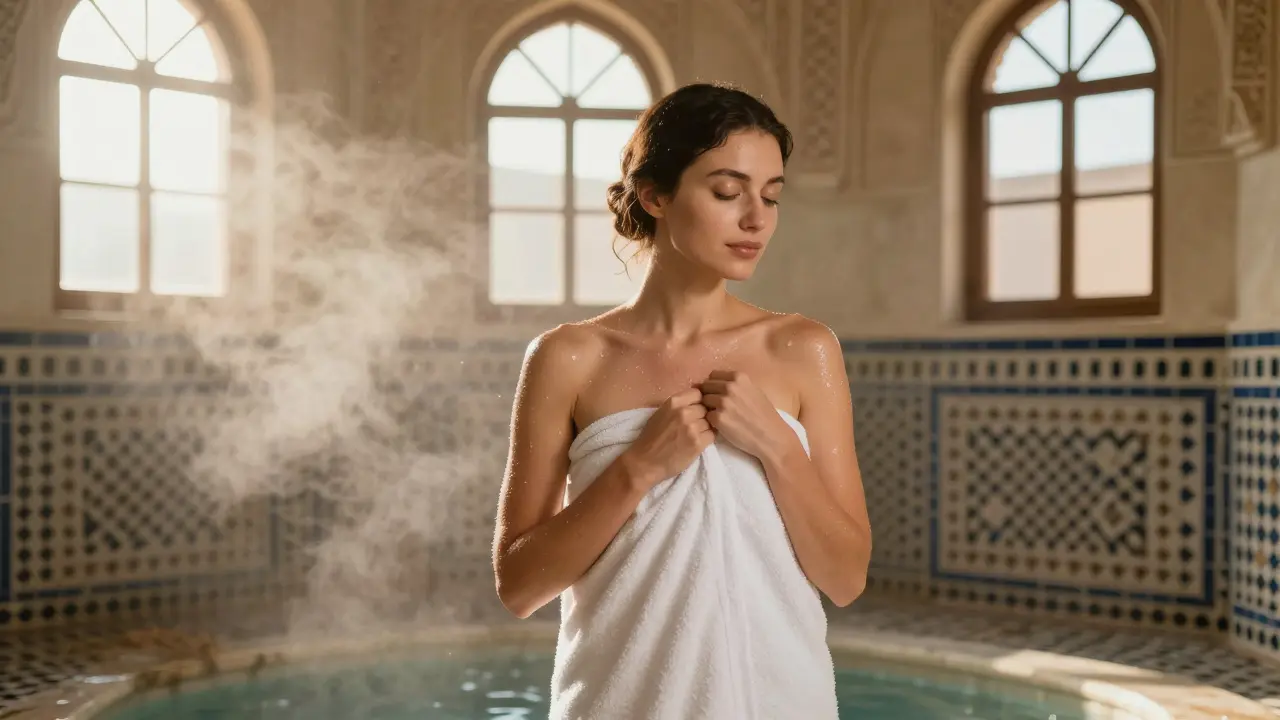
What does this mean for you? If you’re a woman, you’ll enter a quiet, private space with female attendants. You’ll be given a towel, and your body will be covered except where necessary for the scrub. Men will have the same experience, but in a separate area. No photos. No phones. No talking loudly. These aren’t just rules—they’re part of the experience. The peace you feel in a hammam comes from knowing you’re in a space where everyone respects the same boundaries. Skipping the rules doesn’t make you modern—it makes you disrespectful. And in Dubai, that has consequences.
Some spas offer private family sessions, but these require advance booking and strict rules: only immediate family members (spouse, children under 12, parents) are allowed. No friends. No couples unless married. No exceptions. This isn’t about being strict—it’s about preserving dignity. And if you’ve ever been to a crowded spa where boundaries blur, you’ll understand why this matters. The best hammam experience isn’t the one with the most steam or the fanciest oils—it’s the one where you feel safe, respected, and truly relaxed.
Below, you’ll find real guides from people who’ve been there—how to prepare, what to wear, how to ask for help, and which spas in Dubai handle gender separation the right way. No fluff. No assumptions. Just what works in the real world of Dubai’s wellness scene.