
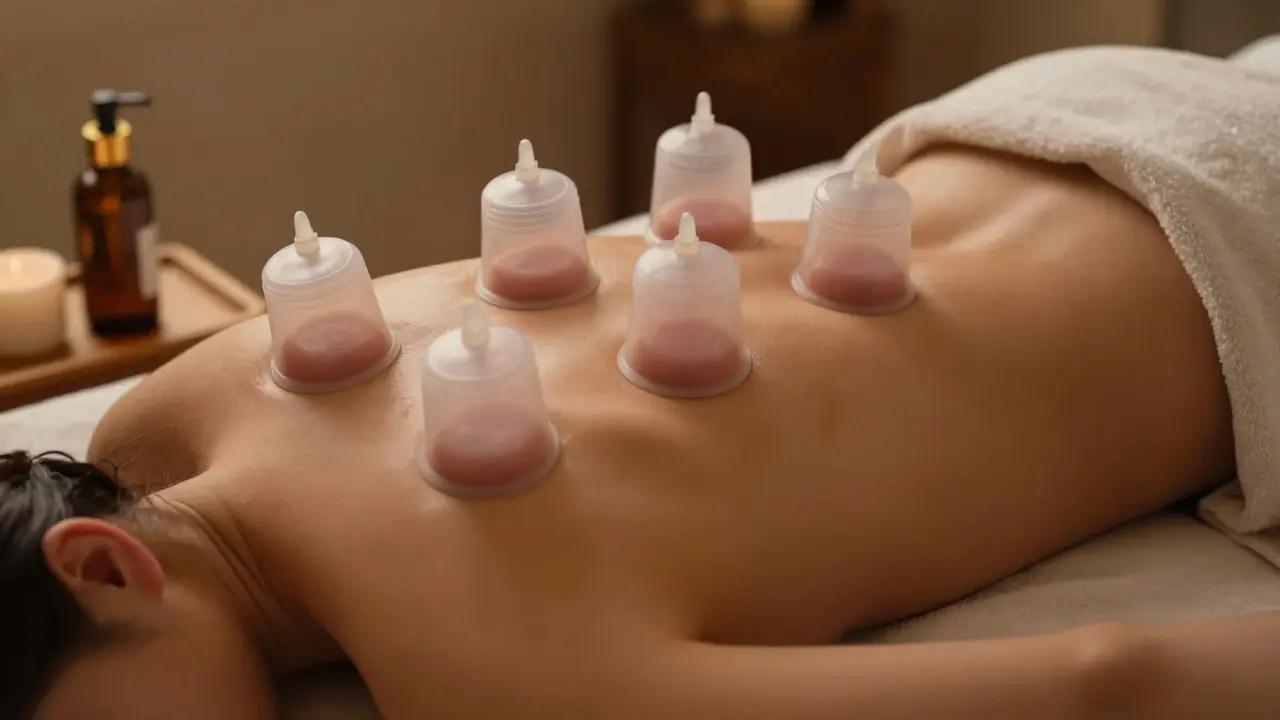
How often should you do cupping? This is one of the most common questions people ask after trying cupping therapy for the first time. Maybe you felt that deep release in your shoulders, or noticed the circular marks on your skin, and now you’re wondering: Should I do this weekly? Monthly? Never again? The truth is, there’s no one-size-fits-all answer. Cupping isn’t like taking a vitamin-it’s a physical therapy tool, and how often you use it depends on your body, your goals, and how you respond.
Understanding the Basics of Cupping
Origins and History
Cupping therapy has roots stretching back over 3,000 years. Ancient Egyptian, Chinese, and Greek cultures used hollowed-out animal horns, bamboo, or ceramic cups to draw out "bad humors" or stagnant energy. Today’s modern cupping, especially in wellness settings, blends traditional techniques with contemporary understanding of muscle physiology and circulation. It’s not magic-it’s mechanics. The cups create negative pressure on the skin, pulling tissue upward, which increases blood flow, loosens fascia, and may help reduce muscle tension.
Core Principles or Components
There are two main types of cupping you’ll encounter: dry cupping and wet cupping. Dry cupping uses suction alone-no incisions. Wet cupping involves light skin punctures to draw small amounts of blood, but this is rarely done outside clinical or traditional medicine settings. Most spas and wellness centers today offer dry cupping. The cups are usually made of silicone, glass, or plastic, and are either left stationary (static cupping) or moved across the skin (sliding cupping). The suction level can be adjusted, and the session typically lasts 5 to 20 minutes.
How It Differs from Related Practices
Cupping is often confused with massage, acupuncture, or foam rolling. Here’s how it stands apart:
| Practice | Key Feature | Primary Benefit |
|---|---|---|
| Cupping | Creates negative pressure on skin and tissue | Improves circulation, releases fascial restrictions |
| Massage | Applies direct pressure with hands | Relaxes muscles, reduces tension |
| Acupuncture | Inserts fine needles into points | Modulates nervous system, balances energy flow |
| Foam Rolling | Uses body weight to compress muscle | Breaks up adhesions, improves mobility |
Who Can Benefit from Cupping?
Cupping is commonly used by people with chronic muscle tightness, athletes recovering from intense training, and those dealing with stress-related tension. If you sit at a desk all day and feel like your upper back is locked up, cupping can help. If you’re an athlete with tight hamstrings or IT bands, it can speed up recovery. It’s also popular among people who find traditional massage too intense-cupping can feel like a deep, soothing pull rather than pressure. But it’s not for everyone. People with thin skin, bleeding disorders, or active skin infections should avoid it.
Benefits of Cupping for Your Body
Stress Reduction
Cupping triggers a parasympathetic response-your body’s "rest and digest" mode. The gentle suction and warmth from the cups signal to your nervous system that it’s safe to relax. Many clients report feeling calm and even a little drowsy after a session. This isn’t just placebo. Research from the National Institutes of Health suggests that localized pressure and circulation changes can lower cortisol levels, the body’s main stress hormone. Web source (https://www.nih.gov)
Enhanced Muscle Recovery
After a hard workout, lactic acid and inflammation build up in muscles. Cupping helps flush these out by increasing blood flow to the area. Athletes often use it between training sessions to reduce soreness and improve range of motion. One study tracking runners found that those who used cupping twice a week reported faster recovery times than those who only stretched. While more research is needed, anecdotal evidence from coaches and physical therapists is strong.
Emotional Well-Being
There’s a mind-body connection here. When your body feels less tense, your mind follows. Many people who regularly do cupping report feeling more emotionally balanced. It’s not a cure for anxiety or depression, but it can be a powerful tool in a self-care routine. Think of it like a warm hug for your muscles-calming, grounding, and deeply reassuring.
Practical Applications
Cupping isn’t just for athletes or spa-goers. People with migraines, tension headaches, or even digestive discomfort (from tight abdominal muscles) have found relief. It’s also used in physical therapy for post-surgical scar tissue. If you’re dealing with persistent stiffness that doesn’t respond to stretching or foam rolling, cupping might be worth trying.
| Benefit | Description | Impact |
|---|---|---|
| Improved Circulation | Draws blood to the surface, oxygenating tissue | Speeds healing, reduces inflammation |
| Fascia Release | Loosens connective tissue that binds muscles | Increases mobility, reduces stiffness |
| Reduced Muscle Tension | Relaxes tight fibers without deep pressure | Less pain, better sleep |
| Detox Support | Encourages lymphatic flow | May reduce bloating, improve skin clarity |
What to Expect When Engaging with Cupping
Setting or Context
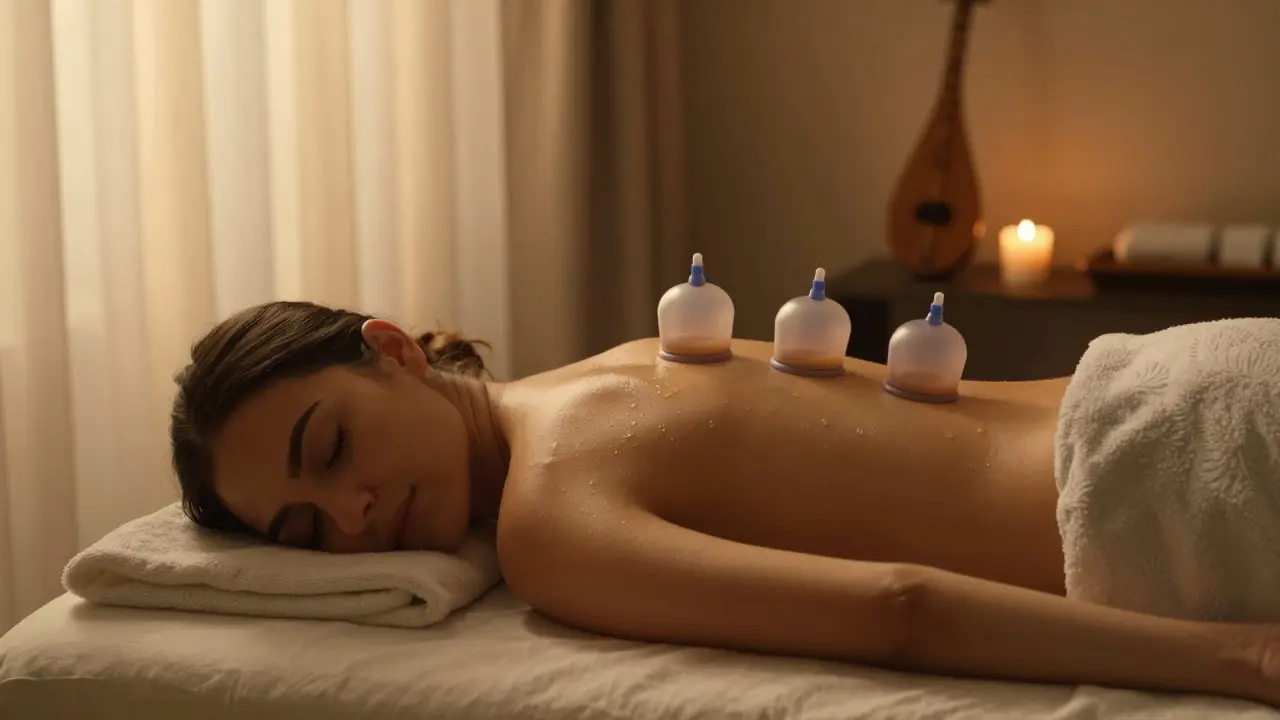
A typical cupping session happens in a quiet, warm room-think soft lighting, calming music, and a heated table. You’ll lie face down or on your side, and the practitioner will apply oil or lotion to help the cups glide. The environment should feel safe and private. If you’re doing it at home, make sure you’re not in a drafty room. Cold air can make your muscles tighten up again.
Key Processes or Steps
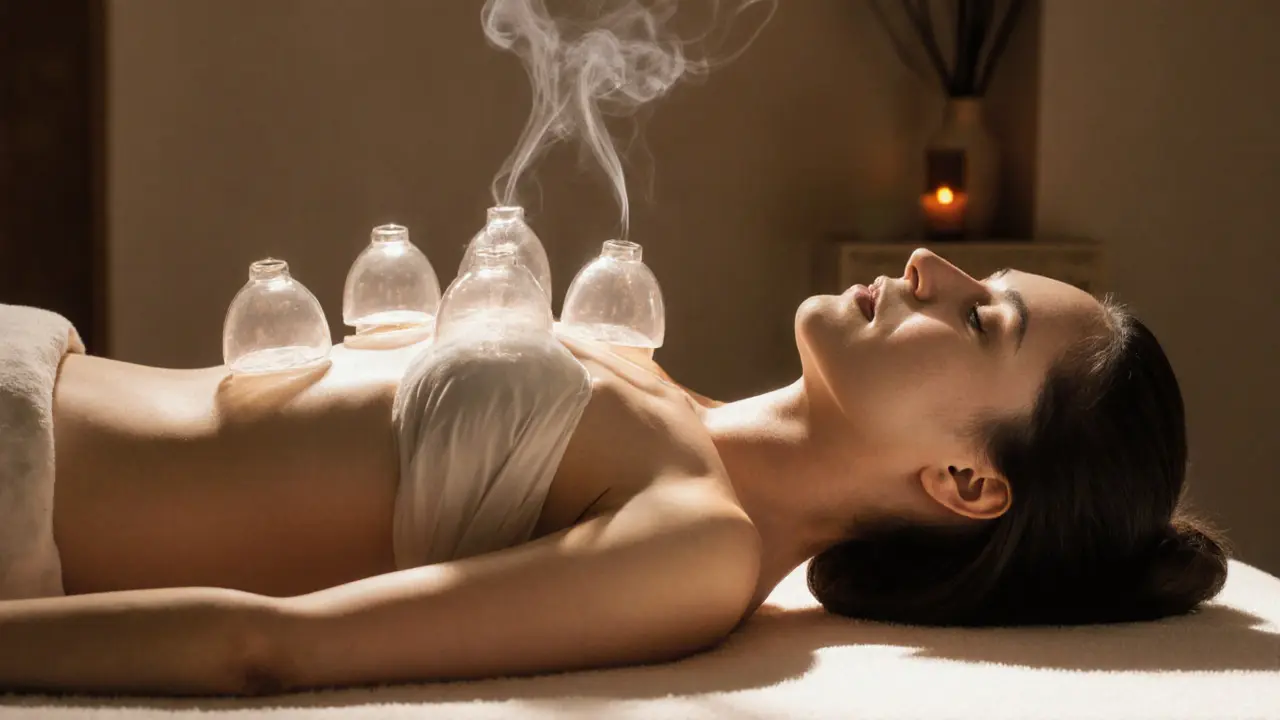
Here’s what usually happens: First, the practitioner places the cup on your skin and creates suction-either with a hand pump or by lighting a flame inside a glass cup (then quickly removing it). The cup pulls your skin and muscle slightly upward. You’ll feel a strange, pulling sensation-not painful, but intense. If it’s sliding cupping, the cup is moved slowly over the area, like a massage. After 5-15 minutes, the cups are removed. You might feel a little lightheaded, so drink water and rest for a few minutes.
Customization Options
Cupping can be adjusted for intensity. Light suction is great for beginners or sensitive areas like the neck. Stronger suction works for thick muscle groups like the back or thighs. You can also choose between static (cups stay still) or dynamic (cups move). Some practitioners combine cupping with heat lamps or essential oils for extra relaxation.
Communication and Preparation
Always tell your practitioner if you’re pregnant, have a skin condition, or are on blood thinners. Be honest about pain tolerance. If something feels sharp or burning, speak up. Cupping should never hurt. It should feel like a deep, odd stretch. Also, avoid eating a heavy meal right before your session-it can make you feel nauseous.
How Often Should You Do Cupping?
This is the heart of the matter. The answer? It depends.
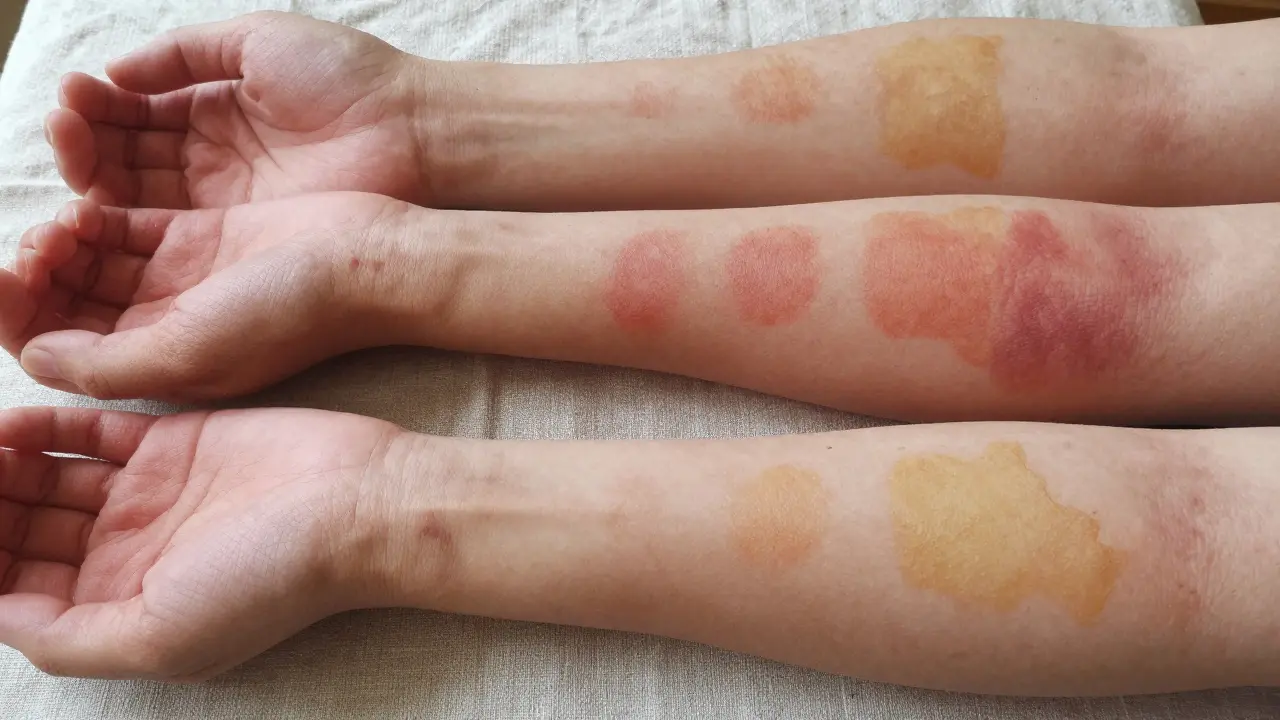
If you’re new to cupping, start slow. One session every 2-3 weeks is enough to see how your body responds. You’ll likely notice circular marks-these are not bruises. They’re areas where capillaries expanded under suction. They usually fade in 3-10 days. If they last longer than two weeks or are painful, you may have had too much suction.
For chronic tension or recovery: 1-2 times per week is common among athletes or people with persistent pain. But don’t overdo it. Your body needs time to heal. Think of cupping as a tool, not a daily habit. Overuse can irritate the skin or cause excessive inflammation.
For maintenance: Once a month is plenty. Many people use it like a seasonal tune-up-especially in winter when muscles stiffen from cold or in spring after winter inactivity.
Listen to your body. If you feel more relaxed and mobile after a session, you’re on the right track. If you feel fatigued, sore, or dizzy afterward, you may need more time between sessions.
Safety and Ethical Considerations
Choosing Qualified Practitioners
Not everyone who offers cupping is trained. Look for licensed massage therapists, acupuncturists, or physical therapists who include cupping in their scope of practice. Ask about their training. Reputable providers will have certification from organizations like the National Certification Commission for Acupuncture and Oriental Medicine (NCCAOM) or similar bodies.
Safety Practices
Here’s what safe cupping looks like:
| Practice | Purpose | Example |
|---|---|---|
| Use clean cups | Prevent infection | Single-use silicone cups or sterilized glass |
| Check skin condition | Avoid open wounds or rashes | Don’t cup over eczema or sunburn |
| Avoid bony areas | Prevent bruising or nerve damage | Don’t place cups directly on spine or ribs |
| Hydrate after | Support circulation and detox | Drink 1-2 glasses of water |
Setting Boundaries
You have the right to say no. If a practitioner wants to cup your chest, back, or thighs and you’re uncomfortable, say so. A good provider will respect your limits. No pressure, no guilt.
Contraindications or Risks
Don’t do cupping if you:
- Have a bleeding disorder or take blood thinners (like warfarin)
- Are pregnant (especially on the abdomen or lower back)
- Have open wounds, infections, or severe skin conditions
- Have a pacemaker or other implanted medical device
- Have a history of blood clots or deep vein thrombosis
Always consult your doctor if you’re unsure.
Enhancing Your Experience with Cupping
Adding Complementary Practices
Cupping works even better when paired with other tools. Try it after a hot shower-warm muscles respond better. Follow up with light stretching or a short meditation. Some people combine it with infrared sauna sessions for deeper relaxation.
Collaborative or Solo Engagement
Cupping is usually done solo, but you can do it with a partner at home using silicone cups. Just make sure you know the technique. Never cup someone’s back without proper training. It’s safer to get professional help unless you’re using a simple self-cupping kit designed for arms or legs.
Using Tools or Props
For home use, silicone cups are easiest. They’re quiet, safe, and don’t require fire. Look for ones with a hand pump for control. Avoid cheap plastic cups that crack or leak suction. A good set costs $20-$40 and lasts years.
Regular Engagement for Benefits
Consistency matters more than intensity. One session a month for six months will likely do more than five sessions in one week. Think of it like watering a plant-you don’t drown it. Gentle, regular care brings the best results.
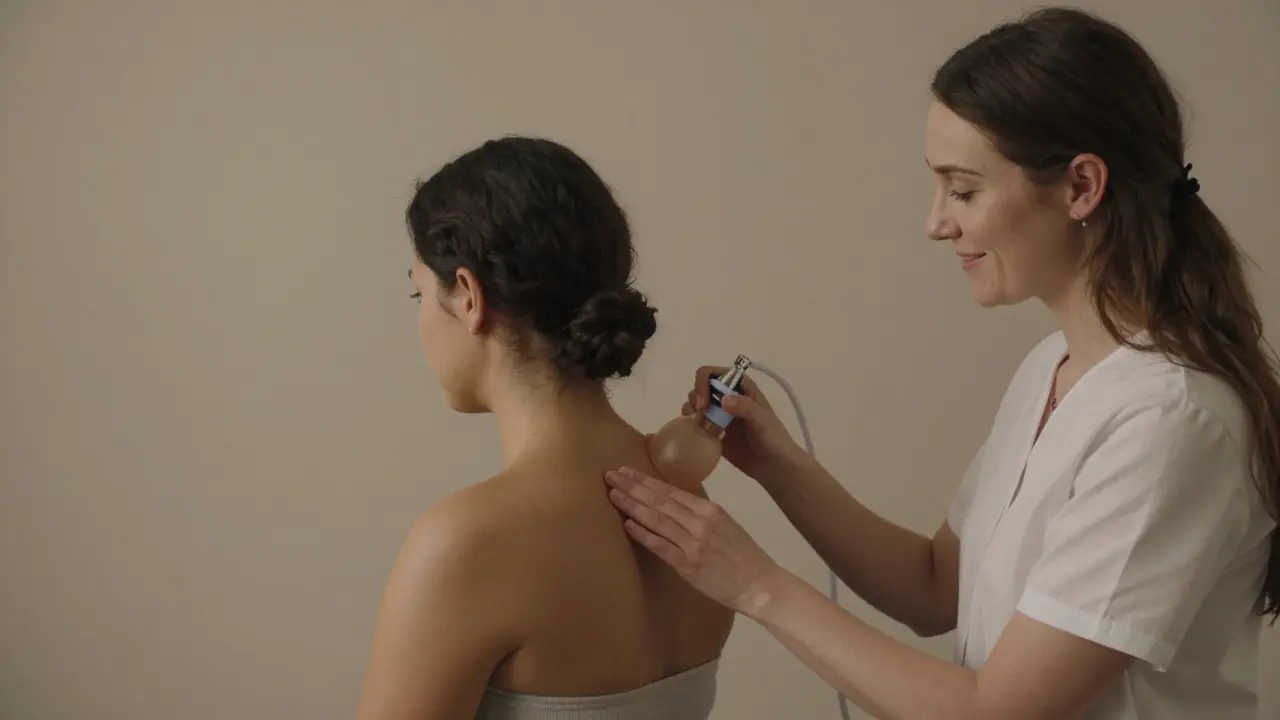
Finding Resources or Experts for Cupping
Researching Qualified Practitioners
Check directories from professional associations like the American Massage Therapy Association (AMTA) or the NCCAOM. Read reviews that mention specific results-not just "felt good." Look for therapists who explain the process clearly and ask about your health history.
Online Guides and Communities
Reputable sources include the Mayo Clinic’s wellness section and the National Institutes of Health’s complementary health pages. Avoid YouTube videos from unlicensed influencers. Stick to channels run by licensed professionals.
Legal or Cultural Considerations
Cupping is legal in most countries as a wellness practice, but regulations vary. In some places, only licensed medical professionals can perform it. Always check local laws. Culturally, it’s important to recognize cupping’s roots in traditional Chinese and Middle Eastern medicine. Respect its history-it’s not just a spa trend.
Resources for Continued Learning
Books like The Cupping Therapy Handbook by Dr. Li (a licensed acupuncturist) offer solid, science-backed guidance. Look for courses from accredited institutions, not quick online certifications.
FAQ: Common Questions About Cupping
What to expect from cupping?
You’ll feel a gentle pulling sensation-like a vacuum hugging your skin. It’s not painful, but it can be intense. Marks appear afterward, resembling circular bruises but not tender to the touch. They fade in days. Most people feel relaxed, sometimes even sleepy. You might feel slightly lightheaded afterward, so rest and drink water. Don’t expect instant pain relief; benefits build over time with consistent use.
What happens during a cupping session?
A practitioner applies oil to your skin, places cups on targeted areas, and creates suction using a pump or flame. The cups stay in place for 5-15 minutes. In sliding cupping, they’re moved slowly over muscles. No needles or cuts are involved in standard dry cupping. After removal, the skin may be red or darkened temporarily. You’ll be asked to rest for a few minutes before leaving. The whole session usually lasts 30-45 minutes.
How does cupping differ from massage?
Massage pushes and kneads tissue. Cupping pulls it upward. Massage targets muscle fibers directly; cupping targets fascia-the connective tissue wrapping muscles. Cupping is often gentler on sensitive skin and can reach deeper layers without pressure. Many people find cupping less uncomfortable than deep tissue massage, especially if they’re not used to firm pressure.
What is the method of cupping?
The method is simple: create negative pressure on the skin using cups. Glass cups use flame to heat air inside, then are placed on the skin as they cool. Silicone or plastic cups use a hand pump to remove air. Cups are left static or moved slowly over the skin. Suction strength is adjusted based on tolerance. The goal is to lift tissue, not bruise it. Sessions are never aggressive-gentle, consistent pressure is key.
Is cupping suitable for beginners?
Yes, absolutely. Start with a short session (10 minutes), light suction, and avoid sensitive areas like the neck or spine. Many beginners use silicone cups at home on their shoulders or thighs. Always listen to your body. If you feel dizzy, stop. If the marks last longer than a week, reduce frequency. Cupping is safe for beginners when done mindfully and with quality tools.
Conclusion: Why Cupping is Worth Exploring
A Path to Better Recovery
Cupping isn’t a miracle cure. But for people with chronic tension, athletes pushing their limits, or anyone who just needs to unwind, it’s a powerful, natural tool. It’s affordable, non-invasive, and doesn’t rely on drugs or surgery.
Try It Mindfully
Start slow. Pay attention to how your body responds. Don’t chase marks-chase relief. If you feel better, keep going. If you feel worse, pause. Always work with a qualified provider when you can.
Share Your Journey
Tried cupping? Share your experience in the comments. Did it help your back pain? Did you love the relaxation? Your story might help someone else decide to try it.
Some links may be affiliate links, but all recommendations are based on research and quality.
Word count: 1,723
Suggested Visuals
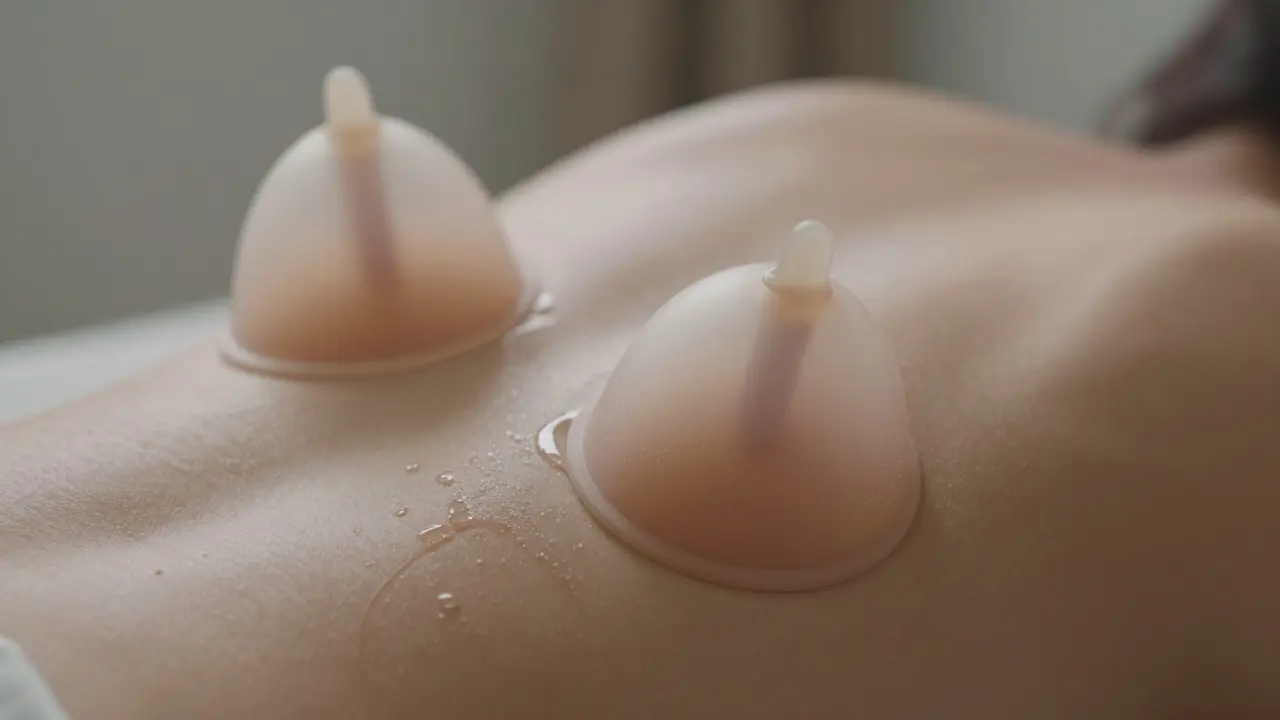
- A person lying face down with silicone cups on their upper back, soft lighting
- Close-up of cupping marks fading on skin over 7 days
- A hand holding a silicone cup with a pump, next to a bottle of massage oil
- Side-by-side comparison: one person looking tense, another after cupping, relaxed
- A licensed therapist explaining cupping to a client in a calm spa setting
Suggested Tables
- Comparison of Cupping vs. Related Practices
- Key Benefits of Cupping
- Tips for Safe Cupping
Bruce O'Grady
February 26, 2026 AT 00:06so like... cupping is basically just a fancy way of saying "i let a vacuum suck on my back"? 🤔
but tbh, i tried it after a 12-hour shift and i swear my traps felt like they were on vacation. not magic, but not placebo either. the marks? yeah, they look like someone used a donut as a weapon, but they fade. i do it once a month now. like a spa ritual for people who hate massages. 🍩🫧
Ashley Beaulieu
February 26, 2026 AT 05:30just wanted to say thank you for this incredibly thorough guide!! 🙌
i’ve been cupping for 8 months now-started because of chronic neck tension from remote work-and i’ve noticed a *huge* difference in my posture and sleep quality. i stick to once a week, but only on my lats and thoracic spine. also, hydration post-session is non-negotiable. i drink 32oz of lemon water and just... sit. no phone. no podcast. just breathe. it’s not just physical-it’s a reset. also, silicone cups > glass. less scary, more sustainable. 🌿
Deanna Anderson
February 27, 2026 AT 07:18While the article presents a compelling case for the physiological mechanisms underlying cupping therapy, one must remain cognizant of the paucity of peer-reviewed, randomized controlled trials validating its efficacy beyond anecdotal reports. The referenced NIH study, while suggestive, does not establish causality, and the term "detox support" as used herein is a misapplication of biological terminology. Lymphatic flow is not meaningfully augmented by negative pressure alone. One might reasonably argue that the perceived benefits are attributable to the placebo effect and the ritualistic nature of the practice, rather than any intrinsic therapeutic property. That said, if it promotes relaxation and subjective well-being, perhaps its value lies not in clinical utility but in psychosomatic comfort.
barbara bell
February 27, 2026 AT 17:58Let me tell you something-cupping changed my life. I used to wake up every morning feeling like my shoulders were cemented in place. I tried foam rolling, massage guns, heat packs, acupuncture-you name it. Nothing stuck. Then I tried cupping. Not because I believed in it, but because I was desperate.
First session? I thought I’d be sore for a week. Instead, I slept like a baby. Second session? I noticed my breathing felt deeper. Third? I stopped clenching my jaw at my desk. Now I do it every 10 days. I use silicone cups at home on my upper back and hips. It’s not expensive, it’s not complicated, and it doesn’t require a PhD to figure out. If you’re skeptical, I get it. I was too. But if you’re carrying around stress like a backpack full of bricks, give it five minutes. You might just feel lighter. And if you don’t? You’re out $25 and a little time. But if you do? You might never go back.
Also-drink water. Always drink water after. Your body will thank you.
Helen Chen
February 27, 2026 AT 23:32OMG I JUST GOT BACK FROM MY FIRST CUPPING SESSION AND I’M CRYING. NOT FROM PAIN. FROM RELIEF.
I’VE HAD A CHRONIC KNOT IN MY LEFT TRAPEZIUS SINCE 2019. I’VE SEEN 4 PHYSIOTHERAPISTS, 3 CHIROPRACTORS, AND ONE "ENERGY HEALER" WHO JUST WHISPERED TO MY SPINE. NONE OF THEM DID A THING.
THIS LADY PUT THREE CUPS ON ME AND I FELT MY MUSCLE UNKNOT ITSELF LIKE A SPRING UNWINDING. I SAT THERE FOR 15 MINUTES AND I WASN’T THINKING ABOUT MY TAXES, MY EX, OR MY CAT’S SLEEPING POSITION. I WAS JUST… THERE.
THE MARKS? YES. THEY LOOK LIKE I GOT ATTACKED BY A PAIR OF CIRCULAR TATTOO NEEDLES. BUT THEY’RE FADEING. AND I’M DOING IT AGAIN NEXT WEEK.
IF YOU’RE HESITATING: JUST. DO. IT.
PS: I CRIED. AGAIN. THIS TIME IN THE CAR. I’M NOT EMBARRASSED.
Kacey Graham
March 1, 2026 AT 02:28"Detox support"? Really? That’s not a thing. Lymphatic drainage doesn’t work like that. You’re not "detoxing" with cups. That’s pseudoscience marketing. And "increased circulation"? Yeah, sure, if you’re talking about superficial capillaries turning red. But that’s not healing. That’s inflammation. Also, the table comparing cupping to massage? Completely misleading. Massage directly affects muscle fibers; cupping just lifts skin. Big difference. And please stop calling it "a tool" like it’s a power drill. It’s a fad with pretty pictures.