Holistic Massage: What It Is and How It Works in Dubai Spas
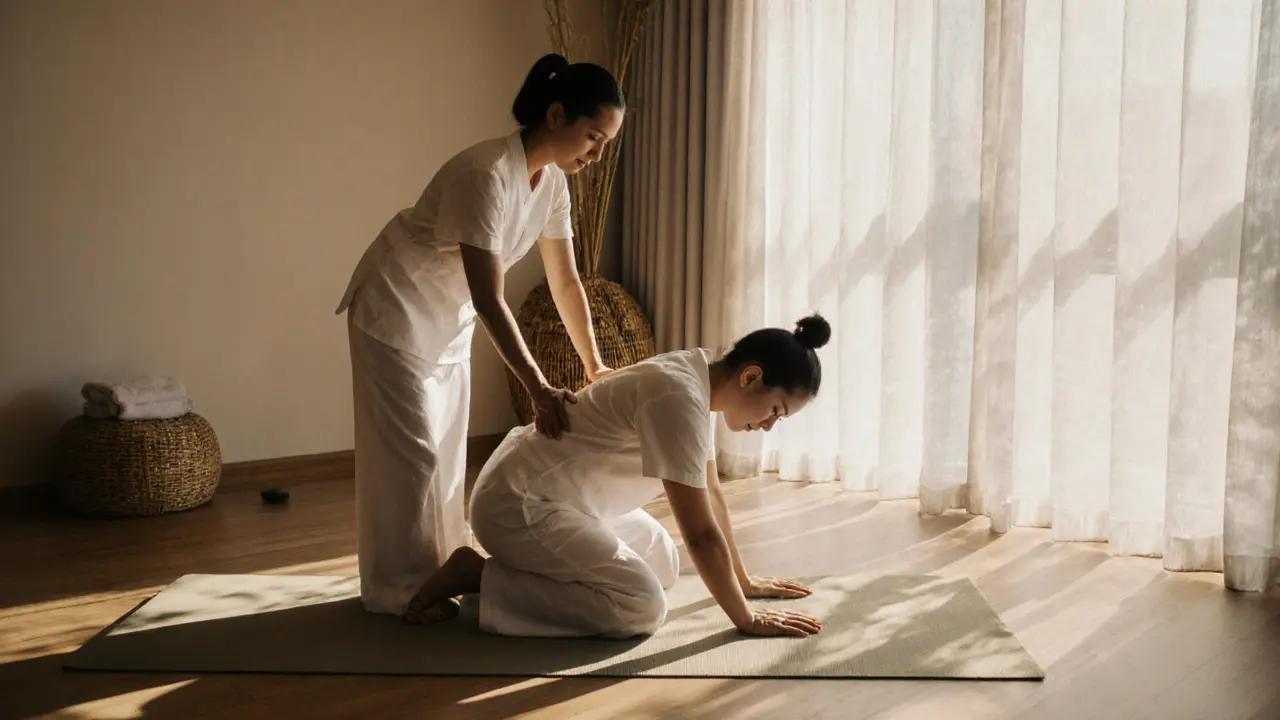
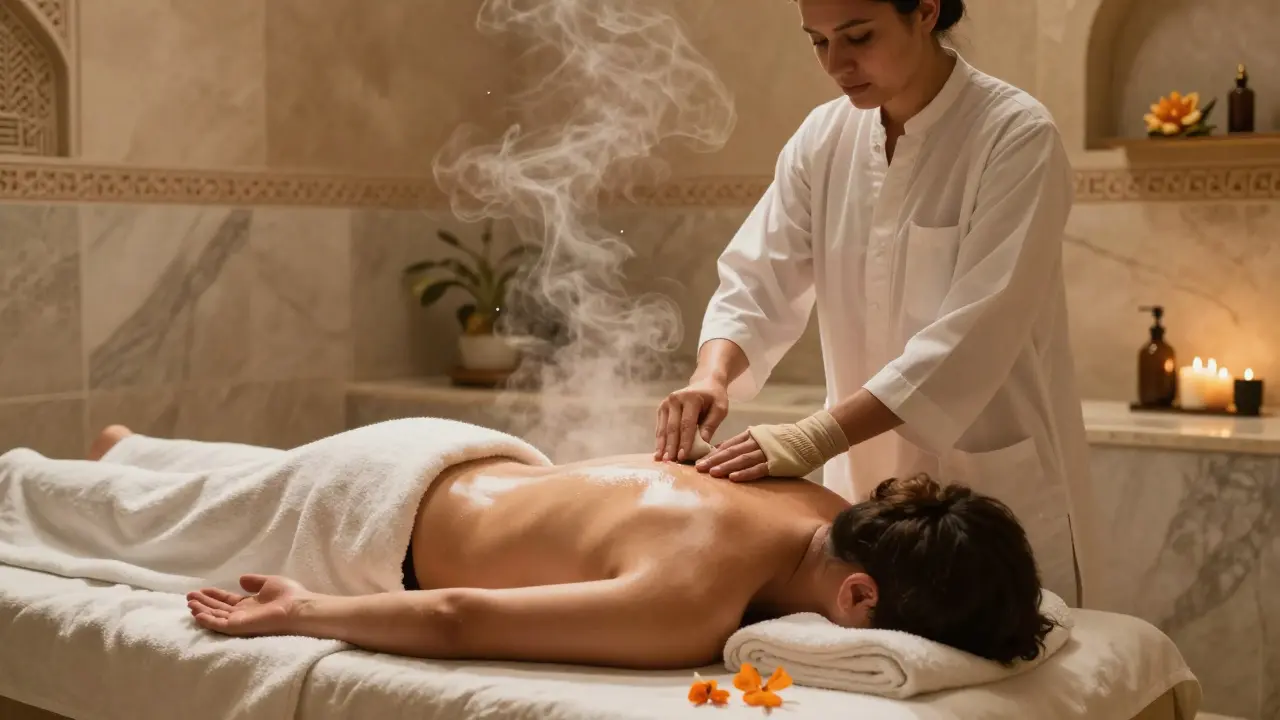
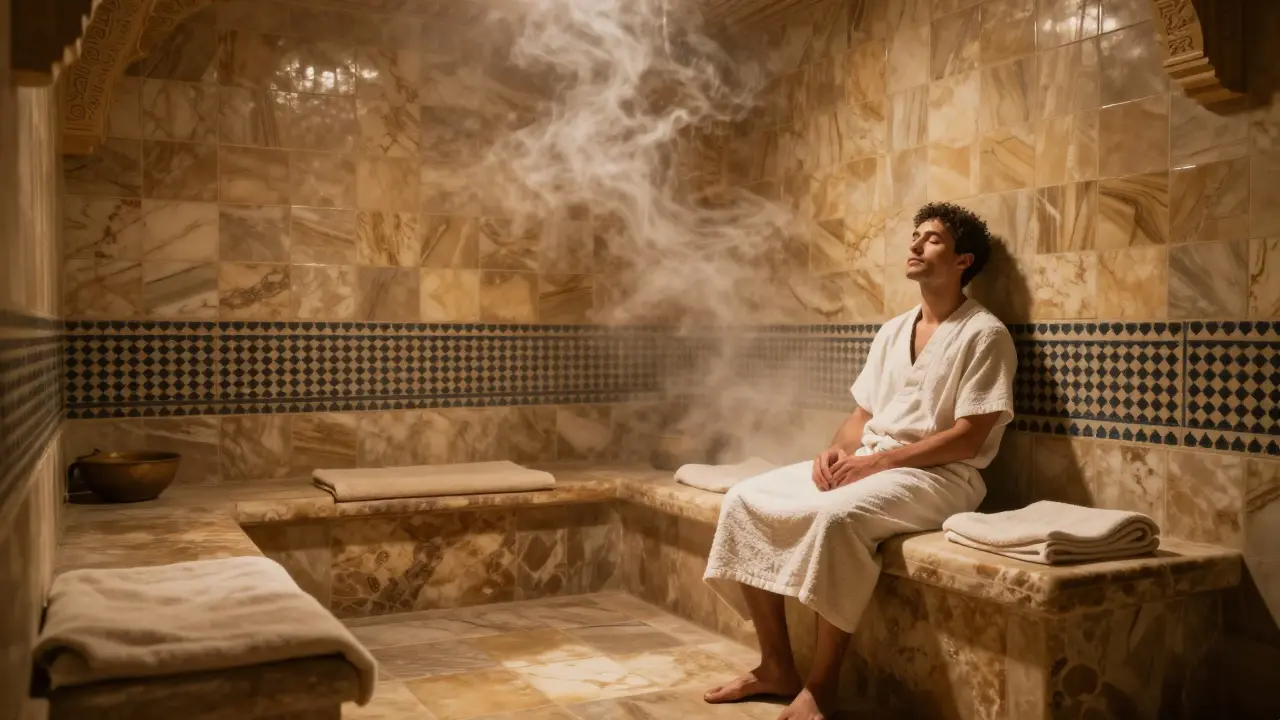
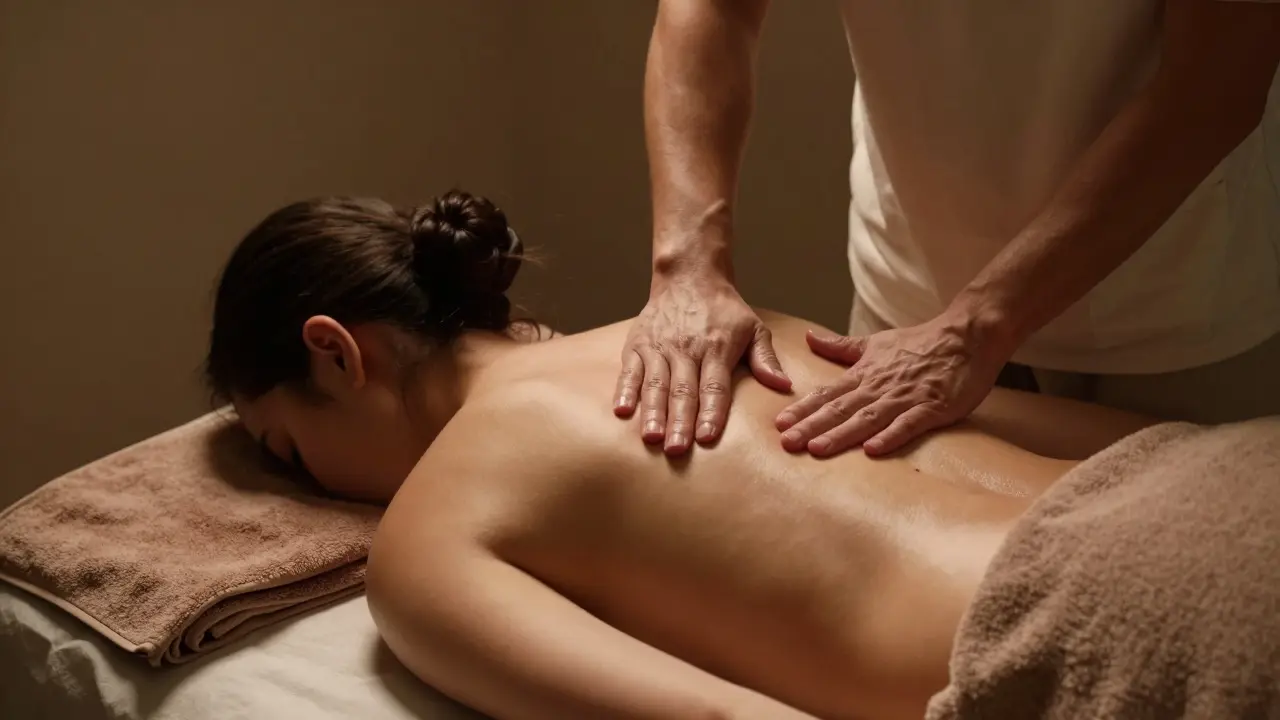
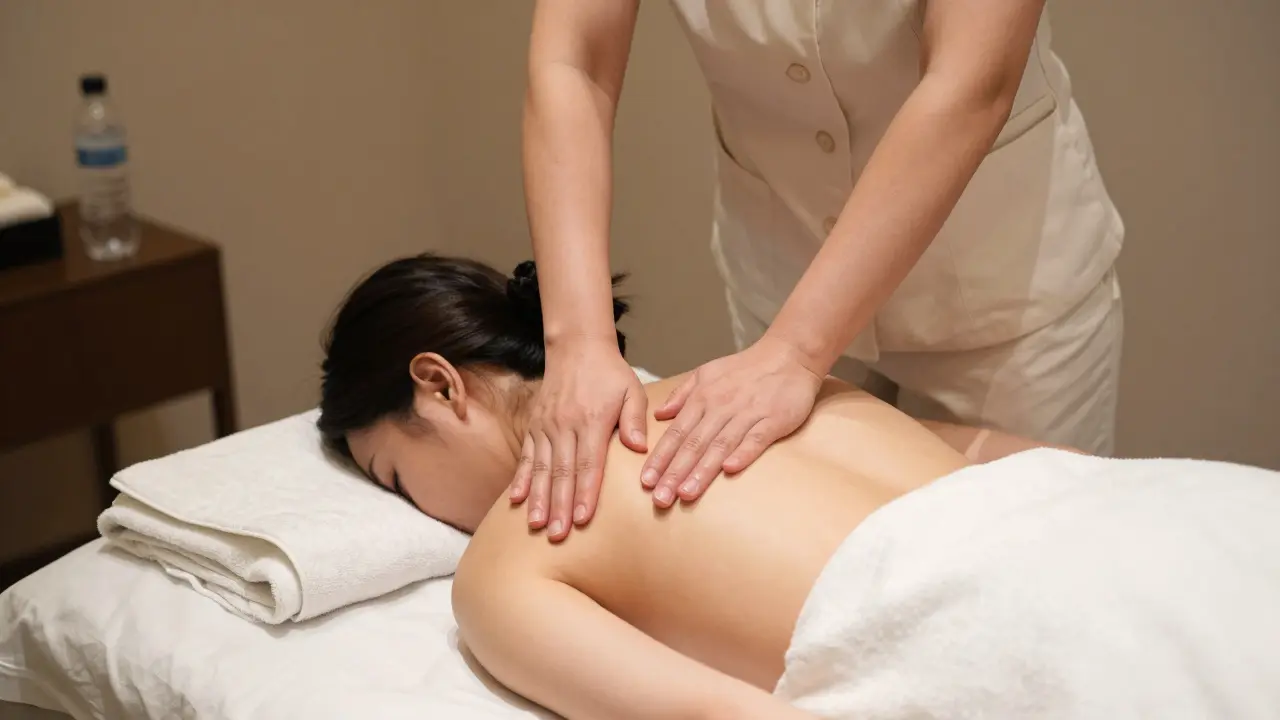
When you hear holistic massage, a treatment that treats the whole person—body, mind, and spirit—not just tight muscles. Also known as whole-body massage, it’s not about kneading away stress in one spot. It’s about helping your entire system reset. This isn’t just a fancy term used by luxury spas. In Dubai, where wellness blends ancient traditions with modern needs, holistic massage means using techniques like aromatherapy massage, a method that uses essential oils to calm the nervous system and improve mood, combined with deep pressure, rhythmic breathing, and sometimes even steam rituals like the Moroccan hammam, a traditional cleansing ritual using black soap and hot steam to detoxify skin and release tension.
What makes holistic massage different? It doesn’t ignore how your emotions or sleep patterns affect your physical pain. If you’re stressed, your shoulders lock up. If you’re tired, your muscles stay tight. A holistic therapist doesn’t just push on those knots—they look at your lifestyle, your breathing, even how you sit at your desk. That’s why many people in Dubai combine it with tantric massage, a slow, intentional form of touch that builds awareness and emotional calm, not arousal. It’s not about sex. It’s about reconnecting with your body in a way that feels safe and grounding. And it’s not just for tourists. Locals who work long hours, deal with heat and jet lag, or just need a break from the noise use it to feel human again.
You won’t find holistic massage in every spa. Some places still treat it like a luxury add-on. But the best ones in Dubai—like Blue Star Arabic Spa—build the whole experience around it. That means your session starts with a quiet room, warm towels, and oils chosen for your energy, not just your scent preference. It means they don’t rush you out after 60 minutes. It means they ask if you want to sit in the steam room afterward, or if you’d rather sip herbal tea in silence. And it means they know you shouldn’t shower right after, because your skin needs time to absorb the oils. This isn’t magic. It’s science mixed with centuries of tradition. The posts below cover exactly how this works in practice—from what to wear in a hammam, to whether you should eat after steaming, to why some people feel sick after cupping. You’ll find real advice from people who’ve been there. No fluff. Just what helps.