

A Lomi Lomi massage isn't just a spa treatment-it's a centuries-old Hawaiian tradition that weaves movement, intention, and healing into every stroke. Unlike quick-fix massages, this practice connects body, mind, and spirit through rhythmic, flowing motions. It's not about fixing specific knots; it's about creating harmony across your entire being.
Understanding the Basics of Lomi Lomi Massage
Origins and History
Lomi Lomi massage is a traditional Hawaiian healing practice. The word "lomi" means "to knead" or "to massage," and repeating it emphasizes continuous motion. Developed by kahu (Hawaiian healers), it was part of lā'au lapa'au-the holistic healing system. Practitioners used natural oils like macadamia or coconut to facilitate smooth strokes. Today, it remains deeply tied to Hawaiian culture and the aloha spirit, where the practitioner's intention and connection with the recipient are as important as the physical touch.
Core Principles
At its heart, Lomi Lomi is about flow. Practitioners use long, continuous strokes with palms, forearms, or even elbows, creating a wave-like motion that moves through the body. This isn't just about muscle relief-it's about releasing emotional blockages and restoring balance. The oil used (often coconut or macadamia) helps the hands glide, but the true magic comes from the practitioner's mindfulness. They enter a meditative state, channeling energy through their touch. This creates a sense of being "held" by the massage, not just worked on.
How It Differs from Other Massages
| Practice | Key Feature | Primary Benefit |
|---|---|---|
| Swedish Massage | Structured strokes (effleurage, petrissage) | Relaxation, muscle tension relief |
| Thai Massage | Stretching, pressure points | Flexibility, energy flow |
| Deep Tissue | Focused pressure on deep layers | Chronic pain relief |
| Lomi Lomi | Continuous, flowing motions with oil | Emotional release, spiritual connection |
Who Can Benefit
Most people find Lomi Lomi soothing, but it's especially helpful for those dealing with stress, anxiety, or emotional stagnation. It's also great for anyone curious about holistic healing. However, it's not ideal for acute injuries or certain medical conditions. Always check with a doctor if you have concerns.
Benefits of Lomi Lomi Massage
Stress Reduction
The rhythmic, flowing movements of Lomi Lomi activate the parasympathetic nervous system-your body's "rest and digest" mode. This slows heart rate, lowers blood pressure, and reduces cortisol levels. Many clients describe it as "a deep exhale for the whole body."
Emotional Release
Because Lomi Lomi works on both physical and energetic levels, it often brings up buried emotions. The continuous strokes create a safe space for releasing tension that's stored in the body. It's not uncommon for people to cry or feel deeply emotional during or after a session.
Improved Circulation
The oil and long strokes enhance blood flow, delivering oxygen and nutrients to tissues. This speeds up recovery and leaves the skin glowing. Unlike deep tissue work, which can be intense, Lomi Lomi's gentle pressure encourages natural healing without strain.
Spiritual Connection
For those seeking more than physical relief, Lomi Lomi offers a bridge to inner peace. The practice honors the Hawaiian belief that healing requires harmony between self, others, and nature. Many leave feeling grounded and connected to something bigger.
What to Expect During a Lomi Lomi Session
Setting
Sessions usually happen in a warm, quiet room with soft lighting and Hawaiian music. You'll lie on a massage table, covered with a sheet. The practitioner may start with a brief prayer or intention-setting to honor the tradition.
Key Processes
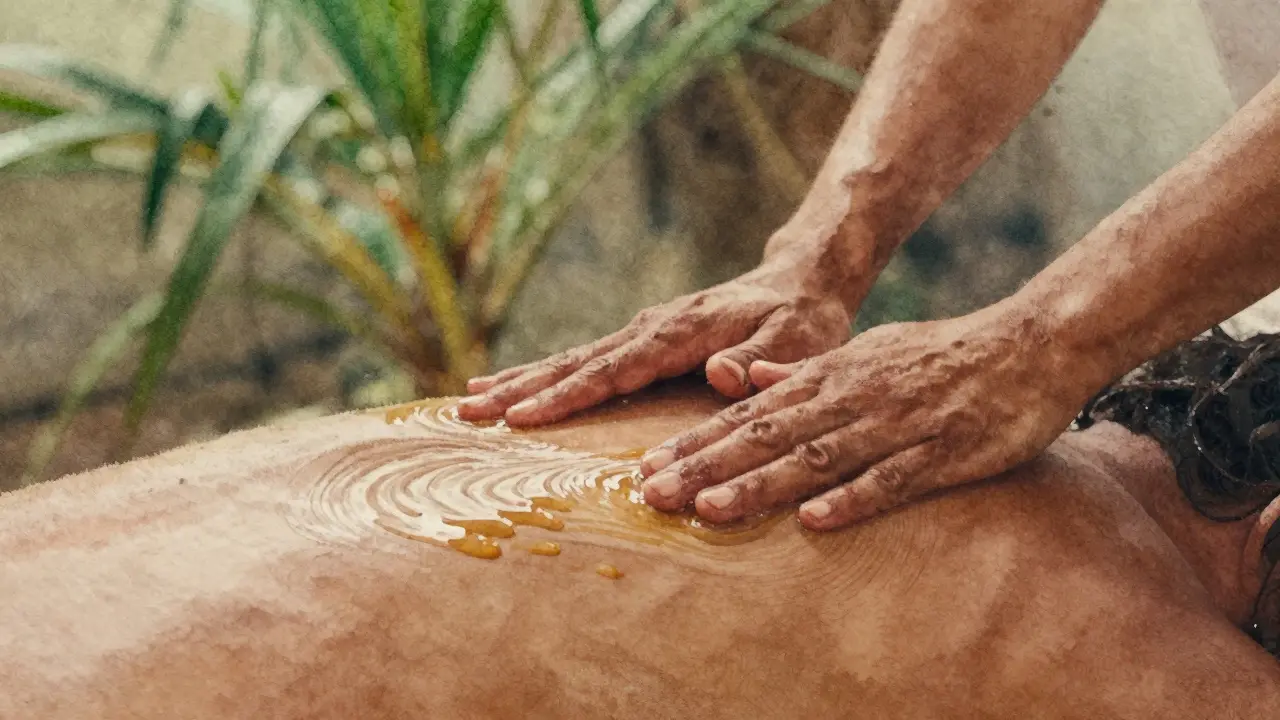
The massage begins with slow, sweeping strokes from head to toe. Practitioners often use both hands simultaneously, creating a wave-like motion. Forearms might come into play for deeper areas. The oil is applied generously, making each movement smooth and continuous. Unlike other massages, there's no set pattern-each session flows uniquely based on the practitioner's intuition and your body's needs.
Customization Options
While traditional Lomi Lomi is hands-on and oil-based, modern variations might adjust pressure or include elements like aromatherapy. Always communicate preferences upfront-whether you want lighter touch or focus on certain areas.
Communication and Preparation
Practitioners check in gently during the session. If you feel too hot, cold, or uncomfortable, speak up. This isn't a "tough it out" experience. Your comfort is key to the healing process.
Safety and Ethical Considerations
Choosing Qualified Practitioners
Not all "Lomi Lomi" sessions are authentic. Look for practitioners trained in Hawaiian healing traditions, possibly certified by organizations like the Hawaiian Healing Arts Association. Avoid places that use the term loosely for standard massages.
Safety Practices
Hygiene is crucial. The practitioner should wash hands, use fresh linens, and ensure oils are non-irritating. If you have allergies, mention it before the session. Also, consent is non-negotiable-practitioners should ask permission before touching sensitive areas.
Contraindications
Avoid Lomi Lomi if you have recent surgery, open wounds, or blood clots. Those with severe osteoporosis or certain skin conditions should also skip it. Always disclose health issues to your practitioner.

FAQ: Common Questions About Lomi Lomi Massage
What happens during a Lomi Lomi massage?
A Lomi Lomi session involves long, flowing strokes using palms and forearms, often with both hands moving in sync. It's typically done with oil to create a smooth, wave-like motion across the body. The practitioner focuses on rhythm and intention, aiming to release physical and emotional tension. Sessions last 60-90 minutes, and you'll usually lie on a table with a sheet covering you. The experience is deeply relaxing, with many people feeling a sense of emotional release or spiritual connection.
How is Lomi Lomi different from a Swedish massage?
While Swedish massage uses structured techniques like kneading and tapping to target specific muscles, Lomi Lomi is all about continuous, flowing movements. It's less about muscle manipulation and more about creating a wave-like motion that moves through the entire body. The practitioner's intention and connection play a big role, making it more holistic. Swedish massage is great for tension relief, but Lomi Lomi often addresses emotional and spiritual aspects too.
Is Lomi Lomi massage painful?
No, it's not meant to be painful. The pressure is usually moderate to light, focusing on smooth, rhythmic strokes rather than deep pressure. If you feel discomfort, you should let the practitioner know. Some people describe it as a "deep relaxation" rather than a "deep tissue" experience. The goal is to release tension without causing pain.
What should I wear for a Lomi Lomi massage?
You'll typically undress to your comfort level and lie under a sheet. Most practitioners provide disposable underwear or allow you to wear shorts, but many people choose to be completely nude under the sheet. The key is to feel comfortable. If you're unsure, ask the practitioner beforehand-they'll explain the process clearly.
Can I get a Lomi Lomi massage if I'm pregnant?
It's possible, but only with a practitioner trained in prenatal Lomi Lomi. Standard Lomi Lomi isn't recommended during pregnancy due to the deep, flowing strokes. A specialized prenatal session would use gentler techniques and avoid certain pressure points. Always consult your doctor first and ensure the practitioner has specific prenatal training.
Why Lomi Lomi Massage is Worth Trying
A Path to Holistic Healing
Lomi Lomi isn't just about physical relaxation-it's a journey into balance. By addressing body, mind, and spirit, it offers a rare chance to reset and reconnect. Many people find it transformative, not just for a day, but for their overall well-being.
Try It Mindfully
If you're curious, find a reputable practitioner and approach the experience with openness. Remember, it's a partnership-you're there to receive, but your comfort and communication are key. Start with a 60-minute session to see how your body responds.
Share Your Journey
Have you tried Lomi Lomi? Share your experience in the comments below. And if you're new to holistic healing, follow our blog for more tips on wellness practices that nurture your whole self.
Conor Burke
February 5, 2026 AT 17:43The historical context of Lomi Lomi is fascinating. Originating from Hawaiian healers known as kahu, it's deeply rooted in lā'au lapa'au, a holistic healing system. The word 'lomi' itself means 'to knead' or 'to massage,' and repeating it emphasizes continuous motion. This practice uses natural oils like macadamia or coconut to facilitate smooth strokes, but the true magic lies in the practitioner's mindfulness and intention. Unlike Swedish or deep tissue massages, Lomi Lomi focuses on creating harmony across the entire being rather than targeting specific knots. The rhythmic, flowing motions activate the parasympathetic nervous system, promoting deep relaxation and emotional release. Many clients experience profound emotional catharsis during sessions, which speaks to its holistic nature. It's crucial to seek a qualified practitioner trained in authentic Hawaiian traditions to avoid commercialized versions. Proper hygiene and consent are non-negotiable for respecting the tradition. The article's comparison table clearly shows how Lomi Lomi differs from other styles, emphasizing its unique focus on spiritual connection. Overall, this guide effectively explains why Lomi Lomi is more than just a massage-it's a cultural and spiritual practice.
Deb O'Hanley
February 7, 2026 AT 04:21Just a marketing gimmick with no real science behind it.
Taylor Bayouth
February 7, 2026 AT 06:12The section on safety and ethical considerations is particularly important. Many people don't realize that not all 'Lomi Lomi' sessions are authentic. Choosing a qualified practitioner trained in Hawaiian traditions is crucial. The article does a good job explaining the differences between traditional and commercialized versions. Proper hygiene and consent are non-negotiable. It's good to see these details included.
Melissa Garner
February 8, 2026 AT 12:16Lomi Lomi is a game-changer for stress relief! 🌺 The way the practitioner uses flowing motions with oil creates this wave-like effect that's unlike anything else. I had a session last month and it felt like all my tension just melted away. The emotional release part was surprising-I cried during it, but it was so cathartic. It's not just physical; it's mental and spiritual too. If you're dealing with anxiety, this is worth trying. Definitely recommend finding a certified practitioner. 💆♀️✨
David McAlister
February 8, 2026 AT 17:43Lomi Lomi's focus on flow and intention is fascinating. Using both hands to create a wave-like motion is such a unique technique. The comparison table really helps see the differences from other massages. It's clear why Lomi Lomi is more about emotional release than just muscle relief. Definitely worth trying if you're looking for a deeper healing experience. 🌿
Patti Towhill
February 10, 2026 AT 11:36I love how Lomi Lomi connects to Hawaiian culture. The aloha spirit is central to the practice. It's not just about the physical touch but the intention behind it. I've read that practitioners often do a prayer before starting. That's such a beautiful way to honor the tradition. It's important to respect the origins instead of just using the name for a regular massage. Maybe more places should learn about the real history behind it. This guide does a great job explaining that part.
Inaki Kelly
February 10, 2026 AT 23:08Lomi Lomi's emphasis on emotional release really resonates with me. After my session, I felt a sense of calm I hadn't experienced in years. The oil and flowing strokes create such a soothing experience. It's amazing how it connects body and mind. 😊 This guide explains everything clearly-great resource for anyone curious about holistic healing.
Suman Jr
February 10, 2026 AT 23:30I've tried Lomi Lomi before and it was amazing. The practitioner was so gentle and focused on my breathing. I felt like I was floating. It's not just a massage-it's a holistic experience. I'd recommend it to anyone feeling stressed. It really helps with emotional release too. I've been doing it regularly since then.