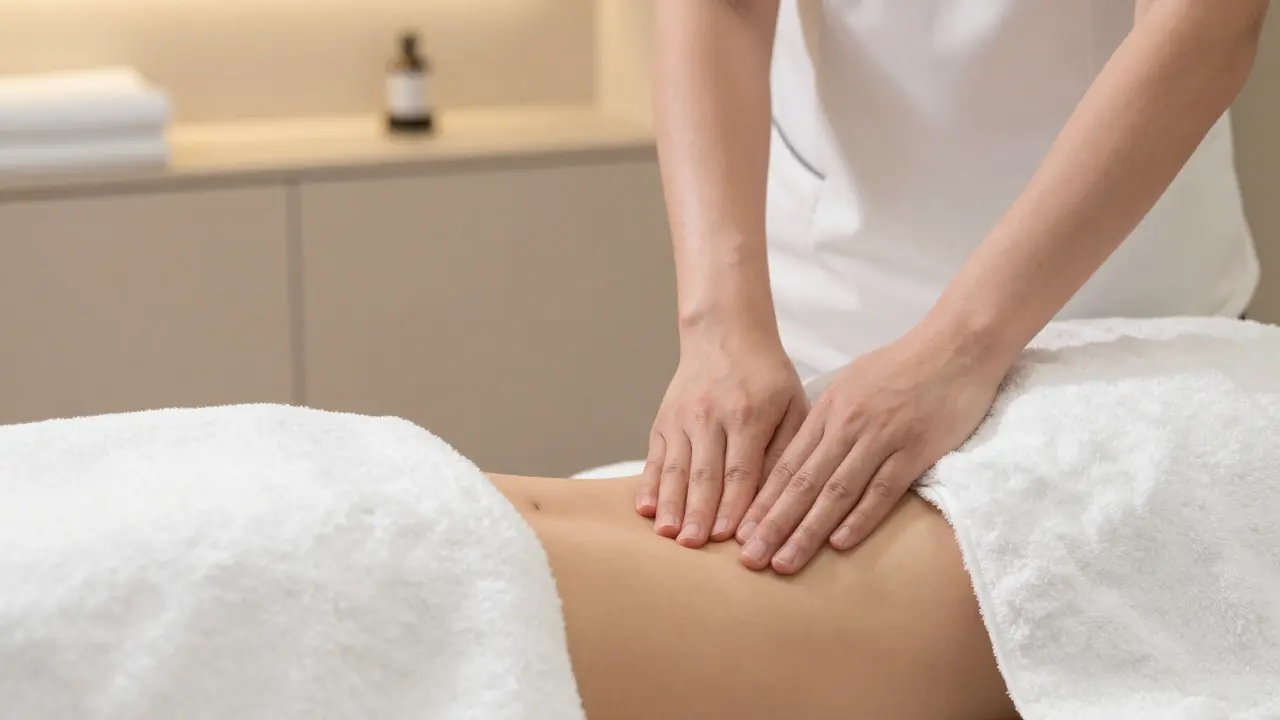
Massage Therapist Demographics: Who Are They and What Do They Do in Dubai?
When you book a massage in Dubai, you’re not just paying for hands-on relief—you’re engaging with a professional whose background, training, and experience shape your whole session. Massage therapist demographics, the statistical profile of people working in professional massage therapy, including age, gender, cultural background, and certification levels. Also known as spa therapist profiles, these details help explain why some therapists focus on deep tissue, others on relaxation, and why cultural norms play a big role in how sessions are conducted. In Dubai, where clients come from over 200 countries, the makeup of massage therapists reflects this global mix—many are trained in Thailand, India, Morocco, or Russia, and bring techniques shaped by decades of local tradition.
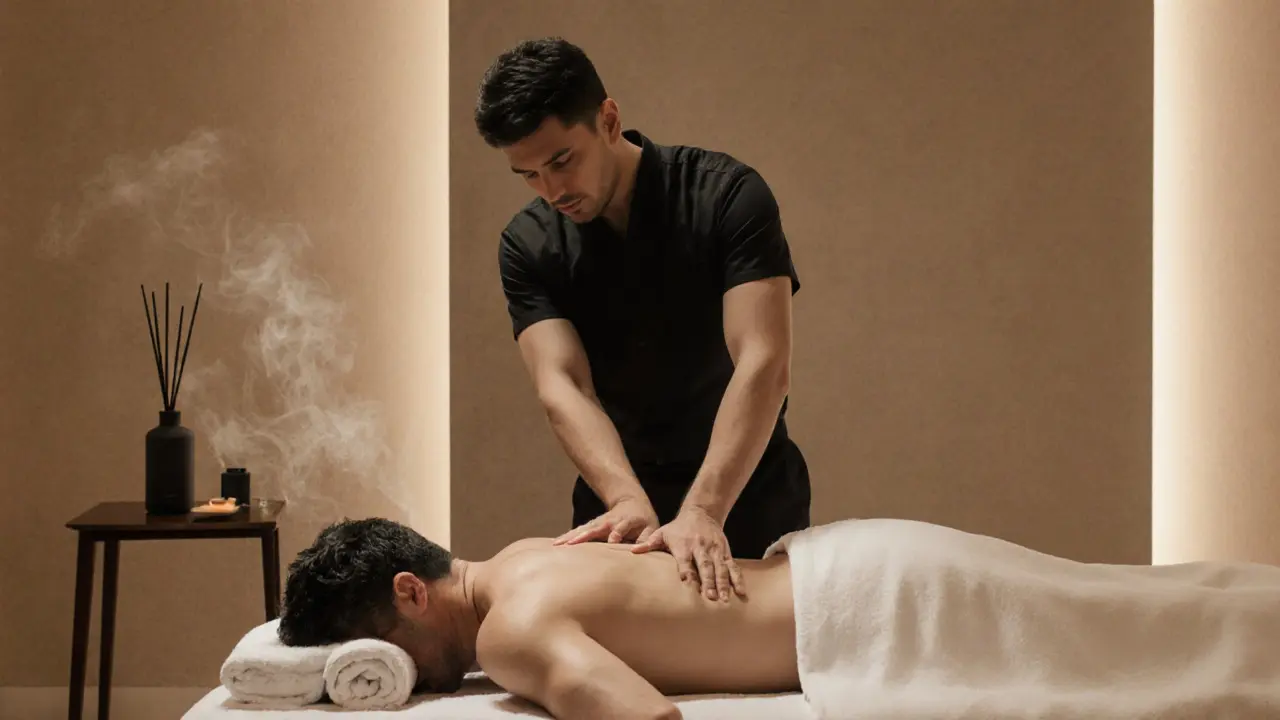
Most massage therapists in Dubai are between 25 and 45 years old, with a slight majority being female, though male therapists are growing in number—especially for deep tissue and sports massage. Many hold certifications from international schools, not just local ones, and often work part-time while studying health sciences or preparing for careers in physiotherapy. You’ll find therapists who’ve worked in luxury resorts in Bali, clinics in Germany, or family-run spas in Egypt—all now serving clients in Dubai’s high-end spas and hotel wellness centers. Massage therapist training, the formal education and hands-on practice required to become a licensed massage professional. Also known as massage certification, it typically includes anatomy, ethics, hygiene, and client communication, and is required by most reputable spas in the city. This isn’t a job you walk into after a weekend course—it’s a skill built over months or years, often with apprenticeships and continuing education.
What you might not realize is how much massage therapist gender, the distribution of male and female professionals in the massage industry and how it affects client comfort and service style. Also known as therapist gender dynamics, it influences everything from session boundaries to the type of techniques offered. Some clients prefer a female therapist for relaxation massages, while others seek male therapists for stronger pressure or athletic recovery. Dubai’s multicultural environment means these preferences are respected, and most spas let you choose based on comfort, not availability. The industry is also slowly shifting—more men are entering the field, and more women are specializing in aggressive techniques like trigger point therapy and myofascial release, breaking old stereotypes.
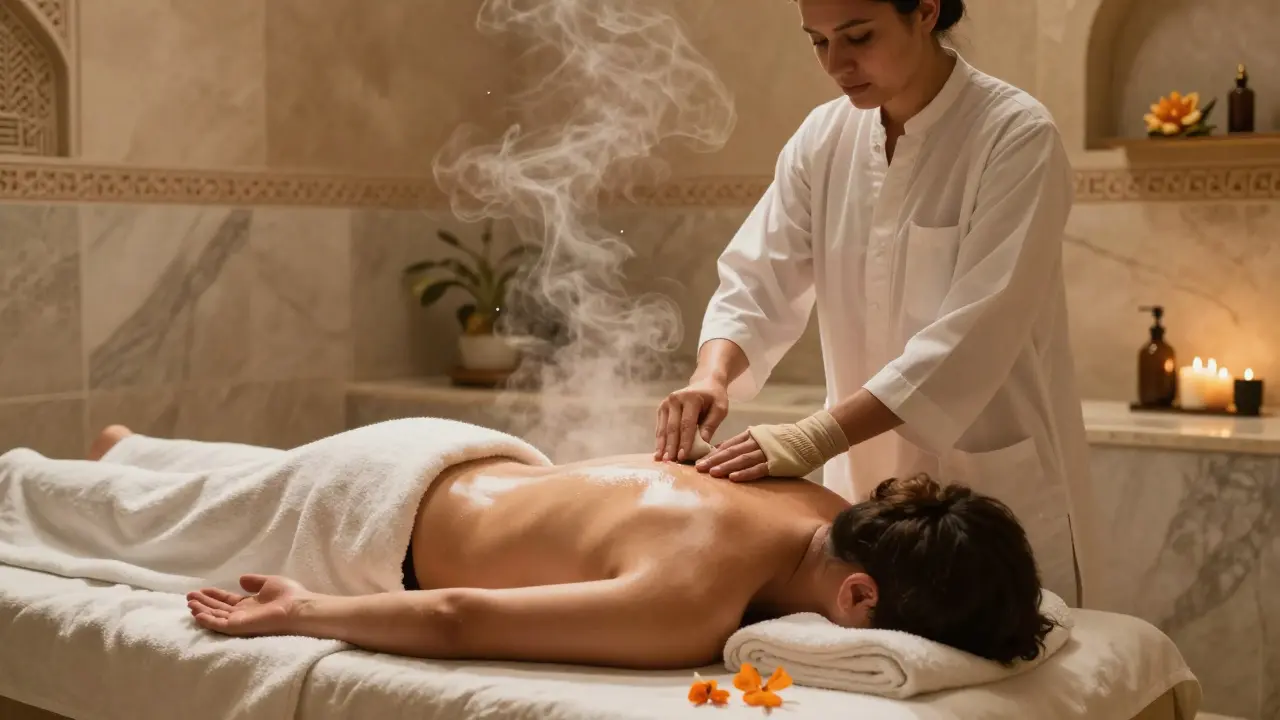
And then there’s the cultural layer. Many therapists in Dubai come from countries where massage is part of daily wellness—not a luxury. They understand how to read silence, when to adjust pressure, and how to make you feel safe without saying a word. That’s why a $100 massage here isn’t just about the time—it’s about the expertise behind the hands. Whether you’re getting a traditional hammam scrub, a Thai stretch, or a deep tissue release, the person working on you has likely trained for years, adapted to Dubai’s unique demands, and learned how to balance professionalism with warmth.
What you’ll find in the posts below are real, practical insights from people who’ve been on both sides of the table—clients and therapists alike. From tipping etiquette to groin boundaries, from how to choose the right therapist to why some techniques work better for certain body types, this collection cuts through the noise. No fluff. No guesswork. Just what you need to know before your next session.