Moroccan Black Soap: What It Is, How It Works, and Why Dubai Spas Love It
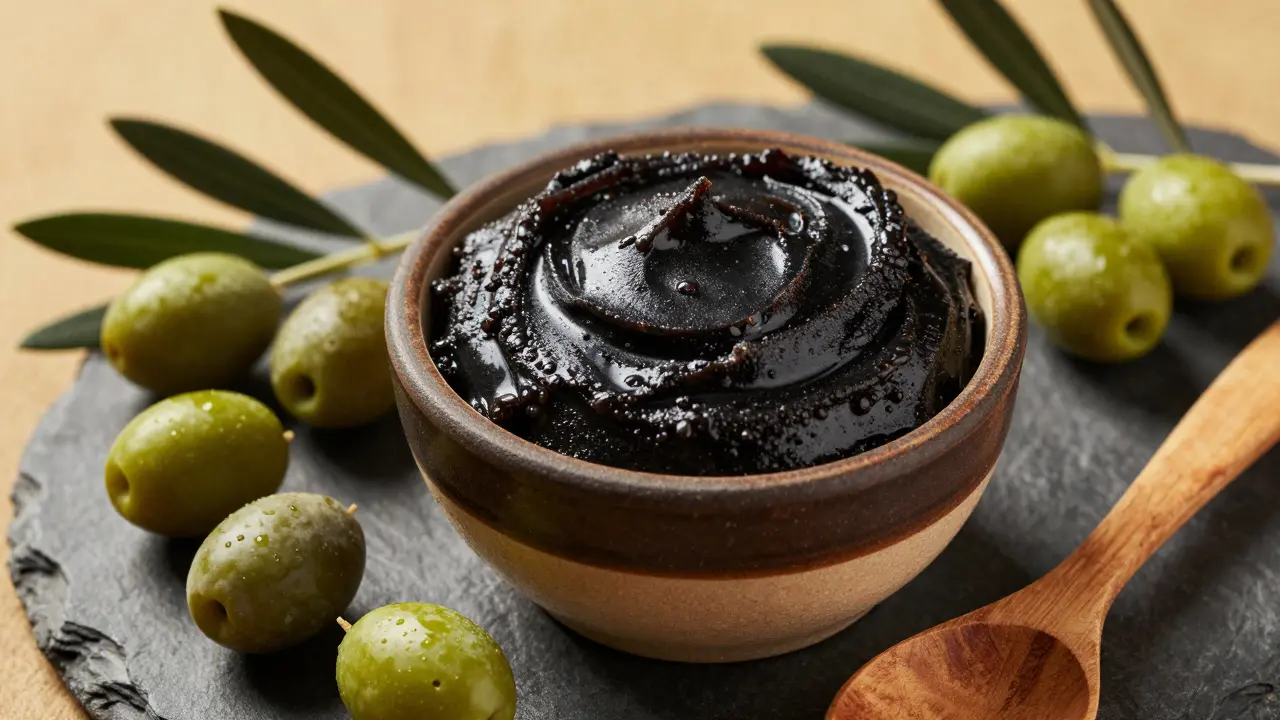
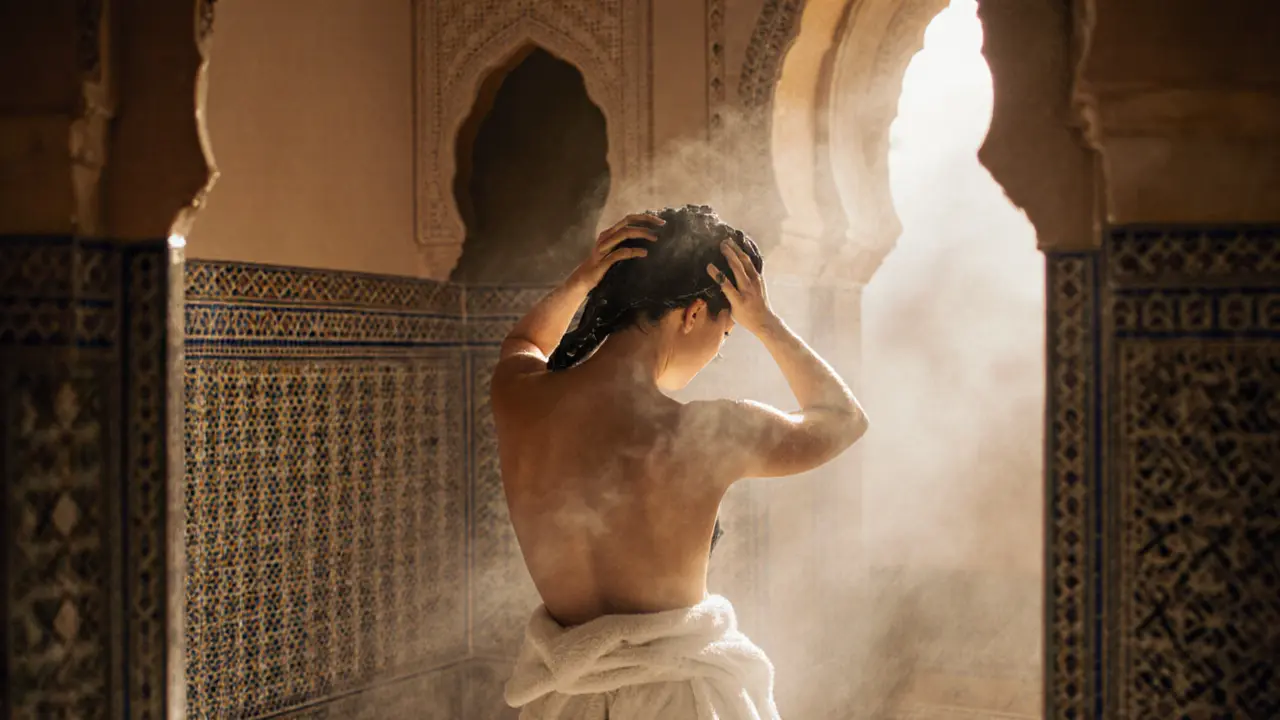
When you step into a traditional hammam in Dubai, one of the first things you’ll notice is the thick, dark paste used to scrub your skin—Moroccan black soap, a natural, olive-oil-based cleanser used for centuries in North African bath rituals. Also known as beldi soap, it’s not just a cleanser—it’s the foundation of the entire Moroccan bath experience. Unlike regular soaps that strip your skin, this soap softens dead cells and opens pores, making the next step—scrubbing with a kessa glove—far more effective. It’s the reason why people in Dubai return to hammams again and again, even in a city full of high-tech spa options.
The magic of Moroccan black soap lies in its simplicity. Made from crushed olives and potassium hydroxide, it’s left to ferment for months, creating a thick, gel-like substance that’s gentle yet powerful. You don’t need fancy ingredients or artificial fragrances—just warm water and time. That’s why it pairs perfectly with the hammam ritual, a steam-based cleansing tradition that originated in Morocco and is now a staple in Dubai wellness centers. The heat from the steam melts the soap into your skin, letting it work for 10–15 minutes before scrubbing. This combo isn’t just about cleanliness—it’s about renewal. People in Dubai use it to fight dryness from the desert climate, reduce ingrown hairs after shaving, and even soothe eczema-prone skin.
What makes Moroccan black soap different from other body washes is how it’s used. You don’t lather it up like shampoo. You apply it slowly, let it sit, then scrub with a rough glove. That’s why you’ll see posts here about showering before a Moroccan bath, a step that ensures your skin is clean enough for the soap to penetrate deeply. You won’t find it in regular drugstores—it’s sold in specialty spas, online, or in Middle Eastern markets. And while some try to substitute it with African black soap or charcoal cleansers, they’re not the same. The real thing has a unique texture, smell, and effect that can’t be replicated.
It’s also tied to cultural habits you’ll see in Dubai’s spa scene—like how often people visit the hammam, whether it’s safe for sensitive skin, or how it fits into Islamic hygiene practices. That’s why the posts below cover everything from Moroccan black soap routines to the best times to use it, how it compares to Turkish bath products, and even what to do after you scrub it off. You’ll find tips on skin types that benefit most, how to store it properly, and why some spas mix it with argan oil or eucalyptus for extra healing. This isn’t a trend—it’s a centuries-old practice that’s thriving in Dubai because it just works.
What follows is a collection of real, practical guides from people who’ve tried it—whether they’re locals, travelers, or first-timers curious about the ritual. You’ll learn when to use it, how often, and what mistakes to avoid. No fluff. Just what happens when you let this ancient soap do its job on your skin in the heart of the desert.