

When it comes to body scrub, more isn’t always better. It’s easy to think that scrubbing harder and more often means smoother skin-but that’s not true. In fact, rubbing your skin in the wrong places can cause real damage. Whether you’re using a sugar scrub after a long day at the beach or a salt-based exfoliant after a sauna session, knowing where you shouldn’t exfoliate is just as important as knowing how to do it right. This isn’t about skipping pampering-it’s about protecting your skin’s natural barrier so it can actually heal and thrive.
Understanding the Basics of Body Scrub
Origins and History
Body scrubs have been used for centuries across cultures-from ancient Egyptian oil-and-salt rituals to Japanese shiitake mushroom scrubs in onsen baths. In the Middle East, traditional hammams combined steam, clay, and coarse gloves to gently slough off dead skin. These weren’t about luxury; they were about hygiene, circulation, and preparing skin for oils and perfumes. Today’s modern body scrubs still follow these core ideas: remove dead cells, stimulate blood flow, and allow moisturizers to penetrate deeper. But unlike ancient practices, we now have access to ultra-fine scrubs, chemical exfoliants, and electric tools-which makes knowing where to stop even more critical.
Core Principles or Components
A good body scrub works by physically or chemically loosening dead skin cells without tearing into live tissue. Physical scrubs use granules-salt, sugar, ground nuts, or synthetic beads-to buff the surface. Chemical scrubs use acids like AHAs or BHAs to dissolve the glue between cells. Both types rely on two key principles: gentle friction and targeted application. The goal isn’t to scrub until your skin turns pink-it’s to reveal the fresh layer beneath. Overdoing it strips away natural oils, triggers inflammation, and leaves skin vulnerable to infection or sun damage. That’s why knowing where to avoid scrubbing matters as much as how often you do it.
How It Differs from Related Practices
Many people confuse body scrubs with dry brushing or chemical peels. Here’s how they stack up:
| Practice | Key Feature | Primary Benefit |
|---|---|---|
| Body Scrub | Granular texture applied with water | Removes surface buildup, enhances moisture absorption |
| Dry Brushing | Stiff bristles used on dry skin before showering | Stimulates lymphatic flow, improves circulation |
| Chemical Peel | Acid-based solution left on skin for minutes | Deep exfoliation, targets acne, pigmentation, texture |
Unlike dry brushing-which is meant for daily use on non-sensitive areas-body scrubs are typically used once or twice a week. Chemical peels require professional oversight. None of these should be used on broken or inflamed skin.
Who Can Benefit from Body Scrub?
Most adults can benefit from occasional body scrubbing, especially those with dry, flaky skin or ingrown hairs from shaving. People in hot, humid climates like Dubai often see buildup from sweat, sunscreen, and pollution. Athletes, swimmers, and outdoor workers also notice improved skin texture after regular exfoliation. But not everyone. If you have eczema, psoriasis, rosacea, or active acne, you need to be extremely cautious. Even healthy skin can react badly if scrubbed too hard or in the wrong spots.
Where You Shouldn’t Exfoliate
Face
Your face is not your elbow. The skin on your face is 10 times thinner than the skin on your legs. It’s more sensitive, more vascular, and more prone to irritation. Using a body scrub on your face-even one labeled "gentle"-can cause micro-tears, redness, and long-term barrier damage. You might think you’re getting a deep clean, but you’re actually stripping away protective oils and triggering inflammation. Use facial exfoliants designed for delicate skin: chemical exfoliants like lactic acid or enzymes are far safer than gritty scrubs. If you’ve ever felt a stinging sensation after scrubbing your cheeks, that’s your skin screaming for mercy.
Genital Area
The skin around the genitals is one of the most sensitive areas on your body. It’s moist, warm, and packed with nerve endings. Scrubbing here can lead to micro-abrasions, yeast infections, or bacterial entry points. Even if you’re trying to remove ingrown hairs or odor-causing buildup, a body scrub is the wrong tool. Instead, use a mild, fragrance-free cleanser and rinse thoroughly. If you need exfoliation for ingrown hairs in the bikini line, opt for a soft loofah or a chemical exfoliant formulated for that area-never a coarse salt or sugar scrub.
Broken Skin, Cuts, or Sunburn
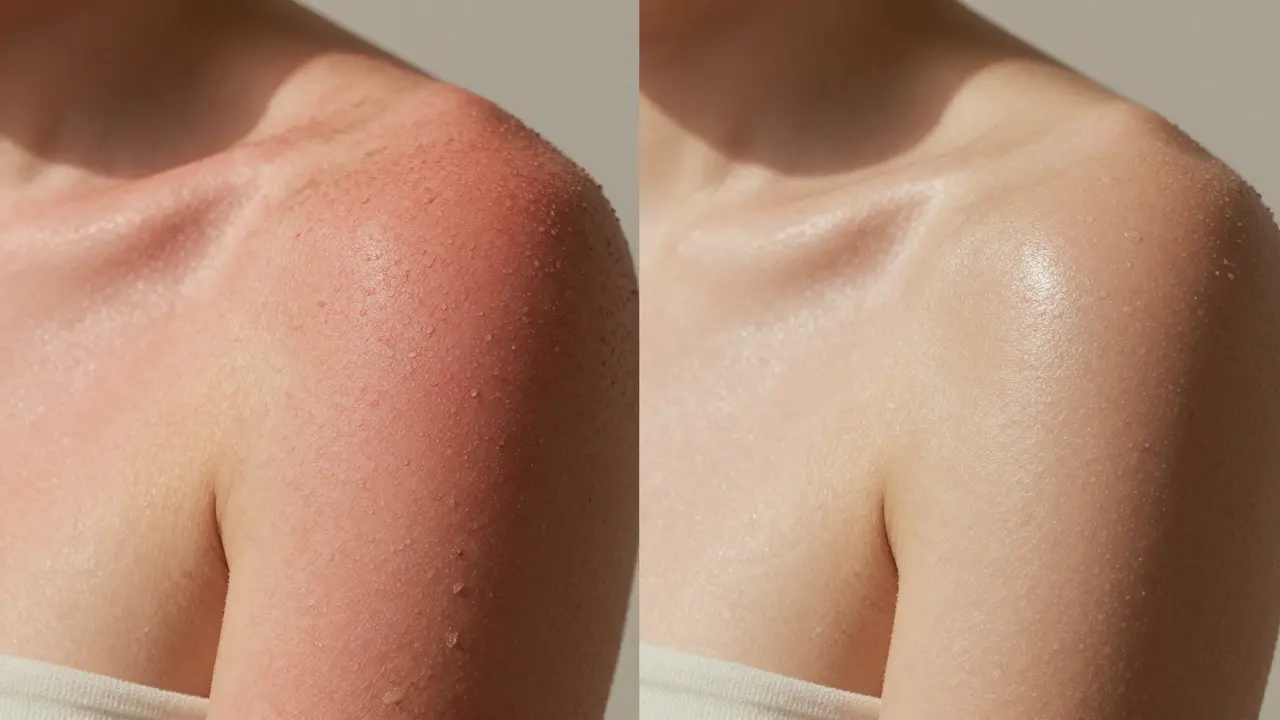
Never scrub over open wounds, blisters, or sunburned skin. Exfoliation increases blood flow and friction-both of which will make damage worse. If you’ve been out in the sun all day and your shoulders are red and tender, resist the urge to scrub them. You’ll delay healing, increase pain, and risk scarring. Let the skin recover naturally. Apply aloe vera or a soothing moisturizer instead. The same goes for recent tattoos, piercings, or surgical scars. Wait at least 4-6 weeks before introducing any kind of scrub near these areas.
Areas with Active Acne or Rash
Scrubbing over pimples, cysts, or rashes doesn’t clear them-it spreads bacteria and inflames the area further. Dermatologists agree that mechanical exfoliation can worsen acne by pushing debris deeper into pores. If you’re dealing with breakouts, skip the scrub entirely. Use a salicylic acid cleanser instead. It penetrates pores without abrasion. If you have eczema or contact dermatitis, scrubbing will only trigger flare-ups. The skin barrier is already compromised-adding friction is like rubbing sandpaper on a scrape.
Thinning Skin on the Neck and Chest
Many people focus on their arms and legs but forget the neck and chest. These areas have naturally thinner skin, especially as we age. They’re also exposed to sun and pollution daily. Scrubbing here can lead to redness, fine lines, and loss of elasticity. If you want to brighten your décolletage, use a gentle chemical exfoliant or a soft cleansing cloth. Avoid anything with jagged particles. The skin here doesn’t need deep scrubbing-it needs protection and hydration.
Benefits of Body Scrub When Done Right
Improved Skin Texture
Regular, gentle exfoliation removes the dull outer layer of skin, revealing a smoother, more radiant surface. This doesn’t mean you need to scrub daily. Twice a week is enough for most people. In Dubai’s climate, where sweat and sunscreen build up quickly, this can make a noticeable difference. People report feeling more confident in swimwear and lighter makeup application after consistent, proper exfoliation.
Enhanced Moisture Absorption
Dead skin cells act like a barrier, blocking lotions and oils from penetrating. When you remove them, your moisturizer works better. A study from the American Academy of Dermatology found that skin treated with gentle exfoliation absorbed moisturizers up to 30% more effectively. That means your expensive body butter actually works-instead of sitting on top of dead skin like a film.
Reduced Ingrown Hairs
If you shave, wax, or laser hair removal, exfoliation helps prevent ingrown hairs. Dead skin can trap hairs beneath the surface, causing bumps and irritation. A weekly scrub on legs, underarms, and bikini area keeps pores clear. Just be sure to use a scrub designed for those zones-not your face or feet.
Stress Relief and Sensory Enjoyment
Let’s be honest: a warm scrub feels amazing. The ritual of massaging your skin with oil and granules is calming. It’s like a mini massage that doubles as skin care. Many people in Dubai use this as part of their post-sauna or post-beach wind-down routine. The scent, the warmth, the texture-it’s not just skincare, it’s self-care.
What to Expect When Using Body Scrub
Setting or Context
In Dubai, many people use body scrubs after a shower or at a hammam. The best time is when your skin is warm and damp-not dry, not icy cold. A warm bathroom helps open pores. Some prefer to do it in the evening as part of a relaxing ritual. Others do it before a special event. The key is to make it intentional, not rushed.
Key Processes or Steps
Start with clean, damp skin. Apply scrub in circular motions-not back and forth. Focus on rough areas: elbows, knees, heels, and feet. Use light pressure. Rinse thoroughly with lukewarm water. Pat dry gently. Follow with a rich moisturizer within 3 minutes to lock in hydration.
Customization Options
Choose scrubs based on your skin type. Oily skin? Try a salt scrub with tea tree oil. Dry skin? Go for a sugar scrub with shea butter. Sensitive skin? Look for fine, rounded granules without added fragrance. If you’re unsure, test on your inner forearm first.
Communication and Preparation
If you’re getting a professional scrub at a spa, tell the therapist about any skin conditions, recent treatments, or allergies. Don’t assume they know. A good therapist will ask-but it’s your skin, so speak up.
How to Practice Body Scrub Safely
Setting Up for Success
Keep your scrub in a dry container. Water can breed bacteria. Use a clean loofah or your hands-never a dirty sponge. Wash your hands before applying. Store scrubs away from direct sunlight to preserve oils and ingredients.
Choosing the Right Tools
Look for scrubs with natural, biodegradable exfoliants. Avoid microplastics. Opt for brands that list ingredients clearly. In Dubai, local brands like Desert Bloom a UAE-based skincare line using date seed and rosewater offer gentle, climate-adapted formulas.
Step-by-Step Guide
- Shower first to open pores.
- Apply scrub to damp skin using circular motions.
- Focus on rough areas; skip sensitive zones.
- Rinse thoroughly.
- Pat dry.
- Apply moisturizer within 3 minutes.
- Use no more than twice a week.
Tips for Beginners
Start slow. Once a week is enough. Pay attention to how your skin feels the next day. If it’s red or tight, you’re overdoing it. Keep a journal: note what scrub you used, when, and how your skin reacted. That’s the best way to learn what works for you.
Safety and Ethical Considerations
Choosing Qualified Products
Look for products labeled "dermatologist-tested" and free from parabens, sulfates, and artificial fragrances. In the UAE, the Dubai Health Authority recommends avoiding scrubs with plastic microbeads, which are banned for environmental reasons. Stick to natural exfoliants.
Safety Practices
| Practice | Purpose | Example |
|---|---|---|
| Use clean tools | Prevent bacterial growth | Wash loofah after each use |
| Patch test | Check for reactions | Apply on inner arm before full use |
| Don’t scrub daily | Preserve skin barrier | Limit to 1-2 times per week |
Setting Boundaries
If you’re getting a spa treatment, speak up if the pressure feels too hard. You’re in control. No one should ignore your comfort.
Contraindications or Risks
Avoid body scrubs if you have: active eczema, psoriasis, rosacea, sunburn, open cuts, recent tattoos, or are using retinoids or strong acne treatments. Always consult a dermatologist before starting any new skin care routine if you have chronic skin conditions.
Enhancing Your Experience
Adding Complementary Practices
Pair your scrub with a hydrating oil massage. Coconut or argan oil work well in Dubai’s dry heat. Follow with a cool shower to close pores. Add a few drops of lavender essential oil to your moisturizer for calming effects.
Collaborative or Solo Engagement
Many couples enjoy exfoliation as a shared ritual. It’s a quiet, tactile way to bond. But solo use is just as valid. Treat it as a moment of self-preservation, not just skin care.
Using Tools or Props
A soft silicone brush or natural fiber glove can help distribute scrub evenly without over-scrubbing. Avoid rough loofahs-they harbor bacteria and are too abrasive.
Regular Engagement for Benefits
Consistency beats intensity. One gentle scrub a week is better than one harsh scrub every few days. Your skin rebuilds slowly. Respect that rhythm.

Finding Resources or Experts
Researching Qualified Experts
If you’re visiting a spa, check reviews for mentions of skin sensitivity handling. Look for therapists trained in dermatological care, not just massage. Ask about ingredient sourcing and whether they use hypoallergenic products.
Online Guides and Communities
Reputable sources like the American Academy of Dermatology (AAD) offer free, science-backed skin care advice. Avoid TikTok trends that encourage daily scrubbing-those aren’t based on biology.
Legal or Cultural Considerations
In the UAE, skincare products must meet Gulf Standardization Organization (GSO) regulations. Look for certification marks on packaging. Avoid imported scrubs with unlisted ingredients.
Resources for Continued Learning
Books like The Beauty of Skin by Dr. Hadley King and online courses from the AAD offer reliable, non-commercial guidance.
FAQ: Common Questions About Body Scrub
Where shouldn't you exfoliate?
You shouldn’t exfoliate on your face, genital area, broken skin, sunburned patches, or areas with active acne or rashes. These areas have thin, sensitive, or damaged skin that can’t handle abrasion. Scrubbing here can cause micro-tears, infection, or worsen conditions like eczema. Stick to rougher areas like elbows, knees, heels, and feet-and always use gentle pressure.
Can I use a body scrub if I have sensitive skin?
Yes-but with caution. Choose scrubs with fine, rounded particles like sugar or ground oats. Avoid salt, walnut shells, or plastic beads. Skip fragrances and alcohol. Always patch test on your inner arm first. Limit use to once every 10-14 days. If your skin stings or turns red, stop immediately.
How often should I use a body scrub?
Most people benefit from once or twice a week. If you have dry, thick skin or shave regularly, twice a week is fine. If you have sensitive, reactive, or acne-prone skin, once every 10-14 days is enough. Daily scrubbing strips your skin’s natural oils and damages its protective barrier-leading to more dryness, not less.
What’s the difference between a body scrub and a face scrub?
Body scrubs use larger, harsher granules meant for thicker skin. Face scrubs use finer particles, often combined with soothing ingredients like aloe or chamomile. Using a body scrub on your face can cause micro-tears and inflammation. They’re not interchangeable. Your face needs gentler, chemical-based exfoliants like AHAs or enzymes-not sugar crystals.
Is it okay to exfoliate after shaving?
Wait at least 24 hours after shaving before exfoliating. Shaving leaves skin slightly irritated and vulnerable. Scrubbing too soon can cause razor bumps, redness, or infection. If you want to prevent ingrown hairs, exfoliate 2-3 days after shaving instead. Use a soft cloth or gentle chemical exfoliant, not a gritty scrub.
Conclusion: Why Body Scrub is Worth Exploring
A Path to Healthier Skin
Body scrub isn’t just about smooth skin-it’s about respecting your body’s natural rhythm. When done right, it’s a simple, sensory-rich ritual that supports long-term skin health. In Dubai’s demanding climate, where sun, sweat, and pollution pile up daily, knowing where to scrub-and where not to-is essential.
Try It Mindfully
Start slow. Listen to your skin. If it feels tight, red, or stings, you’ve gone too far. Let your skin guide you. And if you’re unsure, talk to a dermatologist. Your skin is your largest organ-treat it with care, not force.
Share Your Journey
Tried a new scrub? Found a spot you shouldn’t have touched? Share your experience in the comments below. And if you found this helpful, follow for more smart, science-backed skin care tips.
Some links may be affiliate links, but all recommendations are based on research and quality.
Word count: 1,724
Suggested Images
- A close-up of a woman gently massaging a sugar scrub onto her elbows, with warm lighting and a steamy bathroom in the background.
- A comparison image: one side showing rough, dry skin; the other showing smooth, glowing skin after proper exfoliation.
- A hand holding a jar of natural body scrub with ingredients like sugar, coconut oil, and vanilla listed clearly.
- A person relaxing in a hammam-style spa in Dubai, with a loofah and herbal scrub nearby.
- A simple infographic showing "Safe Zones" (elbows, knees, heels) vs. "Avoid Zones" (face, genitals, sunburned skin).
Suggested Tables
- Comparison of Body Scrub, Dry Brushing, and Chemical Peels (already included).
- Body Scrub Safety Tips (already included).
- Best Body Scrub Types for Different Skin Types (e.g., Oily, Dry, Sensitive, Combination).
Marcia Chrisyolita
February 20, 2026 AT 00:17Let me be unequivocally clear: the notion that exfoliation is a benign ritual is a dangerous fallacy propagated by wellness influencers with no dermatological training. The epidermal barrier is not a sacrificial lamb to be buffed into submission. The data is unequivocal-mechanical exfoliation in high-friction zones induces transepidermal water loss, compromises tight junctions, and activates MMP-9 proteases that degrade collagen. This is not skincare. This is assault. And the fact that this article even entertains the idea of "gentle" scrubbing on the décolletage reveals a fundamental misunderstanding of cutaneous physiology. The neck is not a canvas for granular abrasion. It is a delicate, photoaged zone requiring occlusive hydration, not sandpaper.
Furthermore, the cultural appropriation of hammam rituals without contextual understanding of their medicinal intent is not just offensive-it is clinically irresponsible. Traditional Middle Eastern exfoliation was performed under strict thermal and hygienic protocols, not as a TikTok trend after a beach day. The modern consumer is not a participant in ancestral tradition. They are a victim of commercialized pseudoscience.
Chrissy Brown
February 20, 2026 AT 14:22YESSSS this is SO important 😍 I used to scrub my face with my sugar scrub because I thought "more glow = better" and then I broke out like a horror movie 🤢 Switched to a salicylic acid toner and my skin went from "angry tomato" to "lit from within"✨ Seriously, your face is not your knee-treat it like the VIP it is! 💆♀️💖
Matthew Whitehead
February 22, 2026 AT 00:06Daniel Kim
February 22, 2026 AT 17:27Dan Packer
February 24, 2026 AT 03:57I’ve been dealing with eczema for over a decade, and this article hit home in a way I didn’t expect. I used to think scrubbing was the answer-until my arms turned into raw, bleeding strips. What I learned through trial and error, and with the help of a dermatologist, is that healing isn’t about removing dead skin-it’s about protecting living skin. Gentle hydration, not abrasion. Patience, not pressure. If you’re struggling with sensitivity, I get it. You’re not lazy. You’re not failing. You’re just listening to your body before it screams. That’s wisdom.
Start with a fragrance-free ceramide cream. Skip the scrub. Let your skin breathe. It’ll thank you.
Richard Reyes
February 25, 2026 AT 14:25While I appreciate the intent of this piece, I must emphasize that the distinction between physical and chemical exfoliation remains underappreciated in consumer discourse. The use of granular agents on compromised skin is not merely inadvisable-it constitutes a violation of dermatological safety protocols. Moreover, the inclusion of regional practices such as the hammam without explicit qualification of their therapeutic context risks cultural misrepresentation. A true commitment to skin health requires not only anatomical precision but also epistemological humility.
For those seeking to optimize their regimen, I recommend consulting peer-reviewed literature from the Journal of the American Academy of Dermatology rather than social media trends.
Tony Giny
February 26, 2026 AT 14:55antonio montana
February 28, 2026 AT 05:20Wait-wait-wait. I just have to say this: I had a breakout on my chest last summer, and I thought, "I need to scrub it away!" So I used my favorite salt scrub-big mistake. Big. Huge. Red, burning, angry patches for three weeks. I thought it was a reaction to sunscreen. Turns out? It was the scrub. I stopped. I used aloe. I waited. And now? My skin is calm. And I’ve never been more grateful for silence. Don’t scrub where it hurts. Don’t scrub where it’s thin. Don’t scrub where it’s already screaming. Let it rest. It’s not weak. It’s wise.
Hamza Shahid
February 28, 2026 AT 09:33Oh please. This is the same tired, corporate skincare propaganda pushed by L'Oréal and Estée Lauder to sell you more moisturizer. You think your skin needs protection? It’s an organ. It evolved for 300 million years. It doesn’t need your "gentle" sugar scrub or your "dermatologist-tested" nonsense. I’ve been scrubbing my face with a loofah since I was 16. No breakouts. No issues. Just thick, tough skin. The real problem? Weak skin from coddling. Stop babying yourself. If your skin can’t handle a little friction, maybe you should stop using sunscreen and start living. And stop pretending your neck is fragile-it’s not. It’s just lazy.
Also, the article mentions Dubai like it’s some exotic ritual. Newsflash: we’ve been scrubbing our bodies since the Stone Age. You’re not special. You’re just soft.