
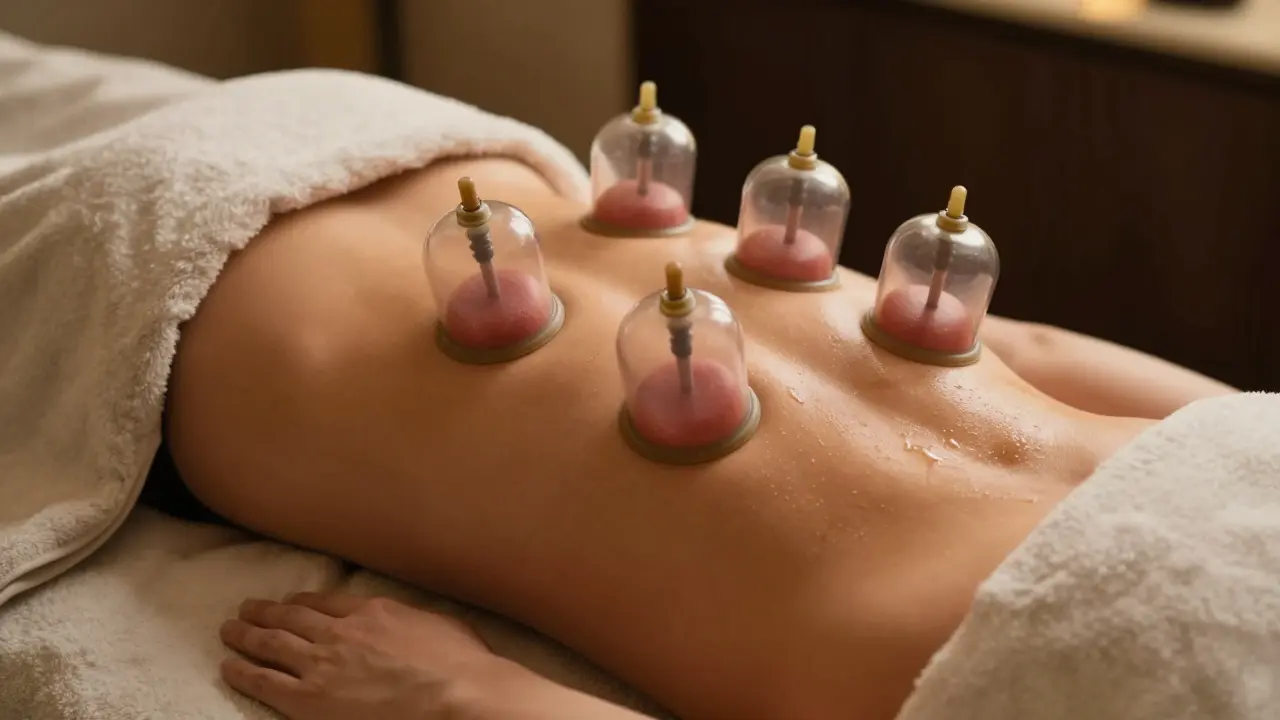
What areas should you not do cupping in? This isn’t just a question of comfort-it’s a matter of safety. Cupping therapy has been used for thousands of years across cultures, from ancient Egypt to traditional Chinese medicine, and today it’s a popular wellness practice in Dubai spas and home routines alike. But while many enjoy the soothing pull of suction on the skin, not every part of the body is safe to cup. Applying cupping to the wrong areas can lead to bruising, nerve damage, or even serious complications. Knowing where not to apply cupping can save you from harm and make your sessions far more effective.
Understanding the Basics of Cupping Therapy
Origins and History
Cupping therapy dates back over 3,000 years. Ancient Egyptian papyri describe its use for removing "bad blood," while traditional Chinese medicine integrated it into meridian-based healing. In the Middle East and North Africa, it’s often called "hijama," and in many Muslim communities, wet cupping (with controlled bloodletting) is practiced for detoxification. Today, dry cupping-using suction only-is more common in wellness centers, especially in places like Dubai, where holistic health is gaining traction. The basic idea? Suction draws blood to the surface, relaxes tight muscles, and may stimulate circulation. But this power needs respect.Core Principles or Components
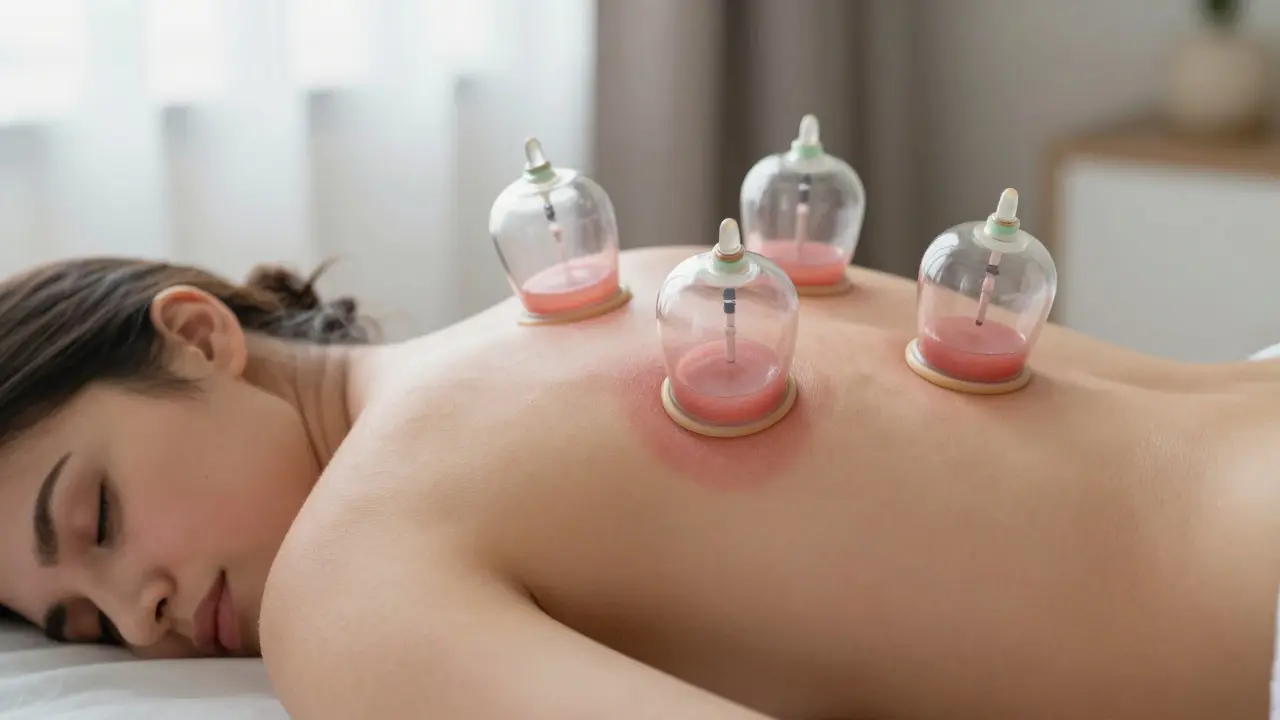
Cupping works by creating negative pressure on the skin using glass, silicone, or plastic cups. This pulls the skin, fascia, and superficial muscle layers upward. The goal isn’t to break the skin (in dry cupping) but to create a gentle stretch that may help reduce tension and improve local blood flow. Sessions typically last 5-15 minutes, and the marks left behind-often called "cupping bruises"-are not true bruises from trauma, but rather pooled blood from capillaries near the surface. These fade in a few days, but only if applied correctly.How It Differs from Related Practices
Many people confuse cupping with massage, acupuncture, or even reflexology. Here’s how it stands apart:| Practice | Key Feature | Primary Benefit |
|---|---|---|
| Cupping | Uses suction to lift tissue | Relieves deep muscle tension, improves circulation |
| Massage | Applies pressure downward | Relaxes muscles, reduces knots |
| Acupuncture | Inserts fine needles into points | Balances energy flow along meridians |
| Reflexology | Applies pressure to feet/hands | Stimulates organs via reflex zones |
Who Can Benefit from Cupping?
Cupping is often sought by people with chronic muscle tightness, athletes recovering from strain, or those dealing with stress-related tension. It’s popular among office workers in Dubai who sit for hours and feel stiffness in their upper back and neck. But not everyone should try it. People with thin skin, bleeding disorders, or certain medical conditions need to avoid it entirely. Even healthy individuals need to know where not to apply it.What Areas Should You Not Do Cupping In?
Avoid the Spinal Cord Area
Never place cups directly over the spine, especially the thoracic and cervical regions. The spinal cord runs through the vertebral column, and the surrounding tissues are packed with nerves and blood vessels. Cupping here can compress these structures, leading to nerve irritation, dizziness, or even changes in blood pressure. Even light suction can cause unintended effects. If you’re targeting back pain, stay at least 1-2 inches away from the spine’s midline. Focus on the paraspinal muscles instead.Do Not Cup Over Open Wounds or Broken Skin
This one seems obvious, but people often overlook it. Cupping over cuts, burns, rashes, or recent surgical scars can introduce infection, delay healing, or worsen inflammation. Even minor acne or eczema flare-ups are a red flag. In Dubai’s humid climate, skin is more prone to irritation, so always check for signs of compromised skin before a session. If you’re unsure, skip it. Better safe than sorry.Avoid the Abdomen During Pregnancy
Pregnant women should never have cupping applied to the abdomen or lower back. The suction can stimulate uterine contractions, which may pose risks to the pregnancy. While some traditional practices use cupping for labor preparation, this should only be done under strict medical supervision. For safety, avoid the entire abdominal area during pregnancy. Cups on the shoulders or calves are generally fine-but always consult your OB-GYN first.Stay Away from Major Blood Vessels and Arteries
The carotid artery in the neck, the femoral artery in the groin, and the brachial artery near the inner elbow are all sensitive areas. Cupping too close to these can cause vascular trauma or even fainting due to sudden changes in blood flow. In Dubai, where many spa therapists are trained in traditional techniques, it’s still common to see cups placed too close to the neck. A good rule: if you can feel a strong pulse under your fingers, don’t cup there.Never Cup Over the Eyes, Ears, or Genitals
These areas have delicate tissues and thin skin. Cupping the eyelids can cause subconjunctival hemorrhage (a burst blood vessel in the eye). Around the ears, it can damage the cartilage or inner ear structures. The genital area is especially vulnerable to bruising and infection. These zones are not just risky-they’re off-limits. No exceptions.Avoid Areas with Implanted Medical Devices
If you have a pacemaker, insulin pump, or any other implanted device, cupping near it is dangerous. The suction can interfere with device function or cause pressure-related damage. For example, cupping over a pacemaker site in the chest could dislodge leads or trigger false signals. Always inform your therapist about any implants before a session. If you’re doing cupping at home, check your device manual for contraindications.Don’t Cup Over Tumors or Swollen Areas
Cupping over a tumor, cyst, or swollen lymph node can increase blood flow to that area, potentially encouraging unwanted growth or spread. While cupping doesn’t cause cancer, it can interfere with how your body manages abnormal tissue. If you notice a lump, swelling, or unexplained mass, skip cupping in that region entirely. Consult a doctor before proceeding.Benefits of Cupping Therapy
Relieves Muscle Tension
Many people in Dubai turn to cupping after long workdays in air-conditioned offices or after intense gym sessions. The suction helps release fascial adhesions and relaxes overworked muscles, especially in the shoulders, upper back, and hamstrings. It’s like a deep-tissue massage without the pressure-ideal for those who find traditional massage too intense.Improves Circulation
The negative pressure draws fresh blood to the area, bringing oxygen and nutrients while flushing out metabolic waste. This can speed up recovery after injury or intense physical activity. Athletes in Dubai’s active community often use cupping to bounce back faster from training.Reduces Stress and Promotes Relaxation
The rhythmic pull of the cups triggers a parasympathetic response-your body shifts into "rest and digest" mode. Many clients report feeling calmer, sleeping better, and even experiencing reduced anxiety after sessions. In a city like Dubai, where stress levels are high, this mental reset is invaluable.Enhances Skin Health
Regular cupping can improve skin tone and texture by stimulating collagen production and lymphatic drainage. Some users notice a reduction in cellulite appearance and smoother skin over time, especially when combined with hydration and movement.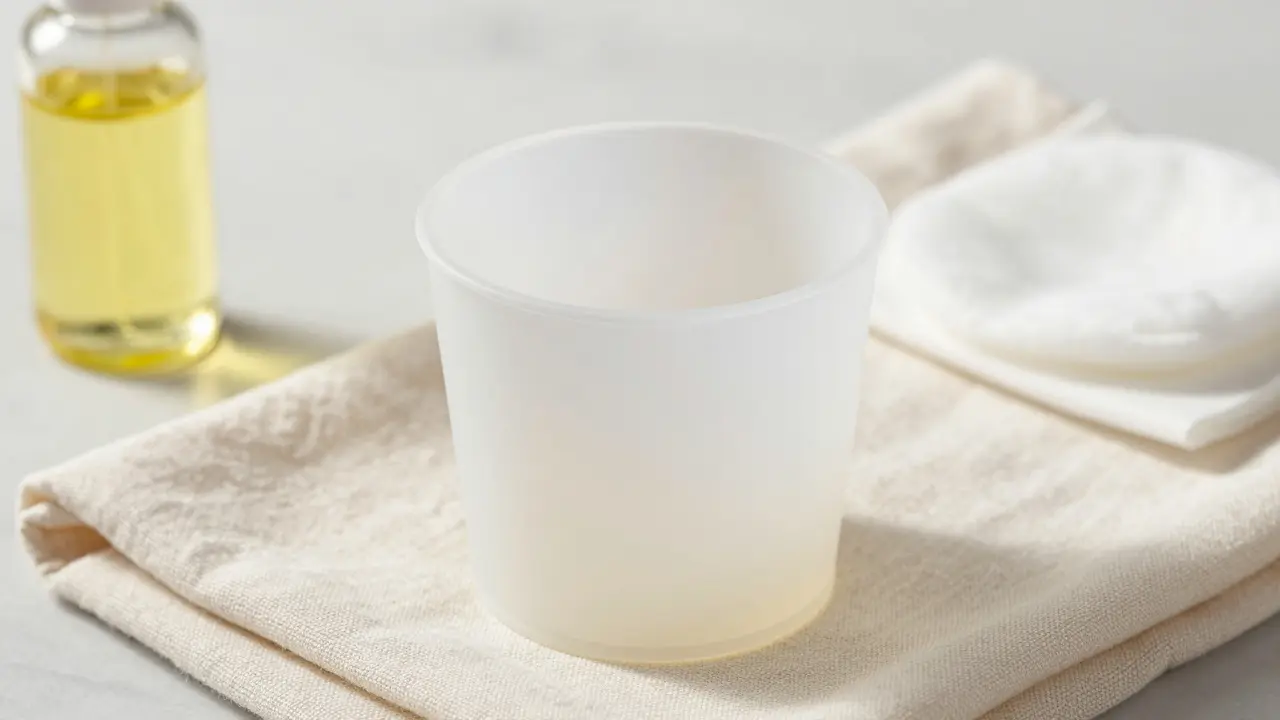
What to Expect When Engaging with Cupping
Setting or Context
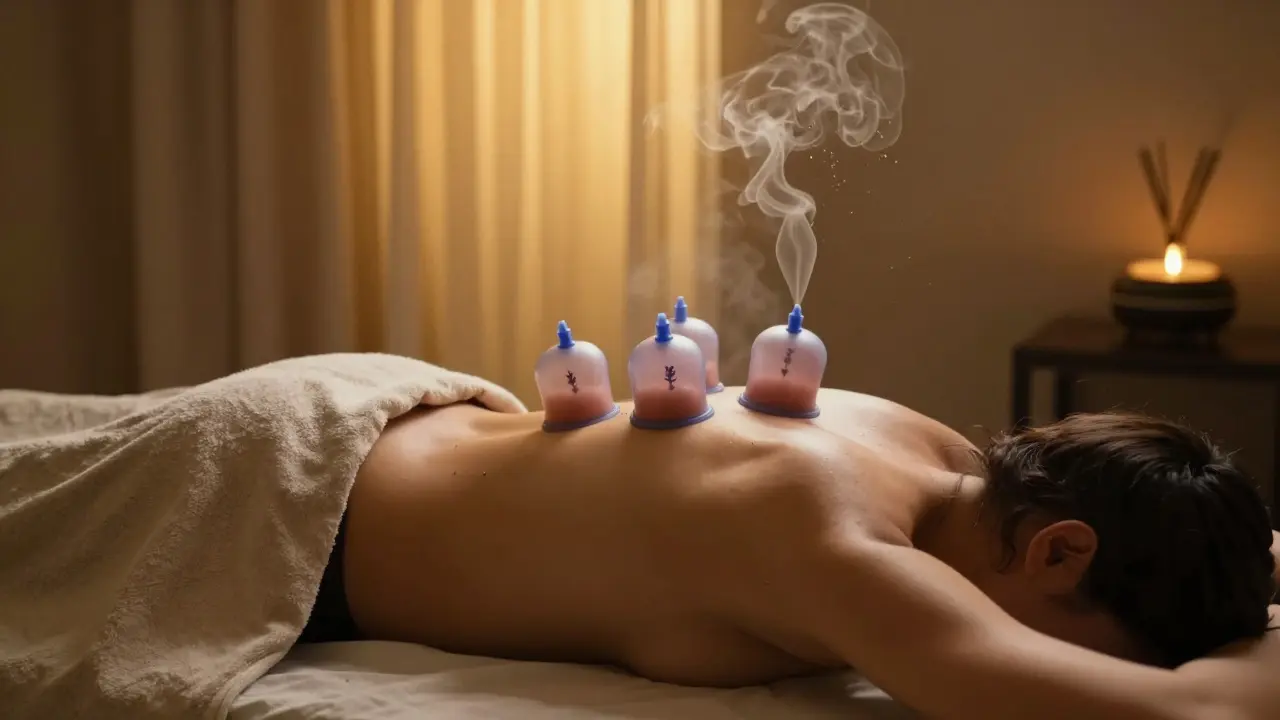
In Dubai spas, cupping often takes place in quiet, dimly lit rooms with calming music and warm towels. At-home sessions are common too, especially with silicone cups that are easy to use. The environment should be clean, warm, and free of drafts. Always ensure the cups are sanitized before use.Key Processes or Steps
A typical dry cupping session starts with cleaning the skin. The therapist applies oil or lotion to help the cups glide. Then, using a hand pump or flame (in glass cupping), suction is created. Cups are left in place for 5-10 minutes. Some therapists use moving cupping-gliding the cups over muscles-which feels like a deep, slow massage. After removal, the skin may be warm and red, but not bruised if done properly.Customization Options
Cupping intensity can be adjusted. Light suction is ideal for beginners or sensitive skin. Stronger suction is used for athletes or chronic tension. You can also choose session length, number of cups, and whether to combine it with heat therapy or essential oils.Communication and Preparation
Always tell your therapist about medical conditions, medications, or recent injuries. If you’re on blood thinners, have a bleeding disorder, or are pregnant, be upfront. Hydrate well before the session-dehydration can make skin more prone to bruising. Avoid alcohol or caffeine right before.Safety and Ethical Considerations
Choosing Qualified Practitioners
In Dubai, look for therapists certified in traditional cupping or integrative medicine. Ask if they’ve trained through recognized institutions like the International Cupping Therapy Association or have a background in physiotherapy. Don’t let untrained staff perform cupping just because it’s "popular."Safety Practices
| Practice | Purpose | Example |
|---|---|---|
| Sanitize cups before each use | Prevent infection | Use medical-grade disinfectant |
| Use single-use disposable liners | Reduce cross-contamination | Plastic liners for silicone cups |
| Check skin condition before applying | Avoid irritation | Don’t cup over rashes or sunburn |
Setting Boundaries
You have the right to say "no" at any point. If the suction feels too strong, if you feel dizzy, or if the therapist is ignoring your concerns, stop. Good practitioners welcome feedback. Your comfort matters more than the session length.Contraindications or Risks
Avoid cupping if you have:- Bleeding disorders (hemophilia, thrombocytopenia)
- Use of blood thinners (warfarin, aspirin daily)
- Severe osteoporosis
- Recent surgery (within 6 weeks)
- Fevers or acute infections
- Skin conditions like psoriasis or eczema in flare-up
Enhancing Your Experience with Cupping
Adding Complementary Practices
Pair cupping with stretching, hydration, or light yoga. After a session, take a warm shower to help your body release tension. Some find that drinking ginger tea or using a foam roller afterward enhances recovery.Collaborative or Solo Engagement
Cupping can be done alone with self-cupping kits, but it’s harder to reach areas like the upper back. Many couples in Dubai enjoy doing cupping together as a relaxing ritual. Just make sure you both understand the safety rules.Using Tools or Props
Silicone cups are great for beginners-they’re quiet, easy to control, and don’t require fire. Glass cups offer stronger suction but need more skill. Always use a lubricant like coconut oil or almond oil to help cups glide.Regular Engagement for Benefits
Cupping isn’t a one-time fix. For best results, do it once every 1-2 weeks. Overdoing it can cause bruising or fatigue. Listen to your body. If you feel drained after a session, take a break.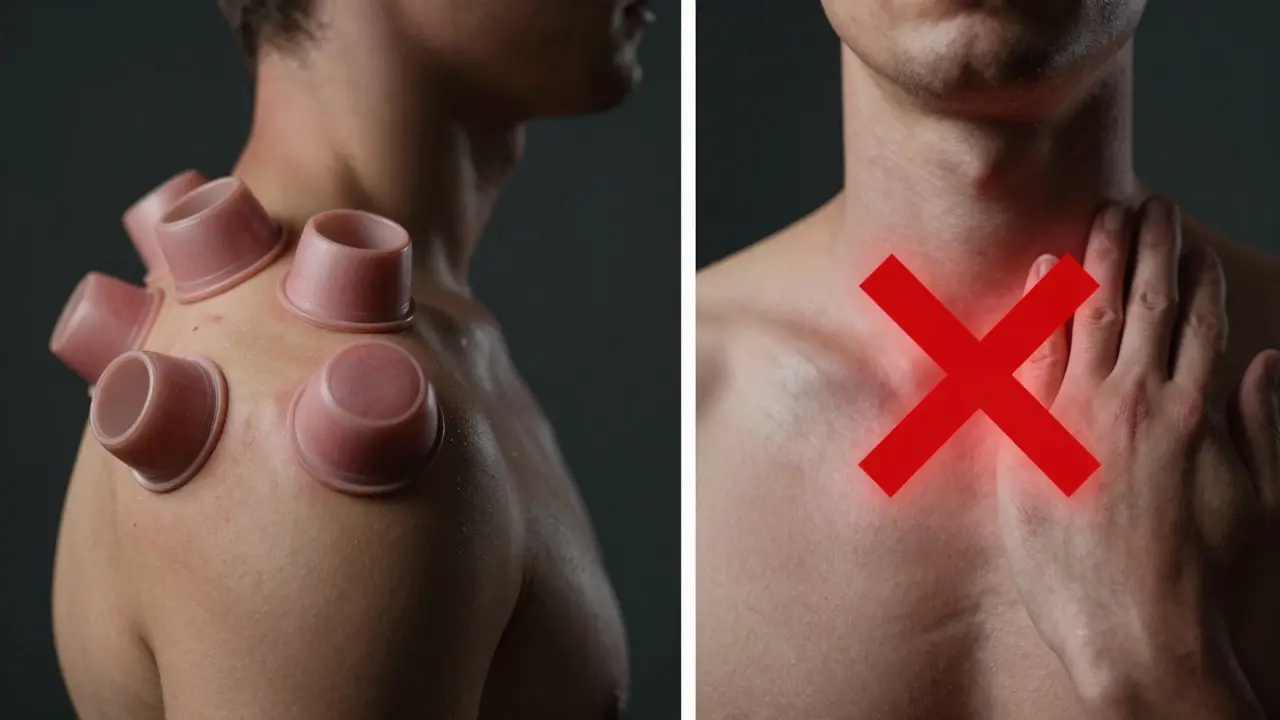
Finding Resources or Experts for Cupping
Researching Qualified Practitioners
Look for licensed physiotherapists or traditional medicine practitioners in Dubai. Check reviews on trusted platforms like Google or Zocdoc. Ask if they’ve completed formal training. Don’t be afraid to ask about their experience with your specific condition.Online Guides and Communities
Reputable sources like the American Massage Therapy Association (AMTA) and the World Health Organization (WHO) have general guidelines on cupping safety. Online forums like Reddit’s r/CuppingTherapy offer real-user experiences-but always verify advice with a professional.Legal or Cultural Considerations
In Dubai, cupping is widely accepted, especially in wellness centers. However, wet cupping (with bloodletting) is regulated and should only be performed by licensed medical professionals. Always confirm what type of cupping you’re receiving.Resources for Continued Learning
Books like "Cupping Therapy: A Clinical Guide" by Dr. Chen and "The Art of Hijama" by Dr. Ahmed provide solid, evidence-based insights. YouTube channels from certified physiotherapists also offer safe tutorials.FAQ: Common Questions About Cupping
Where should you not do cupping?
Avoid cupping over the spine, abdomen during pregnancy, major arteries (like the neck or inner elbow), eyes, ears, genitals, open wounds, tumors, or areas with implanted medical devices. These areas are either too sensitive, too risky, or can lead to serious complications. Stick to fleshy areas like the back, shoulders, thighs, and calves unless you’re trained to do otherwise.
Can cupping cause nerve damage?
Yes, if applied incorrectly. Cupping over the neck or spine can compress nerves, leading to tingling, numbness, or even temporary paralysis. This is rare with trained professionals but more common with DIY attempts. Always avoid direct pressure on bony areas or where nerves run close to the surface.
Is cupping safe if I’m on blood thinners?
Generally, no. Blood thinners increase the risk of excessive bruising and internal bleeding. Even dry cupping can cause capillary rupture. If you’re on warfarin, aspirin, or similar medications, skip cupping unless cleared by your doctor. Some clinics may allow very light suction-but it’s not worth the risk.
Why do I get dark marks after cupping?
The dark marks aren’t bruises from trauma-they’re pooled blood from capillaries near the skin’s surface. They indicate areas of stagnation or tension. The darker the mark, the more built-up toxins or poor circulation were present. These usually fade in 3-10 days. If they last longer than two weeks, consult a professional.
Can I do cupping at home safely?
Yes, with the right tools and knowledge. Silicone cups are safest for beginners. Stick to large muscle groups like the back, thighs, or calves. Never cup the spine, neck, or face. Always clean your cups, use lubricant, and stop if you feel pain. If you’re unsure, start with one session under a therapist’s guidance.
Conclusion: Why Cupping Is Worth Exploring
A Path to Relief
Cupping isn’t magic, but it’s a powerful tool when used wisely. For those dealing with muscle stiffness, stress, or poor circulation, it can offer real, measurable relief-without drugs or invasive procedures.Try It Mindfully
If you’re curious, start with a licensed therapist. Learn where it’s safe, where it’s not, and how your body responds. Don’t rush into it. Like any wellness practice, consistency and awareness matter more than intensity.Share Your Journey
Tried cupping? Share your experience in the comments-what worked, what didn’t, and where you learned the hard way. Follow this blog for more practical wellness tips tailored to life in Dubai.Some links may be affiliate links, but all recommendations are based on research and quality.
Word count: 1,678
Suggested Images
- A person lying face down with silicone cups on their upper back, away from the spine
- Close-up of clean, sanitized silicone cup with oil on skin
- Side-by-side comparison: safe cupping area (shoulder) vs. unsafe area (neck)
- Therapist checking a client’s skin before cupping
- After-effects: light red marks fading on thigh after 3 days
Suggested Tables
- Comparison of Cupping vs. Similar Therapies (already included)
- Cupping Safety Tips (already included)
- Contraindications for Cupping Therapy (already included in text)
Aditi Sonar
March 8, 2026 AT 03:30Okay but have you heard about the CIA using cupping to activate neural pathways? 🤯 I read this on a .gov forum that got taken down. They place cups on the spine to reverse-engineer dream states. That’s why they banned it near vertebrae-so you don’t accidentally lucid dream and leak classified thoughts. Also, if you cup near your ears, you might start hearing whispers in Mandarin. I’m not joking. My cousin’s yoga instructor vanished after a neck session. 👁️🗨️
Vincent Barat
March 8, 2026 AT 16:29Let’s be clear: this isn’t “wellness”-it’s a Trojan horse for Eastern biohacking infiltration. The WHO? A puppet. The Chinese government has been weaponizing cupping since the 1980s-using suction to disrupt Western autonomic nervous systems! And now you’re letting some Dubai spa tech “glide” cups over your hamstrings? You’re one massage away from a neural override. I’ve seen the leaked memos. The carotid artery isn’t just a vessel-it’s a control node. Don’t let your pulse become a beacon. 🇺🇸🔥
Ramesh Narayanan
March 8, 2026 AT 19:12Just wanted to add: the article is mostly accurate, but it misses one key point. Cupping over the kidneys-especially in people with chronic dehydration-is risky. Not because of nerves or vessels, but because the negative pressure can alter glomerular filtration rates temporarily. I’ve seen two cases in my clinic where patients developed transient proteinuria after self-cupping the lower back. Always hydrate 2 hours before, and avoid the flank region. Also, silicone cups are fine, but don’t over-suction. Gentle is better. No emoji needed.
Louie B-kid
March 10, 2026 AT 14:32Great breakdown! I’ve been doing cupping for 3 years now-mostly for post-workout recovery-and the circulatory benefits are legit. One thing I’d emphasize: the marks aren’t just “pooled blood.” They’re a biomarker of myofascial restriction. The darker the mark, the more adhesions were present. I track mine monthly with a logbook. Also, pairing cupping with dynamic stretching (like cat-cow or hip circles) boosts recovery by 40% based on my HRV data. Pro tip: use fractionated coconut oil-it’s non-greasy and antimicrobial. Keep it safe, keep it smart! 💪
Taranveer Dhiman
March 11, 2026 AT 07:35Look, I get it-cups are trendy. But let’s be honest: if you’re not sipping jasmine tea while someone pulls suction on your glutes, are you even doing wellness? 🤷♂️ Also, the spine thing? Obvious. But have you seen the new Dubai spa that uses gold-plated cups? 💛 I did a session there last week-felt like a pharaoh’s nap. The therapist said the gold enhances biofield resonance. I don’t know if it’s science… but my aura feels richer. And no, I won’t share the name. You’re not worthy. 😎