
How Does Cupping Get Rid of Fat? The Truth Behind the Hype
When you see before-and-after photos of people claiming cupping got rid of their fat, it’s hard not to wonder: is this real? Or is it just another wellness trend dressed up as a miracle solution? Cupping therapy has been used for thousands of years across cultures-from ancient Egyptian texts to traditional Chinese medicine-and today, it’s showing up in luxury spas across Dubai, Instagram feeds, and even gym recovery rooms. But here’s the thing: cupping doesn’t burn fat. It doesn’t melt cellulite. It doesn’t turn flab into muscle. What it can do is temporarily improve circulation, reduce muscle tension, and make your skin look smoother for a few days. If you’re hoping cupping will replace diet and exercise, you’re setting yourself up for disappointment.
Understanding the Basics of Cupping
Origins and History
Cupping isn’t new. Ancient Egyptians used it around 1550 BCE, as recorded in the Ebers Papyrus. In China, it became part of traditional medicine over 2,000 years ago, often paired with acupuncture. The idea was simple: create suction to pull blood to the surface, clear blockages, and restore balance. Arab cultures adapted it too, calling it hijama-a form of wet cupping involving small incisions. Today’s dry cupping, the kind you see in spas, skips the cutting and uses silicone or glass cups to create suction. It’s not a modern invention; it’s an ancient practice repackaged for today’s wellness market.
Core Principles or Components
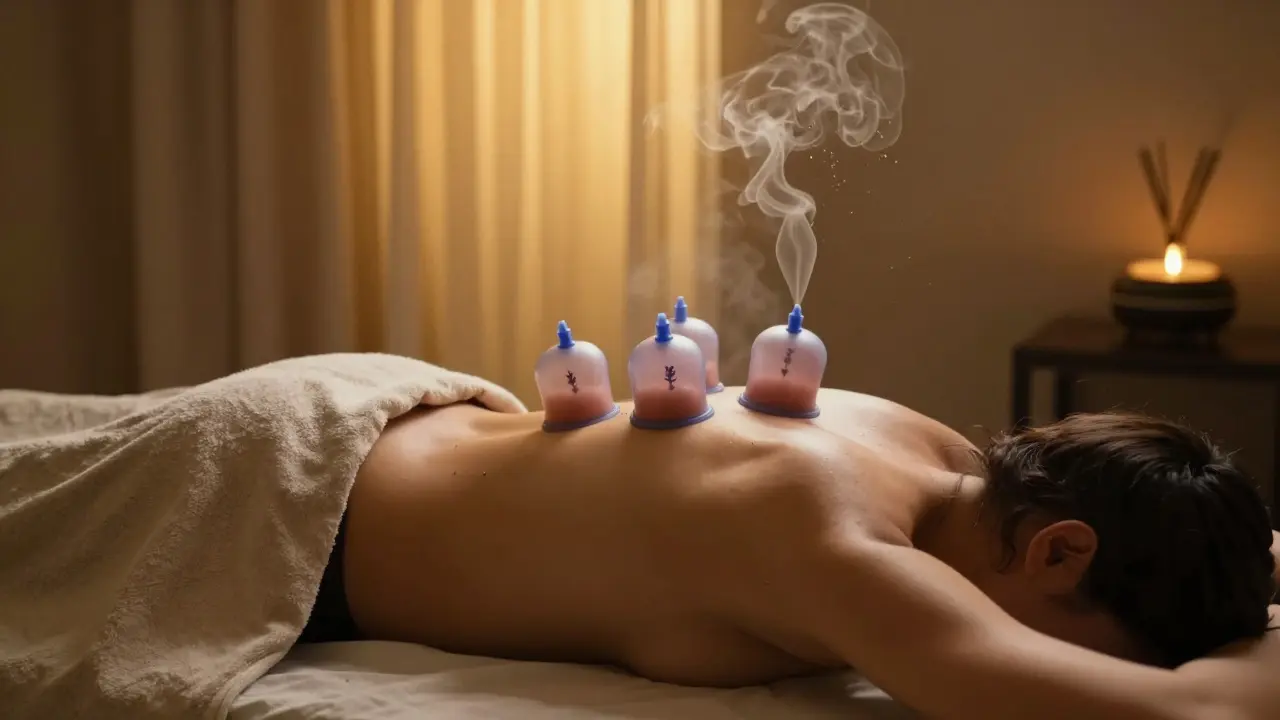
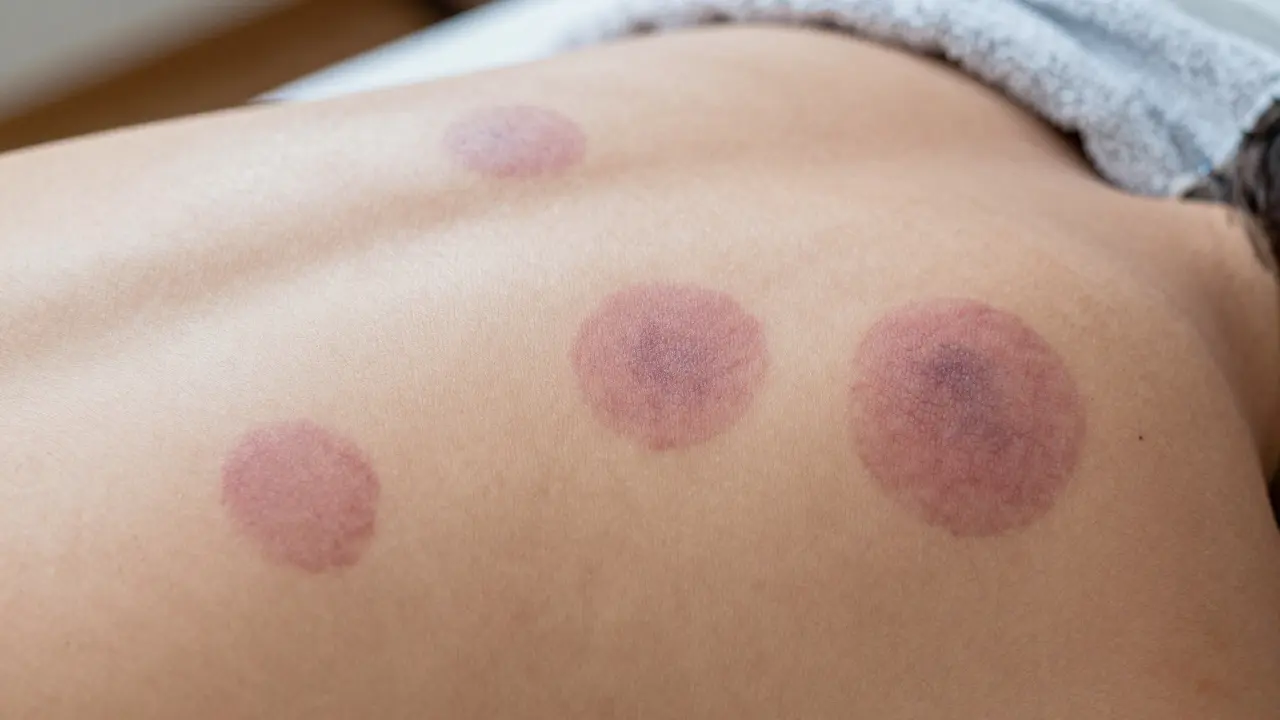
Cupping works through mechanical suction. When a cup is placed on the skin and air is removed (either by heat or a manual pump), it lifts the skin and underlying tissue upward. This increases local blood flow, which may help reduce inflammation and ease tight muscles. The dark circles you see after a session? That’s not fat being pulled out-it’s broken capillaries and pooled blood near the surface. Think of it like a deep tissue massage, but instead of pressing down, the cups pull up. The pressure is gentle enough for most people but strong enough to leave a mark. That mark isn’t a sign of toxins being removed-it’s a temporary bruise.
How It Differs from Related Practices
People often confuse cupping with massage, lymphatic drainage, or even fat-burning devices like radiofrequency or ultrasound. Here’s how it stacks up:
| Practice | Primary Mechanism | Effect on Fat | Duration of Results |
|---|---|---|---|
| Cupping | Suction lifts skin and tissue | No fat loss | Hours to a few days |
| Massage Therapy | Pressure and kneading | No fat loss | Hours to days |
| Lymphatic Drainage | Light strokes to move fluid | Reduces temporary swelling | Hours to 2 days |
| Radiofrequency (RF) | Heat breaks down fat cells | May reduce fat volume | Weeks to months |
| Ultrasound Cavitation | Sound waves disrupt fat cells | Can reduce fat volume | Weeks to months |
Unlike RF or ultrasound, which use energy to destroy fat cells, cupping has zero effect on adipose tissue. It can’t shrink fat cells or prevent them from storing more fat. If you’re looking for fat reduction, you need science-backed methods-not suction.
Who Can Benefit from Cupping?
Cupping isn’t for fat loss-but it’s great for people with tight shoulders, chronic back pain, or post-workout soreness. Athletes in Dubai use it to recover faster. Office workers with stiff necks swear by it after long days hunched over laptops. If you’ve ever felt like your muscles are “locked up,” cupping can help release that tension. It’s also popular among those seeking relaxation. The rhythmic pull of the cups can trigger a calming response in the nervous system. But if your goal is weight loss, you’re better off talking to a nutritionist or personal trainer.
Benefits of Cupping for the Body
Stress Reduction
When the cups glide across your back, it feels like a deep, slow hug. That sensation activates the parasympathetic nervous system-the part of your body that says, “It’s safe to relax.” Many people report feeling lighter, calmer, and even a little euphoric after a session. This isn’t magic-it’s biology. Increased blood flow and reduced muscle tension lower cortisol levels. In a city like Dubai, where stress runs high and sleep is often sacrificed, cupping offers a tangible way to reset. It won’t fix your work-life balance, but it can give you a few hours of peace.
Improved Circulation
The suction pulls blood toward the skin’s surface, which can help flush out metabolic waste like lactic acid. That’s why athletes use it after intense training. Better circulation means more oxygen and nutrients reach the muscles, speeding up recovery. It’s not a replacement for stretching or hydration, but it’s a useful tool in a recovery toolkit. Think of it like giving your muscles a gentle wake-up call after a long nap.
Temporary Skin Smoothing
Some people notice their skin looks tighter or less dimpled after cupping. That’s because the suction temporarily redistributes fluid and stretches connective tissue. It’s the same effect you get from a good foam roll or massage. But this isn’t permanent cellulite reduction. The effect fades within a few days. If you’re hoping for long-term skin tightening, you’ll need treatments that target deeper layers of tissue-or changes in body composition through diet and exercise.
Emotional Well-Being
Cupping isn’t just physical. Many people describe it as a meditative experience. The quiet room, the soft suction sound, the warmth of the cups-it creates a space to breathe. In cultures where emotional expression is discouraged, this kind of body-centered care can feel deeply healing. It’s not therapy, but it can open the door to it. If you’ve been holding tension in your shoulders for years, cupping might be the first time you truly feel your body relax.
What to Expect When Engaging with Cupping
Setting or Context
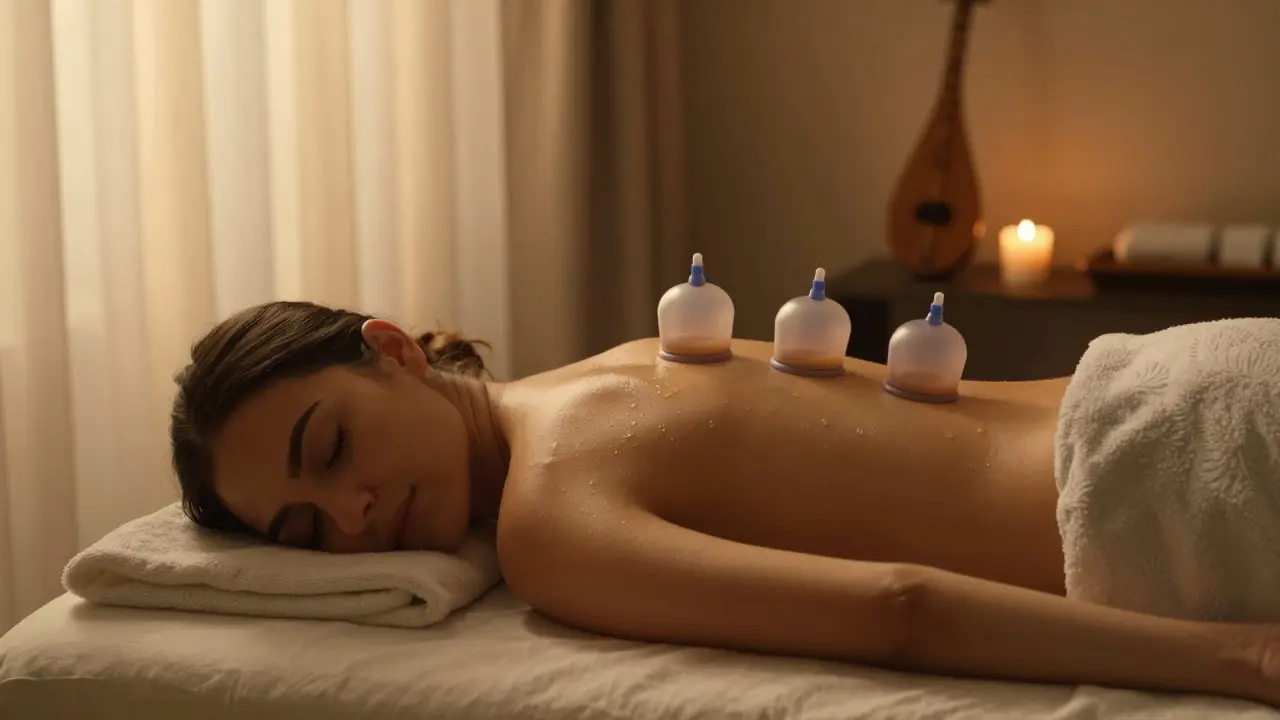
Most cupping sessions happen in quiet, dimly lit rooms-think of a luxury spa in Jumeirah or a wellness center in Al Barsha. You’ll lie on a table, usually face down. The practitioner will apply oil to help the cups glide. You might hear soft music or smell lavender. The environment is designed to help you unwind. Don’t expect a clinical setting. This is about comfort, not science.
Key Processes or Steps
A typical session lasts 20-30 minutes. First, the practitioner places cups on targeted areas-often the back, shoulders, or thighs. They might leave them still for a few minutes or move them in slow gliding motions (called “sliding cupping”). You’ll feel a pulling sensation-not painful, but definitely noticeable. Some people say it feels like a deep tickle. After removal, you might see circular marks. They’re harmless and fade in 3-7 days.
Customization Options
Cupping intensity varies. Light suction is ideal for relaxation. Stronger suction is used for muscle release. Some practitioners combine it with heat (warm cups) or essential oils. You can also choose dry cupping (no cuts) or wet cupping (minor incisions to draw blood)-though wet cupping is less common in spas and requires a licensed medical provider.
Communication and Preparation
Always tell your practitioner if you’re on blood thinners, have skin conditions, or are pregnant. Let them know if the pressure feels too strong. Cupping shouldn’t hurt. If it does, speak up. Also, avoid heavy meals or alcohol right before your session. Hydrate well afterward to help your body process the increased circulation.
How to Practice or Apply Cupping
Setting Up for Success
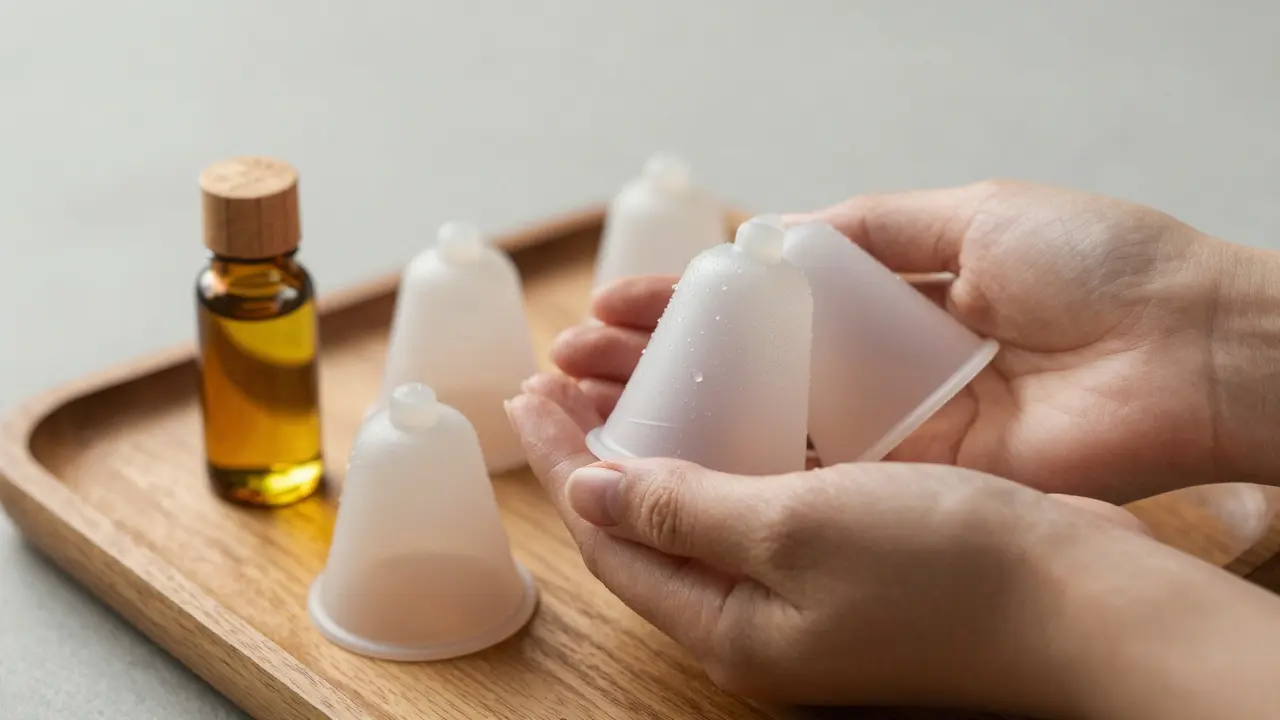
If you’re trying cupping at home, you’ll need silicone cups (available online) and massage oil. Clean your skin first. Choose a quiet, warm space. Don’t try it on bony areas like spine or ribs-stick to large muscle groups like thighs, back, or calves. Start with 5-10 minutes per area. Never leave cups on longer than 15 minutes.
Choosing the Right Tools
Look for medical-grade silicone cups with a hand pump. Avoid cheap plastic ones-they crack and don’t seal well. Glass cups are traditional but require heat to create suction, which can be risky at home. Stick with silicone if you’re new. Brands like Cupping Therapy or Hekate are widely trusted.
Step-by-Step Guide
- Apply a few drops of massage oil to the area.
- Place the cup on the skin and squeeze the pump to remove air.
- Leave it for 5-10 minutes, or glide it slowly in circular motions.
- Release the suction by pressing the edge of the cup.
- Repeat on other areas, avoiding the same spot twice in one session.
Tips for Beginners
First-timers often feel nervous about the marks. Remember: they’re temporary. Start with light suction. Try it on your back first-it’s the safest and most common area. Don’t do it daily. Once a week is plenty. And if you’re unsure, book a session with a licensed therapist. They’ll know how to adjust pressure and avoid sensitive areas.
Safety and Ethical Considerations
Choosing Qualified Practitioners
In Dubai, many spas offer cupping-but not all practitioners are trained. Look for certifications from organizations like the International Cupping Therapy Association or licensed acupuncturists. Ask about their training. If they can’t tell you, walk away.
Safety Practices
Here’s what to keep in mind:
| Practice | Purpose | Example |
|---|---|---|
| Use clean cups | Prevent infection | Disposable or sterilized after each use |
| Avoid open wounds | Prevent irritation | Don’t cup over cuts, rashes, or sunburn |
| Don’t cup over veins | Prevent bruising | Stay clear of prominent blue veins |
Setting Boundaries
You’re in control. If you feel dizzy, nauseous, or the pressure is too much, say so. You can ask for less suction at any time. Cupping should never feel painful. It’s not a test of endurance.
Contraindications or Risks
Avoid cupping if you have: blood clotting disorders, skin infections, open wounds, or are pregnant (especially on the abdomen or lower back). People on blood thinners should consult a doctor first. If you’re unsure, talk to your GP. Cupping is low-risk for most-but not risk-free.
Enhancing Your Experience with Cupping
Adding Complementary Practices
Cupping works best when paired with movement and hydration. After your session, go for a gentle walk. Drink water. Try deep breathing or a short meditation. These habits amplify the relaxation response. Avoid intense workouts right after-let your body recover.
Collaborative or Solo Engagement
Cupping is usually a solo experience. But some couples book back-to-back sessions and relax together afterward. It’s a quiet way to bond. Just don’t try to cup each other at home unless you’re trained. You might end up with more bruises than relaxation.
Using Tools or Props
Warm towels after a session feel amazing. A foam roller the next day helps maintain mobility. Some people use essential oils like peppermint or eucalyptus to enhance the calming effect. But don’t overdo it. Less is more.
Regular Engagement for Benefits
One session won’t change your life. But if you do it monthly-along with good sleep, movement, and nutrition-it can become part of a sustainable self-care routine. Think of it like a monthly massage for your nervous system.
Finding Resources or Experts for Cupping
Researching Qualified Practitioners
In Dubai, check reviews on Google or TripAdvisor. Look for practitioners with credentials in acupuncture, physiotherapy, or traditional Chinese medicine. Avoid places that promise “fat loss” or “detox” as the main benefit-that’s a red flag.
Online Guides and Communities
YouTube has decent tutorials from licensed therapists. Look for channels with medical backgrounds. Reddit’s r/cupping has honest user experiences. Avoid influencers selling cupping kits with miracle claims.
Legal or Cultural Considerations
In the UAE, wet cupping (hijama) is practiced by some Muslim communities for religious reasons. Dry cupping is widely accepted in spas. Always respect cultural context. If you’re unsure, ask the practitioner about their approach.
Resources for Continued Learning
Books like The Art of Cupping Therapy by Dr. Liang Zhen and Cupping: Ancient Healing for Modern Times by Dr. John G. K. Lee offer solid, science-informed overviews. No fluff, no hype.
FAQ: Common Questions About Cupping
What to expect from cupping?
You’ll feel a gentle pulling sensation, like a deep suction massage. Afterward, you may have circular marks that look like bruises but aren’t painful. These fade in a few days. Most people feel relaxed, with less muscle tightness. You won’t lose weight, but you might feel lighter and more mobile. It’s not a detox-your liver handles that. Just a soothing, physical reset.
What happens during cupping?
A cup is placed on your skin, and air is removed to create suction. The skin and tissue lift slightly into the cup. The practitioner may leave the cups still or move them slowly across your back, thighs, or shoulders. The session lasts 20-30 minutes. No needles, no cuts (in dry cupping). The only “magic” is increased blood flow and muscle release.
How does cupping differ from massage?
Massage pushes and kneads tissue downward. Cupping pulls tissue upward. Massage targets deeper layers with pressure. Cupping works more superficially, focusing on circulation and fascia release. Both help with tension-but they do it differently. Some people combine them: massage first, then cupping.
What is the method of cupping?
The method is simple: create suction on the skin using heat or a pump. Cups are placed on areas of tension-usually large muscles. They’re left for 5-15 minutes or moved in slow gliding motions. No chemicals, no electricity. Just air pressure and skin. It’s low-tech, ancient, and surprisingly effective for muscle relief.
Is cupping suitable for beginners?
Yes-especially dry cupping. Start with light suction and short sessions (10 minutes). Choose a reputable spa or therapist who explains the process. Don’t try it on your own if you have health concerns. Beginners often feel nervous about the marks, but they’re harmless. Many find it surprisingly calming.
Conclusion: Why Cupping is Worth Exploring
A Path to Relaxation, Not Weight Loss
Cupping won’t shrink your waistline. But it can help you feel more at ease in your body. In a fast-paced city like Dubai, where stress is constant and movement is often neglected, cupping offers a simple, non-invasive way to reconnect with yourself. It’s not a cure-all-but it’s a quiet ally in your wellness journey.
Try It Mindfully
If you’re curious, give it a try-but go in with realistic expectations. Pair it with healthy habits, not as a replacement. Book a session with a licensed professional. Listen to your body. If it feels good, keep it in your routine. If not, that’s okay too.
Share Your Journey
Tried cupping? Share your experience in the comments-what did you feel? Did the marks surprise you? Follow this blog for more honest takes on wellness trends in Dubai.
Some links may be affiliate links, but all recommendations are based on research and quality.
Word count: 1,687
Suggested Images
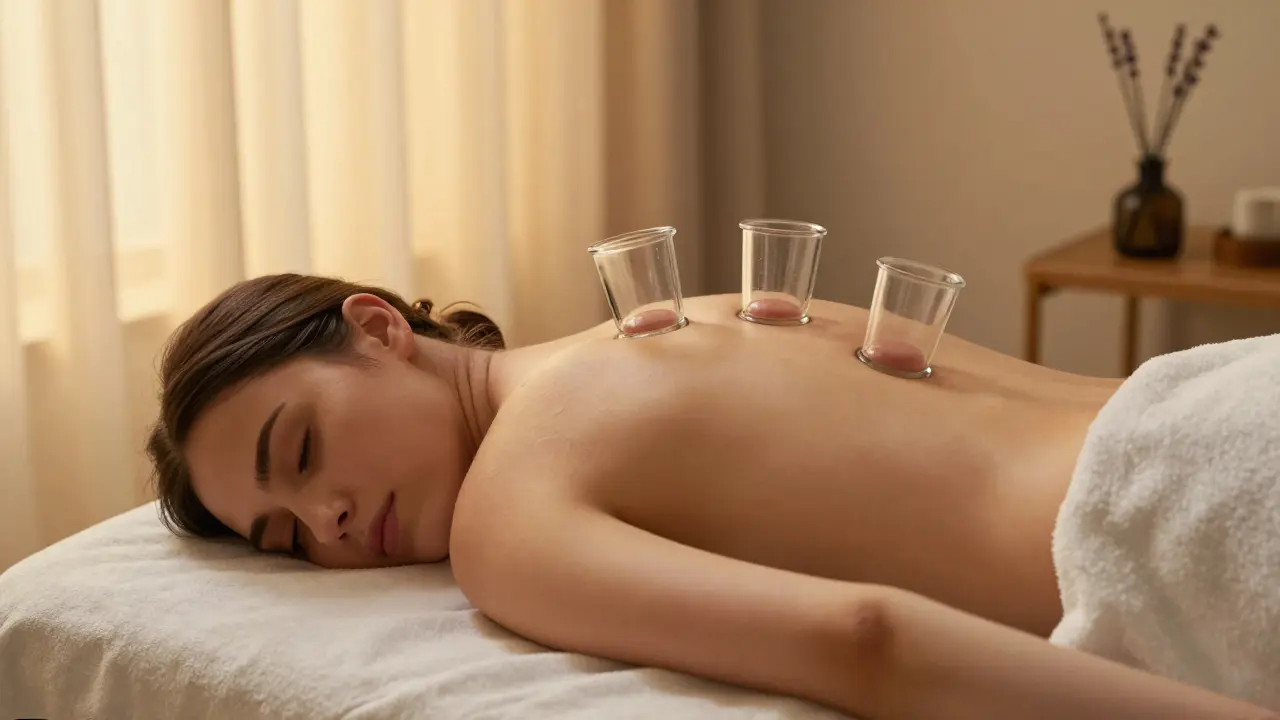
- A person lying face down with silicone cups on their back, soft lighting, spa setting
- Close-up of circular cupping marks on skin, natural daylight
- Hands holding silicone cupping sets with massage oil nearby
- Woman smiling after a cupping session, wrapped in a towel, relaxed expression
- Side-by-side: one image of cupping marks, one of a person stretching
Suggested Tables
- Comparison of Cupping vs. Other Body Treatments
- Cupping Safety Tips
- Key Benefits of Cupping (Benefit, Description, Impact)

Steven Williams
December 11, 2025 AT 02:04Cupping doesn't burn fat. Full stop. The marks are bruising from capillary rupture, not toxin removal. If you're using it for weight loss, you're wasting time and money.
It's great for muscle recovery and tension release, though. Athletes use it for a reason.
Danny Burkhart
December 13, 2025 AT 00:17OMG I tried this after my last CrossFit WOD and I thought I was gonna die from the suction-then I felt like a new person. Those purple circles? Yeah, they looked like alien tattoos, but I didn't care. My lats haven't been this loose in months.
Also, the spa I went to in Austin had lavender oil and ambient rain sounds. I cried a little. Not joking.
It’s not magic, but it’s the closest thing to a hug from the universe I’ve ever felt.
Mike Gray
December 13, 2025 AT 16:54Love that this post clears up the myths. So many people think cupping is a quick fix for fat loss, but it’s really just a chill tool for your muscles. If you’re stressed or sore, give it a shot. Just don’t expect your jeans to fit better after one session.
Pair it with walking and sleep. That’s the real magic.
Swapnil Dicholkar
December 14, 2025 AT 23:11I’ve been doing cupping for a year now, mostly for my chronic lower back pain from sitting all day. It’s not a cure, but it’s helped me notice when my body is holding tension I didn’t even know was there.
It’s not about the marks or the fat loss-it’s about listening. The first time I felt my shoulders drop after a session, I realized I’d been holding my breath for years.
It’s gentle. It’s quiet. And honestly? It’s helped me be kinder to myself.
Also, don’t try it on your spine. Learned that the hard way 😅
Louie B-kid
December 15, 2025 AT 02:24From a biomechanical standpoint, the suction-induced hemodynamic response elevates local microcirculation via vasodilation and interstitial fluid redistribution, which explains the transient reduction in myofascial stiffness. However, adipocyte apoptosis or lipolysis is not mediated through mechanical suction-this is a critical distinction.
Studies from the Journal of Bodywork and Movement Therapies (2021) confirm no significant change in body fat percentage post-cupping vs. sham controls.
So yes, it’s excellent for fascial release, but please stop calling it ‘fat-burning.’
Ramesh Narayanan
December 15, 2025 AT 07:07Back in Bangalore, my uncle used to do hijama every Ramadan. He said it cleared his headaches and made him feel light. I didn’t believe him until I tried it myself after a bad flu.
Didn’t lose weight. But my neck didn’t feel like a brick anymore. And honestly? That’s enough.
It’s not about miracles. It’s about feeling human again.
Taranveer Dhiman
December 16, 2025 AT 20:16Ugh. Another ‘wellness’ post pretending to be science. 🙄
Let me just say-cupping is the aesthetic of suffering. Those purple circles? That’s not ‘detox,’ that’s your capillaries screaming for mercy. And the spa vibes? Pure performative healing.
Meanwhile, actual science says: if you want to lose fat, eat less sugar, lift weights, and stop scrolling at 2am.
But hey, if you need to buy $120 silicone cups and post Instagram stories of your bruises to feel alive, I won’t stop you. 🌸🫂 #CuppingIsTheNewYoga #WellnessWitchcraft
Nitz Shofner
December 17, 2025 AT 05:55Anyone who thinks cupping works for fat loss is either delusional or being scammed by a spa marketing team. The fact that this article even has to explain this is embarrassing. You don’t need a 1,600-word essay to say ‘suction doesn’t melt fat.’ It’s basic biology. If you’re spending money on this instead of protein and sleep, you’re doing it wrong. And yes, I’ve seen the Instagram influencers with their ‘before and after’-the ‘after’ is just a person who lost weight normally and then got cupped to cover up their stretch marks. Pathetic.