
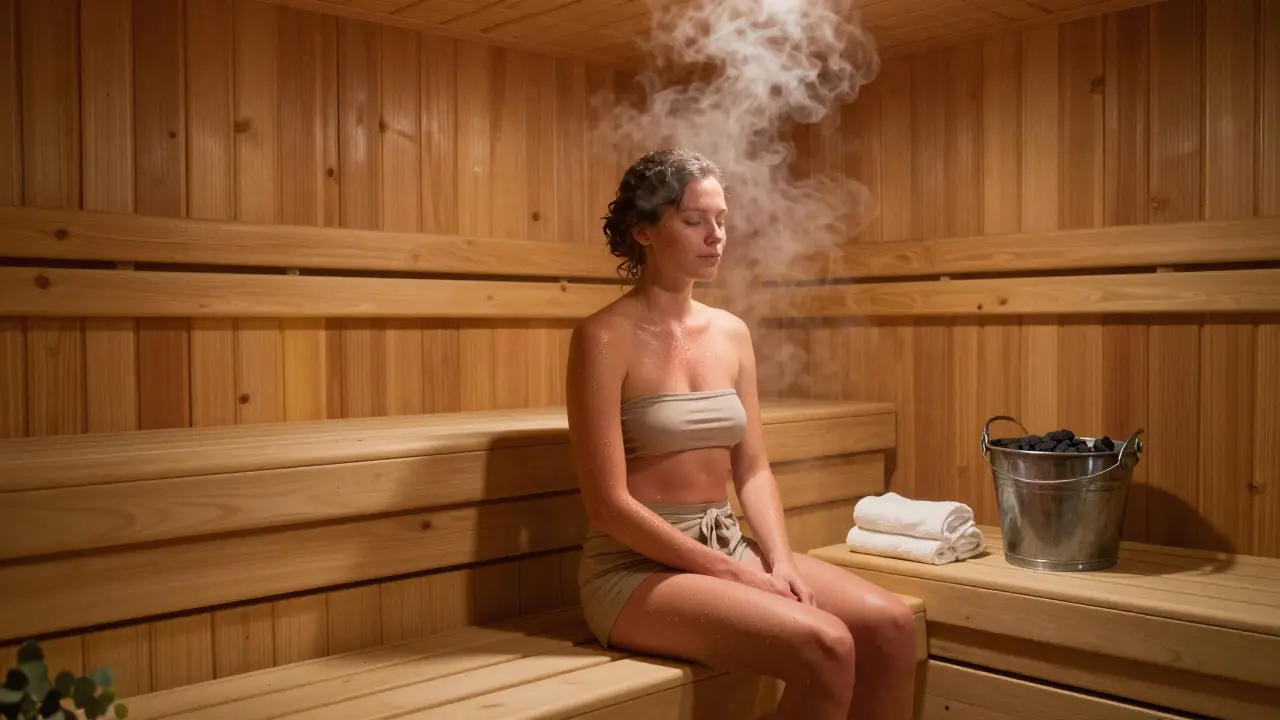
What Do 30 Minutes in a Sauna Do to Your Body? Dubai’s Heat Therapy Explained
When you step into a sauna in Dubai, you’re not just escaping the desert heat-you’re triggering a cascade of changes inside your body that most people never notice. It’s not magic. It’s biology. And in a city where temperatures regularly hit 45°C, sitting in a room that’s even hotter might seem counterintuitive. But here’s the truth: 30 minutes in a sauna rewires your stress response, flushes out toxins, and even helps your muscles recover faster. You don’t need a gym membership or a fancy supplement. Just heat, time, and a little patience.
Understanding the Basics of Sauna Therapy
Origins and History
Saunas didn’t start in Dubai. They began in Finland over 2,000 years ago as wooden rooms heated with stones, where people washed, relaxed, and even gave birth. The word "sauna" comes from the Finnish word for "bath." But heat therapy? That’s universal. Ancient Romans had their bathhouses. Native Americans used sweat lodges. Even in the Middle East, steam rooms called "hammams" have been part of daily life for centuries. Dubai’s modern saunas blend these traditions with luxury-think cedarwood walls, Himalayan salt lamps, and chilled eucalyptus towels. It’s not just about sweating. It’s about ritual.
Core Principles or Components
A typical sauna in Dubai operates between 70°C and 90°C with low humidity-usually under 20%. That dry heat forces your body to work harder to cool itself. Your heart rate jumps. Blood vessels widen. Sweat pours out. This isn’t just discomfort. It’s a controlled stressor that trains your body to adapt. The core principle? Heat shock proteins. These are molecules your cells produce in response to high temperatures. They help repair damaged proteins, reduce inflammation, and even slow cellular aging. Think of them as tiny bodyguards fixing wear and tear while you relax.
How It Differs from Related Practices
People often confuse saunas with steam rooms, hot yoga, or infrared pods. Here’s how they stack up:
| Practice | Temperature | Humidity | Primary Benefit |
|---|---|---|---|
| Traditional Sauna (Dubai) | 70-90°C | Low (10-20%) | Detox, circulation, recovery |
| Steam Room | 40-50°C | High (100%) | Respiratory relief, skin hydration |
| Infrared Sauna | 45-60°C | Low | Deep tissue warmth, joint pain relief |
| Hot Yoga | 30-40°C | Variable | Flexibility, mindfulness |
Traditional saunas in Dubai are designed for intense, short sessions. Infrared saunas are gentler and better for chronic pain. Steam rooms are great if you’re congested. But if you want full-body recalibration, the dry heat of a Finnish-style sauna wins.
Who Can Benefit from Sauna Therapy?
Almost everyone-except those with certain medical conditions (more on that later). Athletes use it to speed up muscle recovery after training. Office workers in Dubai’s air-conditioned towers find it helps melt away tension headaches. People with arthritis report less stiffness. Even those dealing with mild anxiety say the quiet, warm space gives them mental space they don’t get elsewhere. It’s not a cure. But for many, it’s the most reliable tool they have to reset their nervous system.
Benefits of Sauna Therapy for Your Body
Stress Reduction
Your body doesn’t know the difference between a burning desert day and a 80°C sauna. But here’s the twist: when you choose the heat, it becomes a tool. The rise in body temperature triggers the release of endorphins-your brain’s natural painkillers and mood boosters. Studies show that regular sauna use lowers cortisol, the main stress hormone. In Dubai, where life moves fast and pressure is constant, 30 minutes in a sauna can be the only 30 minutes you spend completely still. No phone. No meetings. Just your breath and the sound of heating stones.
Enhanced Circulation and Cardiovascular Health
When you heat up, your heart pumps faster-sometimes up to 130 beats per minute, similar to a light jog. Blood vessels dilate, improving flow to your skin, muscles, and organs. This isn’t just about feeling warm. It’s about training your cardiovascular system. Research from the University of Eastern Finland found that men who used a sauna 4-7 times a week had a 63% lower risk of sudden cardiac death compared to those who used it once a week. You don’t need to be an athlete. Just consistent.
Detoxification and Skin Health
Sweating is your body’s natural detox system. While your liver and kidneys do the heavy lifting, your skin helps too. In a Dubai sauna, you can sweat out 500-800ml of fluid in 30 minutes. That includes trace amounts of heavy metals like lead and cadmium, plus excess sodium and urea. You’ll notice your skin feels smoother afterward-not because of lotions, but because pores are cleared and circulation is boosted. Many spas in Dubai pair sauna sessions with salt scrubs or cold plunges for even better results.
Recovery and Muscle Repair
If you’ve ever trained hard in Dubai’s heat, you know how sore you feel the next day. Saunas help. The heat increases blood flow to tired muscles, bringing oxygen and nutrients while flushing out lactic acid. Heat shock proteins also help rebuild muscle fibers faster. Athletes in Dubai’s gyms and sports clubs swear by post-workout sauna sessions. Even if you’re not an athlete, walking 10,000 steps in 40°C heat takes a toll. A sauna can help you bounce back quicker.
| Benefit | Description | Impact |
|---|---|---|
| Stress Reduction | Lowers cortisol, boosts endorphins | Calmer mind, better sleep |
| Circulation Boost | Heart rate increases, blood vessels widen | Lower blood pressure over time |
| Detox Support | Sweat removes toxins and excess salts | Clearer skin, reduced bloating |
| Muscle Recovery | Increases blood flow to sore areas | Faster healing after exercise |
| Immune Support | Raises white blood cell production | Fewer colds, quicker recovery |
What to Expect When Engaging with a Sauna
Setting or Context
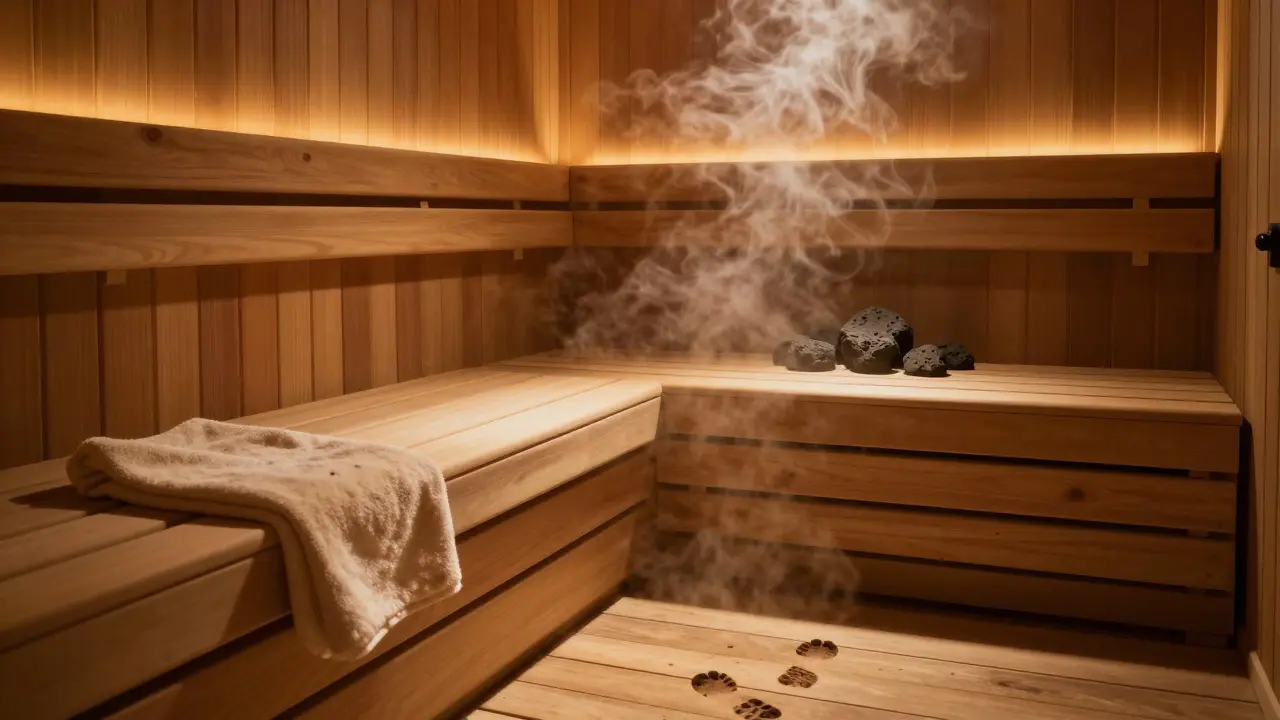
In Dubai, saunas are rarely standalone. You’ll find them in luxury spas like those at Atlantis, the Ritz-Carlton, or smaller wellness centers in Jumeirah and Downtown. Most have changing rooms, showers, and quiet lounges. The sauna itself is usually a small, dark room with wooden benches, heated stones, and a bucket of water for throwing on the rocks to create a burst of steam (called "löyly" in Finnish). It’s not loud. It’s not flashy. It’s peaceful. You’ll hear your own breathing. That’s the point.
Key Processes or Steps
Here’s how a typical session works:
- Shower before entering-clean skin sweats better.
- Enter the sauna naked or in a towel (no swimsuits-they trap heat).
- Sit or lie down. Start with 10-15 minutes.
- Exit, cool down (cold shower or plunge if available), rest for 5 minutes.
- Repeat 1-2 more times if comfortable.
- Hydrate well after.
Don’t rush. The magic happens in the quiet. If you feel dizzy, leave immediately.
Customization Options
Not everyone likes it hot. Some Dubai spas offer "low-heat" saunas at 60°C for beginners or older guests. Others add aromatherapy-eucalyptus, lavender, or cedarwood oils-to the stones. Some let you choose music or silence. You can also pair your sauna with a massage, salt glow, or cold plunge. The goal is to tailor it to your comfort, not your Instagram feed.
Communication and Preparation
Always tell the spa staff if you’re new, pregnant, or have a health condition. Most places in Dubai are trained to adjust the experience. Bring a towel, water bottle, and a change of clothes. Don’t eat a heavy meal right before. And no alcohol. Ever. Sauna + alcohol = dangerous combo.

How to Practice or Apply Sauna Therapy
Setting Up for Success
If you’re trying this at home, you don’t need a full sauna. A portable infrared blanket or even a hot bath can mimic some effects. But if you’re serious, find a reputable spa. Look for clean facilities, trained staff, and a clear schedule. Avoid places where you’re rushed or pressured to buy packages.
Choosing the Right Tools/Resources
Stick to traditional dry saunas in Dubai. Avoid cheap infrared pods sold online-they’re often underpowered and lack the full-body effect. Look for spas that use real cedarwood, natural stones, and proper ventilation. Ask if they follow Finnish or Turkish standards. Reputation matters more than price.
Step-by-Step Guide
Here’s your simple 30-minute plan:
- Hydrate: Drink 500ml water 30 minutes before.
- Shower: Rinse off sweat, oil, and lotion.
- Enter: Sit on the lower bench (it’s cooler).
- Stay: 10-15 minutes. Breathe slowly.
- Cool: Step into a cold shower for 1 minute.
- Rest: Lie down, cover yourself, breathe for 5 minutes.
- Repeat: One more round if you feel good.
- Rehydrate: Drink another 500ml water.
Tips for Beginners or Couples
First-timers often feel claustrophobic. That’s normal. Start with 10 minutes. Focus on your breath. If you’re going with a partner, sit side by side in silence. No phones. No talking. Let the heat do the work. Many couples say it deepens their connection more than a date night ever could.
Safety and Ethical Considerations
Choosing Qualified Practitioners/Resources
Not all spas are equal. Look for staff trained in heat therapy, not just massage therapists. Check reviews on Google or Tripadvisor. Ask if they have certifications in wellness or thermal therapy. In Dubai, reputable spas are often affiliated with international wellness networks like the Global Wellness Institute.
Safety Practices
Here’s what to never skip:
| Practice | Purpose | Example |
|---|---|---|
| Hydrate before and after | Prevent dehydration | Drink 1 liter total after session |
| Never use alcohol beforehand | Avoid dangerous blood pressure drops | Wait 6 hours after drinking |
| Exit if dizzy or nauseous | Prevent heat exhaustion | Step out immediately |
| Don’t stay longer than 30 minutes | Prevent overheating | More isn’t better |
Setting Boundaries
Your comfort is non-negotiable. If the heat feels too intense, move to a lower bench. If you want silence, say so. If you need a break, leave. No one should pressure you. A good spa will respect your limits.
Contraindications or Risks
Don’t use a sauna if you:
- Are pregnant (especially in the first trimester)
- Have uncontrolled high blood pressure
- Have a heart condition or pacemaker
- Are under the influence of alcohol or drugs
- Have open wounds or severe skin infections
If you’re unsure, talk to your doctor. Saunas are safe for most-but not all.
Enhancing Your Experience with Sauna Therapy
Adding Complementary Practices
Pair your sauna with cold immersion. A quick cold shower after heat shocks your system in a good way-it boosts circulation and reduces inflammation. Some spas in Dubai offer ice baths or snow rooms. Even a splash of cold water on your neck helps. Meditation after a sauna? Even better. Your mind is calm. Use it.
Collaborative or Solo Engagement
Go alone to reset. Go with someone to connect. Both work. Many Dubai residents use saunas as a weekly ritual-solo time to decompress after work. Others treat it as a date night. No pressure. Just presence.
Using Tools or Props
A wooden bench is all you need. But if you want comfort, bring a towel to sit on. Some like to place a cool cloth on their forehead. Others use essential oils on their temples after. Don’t overdo it. Simplicity wins.
Regular Engagement for Benefits
One session feels good. Three a week changes you. Studies show the biggest benefits come with regular use-2-4 times a week. In Dubai’s fast-paced environment, making sauna time a habit is like hitting the reset button on your body. You’ll sleep deeper. Recover faster. Feel calmer.
Finding Resources or Experts for Sauna Therapy
Researching Qualified Practitioners/Resources
Check spa websites for staff credentials. Look for certifications in thermal therapy, naturopathy, or wellness coaching. Avoid places that push expensive add-ons. Good spas focus on the experience, not the upsell.
Online Guides and Communities
Follow wellness blogs focused on Middle Eastern wellness trends. Join Facebook groups like "Dubai Wellness Collective" or "Sauna Enthusiasts UAE". Real people share tips on the best places, what to expect, and how to stay safe.
Legal or Cultural Considerations
In Dubai, modesty matters. Most spas require you to be naked or wrapped in a towel. Swimsuits are not allowed in traditional saunas. Respect the rules. It’s not about modesty-it’s about hygiene and heat efficiency.
Resources for Continued Learning
Read "The Finnish Way" by Katja Pantzar for cultural context. Watch documentaries on traditional heat rituals. Or just start going once a week. Experience is the best teacher.
FAQ: Common Questions About Sauna Therapy
What happens to your body after 30 minutes in a sauna?
After 30 minutes, your core temperature rises slightly, triggering sweating, increased heart rate, and improved circulation. Your body releases endorphins, reducing stress and pain. Heat shock proteins activate, helping repair damaged cells. You may feel flushed, relaxed, and slightly tired-this is normal. Most people report clearer skin, reduced muscle soreness, and a sense of calm. Dehydration is the biggest risk, so drinking water afterward is essential.
Is a sauna good for weight loss?
You’ll lose water weight-up to 1-2 pounds-during a session, but it’s just fluid. That comes back when you drink. Saunas don’t burn significant fat. But they do help with recovery after workouts, which can support long-term weight management. If you’re using sauna as a weight-loss tool, you’re missing the point. Think of it as recovery, not calorie-burning.
How often should I use a sauna in Dubai?
Two to four times a week is ideal for most people. If you’re new, start with once a week. Athletes or those with chronic pain may go daily, but only if they’re well-hydrated and healthy. More than once a day isn’t recommended. Consistency matters more than frequency. Even one session a week can improve sleep and stress levels over time.
Can I use a sauna if I have high blood pressure?
If your blood pressure is well-controlled with medication, yes-with caution. The heat causes temporary spikes in heart rate and blood pressure. If you’re unmedicated or have unstable hypertension, avoid it. Always consult your doctor first. Many Dubai spas offer low-heat options for those with cardiovascular concerns.
Is it safe to use a sauna after a workout?
Absolutely. In fact, it’s one of the best times to use it. After exercise, your muscles are full of lactic acid and inflammation. The heat increases blood flow, helping flush out waste and deliver oxygen. Just wait 10-15 minutes after your workout to cool down first. Then enter the sauna. Follow with a cold shower and hydrate. Many athletes in Dubai swear by this routine.
Conclusion: Why Sauna Therapy is Worth Exploring
A Path to Calm in a Hectic City
Dubai moves fast. But your body doesn’t have to. Thirty minutes in a sauna doesn’t fix everything-but it gives you back something rare: stillness. It’s not about burning calories or looking good. It’s about listening to your body in a world that never stops talking.
Try It Mindfully
Start slow. Stay hydrated. Listen to your body. If it feels good, keep going. If it doesn’t, stop. There’s no prize for enduring discomfort. The best sauna experience is the one you come back to-not the one you endure.
Share Your Journey
Tried a sauna in Dubai? Share your experience in the comments. What did you feel? What surprised you? Follow this blog for more practical wellness tips tailored to life in the UAE.
Some links may be affiliate links, but all recommendations are based on research and quality.
Word count: 1,687
Suggested Visuals
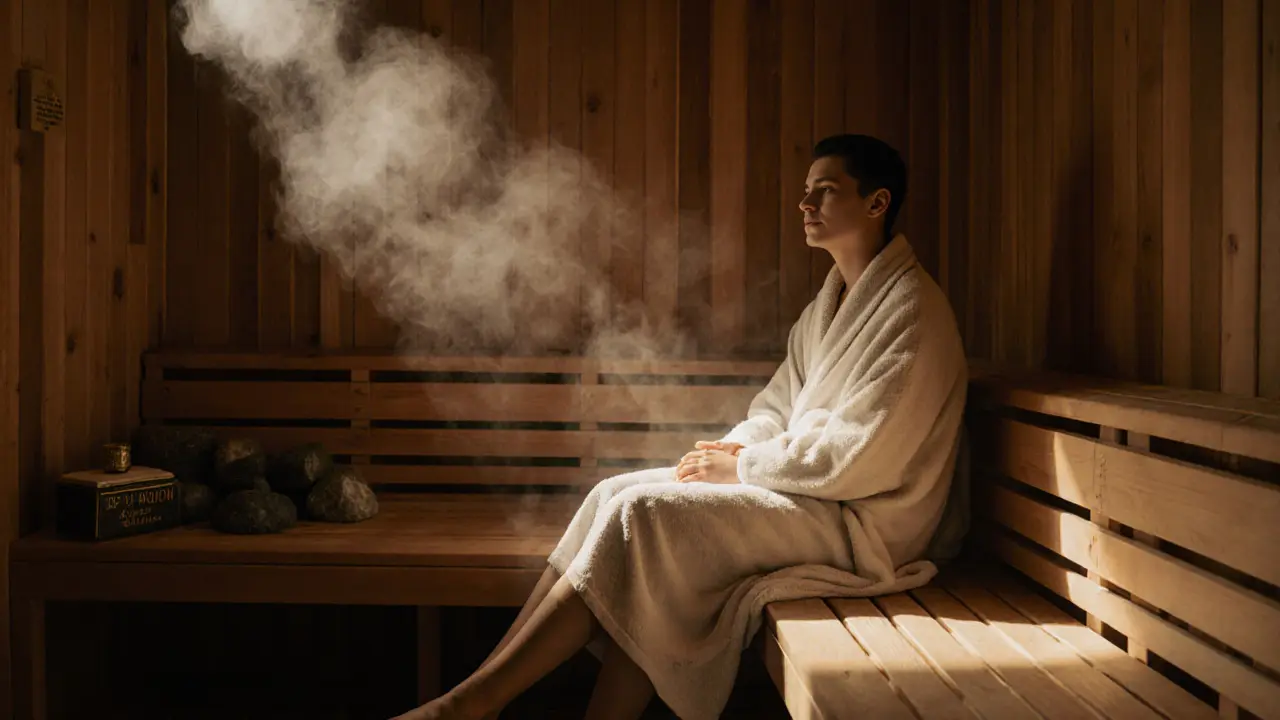
- A person sitting quietly in a cedarwood sauna with soft lighting and steam rising from hot stones
- Close-up of sweat beads on skin after a sauna session, with a towel and water bottle nearby
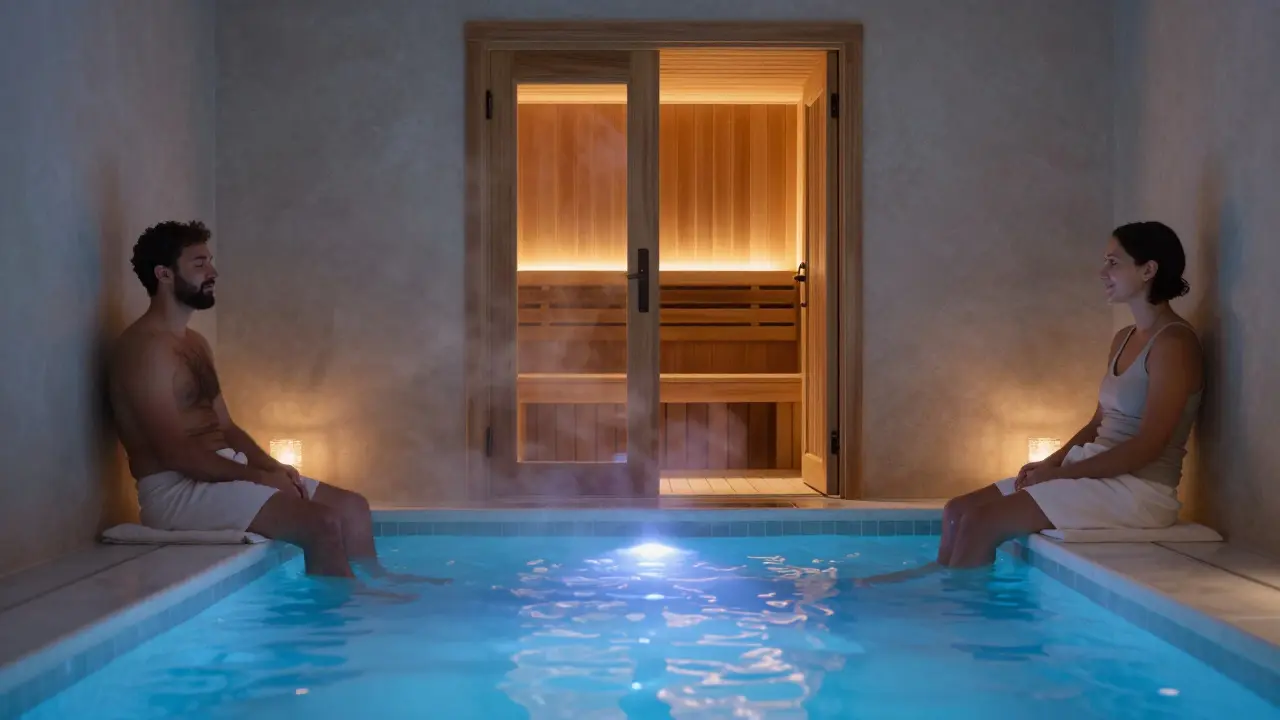
- Spa lounge area in Dubai with a cold plunge pool and sauna door slightly open
- Two people sitting side by side in silence in a sauna, one with eyes closed, one smiling softly
- Before-and-after skin comparison showing smoother texture after regular sauna use
Suggested Tables
- Comparison of Heat Therapy Types
- Key Benefits of 30 Minutes in a Sauna
- Sauna Safety Tips
Gopal Ram
January 1, 2026 AT 10:09Mitchel Geisel
January 2, 2026 AT 20:47Praveen Lingareddy
January 4, 2026 AT 17:55Also, who lets a spa in Dubai charge $120 for 30 minutes? That’s a crime. I’ve seen people faint in those places. No one’s monitoring them. It’s a wellness cult with towels.
Emily S Hurricane
January 6, 2026 AT 04:27ian haugh
January 7, 2026 AT 18:53Jessica Kennedy
January 8, 2026 AT 13:14Dentist Melbourne
January 9, 2026 AT 17:32Cherie Corbett
January 11, 2026 AT 06:28Grant Cousins
January 11, 2026 AT 23:24