
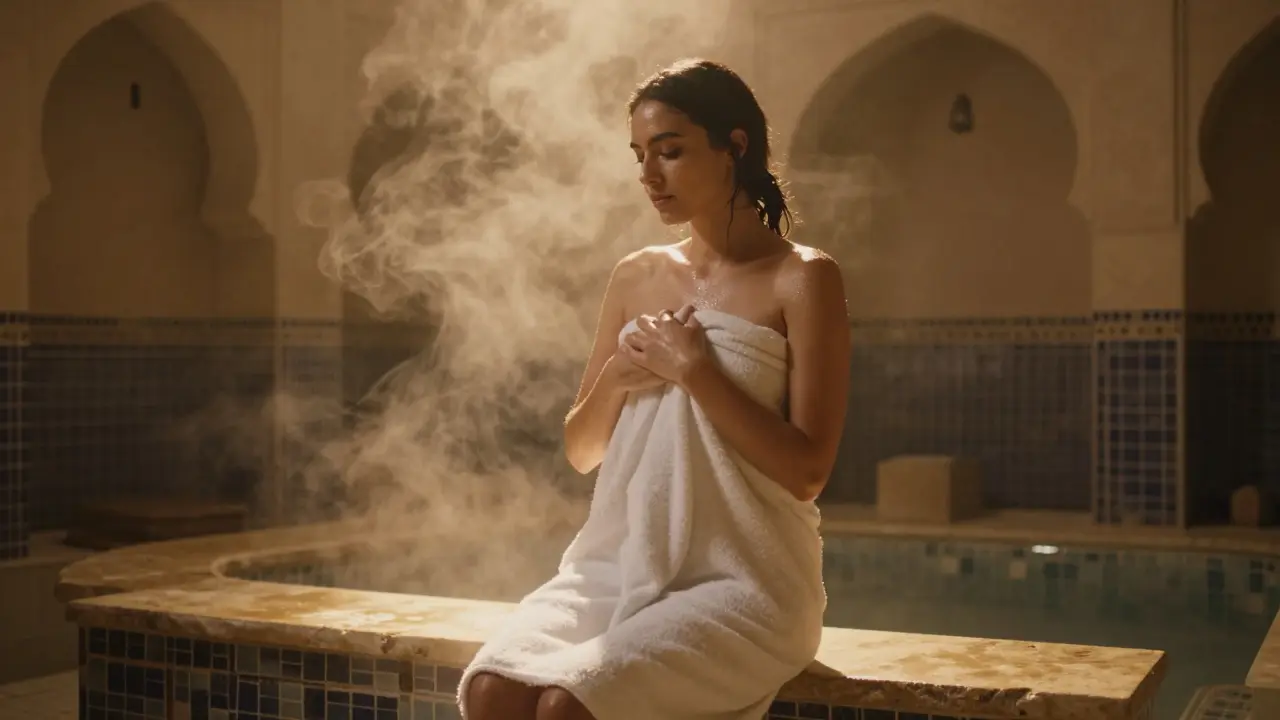
Should I Shave Before a Moroccan Bath? The Complete Dubai Guide
Should I shave before a Moroccan bath? This is one of the most common questions people ask when planning their first Moroccan bath in Dubai. The answer isn’t simple - it depends on your skin, your goals, and how you want to feel afterward. A Moroccan bath isn’t just a scrub; it’s a full-body ritual rooted in centuries of North African tradition. It’s designed to deeply cleanse, exfoliate, and rejuvenate your skin. And yes, what you do before it can make a big difference.
Many first-timers worry they’ll look awkward if they don’t shave. Others fear razor burn during the scrub. Some think it’s mandatory. Let’s cut through the noise. No one’s judging you. But if you want the best results - smoother skin, better product absorption, and zero discomfort - here’s what actually works.
Understanding the Basics of Moroccan Bath
Origins and History
The Moroccan bath, or hammam, dates back over a thousand years to the Roman and Islamic bathing traditions that spread across North Africa. In Morocco, it wasn’t just about cleanliness - it was a social ritual. Families gathered, women bonded, and the steam opened pores to release toxins. Today, in Dubai, this tradition has been refined for luxury spas, but the core remains the same: intense heat, black soap, and a vigorous exfoliation with a kessa glove.
The ritual is built around three stages: steam, scrub, and rinse. Each step strips away dead skin, unclogs pores, and leaves you glowing. If you’re not prepared, you might miss out on the full effect.
Core Principles or Components
A true Moroccan bath uses three key elements:
- Steam room: Heated to around 40-45°C to open pores and soften skin.
- Black soap: Made from olive oil and crushed olives, it’s deeply moisturizing and gentle.
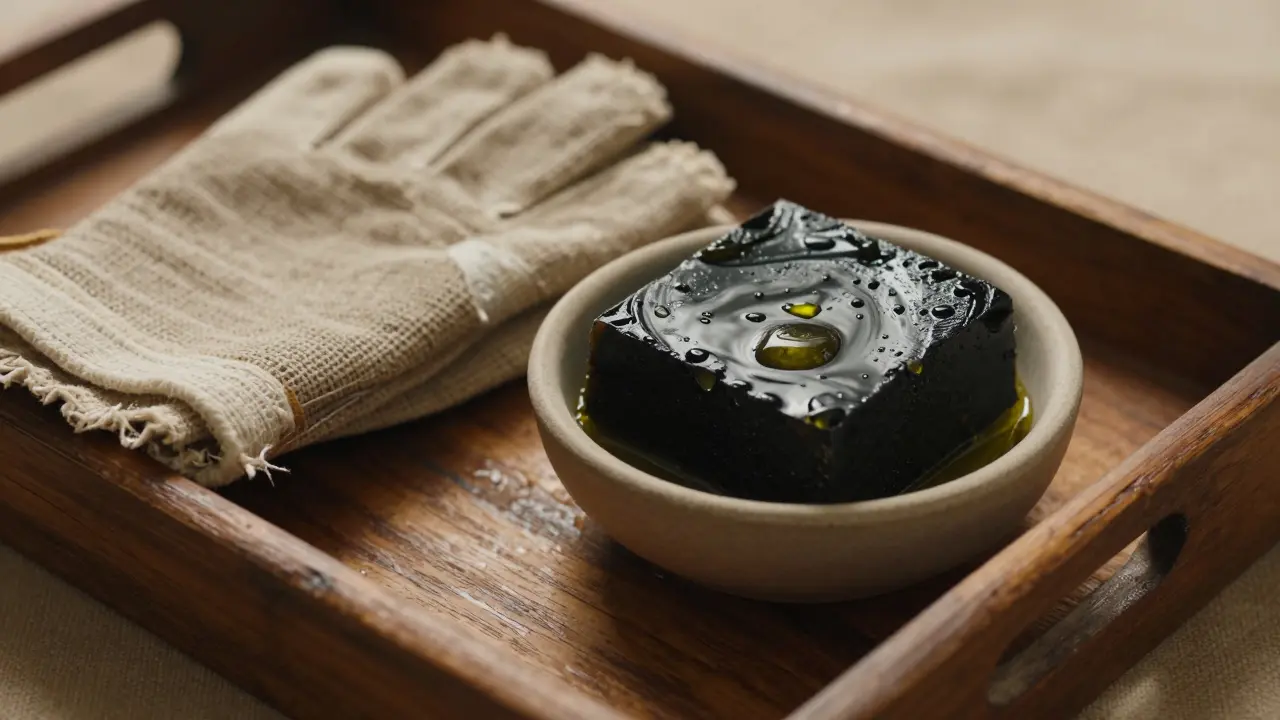
- Kessa glove: A rough, woven glove used to scrub away layers of dead skin - this is where things get intense.
The goal isn’t to scrub until your skin bleeds. It’s to remove the top layer of dead cells so your skin can breathe and absorb moisture afterward. That’s why timing and preparation matter.
How It Differs from Related Practices
People often confuse Moroccan baths with saunas, steam rooms, or even regular spa scrubs. Here’s how they stack up:
| Practice | Key Feature | Primary Benefit |
|---|---|---|
| Moroccan Bath | Black soap + kessa glove scrub | Deep exfoliation and detox |
| Steam Room | Only heat and moisture | Relaxation, minor pore opening |
| Body Scrub (Spa) | Granular scrub, often sugar or salt | Surface exfoliation, hydration |
| Sauna | Dry heat, no scrubbing | Sweating, muscle relief |
The Moroccan bath is the only one that physically removes layers of skin. That’s why it’s so effective - and why preparation matters.
Who Can Benefit from Moroccan Bath?
Almost everyone. If you have dry, dull, or congested skin - especially after Dubai’s hot, dry climate or frequent sun exposure - a Moroccan bath can be a game-changer. It’s great for:
- People who sweat a lot or wear tight clothing daily
- Those with ingrown hairs or rough skin on legs, arms, or back
- Anyone who uses heavy lotions or oils and wants deeper absorption
- Travelers looking to reset their skin after long flights
It’s not just for women. More men in Dubai are trying it too - especially before beach days, weddings, or important events.
Benefits of Moroccan Bath for Skin
Deep Exfoliation and Smoother Skin
The kessa glove doesn’t just remove dead skin - it removes the layer that traps oils and dirt. After one session, your skin feels like it’s been reset. It’s not just soft - it’s luminous. You’ll notice your moisturizer sinks in faster. Your foundation applies more evenly. Even your clothes feel lighter against your skin.
Research suggests that regular exfoliation improves skin cell turnover, which helps reduce dullness and uneven texture. The Moroccan bath does this more effectively than any store-bought scrub because of the combination of heat, soap, and mechanical scrubbing.
Reduced Ingrown Hairs and Razor Bumps
If you shave regularly, you know the frustration of bumps and redness. The Moroccan bath clears out clogged follicles - the exact place where ingrown hairs start. Many people in Dubai report fewer ingrown hairs for weeks after a session, especially on legs, underarms, and bikini lines.
It’s not a permanent fix, but it’s the best preventative care you can give your skin.
Improved Product Absorption
After the scrub, your skin is like a clean canvas. Moisturizers, oils, and serums absorb 30-50% better. That’s why many spas in Dubai apply argan oil or rosewater right after the bath - the results are instant. Your skin drinks it in.
Relaxation and Mental Reset
The heat, the steam, the rhythmic scrubbing - it’s meditative. In a city like Dubai, where life moves fast, this is a rare moment of stillness. People often leave feeling lighter, not just physically, but mentally. It’s like hitting a reset button for your nervous system.
What to Expect When Engaging with Moroccan Bath
Setting or Context
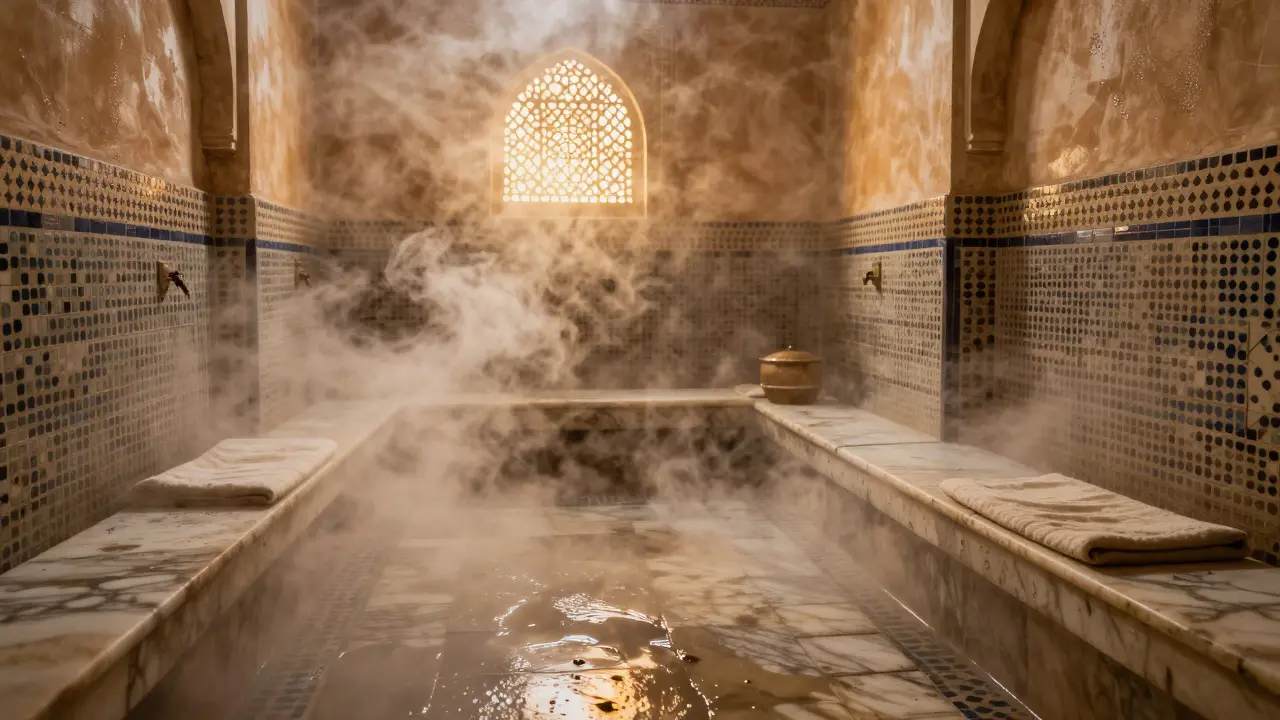
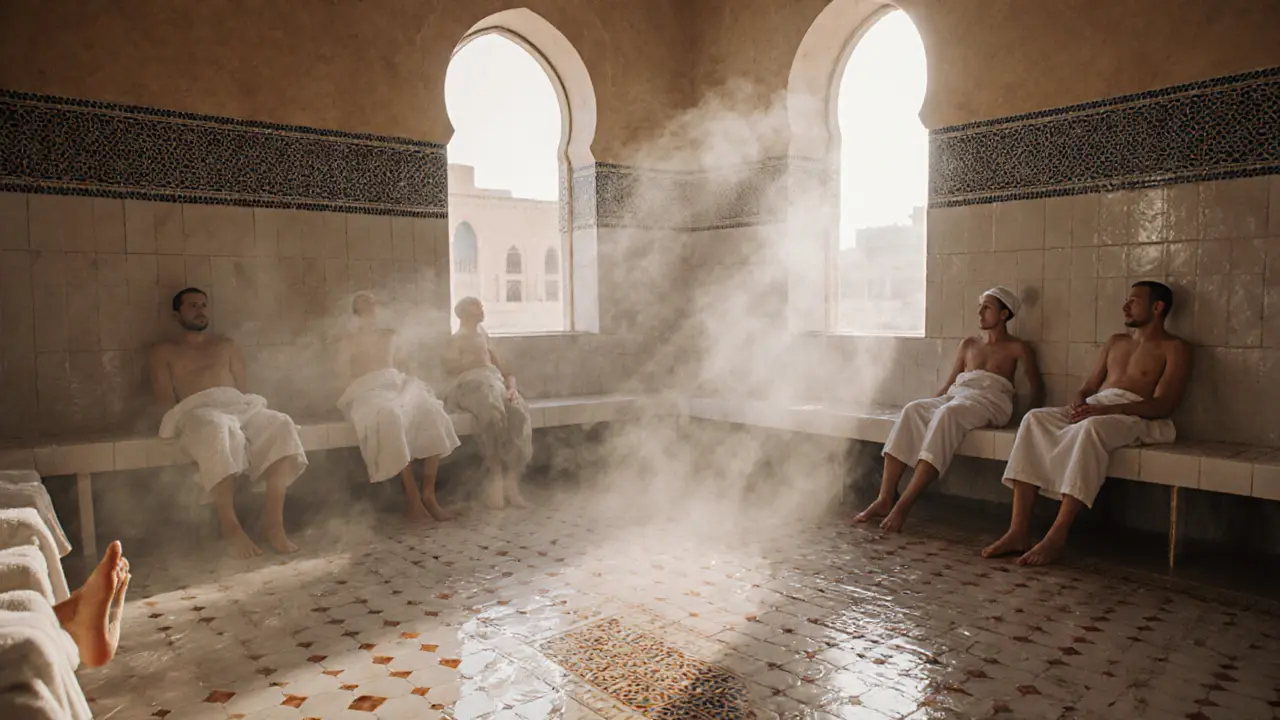
In Dubai, you’ll find Moroccan baths in luxury resorts, boutique spas, and even some hotel rooms. The space is usually dimly lit, warm, and quiet. Expect tiled floors, low benches, and a small steam room. Some places offer private rooms; others are communal. The vibe is calm, not clinical.
Most places provide towels, slippers, and a robe. You’ll be given black soap and a kessa glove. You don’t need to bring anything - except maybe a swimsuit or underwear, if you’re shy.
Key Processes or Steps
Here’s what happens in a standard 60-90 minute session:
- Steam (10-15 mins): You relax in the heat while your pores open up.
- Soap application (5 mins): The therapist rubs black soap all over your body.
- Scrub (20-30 mins): Using the kessa glove, they scrub your skin in circular motions. It’s firm, but not painful.
- Rinse (5 mins): Warm water washes away all the dead skin and soap.
- Moisturize (5-10 mins): Argan oil or a hydrating balm is applied.
You’ll feel a little tender afterward - like after a good workout. That’s normal.
Customization Options
Most spas in Dubai offer upgrades: rosewater rinse, honey mask, or even a scalp massage. You can also ask for lighter pressure if you’re sensitive. Some therapists use a softer glove for first-timers. Don’t be afraid to speak up.
Communication and Preparation
Before you go, drink water. You’ll sweat a lot. Tell your therapist if you have sensitive skin, eczema, or recent sunburn. If you’ve just waxed or shaved, let them know - they’ll adjust the pressure.
Should I Shave Before a Moroccan Bath?
Let’s get to the real question.
Shaving before a Moroccan bath isn’t required - but it’s highly recommended if you want to avoid irritation. Here’s why:
- Shaving removes hair that can trap dead skin - the scrub works better on clean skin.
- It prevents razor burn - the kessa glove can irritate freshly shaved skin if done too soon.
- It gives you smoother results - no stubble poking through after the scrub.
But timing matters.
Best practice: Shave 24-48 hours before your bath. That gives your skin time to calm down. If you shave too close - say, the morning of - your skin will be raw. The scrub will sting. You’ll leave feeling more irritated than refreshed.
If you don’t shave at all, that’s fine too. The bath will still work. But you might notice more hair sticking up afterward, and the scrubbing won’t feel as smooth.
For women: If you’re doing a bikini area, shaving 2 days before is ideal. For men: Shave legs or chest 1-2 days prior. Avoid shaving right after the bath - your skin will be too sensitive.
How to Practice or Apply Moroccan Bath
Setting Up for Success
Book your appointment in the late afternoon or early evening. You’ll be relaxed, not rushed. Avoid going on an empty stomach - a light snack helps with heat tolerance.
Wear loose clothing afterward. Your skin will be sensitive. Avoid tight jeans or synthetic fabrics.
Choosing the Right Tools/Resources
Stick to reputable spas in Dubai. Look for places that use authentic black soap (look for ingredients: olive oil, potassium hydroxide, eucalyptus oil). Avoid places that use chemical scrubs or synthetic soaps.
Top-rated spots in Dubai: The Spa at Burj Al Arab, Al Maha Spa, Spa at One&Only The Palm. But even smaller boutique spas in Jumeirah or Downtown offer excellent service.
Step-by-Step Guide
Here’s your simple checklist:
- Shave 24-48 hours before your appointment.
- Drink 1-2 glasses of water before you go.
- Arrive 15 minutes early to relax.
- Wear a swimsuit or underwear - it’s up to you.
- Communicate your skin sensitivity.
- Let the therapist do the work - don’t scrub yourself.
- Afterward, hydrate and apply a light oil (like argan or jojoba).
Tips for Beginners or Couples
First-timers: Don’t overthink it. The scrub feels intense at first, but it’s not painful. Breathe through it. Most people say it’s worth the discomfort.
Couples: Many spas offer side-by-side rooms. It’s a great way to unwind together. Just keep the conversation quiet - this isn’t a chat session. It’s a reset.
Safety and Ethical Considerations
Choosing Qualified Practitioners
Look for spas with certified attendants. Ask if they’ve trained in traditional hammam techniques. Don’t go to a place that uses the same glove on multiple clients - hygiene is non-negotiable.
Safety Practices
Here’s what to watch for:
| Practice | Purpose | Example |
|---|---|---|
| Hygiene | Prevent infection | Single-use gloves, clean towels |
| Temperature control | Avoid overheating | Steam room under 45°C |
| Hydration | Prevent dizziness | Drink water before and after |
Setting Boundaries
You’re in control. If the scrubbing is too rough, say so. If you feel dizzy, ask to sit down. No one will judge you. This is your body, your time.
Contraindications or Risks
Don’t go if you have:
- Recent sunburn or open wounds
- Active eczema or psoriasis flare-ups
- High blood pressure or heart conditions
- Pregnancy (especially first trimester - check with your doctor)
If you’re unsure, ask your doctor. Better safe than sorry.
Enhancing Your Experience with Moroccan Bath
Adding Complementary Practices
Pair your bath with a 10-minute meditation afterward. Or take a quiet walk in the garden of your hotel. Avoid screens for an hour. Let your skin - and mind - settle.
Collaborative or Solo Engagement
It’s great alone - you get total peace. But doing it with a friend or partner can deepen the experience. Just keep it calm. No phone calls. No loud talking.
Using Tools or Props
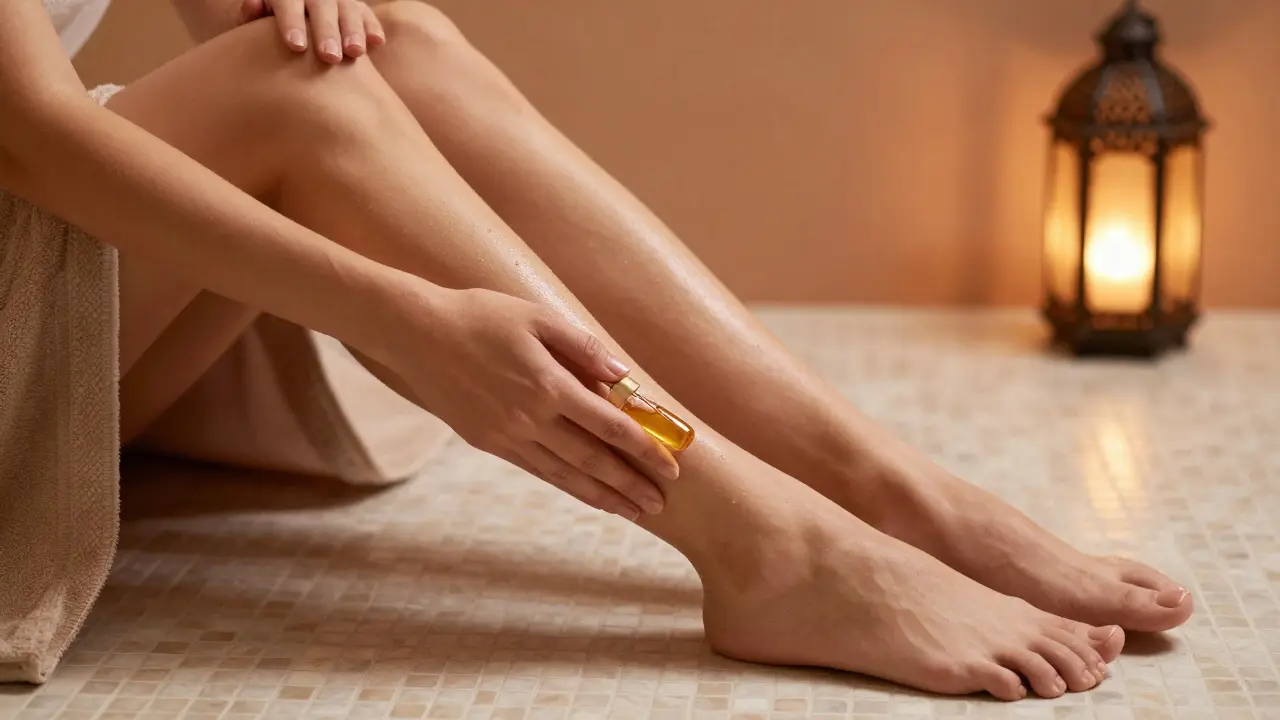
After your bath, use a light body oil. Argan oil is traditional. Coconut oil works too. Avoid thick creams - your skin is still breathing.
Regular Engagement for Benefits
Once a month is ideal. Too often (weekly) can strip your skin’s natural oils. Too rarely (every 3 months) and you won’t see lasting results.
Finding Resources or Experts for Moroccan Bath
Researching Qualified Experts
Check Google reviews for phrases like “gentle scrub,” “clean towels,” “no pressure.” Avoid places with complaints about rough handling or unhygienic conditions.
Online Guides and Communities
Follow Dubai-based wellness influencers on Instagram - many post real-time spa experiences. Look for tags like #MoroccanBathDubai or #DubaiSpaLife.
Legal or Cultural Considerations
In Dubai, spas are gender-segregated by default. Private rooms are available for couples. Respect local norms - no revealing clothing, no loud behavior.
Resources for Continued Learning
Look for books like The Hammam: Rituals of Beauty and Wellness or YouTube channels that show authentic Moroccan bath sessions. Watch how the therapist moves - it’s a slow, rhythmic dance.
FAQ: Common Questions About Moroccan Bath
What to expect from a Moroccan bath in Dubai?
You’ll enter a warm, steamy room, then be rubbed with black soap and a rough glove. It’s intense but not painful. You’ll feel a bit tender afterward, like after a workout. Your skin will look brighter and feel incredibly smooth. Most people leave feeling relaxed, calm, and refreshed. It’s not a massage - it’s a deep cleanse. Don’t expect spa music or candles - the focus is on the ritual, not the ambiance.
What happens during a Moroccan bath?
First, you steam for 10-15 minutes to open pores. Then, a therapist applies black soap and scrubs your entire body with a kessa glove - starting from your feet and moving upward. This removes layers of dead skin. Afterward, you’re rinsed with warm water and massaged with argan oil. The whole process takes about 60-90 minutes. There’s no talking, no distractions - just heat, touch, and steam.
How does a Moroccan bath differ from a regular spa scrub?
A regular scrub uses granules - sugar, salt, or beads - to gently slough off skin. A Moroccan bath uses heat, natural soap, and a woven glove to physically peel away layers. It’s deeper, more thorough, and more effective at unclogging pores. You’ll notice the difference in how your skin feels afterward - it’s not just soft, it’s renewed.
Is a Moroccan bath suitable for beginners?
Absolutely. Many first-timers are nervous about the scrub, but therapists are trained to adjust pressure. Start with a basic session - no extras. Tell the therapist you’re new. They’ll go slower. You’ll be surprised how gentle it can be. Most people leave saying, “I should’ve tried this sooner.”
Can I do a Moroccan bath after waxing or shaving?
If you’ve waxed, wait at least 48 hours - your skin is too sensitive. If you’ve shaved, wait 24-48 hours. Shaving too close before the bath can cause stinging or red bumps. The kessa glove is too rough for freshly shaved skin. Plan ahead - it’s worth it.
Conclusion: Why Moroccan Bath is Worth Exploring
A Path to Radiant Skin
A Moroccan bath isn’t a luxury - it’s a skincare essential for Dubai’s climate. If your skin feels dry, dull, or congested, this is the reset you need. It’s not magic. It’s science - heat opens pores, soap breaks down grime, and scrubbing removes what’s dead. The result? Skin that glows.
Try It Mindfully
Don’t rush it. Book a session. Shave 2 days before. Drink water. Listen to your body. Let yourself be cared for.
Share Your Journey
Tried a Moroccan bath in Dubai? Share your experience in the comments - did you shave? Did it hurt? Was it worth it? Follow this blog for more honest Dubai wellness tips.
Some links may be affiliate links, but all recommendations are based on research and quality.
Word count: 1,682
Suggested Images
- A woman in a steam room, wrapped in a towel, with soft lighting and steam rising
- A close-up of a kessa glove and black soap on a wooden tray
- Someone applying argan oil to their arms after a bath, skin glowing
- A serene Moroccan-style spa interior in Dubai with tiled walls and low lighting
- A couple sitting side-by-side in robes after their bath, smiling calmly
Suggested Tables
- Comparison of Moroccan Bath vs. Other Spa Treatments
- Key Benefits of Moroccan Bath (Benefit, Description, Impact)
- Moroccan Bath Safety Tips (Practice, Purpose, Example)
Eva Stitnicka
December 25, 2025 AT 06:50Shaving 24-48 hours before is ‘highly recommended’? Interesting. I shaved right before mine and didn’t have a single issue. Maybe it’s just my skin type-or maybe the whole ‘rule’ is just spa marketing dressed up as tradition.
ANN KENNEFICK
December 26, 2025 AT 05:58YESSS. Let me tell you-this isn’t just a scrub, it’s a full-on skin REBIRTH. 🌟 I went in with stubble, nervous as heck, and walked out glowing like I’d been dipped in liquid gold. The kessa glove? It’s not a tool-it’s a therapist’s wand. Shave when it feels right for YOU. If you’re worried, do it 2 days out. But if you’re bold? Go in raw. Your skin will thank you. And yes, the argan oil afterward? Pure magic. Don’t skip it.
Ibrahim Ibn Dawood
December 27, 2025 AT 22:05It is not mandatory to shave prior to undergoing a Moroccan bath. The practice is rooted in ritual, not hygiene protocols. One’s personal preference should guide the decision, not generalized advice.
Mia Peronilla
December 29, 2025 AT 05:16i just got back from one and i swear my skin feels like it’s been through a time machine… but also, like, why do they always use that one glove on everyone? i saw the same one hanging on a hook next to the soap and i just… i don’t know. i feel like i got scrubbed with someone else’s dead skin. also the steam room smelled like old socks. i’m not mad, just… confused. is this normal? or am i just paranoid now?
lady october
December 31, 2025 AT 01:12Let me guess-this whole ‘Moroccan bath’ thing is just a front for Big Spa to sell you argan oil at 10x the price. And the ‘kessa glove’? That’s just a fancy name for a loofah they reuse on 20 people a day. They told you to shave 24-48 hours before so you’d be too sore to complain when your skin starts peeling. Also, Dubai’s government probably owns half these spas. You’re not getting a ritual-you’re getting a marketing pitch with steam.
Chase D
December 31, 2025 AT 22:46bro i went in after shaving that morning and it was like my skin was screaming. 🥲 the glove felt like sandpaper dipped in regret. i left with red patches and a new trauma. now i’m convinced the whole thing is a cult. they whisper in arabic, they don’t let you use your phone, and they charge $180 to make you cry in a hot room. also… why does the oil smell like my grandma’s closet? 🤔 #MoroccanBathScam
Ariel Lauren
January 1, 2026 AT 18:44The suggestion to shave prior is not universally applicable. One must assess individual dermatological conditions before engaging in any exfoliative procedure. Premature intervention may result in epidermal compromise.
Vishal saini
January 3, 2026 AT 10:27Shaving 24–48 hours prior is ideal. Freshly shaved skin is inflamed and sensitive; the kessa glove will cause micro-tears. If you skip shaving, you risk trapping dead skin under hair follicles, reducing exfoliation effectiveness. Also, use a clean glove-ask the spa if they change them per client. Many don’t. Safety first.
Steve Wilson
January 5, 2026 AT 08:24Just did my first one last week. Didn’t shave. Didn’t regret it. Felt weird at first, but the therapist was so chill, she adjusted the pressure and made it feel like a hug with a scrubby. My skin’s been glowing for days. Honestly? Just show up, breathe, and let it happen. You’ll be fine.