
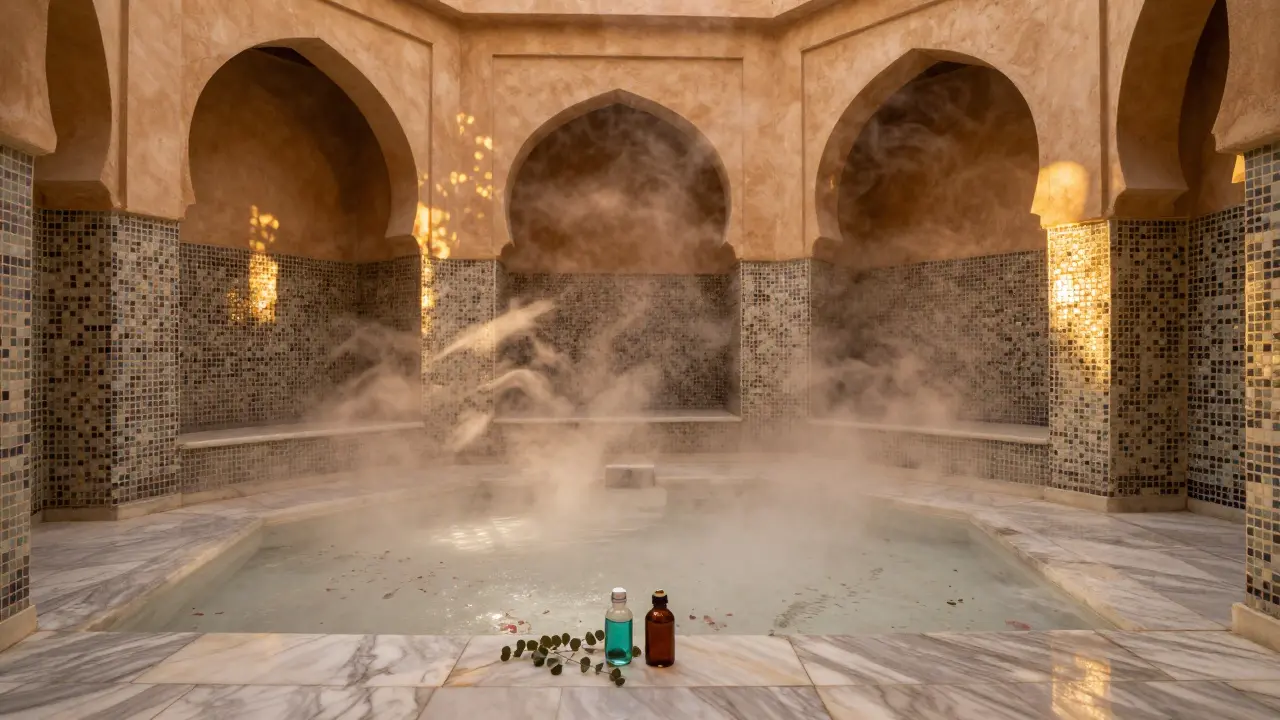
What Happens During a Moroccan Bath? Your Comprehensive Guide
When you hear moroccan bath dubai, you might picture steam, scrubbing, and olive oil-but there’s so much more beneath the surface. This isn’t just a spa treatment; it’s a centuries-old ritual rooted in North African culture, now thriving in Dubai’s luxury wellness scene. Whether you’re curious after seeing it on Instagram or you’re ready to try it for the first time, knowing what actually happens during a Moroccan bath helps you relax, respect the tradition, and get the most out of it.
Understanding the Basics of Moroccan Bath
Origins and History
The Moroccan bath, or hammam, dates back over a thousand years to the Roman baths that spread across the Islamic world. In Morocco, it evolved into a social and spiritual practice-more than just cleaning the body, it was about cleansing the soul. Public hammams were community hubs where women gathered to chat, bond, and care for their skin together. Today, in Dubai, you’ll find both traditional public hammams and high-end private versions, but the core ritual remains unchanged: heat, steam, exfoliation, and hydration work together to reset your body.
Core Principles or Components
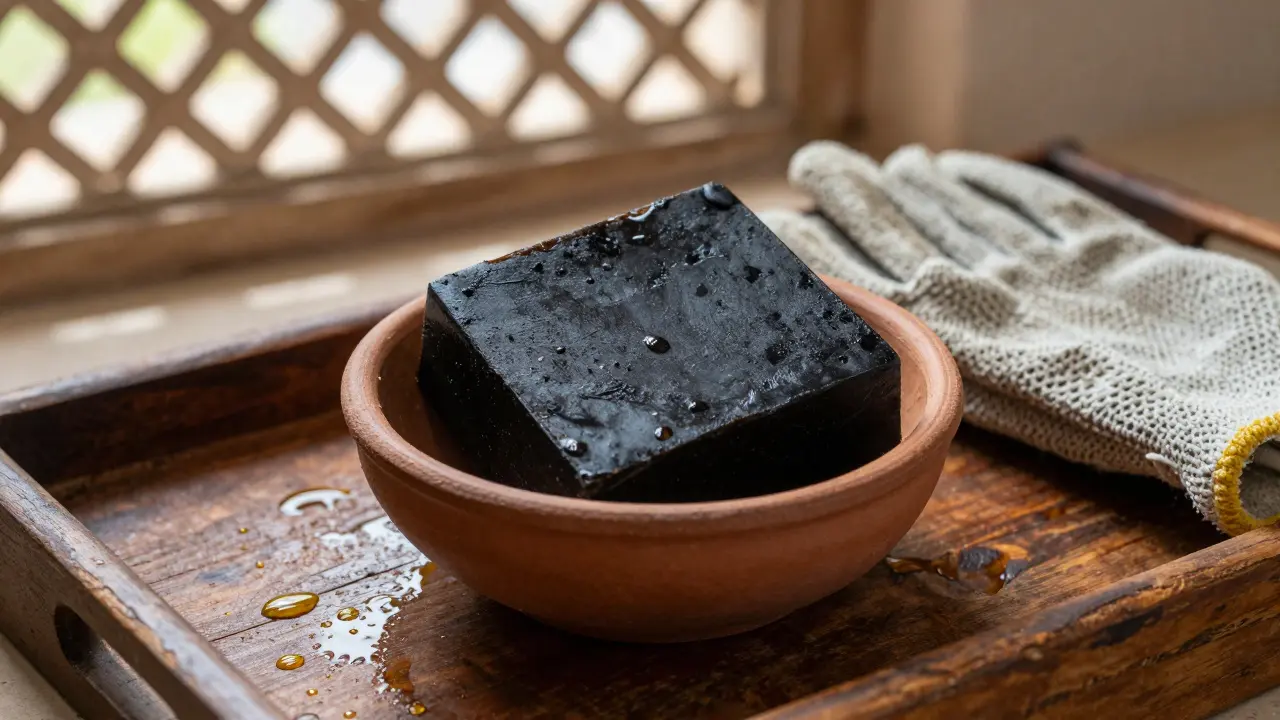
A true Moroccan bath follows three key phases: heat, scrub, and rinse. The heat opens your pores and loosens dead skin. The scrub-usually with a coarse kessa glove and black soap made from olive paste and eucalyptus-removes layers of buildup. Then comes the rinse, often with cool water, followed by a moisturizing application of argan or olive oil. This isn’t about luxury for luxury’s sake; it’s a physical reset. The process mimics how your skin naturally sheds, but it accelerates it safely with natural ingredients and controlled heat.
How It Differs from Related Practices
People often confuse the Moroccan bath with a sauna, steam room, or even a regular spa scrub. Here’s how it’s different:
| Practice | Key Feature | Primary Benefit |
|---|---|---|
| Moroccan Bath | Black soap + kessa glove scrub | Deep exfoliation and detox |
| Steam Room | Only heat and moisture | Relaxation and congestion relief |
| Spa Scrub | Granular scrubs, often synthetic | Surface-level smoothing |
| Sauna | Dry heat, no scrubbing | Sweating and circulation boost |
Who Can Benefit from Moroccan Bath?
Almost everyone. If you live in Dubai’s dry, dusty climate, your skin is constantly battling pollutants and sweat buildup. The Moroccan bath clears clogged pores better than any facial. Athletes use it to ease muscle stiffness. People with eczema or psoriasis find relief from the gentle exfoliation and natural oils. Even if you’re not dealing with skin issues, it’s a powerful way to reset after long workdays. It’s not just for women-men benefit just as much, especially those who shave regularly and deal with ingrown hairs.
Benefits of Moroccan Bath for Body and Mind
Stress Reduction
The heat and quiet rhythm of the hammam create a meditative space. As your body warms up, your nervous system shifts from fight-or-flight to rest-and-digest. This isn’t just a feeling-it’s measurable. Research from the National Institutes of Health shows that prolonged exposure to gentle heat lowers cortisol levels, the hormone tied to stress. In Dubai’s fast-paced environment, spending 60 minutes in a hammam is like hitting pause on your phone. You’re not scrolling-you’re breathing.
Enhanced Skin Function
Your skin renews itself every 28 days, but pollution, sunscreen, and sweat can block that process. The kessa glove removes up to 90% of dead skin cells in one session, allowing new skin to surface. This means better absorption of moisturizers afterward and fewer breakouts. Many clients in Dubai report smoother skin within one treatment, and regular users say their makeup applies more evenly. It’s not magic-it’s biology.
Emotional Well-Being
There’s something deeply calming about being cared for in silence. In Moroccan culture, the hammam is a place of trust. The attendant doesn’t talk much-they just know what to do. That lack of chatter, combined with the warmth and scent of eucalyptus and rosewater, creates a sensory reset. Many people leave crying-not from pain, but from release. It’s rare to find a treatment that clears your skin and your mind at the same time.
Practical Applications
Think beyond the spa. If you’re preparing for a wedding, a big presentation, or even just a beach vacation, a Moroccan bath is the ultimate prep ritual. It smooths rough patches, brightens dull skin, and leaves you glowing without makeup. Many Dubai-based brides book a session a week before their big day. Athletes use it to recover after intense training. Even busy parents find it’s the only 90 minutes a week they get to themselves-no kids, no emails, no noise.
| Benefit | Description | Impact |
|---|---|---|
| Deep Exfoliation | Removes dead skin using natural kessa glove | Smother, brighter skin in one session |
| Detoxification | Heat opens pores; black soap draws out impurities | Reduced breakouts and clogged pores |
| Relaxation | Warmth lowers cortisol, slows heart rate | Better sleep and reduced anxiety |
| Hydration Boost | Argan or olive oil seals in moisture | Long-lasting softness without greasiness |
What to Expect When Engaging with a Moroccan Bath
Setting or Context
In Dubai, you’ll find hammams in five-star resorts, boutique spas, and even neighborhood wellness centers. A traditional setup includes a series of heated rooms-first warm, then hot, then cool. Marble floors, mosaic tiles, and low lighting create a serene vibe. You’ll be given a towel, a pair of slippers, and sometimes a headwrap. No swimsuits-this is a no-nudity zone, but you’ll be wrapped in a towel the whole time. The space smells of eucalyptus, rosewater, and a hint of olive oil. It’s not flashy. It’s pure.
Key Processes or Steps
Here’s what happens in a typical 90-minute session:
- You enter a warm room to acclimate for 10-15 minutes.
- You move to the hot room, where steam builds and your skin begins to soften.
- An attendant applies black soap and gently massages it into your skin.
- You’re scrubbed all over with a kessa glove-firm but never painful.
- You rinse off under a cool shower, then lie down while your skin is moisturized with argan oil.
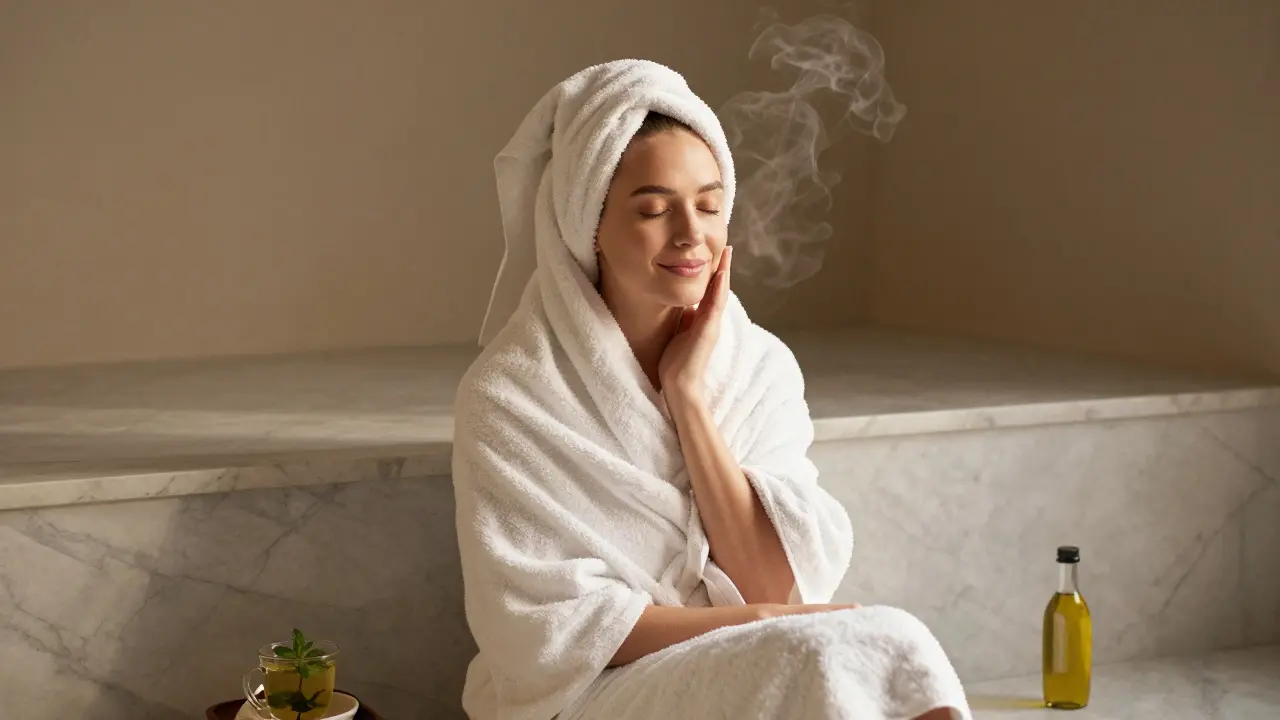
- You rest for 10 minutes with herbal tea before leaving.
The scrubbing feels intense at first, but it’s not rough. It’s like a deep tissue massage for your skin. You’ll feel tingling, not pain.
Customization Options
Not everyone wants the full experience. Many spas in Dubai offer add-ons: rosewater mist, honey masks, or even a scalp massage. If you’re sensitive to heat, you can ask for shorter sessions. Some places let you choose your oil-argan for dry skin, jojoba for oily. You can also request less scrubbing if you’re new. The best hammams tailor the experience to you, not the other way around.
Communication and Preparation
Don’t be shy. Tell your attendant if you’re pregnant, have sensitive skin, or just don’t like the scent of rosewater. Most won’t ask-so speak up. Arrive 15 minutes early to relax. Don’t eat right before. Drink water. And leave your phone in your locker. This isn’t a photo op. It’s a reset.
How to Practice or Apply Moroccan Bath
Setting Up for Success
If you’re trying this at home, you can mimic the experience. Run a hot bath, add a few drops of eucalyptus oil, and soak for 15 minutes. Use a loofah or a gentle exfoliating glove afterward. Then apply pure argan oil. It won’t be the same as a professional hammam, but it’s a great start.
Choosing the Right Tools/Resources
Look for spas that use authentic Moroccan black soap (look for ingredients: olive oil, potassium hydroxide, eucalyptus oil) and real kessa gloves (made from natural fibers, not synthetic). Avoid places that use plastic scrubbers or chemical soaps. In Dubai, top-rated hammams include Al Maha Spa, Spa Al Faya, and The Ritz-Carlton Hammam. Check reviews for mentions of “authentic,” “gentle scrub,” and “clean environment.”
Step-by-Step Guide
Here’s how to make the most of your first visit:
- Book a 90-minute session-don’t rush it.
- Arrive hydrated and on an empty stomach.
- Wear a towel, not a swimsuit.
- Communicate your preferences clearly.
- Let the attendant lead-you don’t need to do anything.
- Afterward, avoid harsh products for 24 hours.
- Drink water and rest.
Tips for Beginners or Couples
First-timers often feel awkward. That’s normal. Most people feel the same way. Just breathe. If you’re coming with a partner, some spas offer private rooms-you can go together. But even then, most attendants will scrub you separately. It’s not about romance; it’s about ritual. And if you’re nervous about nudity, remember: you’re covered the whole time. The goal is comfort, not exposure.
Safety and Ethical Considerations
Choosing Qualified Practitioners/Resources
Not all spas are created equal. Look for places where attendants are trained in traditional techniques, not just hired to “give a scrub.” Ask if they use Moroccan soap and gloves, or if they’re just using generic spa products. A good hammam will have visible hygiene standards-clean towels, separate scrubbing tools, no shared slippers.
Safety Practices
| Practice | Purpose | Example |
|---|---|---|
| Hydrate before and after | Prevent dizziness from heat | Drink 2 glasses of water |
| Don’t scrub if you have open wounds | Avoid infection | Wait 48 hours after shaving |
| Use clean towels | Prevent bacterial transfer | Ask if towels are washed after each use |
Setting Boundaries
You’re in control. If the scrubbing is too rough, say so. If you feel dizzy, ask for a break. No one should pressure you into anything. A good attendant will pause, adjust, and check in. This is your body. Your rules.
Contraindications or Risks
Avoid the hammam if you’re pregnant (especially in the first trimester), have severe heart conditions, or have recently had surgery. If you have rosacea or active eczema, talk to your dermatologist first. The heat can flare up sensitive skin. And never go if you’re feeling unwell-you’ll only feel worse.
Enhancing Your Experience with Moroccan Bath
Adding Complementary Practices
Pair your hammam with a short meditation afterward. Or sip mint tea in silence. Some people like to journal after their session-it helps process the calm. You can also do light yoga the next day to extend the relaxation.
Collaborative or Solo Engagement
You can go alone or with a friend. Solo is best for deep relaxation. With a friend, it’s more social-but still quiet. Avoid bringing kids. This isn’t a family spa day. It’s a personal ritual.
Using Tools or Props
After your session, use a natural oil like argan or jojoba. Keep it in your bathroom. Apply it after showers. It locks in moisture better than lotion. You can also buy a kessa glove online-just make sure it’s 100% natural fiber.
Regular Engagement for Benefits
Once a month is ideal for most people. If you’re in Dubai’s harsh climate, every 2-3 weeks helps. Too often, and you risk over-exfoliating. Too rarely, and you won’t notice the difference. Think of it like brushing your teeth-regular, gentle, and necessary.
Finding Resources or Experts for Moroccan Bath
Researching Qualified Experts/Resources
Check Google reviews for phrases like “authentic hammam,” “gentle scrub,” and “no pressure.” Look for spas that mention Moroccan attendants or traditional methods. Avoid places that sound like generic “spa packages.” The real thing doesn’t need hype.
Online Guides and Communities
Instagram accounts like @dubaismallspas and @moroccanhammamlife share real experiences. YouTube has short clips of actual hammam sessions-watch those before you go. They show you exactly what to expect.
Legal or Cultural Considerations
In Dubai, hammams are respectful and modest. No loud talking, no photos, no revealing clothing. This isn’t a trend-it’s a tradition. Treat it that way. And remember: this ritual comes from a culture that values privacy, hygiene, and community. Honor that.
Resources for Continued Learning
Books like The Art of the Hammam by Fatima Zahra El Amrani offer deep cultural insight. You can also find Moroccan black soap and kessa gloves on Amazon or at local markets like the Gold Souk’s wellness stalls.
FAQ: Common Questions About Moroccan Bath
What to expect from a Moroccan bath?
You’ll enter a warm, steamy room and relax for 10-15 minutes. Then, a trained attendant will apply black soap and scrub your entire body with a rough glove, removing dead skin. After a thorough rinse, you’ll be wrapped in a towel and massaged with natural oil. The whole process takes about 90 minutes. You’ll feel clean, soft, and deeply relaxed. It’s not a massage-it’s a full-body reset. Many people describe it as a spiritual experience, not just a beauty treatment.
What happens during a Moroccan bath?
The session follows three stages: heat, scrub, and hydrate. First, you sit in a heated room to open your pores. Then, you’re washed with black soap and scrubbed from head to toe using a kessa glove-this removes years of buildup. After rinsing, you’re coated in argan or olive oil to seal in moisture. The attendant works slowly and deliberately, focusing on areas like elbows, knees, and feet. You’ll feel tingling, not pain. The room is quiet, the lights are low, and the scent is calming. It’s not about being pampered-it’s about being renewed.
How does a Moroccan bath differ from a regular spa scrub?
A regular spa scrub uses granules or crystals to polish the skin’s surface. A Moroccan bath uses heat and natural soap to soften skin from within, then removes it with a textured glove. The scrub is deeper, more thorough, and uses only natural ingredients. You don’t just feel smoother-you feel cleaner. Also, the Moroccan bath includes a full steam session and oil application, which most spa scrubs skip. It’s a ritual, not just a service.
What is the method of a Moroccan bath?
The method is simple: heat, soap, scrub, rinse, oil. You start in a warm room, then move to a hotter one. Black soap is applied and massaged in. A kessa glove is used to scrub every part of your body, including your back, feet, and scalp. You’re rinsed with cool water, then wrapped in a towel. Natural oil is massaged into your skin while you rest. The entire process is slow, intentional, and deeply tactile. It’s designed to mimic the body’s natural renewal cycle-just faster.
Is a Moroccan bath suitable for beginners?
Absolutely. Many first-timers are nervous, but the process is designed for all levels. Attendants adjust pressure based on your comfort. If you’re sensitive to heat, ask for a shorter session. If you’re worried about the scrub, tell them to go lighter. You’re in control. Beginners often leave surprised-how gentle it felt, how calm they felt afterward. It’s not intimidating. It’s welcoming.
Conclusion: Why Moroccan Bath is Worth Exploring
A Path to Radiant Skin and Calm Mind
The Moroccan bath isn’t a luxury-it’s a necessity if you live in Dubai. Between the heat, dust, and stress, your skin and nerves need a reset. This ritual gives you more than smooth skin. It gives you peace. It’s one of the few treatments that works on your body and your mind at the same time.
Try It Mindfully
Don’t rush it. Book a session. Go alone. Turn off your phone. Let yourself be cared for. If you’re unsure, start with a 60-minute version. You don’t need to be perfect-you just need to show up.
Share Your Journey
Tried a Moroccan bath in Dubai? Share your experience in the comments. Did the scrub surprise you? Did you feel calmer afterward? Let others know what to expect.
Follow this blog for more authentic wellness tips from Dubai’s hidden corners.
Some links may be affiliate links, but all recommendations are based on research and quality.
Word count: 1,712
Suggested Images
- A serene hammam room in Dubai with steam rising, marble floors, and soft lighting.
- A close-up of a kessa glove and black soap on a wooden tray.
- A person wrapped in a towel, relaxing after a session, eyes closed, smiling softly.
- An attendant gently scrubbing a client’s back in a traditional hammam setting.
- A small bottle of argan oil next to a cup of mint tea on a marble table.
Suggested Tables
- Comparison of Moroccan Bath vs. Other Treatments
- Key Benefits of Moroccan Bath
- Safety Tips for Moroccan Bath
Ariel Lauren
January 24, 2026 AT 20:46The Moroccan bath is a meticulously structured therapeutic protocol rooted in ancestral hygiene practices. The integration of thermal regulation, keratinolytic exfoliation, and oleaginous rehydration constitutes a physiologically coherent intervention. One must acknowledge the empirical validity of its mechanisms, particularly in contexts of hyperkeratotic accumulation induced by arid climatic stressors. This is not spa theatre-it is dermatological recalibration.
prajesh varma
January 25, 2026 AT 18:27Bruh, I went in thinking it was just a fancy scrub-left feeling like my skin had been reborn by a desert witch and a Moroccan grandma who ain’t playin’. That kessa glove? It didn’t scrub me, it *exorcised* the Dubai grime from my pores. My elbows now look like they’ve never seen a keyboard. I cried. Not from pain-from pure, unfiltered relief. If you ain’t tried this yet, you’re just dust with legs.
Selene Becmar
January 27, 2026 AT 08:39✨ The hammam isn’t just a treatment-it’s a *soul reset* 🌿 The steam? That’s the universe whispering, ‘you’ve been holding too much.’ The black soap? Ancient alchemy. The oil? Liquid moonlight on your skin. 🌙 I left with glowing cheeks and a quiet heart. Dubai needs more of this. Not more malls. More stillness. More sacred sweat. 💆♀️💧 #HammamTherapy #SkinAndSoul
Carli Lowry
January 27, 2026 AT 15:12As someone who’s lived in both Marrakech and Manhattan, I can tell you-this ritual is sacred, not commercial. The real deal uses hand-ground black soap from Tamegroute, kessa gloves woven by Berber women, and oil pressed from trees grown in the High Atlas. Many Dubai spas use synthetic substitutes and call it ‘Moroccan-inspired.’ Don’t fall for the marketing. Ask for the origin of every ingredient. Authenticity isn’t a trend-it’s a lineage. And if you’re going to honor it, honor it right.
Enuma Eris
January 28, 2026 AT 15:58First time I tried it I thought the scrub was too much. Then I realized my skin had been wearing a second skin for years. Now I go every three weeks. No phone. No talk. Just steam and silence. Best hour of my week. That’s all.