
What Happens in a Full Body Massage? Your Comprehensive Guide
A full body massage isn’t just about feeling good for an hour-it’s a full-system reset for your body and mind. Whether you’re new to massage or you’ve been getting them for years, knowing exactly what happens during a session helps you relax deeper, communicate better with your therapist, and get the most out of every touch. In Dubai’s busy rhythm, where stress piles up like desert sand, a full body massage is one of the most effective ways to reset your nervous system, release tension, and reconnect with your body.
Understanding the Basics of Full Body Massage
Origins and History
Massage isn’t a modern spa trend-it’s ancient. Evidence shows massage was practiced in China over 3,000 years ago, and ancient Egyptians carved massage scenes into tomb walls. The Greeks and Romans used it for athletes and soldiers. Today’s full body massage blends these traditions with modern anatomy and physiology. It’s not just rubbing muscles; it’s a science-backed way to improve circulation, reduce stress hormones, and trigger the body’s natural healing response. The core idea? Your body knows how to heal. Massage just helps it remember how.
Core Principles or Components
A full body massage typically uses five main techniques: effleurage (long, gliding strokes), petrissage (kneading), friction (deep circular pressure), tapotement (rhythmic tapping), and vibration. These aren’t random-they’re chosen to flow in a sequence that warms tissues, releases adhesions, and calms the nervous system. The therapist works from your feet up to your head, or vice versa, ensuring every major muscle group is addressed: back, shoulders, arms, legs, neck, and sometimes even the scalp and face. The pressure can be light or deep, but it’s always controlled and intentional. The goal isn’t to hurt you-it’s to help your body release what it’s been holding onto.
How It Differs from Related Practices
People often confuse full body massage with other bodywork therapies. Here’s how it stacks up:
| Practice | Key Feature | Primary Benefit |
|---|---|---|
| Full Body Massage | Systematic work on all major muscle groups using oil or lotion | Overall relaxation, stress reduction, improved circulation |
| Deep Tissue Massage | Focuses on chronic tension and deeper muscle layers | Relieves persistent pain, breaks down scar tissue |
| Swedish Massage | Lighter pressure, rhythmic strokes, often part of full body | Calms the nervous system, boosts mood |
| Thai Massage | Performed on a mat, includes stretching and acupressure | Improves flexibility, energy flow |
| Shiatsu | Uses finger pressure on energy points (meridians) | Balance energy, reduce anxiety |
Who Can Benefit from Full Body Massage?
Almost everyone. Office workers with stiff shoulders, athletes recovering from training, new parents with sleep deprivation, people with chronic stress, even those recovering from illness-all benefit. It’s not just for the “relaxed” or “wealthy.” In Dubai, where long commutes and high-pressure jobs are the norm, massage is a practical tool for maintaining health, not a luxury. The only exceptions are people with certain medical conditions like blood clots, open wounds, or severe osteoporosis. Always check with your doctor if you’re unsure.
Benefits of Full Body Massage for Your Body and Mind
Stress Reduction
When you’re stressed, your body pumps out cortisol-the stress hormone. A 60-minute full body massage can drop cortisol levels by up to 50%, according to research from the National Institutes of Health. At the same time, it boosts serotonin and dopamine, your brain’s natural feel-good chemicals. You don’t need to meditate for hours to feel calm-just lie down, breathe, and let someone else take over. Think of it like hitting a soft reset button on your nervous system.
Enhanced Functionality
Tension in your back, hips, or neck doesn’t just feel bad-it limits how you move. A full body massage helps release tight fascia (the connective tissue wrapping your muscles), improving flexibility and range of motion. Many people notice they can turn their head easier, bend down without pain, or even sleep better after a session. It’s not magic-it’s mechanics. When muscles relax, joints move better. Simple as that.
Emotional Well-Being
Touch is deeply human. In cultures where physical contact is rare, massage can feel like a quiet form of emotional care. Many clients report crying during or after a session-not from sadness, but from release. Holding tension for months or years can bury emotions. Massage doesn’t “fix” your life, but it creates space for you to feel again. It’s not therapy, but it often feels like a safe hug for your soul.
Practical Applications
Here’s what real people notice in daily life:
| Benefit | Description | Impact |
|---|---|---|
| Better Sleep | Reduces muscle tension and calms the mind | Deeper, more restful sleep within days |
| Reduced Headaches | Relieves neck and shoulder tension that triggers tension headaches | Fewer episodes, less need for painkillers |
| Improved Posture | Releases tight chest and hip muscles that pull you forward | Stand taller, breathe deeper |
| Boosted Immunity | Increases lymphatic flow, helping remove toxins | Fewer colds, faster recovery from illness |
What to Expect When Engaging with Full Body Massage
Setting or Context
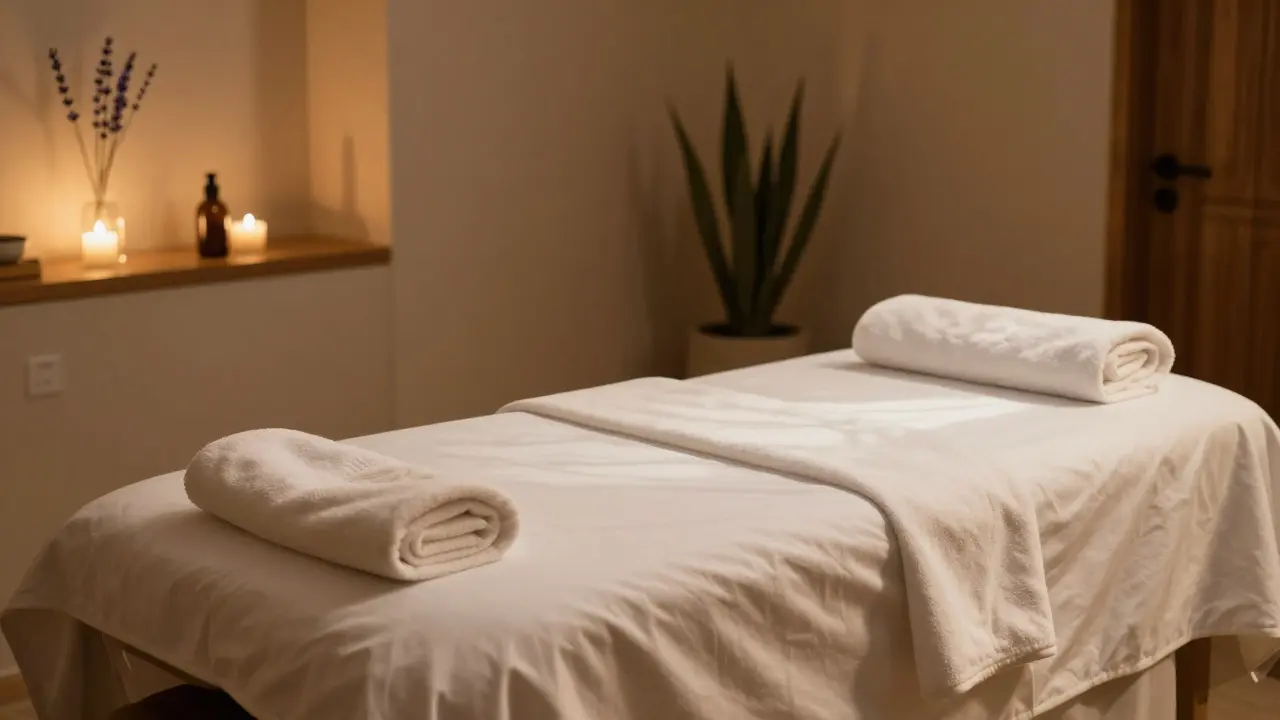
In Dubai, most full body massages happen in quiet, dimly lit rooms with soft music and the scent of lavender or sandalwood. The temperature is warm-no one wants to shiver while lying naked under a towel. A professional spa will have clean linens, heated tables, and a private changing area. Some places offer outdoor massages on terraces with sea views. The key? It should feel safe, clean, and calming. If it feels rushed or noisy, it’s not the right place.
Key Processes or Steps
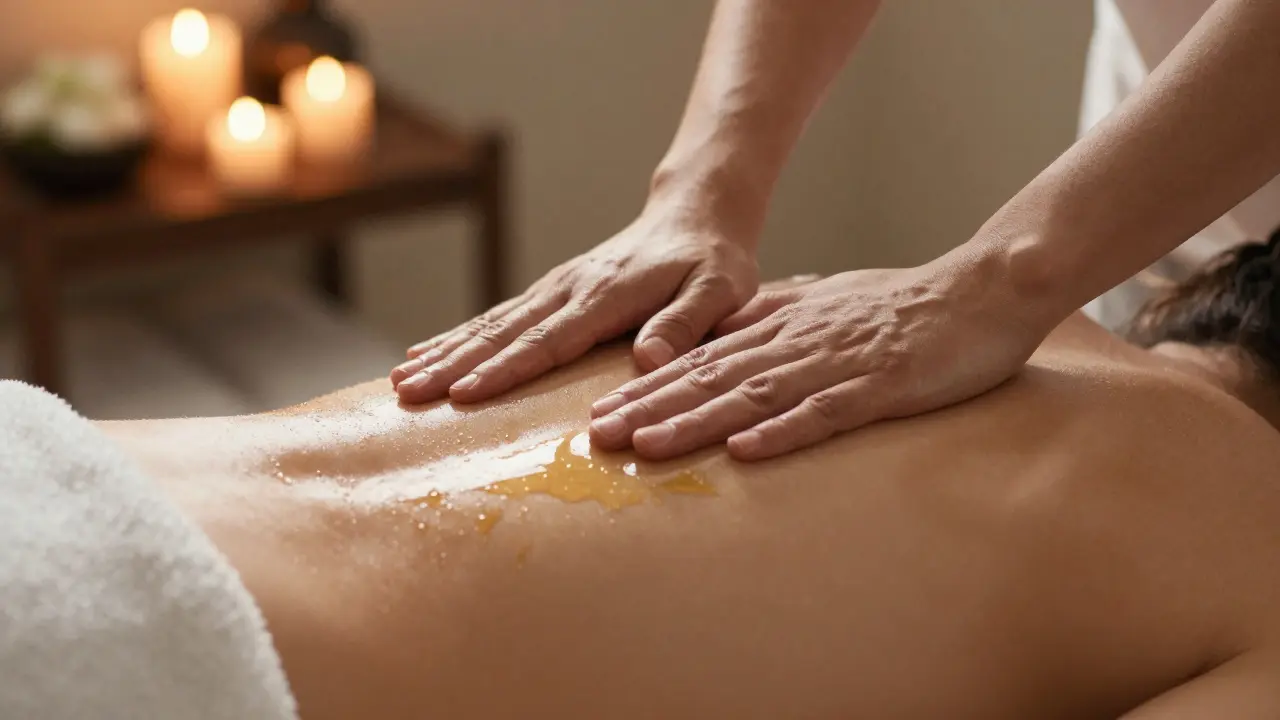
A typical session lasts 60 to 90 minutes. It starts with you lying face down. The therapist begins with your feet, using slow strokes to warm the tissue. Then they move up your calves, hamstrings, glutes, and lower back. After flipping you over, they work your chest, arms, hands, neck, and scalp. Each area gets attention-no skipping. The pressure builds gradually. You’ll feel the difference between a light touch and a deep release. Towels cover you at all times-only the part being worked on is exposed. The therapist checks in quietly: “Is this pressure okay?”
Customization Options
Every body is different. If you have sore knees, ask for lighter pressure there. If your shoulders are always tight, request extra time. Many spas let you choose oil type (almond, coconut, or unscented), music, and even room temperature. You can also request no head or foot work if you’re not comfortable. A good therapist will adapt, not force a routine. Your session is yours.
Communication and Preparation
Don’t be shy. Tell your therapist if you’re pregnant, have a recent injury, or feel cold. Let them know if you don’t like being touched on the face or if you’re ticklish. Arrive 10 minutes early to fill out a form. Avoid heavy meals or alcohol beforehand. Drink water after-you’ll flush out toxins more easily. And yes, you can wear underwear if you prefer. No judgment.
How to Practice or Apply Full Body Massage
Setting Up for Success
If you’re doing a self-massage or using a foam roller, create a calm space. Dim the lights, play soft music, and use a good quality oil or lotion. Keep it warm-cold oil is a shock. Set a timer so you don’t rush. Even 15 minutes helps. Focus on slow, deliberate movements. Breathe into the areas you’re working on.
Choosing the Right Tools/Resources
In Dubai, look for licensed therapists with certifications from recognized schools like the International Spa Association or the Dubai Health Authority. Check reviews on Google or Tripadvisor. Avoid places offering “too cheap” deals-massage is a skilled trade. A good therapist listens, asks questions, and doesn’t push you into unnecessary add-ons.
Step-by-Step Guide
1. Start with your feet-use your thumbs to press along the arches.
2. Move to your calves, kneading gently with both hands.
3. Roll a tennis ball under your back against the wall.
4. Use your palms to stroke your arms from wrist to shoulder.
5. Gently massage your temples and scalp with your fingertips.
6. Breathe deeply through each step. Don’t rush.
Tips for Beginners or Couples
First-timers often feel awkward. That’s normal. Most people feel better after the first 10 minutes. If you’re going with a partner, book a side-by-side session. It’s a great way to bond. Don’t talk during the massage-just breathe. Let go. You’re not being judged. You’re being cared for.
Safety and Ethical Considerations
Choosing Qualified Practitioners/Resources
Always ask about training. A certified therapist has completed at least 500 hours of anatomy, physiology, and hands-on practice. In Dubai, licensed spas display their DHA accreditation. Avoid unlicensed “mobile” therapists who show up without credentials. Your safety matters more than convenience.
Safety Practices
Here’s what to expect from a clean, professional space:
| Practice | Purpose | Example |
|---|---|---|
| Disinfecting tables | Prevent skin infections | Table covered with fresh linens, wiped with medical-grade cleaner |
| Hand hygiene | Stop germ spread | Therapist washes hands before and after |
| Consent checks | Respect boundaries | “Can I work on your lower back?” |
Setting Boundaries
You own your body. If a therapist touches you in a way that feels wrong, say so. Right away. No apology needed. If they ignore you, leave. A good therapist will stop, adjust, and thank you for speaking up. Your comfort is the priority.
Contraindications or Risks
Don’t get a massage if you have: active blood clots, fever, contagious skin infections, severe osteoporosis, or recent surgery. If you’re pregnant, ask for a prenatal specialist. Always tell your therapist about medications, especially blood thinners. When in doubt, check with your doctor first.
Enhancing Your Experience with Full Body Massage
Adding Complementary Practices
Pair your massage with deep breathing, a warm bath with Epsom salts, or 10 minutes of quiet meditation afterward. Avoid screens for an hour. Let the calm settle. Many people feel more emotional after a massage-let it happen. Journaling helps. Write down what you felt, physically or emotionally.
Collaborative or Solo Engagement
Going alone? Great. You’re giving yourself permission to rest. Going with someone? Share the experience. Talk about how you felt afterward. But during the session? Silence is golden. Let the touch do the work.
Using Tools or Props
At home, try a foam roller for your back, a massage ball for your feet, or a handheld massager for your shoulders. Use them gently. Don’t force it. A warm towel on your neck after a massage? Pure bliss.
Regular Engagement for Benefits
One massage won’t fix years of stress. Think of it like brushing your teeth. Weekly or biweekly sessions are ideal for chronic tension. Monthly is fine for maintenance. Even quarterly helps. Consistency turns relief into resilience.
Finding Resources or Experts for Full Body Massage
Researching Qualified Experts
Look for therapists with certifications from the International Massage Association or Dubai Health Authority. Read reviews that mention technique, professionalism, and cleanliness-not just “great vibe.” Ask friends for recommendations. A good therapist doesn’t need flashy ads-they’re booked because they’re good.
Online Guides and Communities
Check out the American Massage Therapy Association’s public resources or the Dubai Wellness Guide. YouTube has excellent tutorials on self-massage techniques. Join local wellness groups on Facebook-many share spa deals and tips.
Legal or Cultural Considerations
In Dubai, massage is legal and widely accepted, but always choose licensed venues. Public nudity is not allowed-even in spas. Towels are always used. Respect local norms: no overly aggressive pressure, no flirtatious behavior. This isn’t a party-it’s care.
Resources for Continued Learning
Books like “The Language of Touch” by Elizabeth Davenport or “Massage Therapy Principles and Practice” by Susan Salvo offer solid, science-backed insight. Podcasts like “The Massage Therapy Podcast” are great for casual learning.
FAQ: Common Questions About Full Body Massage
What to expect from a full body massage?
You’ll lie on a warm, padded table, covered with towels. The therapist will use oil or lotion and work on your entire body-back, legs, arms, neck, and sometimes head. Pressure starts light and deepens gradually. You’ll feel relaxed, maybe even sleepy. It’s normal to feel emotional or slightly sore afterward. Most people leave feeling lighter, calmer, and more grounded. No one will touch you inappropriately. You’re in control.
What happens during a full body massage?
The therapist begins with long, soothing strokes to warm your muscles. Then they use kneading, circular pressure, and rhythmic taps to release tension. They’ll work from your feet up to your head, or vice versa. Each area is treated systematically. You’ll be covered at all times, with only the part being massaged exposed. The therapist will check in quietly about pressure. You’re encouraged to breathe deeply and let go. The session ends with gentle strokes to calm your system. No music, no talking-just presence.
How does a full body massage differ from a deep tissue massage?
A full body massage is designed for overall relaxation and stress relief. It uses a mix of techniques across the entire body. Deep tissue massage targets specific areas of chronic tension-like a tight lower back or stiff shoulders-and uses slower, deeper pressure. It can be uncomfortable, even painful, but it’s not meant to hurt. If you’re new to massage, start with full body. Save deep tissue for when you have a specific issue to address.
What is the method of a full body massage?
The method follows a sequence: starting with light effleurage (gliding strokes) to warm tissues, then moving to petrissage (kneading) to release tension, friction for deeper knots, and tapotement to stimulate circulation. The therapist moves systematically from feet to head or head to feet, ensuring no area is skipped. Oil or lotion is used to reduce friction. The pace is slow and intentional. The goal isn’t to “fix” you-it’s to help your body return to balance.
Is a full body massage suitable for beginners?
Absolutely. In fact, it’s the best place to start. You don’t need to know anything. No experience required. Just show up, undress to your comfort level, lie down, and breathe. The therapist will guide you. Many first-timers feel nervous-but once the first stroke is applied, the tension melts. It’s like learning to swim: the first dip feels scary, but then you realize you’re floating. You’re not weak for needing it. You’re human.
Conclusion: Why Full Body Massage is Worth Exploring
A Path to Calm in a Chaotic World
In a city that never sleeps, a full body massage is your quiet rebellion. It’s not about luxury-it’s about survival. Your body carries stress you don’t even notice. Massage doesn’t erase your problems, but it gives you space to breathe again. It reminds you that you’re not a machine. You’re a living, feeling being that needs care.
Try It Mindfully
Book your first session. Don’t overthink it. Choose a licensed spa. Tell your therapist what you need. Let yourself be held-even if just for an hour. You don’t need to be perfect. You just need to show up.
Share Your Journey
Tried a full body massage? Share your experience in the comments. What surprised you? What did you feel? Your story might help someone else take that first step.
Some links may be affiliate links, but all recommendations are based on research and quality.
Word count: 1,728
Suggested Images
- A serene spa room in Dubai with soft lighting, a massage table, and a towel draped neatly.
- A therapist’s hands using long, flowing strokes on a client’s back, with oil glistening under warm light.
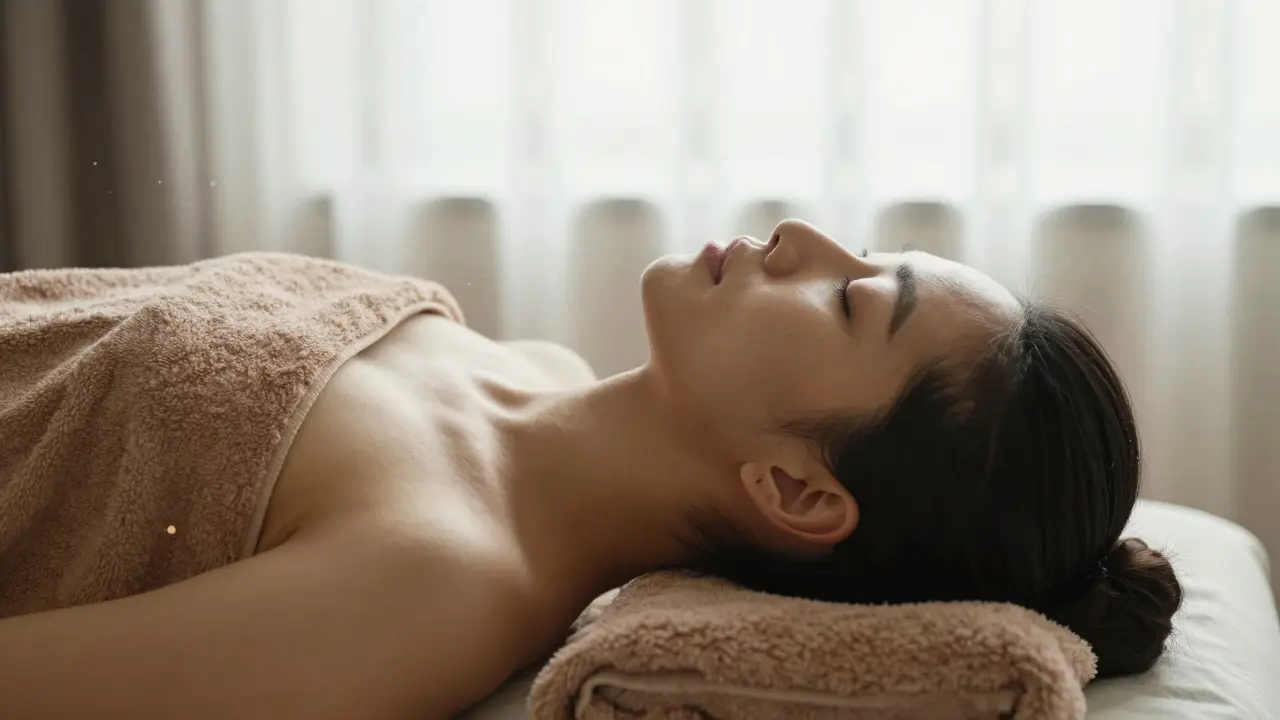
- A person lying peacefully on a massage table, eyes closed, with a warm towel covering their shoulders.
- A close-up of natural massage oils-almond, coconut, and lavender-in glass bottles on a wooden tray.
- A couple side-by-side on massage tables in a quiet spa, both relaxed and smiling softly.
Suggested Tables
- Comparison of Full Body Massage vs. Related Practices (already included in article)
- Key Benefits of Full Body Massage (already included in article)
- Safety Tips for Full Body Massage (already included in article)


Melissa Pemberton
December 16, 2025 AT 11:34Vicky Durel
December 17, 2025 AT 23:35Mrigank Srivastava
December 19, 2025 AT 04:27alyssa golightly
December 20, 2025 AT 07:29Darshan R
December 20, 2025 AT 11:33Kristina Mozdzierz
December 21, 2025 AT 07:28Hannah Ronquillo
December 21, 2025 AT 10:05Tim Paradis
December 22, 2025 AT 16:57Matt Ferry
December 23, 2025 AT 08:23