
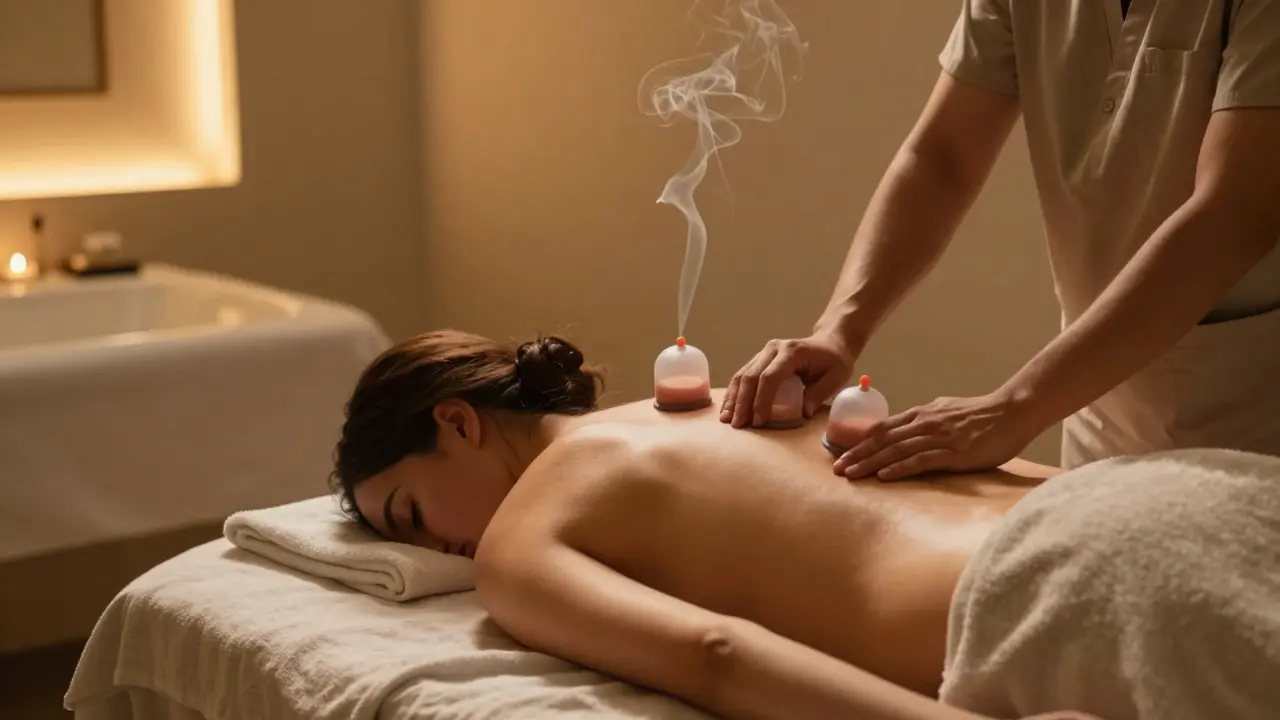
When to avoid cupping is one of the most important questions anyone considering this ancient therapy should ask. Cupping therapy - the practice of placing suction cups on the skin to improve circulation and ease muscle tension - has surged in popularity worldwide, including right here in Dubai, where wellness culture thrives. But while many swear by its benefits, it’s not safe for everyone. Ignoring the red flags can lead to bruising, infection, or worse. This guide breaks down exactly when cupping should be avoided, who’s at risk, and what to do instead.
Understanding the Basics of Cupping Therapy
Origins and History
Cupping isn’t new. It traces back over 3,000 years to ancient Egypt, China, and the Middle East. Traditional Chinese Medicine used it to balance qi, or life energy, while Arab and Persian healers applied it to draw out "bad humors." Today, modern cupping blends these traditions with anatomy-based understanding. In Dubai’s luxury spas, you’ll find both wet cupping (with minor skin punctures) and dry cupping (suction only), often paired with massage or heat therapy.Core Principles or Components
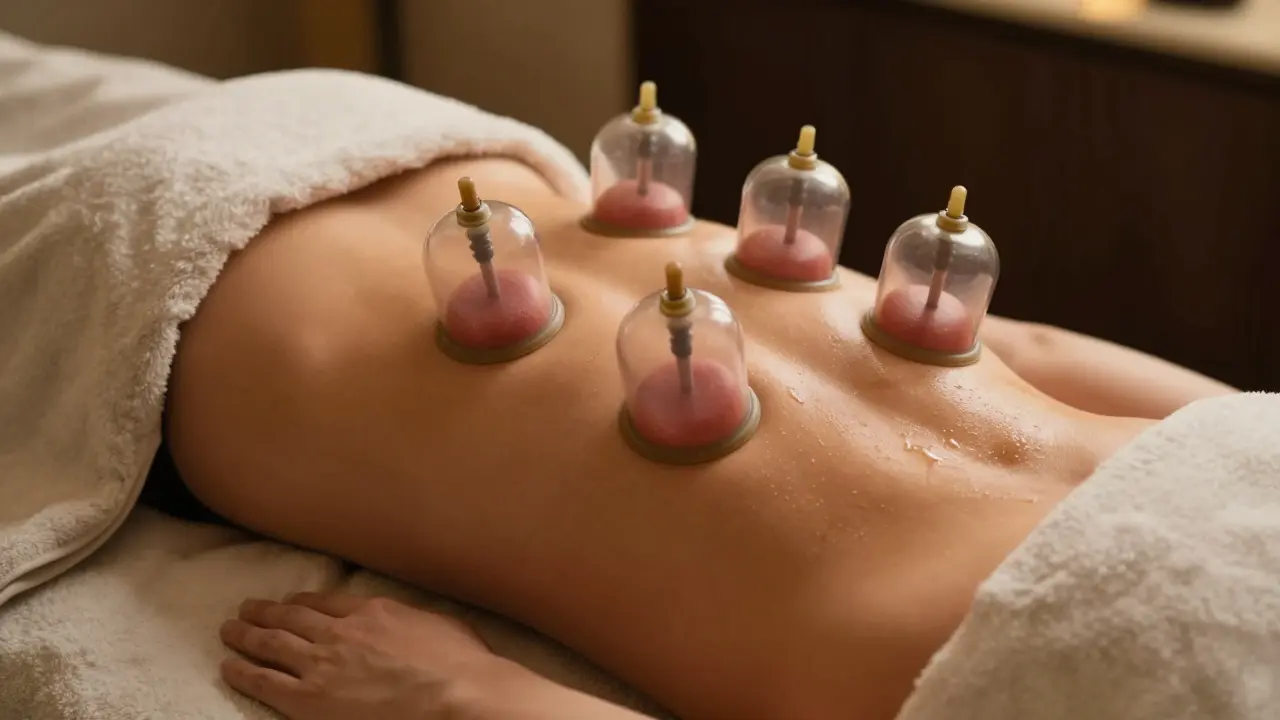
Cupping works by creating negative pressure on the skin. This pulls blood to the surface, loosens tight fascia, and may stimulate the nervous system. The cups - made of silicone, glass, or bamboo - are placed on areas like the back, shoulders, or thighs. They stay for 5 to 20 minutes. The result? A temporary circular mark, often mistaken for a bruise but actually a sign of increased circulation. It’s not painful for most, but it can feel like a deep, odd hug.How It Differs from Related Practices
Many confuse cupping with massage, acupuncture, or lymphatic drainage. Here’s how it stands apart:| Practice | Key Feature | Primary Benefit |
|---|---|---|
| Cupping | Uses suction to lift tissue | Improves local circulation, reduces muscle stiffness |
| Massage | Applies pressure through hands or tools | Relaxes muscles, releases tension |
| Acupuncture | Inserts fine needles into points | Regulates nervous system, balances energy |
| Lymphatic Drainage | Light, rhythmic strokes | Reduces fluid buildup, supports immune function |
Who Can Benefit from Cupping?
Cupping helps many: athletes recovering from workouts, office workers with stiff shoulders, people with chronic tension, or those seeking relaxation. In Dubai’s climate - where heat and air conditioning create muscle tightness - it’s a common recovery tool. But benefits don’t mean it’s for everyone. The key is knowing when not to use it.When to Avoid Cupping
Open Wounds or Skin Conditions
If your skin is broken, blistered, infected, or has active eczema, psoriasis, or herpes outbreaks, cupping can make things worse. The suction can tear fragile tissue or spread infection. I’ve seen clients come in with red, weeping rashes after cupping over undiagnosed dermatitis. Always let your therapist know about any skin issues - even if they seem minor.Bleeding Disorders or Blood Thinners
Cupping increases blood flow to the surface. For people on warfarin, aspirin, or other anticoagulants, this raises the risk of excessive bruising or internal bleeding. Those with hemophilia or von Willebrand disease should avoid it entirely. The NIH warns that therapeutic suction can interfere with clotting mechanisms in vulnerable individuals Web source (https://www.nih.gov). If you’re unsure, talk to your doctor before scheduling a session.Pregnancy and Certain Medical Conditions
While light cupping on the arms or legs may be okay in later pregnancy, therapists typically avoid the abdomen, lower back, and sacrum. Why? The suction could theoretically stimulate uterine contractions. Also, avoid cupping if you have severe osteoporosis - the pressure may risk fractures. Those with heart conditions, especially uncontrolled hypertension, should skip it too. The sudden shift in circulation could strain the cardiovascular system.Recent Surgery or Fractures
Healing tissue needs stability, not suction. If you’ve had surgery in the last 6-8 weeks, or have a recent fracture, sprain, or dislocation, cupping can delay healing or cause re-injury. Even if the scar looks fine, the tissue underneath is still rebuilding. A Dubai physiotherapist once told me about a client who cupped over a recent hip replacement - and ended up with a hematoma. It took months to resolve.Fever or Acute Infection
Your body is already fighting hard when you have a fever, flu, or active infection. Cupping increases circulation - which sounds good - but it can also spread pathogens or overstimulate your immune system. Think of it like revving an engine that’s already overheating. Wait until you’re fully recovered before booking a session.What to Expect When Engaging with Cupping
Setting or Context
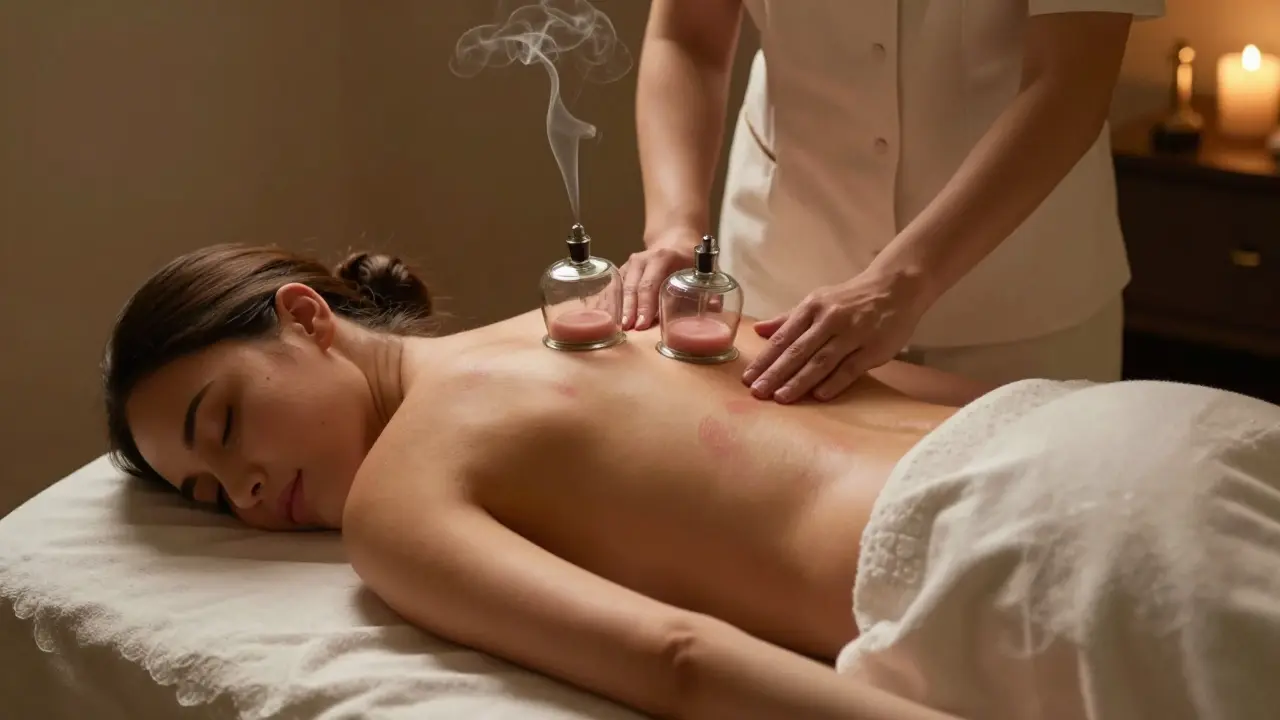
In Dubai, cupping is often offered in high-end spas, wellness clinics, or even hotel suites. The room is warm, dimly lit, with calming music. You’ll lie on a massage table, usually in your underwear or a gown. The therapist will clean the area, apply oil, then place the cups. It’s not a quick 10-minute treatment - plan for 30 to 60 minutes total.Key Processes or Steps
A typical session starts with a consultation: your health history, pain areas, and goals. Then, the therapist selects cup size and placement. Dry cupping uses a pump to create suction; wet cupping involves tiny incisions after suction. The cups stay on for 5-20 minutes. You might feel warmth, pulling, or mild tingling. After removal, the skin may be red or dark purple. That’s normal - it fades in 3-10 days.Customization Options
Not all cupping is the same. Some therapists glide the cups (moving cupping), others leave them still (static). Silicone cups are gentler for sensitive skin. Heat cupping uses warmed cups - great for cold weather but not for inflamed areas. Your therapist should adjust based on your comfort, skin tone, and medical history.Communication and Preparation
Speak up. Tell your therapist if you feel sharp pain, dizziness, or nausea. Drink water before and after. Avoid alcohol or heavy meals 2 hours before. If you’re nervous, ask for a test spot - one small cup to see how your skin reacts.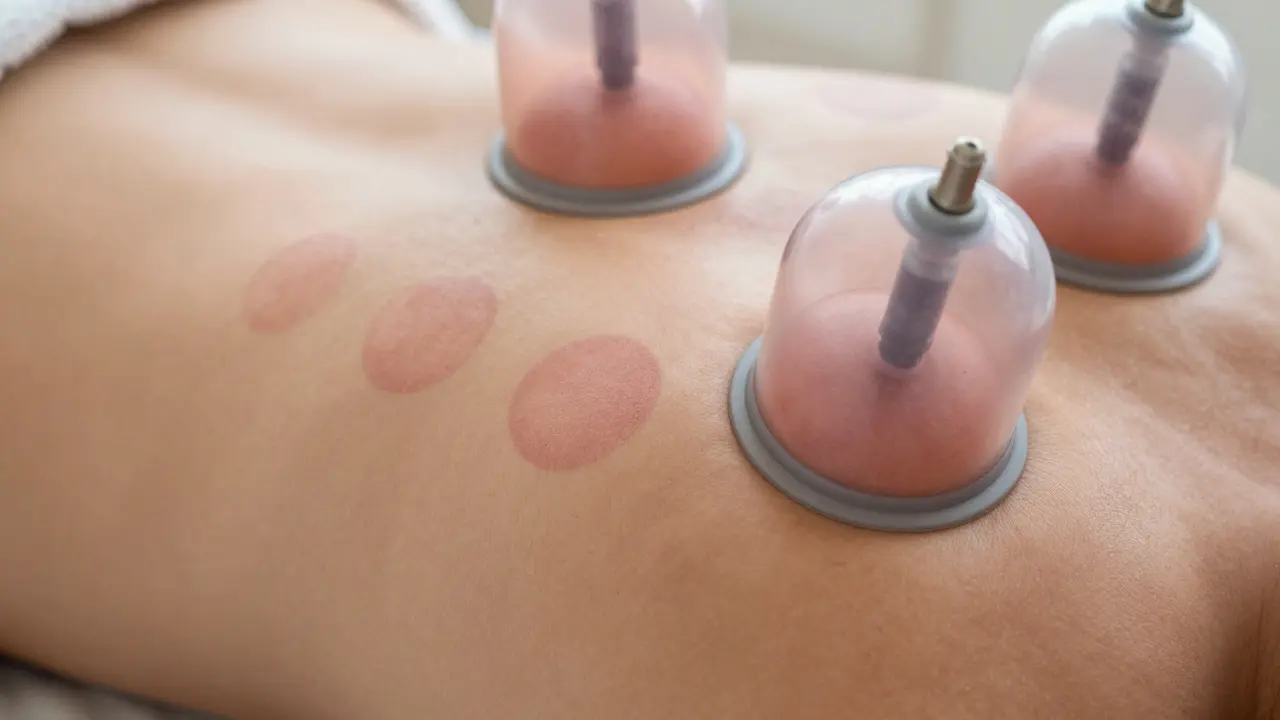
Safety and Ethical Considerations
Choosing Qualified Practitioners
In Dubai, anyone can call themselves a "cupping therapist." But look for certifications from recognized bodies like the International Cupping Therapy Association or licensed acupuncturists. Ask about training, hygiene practices, and whether they use disposable gloves and sterilized cups. A reputable clinic will show you their credentials.Safety Practices
Here’s how to stay safe:| Practice | Purpose | Example |
|---|---|---|
| Use single-use cups | Prevent cross-contamination | Disposable silicone or sterilized glass |
| Sanitize skin first | Reduce infection risk | Alcohol wipe before application |
| Check pressure | Avoid tissue damage | Start with light suction, increase slowly |
| Wait between sessions | Allow healing | Wait 7-10 days before next session |
Setting Boundaries
You have the right to say no. If a therapist pushes for more pressure, or wants to cup over your stomach without explanation, walk out. Healthy therapy is consensual and transparent. Ask: "Why are you placing cups here?" If the answer is vague, find someone else.Contraindications or Risks
Avoid cupping if you have:- Active cancer (especially near tumor sites)
- Severe anemia
- Deep vein thrombosis
- Organ failure (liver, kidney)
- Use of a pacemaker or implanted medical device
Enhancing Your Experience with Cupping
Adding Complementary Practices
Cupping pairs well with rest, hydration, and gentle stretching. Some find it helps after yoga or foam rolling. Avoid intense exercise right after - your body needs time to process the increased circulation. A warm bath with Epsom salts can soothe any lingering soreness.Collaborative or Solo Engagement
Cupping is usually solo. But some couples book back-to-back sessions - it’s a shared wellness ritual. Just don’t try it on each other at home. Without training, you risk injury or uneven pressure.Using Tools or Props
Home cupping kits exist, but they’re risky. Without knowing where to place cups or how much pressure to use, you can bruise deeply or trigger nerve pain. If you insist on trying, choose silicone cups with pressure gauges - and never use them on your neck, spine, or abdomen.Regular Engagement for Benefits
Once a month is enough for most. Too frequent, and your skin and tissues can’t recover. Think of it like a deep massage - not daily, but intentional. Consistency matters more than frequency.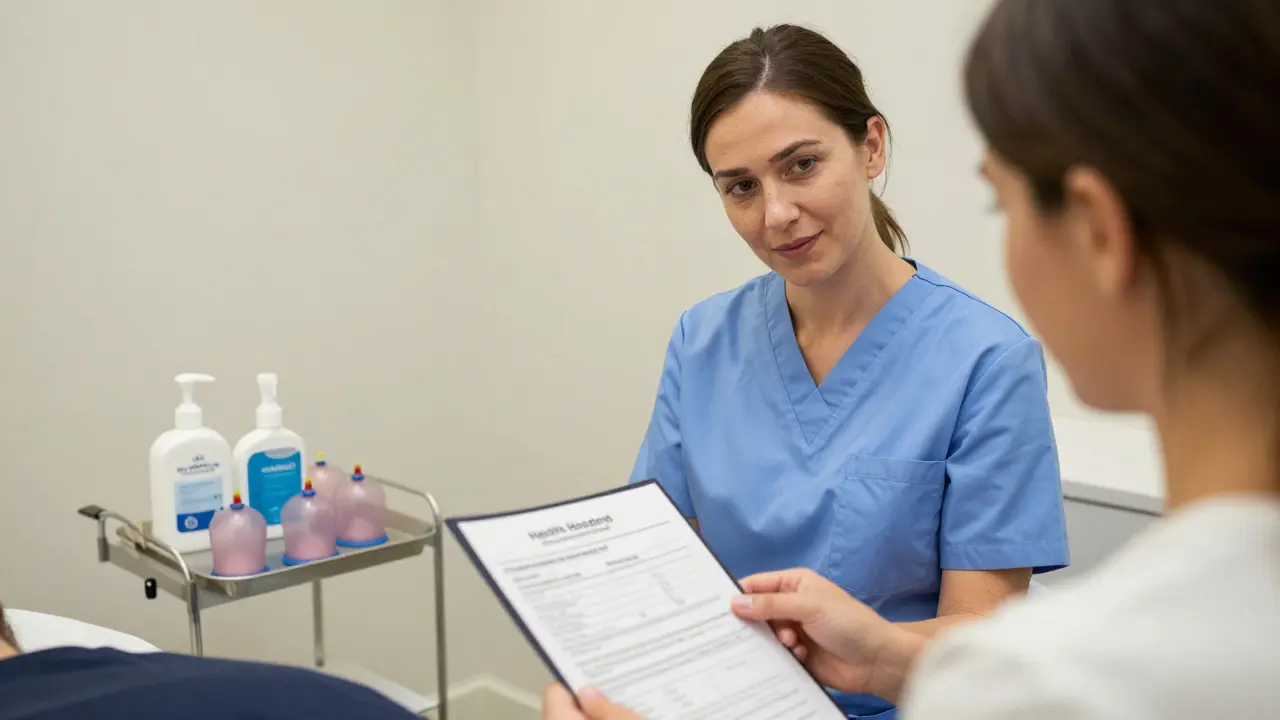
Finding Resources or Experts for Cupping
Researching Qualified Practitioners
Look for licensed acupuncturists or certified wellness therapists. In Dubai, check the Dubai Health Authority (DHA) registry. Read reviews on trusted platforms like Google or Zocdoc. Avoid places that promise "miracle cures" - real therapy is about relief, not magic.Online Guides and Communities
Reputable wellness sites like the American Association of Acupuncture and Oriental Medicine offer general guidance. Avoid YouTube tutorials that skip safety steps. Instead, seek content from certified practitioners with visible credentials.Legal or Cultural Considerations
In the UAE, cupping is widely accepted and regulated under holistic health laws. But wet cupping requires a licensed practitioner. Always ensure your provider follows DHA hygiene codes. Respect cultural traditions - many Emiratis view cupping as part of heritage healing.Resources for Continued Learning
Books like "The Cupping Therapy Handbook" by Dr. Mark Smith or courses from the International Cupping Therapy Association offer reliable training. For beginners, start with dry cupping basics - not wet or fire cupping.FAQ: Common Questions About Cupping
When should you not get cupping?
Avoid cupping if you have open wounds, skin infections, bleeding disorders, are on blood thinners, pregnant (especially on the abdomen or lower back), have recently had surgery, have a fever, or suffer from severe osteoporosis or heart disease. These conditions increase risks of bruising, infection, or complications. Always consult your doctor if you’re unsure.
What happens after cupping?
After cupping, you’ll likely see circular marks - these aren’t bruises but signs of increased blood flow. They usually fade in 3-10 days. You might feel relaxed, slightly sore, or even tired. Drink water, rest, and avoid intense workouts or saunas for 24 hours. Some people feel immediate relief from muscle tension; others notice changes over days.
Is cupping safe for everyone?
No. While many benefit, it’s not suitable for people with certain medical conditions. Those with autoimmune diseases, cancer, or implanted devices should avoid it. Children under 12 and elderly individuals with fragile skin should proceed with caution. Always disclose your full health history to your therapist - hiding conditions can lead to serious consequences.
Can I do cupping at home?
Home cupping kits are available, but they’re risky without training. You might apply too much pressure, place cups over nerves or bones, or miss contraindications. If you choose to try, use silicone cups with adjustable suction, avoid the spine, neck, and abdomen, and never use them on broken skin. Still, professional sessions are safer and more effective.
How often can I get cupping?
Most people benefit from once a month. More frequent sessions can overstimulate circulation and delay healing. If you’re using it for acute pain, once every 7-10 days may be okay - but only under professional guidance. Let your body recover between sessions. Signs of overuse include persistent bruising, fatigue, or skin sensitivity.
Conclusion: Why Cupping is Worth Exploring - With Caution
A Path to Relief
Cupping can be a powerful tool for muscle tension, stress, and recovery - especially in a city like Dubai where physical strain is common. But it’s not a cure-all. It’s a complementary therapy, best used with awareness and respect.Try It Mindfully
If you’re curious, start with a licensed professional. Tell them your full health history. Ask questions. Listen to your body. If something feels off, stop. Your safety matters more than the trend.Share Your Journey
Tried cupping? Share your experience in the comments - good or bad. Your story helps others decide if it’s right for them. Follow this blog for more honest wellness insights from Dubai.Some links may be affiliate links, but all recommendations are based on research and quality.
Word count: 1,748
Suggested Images
- A calm spa setting in Dubai with soft lighting and a client receiving dry cupping on the back.
- Close-up of silicone cups on skin with faint red marks, showing natural skin tone.
- A certified therapist in a clean clinic, checking a client’s health history form.
- Comparison graphic: normal skin vs. post-cupping marks (labeled as circulation, not bruising).
- A person drinking water and stretching gently after a cupping session.
Suggested Tables
- Comparison of Cupping vs. Related Therapies (already included in content)
- Cupping Safety Tips (already included in content)
- Contraindications Checklist: Conditions That Require Avoiding Cupping (e.g., Cancer, Blood Thinners, Pregnancy, etc.)
Karinne Davidson
March 10, 2026 AT 21:08Just got cupped last week and honestly? I was nervous af 😅 But my therapist was so gentle and explained everything. The marks faded in 5 days and my back feels like a new person. Don't let scary posts scare you - if you're healthy, it's kinda amazing. Just find a legit pro.
GAURAV JADHAV
March 11, 2026 AT 15:36Cupping is a government-controlled bio-weapon disguised as wellness. The marks? Not circulation. They're tracking chips. The WHO has suppressed data since 2018. Check the DHA's funding sources. This is chemical warfare wrapped in spa music.
Rachel Freed
March 12, 2026 AT 01:35I've always thought of cupping as this quiet, almost poetic thing - like your body's way of whispering, 'I need space to breathe.' It's not about fixing anything. It's about listening. The marks? They're not bruises. They're love letters from your fascia. Soft, temporary, and deeply personal.
Susan Scott
March 12, 2026 AT 15:12Y'all are acting like cupping is some sacred ritual. It's basically a fancy hickey with a side of overpriced essential oils. But hey - if it makes you feel better than I'm not judging. Just don't blame me when you look like a leopard at the gym 😂
Sinclair Madill
March 12, 2026 AT 20:55Drink water after. Rest. Don't workout. Simple. If you do this right it helps. If you don't you just look weird and feel sore. Done.
David Smith
March 13, 2026 AT 23:37Just wanted to say thanks for the detailed breakdown. I've been avoiding cupping because of my knee surgery last year - but now I know 6-8 weeks is the window. I'll wait till September. Also - typo in your table: 'sanatize' should be 'sanitize'. Just fyi 😊
Woo Packaging
March 15, 2026 AT 10:24As someone who's lived in both the US and the UAE, I love how cupping bridges cultures. In Dubai, it's not just therapy - it's heritage. In the States, it's trendy. But both? They're right. Just make sure your therapist washes their hands. I once saw a guy use the same gloves for three clients. Nope. Not cool.
Mike Ritchie
March 16, 2026 AT 23:38Most people who do cupping are just chasing Instagram aesthetics. If you're not a professional athlete or a yoga guru with a $200/month wellness budget, you're probably just paying for red circles. But hey - if it makes you feel like you're in a luxury spa in Dubai, who am I to judge? I just don't understand why you'd spend $150 on a temporary skin discoloration.