
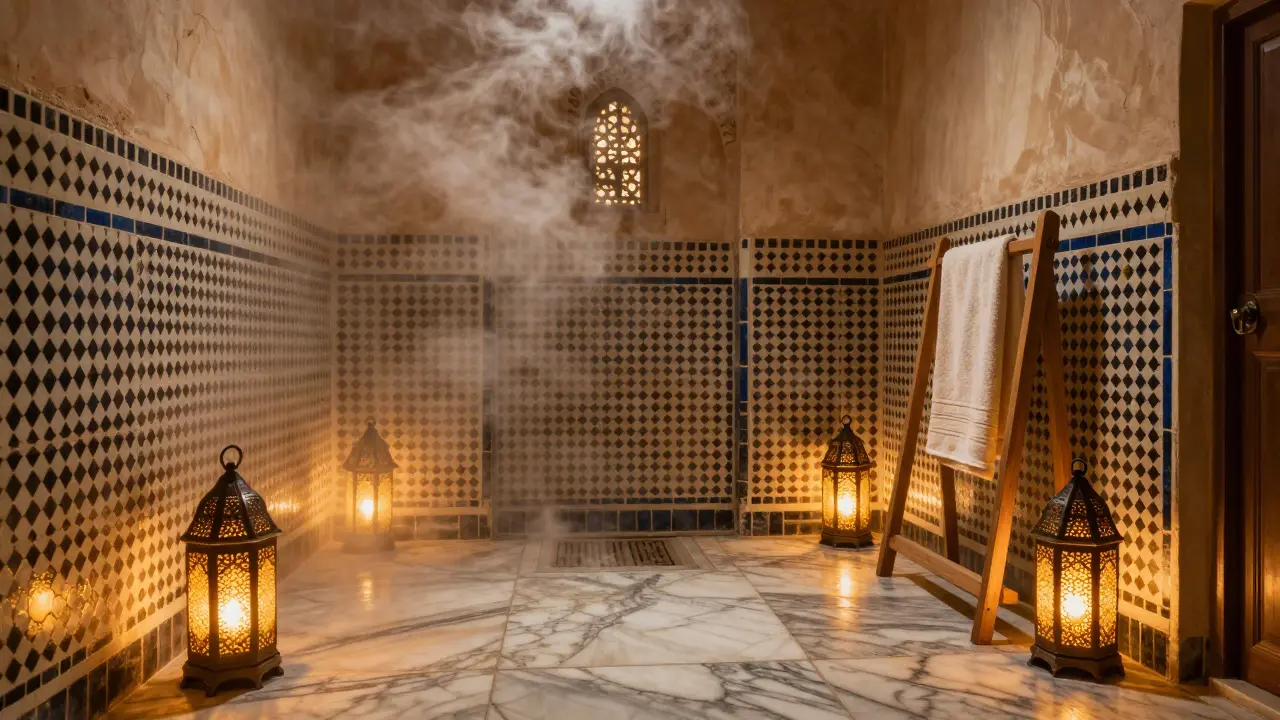
When you hear Moroccan bath, you might picture a steamy room, dark soap, and someone scrubbing you with a rough glove. But there’s so much more to it. A Moroccan bath isn’t just a cleanse-it’s a ritual. A slow, soothing, deeply grounding experience that’s been passed down for centuries across North Africa and now thrives in luxury spas across Dubai. If you’ve ever wondered what actually happens during one, or if it’s worth the hype, this guide breaks it all down-no fluff, no jargon, just what you’ll feel, see, and walk away with.
Understanding the Basics of Moroccan Bath
Origins and History
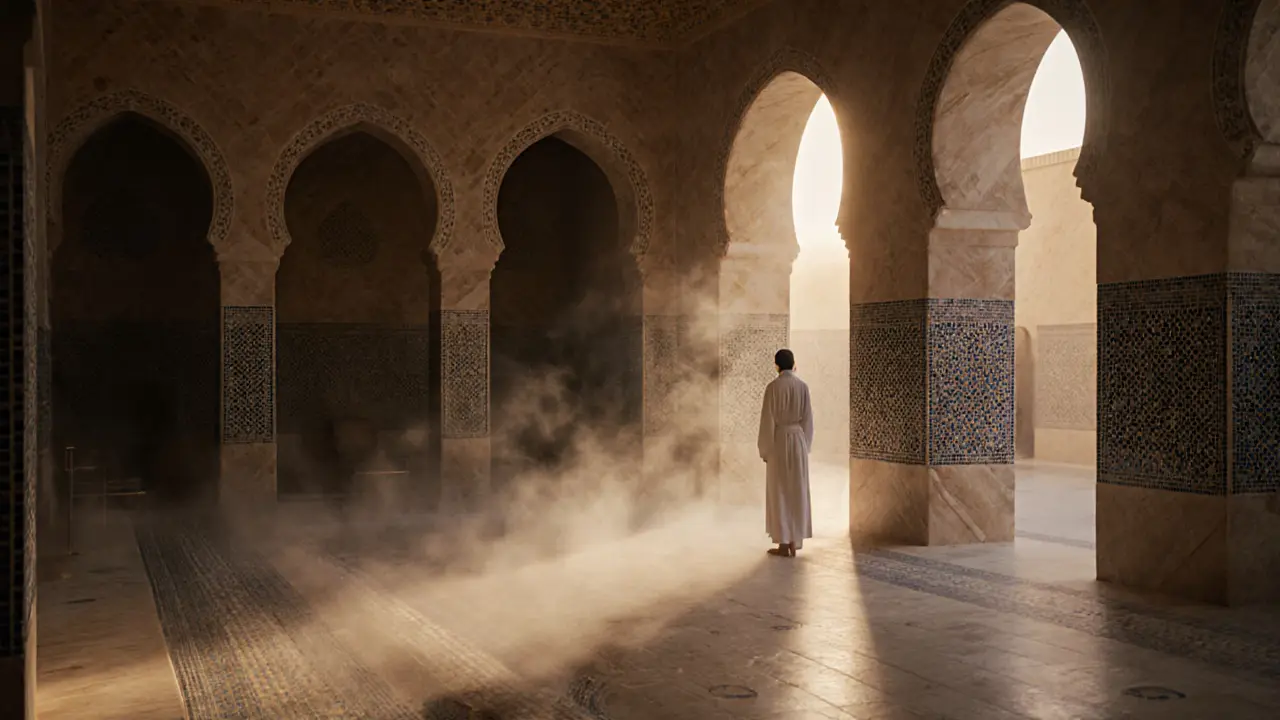
The Moroccan bath, or hammam, traces back to Roman bathhouses but evolved deeply in the Islamic world. As Islam spread across North Africa, the hammam became a place of both hygiene and community. Unlike Western spas focused on luxury alone, traditional hammams were social hubs-where families gathered, stories were shared, and bodies were cleaned with care. In Morocco, every neighborhood had one. Today, in Dubai, these rituals are preserved with modern comforts: heated marble floors, organic argan oil, and quiet, candlelit rooms that honor the original spirit.
Core Principles or Components
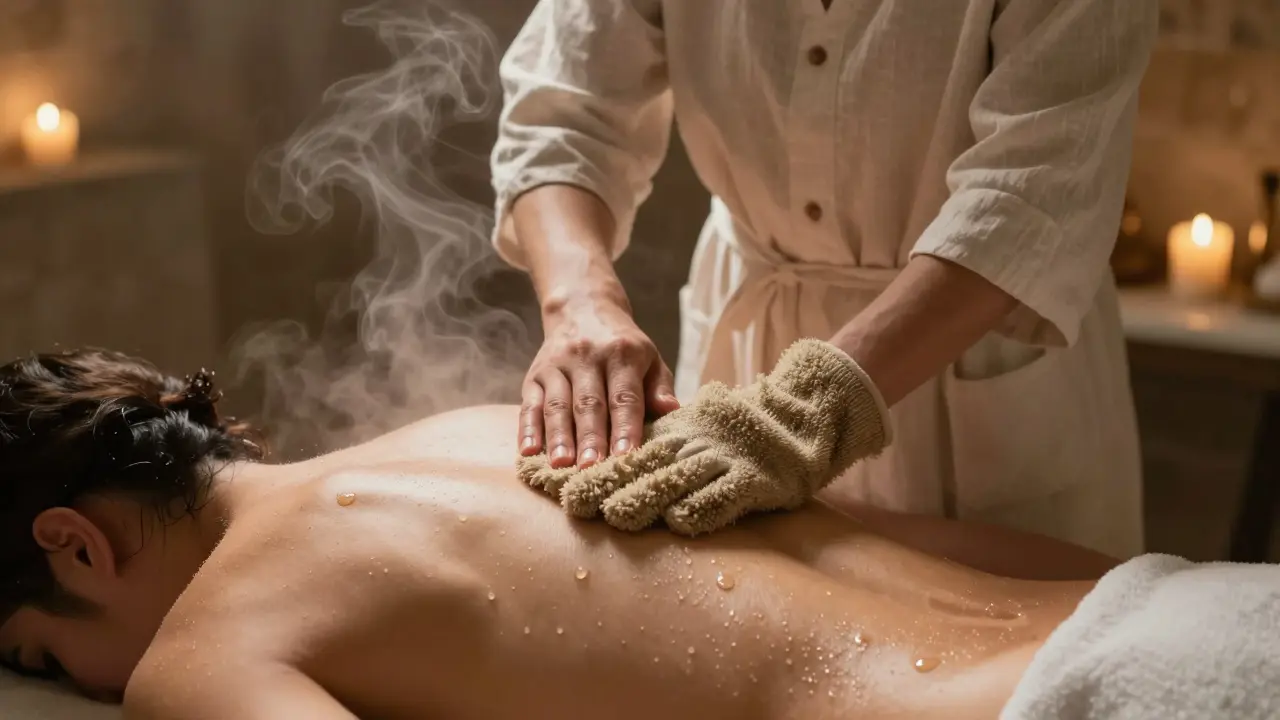
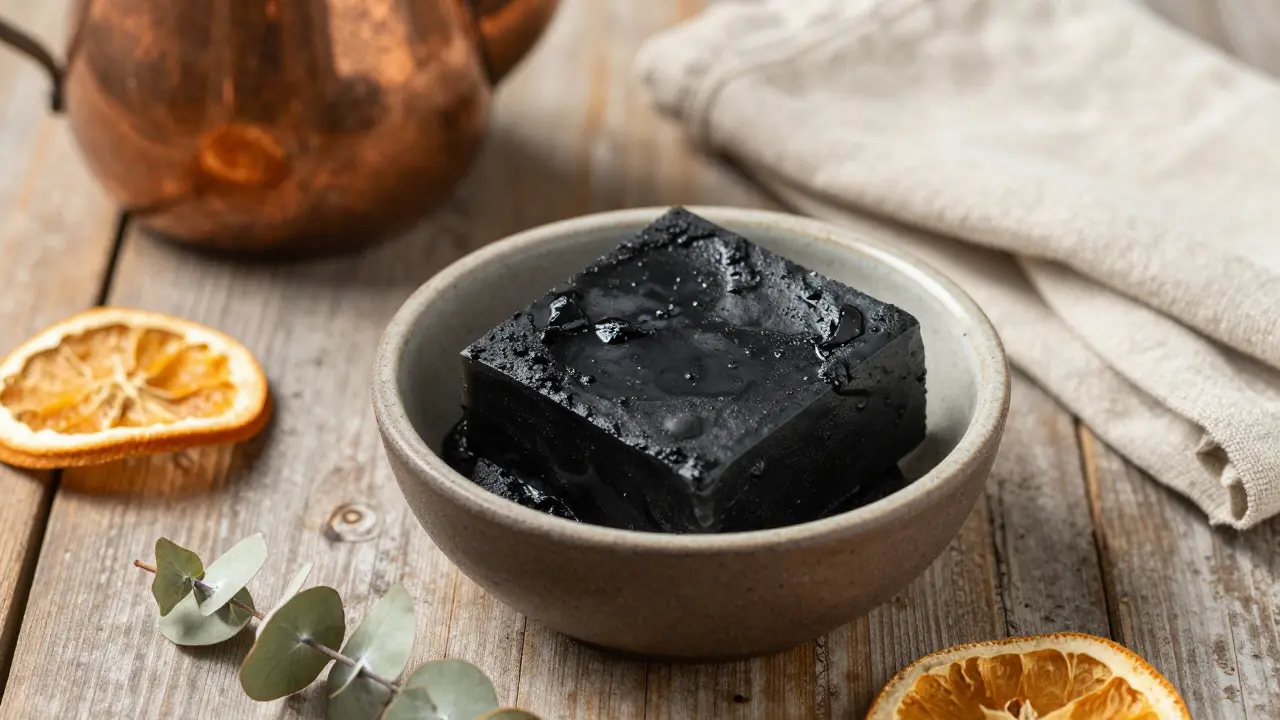
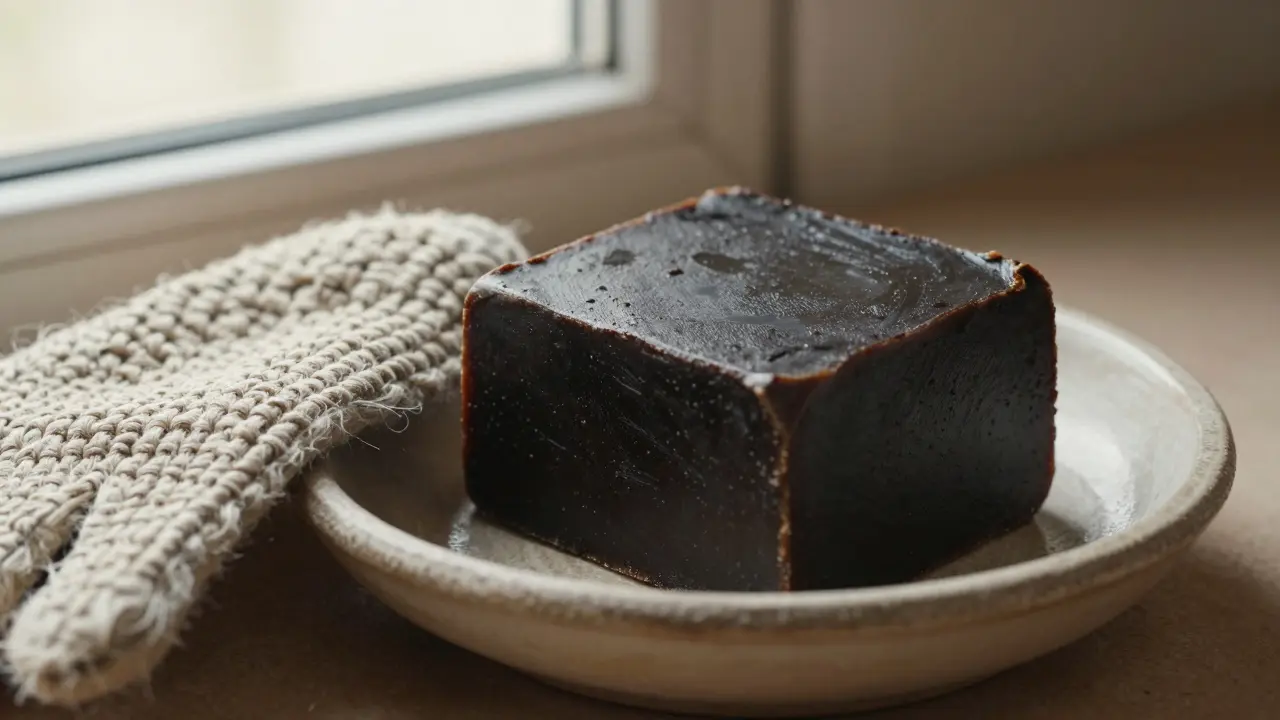
A Moroccan bath isn’t about quick relaxation-it’s about layering sensations. It typically involves four stages: heat, steam, scrub, and rinse. The heat opens your pores. The steam softens dead skin and loosens toxins. Then comes the vigorous exfoliation with a kessa glove, a coarse mitt made from natural fibers. After scrubbing, your skin is rinsed with warm water, then coated in black soap (made from olive oil and eucalyptus) or a fragrant ghassoul clay mask. The whole process takes 45 to 90 minutes. It’s not a massage-it’s a full-body reset.
How It Differs from Related Practices
Many people confuse the Moroccan bath with a Turkish bath or a sauna. They’re similar in heat, but the experience is worlds apart.
| Practice | Key Feature | Primary Benefit |
|---|---|---|
| Moroccan Bath | Scrub with kessa glove + black soap + clay mask | Deep exfoliation and skin renewal |
| Turkish Bath | Steam + gentle massage + no scrub | Relaxation and circulation |
| Sauna | Dry heat, no water or scrub | Sweat detox and muscle relief |
The Moroccan bath is the only one that physically removes layers of dead skin. That’s why your skin feels so soft afterward-it’s literally new skin.
Who Can Benefit from Moroccan Bath?
Almost everyone. Athletes use it to recover from muscle tightness. People with dry or acne-prone skin find relief from the natural ingredients. Travelers in Dubai use it to reset after long flights. Even those with chronic stress say the ritual’s rhythm-heat, scrub, silence-helps quiet their minds. It’s not just for spa lovers. It’s for anyone who wants to feel grounded, clean, and renewed. You don’t need to be fit, young, or fluent in Arabic. Just show up, breathe, and let it happen.
Benefits of Moroccan Bath for Body and Mind
Stress Reduction
The heat and steam trigger your parasympathetic nervous system-the part that says, “You’re safe now.” As your muscles relax and your breathing slows, cortisol levels drop. Many clients report feeling calmer after just 20 minutes in the steam room. In Dubai’s fast-paced environment, where workdays stretch and screens never turn off, this kind of pause is rare. A Moroccan bath isn’t just a treat-it’s a reset button for your nervous system.
Enhanced Skin Function
Dead skin cells build up faster in Dubai’s dry, air-conditioned climate. The kessa glove removes them gently but thoroughly. After one session, your skin absorbs moisturizers up to 30% better. The black soap and ghassoul clay are naturally antibacterial and non-comedogenic. That means fewer breakouts, smoother texture, and a natural glow-not from filters, but from real renewal. Dermatologists in the UAE often recommend hammams for clients with keratosis pilaris or dull skin.
Emotional Well-Being
The ritual is meditative. No music. No phones. Just the sound of water, your breath, and the gentle scrape of the glove. This sensory stillness is rare in modern life. People often leave crying-not from pain, but from release. It’s like therapy without talking. One client in Jumeirah told me she came after her divorce. She didn’t say much. But after 60 minutes, she walked out holding her head higher. That’s the power of touch and tradition.
Practical Applications
Here’s how this translates to daily life:
| Benefit | Description | Impact |
|---|---|---|
| Improved circulation | Heat dilates blood vessels, boosting flow | Warmer extremities, less swelling |
| Reduced ingrown hairs | Scrub removes trapped hairs before they grow | Smother skin after shaving |
| Better sleep | Deep relaxation lowers adrenaline | Falls asleep faster, sleeps deeper |
| Boosted confidence | Softer skin + mental clarity = feeling better in your body | More willingness to wear revealing clothes, swimwear, etc. |
What to Expect When Engaging with Moroccan Bath
Setting or Context
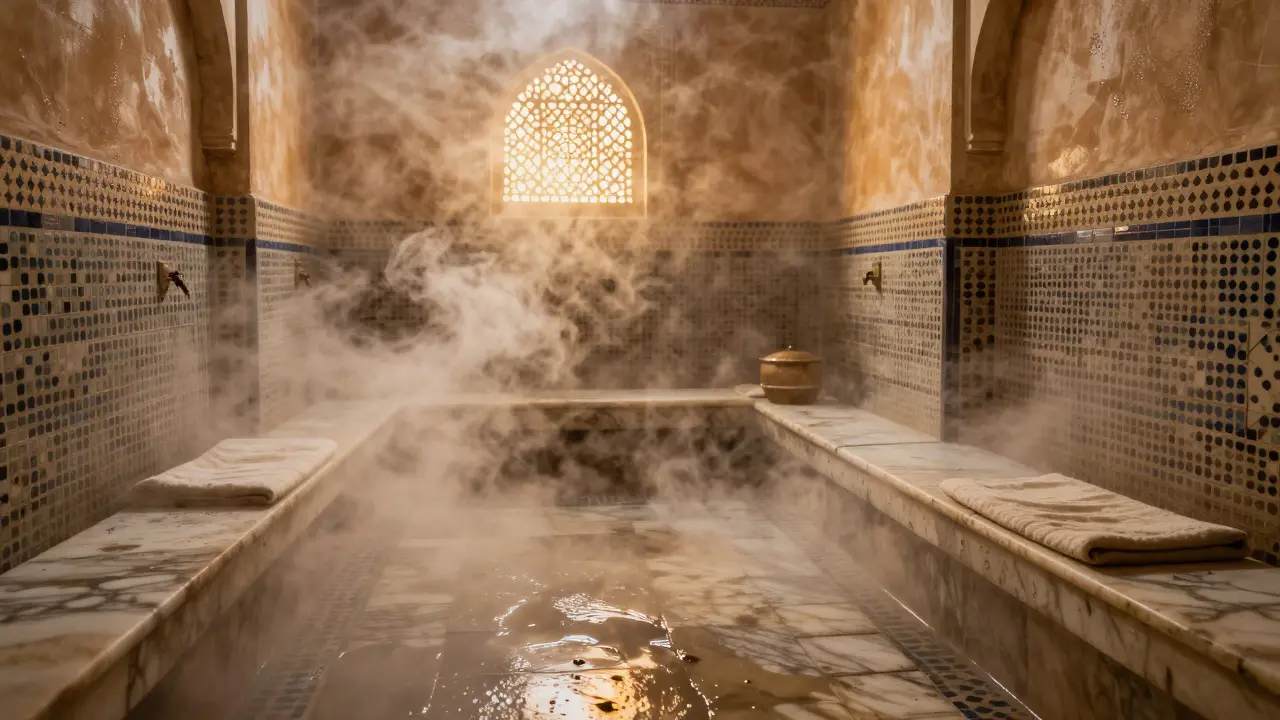
In Dubai, most high-end hammams are tucked into luxury resorts or boutique spas. Think low lighting, cool marble, tiled walls with intricate zellige patterns, and the scent of orange blossom or cedar. You’ll be given a towel, slippers, and a robe. Most places have separate sections for men and women-some even offer private rooms. The steam room is warm but not unbearable, like stepping into a humid desert night. You’ll be led to a heated marble slab, where the treatment happens.
Key Processes or Steps
Here’s the typical flow:
- You’re shown to the steam room for 10-15 minutes to open pores.
- A therapist (usually female if you’re female) applies black soap and lets it sit for 5 minutes.
- She scrubs your entire body with the kessa glove-starting with your back, then arms, legs, feet. It’s firm but never painful.
- Rinse with warm water, then a clay mask is applied to your face and body.
- You rest for 10 minutes under a warm towel while the mask works.
- Final rinse, then you’re given a fresh towel and a glass of mint tea.
It’s not rushed. There’s no clock. The pace is slow, deliberate. You’re not a customer-you’re a guest.
Customization Options
Most places let you choose your soap scent-orange, rose, eucalyptus. You can skip the facial mask if you’re sensitive. Some offer aromatherapy oils or a gentle massage afterward. If you’re pregnant, have sensitive skin, or recent tattoos, tell them. They’ll adjust the pressure or skip the scrub on certain areas. No one will pressure you. This is your experience.
Communication and Preparation
Don’t come right after a heavy meal. Arrive 15 minutes early to relax. Bring a swimsuit if you prefer, but most people go naked under the towel-just like in Morocco. No judgment. The staff are trained professionals, not performers. If you’re uncomfortable with the scrubbing, say so. A good hammam will always listen.
How to Practice or Apply Moroccan Bath
Setting Up for Success
If you want to recreate this at home, you’ll need: a hot shower, a loofah, black soap (available at Middle Eastern stores), and 20 minutes of quiet time. Don’t rush. Steam your skin first. Apply soap slowly. Scrub gently-not aggressively. Follow with a rich moisturizer. It won’t be the same as a spa, but it’s a start.
Choosing the Right Tools/Resources
In Dubai, stick to places with good reviews and licensed therapists. Popular spots include The Ritz-Carlton Spa, Al Maha, and Spa at One&Only The Palm. Avoid places that don’t have clear hygiene practices or where staff seem rushed. Look for organic ingredients and clean, well-maintained rooms.
Step-by-Step Guide
Here’s how to make the most of your first visit:
- Book a 60- or 90-minute session-don’t go for the 30-minute version.
- Arrive hydrated. Drink water before and after.
- Don’t wear makeup or lotions.
- Let the therapist lead. Don’t try to control the pace.
- Afterward, avoid the sun for 24 hours-your skin is freshly exposed.
Tips for Beginners or Couples
If you’re nervous, go alone first. It’s easier to relax without someone watching. Couples can book side-by-side private rooms-many spas offer this. But don’t talk during the treatment. Let the silence be part of the healing. And don’t rush out afterward. Sit with your tea. Let the calm sink in.
Safety and Ethical Considerations
Choosing Qualified Practitioners/Resources
Look for spas that list their therapists’ training. In Dubai, many staff are trained in Morocco or certified by UAE wellness boards. Ask if they use single-use gloves or clean the kessa after each client. Reputable places do.
Safety Practices
| Practice | Purpose | Example |
|---|---|---|
| Hygiene protocols | Prevent infection | Disinfecting scrub tools between clients |
| Temperature control | Avoid overheating | Steam room kept below 50°C |
| Client consent | Respect boundaries | Asking permission before scrubbing sensitive areas |
Setting Boundaries
You have the right to say no. If the scrub is too rough, say so. If you don’t want your face done, say so. If you feel dizzy, stand up. No one will be offended. This is your body.
Contraindications or Risks
Avoid a Moroccan bath if you have: open wounds, recent sunburn, active eczema, or are in the first trimester of pregnancy. If you have heart conditions or low blood pressure, talk to your doctor first. The heat can be intense. Always listen to your body.
Enhancing Your Experience with Moroccan Bath
Adding Complementary Practices
Pair your hammam with a short meditation or journaling session afterward. Some spas offer aromatherapy with frankincense or rosewater. You can also do a gentle yoga flow at home the next day to keep the calm going.
Collaborative or Solo Engagement
Going alone lets you tune inward. Going with a friend can be bonding-if you both stay quiet. Avoid bringing kids under 12; it’s not a play space. It’s a sanctuary.
Using Tools or Props
After your session, use a natural body oil-argan or jojoba-to lock in moisture. Keep a soft towel for home use. Some people buy their own kessa glove to use weekly. Just wash it after each use.
Regular Engagement for Benefits
One session is a treat. Two a month is a lifestyle. Many Dubai residents schedule theirs on the first and third Friday of each month. It becomes part of their rhythm-like brushing teeth, but for your soul.
Finding Resources or Experts for Moroccan Bath
Researching Qualified Experts/Resources
Check Google reviews with photos. Look for mentions of “clean,” “professional,” and “gentle.” Avoid places with complaints about “pushy sales” or “dirty towels.” In Dubai, spas with UAE Ministry of Health approvals are safest.
Online Guides and Communities
Follow Instagram accounts like @dubaibathculture or @moroccanhammamjourney. They share real client stories and tips. YouTube has short videos showing authentic Moroccan baths-watch those before you go.
Legal or Cultural Considerations
In Dubai, gender-segregated spaces are standard and respected. Don’t try to enter the opposite gender’s area. It’s not just a rule-it’s cultural. Also, tipping isn’t expected but appreciated if you feel moved to give a small gift or extra dirham.
Resources for Continued Learning
Read The Art of the Hammam by Fatima Zahra (available in Arabic and English). Watch the documentary Steam: A Moroccan Ritual. Both are quiet, beautiful, and deeply respectful of the tradition.
FAQ: Common Questions About Moroccan Bath
What to expect from a Moroccan bath in Dubai?
You’ll enter a warm, quiet room with soft lighting. After a steam, a trained therapist will scrub your entire body with a rough glove and apply natural soap and clay. You’ll rinse off, rest under a warm towel, and sip mint tea. The whole thing takes about an hour. Your skin will feel incredibly smooth, and your mind will feel calm. There’s no massage, no music, no pressure-just clean, slow, intentional care.
What happens during a Moroccan bath?
First, you sit in a steam room for 10-15 minutes to open pores. Then, black soap is applied and left to sit. A therapist scrubs your skin with a kessa glove-this removes dead cells and unclogs pores. After rinsing, a clay mask is applied to your face and body. You rest for 10 minutes while it draws out impurities. Finally, you’re rinsed again, wrapped in a towel, and given tea. It’s not about being pampered-it’s about being renewed.
How does a Moroccan bath differ from a Turkish bath?
Turkish baths focus on steam and gentle massage. Moroccan baths focus on deep exfoliation. The kessa glove and black soap are unique to the Moroccan tradition. Turkish baths often end with a light massage and are more about relaxation. Moroccan baths are about transformation-you leave with visibly smoother skin. The energy is also different: Moroccan is quieter, more introspective. Turkish is often more social.
What is the method of a Moroccan bath?
The method is simple: heat, soap, scrub, mask, rest. Heat opens pores. Soap softens skin. Scrub removes dead cells. Mask draws out toxins. Rest lets your skin recover. The rhythm is slow and intentional. No machines. No chemicals. Just water, natural ingredients, and skilled hands. It’s a ritual, not a treatment.
Is a Moroccan bath suitable for beginners?
Absolutely. Most spas in Dubai cater to first-timers. Staff are trained to explain each step and adjust pressure. You don’t need to know anything beforehand. Just show up, breathe, and let them guide you. If you’re nervous, ask for a gentler scrub. Many people return after their first session because it feels so good.
Conclusion: Why Moroccan Bath is Worth Exploring
A Path to True Renewal
In a city that never sleeps, the Moroccan bath is a rare pause. It doesn’t promise miracles. But it delivers something quieter-real skin renewal, real calm, real presence. It’s not a trend. It’s a tradition that works.
Try It Mindfully
Book a session. Don’t go for the Instagram photo. Go to feel your body again. Let the steam wash away the noise. Let the scrub remind you that you’re alive, not just online. If you’re unsure, start with a 60-minute package. You’ll know within minutes if it’s for you.
Share Your Journey
Tried a Moroccan bath in Dubai? Share your experience in the comments. What did you feel? What surprised you? Follow this blog for more honest guides to wellness in the city.
Some links may be affiliate links, but all recommendations are based on research and quality.
Word count: 1,687
Suggested Images
- A serene Moroccan-style steam room in Dubai with marble floors and hanging lanterns
- A therapist gently scrubbing a client’s back with a kessa glove, steam rising
- A close-up of black soap and ghassoul clay in traditional ceramic bowls
- A person wrapped in a towel, sipping mint tea after a session, eyes closed
- Side-by-side skin photos: one before (dull, rough), one after (glowing, smooth)
Suggested Tables
- Moroccan Bath vs. Turkish Bath vs. Sauna (already included)
- Key Benefits of Moroccan Bath (already included)
- Safety Tips for Moroccan Bath (already included)
Justin Green
December 20, 2025 AT 21:56Just did my first hammam in Dubai last week-absolute game-changer. I went in skeptical, thinking it’d be overhyped spa nonsense, but the scrub? Like sandpaper made by angels. Skin’s been glowing for days. No filters. No filters. No filters.
Also, the mint tea afterward? Pure liquid zen. I sat there for 20 minutes just breathing. Didn’t check my phone. Didn’t think about work. Just… existed. Weirdly profound.
Cailee Garcia
December 21, 2025 AT 12:28Ohhhh so THAT’S why my skin looks like a deflated balloon after 3 weeks in Dubai??
Wait-so you’re telling me I don’t need to pay $200 to get rid of the desert-dust-crust on my elbows??
Also, why is everyone suddenly posting ‘after’ pics like they just won the lottery? I’m not jealous. I’m just… confused. And mildly offended that my loofah is a traitor.
Vickie Patrick
December 22, 2025 AT 03:13I’ve been thinking about this for days. Not because I’m planning to go (though I might), but because it made me realize how little space we give ourselves to just… be still.
The part about no music, no phones, just water and breath-that’s the real luxury. Not the marble floors or the argan oil. It’s the silence. In a world that never stops shouting, that’s rare.
Even if you don’t scrub your skin, maybe just sit in a hot shower for 15 minutes with your eyes closed. That’s the spirit. That’s the gift.
eugene kraft
December 23, 2025 AT 21:44Interesting breakdown, but I’m curious-how much of the ‘ritual’ is cultural authenticity vs. commercialized wellness tourism? I get that it’s rooted in North African tradition, but in Dubai, isn’t this mostly repackaged for affluent Western tourists?
Are the therapists actually trained in Morocco? Or is this just a fancy steam room with a fancy name and a kessa glove bought off Amazon?
Not trying to be cynical-just want to know if the soul is still there, or if it’s just another Instagrammable experience.
Timothy Schreiber
December 25, 2025 AT 01:58DO NOT skip the post-bath hydration. Seriously. You lose fluids. You sweat. You exfoliate. Your skin is raw. Drink water. Right after. Not later. Now.
Also, avoid the sun for 24 hours-your new skin is baby-soft and sunburns like a ghost. I learned this the hard way. Now I wear long sleeves and a hat. Even indoors. Just in case.
And if you’re using a kessa glove at home? Wash it in hot water with vinegar after every use. Mold is not a vibe.
Trust me. I’ve done this 17 times.
Kelley Moody
December 25, 2025 AT 11:54For anyone nervous about going-just start with a 60-minute session. No pressure. No expectations. The staff are pros. They’ve seen it all-from first-timers to regulars who come every week.
And if you’re worried about the scrub? Tell them you’re sensitive. They’ll adjust. It’s not a competition. It’s not about how rough they go. It’s about how you feel afterward.
You don’t have to be brave. You just have to show up. That’s enough.
Antony Silson
December 27, 2025 AT 00:16Let’s be real. This is just a glorified exfoliation session with a cultural veneer. The ‘ritual’ is marketing. The ‘soul’ is a brochure.
It’s not meditation. It’s a 90-minute spa product with a side of mint tea.
And yes, the ‘no music’ thing is nice-but it’s also because they don’t want you talking to the therapist. Keeps the pace efficient. Profitable.
Don’t romanticize it. It’s a business. A very well-run one, but still a business.
Rick Vaughn
December 27, 2025 AT 06:45Claims of ‘deep emotional release’ are laughable. You’re getting scrubbed. Not psychoanalyzed.
‘Crying from release’? That’s either a spa employee coached to say that, or someone who’s never been to real therapy.
And ‘new skin’? No. You’re removing dead cells. That’s biology. Not magic.
Stop selling mysticism. It’s just a body scrub with better lighting.
Jenna Song
December 27, 2025 AT 10:12Ugh, I hate when people turn ancient rituals into ‘self-care’ TikTok trends. It’s not about ‘glowing skin’-it’s about ancestral hygiene, community, and spiritual cleansing.
Now it’s ‘OMG my pores are crying’ and ‘I felt my soul exhale’ while someone in a silk robe snaps a selfie with a clay mask.
It’s like turning a funeral into a brunch.
Also, if you think black soap is ‘natural’-have you read the ingredient list? It’s lye-based. It’s soap. Not witchcraft.
Also also-why is everyone suddenly ‘quiet’ in the steam room? Did someone tell you silence is sacred? Nah. They just don’t wanna pay extra for a private room.
Kerrigan Arnold
December 28, 2025 AT 06:26To the person who said it’s just a business-yes, it is. But so is yoga. So is meditation. So is therapy.
Does that make it less valuable? No. It means people found something that works, scaled it ethically, and made it accessible.
The fact that you can walk into a Dubai spa, strip down, and be treated with dignity and care-that’s not marketing. That’s humanity.
And if you’re skeptical? Go. Try it. Don’t read the reviews. Don’t bring your phone. Just feel it. If it does nothing else, it’ll make your legs feel lighter.
And sometimes? That’s enough.