
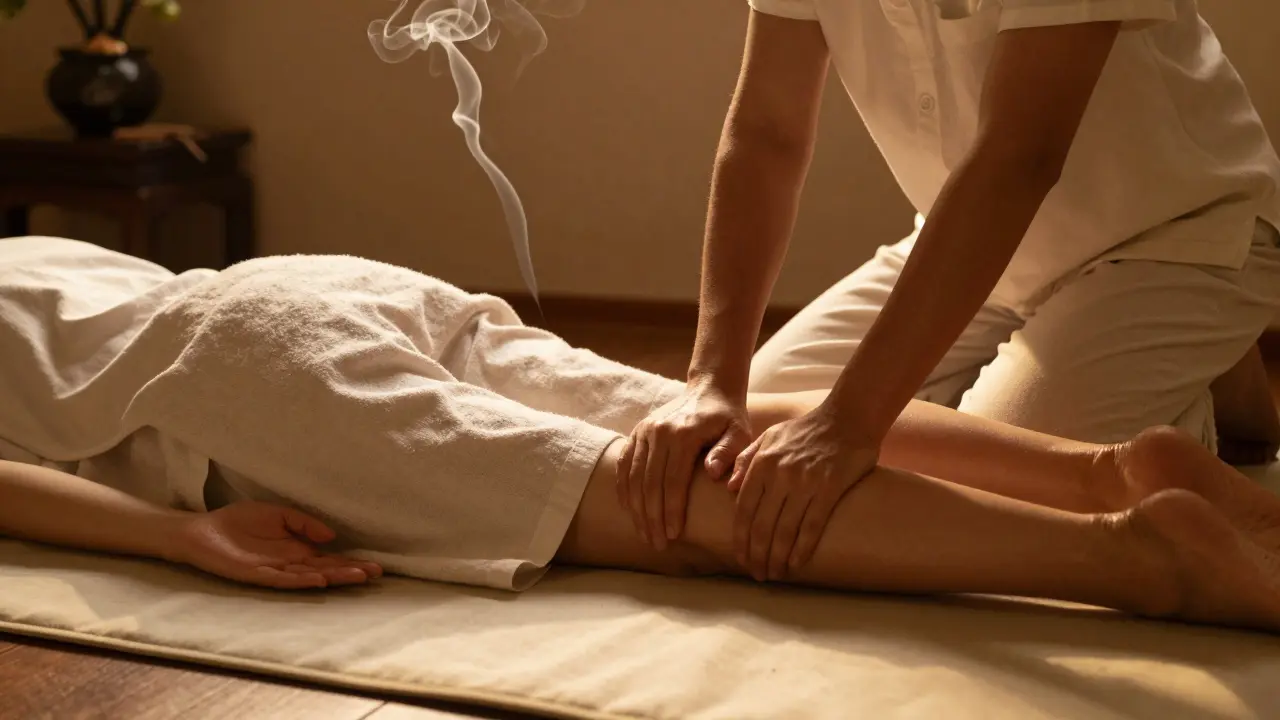
What Is the Secret of Thai Massage? Uncovering the Ancient Art Behind the Magic
There’s something about Thai massage that leaves people speechless. Not just relaxed-transformed. You walk in tired, stiff, maybe even stressed from Dubai’s nonstop pace, and you walk out feeling like your body remembered how to breathe. But what’s the real secret? It’s not just strong hands or weird stretching. It’s a 2,500-year-old healing system that blends yoga, acupressure, and energy work into one flowing, rhythmic experience. And if you’ve tried it in Dubai, you’ve felt it-even if you couldn’t explain why.
Understanding the Basics of Thai Massage
Origins and History
Thai massage didn’t start in a luxury spa in Downtown Dubai. It began in ancient Siam, now Thailand, over 2,500 years ago. Legend says it was developed by Shivago Komarpaj, a physician and contemporary of the Buddha. He used touch to heal monks who spent long hours meditating, their bodies stiff from stillness. Over centuries, Thai massage became a spiritual practice as much as a physical one, passed down through temple schools. Monks treated the sick, not just for pain relief, but to restore balance between body, mind, and energy lines-called sen lines. Today, you’ll find this tradition alive in quiet corners of Bangkok and in high-end Dubai spas, where therapists still learn from master teachers using the same hand movements, pressure points, and rhythms.
Core Principles or Components
Unlike Swedish massage, which focuses on muscles, Thai massage works on the body’s energy system. It’s performed on a mat on the floor, fully clothed, with no oils. The therapist uses their hands, thumbs, elbows, knees, and even feet to apply rhythmic pressure along 10 major energy lines. Think of these lines like invisible rivers of life energy flowing through your body. When they’re blocked, you feel tight, tired, or achy. The therapist doesn’t just push-they pull, stretch, rock, and compress, guiding your body through yoga-like poses you couldn’t do alone. Each movement is intentional, slow, and deeply connected to breath. It’s not about forcing flexibility-it’s about inviting the body to release.
How It Differs from Related Practices
People often confuse Thai massage with deep tissue, Shiatsu, or even chiropractic adjustments. But here’s the difference:
| Practice | Key Feature | Primary Benefit |
|---|---|---|
| Thai Massage | Full-body stretching + energy line work | Improves mobility and energy flow |
| Swedish Massage | Oil-based, muscle-focused strokes | Relaxes surface muscles |
| Shiatsu | Finger pressure on acupuncture points | Calms nervous system |
| Deep Tissue | Intense pressure on chronic tension | Breaks down adhesions |
Thai massage doesn’t just relax-it reprograms how your body moves. You’re not just being worked on-you’re being guided into movement.
Who Can Benefit from Thai Massage?
Almost everyone. Office workers in Dubai who sit all day? Thai massage opens the hips and shoulders that have locked up. Athletes? It improves range of motion without the pain of aggressive stretching. People with chronic back pain? The gentle traction and alignment help more than repeated injections. Even those who think they’re "too stiff" or "not flexible" are ideal candidates. This isn’t about doing yoga poses-it’s about having someone gently help your body remember how to unfold. If you’ve ever felt like your body has forgotten how to move freely, Thai massage is your reset button.
Benefits of Thai Massage for Body and Mind
Stress Reduction
Studies show that consistent bodywork lowers cortisol-the body’s main stress hormone. Thai massage does this in a unique way: it activates the parasympathetic nervous system, the part of your brain that says, "It’s safe to relax." The rhythmic pressure, slow stretches, and grounding presence of the therapist signal safety to your nervous system. In Dubai, where life moves at 100 mph, this isn’t a luxury-it’s a necessity. People who get Thai massage regularly report falling asleep easier, thinking more clearly, and reacting less sharply to daily stressors.
Enhanced Functionality
Think of your body like a car with stiff joints and worn-out suspension. Thai massage doesn’t just oil the parts-it realigns them. By working along the sen lines and gently guiding limbs through full-range motion, it improves joint mobility, posture, and coordination. Many clients say they can finally reach the top shelf, bend down to tie their shoes, or turn their neck without a crack. For expats in Dubai who spend hours commuting or standing in malls, this functional improvement is life-changing.
Emotional Well-Being
There’s a reason people cry during Thai massage. It’s not because it hurts-it’s because the body holds emotions. Tight shoulders? Often tied to carrying emotional weight. A clenched jaw? Linked to suppressed stress. Thai massage releases not just physical tension but emotional residue too. Clients often describe feeling lighter, more grounded, or unexpectedly tearful after a session. This isn’t magic-it’s neuroscience. When physical tension eases, the mind follows.
Practical Applications
Here’s what real people notice after just a few sessions:
| Benefit | Description | Impact |
|---|---|---|
| Improved Sleep | Deeper, more restful cycles after regular sessions | More energy, better focus |
| Reduced Headaches | Release of neck and shoulder tension | Fewer migraine triggers |
| Less Lower Back Pain | Realignment of pelvis and spine | Improved posture while sitting |
| Increased Flexibility | Gradual opening of hips, hamstrings, spine | Easier movement in daily life |
What to Expect When Engaging with Thai Massage
Setting or Context
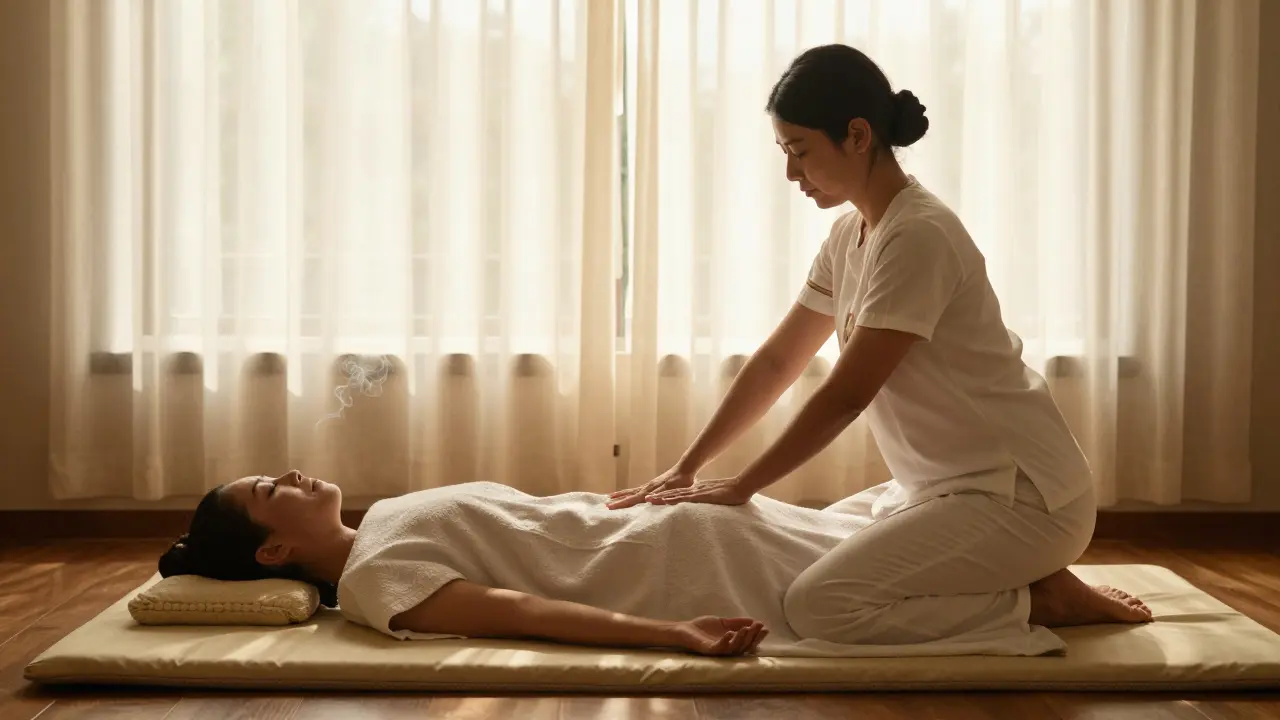
In Dubai, you’ll find Thai massage in quiet, candlelit rooms at luxury spas like those in Burj Al Arab or more modest studios in Al Barsha. The space is simple: a padded mat on the floor, soft music, dim lighting, and the scent of lemongrass or sandalwood. No tables, no oils, no undressing. You wear loose, comfortable clothing-think yoga pants and a t-shirt. The therapist will greet you calmly, ask about any injuries or discomfort, and leave you to relax before beginning. It’s not a rushed experience. This is slow medicine.
Key Processes or Steps
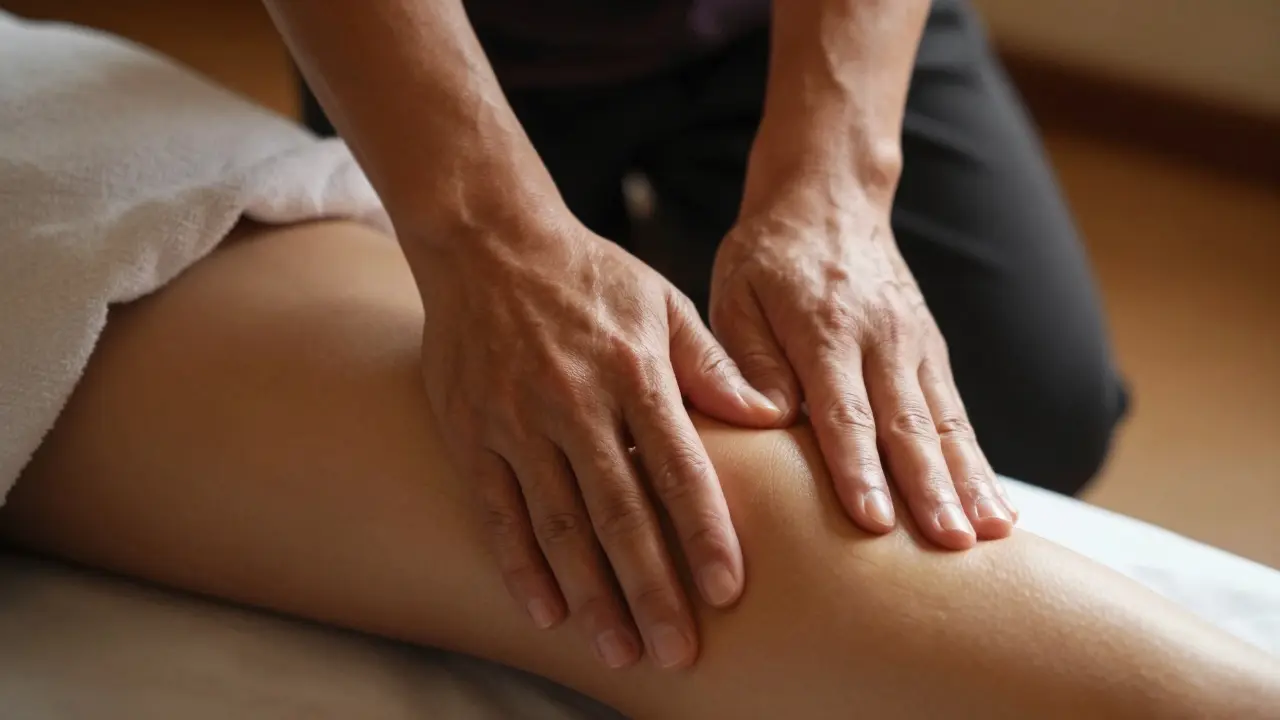
A typical session lasts 60 to 90 minutes. It starts with gentle pressure on the feet and legs, then moves up the body. The therapist uses their palms, thumbs, and elbows to press along energy lines. You’ll feel stretches-some surprising, like being gently pulled into a seated forward fold or having your leg lifted into a hip opener. The rhythm is steady, like waves. There’s no sudden jerking. The therapist moves with your breath, never against it. You might be asked to breathe deeply during stretches. Some moves feel intense, but never painful. It’s a "good hurt"-the kind that says, "Ah, this was stuck."
Customization Options
Thai massage isn’t one-size-fits-all. A therapist will adjust pressure based on your comfort. If you’re recovering from an injury, they’ll avoid certain areas. If you’re an athlete, they’ll focus on hips and hamstrings. If you’re pregnant, they’ll use modified positions. In Dubai, many therapists are trained in both traditional Thai and modern adaptations, so you can request a lighter, more relaxing version or a deeper, more therapeutic one. Always speak up-this is your body’s session.
Communication and Preparation
Before your session, drink water. Avoid heavy meals. Let your therapist know about any recent injuries, surgeries, or conditions. During the session, communicate. If something hurts too much, say so. Thai massage isn’t about enduring pain-it’s about releasing it. Afterward, rest for an hour if you can. Your body is processing. You might feel euphoric, tired, or even a little emotional. All normal.
How to Practice or Apply Thai Massage
Setting Up for Success
If you’re thinking of trying it at home, start small. You can’t replicate a professional session, but you can learn basic stretches. Use a yoga mat on the floor. Wear loose clothes. Keep a bottle of water nearby. Create a quiet space-no phones, no distractions. Even five minutes of gentle self-stretching after work helps.
Choosing the Right Tools/Resources
In Dubai, look for therapists certified by the Thai Traditional Medical Society or trained in Wat Pho, Bangkok’s legendary temple school. Check reviews on Google or Tripadvisor. Avoid places that promise "miracle cures" or charge extremely low prices-quality training takes years. Reputable spas will list their therapists’ credentials.
Step-by-Step Guide
1. Find a certified Thai massage therapist in Dubai (ask for Wat Pho training).
2. Book a 60- or 90-minute session.
3. Wear comfortable, stretchy clothing.
4. Arrive 10 minutes early to relax.
5. Tell the therapist about any pain or limitations.
6. Breathe deeply during stretches.
7. After the session, drink water and rest.
8. Schedule your next session in 2-4 weeks for best results.
Tips for Beginners or Couples
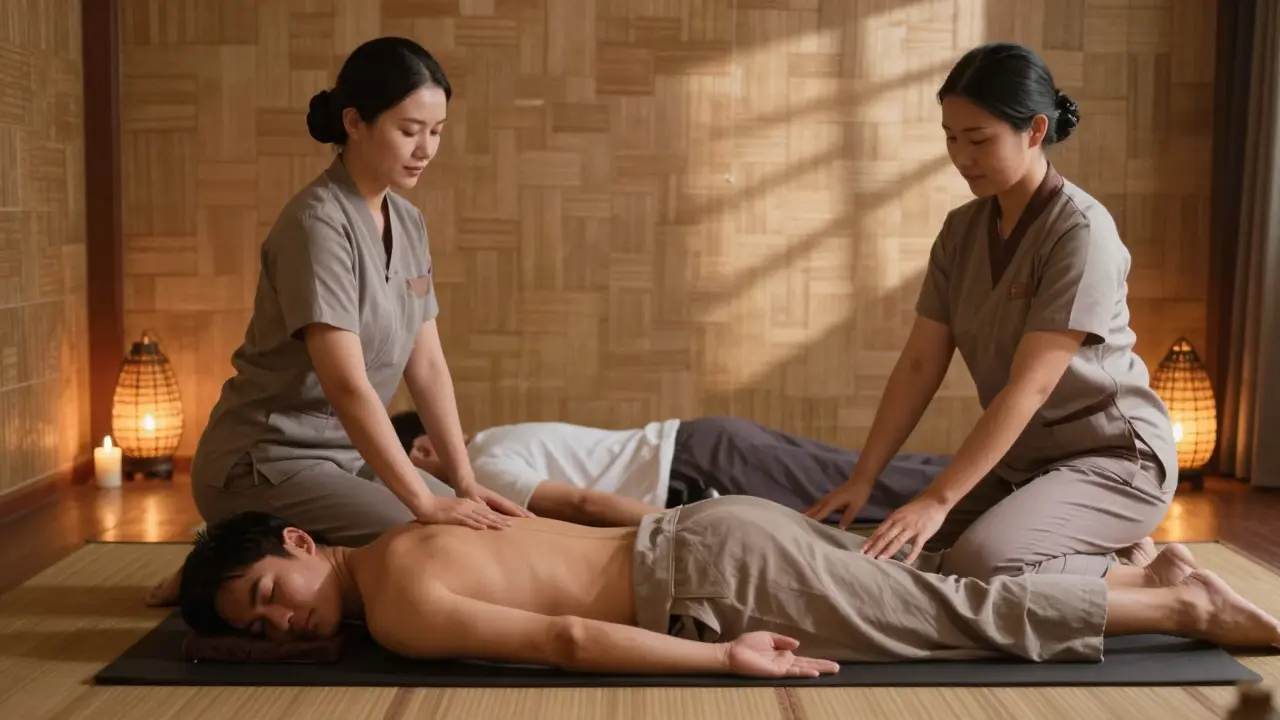
First-timers often worry they’ll be "too stiff" or "not good at yoga." Don’t. Thai massage is for everyone. Couples can book side-by-side sessions-it’s a beautiful way to relax together without talking. Just don’t expect to chat during the session. This is quiet healing.
Safety and Ethical Considerations
Choosing Qualified Practitioners/Resources
Not everyone calling themselves a "Thai massage therapist" has proper training. In Dubai, ask: "Where did you train?" Look for names like Wat Pho, Chiang Mai, or Thai Healing Alliance. Avoid places where the therapist doesn’t speak clearly or seems rushed. A good therapist will check in with you, adjust pressure, and never force a stretch.
Safety Practices
| Practice | Purpose | Example |
|---|---|---|
| Use clean mats | Prevent skin infections | Mat is covered with fresh sheet |
| Ask about allergies | Avoid reactions to scents | Therapist uses unscented oils |
| Get consent before stretches | Respect personal boundaries | "Is this okay?" before moving |
Setting Boundaries
Your comfort is non-negotiable. If you’re uncomfortable with a stretch, say so. If you don’t want your feet touched, say so. A professional therapist will adjust immediately. Thai massage is about trust, not compliance.
Contraindications or Risks
Thai massage isn’t safe for everyone. Avoid it if you have: recent fractures, severe osteoporosis, blood clots, open wounds, or are in the first trimester of pregnancy. If you have heart disease or high blood pressure, talk to your doctor first. Always disclose your full medical history.
Enhancing Your Experience with Thai Massage
Adding Complementary Practices
Pair Thai massage with mindful breathing, light yoga, or a warm herbal compress. Many Dubai spas offer post-massage herbal tea or a quiet room to rest. Meditation after a session deepens the calm. Don’t rush back into your day-let the stillness settle.
Collaborative or Solo Engagement
Thai massage is best experienced alone-it’s deeply personal. But couples can enjoy side-by-side sessions. It’s not about sharing the experience, but sharing the space. Solo sessions allow you to fully tune into your body’s signals.
Using Tools or Props
At home, use a foam roller for legs or a tennis ball for feet. But don’t try to mimic advanced Thai stretches. Let professionals handle the deeper work.
Regular Engagement for Benefits
One session feels great. Four sessions a month? That’s when your body starts to remember freedom. Think of it like brushing your teeth-consistent care prevents bigger problems.
Finding Resources or Experts for Thai Massage
Researching Qualified Experts
Look for therapists with training from Thailand’s top schools. In Dubai, top-rated spas like The Spa at Burj Al Arab, Al Habtoor Palace Spa, and Thai Massage Dubai by certified practitioners are reliable. Read reviews focusing on therapist skill, not just ambiance.
Online Guides and Communities
Check out YouTube channels like "Thai Massage Techniques" or forums on Reddit’s r/ThaiMassage. But avoid DIY videos that show aggressive stretches. Stick to reputable sources.
Legal or Cultural Considerations
In Dubai, wellness services are regulated. Licensed spas follow strict hygiene and training standards. Always choose a licensed provider. Thai massage is a cultural heritage-respect it by choosing authentic practitioners, not cheap imitations.
Resources for Continued Learning
Books like Thai Yoga Massage by K. M. S. B. K. K. (Thailand Traditional Medicine) or The Art of Thai Massage by K. T. Chiang offer deep insights. Workshops in Bangkok are ideal for serious learners.
FAQ: Common Questions About Thai Massage
What to expect from Thai massage?
You’ll lie fully clothed on a mat while a therapist uses hands, elbows, knees, and feet to apply pressure and guide your body through stretches. It’s not relaxing in the traditional sense-it’s active, rhythmic, and sometimes intense. You may feel deep release, tingling, or even emotional shifts. Most people feel lighter, more flexible, and deeply calm afterward. No oils, no undressing. Just movement, breath, and quiet presence.
What happens during Thai massage?
The session begins with gentle pressure on the feet and legs, then moves up the body. The therapist uses rhythmic compression along energy lines and guides you into yoga-like poses-hip openers, spinal twists, shoulder stretches. You’ll be asked to breathe deeply. There’s no sudden jerking. The pace is slow, intentional. You’re never forced into a stretch. The therapist works with your body’s natural movement, helping it release tension it’s been holding onto for years.
How does Thai massage differ from Swedish massage?
Swedish massage uses oils and long strokes on bare skin to relax surface muscles. Thai massage is done fully clothed on a mat, with no oils. It focuses on energy lines and joint mobility through stretching and pressure-not just muscle manipulation. Swedish is soothing; Thai is transformative. One feels like a warm bath; the other feels like your body is being gently reassembled.
What is the method of Thai massage?
The method combines acupressure, assisted yoga, and energy work. The therapist applies pressure along 10 sen lines (energy pathways) using thumbs, palms, elbows, knees, and feet. They guide your limbs through passive stretches, helping your body open naturally. Breathing is coordinated with movement. The goal isn’t to "fix" you-it’s to restore balance and flow. It’s a dance between therapist and client, guided by ancient wisdom.
Is Thai massage suitable for beginners?
Absolutely. In fact, beginners often benefit the most. Thai massage doesn’t require flexibility, strength, or prior experience. Therapists adjust pressure and movement to your comfort level. If you’re stiff, sore, or just tired, this is the perfect starting point. Tell your therapist you’re new-they’ll go slower and explain each move. Many first-timers leave saying, "I didn’t know my body could feel this good."
Conclusion: Why Thai Massage is Worth Exploring
A Path to Freedom of Movement
Thai massage isn’t just another spa treatment. It’s a return to how your body was meant to move-fluid, strong, and free. In Dubai’s high-pressure world, it’s one of the few practices that doesn’t add to your to-do list-it removes the weight you didn’t even know you were carrying.
Try It Mindfully
Don’t go in expecting a quick fix. Go in with curiosity. Let the therapist guide you. Breathe. Trust the process. And if it feels right, make it part of your rhythm.
Share Your Journey
Tried Thai massage in Dubai? Share your story in the comments. What surprised you? What did your body release? Follow this blog for more real, no-fluff wellness guides from the heart of the city.
Some links may be affiliate links, but all recommendations are based on research and quality.
Word count: 1,728
Suggested Images
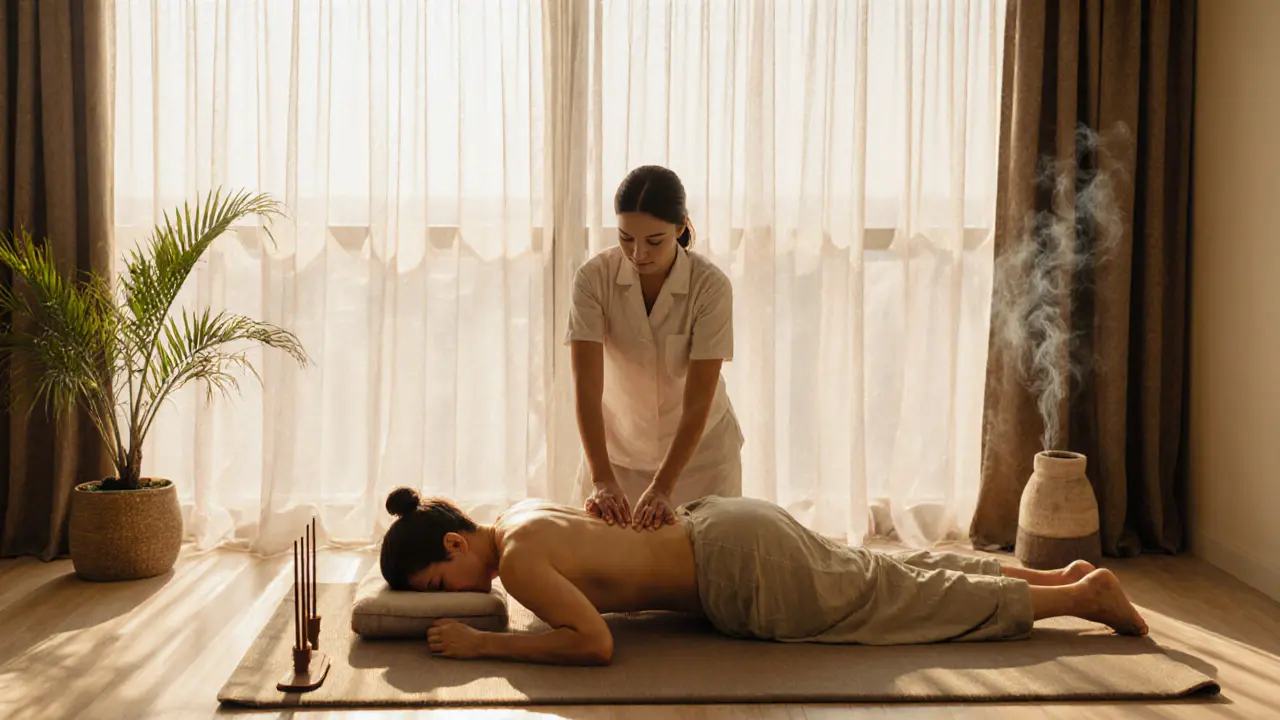
- A serene Thai massage session in a Dubai spa, with soft lighting and a client fully clothed on a mat
- Close-up of a therapist’s hands applying pressure along a client’s leg during a session
- Side-by-side Thai massage sessions for couples in a quiet, candlelit room
- Traditional Thai herbal compress being warmed for post-massage use
- Therapist demonstrating a gentle hip stretch with a client in loose clothing
Suggested Tables
- Comparison of Thai Massage vs. Other Bodywork (already included)
- Key Benefits of Thai Massage (already included)
- Thai Massage Safety Tips (already included)
Cailee Garcia
December 29, 2025 AT 21:31Vickie Patrick
December 31, 2025 AT 20:34eugene kraft
January 2, 2026 AT 17:07Timothy Schreiber
January 4, 2026 AT 04:11Kelley Moody
January 5, 2026 AT 23:54Antony Silson
January 7, 2026 AT 18:21Rick Vaughn
January 8, 2026 AT 09:25