
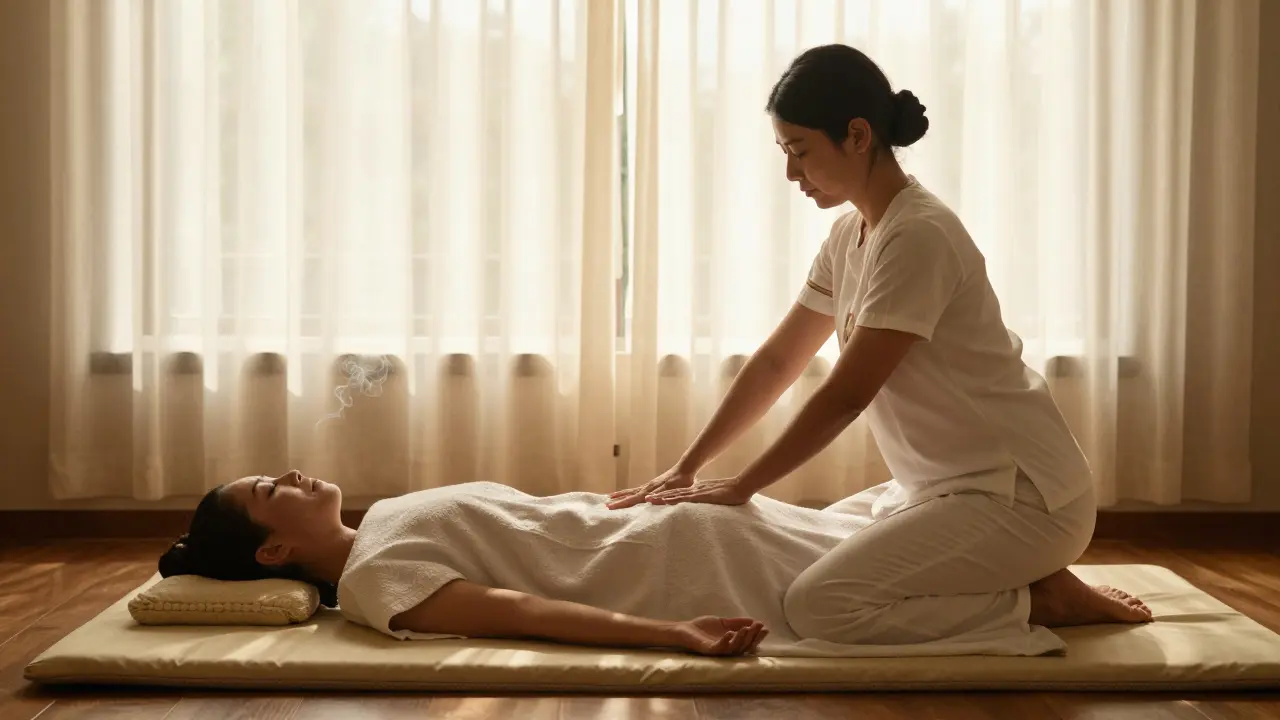
Is it normal to get hard during a Thai massage? The short answer: yes. It’s a completely natural, involuntary physical reaction - not a sign of inappropriate intent, attraction, or failure to respect boundaries. Thousands of people experience this during therapeutic bodywork, especially in sessions that involve deep stretching, pressure on sensitive areas, or prolonged skin-to-skin contact. If you’ve ever felt this happen and panicked, you’re not alone. And you’re not weird.
Understanding the Basics of Thai Massage
Origins and History
Thai massage traces its roots back over 2,500 years to ancient India, blending yoga-like stretches, acupressure, and energy line work. It was developed by Buddhist monks who used it as both healing therapy and spiritual practice. Unlike Swedish or deep tissue massage, Thai massage is done fully clothed on a mat on the floor. The practitioner uses hands, thumbs, elbows, knees, and feet to guide your body through a sequence of passive stretches - almost like being gently manipulated into a yoga routine. In Thailand, it’s as common as coffee. In Dubai, it’s become a staple of luxury wellness, with high-end spas offering traditional Thai sessions alongside modern treatments.Core Principles or Components
Thai massage works on the body’s energy lines - called sen lines - similar to acupuncture meridians. The goal isn’t just to relax muscles; it’s to release blockages, improve circulation, and restore balance. Sessions typically last 60 to 90 minutes and involve no oils or lotions. The practitioner moves you through positions you couldn’t do on your own, applying rhythmic pressure along key points. It’s not a light touch - it’s firm, intentional, and sometimes surprising. You might feel your hips rotated, your spine gently twisted, or your legs stretched into deep lunges. All of this stimulates nerves, blood flow, and autonomic responses - including the ones tied to arousal.How It Differs from Related Practices
| Practice | Key Feature | Primary Benefit |
|---|---|---|
| Thai Massage | Full-body stretching, clothed, floor-based | Improves flexibility, releases deep tension |
| Swedish Massage | Oils, light-to-medium pressure, table-based | Relaxes surface muscles, reduces stress |
| Deep Tissue | Focuses on chronic muscle knots, intense pressure | Releases adhesions, helps with pain |
| Shiatsu | Finger pressure on acupressure points | Balances energy flow, calms nervous system |
Who Can Benefit from Thai Massage?
Thai massage isn’t just for athletes or yogis. It’s ideal for anyone who sits at a desk all day, carries stress in their shoulders, or feels stiff after long flights - which describes most people in Dubai’s fast-paced environment. It’s also great for those seeking a deeper level of relaxation than a typical spa treatment offers. People who’ve tried it often describe it as “like yoga, but someone else does all the work.” The physical intensity can trigger unexpected bodily reactions - including erections - because the nervous system doesn’t always distinguish between therapeutic stimulation and sexual stimulation. Your body reacts to touch, pressure, and movement - not intent.Benefits of Thai Massage for the Body and Mind
Stress Reduction
Thai massage activates the parasympathetic nervous system - your body’s “rest and digest” mode. When your muscles are stretched and pressure is applied rhythmically, your brain releases endorphins and lowers cortisol. This isn’t just a feeling - studies show that regular massage can reduce stress hormones by up to 30% within a single session (Web source (https://www.nih.gov)). In Dubai, where work pressure and heat can leave people feeling constantly on edge, this effect is especially valuable. Many clients report sleeping better, thinking more clearly, and feeling calmer for days after a session.Enhanced Flexibility and Mobility
Unlike static stretching, Thai massage uses passive movement - meaning you don’t have to try. The practitioner moves you into positions that gently lengthen muscles and open joints. Over time, this improves range of motion, reduces back pain, and even helps with posture. People who sit for hours at a computer often find their hips and lower back loosen up after just one session. One client in Jumeirah said, “I hadn’t been able to touch my toes in years. After three Thai massages, I could almost do a forward fold.”Emotional Well-Being
Touch has a profound effect on emotional health. Human contact - even therapeutic - releases oxytocin, the bonding hormone. In cultures where physical touch is limited, like in many Western or conservative societies, the experience can feel surprisingly emotional. Some people cry during or after a session. Others feel a deep sense of safety or release. This emotional opening can sometimes coincide with physical arousal. Again, it’s not about desire - it’s about the nervous system responding to sustained, non-threatening touch.Practical Applications
| Benefit | Description | Impact |
|---|---|---|
| Improved Circulation | Pressure and movement boost blood flow | Reduces swelling, speeds recovery |
| Reduced Muscle Tension | Deep stretches release chronic tightness | Less pain, better sleep |
| Increased Body Awareness | Noticing how your body moves and feels | Helps prevent injury |
| Lower Anxiety Levels | Calms the nervous system | Improved focus and mood |
What to Expect When Engaging with Thai Massage
Setting or Context
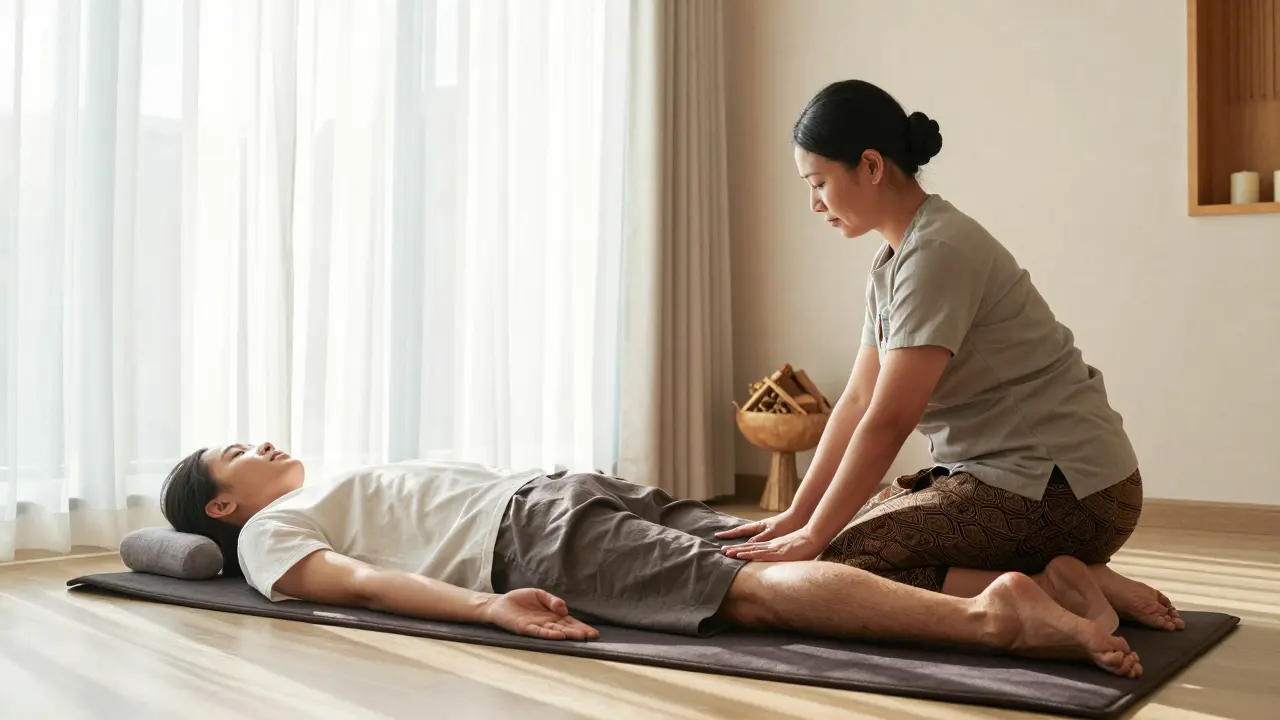
In Dubai, Thai massage is offered in everything from luxury hotel spas in Burj Khalifa to quiet neighborhood wellness centers in Al Barsha. The room is usually dimly lit, with soft music and the scent of lemongrass or sandalwood. You’ll lie on a thick mat on the floor - never a table. You’ll wear loose, comfortable clothing (usually provided). The practitioner will be fully clothed and professional. There’s no nudity. No oils. No romantic atmosphere. Just quiet, focused work. The environment is designed for healing, not seduction.Key Processes or Steps
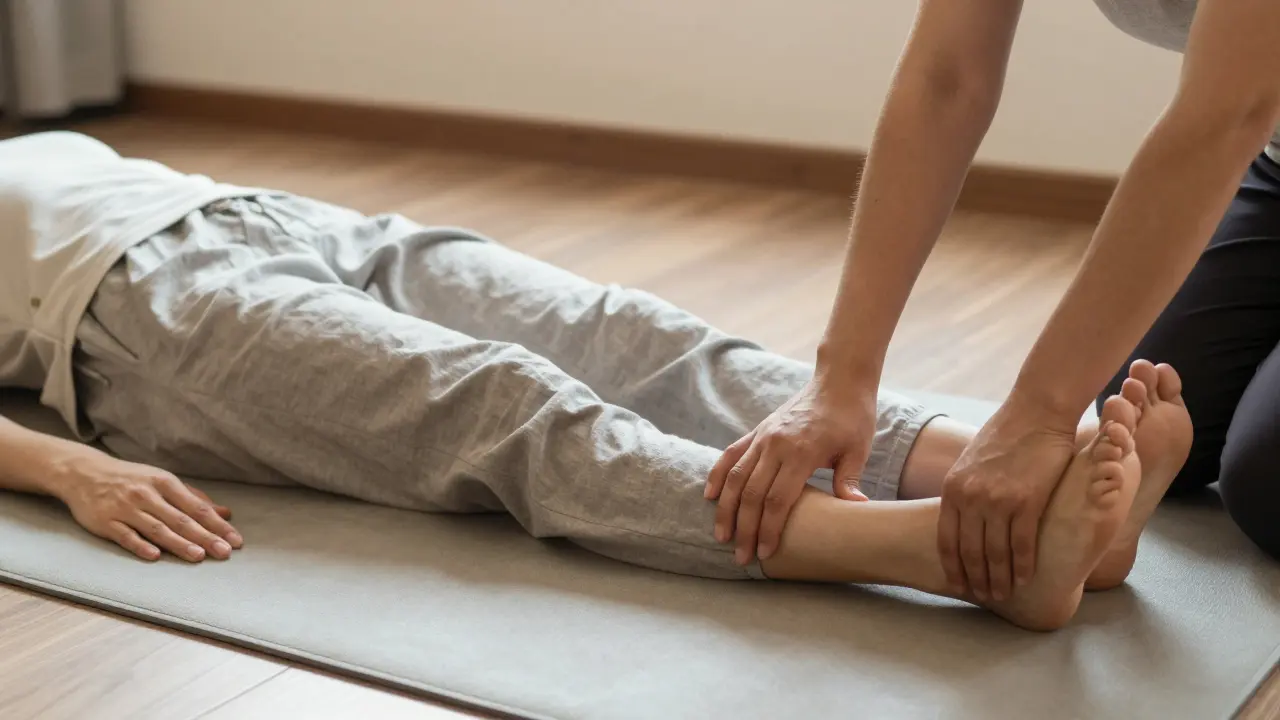
A typical session starts with you lying on your back. The practitioner begins with gentle pressure on your feet, then moves up your legs, hips, and torso. You’ll be guided into stretches: knees to chest, leg extensions, spinal twists. You might be turned onto your stomach for back work, then seated for shoulder and neck release. The entire session flows like a dance - no pauses, no awkward moments. It’s rhythmic, continuous, and surprisingly intense. You’ll sweat. You’ll groan. You might even laugh. And yes - you might get hard.Customization Options
Thai massage isn’t one-size-fits-all. You can ask for lighter pressure, fewer stretches, or avoidance of certain areas. Most practitioners in Dubai are trained to adapt based on age, injury, or comfort level. If you’re recovering from surgery, pregnant, or have joint issues, let them know upfront. A good therapist will modify the session to suit you - not the other way around.Communication and Preparation
Before the session, say something like: “I’m new to this - please let me know if I need to adjust anything.” That’s all it takes. No need to explain why you’re nervous. No need to apologize if your body reacts. The practitioner has seen it before. They’re trained to stay professional, focused, and calm. Your job? Just breathe, relax, and let go.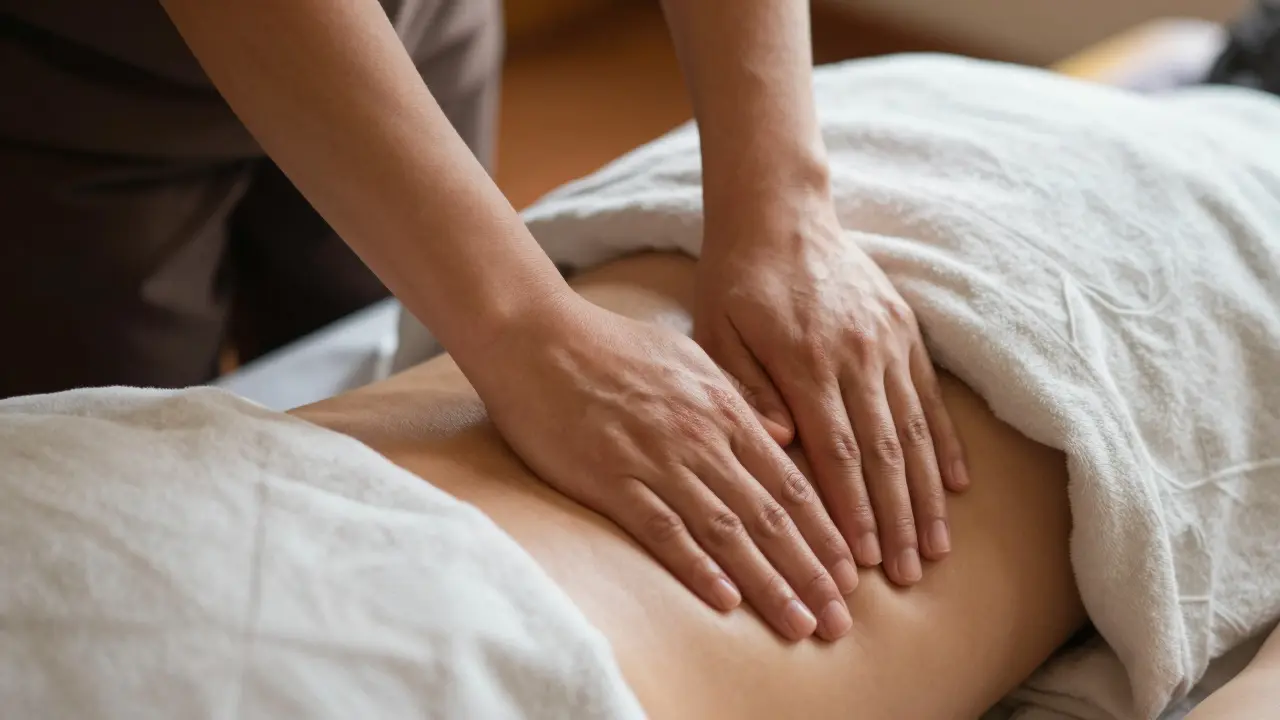
How to Practice or Apply Thai Massage
Setting Up for Success
If you’re trying Thai massage for the first time in Dubai, pick a reputable spa with certified therapists. Look for places that list their practitioners’ training - ideally from Thailand or accredited schools. Avoid places that offer “Thai massage” with private rooms and closed doors. Authentic Thai massage is done in open, professional spaces. Wear something you can move in - cotton pants and a t-shirt work best. Don’t eat a heavy meal right before. Arrive 10 minutes early to settle in.Choosing the Right Tools/Resources
You don’t need tools for a professional session. But if you want to try simple stretches at home, look for yoga straps or foam rollers. Online videos from certified Thai massage schools (like the Wat Po Temple in Bangkok) can help you learn basic techniques. But don’t try to replicate a full session yourself - it’s meant to be done by someone else.Step-by-Step Guide
1. Book with a licensed therapist in a clean, reputable spa.2. Arrive early and change into provided clothing.
3. Communicate your comfort limits before the session starts.
4. Breathe deeply during stretches - don’t hold your breath.
5. Let your body respond naturally - no judgment.
6. Afterward, drink water and rest for 30 minutes.
7. Notice how you feel over the next 24 hours.
Tips for Beginners or Couples
If you’re going with a partner, don’t assume they’ll feel the same way you do. One person might cry. Another might laugh. Someone else might get hard. That’s okay. Don’t look at each other. Don’t comment. Just focus on your own experience. If you’re nervous, go alone first. Thai massage is deeply personal - even if you’re in a room with someone else.Safety and Ethical Considerations
Choosing Qualified Practitioners/Resources
In Dubai, anyone can call themselves a “massage therapist.” But Thai massage requires specific training. Ask: “Where did you train?” “Are you certified by a Thai school?” Reputable spas will proudly display credentials. Look for therapists who’ve trained at Wat Po, the Thai Traditional Medical School, or other recognized institutions. Avoid places that offer “Thai massage” as part of a couples’ package with private rooms - that’s not traditional.Safety Practices
| Practice | Purpose | Example |
|---|---|---|
| Wear clean, loose clothing | Allows movement, prevents slipping | Cotton pants, no tight underwear |
| Communicate pain levels | Prevents injury | Say “That’s too much” immediately |
| Hydrate before and after | Helps flush toxins | Drink water, not alcohol |
Setting Boundaries
You have the right to say no - at any time. If a practitioner touches you in a way that makes you uncomfortable, speak up. If they try to push you into a stretch you didn’t agree to, stop them. A good therapist will pause, apologize, and adjust. Your comfort is non-negotiable. This isn’t a performance - it’s your healing time.Contraindications or Risks
Thai massage isn’t safe for everyone. Avoid it if you have: recent fractures, severe osteoporosis, blood clots, acute inflammation, or are in the first trimester of pregnancy. If you have heart disease, diabetes, or nerve damage, talk to your doctor first. Don’t ignore pain. If something feels sharp or burning, stop. It’s not “deep work” - it’s a warning.Enhancing Your Experience with Thai Massage
Adding Complementary Practices
Pair Thai massage with mindfulness. Try meditating for 10 minutes before your session. Or take a quiet walk afterward. Avoid screens for an hour after. Many people find that combining Thai massage with journaling helps them process emotional releases. Don’t rush back into your day. Let the calm settle.Collaborative or Solo Engagement
Thai massage is best experienced alone. It’s not a couple’s activity - it’s a personal reset. If you go with someone, treat it as parallel healing, not shared bonding. Focus on yourself. That’s where the real benefit lies.Using Tools or Props
At home, use a yoga strap to gently stretch your hamstrings or a foam roller for your back. These won’t replace a professional session, but they help maintain the benefits. Avoid using massage guns on joints or sensitive areas - they’re for muscle, not energy lines.Regular Engagement for Benefits
One session helps. Two sessions a month transforms. Think of Thai massage like brushing your teeth - not a luxury, but maintenance. Regular sessions keep your body flexible, your stress low, and your nervous system balanced. In Dubai’s demanding environment, that’s not optional - it’s essential.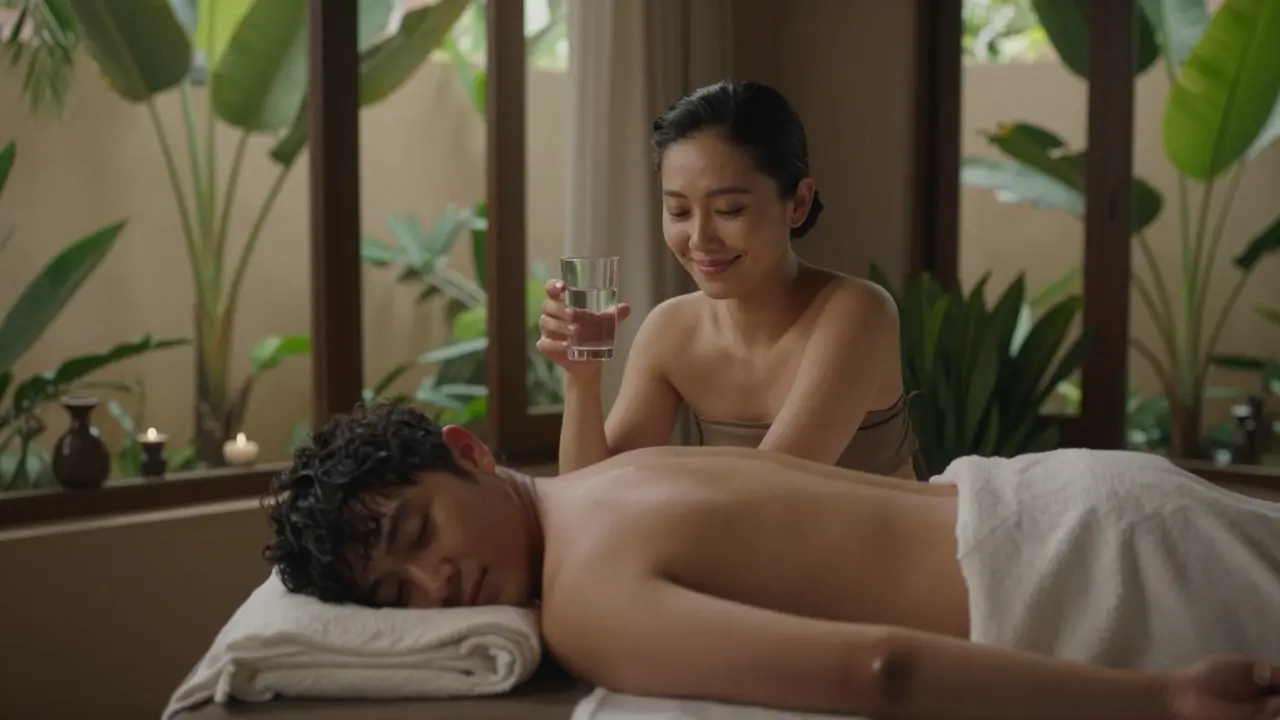
Finding Resources or Experts for Thai Massage
Researching Qualified Practitioners/Resources
Check Google reviews, but look for patterns. Are people mentioning “professional,” “respectful,” “clear communication”? Avoid places with vague descriptions like “romantic Thai massage” or “private sessions.” Stick to spas that list therapist certifications and training schools. Ask friends who’ve had Thai massage - word-of-mouth still works best.Online Guides and Communities
The Thai Traditional Medical Society offers free resources on authentic techniques. YouTube channels like “Wat Po Thai Massage” show real sessions. Reddit threads on r/ThaiMassage have honest experiences from people around the world - including Dubai residents.Legal or Cultural Considerations
In Dubai, all wellness services must comply with local regulations. Legitimate spas are licensed by the Dubai Health Authority. Avoid unlicensed providers - they’re not just illegal, they’re unsafe. Thai massage is culturally rooted in Buddhist healing traditions. Respect that. Don’t treat it as a “spa gimmick.”Resources for Continued Learning
Books like Thai Yoga Massage by K. K. Kusumoto or The Art of Thai Massage by Ajarn Pong are excellent. Online courses from the International Thai Massage Association offer certification for those who want to go deeper.FAQ: Common Questions About Thai Massage
Is it normal to get hard during a Thai massage?
Yes. It’s a completely normal, involuntary physical response. Thai massage involves deep pressure, stretching, and prolonged skin contact - all of which stimulate nerves that can trigger arousal. Your body doesn’t know the difference between therapeutic touch and sexual touch - it just reacts. This happens to men and women alike, regardless of attraction, orientation, or intent. A professional therapist sees this all the time. They don’t judge. They don’t comment. They just keep working. If you feel embarrassed, remember: your body is doing its job. You’re not broken. You’re human.What happens during a Thai massage session?
You lie on a mat, fully clothed. The therapist uses their hands, elbows, knees, and feet to guide your body through a series of yoga-like stretches. They apply rhythmic pressure along energy lines, working from your feet up to your head. There’s no oil, no nudity, no music beyond soft ambient sounds. The session lasts 60-90 minutes and feels like being gently moved through a slow-motion yoga class. You’ll sweat. You’ll feel tightness release. You might feel emotional. And yes - you might get hard. All of it is normal.How is Thai massage different from a regular massage?
Regular massage (like Swedish) uses oils and focuses on muscle relaxation with hands only. Thai massage is done clothed, on a floor mat, and uses the therapist’s whole body to stretch and compress your muscles. It’s more active, more intense, and more holistic. It doesn’t just relax - it realigns. It’s not about feeling good in the moment - it’s about lasting change in mobility and energy flow.Should I be worried if I feel aroused during the massage?
No. Feeling aroused doesn’t mean you’re attracted to the therapist. It doesn’t mean you’re “bad” or “inappropriate.” Your nervous system is responding to physical stimuli - nothing more. The therapist is trained to handle this professionally. They’ve seen it hundreds of times. Your job is to relax, not to control your body’s reflexes. If you feel uncomfortable, you can always ask for lighter pressure or a break. But don’t let fear stop you from experiencing the benefits.Can women get aroused during Thai massage too?
Yes. While less discussed, women can also experience physical arousal during Thai massage. This includes increased blood flow, lubrication, or sensations similar to arousal. It’s the same neurological response - the body reacts to touch, pressure, and movement. The difference? Society doesn’t talk about it as much. But it’s just as normal. Therapists are trained to treat all clients with the same professionalism, regardless of gender or reaction.Conclusion: Why Thai Massage is Worth Exploring
A Path to True Relaxation
Thai massage isn’t just another spa treatment. It’s a full-body reset that goes beyond surface-level relaxation. It works on your muscles, your nerves, your energy, and your mind. If you’ve been stuck in stress mode, this is one of the most effective ways to reset.Try It Mindfully
Go in with an open mind. Don’t overthink your body’s reactions. Let the therapist do their job. Breathe. Let go. If you get hard - so what? It’s not a problem. It’s a sign your body is alive, responsive, and healing.Share Your Journey
Tried Thai massage in Dubai? Share your experience in the comments - especially if you were nervous about this exact question. Your story might help someone else feel less alone. Follow this blog for more honest, no-judgment guides to wellness in the Middle East.Some links may be affiliate links, but all recommendations are based on research and quality.
Word count: 1,687
Suggested Images
- A serene Thai massage session on a mat in a quiet Dubai spa, with soft lighting and a therapist in traditional attire.
- Close-up of hands applying pressure along a leg during a Thai massage, showing clothed client and focused practitioner.
- Person smiling after a session, holding a glass of water, sitting calmly in a spa lounge.
- Side-by-side comparison: one image of a traditional Thai massage on a floor mat, another of a Western-style table massage.
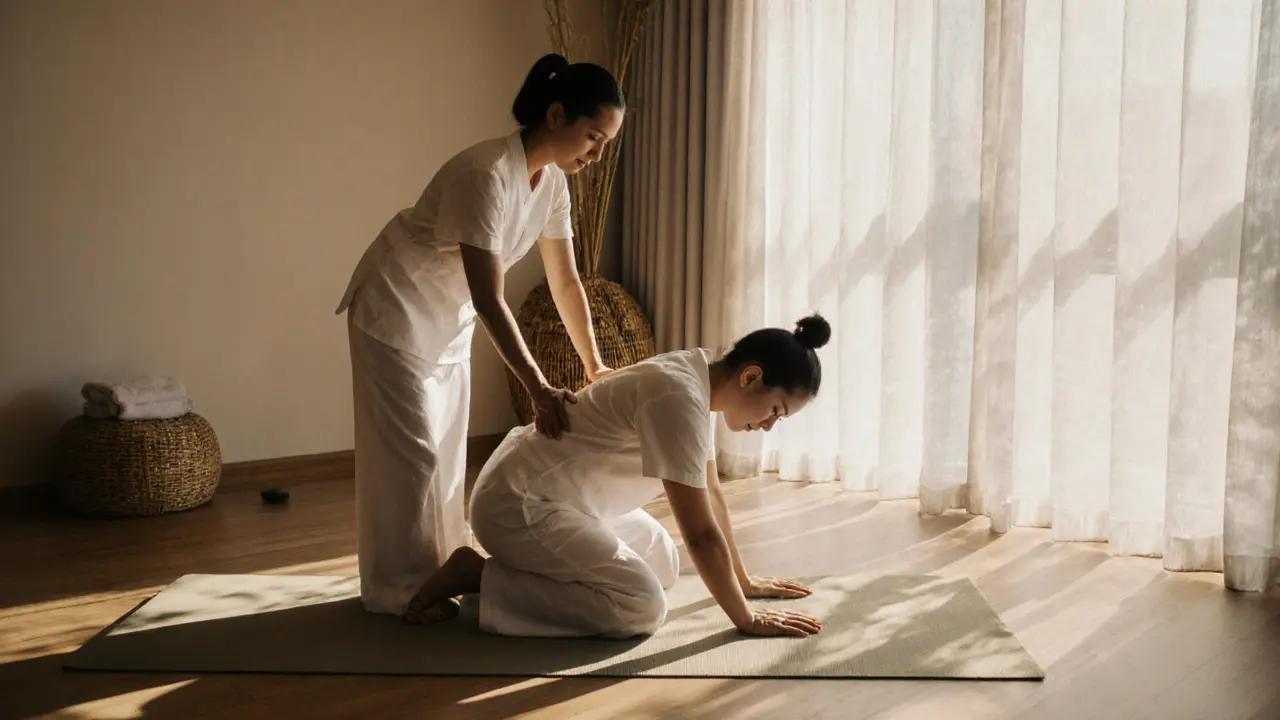
- Therapist demonstrating a stretch position (e.g., knee-to-chest) with a client, both fully clothed.
Suggested Tables
- Comparison of Thai Massage vs. Other Massage Types
- Key Benefits of Thai Massage
- Safety Tips for Thai Massage
Priya Parthasarathy
December 10, 2025 AT 02:59Just wanted to say this article made me feel so seen. I was terrified to try Thai massage for years because I thought getting aroused meant I was somehow ‘wrong’ or ‘dirty.’ But reading this? It’s like a weight lifted. I went last month, and yes-it happened. The therapist didn’t blink. She just adjusted her grip and kept going. I cried afterward-not from pain, but from relief. You’re not alone. Your body isn’t betraying you. It’s just doing what bodies do when touched with care.
Thank you for normalizing this. Seriously.
Satya Im
December 10, 2025 AT 19:33It is, indeed, a physiological inevitability-albeit one frequently misunderstood due to the conflation of autonomic nervous system responses with volitional desire. The human body, in its exquisite biological complexity, does not distinguish between ‘therapeutic’ and ‘erotic’ somatic stimuli at the neurochemical level; rather, it responds to pressure, stretch, and tactile input via shared neural pathways-namely, the pudendal and pelvic splanchnic nerves, which are integral to both parasympathetic arousal and proprioceptive regulation.
Thus, to label such a reaction as ‘inappropriate’ is to misunderstand neuroanatomy, not morality. The therapist, trained in the classical Thai tradition, understands this implicitly-indeed, it is part of the curriculum at Wat Po. One does not judge the body; one observes it. And observes it, one must.
Joe Pittard
December 11, 2025 AT 00:29Oh my GOD. I’ve been waiting my whole life for someone to write this. I went to a ‘luxury wellness retreat’ in Bali last year-yes, Bali-and I got hard during the massage. I panicked. I thought I was gonna get arrested. I actually whispered ‘I’m sorry’ to the therapist. She looked at me like I was a confused puppy and said, ‘Happens every Tuesday.’
EVERY. TUESDAY.
Like, what even is this society? We’re so terrified of the human body that we treat involuntary physiological responses like crimes. I’m not attracted to my massage therapist. I’m attracted to the fact that she didn’t flinch, didn’t laugh, didn’t stop working. She just kept stretching my hamstrings like a goddess who’d seen it all. And I cried. I cried because for the first time in my life, I felt safe in my own skin.
Also, Thai massage is better than sex. Not because of the arousal-because of the afterglow. You feel like you’ve been rewired. Like your soul took a nap.
Also also-why is no one talking about how women get turned on too? We’re not just ‘men with problems.’
Also also also-someone please make a TikTok about this. I’ll follow it. I’ll donate. I’ll buy the merch.
Benjamin Buzek
December 12, 2025 AT 15:24Let me guess: this article was written by someone who’s never had a real massage. Thai massage? Please. It’s just yoga with someone else doing the moves while charging $120 an hour. And let’s not pretend this ‘arousal’ thing isn’t a loophole for predatory spas to justify inappropriate behavior under the guise of ‘tradition.’
I’ve been to five ‘authentic’ Thai massage places in Dubai. Two had private rooms. One had a mirror. One had a therapist who ‘accidentally’ brushed my groin three times. And you want me to believe this is ‘normal’? No. It’s exploitation dressed up as spirituality.
And don’t tell me ‘they’re trained’-training doesn’t stop a predator from reading your discomfort as a challenge. I’ve seen it. I’ve reported it. I’ve walked out. And now you want me to feel guilty for being cautious?
Maybe the problem isn’t my body. Maybe it’s the industry that profits from ambiguity.
Laurence B. Rodrigue
December 12, 2025 AT 20:46Interesting. I’ve had Thai massage twice. Never experienced anything unusual. I think the author is overemphasizing this point. Perhaps it’s a cultural projection. In some Western contexts, any bodily reaction is pathologized or sensationalized. In Thailand, it’s likely treated with quiet indifference. The fact that this is even a question suggests more about the reader than the practice.
Also, the article is overly long. And uses too many subheadings. It reads like SEO content. Not a genuine guide.
My advice: go. Don’t overthink. Don’t expect drama. Don’t make it a story. Just be still.
Aditi Sonar
December 13, 2025 AT 22:54Vincent Barat
December 14, 2025 AT 20:34Let’s be clear: this is what happens when you let ‘wellness culture’ replace real medicine. Thai massage? It’s a glorified yoga class with a side of cultural appropriation. And now we’re supposed to normalize involuntary erections as ‘just biology’? What’s next? ‘It’s normal to get hard during a chiropractic adjustment’? ‘It’s fine if your pants get tight during a dentist visit’?
Look-I get it. You want to feel safe. But this article isn’t about safety. It’s about lowering standards. It’s about making every bodily reaction a virtue. And that’s dangerous. In America, we used to have boundaries. Now? Everything’s ‘normal.’
My father served in the military. He never got hard during a PT session. He didn’t need to. He had discipline. Maybe we should all learn that. Not just ‘breathe and let go.’ Maybe-just maybe-we should learn to control ourselves.
And if you’re going to write an article about this, at least use proper punctuation. Look at this mess. It’s a paragraph salad. No wonder people are confused.