
Which Type of Massage Is Best for Men?
When it comes to massage for men, there’s no one-size-fits-all answer. Men aren’t a monolith-some are athletes, others sit at desks all day, and many carry stress in their shoulders without even realizing it. The best massage isn’t the loudest or the deepest; it’s the one that matches your body’s needs, lifestyle, and goals. Whether you’re looking to recover from a workout, ease chronic tension, or just finally relax without feeling awkward, there’s a style made for you.
Understanding the Basics of Massage for Men
Origins and History
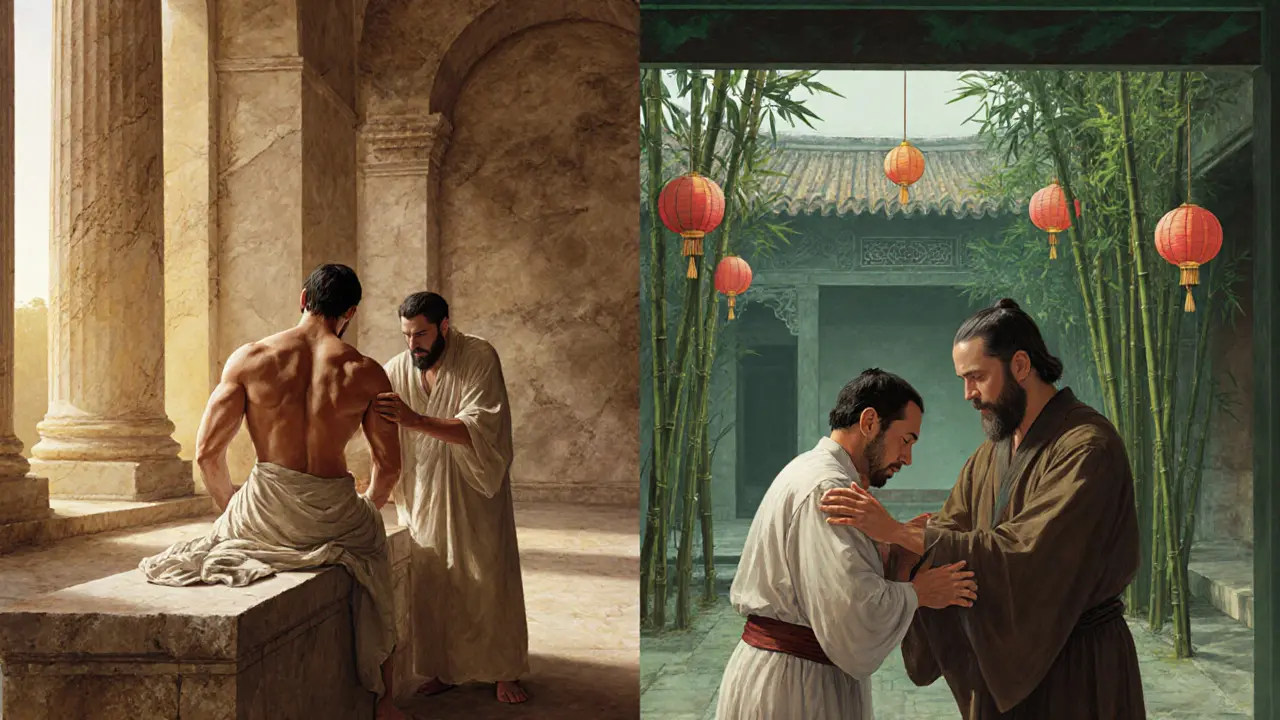
Massage isn’t some modern wellness trend-it’s been around for thousands of years. Ancient Egyptians, Greeks, and Chinese all used touch as medicine. In the 19th century, Swedish massage was formalized by Per Henrik Ling, blending strokes to improve circulation and mobility. Over time, different cultures adapted massage to suit physical demands: warriors, laborers, and athletes all sought relief through pressure, stretching, and rhythm. Today, men are more likely than ever to seek out massage-not as a luxury, but as part of a smart, proactive health routine.
Core Principles or Components
Every massage works on the same basic idea: applying pressure and movement to soft tissues to release tension, improve blood flow, and calm the nervous system. But the techniques vary. Swedish uses long, flowing strokes for relaxation. Deep tissue targets deeper muscle layers with slower, firmer pressure. Sports massage combines stretching and trigger point work to prep or recover muscles. Thai massage uses assisted yoga-like stretches. And myofascial release focuses on the connective tissue surrounding muscles. The goal isn’t just to feel good in the moment-it’s to help your body move better, heal faster, and stay resilient.
How It Differs from Related Practices
People often confuse massage with other bodywork like chiropractic adjustments or physical therapy. Chiropractors focus on bones and joints. Physical therapists rehab injuries with exercises and modalities. Massage therapists work on muscles, tendons, and fascia. It’s not competing-it’s complementary. Here’s how massage stacks up against similar therapies:
| Practice | Key Feature | Primary Benefit |
|---|---|---|
| Swedish Massage | Light to medium pressure, rhythmic strokes | Relaxation, stress relief |
| Deep Tissue Massage | Firm pressure, slow strokes targeting deeper layers | Chronic tension, posture correction |
| Sports Massage | Dynamic stretches, pre/post-event focus | Recovery, injury prevention |
| Thai Massage | Assisted stretching, pressure along energy lines | Flexibility, joint mobility |
Who Can Benefit from Massage for Men?
Almost everyone. Office workers with tight traps and neck pain? Yes. Weekend warriors with sore quads? Absolutely. Men who carry stress in their jaw and shoulders? Even more so. Men often avoid massage because they think it’s "not for them"-but that’s outdated thinking. Men’s bodies endure physical strain differently than women’s: heavier lifting, more impact sports, longer hours hunched over screens. Massage helps balance that load. It’s not weakness to get a massage-it’s smart self-care.
Benefits of Massage for Men
Stress Reduction
Stress doesn’t just live in your head-it settles in your muscles. When you’re under pressure, your body stays in fight-or-flight mode. Your shoulders tighten. Your jaw clenches. Your breathing gets shallow. Massage triggers the parasympathetic nervous system, the part of your brain that says, "It’s safe to relax." Studies show massage lowers cortisol levels by up to 30% and boosts serotonin and dopamine. That’s not just a good feeling-it’s a biological reset. For men who rarely talk about stress, massage offers a silent, powerful way to release it.
Enhanced Functionality
Think of your muscles like ropes. If they’re knotted, your movement gets restricted. Deep tissue and sports massage break up adhesions and scar tissue that form from repetitive motion-like typing, driving, or lifting weights. Better muscle function means fewer injuries, improved posture, and more energy. Men who play golf, swim, or hike regularly report fewer muscle cramps and faster recovery times after consistent massage. It’s not magic-it’s biomechanics.
Emotional Well-Being
There’s a reason men feel calmer after a massage, even if they don’t realize why. Touch releases oxytocin-the "bonding hormone"-which reduces anxiety and builds a sense of safety. In cultures where emotional expression is discouraged, massage becomes a rare, non-verbal way to reconnect with your body. It’s not therapy, but it can feel like it. Many men say they leave sessions feeling lighter, clearer-headed, and more in tune with themselves.
Practical Applications
Massage isn’t just for spas. It fits into real life. A weekly session can prevent a recurring back injury. A post-game massage helps you bounce back faster. Even a 20-minute chair massage at work can reset your focus. Men who integrate massage into their routine report better sleep, improved mood, and fewer sick days. It’s an investment that pays off in daily performance.
| Benefit | Description | Impact |
|---|---|---|
| Improved Recovery | Reduces muscle soreness after exercise | Faster return to training |
| Posture Correction | Releases tight chest and shoulder muscles | Reduced neck and back pain |
| Lower Blood Pressure | Calms the nervous system | Improved heart health |
| Better Sleep | Reduces cortisol, increases melatonin | Deeper, more restorative rest |
What to Expect When Engaging with Massage for Men
Setting or Context
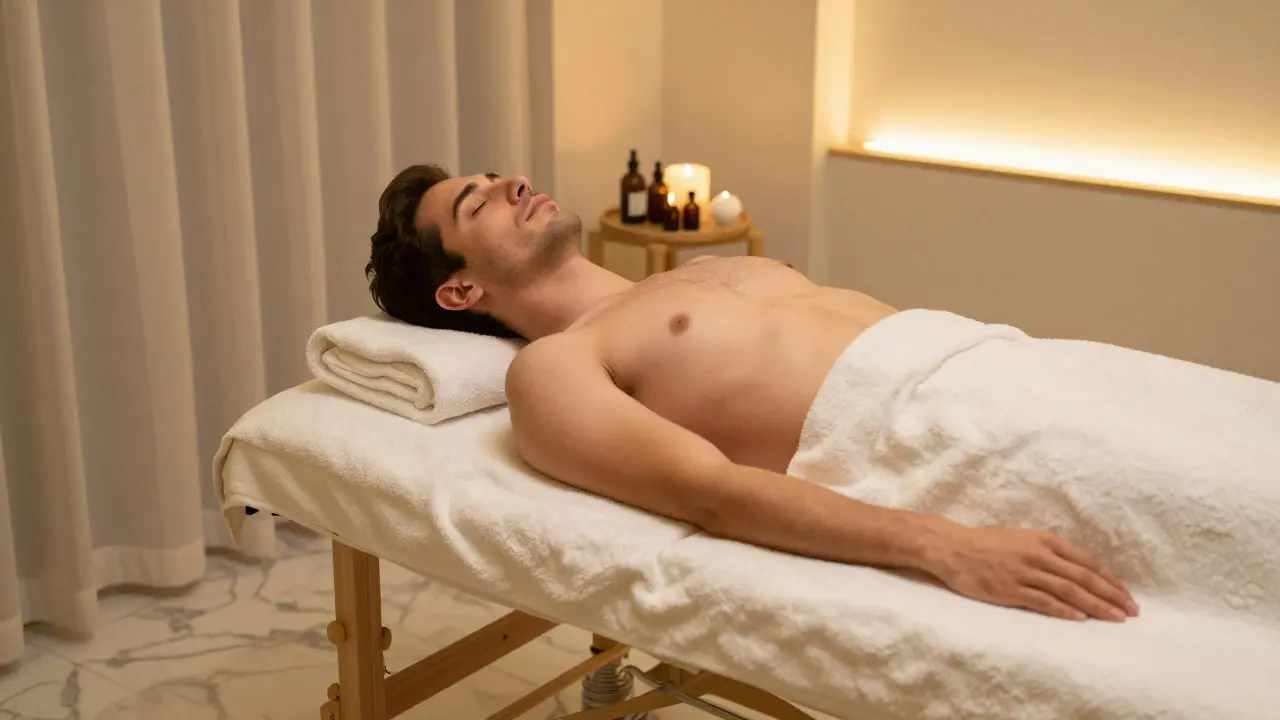
You don’t need a candlelit spa to benefit. Many clinics offer quiet, professional rooms with warm lighting and soft music. In Dubai, high-end spas blend modern comfort with traditional warmth-think marble floors, aromatic oils, and discreet service. But even a quiet room at home with a trusted therapist works. The key is comfort: no distractions, no pressure to talk, just space to let go.
Key Processes or Steps
A typical session starts with a quick chat: where you feel tight, any injuries, your goals. Then you lie on the table, covered with a towel. The therapist uses oil or lotion and applies pressure based on your feedback. You might feel some discomfort in tight spots, but it shouldn’t hurt. A good therapist checks in. The session ends with gentle strokes and a moment to breathe before you sit up.
Customization Options
Massage isn’t one-size-fits-all. You can choose pressure level, duration (60, 90, or 120 minutes), and focus areas. Need relief from lower back pain? Tell them. Want to prep for a marathon? Ask for a sports-focused session. Most therapists adjust on the fly-your feedback matters more than their script.
Communication and Preparation
Don’t be shy. Say if the pressure is too much. Say if you’re cold. Say if you don’t want your back touched. Good therapists welcome this. Arrive hydrated. Skip heavy meals an hour before. Shower if you can-it helps you relax faster. And remember: it’s not weird to be nervous. Most men feel that way the first time. You’re not alone.
How to Practice or Apply Massage for Men
Setting Up for Success
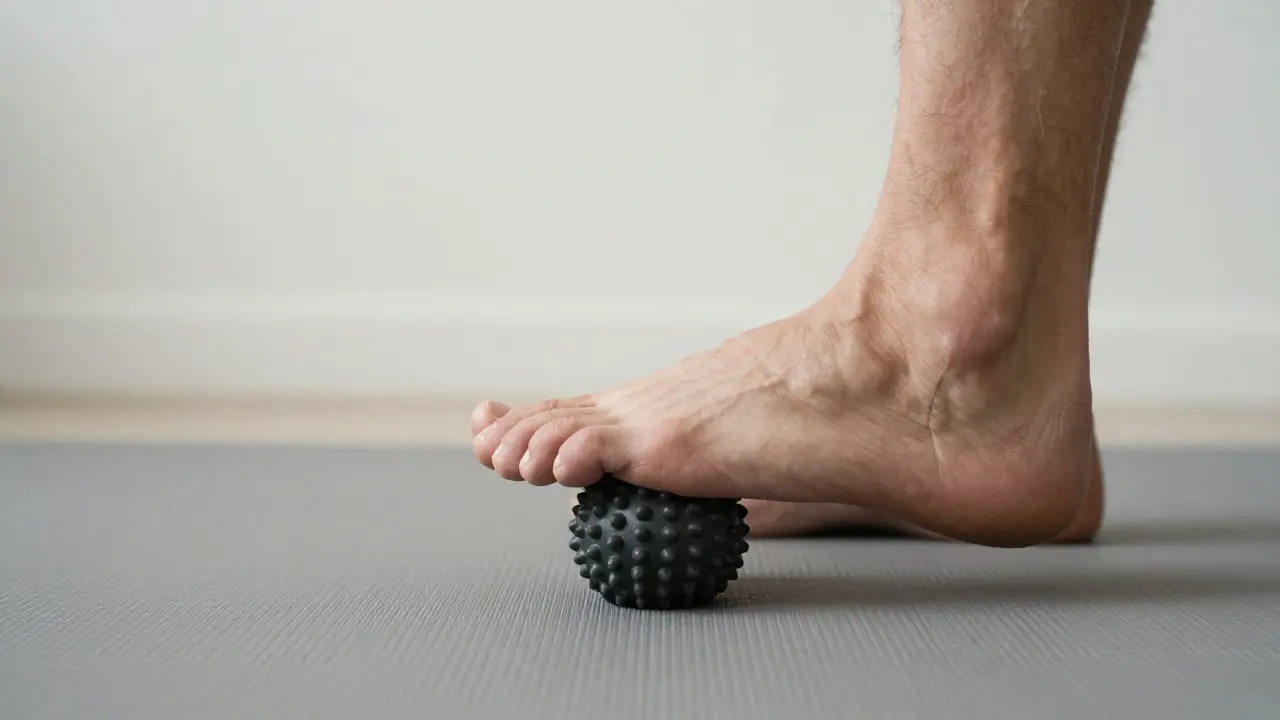
If you’re doing self-massage, grab a foam roller or massage ball. Use it after workouts on quads, calves, or upper back. Keep it simple: 5 minutes a day, slow rolls, deep breaths. You don’t need fancy gear-just consistency.
Choosing the Right Tools/Resources
Look for licensed massage therapists with experience working with male clients. In Dubai, check reviews on Google or trusted wellness platforms. Ask if they specialize in sports or deep tissue if that’s your goal. Avoid places that push packages or upsell aggressively. A good therapist cares about your body, not your wallet.
Step-by-Step Guide
1. Identify your goal: relaxation, recovery, or pain relief.
2. Choose a massage type that matches (Swedish for calm, deep tissue for knots, sports for athletes).
3. Book a 60-minute session to start.
4. Communicate your needs clearly before the session.
5. Afterward, drink water, stretch gently, and notice how your body feels over the next 24 hours.
Tips for Beginners or Couples
First-timers: don’t expect to feel instant relief. One session is a start, not a cure. Couples: if you’re thinking of sharing a room, make sure you’re both comfortable with the idea. Some men prefer solo sessions to fully relax. There’s no rule-only what works for you.
Safety and Ethical Considerations
Choosing Qualified Practitioners/Resources
Always check credentials. In the UAE, licensed therapists are registered with local health authorities. Look for certifications from recognized bodies like the International Massage Association or local equivalents. Don’t go to someone who can’t show proof of training.
Safety Practices
Hygiene matters. The table should be clean, linens changed between clients, and oils stored properly. The therapist should wash hands before and after. Consent is non-negotiable-no touching without permission. If something feels off, speak up.
| Practice | Purpose | Example |
|---|---|---|
| Hydration before and after | Helps flush toxins | Drink 1-2 glasses of water |
| Clear communication | Prevents injury | Say "too hard" if needed |
| Listen to your body | Prevents overdoing it | Stop if you feel sharp pain |
Setting Boundaries
It’s okay to say no. You don’t have to expose more than you’re comfortable with. Most therapists drape you properly and only uncover the area being worked on. If you’re unsure, ask how they handle modesty. A professional will respect your limits without judgment.
Contraindications or Risks
Massage isn’t for everyone. Avoid it if you have open wounds, blood clots, severe osteoporosis, or recent surgery. If you have high blood pressure, diabetes, or are on blood thinners, talk to your doctor first. Never ignore pain-sharp, shooting, or radiating pain is a red flag.
Enhancing Your Experience with Massage for Men
Adding Complementary Practices
Pair massage with stretching, yoga, or even cold showers. These help maintain the benefits. Breathing exercises-like slow inhales through the nose and long exhales-can deepen relaxation. Try 5 minutes of mindfulness after your session. It multiplies the calm.
Collaborative or Solo Engagement
Some men prefer solo sessions to disconnect from the world. Others enjoy couples’ massages as a bonding ritual. Neither is better-it’s personal. If you’re going with a partner, communicate your goals. One might want deep tissue; the other might want light relaxation. Book separate rooms if needed.
Using Tools or Props
At home, try a massage gun for quick relief on large muscles. A lacrosse ball works wonders for feet or shoulders. A heated pad before a session can loosen tight spots. But remember: tools can’t replace a skilled therapist. Use them as supplements, not replacements.
Regular Engagement for Benefits
One massage is nice. Weekly or biweekly is transformative. Think of it like brushing your teeth-maintenance prevents bigger problems. Athletes often go once a week. Desk workers benefit from every 2-3 weeks. Even monthly makes a difference if you’re consistent.
Finding Resources or Experts for Massage for Men
Researching Qualified Experts
Check Google reviews, ask for referrals from gyms or doctors, or use trusted platforms like Spafinder or local wellness directories. Look for therapists with experience working with male clients-especially if you’re into sports or have chronic pain. Don’t be afraid to ask about their training background.
Online Guides and Communities
YouTube has excellent tutorials on self-massage techniques. Reddit communities like r/massage or r/Wellness offer honest experiences. Websites like the American Massage Therapy Association (AMTA) provide general guidelines for safe practice-even if you’re not in the U.S., the principles apply globally.
Legal or Cultural Considerations
In the UAE, massage therapy is regulated. Only licensed professionals can offer services. Avoid unlicensed "spa" rooms in residential areas. Always choose establishments with clear signage and professional staff. Respect cultural norms-modesty and professionalism are expected.
Resources for Continued Learning
Books like "The Trigger Point Therapy Workbook" by Clair Davies or "The Anatomy of Movement" by Blandine Calais-Germain offer practical insight. Podcasts like "The Massage Therapy Podcast" give real-world tips. Start small-learn one technique, try it, and build from there.
FAQ: Common Questions About Massage for Men
What type of massage is best for men?
There’s no single answer-it depends on your goals. For stress and relaxation, Swedish massage works well. For chronic pain or tight muscles, deep tissue is more effective. Athletes benefit most from sports massage, which targets recovery and mobility. If you’re flexible and like movement-based therapy, Thai massage can be great. The best type is the one that matches your body’s needs and your lifestyle.
What happens during a massage for men?
You’ll lie on a table, covered with a towel. The therapist will ask about areas of tension and your goals. Then they’ll use oil or lotion and apply pressure with hands, elbows, or forearms. You might feel some discomfort in tight spots, but it shouldn’t be painful. The session lasts 60-90 minutes, ending with gentle strokes. You’re never forced to do anything you’re uncomfortable with.
How does massage for men differ from massage for women?
It doesn’t, fundamentally. The body’s anatomy is similar. But men often carry more muscle mass and hold tension differently-especially in the shoulders, back, and neck. Therapists adjust pressure and focus based on those patterns. Some men prefer firmer pressure, but that’s not a gender rule-it’s individual. The goal is always the same: to help your body move and feel better.
Is deep tissue massage safe for men?
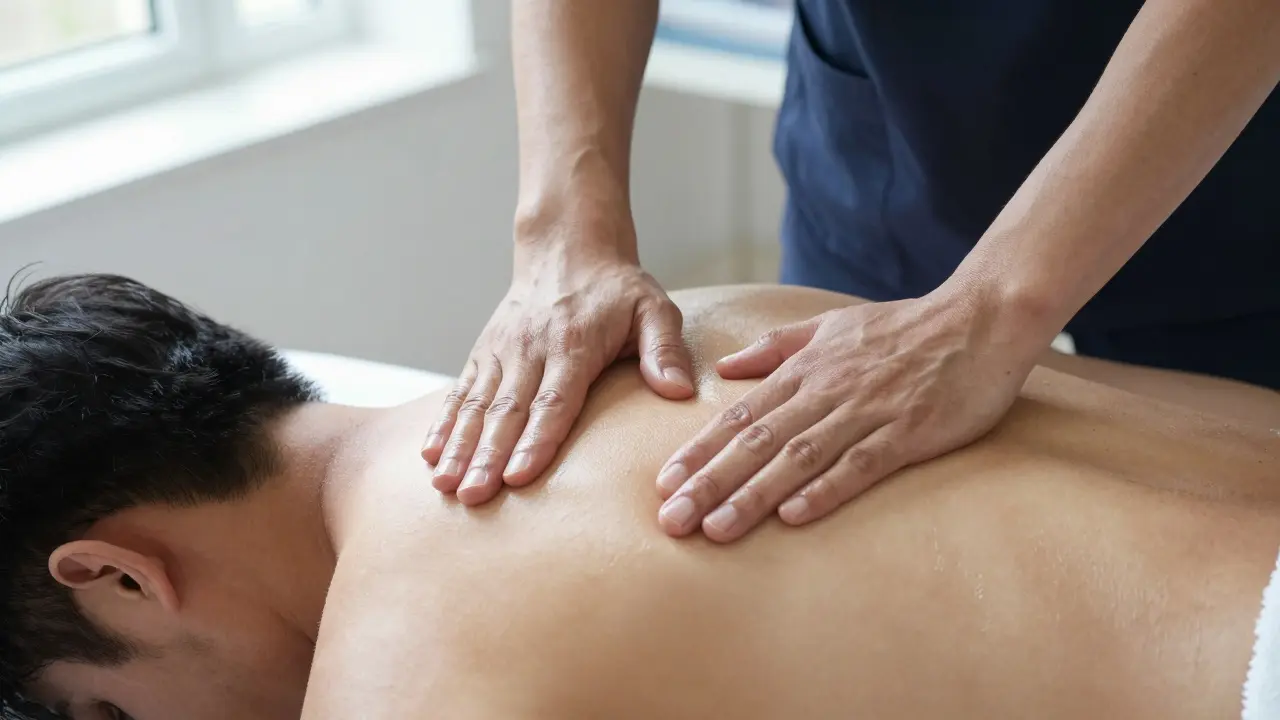
Yes, if done correctly. Deep tissue targets deeper muscle layers and can help with chronic pain, posture issues, or sports recovery. But it’s not for everyone. Avoid it if you have recent injuries, inflammation, or certain medical conditions. Always communicate your pain level. A good therapist will adjust pressure in real time. It should feel like a "good hurt," not a sharp or burning pain.
Can massage help with lower back pain in men?
Absolutely. Lower back pain in men often comes from tight hip flexors, weak glutes, or poor posture from sitting. Massage releases tension in the lower back muscles, hamstrings, and piriformis. Combined with movement and stretching, it’s one of the most effective non-medical solutions. Many men report reduced pain and improved mobility after just a few sessions.
Conclusion: Why Massage for Men Is Worth Exploring
A Path to Better Movement and Mental Clarity
Massage isn’t about pampering-it’s about performance. Whether you’re lifting weights, sitting at a desk, or just trying to sleep better, your body deserves care. The best massage for men isn’t the most expensive or the loudest. It’s the one you actually do. Consistency beats intensity every time.
Try It Mindfully
Start with one session. Talk to the therapist. Be honest about your goals. Listen to your body. If it helps, keep going. If it doesn’t, try another style. There’s no right or wrong-only what works for you.
Share Your Journey
Tried a massage that changed how you feel? Share your experience in the comments. Follow this space for more tips on wellness that actually fits real life. And if you’re still hesitant? Just book it. You’ll thank yourself later.
Some links may be affiliate links, but all recommendations are based on research and quality.
Word count: 1,723
Suggested Images
- A man lying on a massage table in a calm, well-lit Dubai spa room, towel draped, eyes closed.
- A therapist using deep tissue technique on a man’s upper back, focused and professional.
- Close-up of hands applying pressure with a massage ball on a man’s foot.
- A man stretching after a massage, smiling, in workout gear.
- Side-by-side: a man at a desk hunched over, then the same man standing tall after massage therapy.
Suggested Tables
- Comparison of Massage Types for Men (as included in the article)
- Key Benefits of Massage for Men (as included in the article)
- Massage Safety Tips for Men (as included in the article)
Diana Farrell
February 3, 2026 AT 02:02No more excuses.
Jamie Williams
February 4, 2026 AT 22:53Jackie Brosio
February 6, 2026 AT 15:24Still weirded out that I’m the one who needed it more than I thought.
Max Cossío
February 8, 2026 AT 00:55Kyle Levy
February 9, 2026 AT 12:26Tim Orrell
February 11, 2026 AT 02:48Clay Caldwell
February 11, 2026 AT 12:11anjan tiwari
February 13, 2026 AT 03:28