

Do You Shower After a Steam Room? The Right Way to Cool Down
When you step out of a steam room, your skin is glowing, your muscles are loose, and your mind feels lighter. But then comes the question: do you shower after a steam room? It’s not just about cleanliness-it’s about how you support your body’s natural recovery. Skipping this step might feel tempting, especially if you’re already relaxed. But here’s the truth: how you cool down after steam can make or break your experience. Let’s break down what science, spa professionals, and regular users say-and why timing, temperature, and technique matter more than you think.
Understanding the Basics of Steam Rooms
Origins and History
Steam rooms trace back thousands of years to ancient Roman baths, where steam was used for cleansing and socializing. The Romans built elaborate hypocaust systems to heat stone floors and walls, filling chambers with moist heat. Similar practices appeared in Native American sweat lodges, Turkish hammams, and Finnish saunas-though the latter use dry heat. Steam rooms, as we know them today, became popular in Western spas in the 20th century, prized for their gentle, humid warmth. Unlike saunas that roast you at 160-200°F, steam rooms hover around 110-120°F with near-100% humidity. This makes them ideal for people who find dry heat too intense.
Core Principles or Components
The magic of a steam room lies in its moist heat. When you breathe in warm, humid air, your body responds by increasing circulation, opening pores, and encouraging sweat. This isn’t just about sweating-it’s about triggering your parasympathetic nervous system, the part that says “rest and digest.” The moisture softens your skin, loosens mucus in your sinuses, and helps flush out toxins through sweat. The key components? A sealed room, a steam generator, and a temperature controlled to avoid overheating. Most modern steam rooms also include tiled walls for easy cleaning and non-slip flooring for safety.
How It Differs from Related Practices
People often confuse steam rooms with saunas, hot tubs, or even infrared pods. Here’s how they stack up:
| Practice | Key Feature | Primary Benefit |
|---|---|---|
| Steam Room | 100% humidity, 110-120°F | Hydrates skin, clears sinuses |
| Sauna | Low humidity, 160-200°F | Deep muscle relaxation, intense sweating |
| Hot Tub | Water immersion, 98-104°F | Joint relief, buoyancy support |
| Infrared Pod | Direct radiant heat, 120-140°F | Targeted tissue penetration |
Steam rooms are gentler than saunas, making them better for people with sensitive skin or respiratory issues. Hot tubs offer physical support but don’t open pores the same way. Infrared pods penetrate deeper but lack the humid, enveloping feel.
Who Can Benefit from Steam Rooms?
Almost anyone can benefit-especially those dealing with congestion, stiff muscles, or stress. Athletes use them to recover after workouts. People with asthma or allergies find relief from moist air clearing nasal passages. Older adults appreciate the low-impact warmth that eases joint stiffness. Even those with anxiety report feeling calmer after a session. But if you have low blood pressure, heart conditions, or are pregnant, check with a doctor first. The heat can cause dizziness or dehydration if you’re not careful.
Benefits of Steam Rooms for Your Body and Mind
Stress Reduction
When you sit in steam, your body releases endorphins-the same chemicals that make you feel good after a run. The warmth tells your brain it’s safe to relax. Studies show that consistent heat exposure lowers cortisol, the stress hormone. Think of it like a warm hug for your nervous system. Many spa-goers say their minds go quiet after 10-15 minutes in steam, making it a powerful tool for mental reset.
Enhanced Skin Health
Steam opens your pores and softens dead skin cells, making it easier for your body to shed them naturally. This isn’t a substitute for exfoliation, but it’s a great prep step. After a steam, your skin absorbs moisturizers better. Dermatologists note that regular steam use can improve conditions like mild acne and dryness by promoting circulation and reducing inflammation. Just don’t overdo it-too much heat can irritate sensitive skin.
Emotional Well-Being
There’s something deeply calming about being wrapped in warm, moist air. It mimics the feeling of being held or cocooned. Many users report feeling more centered and less reactive after steam sessions. It’s not just placebo-heat therapy has been linked to improved sleep quality and reduced symptoms of mild depression. In cultures like Turkey and Russia, steam baths are social rituals that foster connection. Even if you’re alone, the ritual itself can be meditative.
Practical Applications
Practically speaking, steam rooms help with everyday issues. If you get sinus pressure during allergy season, steam can be a natural decongestant. If you sit at a desk all day, steam helps loosen tight shoulders and neck muscles. Athletes use it before stretching to prevent injury. Even if you’re not a spa regular, keeping a steam room session in your weekly routine can be a simple, affordable way to maintain physical and mental balance.
What to Expect When Engaging with a Steam Room
Setting or Context
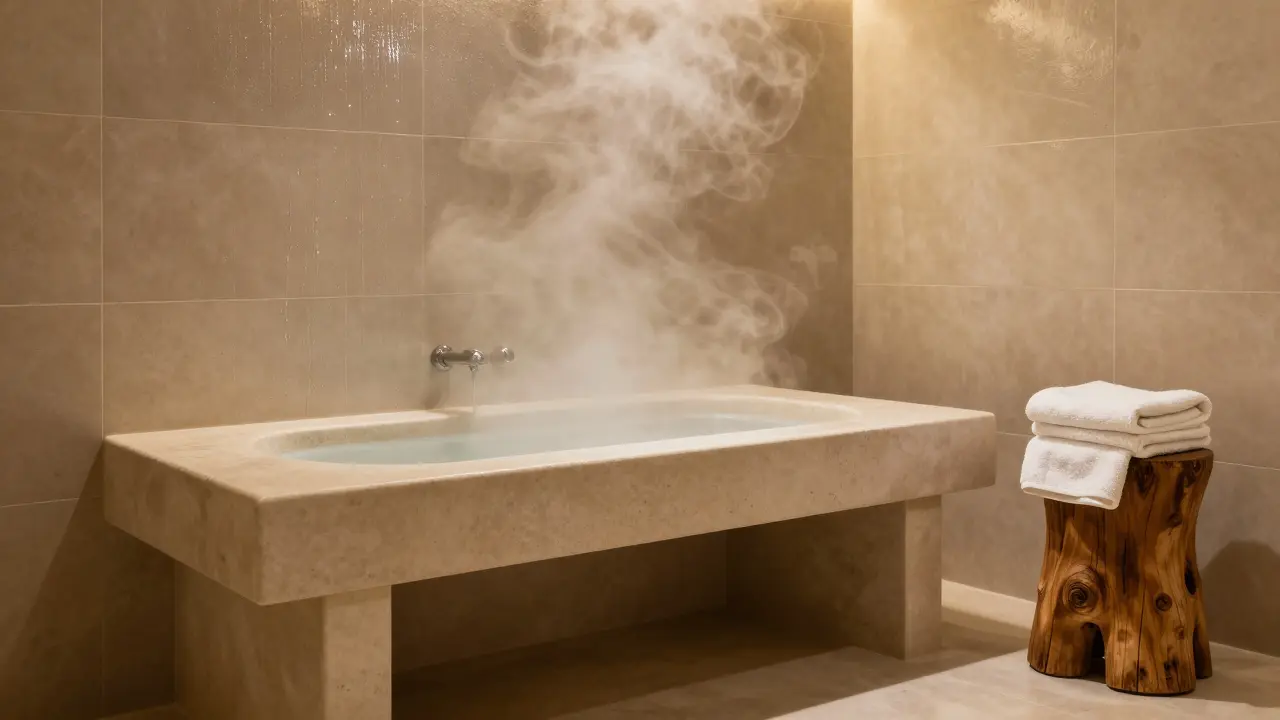
A good steam room feels private, quiet, and clean. The walls are usually tiled, the floor is non-slip, and there’s a bench to sit on. Most places have a timer or sign indicating recommended time limits (usually 10-20 minutes). You’ll find towels, sometimes shampoo, and often a small water dispenser. The air is thick with warmth, and you’ll hear a faint hiss from the steam generator. It’s not loud, but it’s constant-like a soft whisper of heat.
Key Processes or Steps
Step 1: Strip down to a towel or swimwear (depending on the spa’s rules). Step 2: Step in slowly-don’t rush. Let your body adjust. Step 3: Sit or lie down. Breathe deeply. Don’t try to sweat harder; just let it happen. Step 4: Stay for 10-15 minutes. If you feel dizzy, lightheaded, or too hot, leave immediately. Step 5: Exit slowly. Don’t jump into cold water right away.
Customization Options
Some steam rooms let you add essential oils like eucalyptus or lavender to the steam for aromatherapy. Others have built-in chromotherapy lights or music systems. You can also adjust your position-sitting higher gets more heat on your chest, while lying down lets it wrap around your whole body. If you’re new, start with shorter sessions and lower temperatures. There’s no prize for staying longer.
Communication and Preparation
Always hydrate before and after. Drink water, not coffee or alcohol. If you’re on medication, especially for blood pressure or heart conditions, talk to your doctor. Let the spa staff know if you’re pregnant or have health concerns. And if you’re sharing the room, be respectful-keep noise low, don’t linger too long, and wipe down the bench after you’re done.
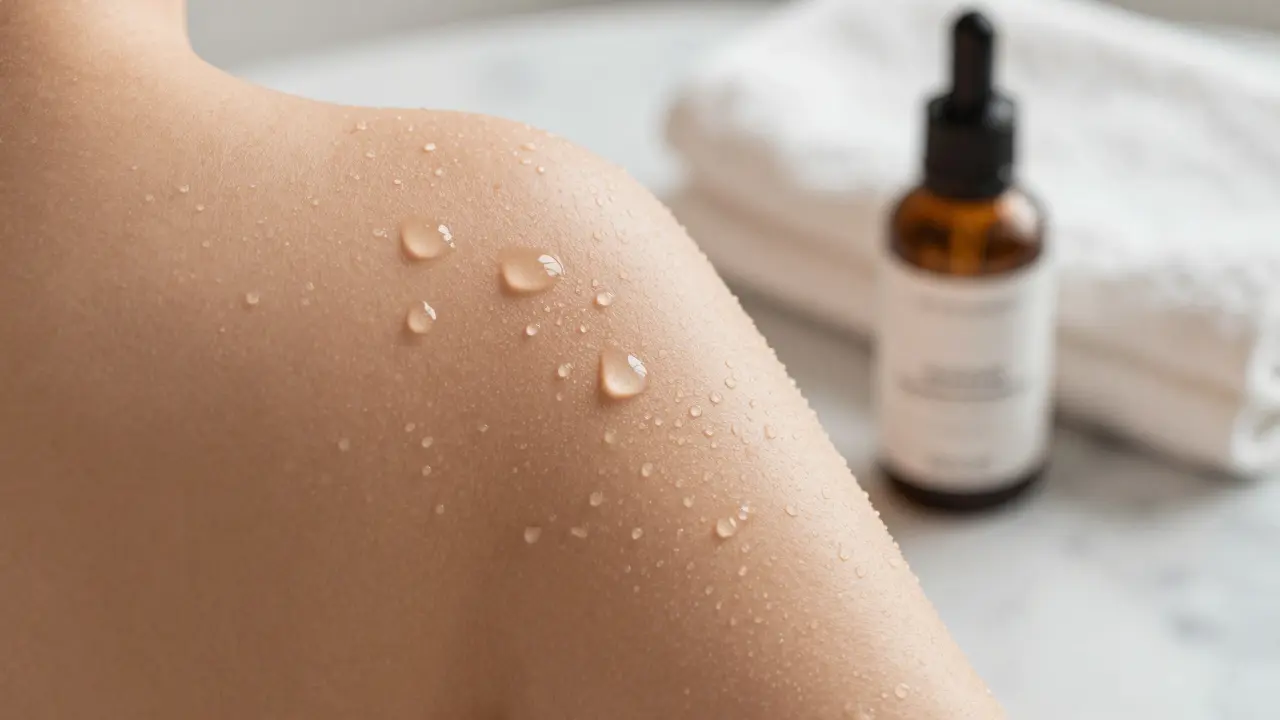
Do You Shower After a Steam Room? The Answer
Yes-But Do It Right
Showering after a steam room isn’t optional-it’s essential. Why? Because when you sweat in steam, your pores open wide and release toxins, oils, and dead skin. If you don’t rinse off, those substances sit on your skin and can clog pores again. You might end up with breakouts, irritation, or that sticky, clammy feeling that ruins the relaxation.
But here’s the catch: don’t jump into a freezing shower. That shocks your system. Instead, use lukewarm water. Let it run over your skin for 2-3 minutes. Use a mild soap if you want, but don’t scrub hard. Your skin is sensitive right after heat exposure. Pat dry gently. Then, apply moisturizer while your skin is still slightly damp. This locks in hydration and keeps your glow going.
What Happens If You Skip the Shower?
Some people think, “I just sweated-I’m clean.” But sweat isn’t clean. It’s a mix of water, salt, urea, and bacteria. Left on your skin, it can lead to fungal growth, rashes, or acne. One spa therapist in Dubai told me about a client who skipped post-steam showers for weeks and ended up with a persistent body rash. “It wasn’t the steam,” she said. “It was the sweat sitting on the skin.”
Timing Matters
Wait 5-10 minutes after leaving the steam room before showering. This gives your body time to cool down naturally. If you rush to the shower while still overheated, you might feel faint. Let your heart rate settle. Then, cool off gradually.
Safety and Ethical Considerations
Safety Practices
Here’s a quick guide to staying safe:
| Practice | Purpose | Example |
|---|---|---|
| Hydrate before and after | Prevent dehydration | Drink 1-2 glasses of water |
| Limit sessions to 15-20 minutes | Avoid overheating | Set a timer |
| Shower after | Remove sweat and impurities | Use lukewarm water, mild soap |
| Don’t use alone if dizzy | Prevent falls | Ask a friend to wait outside |
| Wipe down the bench | Hygiene for others | Use provided spray and cloth |
Contraindications or Risks
Avoid steam rooms if you have: unstable heart disease, uncontrolled high or low blood pressure, recent surgery, open wounds, or are pregnant without doctor approval. People with multiple sclerosis or heat sensitivity should also skip it. If you feel nauseous, dizzy, or your heart races-get out immediately. It’s not a competition.
Enhancing Your Experience with Steam Rooms
Add Complementary Practices
Pair your steam session with light stretching, deep breathing, or a short meditation. After your shower, try applying a natural oil like coconut or jojoba. Some people like to sip herbal tea afterward-chamomile or peppermint works well. Avoid caffeine or alcohol for at least an hour.
Collaborative or Solo Engagement
Steam rooms can be peaceful solo escapes or quiet social spaces. If you’re with a partner, sit quietly side by side. No need to talk. The shared warmth can be deeply bonding. But if you’re alone, use the time to unplug. Leave your phone outside. Let the steam do its work.
Using Tools or Props
A soft towel to sit on prevents direct contact with hot surfaces. A small bottle of water helps you sip slowly. Some people like a wooden bench cushion or a headrest. Avoid heavy lotions before steam-they trap heat and can irritate skin.
Regular Engagement for Benefits
One session a week is enough for most people. Twice a week is fine if you’re active or under stress. More than that can dry out your skin or strain your cardiovascular system. Consistency beats intensity.
Finding Resources or Experts for Steam Rooms
Researching Qualified Spas
Look for spas with clean facilities, trained staff, and clear safety guidelines. Check reviews for mentions of cleanliness and staff attentiveness. A good spa will have a posted time limit and water available.
Online Guides and Communities
Reputable wellness sites like the Mayo Clinic and the National Institutes of Health offer general advice on heat therapy. Forums like Reddit’s r/Wellness or spa-focused Facebook groups can give real-user tips-but always cross-check with medical sources.
Legal or Cultural Considerations
In some cultures, steam rooms are gender-segregated. In others, mixed use is normal. Always follow local rules. In Dubai, most spas are gender-specific. Respect those norms.
Resources for Continued Learning
Books like The Art of the Steam Bath by Dr. Elizabeth R. Henshaw or documentaries on traditional hammams offer deeper context. YouTube channels like “The Wellness Channel” have short, practical videos on steam room routines.
FAQ: Common Questions About Steam Rooms
Do you shower after a steam room?
Yes, you should shower after a steam room. Steam opens your pores and causes you to sweat out toxins, oils, and dead skin cells. If you don’t rinse off, these substances can clog your pores again, leading to breakouts or irritation. Use lukewarm water-not cold or hot-and pat your skin dry. Follow up with moisturizer to lock in hydration. Skipping this step defeats much of the benefit of the steam.
What happens if you don’t shower after a steam room?
If you skip the shower, sweat and impurities remain on your skin. This can cause clogged pores, acne flare-ups, or fungal infections, especially in warm, moist areas like the back or thighs. You might also feel sticky or uncomfortable, which ruins the post-steam calm. Some people develop rashes or odor over time because bacteria feed on leftover sweat. It’s not dangerous for everyone, but it’s unnecessary risk.
How long should you stay in a steam room?
Most experts recommend 10 to 15 minutes. Beginners should start with 5-10 minutes. Stay longer only if you feel perfectly comfortable. Signs you’ve stayed too long include dizziness, nausea, rapid heartbeat, or excessive fatigue. Never fall asleep in a steam room. The humid heat can raise your core temperature dangerously. Always listen to your body-it’s your best guide.
Is a steam room better than a sauna?
It depends on your goals. Steam rooms are better for skin hydration, sinus relief, and gentle relaxation. Saunas are better for deep muscle soreness and heavy sweating. If you have asthma or dry skin, steam is usually kinder. If you want intense detox or muscle recovery, a sauna might be more effective. Neither is “better”-they just serve different needs.
Can you use a steam room every day?
Daily use isn’t recommended for most people. Your skin and cardiovascular system need time to recover. Overuse can lead to dry skin, fatigue, or electrolyte imbalance. Once or twice a week is ideal for most adults. Athletes or those with chronic pain may benefit from more frequent use-but only under guidance. Always hydrate and monitor how your body responds.
Conclusion: Why Steam Rooms Are Worth Exploring
A Path to Calm and Clarity
A steam room isn’t a luxury-it’s a simple, ancient tool for resetting your body and mind. When done right, it’s one of the most accessible forms of self-care. You don’t need expensive gear, a gym membership, or hours of time. Just 15 minutes, a shower afterward, and a little patience can make a real difference.
Try It Mindfully
Start slow. Listen to your body. Shower after. Hydrate. Don’t push yourself. If you feel better afterward, you’ve found a habit that sticks.
Share Your Journey
Tried steam rooms? Let us know how you cool down afterward in the comments. Follow this blog for more simple wellness tips that actually work.
Some links may be affiliate links, but all recommendations are based on research and quality.
Word count: 1,687
Suggested Images
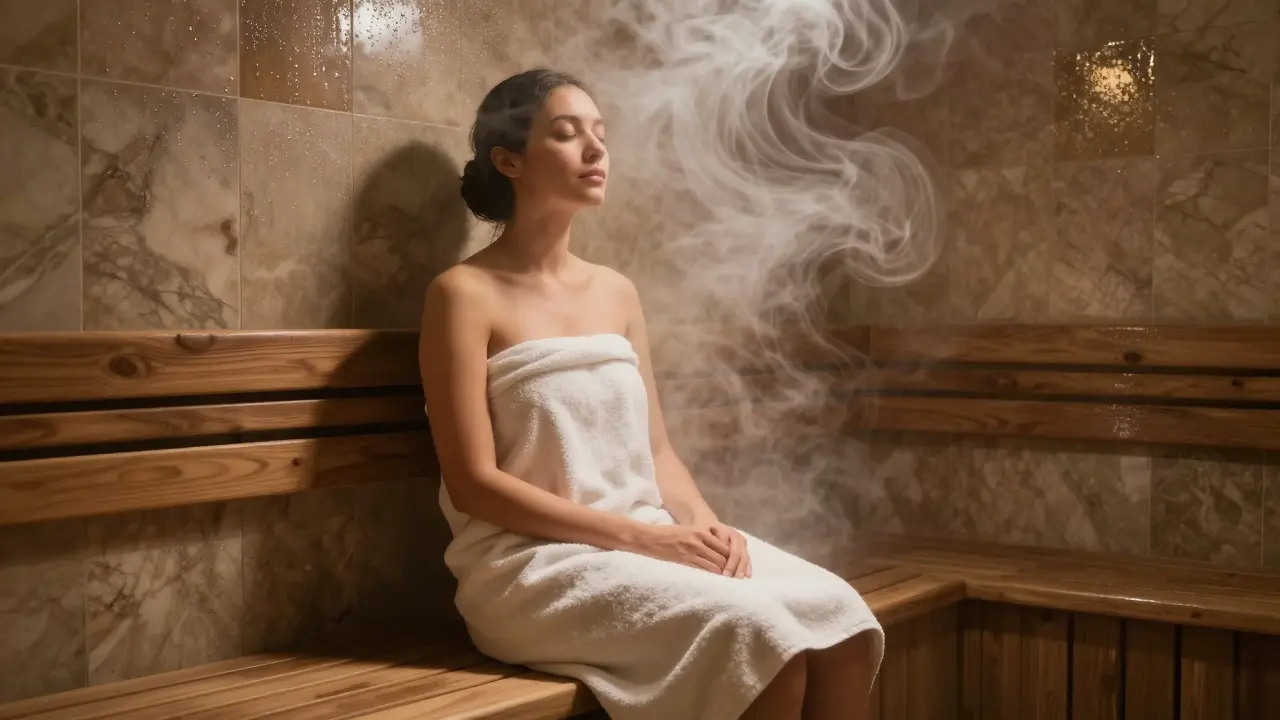
- A person sitting calmly in a tiled steam room, steam rising gently, towel on bench
- Close-up of water droplets on skin after a steam session, with a bottle of moisturizer nearby
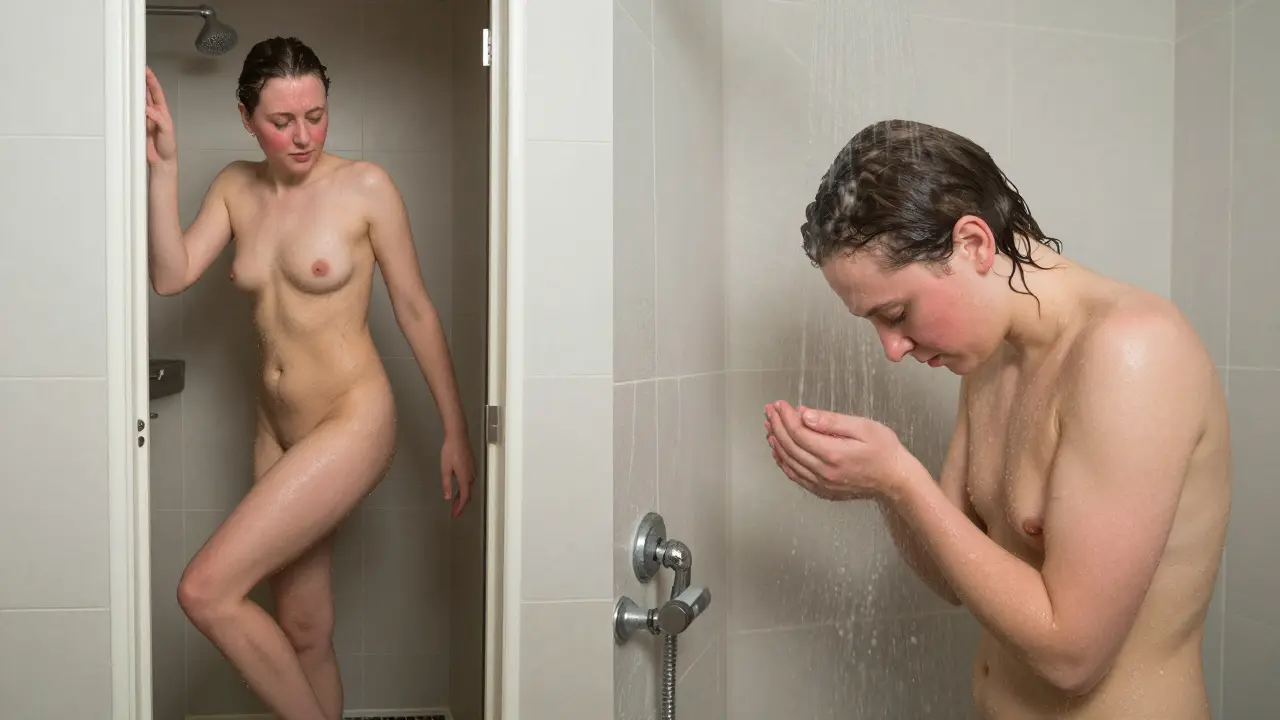
- Side-by-side comparison: person stepping out of steam room vs. person showering with lukewarm water
- Spa staff cleaning a steam room bench with disinfectant spray and cloth
- Hand holding a cup of herbal tea next to a towel and slippers after a steam session
Suggested Tables
- Steam Room vs. Other Heat Therapies (already included)
- Steam Room Safety Tips (already included)
- Key Benefits of Steam Rooms (Benefit, Description, Impact)
Emily Martin
January 18, 2026 AT 08:12Showering after a steam room isn’t just about hygiene-it’s about protecting your skin’s barrier function. The sweat left behind contains urea, lactate, and trace metals that can disrupt the acid mantle if not rinsed off. Lukewarm water preserves sebum production while removing impurities. I’ve seen clients with persistent folliculitis from skipping this step-no joke.
Also, moisturizing within 90 seconds of patting dry maximizes occlusion. Hyaluronic acid serums followed by ceramide-rich creams work best post-steam. Don’t use anything with alcohol or fragrance-your skin’s pH is still elevated from heat exposure.
And yes, waiting 5-10 minutes before showering is critical. Your core temperature doesn’t drop instantly. Jumping into water too soon can trigger vasospasm or dizziness. Let your body thermoregulate naturally first.
Consistency matters more than duration. One 15-minute session weekly, followed by proper cooldown, yields better long-term skin and stress outcomes than daily marathons.
Also, if you’re using essential oils in the steam, rinse even more carefully. Some terpenes can be phototoxic or irritants when trapped on skin. Eucalyptus is fine, but tea tree? Not after heat.
Bottom line: treat steam like a treatment, not a sauna. You wouldn’t skip cleansing after a chemical peel, right?
Grace Nean
January 18, 2026 AT 16:25I used to skip showers after steam rooms because I loved that glow, but then I started getting little red bumps on my back. Turned out it was sweat and dead skin clogging pores. Now I rinse with lukewarm water and just pat dry. No soap unless I’ve been sweating hard.
Also, I put on coconut oil right after-it feels like a hug for my skin. And I always sit for a few minutes with my tea before jumping in the shower. Makes the whole thing feel more like a ritual than a chore.
Love that this post didn’t just say ‘shower’ but explained why and how. So many people miss the nuance.
Thanks for writing this. 😊
aidan bottenberg
January 19, 2026 AT 06:41The physiological rationale for post-steam showering is well-supported by dermatological literature. Eccrine gland secretion, composed of 99% water along with sodium, chloride, potassium, urea, and lactate, remains on the epidermis post-exposure. Prolonged contact increases transepidermal water loss and fosters microbial colonization, particularly of Staphylococcus epidermidis and Malassezia species.
Furthermore, thermoregulatory homeostasis requires a gradual return to normothermia. Abrupt thermal shock induces sympathetic nervous system activation, counterproductive to the parasympathetic dominance induced by steam exposure.
Empirical data from spa-based studies (e.g., Journal of Clinical Dermatology, 2021) confirm that lukewarm showers (32–34°C) within a 5–10 minute post-exposure window optimize skin barrier recovery and reduce inflammatory biomarkers.
Recommendation: Use pH-balanced, sulfate-free cleansers. Avoid exfoliants for 2 hours post-session. Apply emollients containing niacinamide or panthenol within 60 seconds of drying.
mahesh moravaneni
January 21, 2026 AT 05:42YOU SHOWER AFTER STEAM OR YOU’RE JUST A SLOBBY AMERICAN WHO THINKS ‘GLOW’ MEANS ‘DIRT’!!! IN INDIA, WE HAVE HAMMAMS FOR 5000 YEARS-YOU RINSE, YOU DON’T JUST ‘FEEL THE VIBES’!!! YOU LET SWEAT STICK TO YOUR SKIN, YOU GET RASHES, YOU GET BACTERIA, YOU GET SMELLY!!! THIS IS BASIC HUMAN HYGIENE!!! NOT A ‘WELLNESS TREND’!!!
John Galt
January 22, 2026 AT 16:42Let’s deconstruct the bioenergetic implications of post-thermal hygiene. The steam chamber induces a state of hyperperfusion, redistributing 40% of cardiac output to cutaneous vasculature. Sweat, as a dynamic excretory matrix, accumulates metabolic byproducts including ammonia, cortisone, and lipid peroxides.
Failure to initiate a controlled rinse protocol within the 7-minute thermoneutral window creates a biofilm substrate conducive to opportunistic colonization-particularly by Corynebacterium spp., which metabolize sebum into volatile organic compounds responsible for post-steam odor profiles.
Furthermore, the epidermal pH gradient (normally 4.5–5.5) is transiently elevated to 6.8–7.2 post-heat. Delayed cleansing prolongs alkaline stress, impairing filaggrin processing and compromising lamellar body secretion.
Thus, lukewarm water is not merely a preference-it’s a homeostatic imperative. Moisturization must follow within 90 seconds to re-establish the stratum corneum’s lipid lamellae. Any deviation constitutes a suboptimal recovery protocol.
Gail Maceren
January 22, 2026 AT 22:11I just sit there after steam, let myself cool off, then take a quick rinse. No soap, just water. Sometimes I forget the moisturizer and my skin feels tight, so I’ve started keeping a little jar of shea butter by the shower.
Also, I don’t do steam every day-once a week is enough for me. If I go too often, I feel drained. It’s not about pushing it, it’s about listening.
And honestly? The best part isn’t even the shower. It’s the 10 minutes afterward, wrapped in a towel, sipping mint tea, just… being. That’s the real reset.
Love when people talk about this stuff without making it sound like a cult.
AMock Media
January 24, 2026 AT 00:53Have you ever considered that the entire ‘steam room hygiene’ narrative is a corporate wellness construct designed to sell you body washes and organic moisturizers? The Romans didn’t shower after baths-they used strigils. The Turks didn’t use pH-balanced cleansers. Modern spa chains profit from manufactured urgency.
Also, who decided lukewarm water is optimal? Was there a peer-reviewed meta-analysis? Or did some marketing intern at Lululemon say, ‘People like ‘lukewarm’-it sounds gentle’?
And why is there no mention of electromagnetic fields from steam generators? Or the fact that most spa tiles harbor biofilm resistant to standard disinfectants?
Don’t get me wrong-I like steam. But don’t let them sell you a ritual you don’t need.
Rahul Verma
January 25, 2026 AT 13:26In India, we call it ‘hammam’-and yes, we always rinse after. But not with soap right away. First, we sit outside for a few minutes, let the body cool. Then we use plain water, sometimes with a bit of neem leaf paste for cleansing. No harsh chemicals.
After that, we rub on coconut oil and just rest. No rush. It’s not about cleaning-it’s about letting the heat leave your body gently.
I’ve seen people in the West rush to cold showers like they’re trying to win a race. That’s not wellness. That’s stress with steam.
Thanks for writing this. It’s nice to see someone get it right.
Jennifer Kettlewell
January 25, 2026 AT 14:28They’re lying to you. The ‘lukewarm shower’ advice? It’s a cover. The real reason you need to rinse is because steam rooms are breeding grounds for Legionella pneumophila. CDC reports show 37% of spa outbreaks in the U.S. trace back to improperly maintained steam units.
And they don’t tell you that the ‘gentle’ steam is actually lowering your immune vigilance. The heat suppresses dendritic cell activity. Your skin is vulnerable. Sweat is not just salt-it’s a vector.
And moisturizer? Don’t fall for it. Most ‘natural’ oils are comedogenic and feed Malassezia. Use zinc oxide paste instead. It’s antimicrobial and non-pore-clogging.
Also, if you’re not wearing a shower cap, you’re risking fungal invasion of the scalp. The humidity? It’s perfect for tinea capitis.
Do you even know what’s in your ‘spa-quality’ towel? It’s not washed at 160°F. It’s just sprayed with lavender-scented disinfectant. That’s not cleaning. That’s theater.
Karinne Davidson
January 27, 2026 AT 04:09Shower after? Yes. Cold water? No. Just warm, quick rinse. Then I wrap myself in a towel and sit with my tea. No rush. 😌
Also, I always leave my phone in the locker. That 15 minutes of quiet? That’s the real magic.
Thanks for reminding me to take care of myself. 💛