
Should I Shower After a Steam Room? The Right Way to Cool Down
Should I shower after a steam room? The answer isn’t as simple as yes or no-it depends on what you’re trying to achieve. If you want to wash off sweat and open pores, a quick rinse helps. But if you’re chasing deep relaxation or skin benefits, jumping straight into cold water might undo the magic. Let’s cut through the noise and give you a clear, practical guide based on how your body actually responds to heat, sweat, and water.
Understanding the Basics of Steam Rooms
Origins and History
Steam rooms trace back thousands of years to ancient civilizations like the Romans, who built elaborate bathhouses called thermae. These weren’t just for cleaning-they were social hubs where people gathered to relax, talk, and heal. The concept spread through the Ottoman Empire, where hammams used steam for cleansing and ritual. Today’s steam rooms are modern descendants of these traditions, designed to mimic natural hot, moist environments. Unlike dry saunas, steam rooms use 100% humidity at around 110-115°F, making them gentler on the skin and easier to tolerate for longer.
Core Principles or Components
The magic of a steam room lies in moist heat. When you sit in that warm, humid air, your body temperature rises slightly. Blood vessels dilate, circulation improves, and sweat pours out-not to cool you down, but to open pores and release toxins. The moisture keeps your skin hydrated, unlike dry saunas that can leave skin feeling tight. This environment also helps loosen mucus in your sinuses, which is why so many people use steam rooms when they have a cold.
How It Differs from Related Practices
People often confuse steam rooms with saunas, hot tubs, or even infrared cabins. Here’s how they stack up:
| Practice | Heat Type | Humidity | Primary Benefit |
|---|---|---|---|
| Steam Room | Moist heat | 100% | Hydrates skin, clears sinuses |
| Dry Sauna | Hot air | 10-20% | Deep muscle relaxation |
| Hot Tub | Water immersion | High (surrounding air) | Joint relief, muscle recovery |
Who Can Benefit from Steam Rooms?
Almost anyone can enjoy a steam room-unless they have specific health conditions. Athletes use them to loosen muscles after workouts. People with asthma or congestion find relief in the moist air. Those with dry skin appreciate the hydration. Even if you’re just stressed and need a quiet 15 minutes, the steam room offers a low-tech, high-impact reset. But if you’re pregnant, have heart issues, or are prone to dizziness, check with your doctor first.
Benefits of Steam Rooms for Your Body
Detoxification Through Sweat
Yes, you sweat in a steam room-but does that mean you’re "detoxing"? The truth is, your liver and kidneys handle most toxins. Sweat is mostly water and salt, with tiny amounts of urea and lactic acid. Still, sweating helps your skin breathe. When pores open and release buildup, your skin feels cleaner and softer. Think of it like giving your skin a deep cleanse without scrubbing. Many users report fewer breakouts after regular steam sessions, especially if they follow it with a gentle rinse.
Improved Circulation and Recovery
Heat expands blood vessels, which means more oxygen and nutrients flow to your muscles and tissues. This is why athletes use steam rooms after training. The increased blood flow helps flush out lactic acid-the stuff that makes you sore. While it won’t replace stretching or massage, it’s a great complement. One study from the Journal of Athletic Training found that heat exposure after exercise improved recovery time by up to 20% in some individuals.
Respiratory Relief and Mental Calm
If you’ve ever walked into a steam room with a stuffy nose and walked out breathing easier, you know the power of moist heat. The humidity loosens mucus in your nasal passages and lungs. For people with allergies or seasonal colds, this is a natural, drug-free relief. Beyond breathing, the quiet, warm environment triggers your parasympathetic nervous system-the one responsible for "rest and digest." It’s like hitting a pause button on stress.
Hydration and Skin Health
Unlike dry heat, steam doesn’t pull moisture from your skin-it adds it. That’s why your skin feels plump and glowing after a session. Regular use can improve skin elasticity and reduce flakiness. People with eczema or psoriasis often report fewer flare-ups when they include steam in their routine, as long as they don’t overdo it. The key? Don’t let your skin dry out after. That’s where the shower question comes in.
What to Expect When You Use a Steam Room
Setting or Context
A good steam room isn’t loud or crowded. It’s dim, quiet, and warm. You’ll usually find benches, towels, and sometimes essential oil diffusers for aromatherapy. Most spas have separate rooms for men and women. If you’re at a gym or hotel, check the rules-some require a towel, others don’t. Bring your own towel and flip-flops. Don’t sit directly on the bench without one-bacteria thrive in warm, damp places.
Key Processes or Steps
Here’s how a typical session goes: Step in, find a spot, sit or lie down, and breathe slowly. Don’t rush. Stay for 10-15 minutes max. You’ll start sweating within a few minutes. If you feel dizzy, lightheaded, or too hot, get out immediately. That’s your body telling you it’s done. No one is watching. No one expects you to stay longer than you’re comfortable.
Customization Options
You can make your steam room experience better with simple tweaks. Add a few drops of eucalyptus or peppermint oil to the water reservoir if the spa allows it. Bring a small bottle of water to sip slowly. Wear a shower cap if you have long hair-you don’t want it soaked. Some people like to do light stretching or meditation while they’re in. Others just close their eyes and zone out. There’s no right way-only what feels right for you.
Communication and Preparation
Before you enter, make sure you’re hydrated. Drink a glass of water 30 minutes before. Don’t go in on an empty stomach or right after a big meal. If you’re new, start with 5-7 minutes. And if you’re sharing the room, be respectful. Keep noise low. Don’t splash water on others. This isn’t a party-it’s a reset.
Should You Shower After a Steam Room?
The Science Behind Post-Steam Rinse
Here’s the real question: does rinsing off after a steam room help or hurt? The answer is: it depends on your goal. If you’re focused on skin health, a lukewarm rinse is ideal. It washes away salt, sweat, and any impurities your pores released. But don’t use hot water-that strips natural oils. And don’t scrub hard. Just let the water run over you gently. If you’re using the steam room for relaxation, skip the shower for 10-15 minutes. Let your body cool down naturally. This keeps your circulation elevated and your nervous system calm.
When to Skip the Shower
If you’re using the steam room to soothe sore muscles or reduce stress, jumping into cold water right after can shock your system. Cold showers are great for recovery after a workout, but they’re not ideal after steam. Your body is still trying to regulate temperature. A sudden chill can cause blood vessels to constrict too fast, leading to dizziness or even fainting. Wait until your heart rate drops and you’re no longer sweating.
When to Shower Immediately
Go ahead and rinse if you’re heading to work, a meeting, or a date. You don’t want to smell like sweat or leave wet marks on your clothes. A quick, cool rinse is fine then. It’s also smart if you have sensitive skin or acne-prone skin. Sweat trapped on the skin can clog pores. A gentle wash prevents breakouts. Use a mild, fragrance-free soap. Avoid harsh scrubs-they irritate skin already softened by heat.
Best Practices for Post-Steam Showering
Here’s a simple rule: shower after a steam room only if you’re sweaty, dirty, or heading somewhere. Otherwise, let your body cool down first. If you do shower:
- Use lukewarm, not hot or cold, water.
- Keep it under 5 minutes.
- Pat dry, don’t rub.
- Apply moisturizer within 3 minutes-your skin is still absorbing moisture.
Safety and Ethical Considerations
Choosing Qualified Facilities
Not all steam rooms are created equal. A well-maintained one has clean tiles, proper ventilation, and regular disinfection. If the room smells musty or the water looks cloudy, walk out. Reputable spas follow strict hygiene standards. Look for certifications or ask staff how often they clean the system. In places like Dubai, where steam rooms are common in luxury hotels, standards are usually high.
Safety Practices
Here’s what you need to do to stay safe:
| Practice | Purpose | Example |
|---|---|---|
| Hydrate before and after | Prevent dehydration | Drink 1-2 glasses of water |
| Limit time to 15 minutes | Avoid overheating | Set a timer |
| Use a towel on the bench | Block bacteria | Bring your own or use spa-provided |
Setting Boundaries
It’s okay to leave early. It’s okay to ask for a cooler room. It’s okay to say no to aromatherapy oils if they make you dizzy. Your comfort comes first. No one should pressure you to stay longer. If you’re uncomfortable, speak up-or just walk out.
Contraindications or Risks
Don’t use a steam room if you have:
- Uncontrolled high blood pressure
- Heart disease
- Pregnancy (especially first trimester)
- Recent surgery or open wounds
- Severe asthma or respiratory infections
If you’re unsure, ask your doctor. Better safe than sorry.
Enhancing Your Experience
Adding Complementary Practices
Pair your steam room with a few simple habits. After your session, drink herbal tea-chamomile or mint helps your body cool down gently. Do 5 minutes of deep breathing. Or, if you’re at home, use a hydrating face mask while you relax. These small rituals multiply the benefits.
Collaborative or Solo Engagement
Steam rooms are great for solo quiet time. But if you’re with a partner or friend, it’s also a chance to connect-silently. No phones. No talking. Just shared calm. Some couples use it as a pre-date ritual. It’s surprisingly intimate.
Using Tools or Props
Bring a lightweight towel, a water bottle, and maybe a small bottle of body oil to apply after your shower. Some people like bamboo steam room mats for extra comfort. A headband keeps sweat out of your eyes. Keep it simple.
Regular Engagement for Benefits
One session won’t change your life. But three times a week? That’s where the magic happens. Regular use improves skin texture, reduces stress, and helps you sleep better. Make it part of your routine-like brushing your teeth.

Finding Resources or Experts
Researching Qualified Facilities
Check reviews on Google or TripAdvisor. Look for mentions of cleanliness, staff helpfulness, and temperature control. Avoid places with complaints about bad smells or dirty floors. In Dubai, luxury resorts like the Burj Al Arab or the Ritz-Carlton have top-tier steam rooms with trained staff.
Online Guides and Communities
Look for wellness blogs from certified spa therapists or physical therapists. Sites like the International Spa Association offer general guidelines. Avoid forums that promote extreme detox claims. Stick to science-backed advice.
Legal or Cultural Considerations
In some cultures, steam rooms are gender-segregated and strictly quiet. Respect those norms. In Dubai, modesty is expected-even in private areas. Cover up when walking to and from the room. Don’t take photos. These aren’t just rules-they’re signs of respect.
Resources for Continued Learning
Books like The Art of the Spa by Dr. Susan Lark offer solid, non-hype advice. YouTube channels run by licensed estheticians have short tutorials on post-steam skincare. Start there.
FAQ: Common Questions About Steam Rooms
Should I shower after a steam room?
Yes, but not always right away. If you’re sweaty or heading somewhere, a quick lukewarm rinse is fine. If you’re relaxing, wait 10-15 minutes to let your body cool naturally. Avoid cold showers-they can shock your system. Pat dry and apply moisturizer after.
What happens if I don’t shower after a steam room?
Nothing dangerous-your body will naturally dry. But sweat and minerals left on your skin can clog pores, especially if you’re acne-prone. You might also feel sticky or smell faintly salty. For skin health, a gentle rinse is best. For relaxation, skipping it is fine.
Is it better to use a steam room before or after a workout?
After. A steam room helps relax muscles and flush out lactic acid post-exercise. Using it before can overheat you and drain energy. Save the steam for recovery. If you’re doing a full spa day, go for a light warm-up, then steam, then cool down with a walk.
Can I use a steam room every day?
Most healthy adults can, but 3-4 times a week is ideal. Daily use can dry out your skin or lead to overhydration of the respiratory tract. Listen to your body. If you feel tired, dizzy, or your skin feels tight, cut back. Quality matters more than frequency.
Is a steam room better than a sauna?
It depends. Steam rooms are better for skin hydration and sinus relief. Saunas are better for deep muscle relaxation and higher heat tolerance. If you have dry skin or breathing issues, choose steam. If you want intense sweat and muscle relief, go for sauna. Many people enjoy both.
Conclusion: Why Steam Rooms Are Worth Exploring
A Path to Calm and Clarity
A steam room isn’t a luxury-it’s a simple, ancient tool for resetting your body and mind. It doesn’t require equipment, apps, or expensive products. Just heat, moisture, and time. If you’ve been curious, try it once. You might find it’s the quietest, most restorative 15 minutes of your week.
Try It Mindfully
Don’t rush. Don’t compare. Don’t expect miracles. Just show up. Listen to your body. If it feels good, keep going. If not, stop. That’s the whole point.
Share Your Journey
Tried a steam room after a long week? Let us know how it felt in the comments. Follow this blog for more simple wellness tips that actually work.
Some links may be affiliate links, but all recommendations are based on research and quality.
Word count: 1,672
Suggested Images
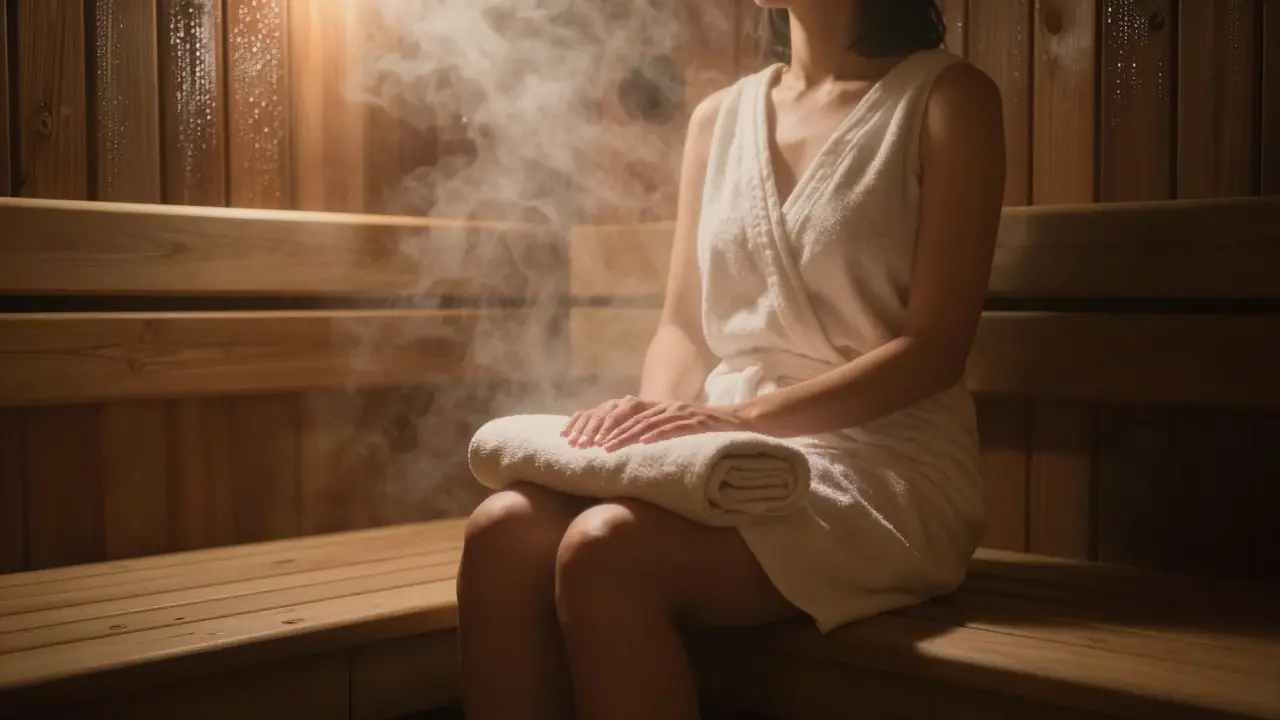
- A person sitting calmly in a dimly lit steam room, towel on lap, steam rising around them.
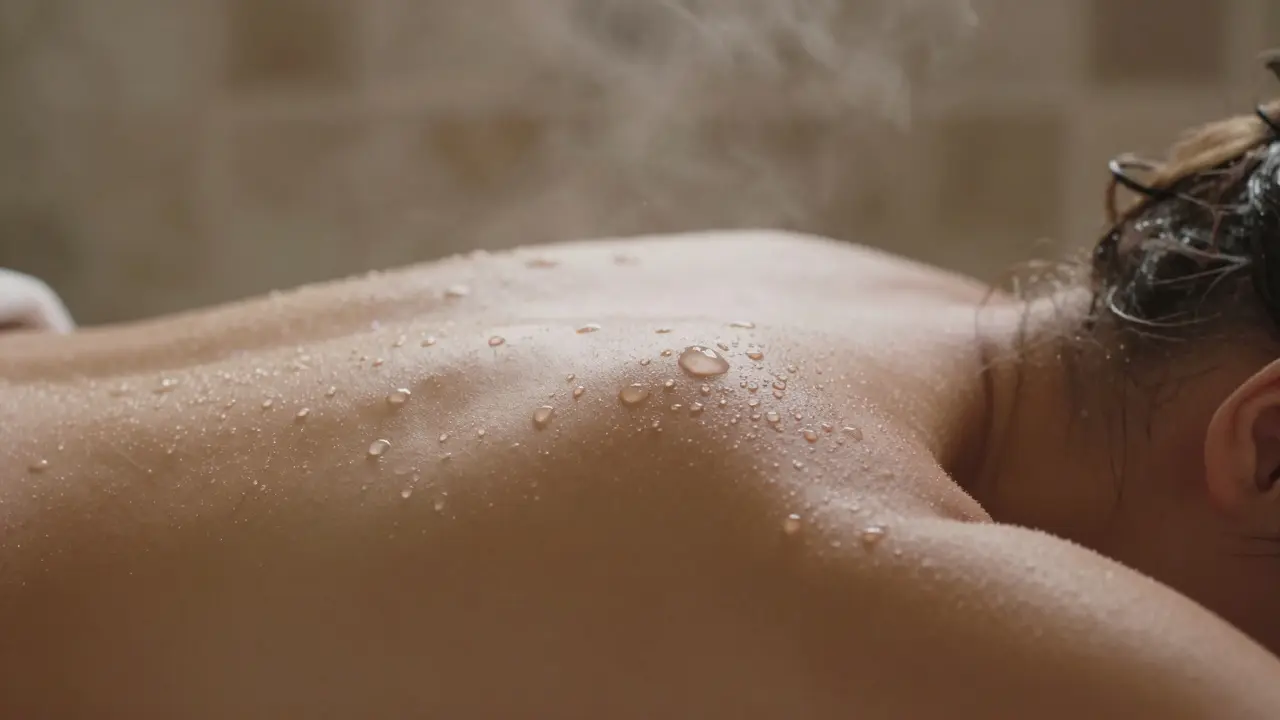
- Close-up of water droplets on skin after a steam session, glowing under soft light.
- Side-by-side: a person stepping out of a steam room with a towel, smiling, and another drinking water.
- Spa bench with towel, bottle of water, and a small plant-minimalist, clean aesthetic.
- Steam rising from a wooden bench in a traditional hammam-style room.
Suggested Tables
- Comparison of Steam Room vs. Sauna vs. Hot Tub (already included)
- Steam Room Safety Tips (already included)
- Key Benefits of Steam Room Use: Benefit, Description, Impact (e.g., "Hydrated Skin" - "Moist heat replenishes moisture" - "Reduces flakiness and improves glow")


Ben Görner
January 26, 2026 AT 19:10Also, towel on the bench. Always. I don’t care how clean it looks.
Eddie Valdes
January 27, 2026 AT 04:57Vikram Sinha
January 27, 2026 AT 09:08Also, eucalyptus oil is overrated. Just plain steam is enough.
Jenn Davenport
January 28, 2026 AT 09:00Dan Mihai
January 29, 2026 AT 14:57gangadhar balina
January 31, 2026 AT 00:12Michelle Yu
January 31, 2026 AT 08:45