
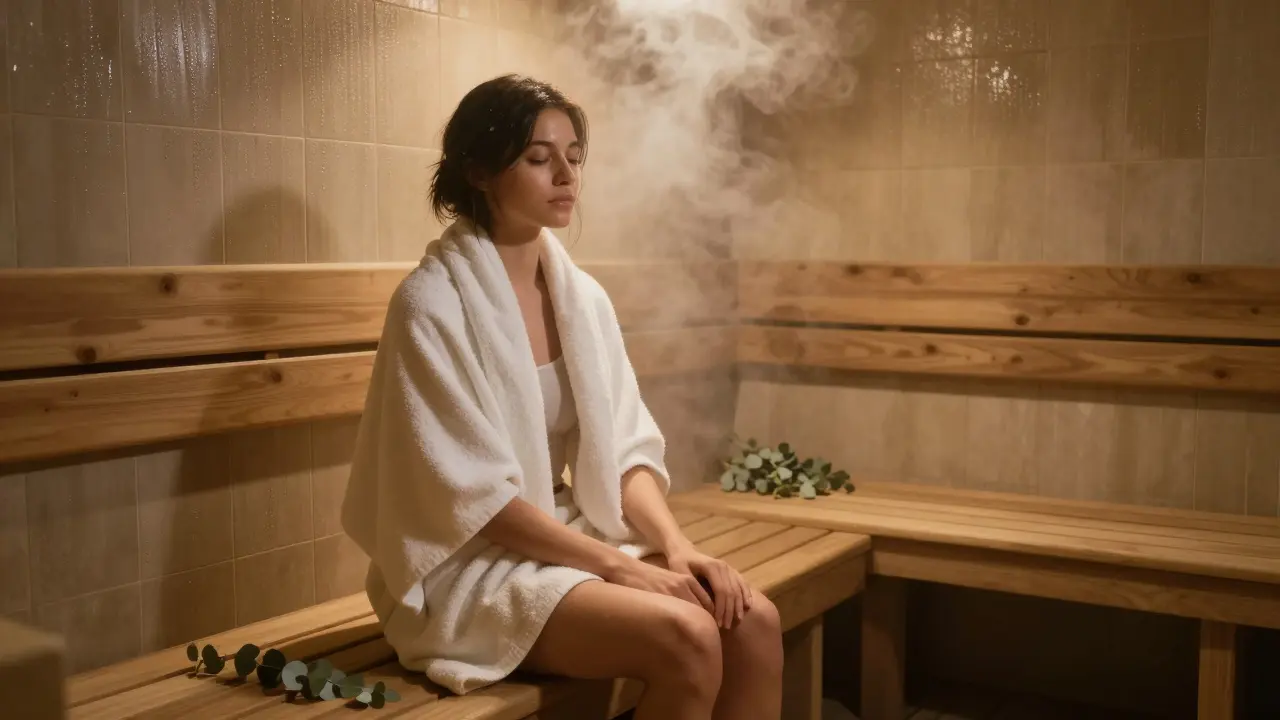
What Toxins Does a Steam Room Remove? The Science Behind Sweat and Detox
When you step into a steam room, your skin starts to glisten, your breath deepens, and you feel that familiar warmth spreading through your body. Many people believe this is their body flushing out toxins-that the sweat is carrying away poisons like heavy metals, chemicals, and environmental pollutants. But is that really true? And if so, which ones? Let’s cut through the hype and look at what actually happens when you sweat in a steam room.
The idea that sweat is a major detox pathway is widespread. Spas, wellness influencers, and even some fitness programs promote steam rooms as a way to "cleanse" your body. But the truth is more nuanced. Your liver and kidneys are your body’s real detox systems. Sweat? It’s mostly water and salt. Let’s break down what’s really happening-and what you can realistically expect.
Understanding the Basics of Steam Room Detox
Origins and History
Steam rooms trace back thousands of years. Ancient Romans built bathhouses with heated rooms filled with moist air, called laconica. In Turkey, the hammam became a social and cleansing ritual. Native American sweat lodges used steam and heat for spiritual and physical purification. These cultures didn’t have modern toxicology, but they understood heat’s effect on the body: it made people feel lighter, cleaner, and more relaxed. Today’s steam rooms are direct descendants of these traditions-focused on comfort, circulation, and calm, not chemical removal.
Core Principles or Components
A steam room works by raising your core temperature in a humid environment (usually 100-114°F with 100% humidity). This triggers sweating, dilates blood vessels, and increases heart rate slightly-similar to mild exercise. The goal isn’t to purge toxins; it’s to promote relaxation, improve circulation, and loosen tight muscles. The sweat you produce is 99% water and 1% electrolytes like sodium, potassium, and trace minerals. That’s it.
How It Differs from Related Practices
People often confuse steam rooms with saunas, infrared cabins, or detox foot baths. Here’s how they stack up:
| Method | Heat Type | Humidity | Primary Effect |
|---|---|---|---|
| Steam Room | Moist Heat | 100% | Opens pores, hydrates skin, relaxes muscles |
| Traditional Sauna | Dry Heat | 10-20% | Deeper tissue warming, more intense sweating |
| Infrared Sauna | Radiant Heat | Low | Penetrates deeper into tissue, less surface sweat |
| Detox Foot Bath | Electrical Current | N/A | No scientific evidence of toxin removal |
Steam rooms don’t remove more toxins than saunas. They just do it differently-softer, slower, and with more moisture. And detox foot baths? They’re pure theater. The color change in the water comes from rust from the electrodes, not your body’s toxins.
Who Can Benefit from Steam Rooms?
Steam rooms are ideal for people seeking stress relief, muscle recovery, or skin hydration. Athletes use them after workouts to ease soreness. People with dry skin or congestion find relief from the humidity. Those with chronic stress or poor circulation may notice improved sleep and lower blood pressure after regular use. But if you’re looking to flush out heavy metals, pesticides, or plastic residues, you’re better off focusing on diet, hydration, and liver-supporting habits-not steam.
Benefits of Steam Rooms for Your Body
Stress Reduction
Heat triggers the release of endorphins-the same chemicals your brain makes when you laugh, exercise, or hug someone you love. A 20-minute steam session can lower cortisol levels, the hormone tied to stress. Many users report feeling calmer, more centered, and even mentally clearer afterward. Think of it as a reset button for your nervous system. The National Institutes of Health notes that heat therapy can improve mood and reduce perceived stress levels Web source (https://www.nih.gov).
Enhanced Circulation
When your body heats up, blood vessels widen to carry heat to the skin’s surface. This boosts circulation, which helps deliver oxygen and nutrients to tissues. For people with stiff joints or poor circulation, this can mean less stiffness and faster recovery. It’s not magic-it’s physics. Warmth = dilation = better flow.
Emotional Well-Being
There’s something deeply soothing about sitting in warm, moist air with no distractions. It’s a rare moment of stillness in a noisy world. People who use steam rooms regularly often describe it as a form of moving meditation. The rhythmic sound of steam, the warmth, the quiet-it creates a sensory pause. That’s not a detox. It’s a mental reset.
Practical Applications
Here’s what you can realistically expect from steam room use:
| Benefit | Description | Impact |
|---|---|---|
| Skin Hydration | Steam opens pores and adds moisture to the skin | Reduces dryness, improves texture |
| Muscle Recovery | Heat relaxes tight muscles and eases tension | Faster recovery after workouts |
| Respiratory Relief | Mist helps loosen mucus in nasal passages | Less congestion, easier breathing |
| Sleep Quality | Post-steam relaxation lowers stress hormones | Deeper, more restful sleep |
What to Expect When Engaging with a Steam Room
Setting or Context
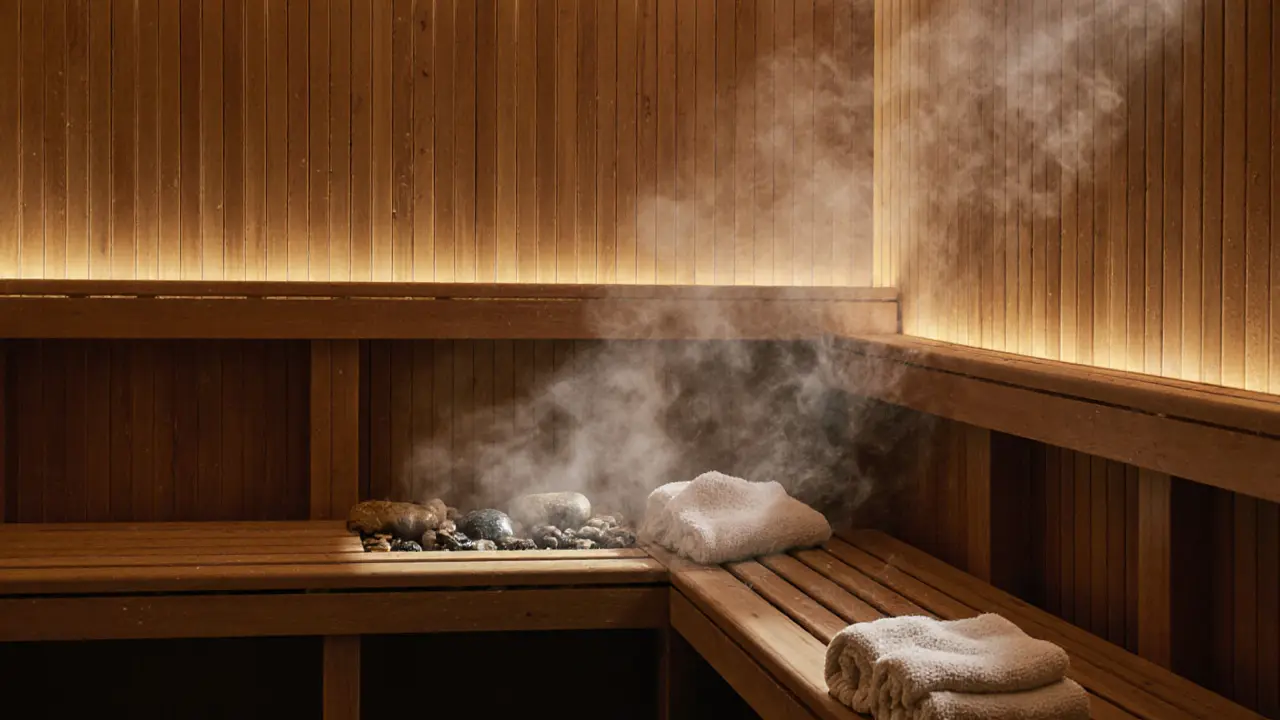
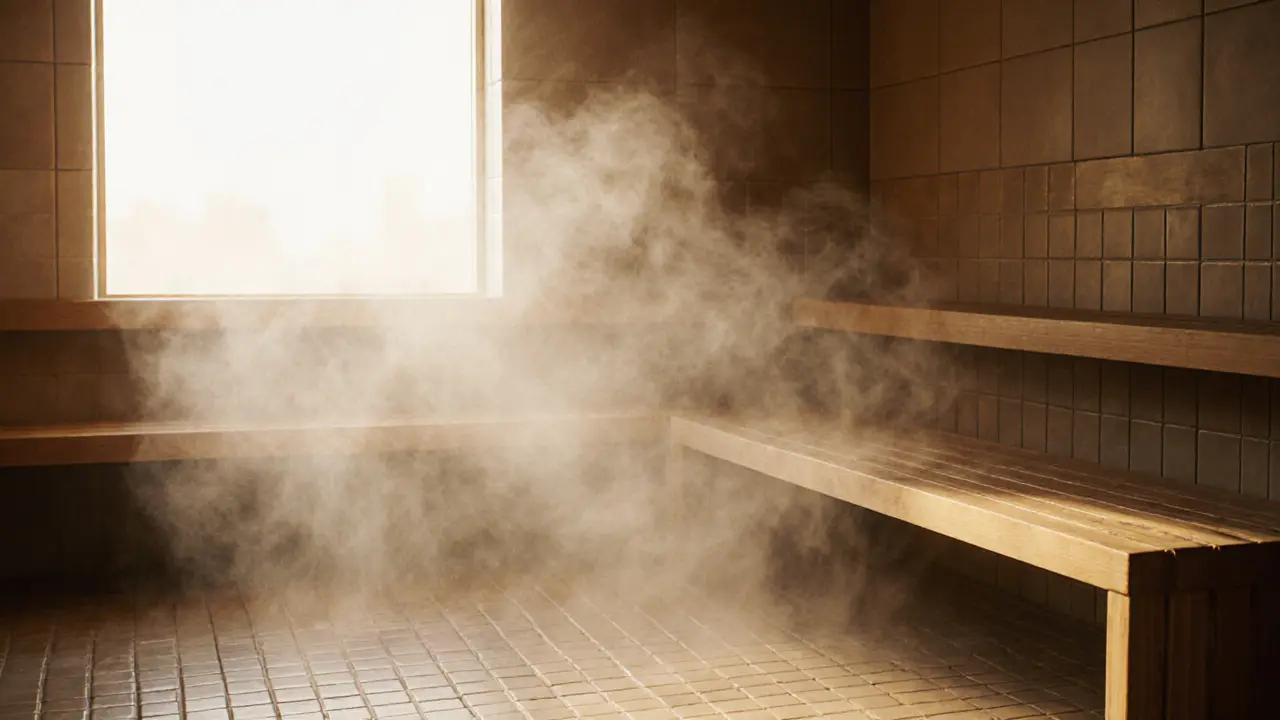
Most steam rooms are small, tiled rooms with a bench and a steam generator under the floor. The air is thick, warm, and damp. You’ll hear a soft hiss. The walls might be lined with eucalyptus oil or cedarwood for aroma. It’s quiet, dim, and private. You’re not supposed to talk. You’re supposed to breathe, relax, and let the heat do its work.
Key Processes or Steps
There’s no complicated routine. Just enter, sit or lie down, breathe slowly, and stay for 10-20 minutes. Drink water before and after. Step out slowly-dizziness can happen if you stand up too fast. Cool down with a lukewarm shower. That’s it. No scrubbing, no special oils, no rituals needed.
Customization Options
Some spas add essential oils like lavender or peppermint to the steam. Others use heated stones or chromotherapy lights. You can adjust your time based on comfort-beginners should start with 10 minutes. If you’re pregnant, have heart issues, or are on medication, check with your doctor first.
Communication and Preparation
Don’t go in with a full stomach. Avoid alcohol or heavy meals beforehand. Hydrate well. If you’re new, ask the spa staff about the temperature and duration. Most places will tell you it’s safe to stay in for up to 20 minutes. Listen to your body. If you feel dizzy, nauseous, or too hot-leave. There’s no prize for staying longer.

How to Practice or Apply Steam Room Use
Setting Up for Success
If you’re using a steam room at a gym or spa, go during off-hours to avoid crowds. Bring a towel, a bottle of water, and a change of clothes. Wear minimal clothing-bathing suit or towel only. No jewelry. Metal gets hot. Leave your phone outside.
Choosing the Right Tools/Resources
You don’t need fancy gear. A good steam room is well-maintained, clean, and properly ventilated. Look for places that clean daily and use filtered water for steam generation. If you’re installing one at home, choose a model with a timer and temperature control. Avoid cheap units that don’t regulate humidity properly.
Step-by-Step Guide
- Drink a glass of water 30 minutes before entering.
- Shower to remove lotions or sweat.
- Enter the steam room wearing a towel or swimsuit.
- Find a comfortable spot-sit or lie down.
- Breathe slowly through your nose. Stay 10-20 minutes.
- Exit slowly. Sit for a minute if you feel lightheaded.
- Take a lukewarm shower to rinse off sweat.
- Drink more water and rest.
Tips for Beginners or Couples
First-timers often stay too long. Start with 10 minutes. Don’t try to "sweat out" toxins-it won’t work. If you’re with a partner, don’t feel pressured to match each other’s time. Everyone tolerates heat differently. Use the time to disconnect, not compete.
Safety and Ethical Considerations
Choosing Qualified Practitioners/Resources
Spas should follow hygiene standards: daily cleaning, proper drainage, and ventilation. Ask if they use antimicrobial treatments on surfaces. Avoid steam rooms that smell musty or look cloudy-those are red flags.
Safety Practices
Here’s how to stay safe:
| Practice | Purpose | Example |
|---|---|---|
| Hydrate before and after | Prevents dehydration | Drink 16 oz water |
| Limit sessions to 20 minutes | Reduces overheating risk | Use a timer |
| Exit slowly | Prevents dizziness | Sit on bench for 1 min |
| Don’t use if pregnant | Protects fetal health | Consult OB-GYN first |
Setting Boundaries
Steam rooms are shared spaces. Be respectful. Don’t splash water on others. Keep noise low. If someone seems uncomfortable, give them space. Your comfort matters, but so does theirs.
Contraindications or Risks
Don’t use a steam room if you have:
- Uncontrolled high blood pressure
- Heart disease
- Pregnancy (especially first trimester)
- Recent surgery or open wounds
- Multiple sclerosis or heat sensitivity
- Low blood pressure (can cause fainting)
If you’re on medications-especially diuretics, beta-blockers, or blood pressure drugs-talk to your doctor. Heat affects how your body processes them.
Enhancing Your Experience with Steam Rooms
Adding Complementary Practices
Pair your steam session with light stretching, deep breathing, or a short meditation. Afterward, sip herbal tea or eat a light snack with electrolytes-like a banana or coconut water. Avoid caffeine or alcohol for the next hour.
Collaborative or Solo Engagement
Steam rooms are great alone or with a partner. Alone, it’s a quiet recharge. With someone, it’s a shared moment of calm. Just don’t turn it into a conversation. Let the heat do the talking.
Using Tools or Props
A soft towel to sit on helps. A small bottle of water with lemon or mint keeps you refreshed. Some people like to place a few drops of eucalyptus oil on a cloth near the steam vent for aromatherapy. That’s optional-don’t overdo it.
Regular Engagement for Benefits
One session helps. Two or three a week can make a noticeable difference in stress, sleep, and muscle recovery. Consistency matters more than intensity. Don’t try to do it daily unless you’re used to it.
Finding Resources or Experts for Steam Rooms
Researching Qualified Practitioners/Resources
Look for spas with certified staff and clean facilities. Read reviews that mention cleanliness and staff knowledge. Avoid places that sell "detox" packages with dubious claims.
Online Guides and Communities
Reputable wellness sites like the Mayo Clinic or Healthline offer science-backed advice on heat therapy. Avoid blogs that promise "toxin flushing" or "miracle cures." Stick to sources that cite physiology, not pseudoscience.
Legal or Cultural Considerations
In some cultures, steam bathing is part of spiritual practice. Be respectful. Don’t treat it like a photo op. In Dubai, many high-end spas blend traditional hammam rituals with modern wellness-honoring heritage while keeping standards high.
Resources for Continued Learning
Check out books like The Art of Heat Therapy by Dr. James L. Oschman or explore courses on integrative medicine through universities with wellness programs. Knowledge beats marketing every time.
FAQ: Common Questions About Steam Rooms
Do steam rooms remove toxins from the body?
Steam rooms cause sweating, but sweat is mostly water and salt. Your liver and kidneys handle the real detox work. While trace amounts of heavy metals like lead or cadmium can appear in sweat, the amount is minimal-far less than what your body naturally eliminates through urine and stool. Don’t rely on steam rooms for detox. Focus on clean eating, hydration, and sleep instead.
What happens to your body in a steam room?
Your core temperature rises slightly, causing blood vessels to widen and your heart rate to increase gently. Sweat glands activate to cool you down. Your skin absorbs moisture, which can soften dead cells and improve texture. Muscles relax due to heat, and stress hormones like cortisol drop. You feel lighter, calmer, and more relaxed-not cleansed of toxins, but reset.
How is a steam room different from a sauna?
Steam rooms use moist heat (100% humidity), while saunas use dry heat (10-20% humidity). Steam feels softer on the skin and is better for respiratory comfort. Saunas create deeper sweating and may raise core temperature more. Neither removes toxins more effectively. Choose based on comfort-steam for hydration, sauna for intensity.
Can steam rooms help with weight loss?
Any weight loss during a steam session is water weight-purely from sweating. You’ll regain it as soon as you drink. Steam rooms don’t burn significant calories. If you’re trying to lose fat, focus on diet, strength training, and consistent movement. Steam rooms help recovery and relaxation, not fat loss.
Is it safe to use a steam room every day?
For healthy adults, daily use is generally safe if sessions are short (10-15 minutes) and you stay hydrated. But if you have heart conditions, high blood pressure, or are pregnant, daily use isn’t recommended. Listen to your body. If you feel dizzy, tired, or overly hot, cut back. More isn’t always better.
Conclusion: Why Steam Rooms Are Worth Exploring
A Path to Calm, Not Detox
Steam rooms don’t remove toxins. But they do something just as valuable: they help you slow down. In a world that never stops, a quiet 15 minutes of warm steam is a gift. It relaxes your muscles, clears your head, and reminds you that rest isn’t lazy-it’s necessary.
Try It Mindfully
Go into a steam room not to cleanse your body, but to calm your mind. Don’t expect miracles. Do expect peace. And if you’re unsure about your health, ask your doctor first.
Share Your Journey
Tried a steam room? Share your experience in the comments-what did you feel? What surprised you? Follow this blog for more honest, science-backed wellness tips.
Some links may be affiliate links, but all recommendations are based on research and quality.
Word count: 1,728
Suggested Images
- A person sitting calmly in a tiled steam room with steam rising, soft lighting, towel draped over shoulders.
- Close-up of water droplets on a person’s skin after a steam session.
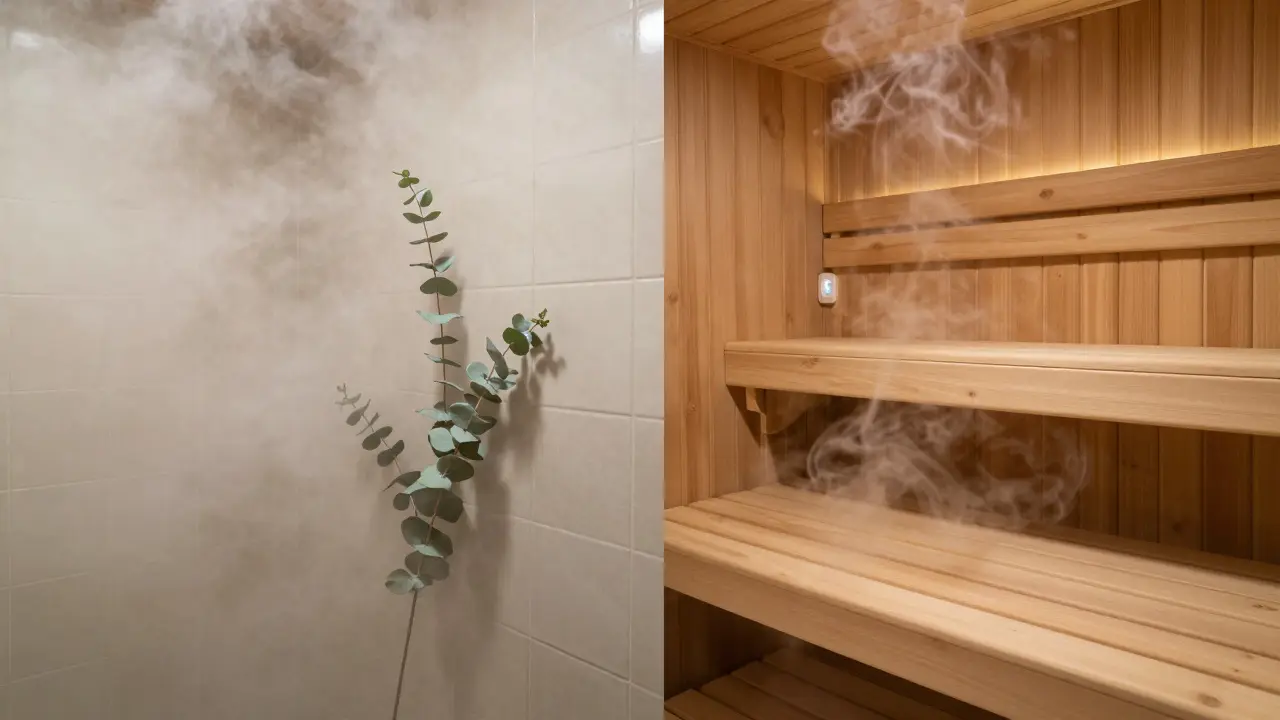
- Steam room interior with wooden bench, eucalyptus leaves on the floor, misty atmosphere.
- Comparison photo: steam room vs. sauna side-by-side with humidity labels.
- Hand holding a glass of water next to a steam room door, symbolizing hydration after use.
Suggested Tables
- Comparison of Heat Therapy Methods (already included in article)
- Key Benefits of Steam Room Use (already included in article)
- Steam Room Safety Tips (already included in article)
Melanie Carp
January 7, 2026 AT 02:31Maureen Addison-Smith
January 8, 2026 AT 22:45Eddie Moss
January 9, 2026 AT 11:40Natasha Malundu
January 10, 2026 AT 14:51Tyler Crimp
January 11, 2026 AT 10:33