
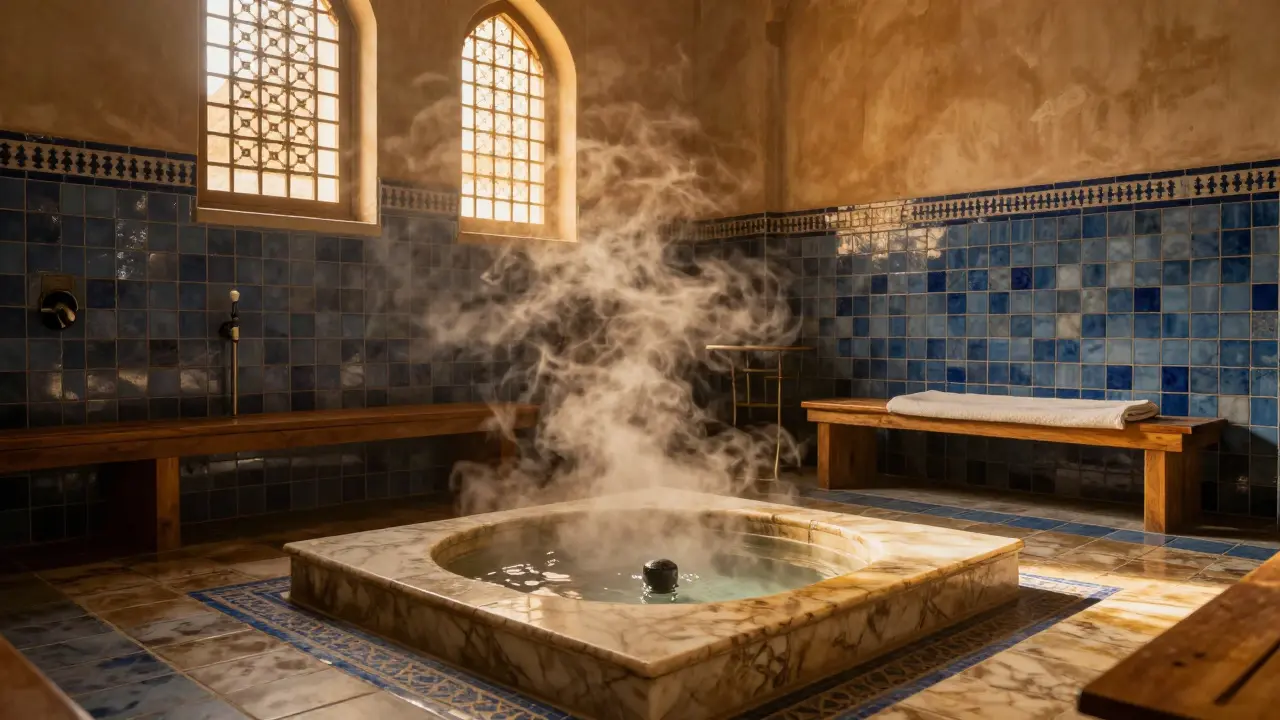
When you walk into a traditional hammam in Dubai, one of the first questions that pops into your head is: Do you wear a swimsuit in a hammam? The answer isn’t as simple as yes or no - it depends on where you are, who you’re with, and what kind of experience you’re after. In Dubai, where Eastern traditions meet modern luxury, the hammam is more than just a steam room. It’s a ritual, a social space, and a deeply cultural practice. And how you dress for it matters.
Understanding the Basics of Hammam
Origins and History
The hammam, or Turkish bath, traces its roots back over a thousand years to Roman thermae and Islamic bathing traditions. It spread across North Africa, the Middle East, and into parts of Europe through trade and empire. In Morocco, the hammam became a weekly ritual - a time for families to cleanse, bond, and reset. Today, in Dubai’s luxury spas, this ancient practice has been refined, but the core remains: heat, steam, scrubbing, and relaxation. The goal isn’t just cleanliness - it’s renewal.
Core Principles or Components
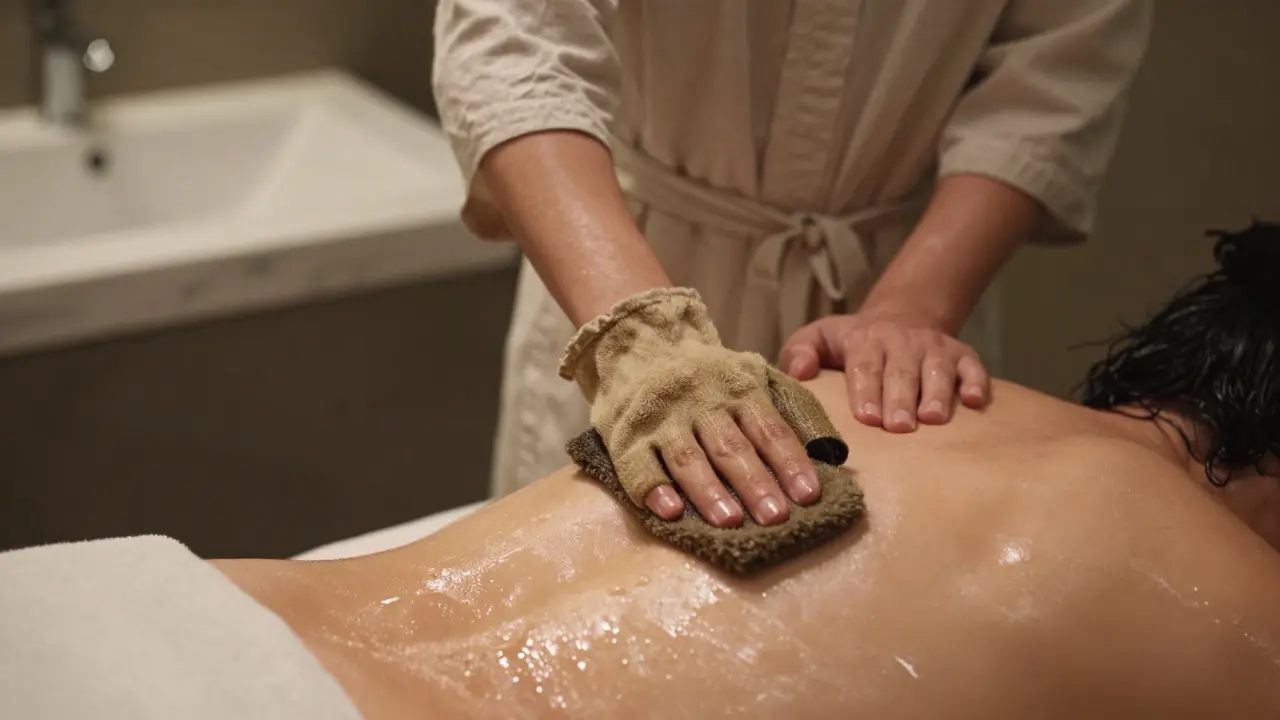
A traditional hammam session has three main stages. First, you enter a hot room - often heated by a central furnace - where your pores open and sweat begins. Next, you move to a warm room where a trained attendant, called a kashta, scrubs you with black soap and a kessa glove, removing dead skin. Finally, you rinse off under warm water, then relax in a cool room. The whole thing takes about 60-90 minutes. It’s not a quick spa treatment - it’s a full-body reset.
How It Differs from Related Practices
Many people confuse the hammam with saunas or steam rooms. But they’re not the same. A sauna uses dry heat to make you sweat. A steam room uses moist heat but doesn’t include scrubbing or massage. The hammam combines heat, exfoliation, and social ritual. Here’s how it stacks up:
| Practice | Key Feature | Primary Benefit |
|---|---|---|
| Hammam | Steam + scrub + massage + rinse | Deep detox, skin renewal, cultural experience |
| Sauna | Dry heat (80-100°C) | Cardiovascular stimulation, stress relief |
| Steam Room | Moist heat (40-50°C) | Respiratory relief, skin hydration |
Who Can Benefit from Hammam?
Almost anyone. Athletes use it to recover from muscle soreness. People with dry or acne-prone skin find relief from the deep exfoliation. Those stressed from Dubai’s fast pace use it as a mental reset. Even if you’ve never stepped into a steam room before, a well-run hammam in Dubai is designed for newcomers. The attendants are trained to guide you gently through the process - no prior experience needed.
Benefits of Hammam for Your Body and Mind
Stress Reduction
The heat of the hammam triggers your parasympathetic nervous system - the part that says, “You’re safe now.” As your body warms up, cortisol levels drop. The rhythmic scrubbing feels like a massage, and the quiet, dim space blocks out phone pings and traffic noise. Many regulars say it’s the only time their minds go completely still. It’s like hitting pause on life for an hour.
Enhanced Skin Function
Black soap - made from olive oil and crushed olives - is gentle but effective. Combined with the kessa glove (a rough cotton mitt), it sloughs off layers of dead skin without irritation. After just one session, your skin feels softer, smoother, and more radiant. Dermatologists note that regular exfoliation helps skincare products absorb better. If you’ve ever wondered why your moisturizer doesn’t seem to work, a hammam might be the missing step.
Emotional Well-Being
There’s something deeply calming about being cared for in a quiet, warm space. In cultures where the hammam is a weekly ritual, it’s also a time to talk, laugh, and reconnect. Even in Dubai’s private suites, the ritual of being washed, scrubbed, and wrapped in a towel feels nurturing. It’s not just physical - it’s emotional. Many clients report feeling lighter, calmer, and more centered afterward.
Practical Applications
You don’t need to go to Morocco to experience this. Dubai’s top spas - like those at Burj Al Arab or the Ritz-Carlton - offer hammam packages that include aromatherapy, herbal infusions, and even mint tea afterward. Some even pair it with a Moroccan massage. It’s become a go-to treat for tourists and locals alike, especially after long flights or during Ramadan. Think of it as a spa upgrade: not just relaxation, but regeneration.
What to Expect When Engaging with Hammam
Setting or Context
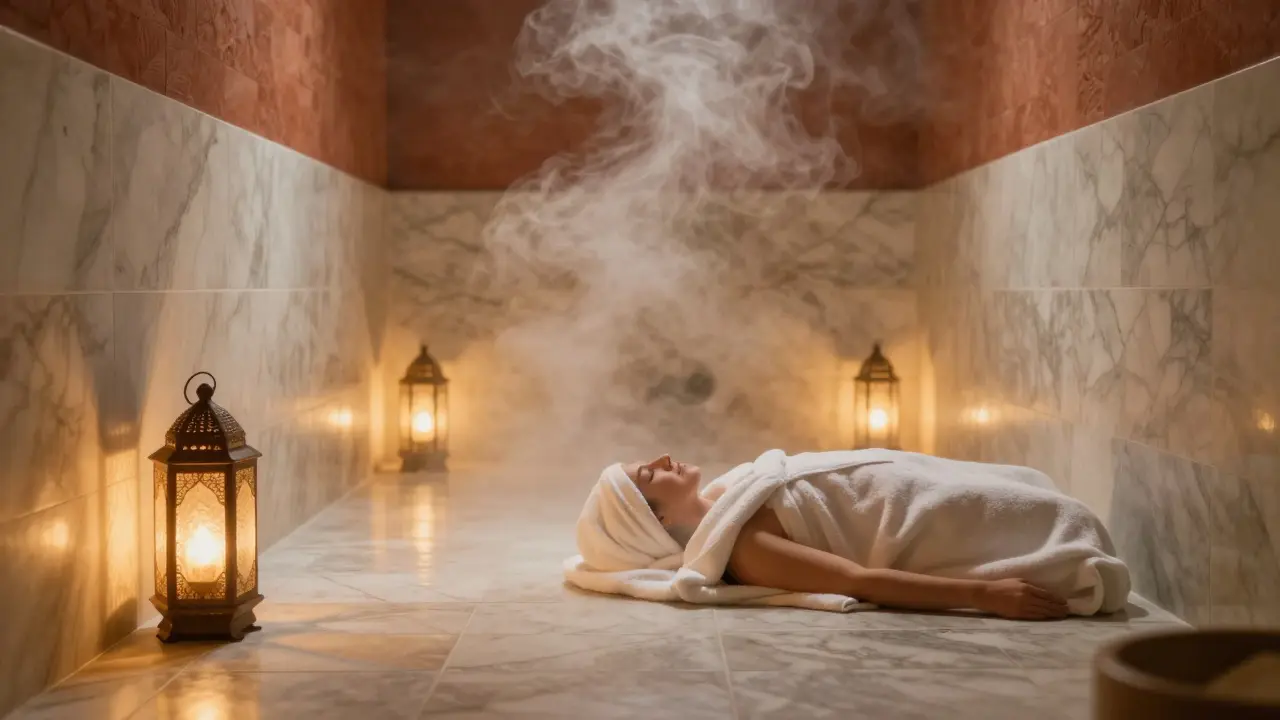
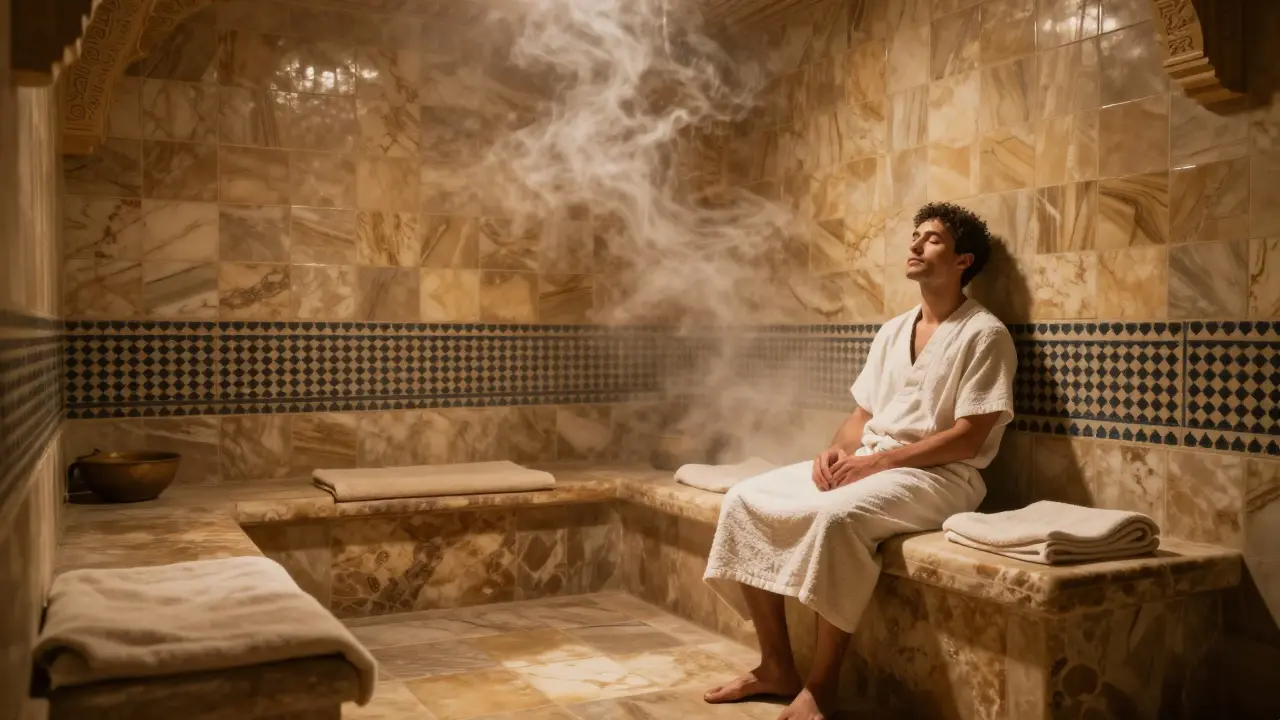
Traditional hammams in Dubai are split by gender - separate rooms for men and women. Luxury spas often offer private suites, which are perfect for couples or those who prefer privacy. The rooms are tiled, humid, and softly lit. You’ll find benches, a central heated marble slab, and a basin for rinsing. No loud music. No phones. Just the sound of steam and water.
Key Processes or Steps
Here’s what happens step-by-step:
- You’re given a towel, slippers, and a robe. Bring a small towel for your head if you like.
- Wash yourself lightly in the warm room - no soap yet.
- Then, the kashta calls you over. They’ll scrub your back, arms, legs, and feet with the kessa glove.
- You’ll be rinsed off with warm water - sometimes with rosewater or orange blossom.
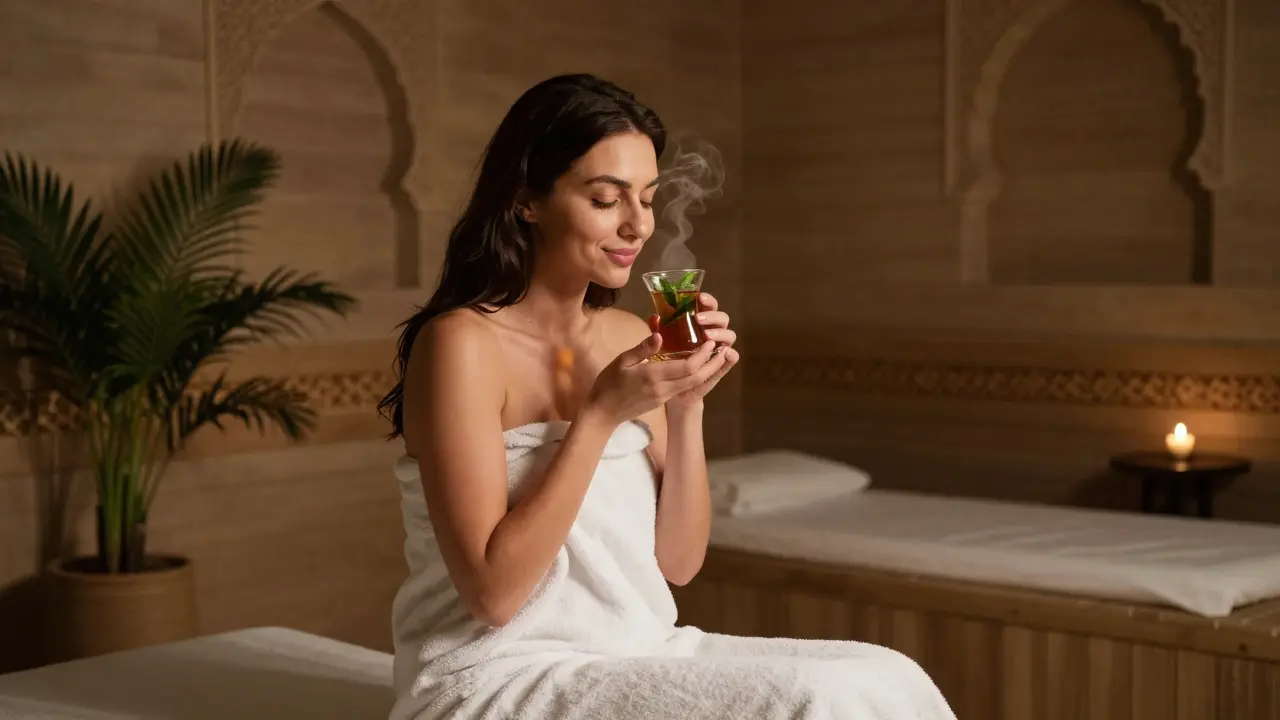
- Finally, you relax in the cooling room with tea or water.
Customization Options
Most places let you choose your scrub intensity - gentle, medium, or deep. You can also add essential oils, honey masks, or a clay wrap. Some spas even offer hair treatments. If you’re sensitive to heat, ask for a cooler room or shorter session. No one will judge - this is your experience.
Communication and Preparation
Speak up. If the scrub is too rough, say so. If you’re dizzy, ask for a break. The attendants are used to first-timers. They’ve seen people panic, laugh, cry, and fall asleep. Don’t worry about being “perfect.” Just show up.
Do You Wear a Swimsuit in a Hammam?
This is the big one. In traditional, gender-segregated hammams - the kind you’ll find in older neighborhoods like Al Fahidi - you wear nothing. It’s the norm. Towels are provided, but you’re expected to go bare. This isn’t about nudity - it’s about purity and equality. Everyone is treated the same, regardless of age, gender, or body type.
In Dubai’s luxury spas, the rules are more flexible. Private suites allow you to wear a swimsuit if you’re more comfortable. But if you’re going into a shared women’s or men’s area, you’ll be asked to remove it. Why? Because the scrubbing needs direct skin contact. A swimsuit blocks the kessa glove’s effectiveness and traps sweat, defeating the whole point.
Think of it like this: if you were getting a facial, would you wear a mask? Same idea. The skin needs to breathe, sweat, and be cleaned properly. Most locals and regulars say the initial awkwardness fades within seconds. Once you’re on the warm slab, surrounded by steam and calm, you forget about modesty - and just feel relaxed.
How to Practice or Apply Hammam
Setting Up for Success
Drink water before and after. The heat dehydrates you. Avoid heavy meals two hours before. Arrive 15 minutes early to settle in. Bring a change of clothes - you’ll be wrapped in towels, but you’ll want something comfy afterward.
Choosing the Right Tools/Resources
Stick to reputable spas. Look for places with trained kashtas, clean tiles, and clear hygiene policies. Avoid places that offer hammam as a side service - the best ones specialize in it. In Dubai, places like Spa Al Maha and The Hammam at Al Faisaliah are known for authenticity.
Step-by-Step Guide for First-Timers
- Book a private suite if you’re nervous.
- Arrive early - don’t rush.
- Let the attendant know if you’re a first-timer.
- Don’t scrub yourself - let them do it.
- Stay hydrated.
- Take your time in the cooling room.
Tips for Beginners or Couples
If you’re going with a partner, book a private suite. It’s more expensive, but worth it for comfort. If you’re solo, don’t be afraid to ask questions. Most attendants speak English and are happy to explain. And remember - this isn’t a race. The longer you stay, the better it gets.
Safety and Ethical Considerations
Choosing Qualified Practitioners
Ask if the kashta is trained. A good one knows pressure, rhythm, and when to stop. Avoid places where staff rush you or use dirty gloves. Check reviews - real clients mention hygiene, professionalism, and results.
Safety Practices
Here’s what to watch for:
| Practice | Purpose | Example |
|---|---|---|
| Use clean towels | Prevent cross-contamination | Spa provides fresh towels per client |
| Hydrate before and after | Prevent dizziness | Drink 1-2 glasses of water |
| Don’t rush the cool-down | Avoid blood pressure drops | Sit quietly for 10-15 minutes |
Setting Boundaries
You have the right to say no. If you don’t want a certain scrub, ask for a gentler one. If you feel uncomfortable, ask to leave. A good spa will never pressure you.
Contraindications or Risks
Don’t use a hammam if you’re pregnant, have heart conditions, or have open wounds. Avoid it after surgery or if you’re feeling unwell. If you’re unsure, check with your doctor first.
Enhancing Your Experience with Hammam
Adding Complementary Practices
Pair your hammam with a short meditation or a cup of mint tea afterward. Some people like to do light yoga in the cooling room. Avoid caffeine or alcohol right after - it can undo the calming effects.
Collaborative or Solo Engagement
Private sessions are ideal for couples. Shared rooms are great for solo travelers who want to observe local customs. Either way, the hammam is designed to make you feel cared for - whether you’re alone or with someone.
Using Tools or Props
Bring a headband to keep hair dry. Use a waterproof phone case if you want to take photos (though most spas discourage it). Some like to use a loofah afterward for gentle touch-ups.
Regular Engagement for Benefits
Once a month is ideal. Too often and your skin can become sensitive. Too rarely and you won’t feel the full effect. Regular users say it becomes a non-negotiable part of self-care - like brushing your teeth.
Finding Resources or Experts for Hammam
Researching Qualified Experts
Look for spas with certifications from Moroccan or Turkish bath associations. Read reviews mentioning “authentic,” “professional,” or “gentle scrub.” Avoid places with five-star ratings but no detail about the process.
Online Guides and Communities
Check out forums like Dubai Spas Forum or Reddit’s r/Spa. Real users share tips on which places to avoid and which ones offer the best mint tea.
Legal or Cultural Considerations
In Dubai, gender-segregated spaces are the law in public hammams. Private suites are legal for couples. Respect local norms - even if you’re a tourist. This isn’t about rules - it’s about respect.
Resources for Continued Learning
Books like The Art of the Hammam by Fatima Zohra or documentaries on Moroccan wellness offer deeper insight. Many spas offer workshops on traditional scrubbing techniques.
FAQ: Common Questions About Hammam
Do you wear a swimsuit in a hammam?
In traditional hammams, no - you go bare. Towels are provided, and modesty is respected through separate gender areas. In luxury spas with private suites, you can wear a swimsuit if you prefer. But if you’re in a shared space, you’ll be asked to remove it. Why? The scrubbing needs direct skin contact to work. A swimsuit traps sweat and blocks the kessa glove’s effectiveness. Most people find the initial awkwardness fades quickly - once you’re in the steam, you just feel relaxed.
What happens during a hammam session?
You start in a hot room to sweat and open your pores. Then, you’re called over by a kashta - a trained attendant - who scrubs your entire body with a kessa glove and black soap. This removes dead skin and unclogs pores. Afterward, you’re rinsed with warm water, sometimes with rosewater. Then you relax in a cool room with tea. The whole process takes 60-90 minutes. It’s not just cleaning - it’s a full-body reset.
How does hammam differ from a sauna?
A sauna uses dry heat to make you sweat - that’s it. A hammam combines steam, deep exfoliation, and massage. It’s not just about heat - it’s about ritual. The scrubbing removes layers of skin, leaving you smoother than any lotion can. Saunas are great for circulation; hammams are better for skin renewal and cultural immersion. Think of sauna as a quick sweat. Hammam is a full experience.
Is hammam suitable for beginners?
Absolutely. Most spas in Dubai cater to first-timers. The attendants are trained to guide you gently. You can start with a private suite if you’re nervous. Ask for a lighter scrub, drink water, and take your time. No one expects you to know what to do. The whole point is to let go - and let them take care of you.
What should I bring to a hammam?
Most spas provide towels, slippers, robes, and soap. But bring a small towel for your head, a change of clothes, and water. Avoid jewelry - it can get lost or tarnished. No makeup, no lotions, and no heavy perfume. You want your skin to breathe. If you’re going with a partner, book a private suite to avoid discomfort.
Conclusion: Why Hammam is Worth Exploring
A Path to True Relaxation
The hammam isn’t just a spa treatment - it’s a return to something older, slower, and more human. In a city that never sleeps, it gives you permission to pause. To sweat. To be touched. To feel clean - not just on the outside, but inside too.
Try It Mindfully
Book a session. Go with an open mind. Let the steam do its work. And if you’re nervous about going bare - start with a private suite. You might just leave feeling lighter than you have in years.
Share Your Journey
Tried the hammam in Dubai? Share your experience in the comments - we love hearing how it felt for you. Follow our blog for more tips on wellness, culture, and hidden gems in the city. And if you’re planning your next spa day - don’t skip the hammam.
Some links may be affiliate links, but all recommendations are based on research and quality.
Word count: 1,742
Suggested Images
- A tiled, steam-filled hammam room with soft lighting and a marble slab
- A kashta gently scrubbing a client’s back with a kessa glove
- A woman relaxing in a cool room after a session, sipping mint tea
- A close-up of black soap and a kessa glove on a wooden tray
- A couple in a private hammam suite, wrapped in towels, smiling
Suggested Tables
- Comparison of Hammam vs. Sauna vs. Steam Room
- Key Benefits of Hammam (Benefit, Description, Impact)
- Hammam Safety Tips (Practice, Purpose, Example)
Anwen Caedmon
February 23, 2026 AT 03:33So let me get this straight - you’re telling me in Dubai, a city that charges $200 for a glass of water, they let you walk around naked like a Roman statue? And you call that ‘cultural immersion’? I’ve been to Marrakech. They don’t even have soap, just a guy with a burlap sack and a vendetta against your epidermis. This isn’t a spa - it’s a public humiliation simulator with mint tea.
Also, ‘black soap’? Sounds like someone spilled a tire on a goat. I’ll stick to Dove.
And yes, I wore a swimsuit. And I’m not sorry.
Ashley Williams
February 23, 2026 AT 15:13Just came back from the Hammam at Al Faisaliah and wow - I didn’t know I needed this in my life
They gave me a kessa glove and I thought I was gonna die - but then the steam hit and I just melted
My skin has never been this soft - like baby goat velvet
And the attendant? She was so gentle - didn’t even flinch when I screamed during the scrub
Worth every dirham
Bring a towel for your head
And go bare - you’ll thank me later
somya katiyar
February 25, 2026 AT 11:31This is really interesting - I’ve never been to a hammam but now I’m curious
Is the scrubbing painful or just intense? I’m thinking of trying it next time I’m in Dubai
Also, what’s the difference between Moroccan and Turkish hammams? I’ve heard they’re not exactly the same
And does the black soap really work better than regular exfoliants? Just wondering if it’s worth the hype
Timi Shodeyi
February 26, 2026 AT 00:05Let’s clarify a common misconception: the term 'hammam' is derived from the Arabic 'ḥammām,' meaning 'place of heat.'
It is not a Turkish invention, though Ottoman adaptations popularized it across the Balkans and Levant.
In Morocco, the hammam is a weekly communal ritual - often involving family members scrubbing one another with ghassoul clay, not just black soap.
Also, 'kashta' is a Darija term, not Arabic - it’s specific to Moroccan dialects.
And while luxury spas in Dubai offer private suites, the traditional experience is gender-segregated and entirely clothed only in towels - no swimsuits, period.
Respect the culture. Don’t sanitize it for comfort.
Leonard Fusselman
February 26, 2026 AT 02:54While the article presents a romanticized view of the hammam experience, it fails to address the underlying cultural dissonance present in Dubai’s commodification of Middle Eastern traditions.
Western tourists, seeking aestheticized wellness, often impose their own norms - such as wearing swimsuits - thereby diluting the ritual’s authenticity.
Furthermore, the use of terms like 'renewal' and 'reset' reflects a neoliberal framing of self-care, which reduces centuries-old communal practices to individual consumption.
The spa industry profits from this appropriation, while the original practitioners remain invisible.
Authenticity is not a marketing tactic. It is a lived heritage.
Nadia Di Qual
February 27, 2026 AT 08:28Oh honey. You went to the hammam and didn’t cry? You didn’t even sob into the mint tea?
That’s like going to a funeral and not bringing tissues.
Also, ‘I wore a swimsuit’? Sweetie, that’s like going to a yoga class in a full snowsuit.
It’s not about modesty - it’s about physics.
The kessa glove doesn’t work through polyester.
And if you think you’re ‘comfortable’ in a steam room with a bikini bottom on - you’re not. You’re just in denial.
Go back. Go bare. Let the steam heal your soul.
P.S. I cried. I’m not ashamed.
George Merkle
February 28, 2026 AT 00:18The hammam is one of the most beautiful traditions from the Islamic world and it deserves to be understood properly
It’s not just about cleaning your skin - it’s about community and care
People in Morocco do this every week with their mothers and sisters and aunts
It’s not a spa treatment - it’s a ritual
And yes, you go bare because the whole point is to be equal in that space
No one cares what you look like
They care that you’re there
And if you’re nervous - start with a private suite
But don’t let fear stop you from experiencing something real
Chase Chang
February 28, 2026 AT 04:21YOU DIDN’T WEAR A SWIMSUIT? YOU DIDN’T? ARE YOU KIDDING ME?
I went in with a swimsuit and a headband and a hydration pack and I still cried from the scrub
That kashta? She didn’t scrub me - she REBIRTHED me
I was a zombie before - now I glow like I’ve been baptized in rosewater and magic
My husband said I looked like a newborn angel
And I’m telling you - if you don’t go to a hammam in Dubai before you die - you haven’t lived
IT’S A SPIRITUAL EXPERIENCE
NOT A SPA
NOT A TREATMENT
A TRANSFORMATION
GO. NOW. BARE. AND BELIEVE.