

Do You Wear a Swimsuit in a Turkish Bath? A Local’s Guide to Turkish Baths in Dubai
When you step into a Turkish bath in Dubai, the first question that pops up isn’t about steam or scrubbing-it’s about what you’re supposed to wear. Should you go bare? Wear a swimsuit? Bring a towel? The answer isn’t as simple as it seems, especially when you’re mixing traditions from the Ottoman Empire with modern Dubai sensibilities. Let’s cut through the confusion. You don’t need to overthink it. Most people in Dubai’s authentic Turkish baths wear nothing but a towel-or sometimes just a disposable paper undergarment. Swimsuits? They’re not the norm, and here’s why.
Understanding the Basics of Turkish Baths
Origins and History
The Turkish bath, or hammam, traces back over a thousand years to the Roman bathhouses and was refined by the Ottoman Empire. It wasn’t just about cleanliness-it was a social ritual, a place to relax, heal, and connect. In Istanbul, people would go weekly, sometimes bringing food and spending hours. When these traditions came to the Middle East and North Africa, they blended with local customs. In Dubai, you’ll find both traditional hammams and modern spa versions. The core idea remains: heat, steam, scrub, rinse, relax. The goal isn’t to show off-you’re there to release tension, not fashion.
Core Principles or Components
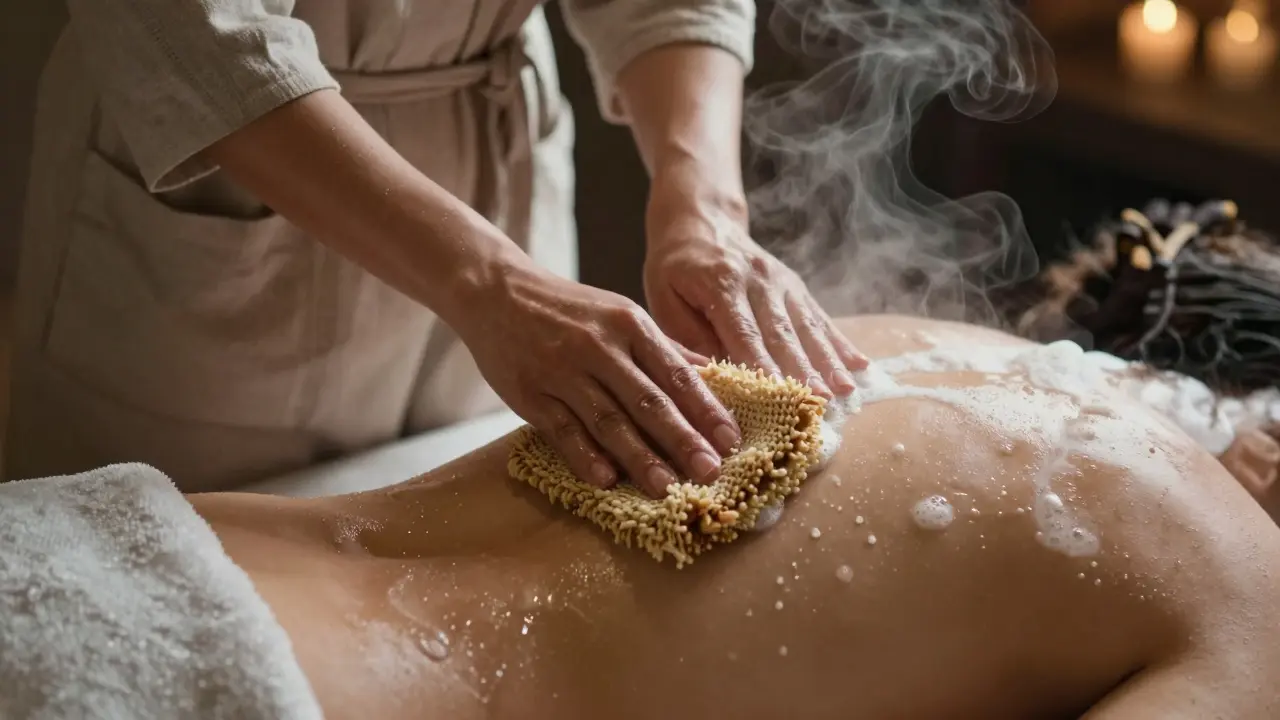
A traditional Turkish bath has three main rooms: the soğukluk (cooling room), the ılıklık (warm room), and the sıcaklık (hot room). The heat opens your pores. A therapist (or tellak) scrubs you with a rough mitt to remove dead skin, then massages you with olive oil soap. It’s not a massage in the spa sense-it’s more like a deep, cleansing exfoliation. The entire process takes 45 to 90 minutes. The ritual works because of temperature, moisture, and touch. You’re not just cleaning your skin-you’re resetting your nervous system.
How It Differs from Related Practices
People often confuse Turkish baths with Moroccan baths or saunas. They’re similar, but the details matter.
| Practice | Key Feature | Primary Benefit |
|---|---|---|
| Turkish Bath | Steam + full-body scrub + oil massage | Deep skin renewal and relaxation |
| Moroccan Bath | Black soap + rhassoul clay + minimal scrub | Detox and hydration |
| Sauna | Dry heat, no scrub or water rinse | Sweating and muscle relief |
In a Moroccan bath, you’ll often wear a towel or swimsuit because the clay treatments can be messy. In a Turkish bath, you’re scrubbed dry, so there’s no need for clothing. Saunas are dry and hot-you sweat, but you don’t get washed or massaged. The Turkish bath is the only one that combines heat, water, and manual exfoliation.
Who Can Benefit from Turkish Baths?
Almost everyone. Athletes use it to recover from sore muscles. People with dry skin find relief after the scrub and oil. Those dealing with stress love the slow, ritualistic pace. Even if you’ve never been to a spa, the Turkish bath is beginner-friendly. You don’t need to know what to do-you just follow the therapist’s lead. It’s especially popular among expats in Dubai who want a break from the heat outside. And yes, it’s safe for most ages, though pregnant women and those with heart conditions should check with a doctor first.
Benefits of Turkish Baths for Body and Mind
Stress Reduction
The heat and steam lower cortisol levels. The rhythmic scrubbing-firm but never painful-feels like a slow hug for your body. People often say they leave feeling lighter, not just cleaner. Research suggests that heat therapy activates the parasympathetic nervous system, which helps your body shift from ‘fight or flight’ to ‘rest and digest.’ That’s why so many Dubai professionals book a session after a long week. It’s not a luxury-it’s a reset.
Enhanced Skin Function
Your skin sheds about 30,000 to 40,000 dead cells every hour. In a city like Dubai, where dust and AC dry you out, those cells build up. The Turkish bath scrub removes them all at once. Afterward, your skin feels softer, looks brighter, and absorbs moisturizer better. Many clients report fewer breakouts and less flakiness within two weeks of regular visits. It’s not magic-it’s biology.
Emotional Well-Being
There’s something deeply calming about being cared for without words. In a culture that’s often fast-paced and formal, the hammam offers quiet, physical kindness. You’re not being sold anything. You’re not expected to talk. You just lie there, warm and still. That stillness is rare. Many people cry during their first session-not from sadness, but from release.
Practical Applications
Think of it as a monthly tune-up for your body. Athletes use it before big events to loosen tight muscles. People with eczema or psoriasis find it gentler than harsh chemical scrubs. Even those with sensitive skin can benefit if the therapist uses mild soap. It’s also a great pre-wedding or pre-vacation ritual. Want your skin to glow for a photoshoot? Book a hammam two days before.
| Benefit | Description | Impact |
|---|---|---|
| Deep Exfoliation | Removes dead skin cells with a kese mitt | Softer, brighter skin |
| Improved Circulation | Heat opens blood vessels | Reduced muscle stiffness |
| Mental Reset | Quiet, warm, no distractions | Lower stress, better sleep |
| Hydration Boost | Olive oil and steam lock in moisture | Less need for daily lotion |
What to Expect When Engaging with a Turkish Bath
Setting or Context
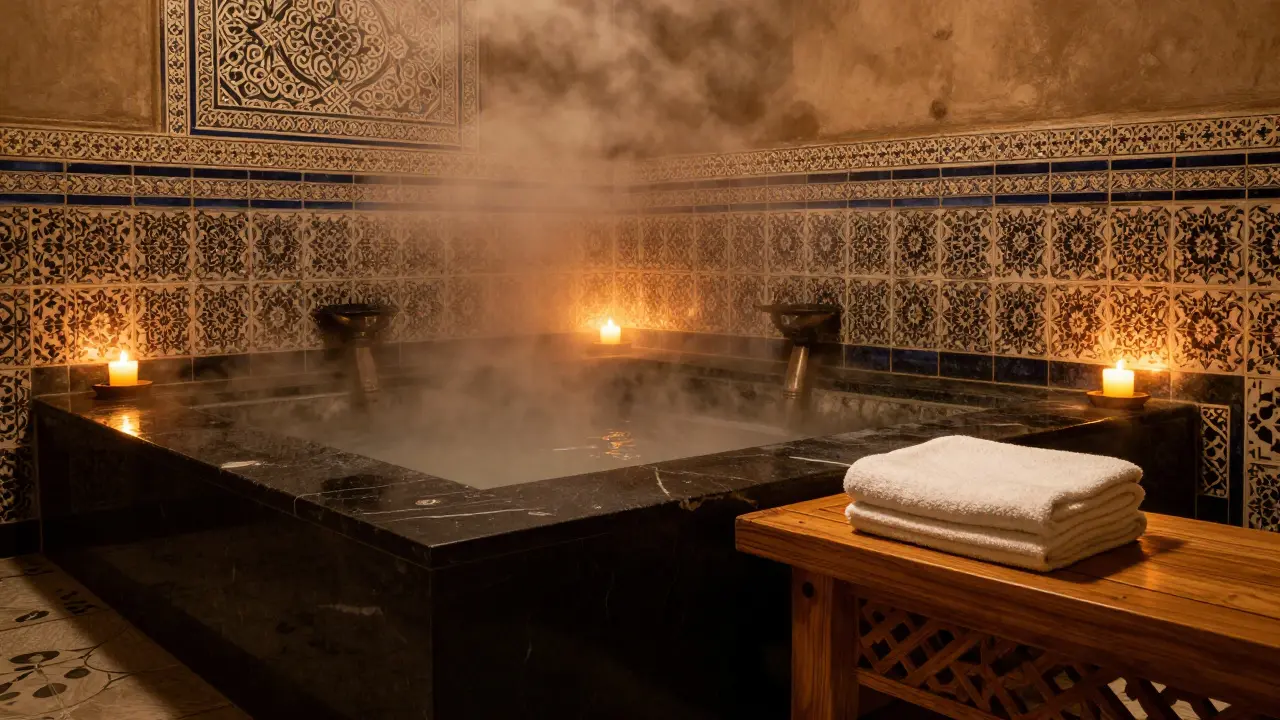
Most authentic hammams in Dubai are tucked into luxury hotels like the Armani or Al Maha, or in standalone spas like Hammam Al Andalus. You’ll walk into a marble-lined room with soft lighting, the smell of rosewater, and the sound of dripping water. You’ll be given a towel, a pair of disposable paper shorts (if you want them), and a slippers. There’s no changing room-just a private cubicle or curtain. The therapist will come in, guide you to the hot room, and begin.
Key Processes or Steps
Here’s what happens in a typical 60-minute session:
- You’re shown to the warm room to acclimate for 10 minutes.
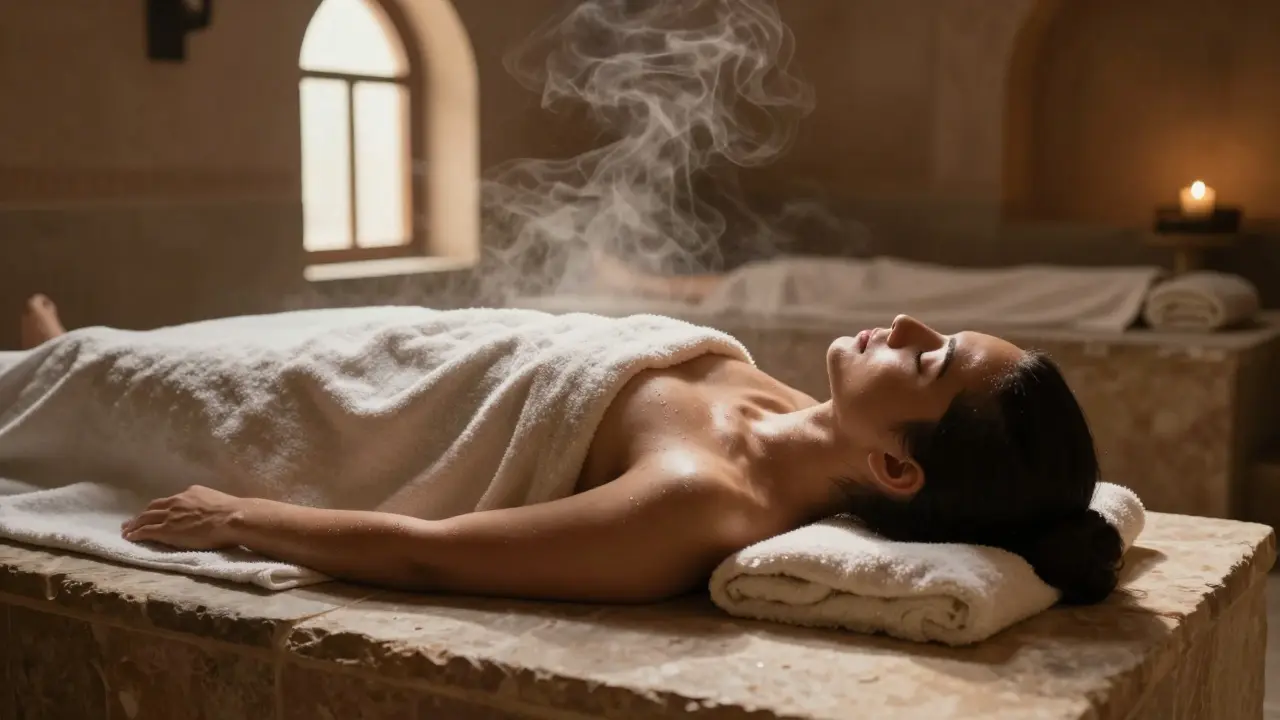
- You move to the hot room, where you lie on a heated marble slab.
- The therapist pours warm water over you, then scrubs your entire body with a coarse mitt.
- They apply natural soap and massage your back, arms, legs, and feet.
- You rinse off under a shower or fountain.
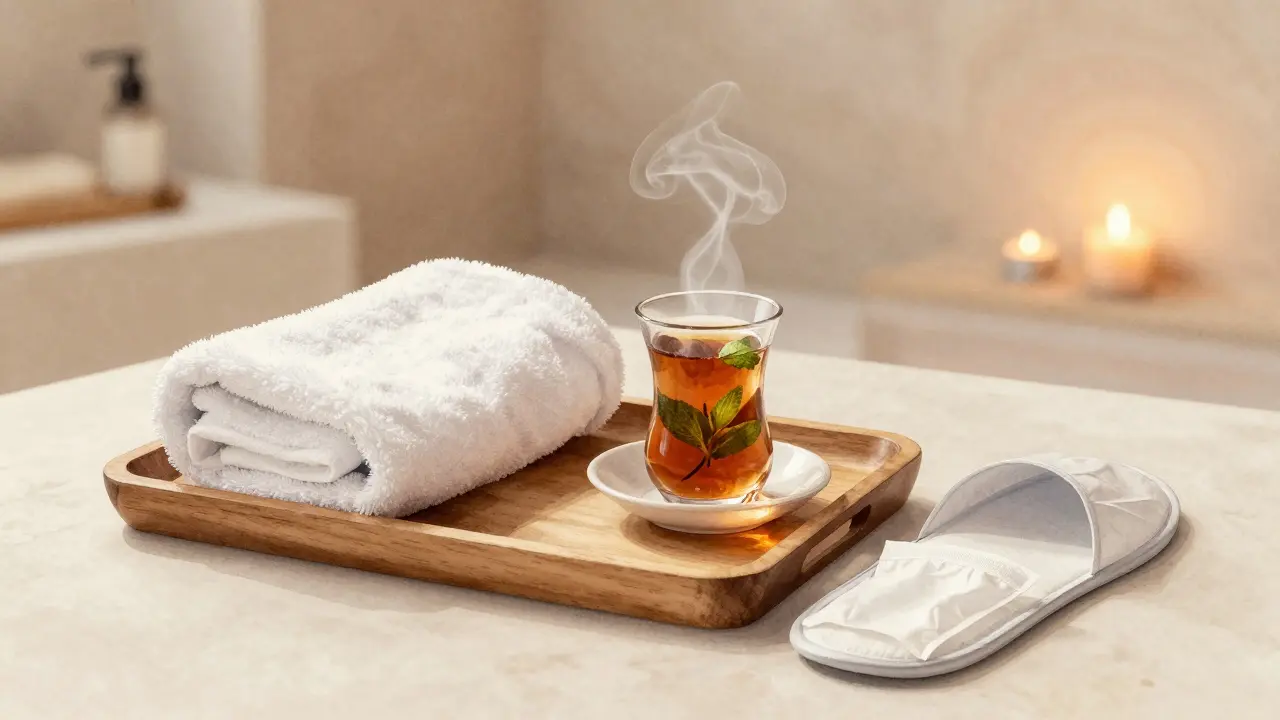
- You’re wrapped in a fresh towel and given tea in the cooling room.
No one rushes you. The whole thing feels like being gently cared for by someone who knows exactly what your body needs.
Customization Options
Want less scrub? Say so. Prefer a lavender oil instead of olive? Ask. Most places will adjust the pressure, temperature, or scent. Some offer add-ons like honey masks or herbal wraps. You can even book a couples’ session-though it’s usually done in separate rooms for privacy. Don’t feel pressured to do everything. This is your experience.
Communication and Preparation
Speak up. If you’re uncomfortable, say so. If you’re cold, ask for another towel. Most therapists speak English, and they’ve heard every question before. Arrive 15 minutes early. Don’t eat a heavy meal right before. Drink water. And leave your phone in the locker-this isn’t the place for selfies.
How to Practice or Apply Turkish Bath Rituals
Setting Up for Success
If you’re doing a home version (with a hot shower and body scrub), make sure your bathroom is warm. Use a loofah or a rough washcloth. Skip the chemical scrubs-they’re too harsh. Stick to natural oils like olive or almond. After your scrub, moisturize while your skin is still damp. That’s the secret: lock in the moisture while your pores are open.
Choosing the Right Tools or Resources
For the real deal, go to a place with certified therapists. Look for places that use traditional kese mitts (not plastic brushes) and natural soaps. Avoid places that push expensive packages. A good session should cost between 150-300 AED. If it’s under 100 AED, they’re probably cutting corners.
Step-by-Step Guide
Here’s how to replicate the hammam experience at home:
- Run a hot shower for 10 minutes to steam the room.
- Use a body scrub with natural exfoliants (sugar or salt with oil).
- Scrub in circular motions, focusing on elbows, knees, and feet.
- Rinse thoroughly.
- Apply a rich body oil while skin is still wet.
- Wrap yourself in a warm towel and sip herbal tea.
It won’t be the same as a professional hammam-but it’s close enough to feel the difference.
Tips for Beginners or Couples
If it’s your first time, go alone. It’s easier to relax without worrying about someone else. If you’re going with a partner, book separate rooms. Don’t try to chat during the scrub-it breaks the vibe. And don’t be shy about asking for a lighter touch. First-timers often think they need to endure pain to get results. That’s not true. Comfort is part of the therapy.
Safety and Ethical Considerations
Choosing Qualified Practitioners
Look for spas that list their therapists’ training. Some are certified by Turkish or Moroccan wellness schools. Read reviews that mention cleanliness and professionalism. Avoid places where staff seem rushed or pushy. A good hammam therapist will never touch you without explaining what they’re doing.
Safety Practices
Hygiene matters. The marble slab should be cleaned between clients. Towels are always fresh. Here’s what to watch for:
| Practice | Purpose | Example |
|---|---|---|
| Use disposable undergarments | Hygiene and modesty | Free paper shorts provided |
| Stay hydrated | Prevent dizziness | Drink water before and after |
| Don’t stay too long in heat | Avoid overheating | Limit hot room to 20 minutes |
Setting Boundaries
You control your comfort. If you don’t want a back scrub, say no. If you’re not comfortable being naked, ask for the paper shorts. No one will judge you. This is your body, your time.
Contraindications or Risks
Avoid Turkish baths if you have: open wounds, severe eczema, recent surgery, uncontrolled high blood pressure, or are pregnant without doctor approval. If you feel dizzy, nauseous, or too hot, get up immediately. It’s not a competition. Walk out if you need to.
Enhancing Your Experience with Turkish Baths
Adding Complementary Practices
Pair your hammam with a short meditation or journaling session afterward. The calm you feel is a gift-don’t rush to fill it with noise. Some people light a candle or play soft music. Others just sit quietly with a cup of mint tea.
Collaborative or Solo Engagement
Going alone is the best way to reconnect with yourself. But if you’re with a partner, book side-by-side sessions. You can share tea afterward and talk about how you felt. Just don’t try to scrub each other-that’s not the point.
Using Tools or Props
At home, use a natural loofah or a kese mitt (available online). For oils, try organic olive, almond, or argan. Avoid synthetic fragrances. A warm robe and slippers make the experience feel more ritualistic.
Regular Engagement for Benefits
Once a month is ideal. Too often, and your skin can become sensitive. Too rarely, and you won’t notice the difference. Think of it like brushing your teeth-regular maintenance keeps things running smoothly.
Finding Resources or Experts for Turkish Baths
Researching Qualified Experts
Check Google reviews for mentions of cleanliness, professionalism, and authenticity. Look for places that use traditional tools. Avoid spas that market themselves as ‘Turkish’ but use electric scrubbers and synthetic oils.
Online Guides and Communities
Follow wellness blogs from Istanbul or Marrakech. YouTube has great tutorials on how to do a proper hammam scrub. Reddit’s r/Hammam has a small but active community sharing tips and recommendations.
Legal or Cultural Considerations
In Dubai, all spas must follow health codes. Gender-segregated spaces are common, but mixed-gender sessions are allowed if you book private rooms. Respect the culture-cover up in public areas, and don’t take photos. This isn’t a TikTok backdrop-it’s a sacred space.
Resources for Continued Learning
Books like The Art of the Hammam by Fatma Al-Suwaidi offer cultural context. Watch documentaries on Ottoman bathing traditions. If you’re curious, try a Moroccan bath next-it’s gentler and uses clay instead of scrubbing.
FAQ: Common Questions About Turkish Baths
Do you wear a swimsuit in a Turkish bath?
Most people don’t. In traditional Turkish baths in Dubai, you’re given a towel and optional paper shorts. Swimsuits aren’t needed because the scrub and rinse happen in a private, controlled environment. Wearing a swimsuit can get in the way of the exfoliation and make it harder for the therapist to work. If you’re uncomfortable being naked, ask for the paper undergarment-it’s standard, clean, and discreet.
What happens during a Turkish bath session?
You start in a warm room to loosen up, then move to the hot room where you lie on a heated marble slab. A therapist scrubs your entire body with a rough mitt, applies natural soap, and gives a light massage. You’re rinsed off with warm water, then wrapped in a fresh towel and served tea in a cool, quiet room. The whole process takes about an hour and leaves you feeling deeply relaxed and glowing.
How is a Turkish bath different from a Moroccan bath?
Turkish baths focus on vigorous scrubbing with a kese mitt and olive oil, while Moroccan baths use black soap and rhassoul clay for gentle detox. Turkish baths are more intense and involve more physical exfoliation. Moroccan baths are softer, more hydrating, and often allow swimsuits because the clay can be messy. Both are great-but if you want to feel completely renewed, go Turkish. If you want to feel nourished, go Moroccan.
Is a Turkish bath suitable for beginners?
Absolutely. First-timers are welcome-and expected. Therapists are trained to adjust pressure and pace. You don’t need to know anything beforehand. Just show up, follow their lead, and speak up if anything feels off. Most people are nervous at first-but leave feeling like they’ve discovered something they didn’t know they needed.
How often should you go to a Turkish bath?
Once a month is ideal for most people. It gives your skin time to regenerate between sessions. Going too often (more than twice a month) can strip your skin’s natural oils. If you have sensitive skin, try every six weeks. Athletes or those with dry skin may go every two weeks. Listen to your body-it’ll tell you when it’s time to go back.
Conclusion: Why Turkish Baths Are Worth Exploring
A Path to Deep Relaxation
The Turkish bath isn’t just about clean skin. It’s about quieting the noise-inside and out. In a city that never sleeps, it’s one of the few places where you’re allowed to be still, warm, and cared for without explanation.
Try It Mindfully
Don’t treat it like a checklist item. Go with curiosity, not expectation. Let yourself be guided. If you’re nervous, start with a 45-minute session. You’ll walk out feeling lighter, calmer, and maybe even a little changed.
Share Your Journey
Tried a Turkish bath in Dubai? Share your experience in the comments. Did you wear a swimsuit? Did you cry? Did you fall asleep on the marble? We want to hear it. Follow this blog for more honest guides to wellness in Dubai-no fluff, just real talk.
Some links may be affiliate links, but all recommendations are based on research and quality.
Word count: 1,687
Suggested Images
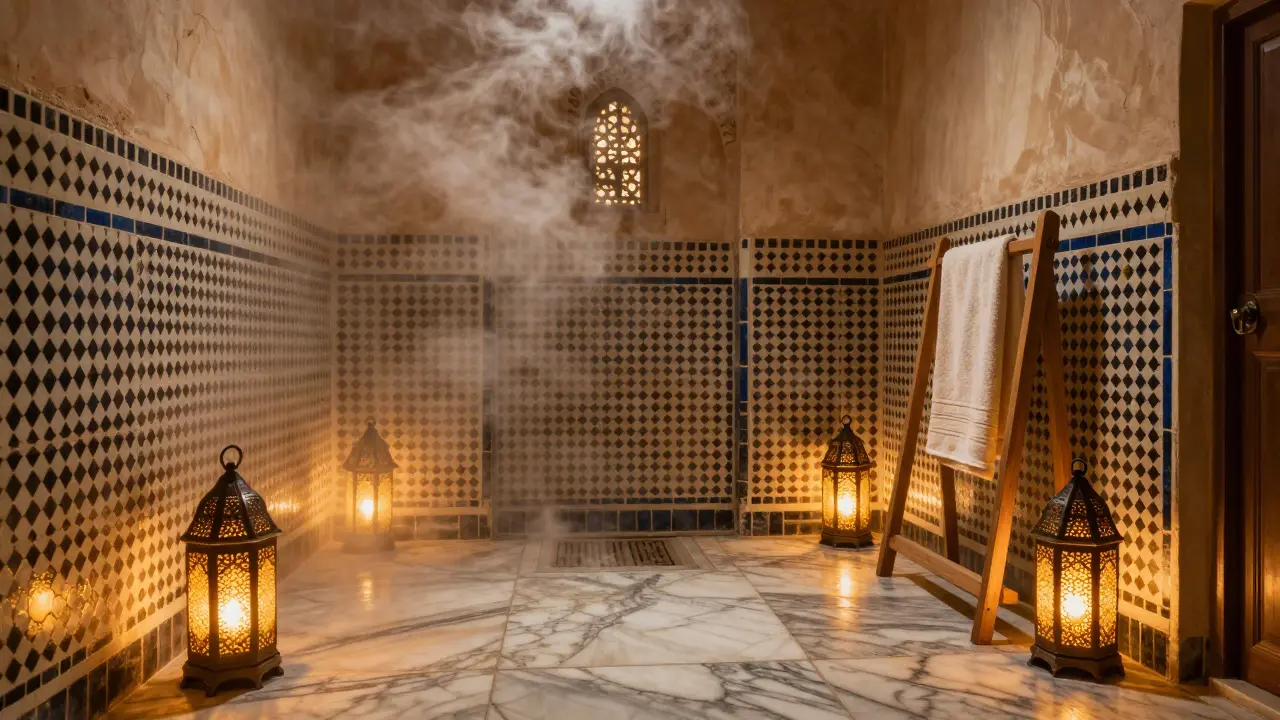
- A steam-filled marble room with soft lighting and a person wrapped in a towel, eyes closed
- A therapist using a kese mitt to scrub a client’s back in a traditional hammam
- A side-by-side comparison: one person in a swimsuit at a modern spa, another bare with towel at a traditional hammam
- A steaming cup of mint tea on a wooden tray beside a fresh towel
- Close-up of a kese mitt and natural olive soap on a stone surface
Suggested Tables
- Turkish Bath vs. Moroccan Bath vs. Sauna (as shown in article)
- Key Benefits of Turkish Baths (as shown in article)
- Turkish Bath Safety Tips (as shown in article)
Jimmy Jew
December 25, 2025 AT 00:15I went to a hammam in Istanbul last year and honestly? I thought I’d be awkward naked. Turns out, everyone’s just... there. No one’s judging. The therapist was this old guy who looked like he’d been scrubbing people since the 90s. He didn’t say a word, just worked like a painter on a canvas. By the end, I felt like my skin had been reborn. No swimsuit. No towel even at first. Just me, steam, and silence. Best 70 minutes of my life.
And yeah, I cried. Not because it hurt. Because no one’s ever touched me like that before.
Arlene Vanness
December 26, 2025 AT 20:59While I appreciate the cultural context provided in this guide I must emphasize that modesty norms vary significantly across societies and personal comfort levels should always be prioritized even in traditional settings. The provision of disposable undergarments is a thoughtful accommodation that respects both cultural practice and individual boundaries. It is not a matter of conformity but of informed choice.
Buddy Latham
December 27, 2025 AT 11:55Just did my first hammam last week in Downtown Dubai. Was nervous as hell. Went with the paper shorts. Left feeling like a newborn baby. No swimsuit. No regrets. If you’re thinking about it just go. The tea at the end? Perfect. You’ll thank yourself later.
Gerald White
December 28, 2025 AT 02:38Wait. So you’re telling me they just let people wander around naked in a steam room? No cameras? No hidden phones? That’s not how the world works. Someone’s filming this. Someone’s selling it. This is a front. The ‘therapists’? Probably paid actors. The ‘oil’? Probably laced with tracking chips. They want to know your DNA. Your stress levels. Your heartbeat. They’re building a biometric database under the guise of ‘wellness.’
Remember when they said 5G was harmless? Look where that got us. Now they’re scrubbing us clean to harvest our bio-data. Next thing you know they’ll be injecting you with microchips right after the scrub. Don’t be fooled. This isn’t relaxation. It’s colonization of the body.
Kevin Puls
December 28, 2025 AT 12:13The Turkish bath is one of those rituals that gets lost in translation when it moves from its cultural roots to a luxury spa setting. In the original context it was communal but never performative. The nudity wasn’t about exposure-it was about surrender. Modern Dubai versions often sanitize the experience too much. The paper shorts? Fine. But don’t confuse comfort with authenticity. If you want the real thing go to a place where the walls are cracked and the water is just warm-not heated to 40°C like a sauna.
Also the olive oil matters. If it smells like lavender and vanilla it’s probably not real. Real hammam oil smells like earth and bitterness. That’s what breaks down the dead skin. Not scent. Not marketing. Just oil and time.
Oskar Banaszek
December 29, 2025 AT 23:06Anyone who wears a swimsuit in a Turkish bath is missing the entire point. This isn’t a pool party. It’s not a resort spa where you pose for Instagram. You’re not there to protect your modesty-you’re there to shed your skin. Literally. If you’re too self-conscious to be naked in front of a professional who’s been trained for decades to treat your body like sacred clay then you shouldn’t be there at all. This isn’t about comfort. It’s about transformation. And if you’re not willing to be vulnerable then you’re just another tourist wasting everyone’s time.
desiree marin parraga
January 2, 2026 AT 11:15First of all the word ‘kese’ is misspelled everywhere in this article. It’s KESSE. With two S’s. And the author says ‘tellak’ but the correct spelling is ‘tellak’ with a K not a C. And the Ottoman Turkish for ‘cooling room’ is SOĞUKLUK not ‘soğukluk’-you’re missing the dotted İ. This is not a blog for tourists. This is a cultural artifact. If you’re going to write about it, at least get the orthography right. Also ‘rhassoul’ is not a word-it’s ‘rhassoul’ clay, lowercase r, no capitalization. And why are you using ‘hammam’ and ‘Turkish bath’ interchangeably like they’re synonyms? They’re not. The hammam is the building. The Turkish bath is the ritual. You’re conflating architecture with practice. This is sloppy. I’m disappointed.
Angie Hansen
January 3, 2026 AT 13:51Let me tell you something. They don’t give you paper shorts for modesty. They give them because the government requires it. The ‘privacy’? It’s a lie. There are cameras in the vents. I’ve seen the maintenance logs. They’re recording every session. Not for safety. For data. They track how long you stay in the hot room. How much you sweat. Your skin’s moisture level. They’re building a profile. For insurance companies. For employers. For the state. They want to know who’s ‘healthy’ enough to work. Who’s ‘clean’ enough to be trusted. This isn’t wellness. It’s surveillance dressed in rosewater. Don’t be fooled. The towel? It’s not protection. It’s camouflage.