
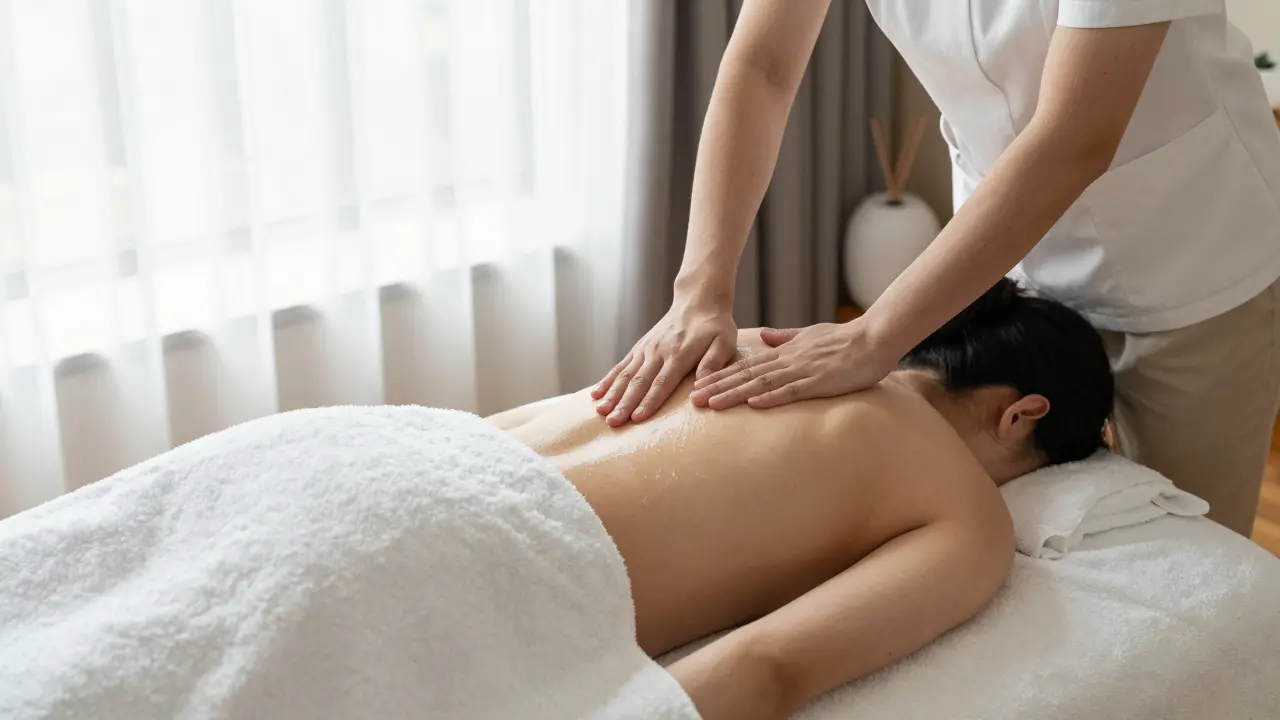
Does a Full Body Massage Include the Groin? What You Need to Know
When you think of a full body massage, what comes to mind? Maybe relaxing music, warm oil, and hands working out knots in your shoulders and back. But then you wonder - does it include the groin? It’s a question more people ask than you’d think, especially men who want to feel safe, respected, and properly cared for. The truth? A professional full body massage does not include the groin unless explicitly requested and agreed upon under very specific medical or therapeutic circumstances - and even then, it’s handled with strict professional boundaries.
Understanding the Basics of Full Body Massage
Origins and History
Massage has been used for thousands of years across cultures - from ancient China and India to Greece and Egypt. The modern concept of a full body massage as we know it today evolved in Europe during the 18th century, blending Swedish techniques with Eastern practices. By the 20th century, it became a staple in wellness centers, sports medicine, and spas worldwide. The goal has always been the same: to promote circulation, reduce tension, and support healing. But the boundaries? Those have always been clear. Professional training has long emphasized respecting the body’s private zones, especially the groin, genitals, and buttocks, unless there’s a direct medical need and the client gives informed consent.
Core Principles or Components
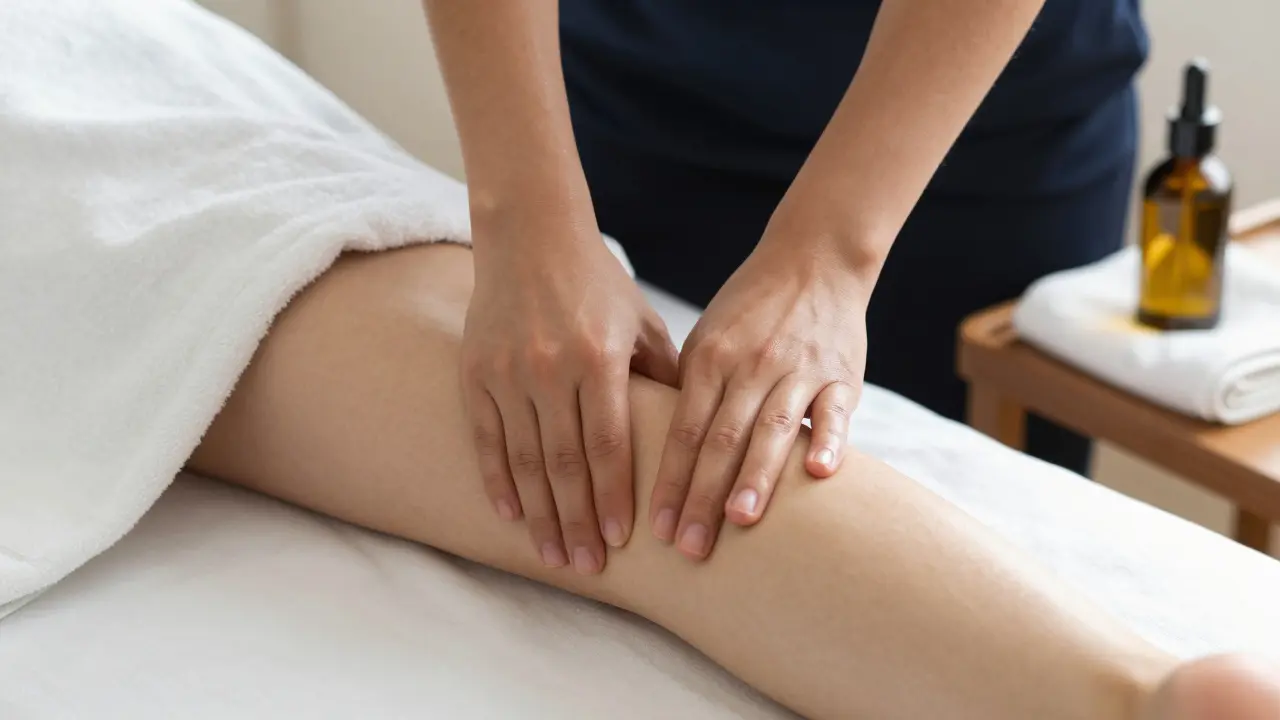
A true full body massage covers the back, neck, shoulders, arms, hands, legs, feet, and sometimes the abdomen - depending on the client’s comfort and the therapist’s scope. It’s designed to release muscle tension, improve lymphatic flow, and calm the nervous system. The techniques include long strokes, kneading, friction, and gentle compression. These are all applied to large muscle groups that are easy to access without crossing personal boundaries. The groin is intentionally excluded because it’s not a muscle group that benefits from routine massage, and including it would violate the ethical standards set by global massage therapy associations like the International Massage Association and the American Massage Therapy Association.
How It Differs from Related Practices
Many people confuse full body massage with other types of bodywork. Here’s how they compare:
| Practice | Key Feature | Primary Benefit |
|---|---|---|
| Full Body Massage | Covers back, limbs, neck, shoulders, feet - excludes groin | Relieves general tension, improves circulation |
| Thai Massage | Includes stretches, pressure points, yoga-like movements | Increases flexibility, energy flow |
| Medical Massage | Targeted treatment for injury or condition, may involve sensitive areas with consent | Rehabilitation, pain management |
| Erotic or Sensual Massage | Designed for sexual stimulation - not therapeutic | Not a recognized wellness practice |
Who Can Benefit from Full Body Massage?
Almost anyone can benefit - office workers with tight shoulders, athletes recovering from training, people dealing with stress, or those just wanting to unwind. Men, in particular, often avoid massage because they worry about being uncomfortable or misunderstood. But a good therapist knows how to create a safe, professional space. You don’t need to be an athlete or have chronic pain to enjoy the benefits. Even one session can lower cortisol levels and improve sleep. The key is choosing a licensed professional who respects boundaries and communicates clearly.
Benefits of Full Body Massage for Men
Stress Reduction
Men are often told to "tough it out," but stress doesn’t disappear just because you ignore it. A full body massage activates the parasympathetic nervous system - the part of your body that says, "It’s safe to relax." Research shows massage therapy can reduce cortisol, the stress hormone, by up to 30% after just one session (Web source (https://www.nih.gov)). For men in high-pressure jobs - whether in finance, tech, or construction - this isn’t a luxury. It’s a reset button. The warmth of the hands, the rhythm of the strokes, the quiet space - it all signals your brain to slow down. And no, you don’t need to expose your groin to get there.
Enhanced Functionality
Think about how much you use your legs, back, and shoulders every day. Carrying bags, sitting at a desk, lifting weights - all of it adds up. A full body massage helps restore mobility and reduces muscle stiffness. Many male clients report feeling lighter after a session, with better posture and less lower back pain. Improved circulation also means faster recovery from workouts. You don’t need to be a pro athlete to notice the difference. Even a 60-minute session once a month can keep you moving better.
Emotional Well-Being
There’s a reason men often feel more relaxed after a massage - it’s not just physical. Touch, when given in a safe, non-sexual way, triggers the release of oxytocin and serotonin. These are the same hormones linked to bonding, happiness, and calm. For men who don’t talk much about their feelings, massage can be a quiet form of emotional release. It’s not therapy, but it can feel like it. You don’t have to say a word. Just breathe. And let your body remember what it’s like to be cared for.
Practical Applications
What does this mean for your daily life? Better sleep. Fewer headaches. Less irritability. More energy to play with your kids, go for a run, or just sit in silence without feeling drained. A full body massage doesn’t fix everything, but it creates space - space to breathe, to move, to feel human again. It’s like hitting pause on a hectic day. And you can do it without ever stepping into a room where your boundaries might be tested.
What to Expect When Engaging with Full Body Massage
Setting or Context
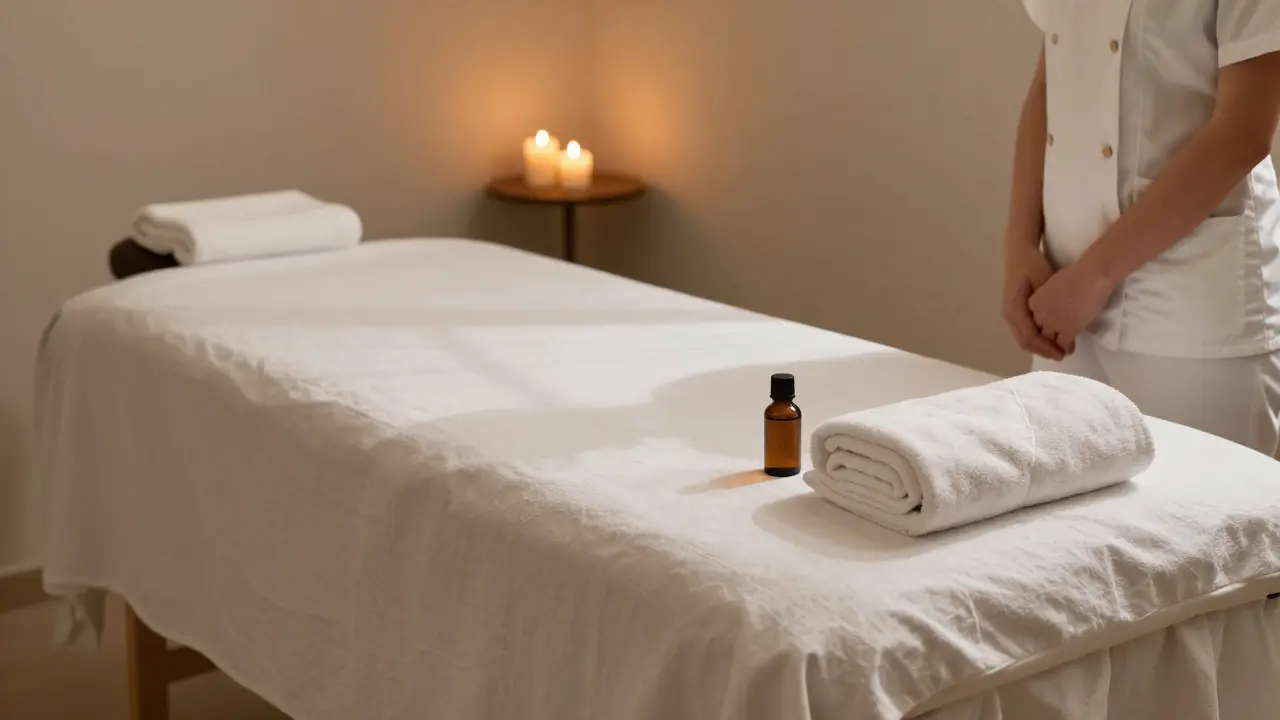
At a reputable spa or clinic, you’ll be greeted by calm lighting, soft music, and a clean, private room. The therapist will leave while you undress and get covered with a towel. You’ll be draped at all times - only the area being worked on is exposed. This isn’t just about modesty; it’s about trust. You should never feel exposed or uncomfortable. If you do, speak up. A good therapist will pause, adjust, or stop immediately. In Dubai, where cultural sensitivity is high, many spas offer gender-matched therapists for male clients - something that makes a big difference in comfort levels.
Key Processes or Steps
A typical session starts with a quick chat about your goals and any areas of pain. Then, you lie on the table, covered. The therapist begins with your back, then moves to legs, arms, neck, and feet. Each area gets 5-10 minutes of focused work. The pressure can be adjusted - light, medium, or deep - based on your preference. The whole process takes 60 to 90 minutes. You’ll never be asked to remove your underwear unless you’re receiving a specific medical treatment, and even then, it’s done with a chaperone present in some clinics.
Customization Options
Not every massage is the same. You can choose oils (like coconut, almond, or lavender), pressure levels, session length, and even music. Some therapists offer hot stone, aromatherapy, or sports massage add-ons. But customization doesn’t mean crossing boundaries. If you want extra attention on your hips or lower back, that’s fine. If you want your groin touched - that’s not part of a standard full body massage, and a professional won’t offer it unless it’s medically necessary and you’ve signed a consent form.
Communication and Preparation
Before your session, tell your therapist about any injuries, sensitivities, or concerns. If you’re unsure about what’s included, ask. A good therapist will welcome the question. Don’t assume anything. If you feel nervous, it’s okay. Many men do. The first time is always the biggest step. But once you know what to expect - and that your boundaries are respected - it becomes one of the most grounding experiences you can have.
How to Practice or Apply Full Body Massage
Setting Up for Success
If you’re booking a session, choose a licensed spa or clinic. Look for therapists with certifications from recognized bodies like the ITEC, NCBTMB, or local health authorities. Avoid places that don’t list credentials or have vague descriptions like "relaxing touch" without mentioning massage therapy. In Dubai, many high-end spas are regulated by the Dubai Health Authority - check their website to verify licenses.
Choosing the Right Tools/Resources
You don’t need fancy tools for a good massage. But if you’re doing self-massage at home, a foam roller or massage gun can help with tight quads or calves. For professional care, always go to a trained therapist. No app, YouTube video, or friend with "good hands" can replace proper training - especially when it comes to knowing where not to touch.
Step-by-Step Guide
- Book a session with a licensed therapist - look for reviews mentioning professionalism and boundaries.
- Arrive 10 minutes early to fill out a health form.
- Communicate your goals: "I want to release tension in my back and shoulders. I’m not comfortable with groin or genital work."
- Undress privately and cover yourself with the provided towel.
- Relax and breathe. Let the therapist guide the session.
- Afterward, drink water and take it easy for the rest of the day.
Tips for Beginners or Couples
If you’re new to massage, start with a 60-minute session. Don’t feel pressured to go longer. If you’re coming with a partner, ask if the spa offers side-by-side rooms - it’s common in Dubai. Some men feel more comfortable having a friend nearby. That’s fine. Just make sure each person has their own therapist and privacy. No sharing tables. No sharing boundaries.
Safety and Ethical Considerations
Choosing Qualified Practitioners/Resources
Always check credentials. A licensed massage therapist has completed hundreds of hours of training, passed exams, and follows a code of ethics. In Dubai, licensed therapists are registered with the Dubai Health Authority. Ask to see their license or check online. Never go to a place that doesn’t display certification. If it feels off, it probably is.
Safety Practices
Here are three non-negotiable safety rules:
| Practice | Purpose | Example |
|---|---|---|
| Draping | Protects privacy and comfort | Only one area exposed at a time |
| Consent | Ensures you’re in control | Therapist asks, "Is this pressure okay?" |
| Hygiene | Prevents infection | Clean sheets, sanitized hands, fresh towels |
Setting Boundaries
Your body, your rules. If you say "no" to any touch - even if it’s "just a little" - the therapist must respect it. No guilt. No pressure. If they push, leave. There are thousands of qualified therapists. You don’t need to tolerate discomfort. Say: "I’m not comfortable with that area." That’s enough. No explanation needed.
Contraindications or Risks
Massage isn’t for everyone. Avoid it if you have an active infection, open wounds, blood clots, or recent surgery. If you have severe osteoporosis or cancer, consult your doctor first. And if you’ve ever had a negative experience with touch - whether physical or emotional - it’s okay to take it slow. Start with a short session. Bring a friend. Or choose a female therapist if that makes you feel safer. Your comfort matters more than any massage myth.
Enhancing Your Experience with Full Body Massage
Adding Complementary Practices
Pair your massage with deep breathing, meditation, or a warm bath afterward. These practices help your body stay in relaxation mode longer. Some men find journaling after a session helps them process emotions that surface - it’s normal. You don’t have to be a yogi to benefit. Just sit quietly for five minutes. Let your body settle.
Collaborative or Solo Engagement
Massage is personal. You can do it alone - and you should. You don’t need permission to take care of yourself. But if you and your partner want to go together, that’s fine too. Just make sure you each have your own therapist and room. Shared experiences are great - as long as boundaries stay intact.
Using Tools or Props
At home, try a foam roller for your hamstrings or a tennis ball for your feet. These mimic massage pressure without needing another person. In spas, heated pads or aromatherapy diffusers can deepen relaxation. But remember: tools don’t replace a trained therapist. They just support the experience.
Regular Engagement for Benefits
One session is nice. But real change comes with consistency. Aim for once a month. If you’re active or stressed, every two weeks. Your muscles, your nervous system, your mind - they remember what calm feels like. The more you return, the easier it becomes to let go.
Finding Resources or Experts for Full Body Massage
Researching Qualified Practitioners/Resources
Look for spas with licensed therapists and clean reviews. In Dubai, places like The Spa at Burj Al Arab, The Ritz-Carlton Spa, or local clinics with DHA certification are reliable. Read reviews that mention professionalism, cleanliness, and respect for boundaries. Avoid places that use phrases like "sensual touch" or "private sessions" without clear medical context.
Online Guides and Communities
Reputable sites like the American Massage Therapy Association (AMTA) or the International Massage Association offer free guides on what to expect. Reddit communities like r/massage can be helpful too - but always verify advice with licensed professionals.
Legal or Cultural Considerations
In Dubai, cultural norms around modesty are strong. Many spas offer gender-specific therapists for male clients. This isn’t about exclusion - it’s about comfort. Always confirm the therapist’s gender if it matters to you. And remember: in the UAE, any sexualized behavior during a massage is illegal and punishable by law. Reputable spas take this seriously.
Resources for Continued Learning
Books like "The Massage Bible" by Susan Salvo or "Anatomy of Movement" by Blandine Calais-Germain offer clear, science-backed insights. YouTube channels from licensed therapists - not influencers - can also help you understand techniques. But never try to replicate advanced moves on yourself or others without training.
FAQ: Common Questions About Full Body Massage
What to expect from a full body massage?
You’ll lie on a warm table, covered with towels. The therapist will work on your back, legs, arms, neck, and feet - never your groin unless you’re receiving a specific medical treatment with written consent. The room will be quiet, the lights dimmed. You’ll be asked about pressure and comfort. You can speak up anytime. Most people feel deeply relaxed afterward, sometimes even sleepy. It’s normal. You’ll be given water and time to get dressed before leaving. No surprises. No pressure. Just care.
What happens during a full body massage?
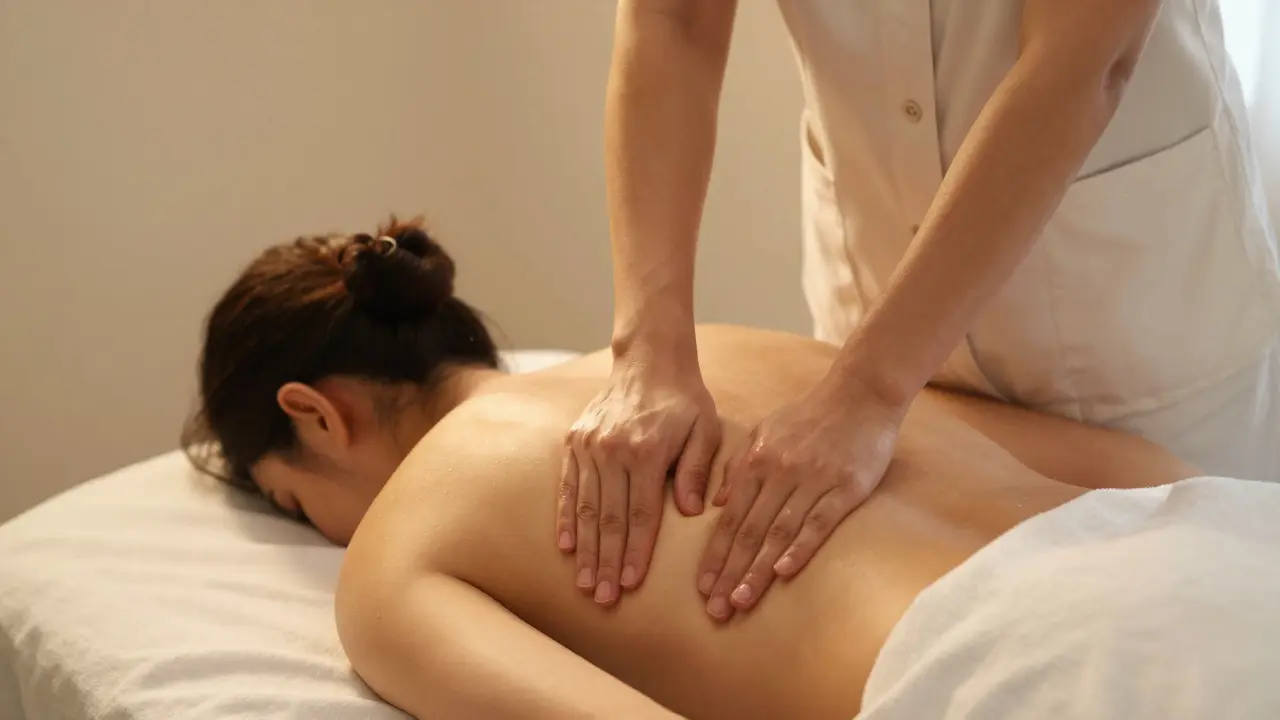
After a brief intake, you’ll undress privately and cover yourself. The therapist starts with your back, then moves to your legs, arms, and feet. Each area is massaged with oil or lotion using slow, rhythmic strokes. You’ll be draped at all times - only the part being worked on is uncovered. The therapist will check in with you. If you feel pain, say so. If you feel cold, ask for a blanket. The session ends with you being left alone to dress. No touching of private areas. Ever - unless it’s a medically approved treatment with a chaperone.
How does full body massage differ from a sensual massage?
Full body massage is a therapeutic practice focused on muscle relief and relaxation. It follows strict ethical codes and excludes genital areas. Sensual massage, on the other hand, is designed to stimulate sexual arousal - and it’s not a recognized form of therapy. In Dubai and most countries, sensual massage is illegal if offered as a "spa service." Legitimate spas never mix the two. If a place offers "sensual" or "private" massage without clear medical context, walk away.
Is a full body massage suitable for beginners?
Absolutely. First-timers are welcome. Most therapists are trained to help nervous clients. Start with a 60-minute session. Tell the therapist you’re new. Ask questions. They’ll explain everything. You don’t need to know what to expect - they’re there to guide you. Many men find their first massage to be a turning point - not because of what was done, but because they finally allowed themselves to be cared for.
Can I request groin massage during a full body session?
Not in a standard full body massage. The groin is not part of the standard protocol because it’s not a therapeutic target for general relaxation or tension relief. If you have a medical condition - like chronic pelvic pain or post-surgical rehab - you may need a specialized medical massage. That requires a doctor’s referral, written consent, and often a chaperone. Even then, it’s rare. Most therapists will not offer it unless it’s clearly medically necessary and legally documented. Don’t assume it’s included. Always ask.
Conclusion: Why Full Body Massage is Worth Exploring
A Path to Better Health
A full body massage isn’t about sex. It’s about healing. It’s about giving your body the care it deserves without judgment. For men, especially, it’s a quiet act of self-respect. You don’t need to be broken to benefit. You just need to be tired. And ready to feel better.
Try It Mindfully
Book a session. Choose a licensed therapist. Speak up about your boundaries. Let yourself relax. You don’t have to understand every technique. You just have to show up.
Share Your Journey
Tried a full body massage? Share your experience in the comments. What surprised you? What made you feel safe? Follow this blog for more honest, no-nonsense guides to wellness in Dubai.
Some links may be affiliate links, but all recommendations are based on research and quality.
Word count: 1,682
Suggested Images
- A calm, well-lit massage room with a draped client on a table, soft lighting, and clean linens
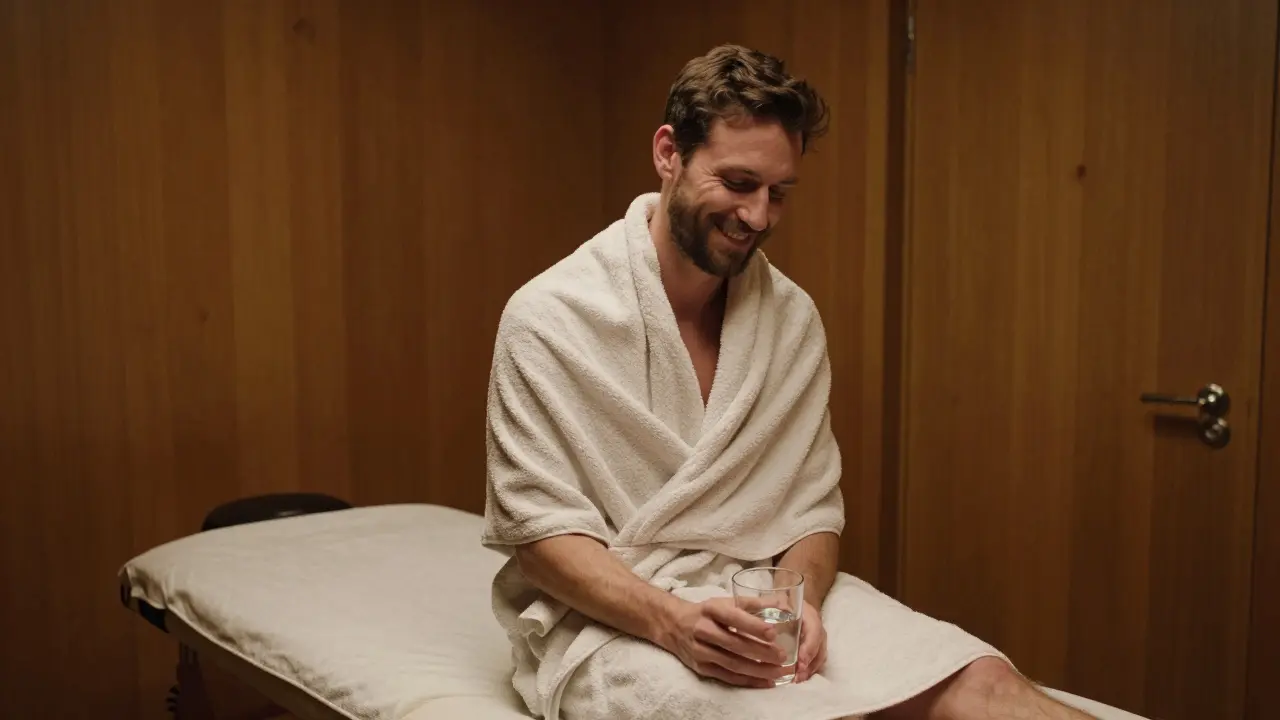
- A male client smiling after a session, wrapped in a towel, holding a glass of water
- A licensed therapist’s hands applying oil to a client’s back, with draping visible
- A side-by-side spa room setup with two clients receiving massages simultaneously
- A close-up of a foam roller and massage oil bottle on a wooden shelf
Suggested Tables
- Comparison of Massage Types (already included in article)
- Massage Safety Practices (already included in article)
- Key Benefits of Full Body Massage (Benefit, Description, Impact)
Millennial Avid
January 22, 2026 AT 00:18Bro, I got my first full body massage last month and honestly? Mind blown. The therapist hit every knot in my traps and lats like they were playing a piano. No groin nonsense, just pure therapeutic bliss. You feel the tension melt like butter on a hot pancake. It’s not about sex, it’s about neurochemistry - GABA up, cortisol down. If you’re a guy who thinks massage is ‘soft,’ you’re missing the whole damn biomechanical symphony. Go try it. Your nervous system will thank you.
Also, foam roller after? Non-negotiable. Your hamstrings will weep with gratitude.
andre maimora
January 23, 2026 AT 12:51Delilah Friedler
January 23, 2026 AT 22:40Thank you for this comprehensive and well-researched piece. The emphasis on ethical boundaries, professional licensure, and client autonomy is both refreshing and necessary. As someone who works in healthcare compliance, I appreciate the clear delineation between therapeutic massage and inappropriate practices. The inclusion of cultural considerations, particularly in regions like Dubai, demonstrates thoughtful global awareness. I hope this article becomes a standard reference for both practitioners and clients.
Sloan Leggett
January 24, 2026 AT 12:13You wrote 'groin' but meant 'genitalia.' The groin is the crease between your thigh and abdomen - anatomically distinct from the genitals. You're conflating two different anatomical regions. Also, 'draped at all times' is grammatically incorrect. It should be 'draped at all times *during the session*.' And why are you using 'you' so much? Formal writing avoids second-person pronouns unless addressing a specific audience. This article reads like a blog post written by someone who skipped anatomy 101 and copyediting 102.
Carol Pereyra
January 24, 2026 AT 15:08I used to think massage was just for people with back pain or yoga addicts - until I went after a breakup. I didn’t even say why I was there. Just sat there, cried quietly under the towel, and when the therapist paused to ask if I wanted more pressure, I whispered ‘yes.’ She didn’t say a word. Just kept going. That’s the magic. No judgment. No expectations. Just warmth and hands that knew how to hold space. Men, this isn’t weakness. It’s the bravest thing you can do for yourself. Go. Just go. And if you’re nervous? Say it out loud. ‘I’m scared.’ They’ve heard it a hundred times. They’ll nod. And then they’ll make you feel like you’re not alone anymore.
Also - lavender oil. Always lavender oil. It’s the scent of peace.
Michaela W
January 26, 2026 AT 01:09Oh wow. A whole 1,600-word essay on how massage therapists won't touch your dick. Groundbreaking. Did you also include a 300-word section on how breathing is good for you? And that water is wet? This article reads like a pamphlet handed out by a spa that’s terrified of lawsuits. ‘The groin is excluded unless medically necessary’ - yeah, because the second someone says ‘I want it,’ the entire industry implodes. Newsflash: if you’re going to a place that offers ‘sensual massage’ and you’re not getting a hand job, you’re doing it wrong. But sure, keep pretending this is all about ‘therapeutic boundaries.’ We all know what’s really going on behind those closed doors.
Carolyn Hassell
January 27, 2026 AT 18:21Love this so much 😊 I’ve been going to massage therapists for years and honestly? The thing that made me cry the first time was how quietly they respected my silence. No small talk. No pressure. Just hands and warmth. I used to think I needed to ‘earn’ relaxation - like I had to be ‘productive’ to deserve it. But massage taught me: I don’t need to justify my rest. You don’t have to be broken to need care. You just have to be human.
Also - if you’re new, start with a 60-min. No need to go big right away. You’ll be amazed how much tension lives in your feet 😊
Brian Opitz
January 28, 2026 AT 13:20Frances Chen
January 29, 2026 AT 00:55