
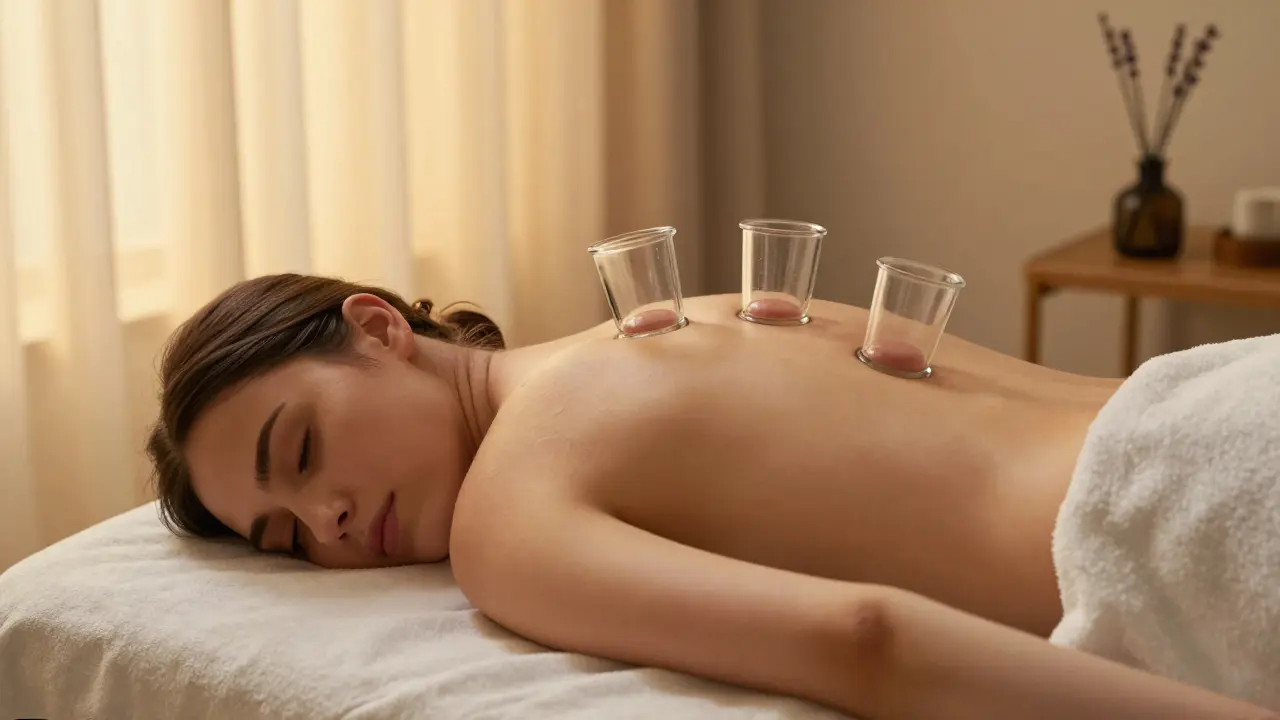
Does Cupping Actually Have Health Benefits? The Science and Experience Behind the Practice
When you see someone with dark circular marks on their back, it’s easy to assume they’ve been through something intense-maybe even dangerous. But if you’ve ever wondered whether cupping therapy is more than just a viral social media trend, you’re not alone. People in Dubai, Berlin, and Brooklyn are trying it. Athletes swear by it. Spas in the UAE offer it as a signature treatment. But does it actually work? Or is it just ancient folklore dressed up in modern wellness packaging?
The truth? Cupping isn’t magic, but it’s not placebo either. It’s a physical therapy with roots stretching back thousands of years, used across cultures-from ancient Egyptian papyri to traditional Chinese medicine. Today, it’s being studied by researchers, adopted by physiotherapists, and questioned by skeptics. Let’s cut through the noise and look at what’s real, what’s possible, and what you should know before trying it.
Understanding the Basics of Cupping Therapy
Origins and History
Cupping has been around for at least 3,000 years. Ancient Egyptians used it in the Ebers Papyrus (1550 BCE) for bloodletting and detoxification. In China, it became part of traditional medicine during the Han Dynasty, where practitioners believed it balanced Qi-life energy-by drawing out stagnation. By the 19th century, it had spread to Europe, where it was used to treat everything from coughs to rheumatism. Today, it’s still practiced in hospitals in China and integrated into physical therapy clinics across North America and the Middle East. The tools have changed-glass, silicone, and plastic cups replaced animal horns and bamboo-but the core idea remains: applying suction to the skin to stimulate circulation and release tension.
Core Principles or Components
Cupping works by creating negative pressure on the skin. When a cup is placed on the body and suction is applied, it gently lifts the skin and underlying tissues. This increases blood flow to the area, which may help reduce muscle stiffness and promote healing. There are two main types: dry cupping, where the cup stays in place, and wet cupping, where tiny incisions are made after suction to draw out a small amount of blood. Most spas and clinics today offer dry cupping only. The cups are usually left on for 5 to 15 minutes. The marks left behind-often mistaken for bruises-are actually caused by capillaries breaking under pressure, not by injury. They fade in days to weeks.
How It Differs from Related Practices
People often confuse cupping with massage, acupuncture, or reflexology. Here’s how it stands apart:
| Practice | Key Feature | Primary Benefit |
|---|---|---|
| Cupping Therapy | Uses suction to lift tissue | Improves circulation, reduces muscle tightness |
| Massage Therapy | Applies direct pressure and kneading | Relaxes muscles, releases trigger points |
| Acupuncture | Inserts fine needles into meridians | Regulates energy flow, targets nerve pathways |
| Reflexology | Applies pressure to feet/hands | Stimulates internal organs via reflex zones |
Unlike massage, which pushes down, cupping pulls up. Unlike acupuncture, it doesn’t pierce the skin. That makes it a gentler option for people who dislike needles or deep pressure.
Who Can Benefit from Cupping Therapy?
Cupping isn’t for everyone, but it’s particularly helpful for people dealing with chronic muscle tension, sports injuries, or stress-related pain. Athletes use it to recover faster after training. Office workers with stiff necks and shoulders report relief after a session. People with fibromyalgia or arthritis sometimes find it eases discomfort. It’s also popular among those seeking relaxation without drugs or invasive procedures. If you’re looking for a non-pharmaceutical way to manage pain or improve mobility, cupping might be worth exploring-especially when paired with movement or stretching.
Benefits of Cupping Therapy for the Body
Stress Reduction
Stress doesn’t just live in your mind-it settles in your muscles. Tight shoulders, clenched jaws, and stiff backs are physical signs of chronic stress. Cupping helps by activating the parasympathetic nervous system-the body’s “rest and digest” mode. The gentle pull of suction signals the brain to slow down, lower cortisol, and release endorphins. Many people describe the sensation as deeply calming, almost like a warm hug for the back. After a session, it’s common to feel lighter, calmer, and more grounded. Research from the National Institutes of Health suggests that mechanical stimulation of the skin can influence autonomic nervous system activity, which supports this calming effect Web source (https://www.nih.gov).
Enhanced Functionality
When muscles are tight, movement becomes restricted. Cupping increases blood flow to the area, bringing oxygen and nutrients to tired tissues. This can help loosen fascia-the connective tissue that wraps around muscles-and reduce adhesions that cause stiffness. People with lower back pain or frozen shoulder often report improved range of motion after a few sessions. One study published in the Journal of Traditional and Complementary Medicine found that patients with chronic neck pain who received cupping showed greater improvement in mobility than those who only stretched Web source (https://www.ncbi.nlm.nih.gov). It’s not a cure, but it’s a useful tool to regain movement.
Emotional Well-Being
Pain and stress are deeply linked. When your body aches, your mood suffers. Cupping doesn’t just treat the body-it can lift the spirit. Many clients report feeling emotionally lighter after a session, even if they didn’t expect it. Part of this is the ritual: lying still, breathing deeply, being touched gently in a world that rarely offers that kind of care. For people dealing with anxiety or burnout, this quiet, focused time can be as healing as the physical effect. It’s not a replacement for therapy, but it can be a powerful complement.
Practical Applications
Here’s how cupping fits into daily life:
| Benefit | Description | Impact |
|---|---|---|
| Pain Relief | Reduces muscle soreness and tension | Helps with back, neck, and shoulder pain |
| Recovery Support | Speeds up muscle repair after exercise | Used by athletes and fitness enthusiasts |
| Improved Sleep | Calms the nervous system | Helps people fall asleep faster |
| Reduced Inflammation | Increases blood flow to inflamed areas | May ease arthritis and tendonitis symptoms |
What to Expect When Engaging with Cupping Therapy
Setting or Context
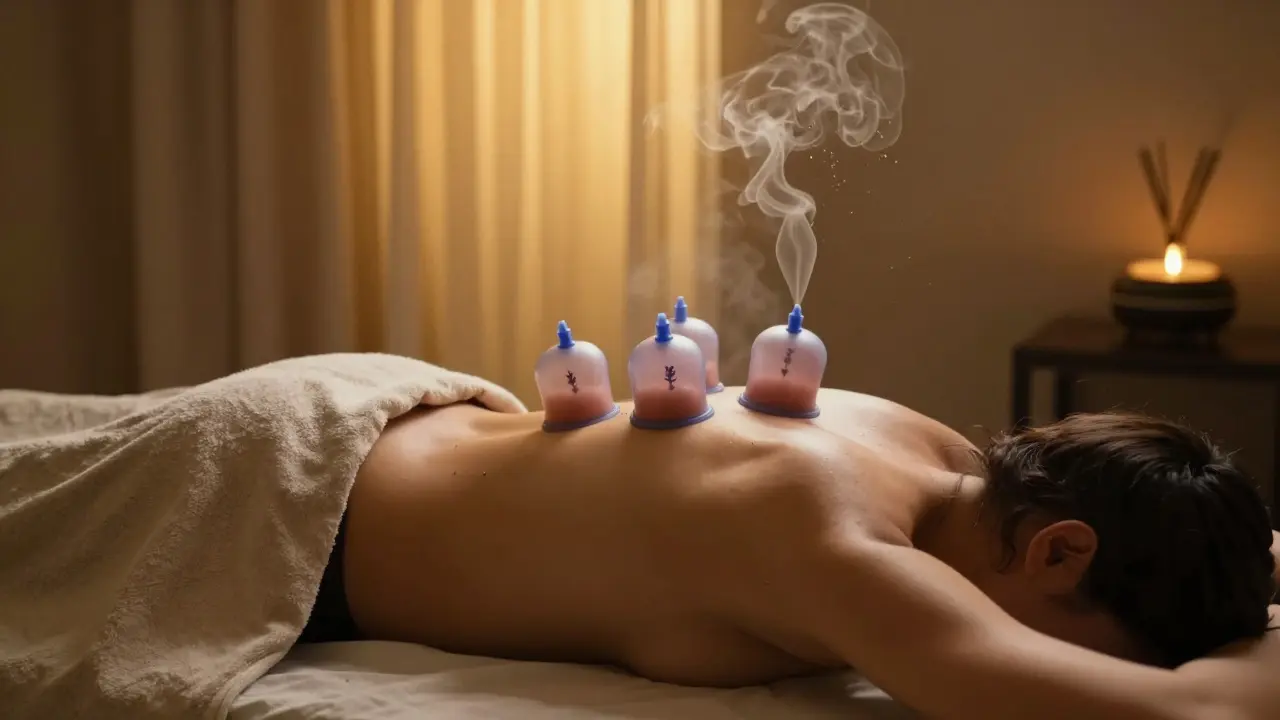
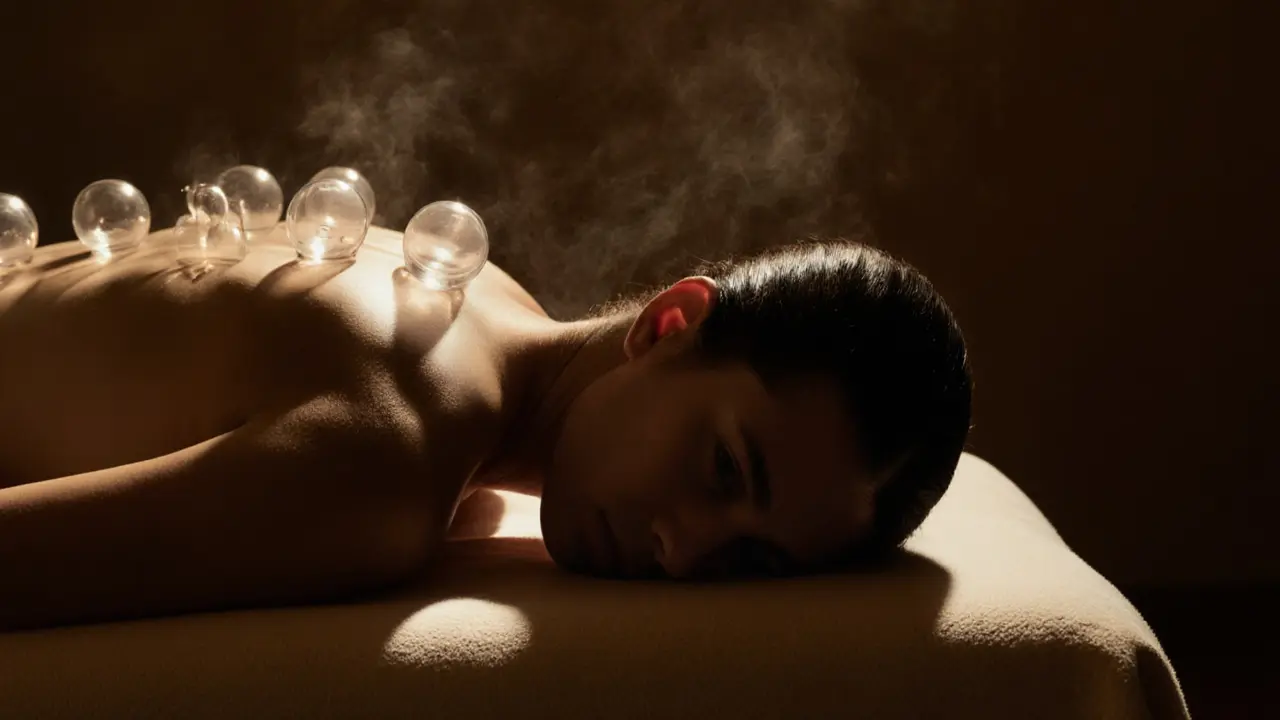
A typical cupping session happens in a quiet, warm room-think soft lighting, calming music, and the faint scent of lavender. You’ll lie on a massage table, fully clothed or draped in a towel. The practitioner will apply oil to your skin to help the cups glide. The process is silent and slow. There’s no loud equipment, no needles, no pressure. It’s peaceful. In Dubai spas, sessions often last 45 to 60 minutes, including consultation and aftercare advice.
Key Processes or Steps
Here’s what usually happens:
- You discuss your goals and any medical conditions with the practitioner.
- They select areas to treat-usually the back, shoulders, or legs.
- Cups are placed using a hand pump or heat to create suction.
- Cups stay on for 5-15 minutes while you relax.
- Cups are removed gently, and the skin is wiped clean.
- You’re given water and advised to rest for the next few hours.
You might feel a mild pulling sensation, but it shouldn’t hurt. If it does, speak up.
Customization Options
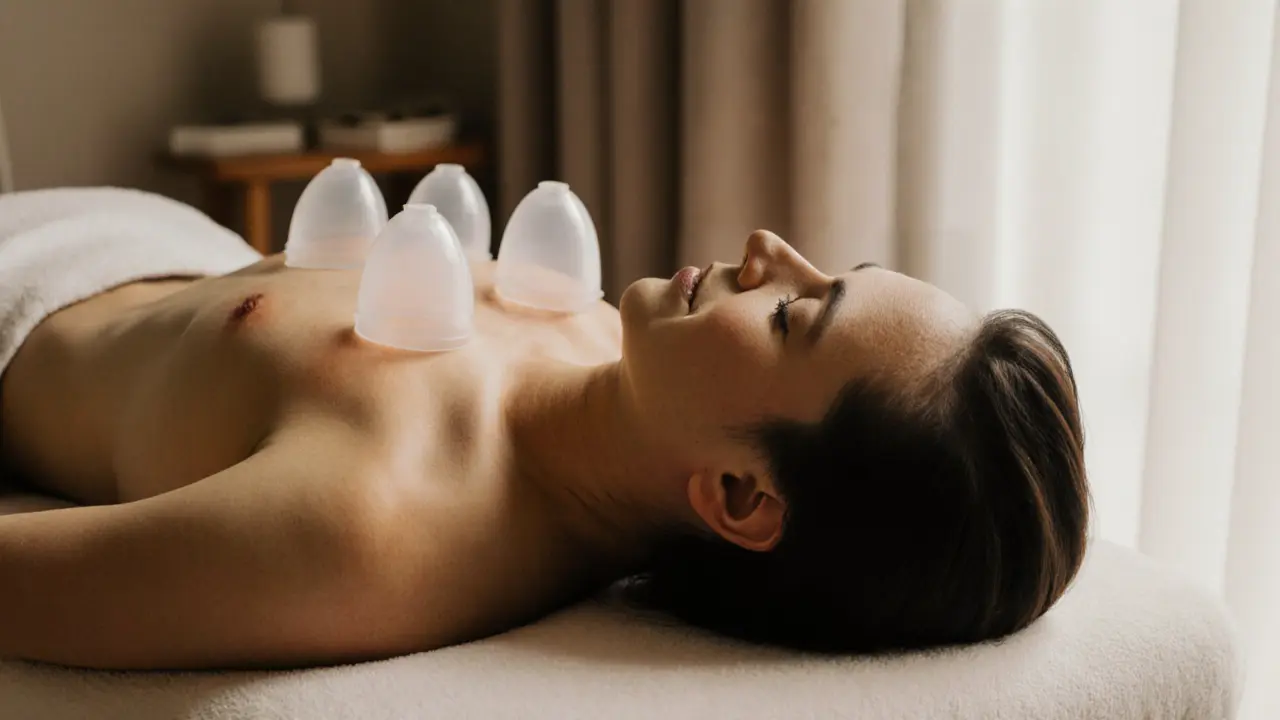
Cupping can be adjusted for comfort. Light suction is ideal for beginners or sensitive skin. Stronger suction is used for deep muscle tension. Some practitioners combine cupping with massage or heat therapy. Silicone cups are gentler than glass and better for moving the cups along the skin (called “sliding cupping”).
Communication and Preparation
Before your session, drink water and avoid heavy meals. Tell your practitioner if you’re pregnant, have a bleeding disorder, or are on blood thinners. Don’t show up with sunburned or broken skin. Afterward, avoid cold showers, alcohol, or intense exercise for 24 hours. Let your body recover.
How to Practice or Apply Cupping Therapy
Setting Up for Success
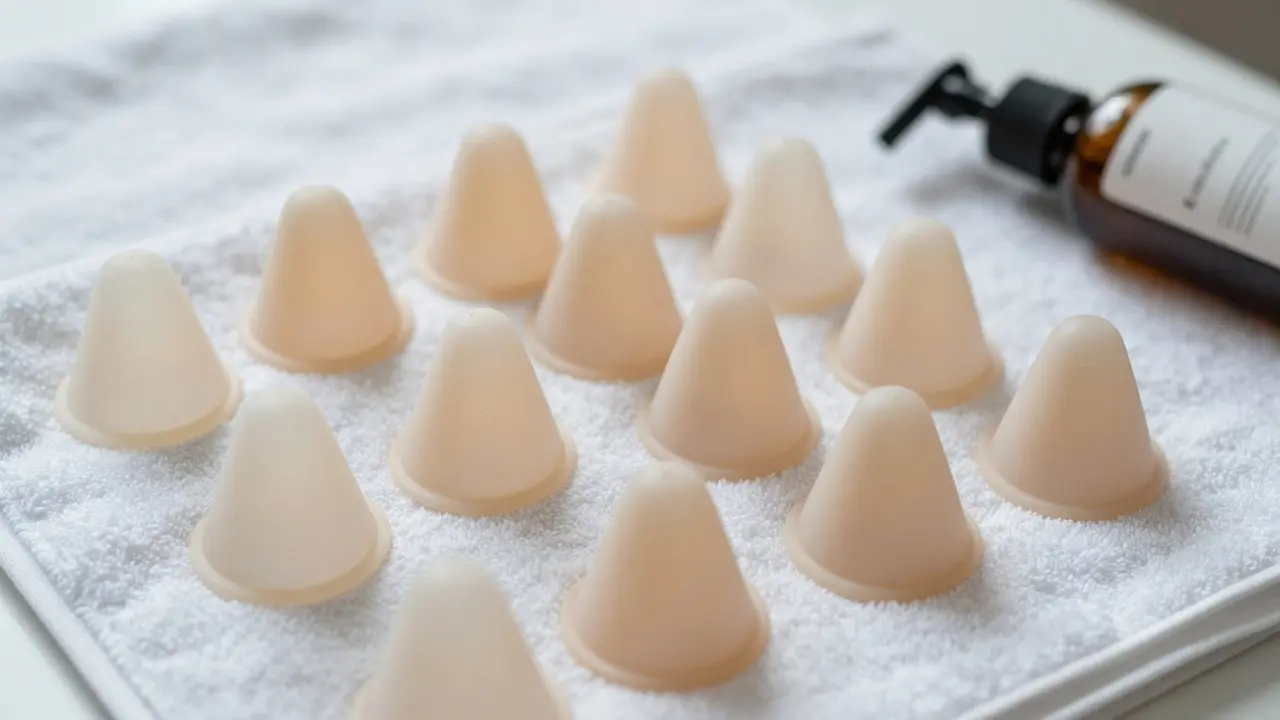
If you’re trying cupping at home, start with silicone cups-they’re safe, easy to use, and affordable. Choose a quiet, warm space. Use massage oil or lotion to reduce friction. Always test suction on a small area first. Never leave cups on for more than 10 minutes. And never use them on open wounds, rashes, or swollen areas.
Choosing the Right Tools
For beginners: silicone cups (like those from brands such as Cupping Therapy or HealthCup). For professionals: glass cups with manual or electric pumps. Avoid cheap plastic sets sold on random marketplaces-they can crack or leak suction. Look for medical-grade materials and positive reviews from certified therapists.
Step-by-Step Guide
Here’s a simple routine for self-cupping on the back:
- Apply oil to your upper back and shoulders.
- Squeeze the silicone cup to remove air, place it on the skin, then release.
- Let it sit for 5 minutes.
- Gently lift and move the cup in slow circles or up/down motions.
- Repeat on both sides, avoiding the spine.
- Remove cups slowly and massage the area lightly.
Do this once or twice a week-not daily.
Tips for Beginners or Couples
First-timers often feel nervous. That’s normal. Start with one session. Don’t expect miracles. Cupping is cumulative. If you’re doing it with a partner, take turns applying cups-each person can help the other reach hard-to-access spots. It’s a surprisingly intimate way to care for each other.
Safety and Ethical Considerations
Choosing Qualified Practitioners
In Dubai, look for licensed physiotherapists or certified traditional medicine practitioners. Ask if they’re trained in cupping specifically. Check reviews on Google or local wellness platforms. Avoid spas that offer cupping as a “quick add-on” without consultation. A good practitioner will ask about your health history before starting.
Safety Practices
Here’s how to stay safe:
| Practice | Purpose | Example |
|---|---|---|
| Sanitize cups | Prevent infection | Use alcohol wipes between clients |
| Use proper suction | Avoid bruising or tissue damage | Start with light pressure |
| Check skin condition | Prevent irritation | Don’t apply on sunburns or eczema |
Setting Boundaries
You have the right to say no at any time. If the suction feels too strong, ask for it to be reduced. If you feel dizzy or nauseous, stop immediately. This isn’t a test of endurance-it’s a healing practice. Your comfort matters more than the marks.
Contraindications or Risks
Cupping isn’t safe for everyone. Avoid it if you:
- Have a bleeding disorder or are on blood thinners
- Are pregnant (especially in the first trimester)
- Have open wounds, skin infections, or severe eczema
- Have a pacemaker or other implanted medical device
- Are undergoing cancer treatment
Always consult your doctor before trying cupping if you have a chronic condition.
Enhancing Your Experience with Cupping Therapy
Adding Complementary Practices
Cupping works best with movement and mindfulness. Try pairing it with gentle yoga, stretching, or deep breathing. Hydration is key-drink water before and after. Some people combine it with aromatherapy or heat therapy for deeper relaxation.
Collaborative or Solo Engagement
Most people do cupping alone. But doing it with a partner can deepen the experience. You can help each other reach tight spots, share the quiet time, and build trust. It’s not a romantic ritual-but it can be a caring one.
Using Tools or Props
Use a heating pad or warm towel after your session to keep muscles relaxed. Keep a foam roller nearby to gently roll out tension the next day. A journal can help you track how you feel after each session-mood, pain levels, sleep quality.
Regular Engagement for Benefits
Like stretching or meditation, cupping builds benefits over time. One session might feel nice. Three sessions over a month? That’s when people notice real change. Aim for once every 2-4 weeks if you’re managing pain or stress. Don’t overdo it-your skin and muscles need time to recover.

Finding Resources or Experts for Cupping Therapy
Researching Qualified Practitioners
In Dubai, look for clinics affiliated with physiotherapy associations or traditional medicine centers. Check if practitioners are certified by organizations like the International Cupping Therapy Association or licensed by Dubai Health Authority. Read reviews on Google and Instagram-look for consistent feedback about professionalism and results.
Online Guides and Communities
Reputable sources include the American Physical Therapy Association’s wellness section and the World Health Organization’s reports on traditional medicine. YouTube channels run by licensed therapists offer safe demonstrations. Avoid influencers who claim cupping “detoxes your liver” or “cures cancer”-those are myths.
Legal or Cultural Considerations
In the UAE, cupping is widely accepted and often integrated into wellness centers. It’s not considered religious, but some older generations may associate it with Islamic traditional medicine. Practitioners in Dubai are trained to respect cultural norms-modesty, gender preferences, and privacy are prioritized.
Resources for Continued Learning
Books like The Art of Cupping Therapy by Dr. Chen or online courses from the International Cupping Therapy Association offer structured learning. Look for courses that include anatomy, safety, and hands-on practice-not just theory.
FAQ: Common Questions About Cupping Therapy
What to expect from cupping therapy?
You’ll lie comfortably while cups are placed on your skin. You’ll feel a gentle pulling sensation, not pain. The session lasts about 30-60 minutes. Afterward, you might feel relaxed, slightly sore, or even a bit tired-this is normal. Dark circular marks may appear, but they’re not bruises and fade within days to two weeks. Most people leave feeling looser and calmer.
What happens during cupping?
A cup is placed on the skin, and air is removed to create suction. This lifts the skin and soft tissue, increasing blood flow to the area. The cups stay on for 5-15 minutes. In dry cupping, nothing else happens-no needles, no cuts. In wet cupping, tiny incisions are made after suction to draw out a small amount of blood-but this is rare in spas and only done by licensed medical professionals.
How does cupping differ from massage?
Massage pushes down on muscles to release tension. Cupping pulls up, creating space between tissues. This helps improve circulation and loosen fascia without deep pressure. Many people find cupping less intense than deep tissue massage but equally effective for tightness. They’re often used together-massage first to warm up muscles, then cupping to release deeper layers.
What is the method of cupping?
The method involves placing cups on the skin and removing air to create suction. This can be done with heat (flame in glass cups) or a manual pump (silicone or plastic cups). The suction pulls the skin upward, increasing local blood flow. Cups can be left stationary or moved slowly over the skin (sliding cupping). The duration and strength vary based on the individual’s needs and tolerance.
Is cupping suitable for beginners?
Yes, cupping is beginner-friendly-especially dry cupping with silicone cups. Start with a professional session to learn proper technique and pressure levels. Avoid doing it on your own at first unless you’ve been properly guided. Don’t expect instant results. The goal is gradual improvement in mobility and relaxation, not dramatic changes after one session.
Conclusion: Why Cupping Therapy is Worth Exploring
A Path to Natural Pain Relief
Cupping therapy isn’t a miracle cure. But for people tired of popping painkillers or waiting for appointments, it’s a practical, non-invasive option. It doesn’t promise to fix everything-but it can help you move better, breathe deeper, and feel calmer. In a city like Dubai, where stress and sedentary lifestyles are common, tools like cupping offer a way to reconnect with your body without surgery or drugs.
Try It Mindfully
If you’re curious, start with one session at a reputable spa or clinic. Talk to your practitioner. Listen to your body. Don’t chase the marks-focus on how you feel afterward. Cupping works best when it’s part of a bigger self-care routine, not a quick fix.
Share Your Journey
Tried cupping? Share your experience in the comments-what worked, what didn’t, how you felt afterward. Follow this blog for more honest, evidence-based wellness tips. Explore cupping and let us know how it goes.
Some links may be affiliate links, but all recommendations are based on research and quality.
Word count: 1,728
Suggested Visuals
- A person lying on a massage table with glass cups on their back, soft lighting
- Close-up of silicone cupping cups on a clean towel
- Before-and-after skin marks (faded, not graphic)
- Practitioner gently removing a cup with a calm expression
- Someone sipping water after a session, looking relaxed
Suggested Tables
- Comparison of Cupping Therapy vs. Related Practices
- Key Benefits of Cupping Therapy
- Cupping Safety Tips
Abhishek Gowda
December 16, 2025 AT 22:52I tried cupping last week after seeing it on TikTok 😍✨ My back felt like it was hugged by a dragon who actually cared 🐉💛 The marks? Totally worth it. Now I’m addicted. Also, my cat stares at them like I’m magic now. 🐱🔮
Ashok kumar
December 17, 2025 AT 17:13Oh, FOR THE LOVE OF ALL THAT IS SACRED-WE’VE RETURNED TO THE DARK AGES OF QUACKERY UNDER THE GLOW OF A WELL-LIT SPA! 🚨🔥 Cupping?! You mean the same thing the ancient Egyptians did while they were still figuring out how to wrap mummies?! And now, in 2025, we’re paying $120 for ‘suction therapy’ like it’s a spiritual upgrade?! This isn’t wellness-it’s performative mysticism wrapped in lavender oil and Instagram filters! 🤡💀 The science? There IS none! It’s just bruising with a side of placebo and a whole lot of capitalism selling pain as enlightenment! Someone call the FDA before we start charging people to breathe in ‘negative energy’ next! 😭
Stephen Park
December 18, 2025 AT 00:00While anecdotal reports of pain relief are not inherently invalid, the absence of rigorous, peer-reviewed clinical trials demonstrating causality-beyond placebo effects or transient vasodilation-renders this practice scientifically indefensible as a therapeutic modality. The marketing of cupping as a legitimate intervention within Western clinical frameworks constitutes a dangerous erosion of evidence-based medicine. Furthermore, the normalization of pseudoscientific practices in affluent urban centers reflects a broader cultural decline in critical thinking. I urge regulatory bodies to classify cupping as a cosmetic procedure, not a medical treatment.
James Foster
December 19, 2025 AT 03:29I used to be super skeptical too, but after my shoulder injury, my PT suggested it-just as a complement to stretching and foam rolling. Honestly? It helped more than I thought. Not magic, but the pulling feels like a deep release-like your muscles finally got a sigh. No needles, no pain, just quiet. I do it every few weeks now. Just don’t go crazy with the suction, and drink water after. And yeah, the marks look wild but they fade fast. Totally worth trying if you’re stiff or stressed. 🙌
Amber Oravecz
December 19, 2025 AT 22:28