
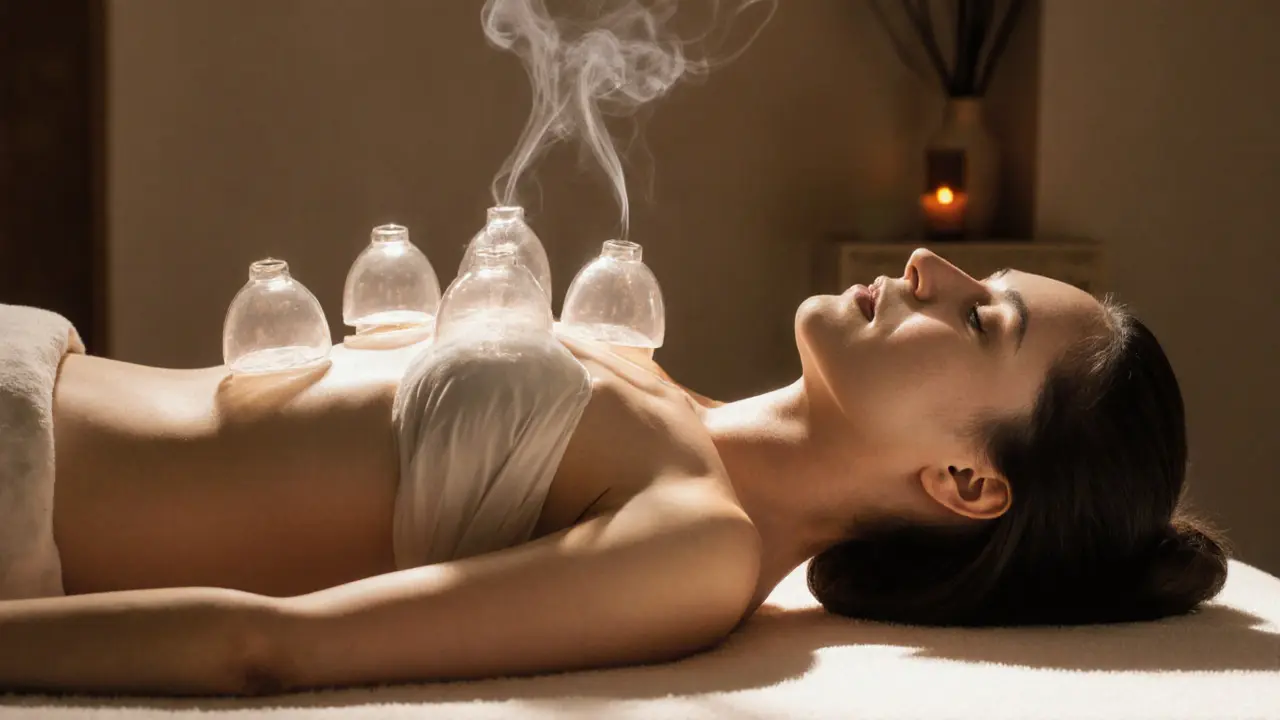
What Toxins Does Cupping Remove? The Science Behind the Marks
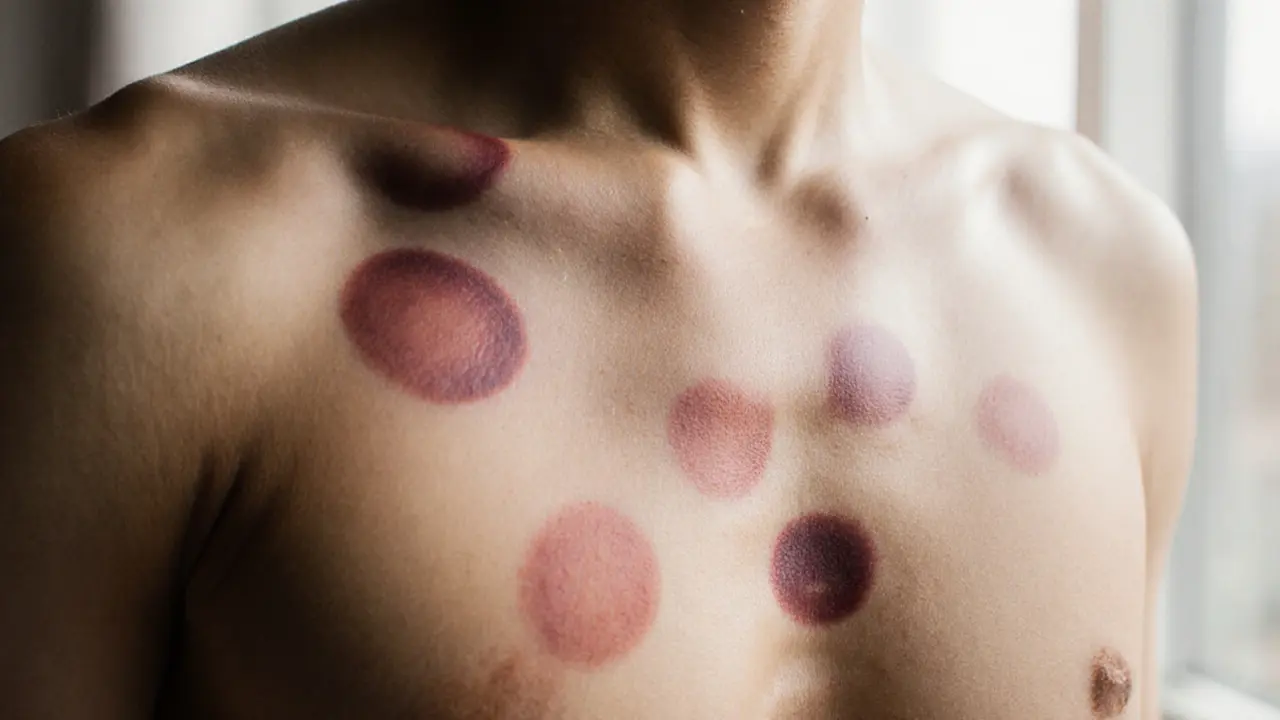
When you see someone with circular bruises after a cupping session, it’s easy to assume they’re pulling out toxins-like some kind of internal vacuum cleaner. But here’s the truth: cupping doesn’t remove toxins in the way most people think. It doesn’t suck out heavy metals, pesticides, or metabolic waste from your organs. The marks you see aren’t proof of poison being pulled out. They’re signs of localized blood flow changes and minor capillary rupture. The idea that cupping ‘detoxifies’ is a modern myth wrapped in ancient practice.
So why do people swear by it? Why do athletes in Dubai, from MMA fighters to yoga instructors, line up for sessions after intense training? Because cupping isn’t about detox. It’s about circulation, tension release, and nervous system regulation. And while the word ‘toxin’ gets thrown around a lot in wellness circles, the real benefits are far more grounded in physiology than folklore.
Understanding the Basics of Cupping Therapy
Origins and History
Cupping has roots stretching back over 3,000 years. Ancient Egyptians used it around 1550 BCE, as noted in the Ebers Papyrus. Traditional Chinese Medicine later refined it, using bamboo and later glass cups to draw blood to the surface, believing it cleared blocked energy-qi. In the Middle East, wet cupping (hijama) became part of Islamic medicine, combining suction with controlled bloodletting. Today, dry cupping-no cuts, no blood-is the most common form outside clinical settings. In Dubai, you’ll find it in luxury spas, physio clinics, and even some gyms. It’s not new. But the way it’s marketed today? That’s where the confusion starts.
Core Principles or Components
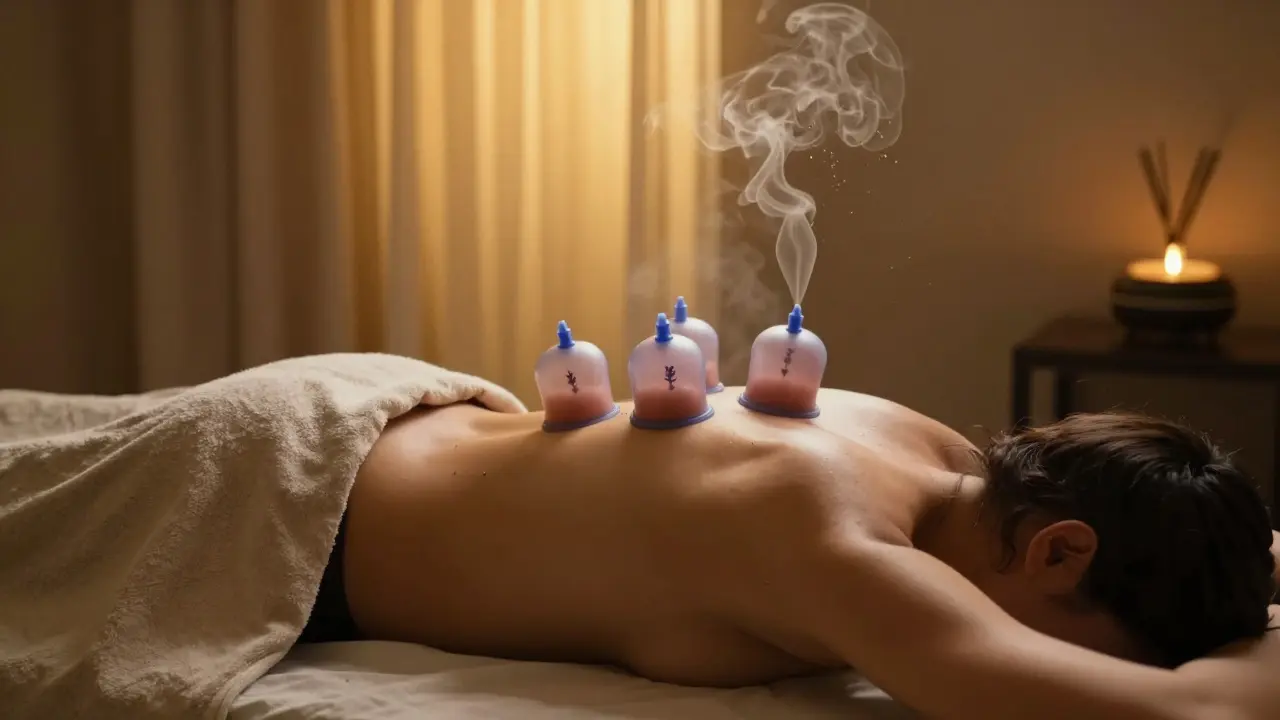
Modern dry cupping uses silicone, glass, or plastic cups placed on the skin. A vacuum is created either by heat (in traditional glass cupping) or a manual pump (in modern devices). The suction pulls the skin and underlying tissue upward, increasing local blood flow. This triggers a mild inflammatory response-your body sends healing cells to the area. The cups are left on for 5-15 minutes. The result? Reddish-purple marks, muscle relaxation, and sometimes a surprising sense of lightness. No needles. No chemicals. Just pressure and physics.
How It Differs from Related Practices
People often confuse cupping with acupuncture, massage, or lymphatic drainage. Here’s how they stack up:
| Practice | Key Feature | Primary Benefit |
|---|---|---|
| Cupping | Creates suction to lift tissue | Increases local circulation, reduces muscle tension |
| Massage | Applies direct pressure and kneading | Breaks up adhesions, improves flexibility |
| Acupuncture | Inserts fine needles into meridians | Regulates nervous system, pain modulation |
Cupping doesn’t target energy lines like acupuncture. It doesn’t break down knots like deep tissue massage. It’s its own thing: a passive, mechanical way to stimulate blood flow without pressure.
Who Can Benefit from Cupping?
Most healthy adults can safely try dry cupping. It’s popular among:
- Athletes recovering from intense workouts
- People with chronic neck or back tension
- Those dealing with stress-induced muscle tightness
- Individuals seeking relaxation without medication
It’s not for everyone. Pregnant women, people with bleeding disorders, or those on blood thinners should avoid it. Skin conditions like eczema or open wounds are also contraindications. If you’re unsure, talk to a licensed physiotherapist or integrative medicine provider.
Benefits of Cupping Therapy for the Body
Stress Reduction
When your muscles are tight, your nervous system stays in ‘fight or flight’ mode. Cupping interrupts that cycle. The gentle pulling sensation signals safety to your brain, lowering cortisol and activating the parasympathetic nervous system. Many clients report feeling calm, even sleepy, during or right after a session. One study from the Journal of Traditional and Complementary Medicine found participants reported significant reductions in perceived stress after eight weekly cupping sessions. It’s not a cure for anxiety-but it’s a powerful tool to reset your body’s tension dial.
Enhanced Functionality
Think of cupping as a ‘reset’ for stiff muscles. By increasing blood flow, it brings oxygen and nutrients to tight areas like shoulders, hamstrings, or lower back. This helps speed up recovery after workouts. Dubai-based physiotherapists often pair cupping with movement therapy. Athletes say it helps them regain range of motion faster than stretching alone. It doesn’t replace strength training-but it removes the stiffness that holds you back.
Emotional Well-Being
There’s a reason cupping feels like a deep sigh for your body. The sensation of release-especially when done on the back-triggers a neurological response similar to a good hug or massage. People describe it as ‘letting go’ emotionally. While this isn’t a replacement for therapy, it creates space for emotional regulation. Many clients in Dubai’s high-pressure work environments say weekly cupping helps them sleep better and feel less overwhelmed.
Practical Applications
You don’t need to be an athlete to benefit. Here’s how cupping fits into daily life:
| Benefit | Description | Impact |
|---|---|---|
| Reduced Muscle Soreness | Helps ease DOMS (delayed onset muscle soreness) | Faster recovery after exercise |
| Improved Mobility | Loosens fascia and connective tissue | Better posture, less stiffness |
| Relaxation Response | Triggers parasympathetic nervous system | Better sleep, lower anxiety |
| Pain Modulation | May reduce chronic pain signals | Less reliance on painkillers |
What to Expect When Engaging with Cupping
Setting or Context
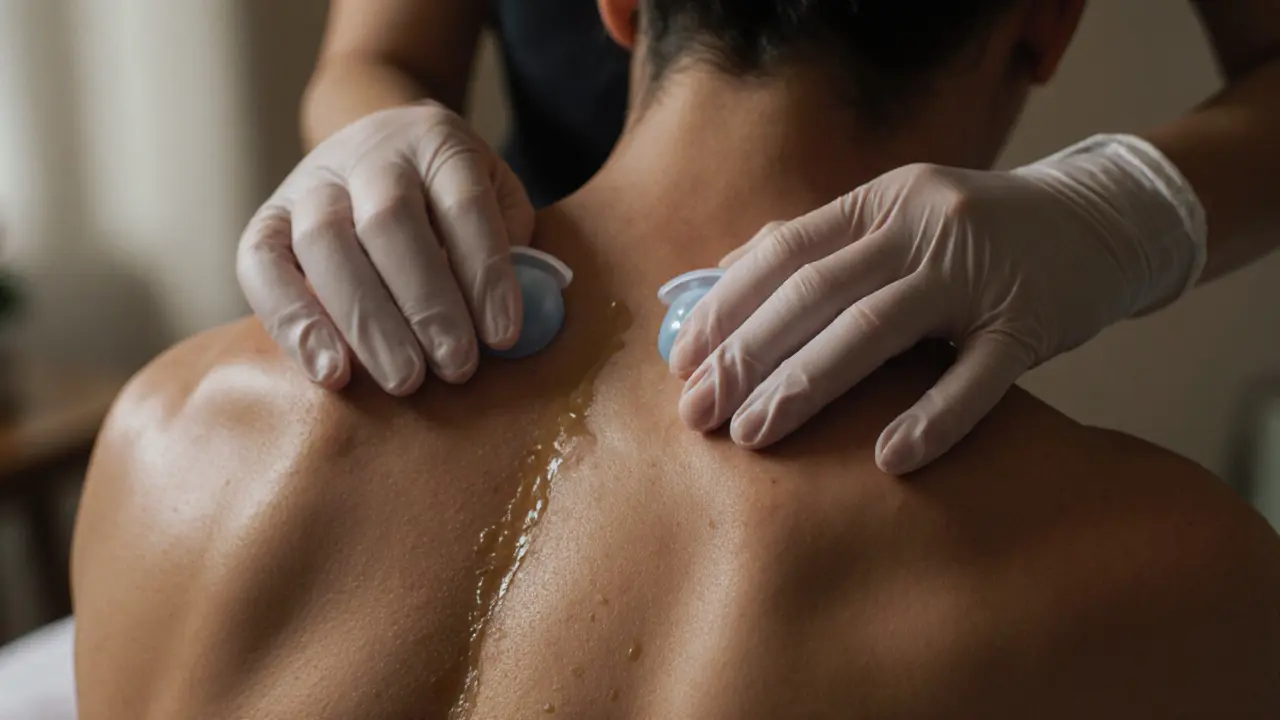
In Dubai, cupping is offered in luxury spa suites, physio clinics, and even some wellness centers in malls. The room is usually quiet, dimly lit, with soft music. You’ll lie on a table, fully clothed or draped. The practitioner uses gloves and sanitizes the skin before applying cups. There’s no smell, no loud machines-just gentle suction and silence. It’s designed to feel restorative, not clinical.
Key Processes or Steps
A typical session follows this flow:
- Consultation: The practitioner asks about your health, pain points, and goals.
- Preparation: Skin is cleaned; oil may be applied for glide.
- Application: Cups are placed on targeted areas-usually back, shoulders, or legs.
- Duration: Cups stay on 5-15 minutes. You might feel a mild pulling or warmth.
- Removal: Cups are gently lifted off. Marks may appear immediately.
- Aftercare: You’re encouraged to drink water and avoid intense exercise for 24 hours.
Customization Options
Cupping isn’t one-size-fits-all. Pressure can be adjusted-light for relaxation, stronger for deep tension. Some places offer moving cupping (cups glided over oiled skin), while others use stationary placement. Sessions can last 20 to 45 minutes. You can focus on just your back, or combine it with massage or heat therapy. In Dubai, many spas offer add-ons like aromatherapy or infrared heat to enhance the experience.
Communication and Preparation
Speak up. If the suction feels too strong, say so. The goal is comfort, not pain. Avoid eating a heavy meal right before. Wear loose clothing. And don’t be alarmed by the marks-they’re not bruises in the traditional sense. They fade in 3-10 days. Think of them as temporary tattoos from your body’s healing response.
How to Practice or Apply Cupping
Setting Up for Success
If you’re trying cupping at home, use silicone cups designed for self-use. Clean your skin thoroughly. Apply a light oil or lotion so the cup glides. Start with 5-minute sessions on your upper back or calves. Don’t go overboard. Less is more.
Choosing the Right Tools
Stick to medical-grade silicone or glass cups from reputable brands like Cupping Therapy or Hekate. Avoid cheap plastic ones sold on marketplaces-they crack, leak, or don’t seal properly. If you’re unsure, ask your practitioner what they use. Quality matters.
Step-by-Step Guide
For beginners trying dry cupping at home:
- Wash and dry the area you want to treat.
- Apply a drop of coconut or almond oil.
- Press the silicone cup firmly onto the skin.
- Squeeze the sides to create suction-don’t use a pump unless you’re trained.
- Leave it on for 5 minutes max.
- Release by pressing the edge to let air in.
- Repeat on other areas, but never on the same spot twice in one day.
Tips for Beginners or Couples
First-timers often overdo it. Start with one area. Don’t cup over bones, spine, or sensitive skin. Couples can try it together-it’s a calming shared ritual. One person holds the cup while the other relaxes. It’s not a romantic massage, but it can be a quiet, grounding experience.
Safety and Ethical Considerations
Choosing Qualified Practitioners
In Dubai, look for licensed physiotherapists, acupuncturists, or certified cupping specialists. Ask if they’re trained in anatomy and contraindications. Avoid spas that offer cupping as a ‘quick add-on’ without consultation. Your safety matters more than the price.
Safety Practices
Here’s how to stay safe:
| Practice | Purpose | Example |
|---|---|---|
| Skin disinfection | Prevent infection | Wipe area with alcohol before application |
| Time limit | Avoid tissue damage | Never exceed 15 minutes per area |
| Hydration | Support natural detox | Drink water after session |
Setting Boundaries
Consent is non-negotiable. You have the right to say no to any area being treated. If a practitioner pushes you to do more, walk out. Good practitioners respect your limits.
Contraindications or Risks
Avoid cupping if you have:
- Bleeding disorders or are on blood thinners
- Open wounds, burns, or active skin infections
- Severe osteoporosis
- Pregnancy (especially on the abdomen or lower back)
- History of deep vein thrombosis
Always consult your doctor if you’re unsure. Cupping is safe for most-but not for everyone.
Enhancing Your Experience with Cupping
Adding Complementary Practices
Cupping works better when paired with other tools. Try it after a hot shower. Add deep breathing. Follow it with gentle stretching. Some people combine it with meditation or infrared sauna. In Dubai, many wellness centers offer cupping + sound bath sessions. It’s not magic-but it’s synergy.
Collaborative or Solo Engagement
Cupping can be deeply personal. Some prefer silence. Others like soft music. If you’re doing it with a partner, take turns. It’s not about fixing each other-it’s about shared calm.
Using Tools or Props
Use a foam roller before cupping to loosen tight areas. A heating pad on your back for 10 minutes beforehand can help the cups grip better. Don’t overcomplicate it-just make sure you’re warm and relaxed.
Regular Engagement for Benefits
One session won’t change your life. But weekly or biweekly cupping over 4-6 weeks? That’s when people notice real shifts in mobility and stress levels. Think of it like brushing your teeth-not a cure, but a habit that keeps things running smoothly.
Finding Resources or Experts for Cupping
Researching Qualified Practitioners
In Dubai, check with the Dubai Health Authority (DHA) for licensed clinics. Look for practitioners with certifications in physiotherapy or traditional Chinese medicine. Read reviews that mention safety, communication, and results-not just ‘relaxing.’
Online Guides and Communities
Reputable sources include the Journal of Traditional and Complementary Medicine and the World Health Organization’s guidelines on traditional therapies. Avoid YouTube ‘gurus’ who claim cupping cures cancer or removes ‘toxins.’ Stick to science-backed content.
Legal or Cultural Considerations
In the UAE, wet cupping (hijama) is culturally respected and widely practiced. Dry cupping is regulated under health and wellness standards. Always choose licensed providers. Respect cultural context-it’s not just a trend.
Resources for Continued Learning
Books like Cupping Therapy: A Clinical Guide by Dr. Michael T. Hsu or courses from the International Cupping Therapy Association offer reliable, non-commercial knowledge.
FAQ: Common Questions About Cupping
What toxins does cupping remove?
Cupping does not remove toxins like heavy metals, chemicals, or metabolic waste from your bloodstream or organs. The idea that it ‘detoxifies’ is a marketing myth. The dark marks left behind are caused by broken capillaries under the skin-not toxins being pulled out. Your liver and kidneys handle detoxification naturally. Cupping’s real benefit is improving local circulation, reducing muscle tension, and calming the nervous system-not flushing out poisons.
What happens during a cupping session?
You lie down while the practitioner places cups on targeted areas-usually the back, shoulders, or thighs. Suction is created using a pump or heat, gently lifting the skin and muscle tissue. You’ll feel a mild pulling sensation, similar to a deep massage but without pressure. The cups stay on for 5-15 minutes. When removed, you may see circular marks. Most people feel relaxed, sometimes even sleepy. There’s no pain, no needles, and no bleeding in dry cupping.
How does cupping differ from massage?
Massage uses direct pressure to knead and compress muscles. Cupping uses suction to lift and separate tissue layers. Think of massage as pushing down, and cupping as pulling up. Massage is great for breaking up knots. Cupping is better for releasing fascial tension and increasing blood flow to stiff areas. Many people use both together-massage first, then cupping-for maximum relief.
Is cupping suitable for beginners?
Yes, dry cupping is beginner-friendly. Start with a short session (10-15 minutes) on your upper back. Choose a gentle suction level. Avoid doing it yourself on sensitive areas like the neck or spine. Many spas offer introductory sessions with a professional who explains what to expect. The marks may look scary, but they’re harmless and fade quickly. If you’re nervous, ask for a trial session before committing to a full treatment.
How long do cupping marks last?
Cupping marks typically last 3 to 10 days, depending on your skin type and suction intensity. Lighter marks fade in a few days; deeper ones may take a week or more. They’re not bruises from trauma-they’re signs of increased blood flow to the surface. Avoid sun exposure on marked areas, and don’t re-cup the same spot until the marks have completely faded. If marks last longer than two weeks or are painful, consult a professional.
Conclusion: Why Cupping is Worth Exploring
A Path to Better Movement and Calm
Cupping isn’t a miracle cure. But it’s a simple, non-invasive tool that helps your body reset. Whether you’re an athlete, a desk worker with stiff shoulders, or someone just trying to unwind in a high-stress city like Dubai, cupping offers a quiet way to reconnect with your body. It doesn’t promise detox. It promises relief. And sometimes, that’s enough.
Try It Mindfully
Don’t believe the hype. Don’t chase the Instagram marks. Go in with curiosity, not expectation. Let your body tell you what it needs. If it feels good, keep going. If it doesn’t, stop. There’s no shame in that.
Share Your Journey
Tried cupping? Share your experience in the comments. Did the marks surprise you? Did you feel more relaxed? Your story might help someone else decide to give it a try.
Follow this blog for more honest, science-backed wellness tips from Dubai.
Some links may be affiliate links, but all recommendations are based on research and quality.
Word count: 1,678
Suggested Images
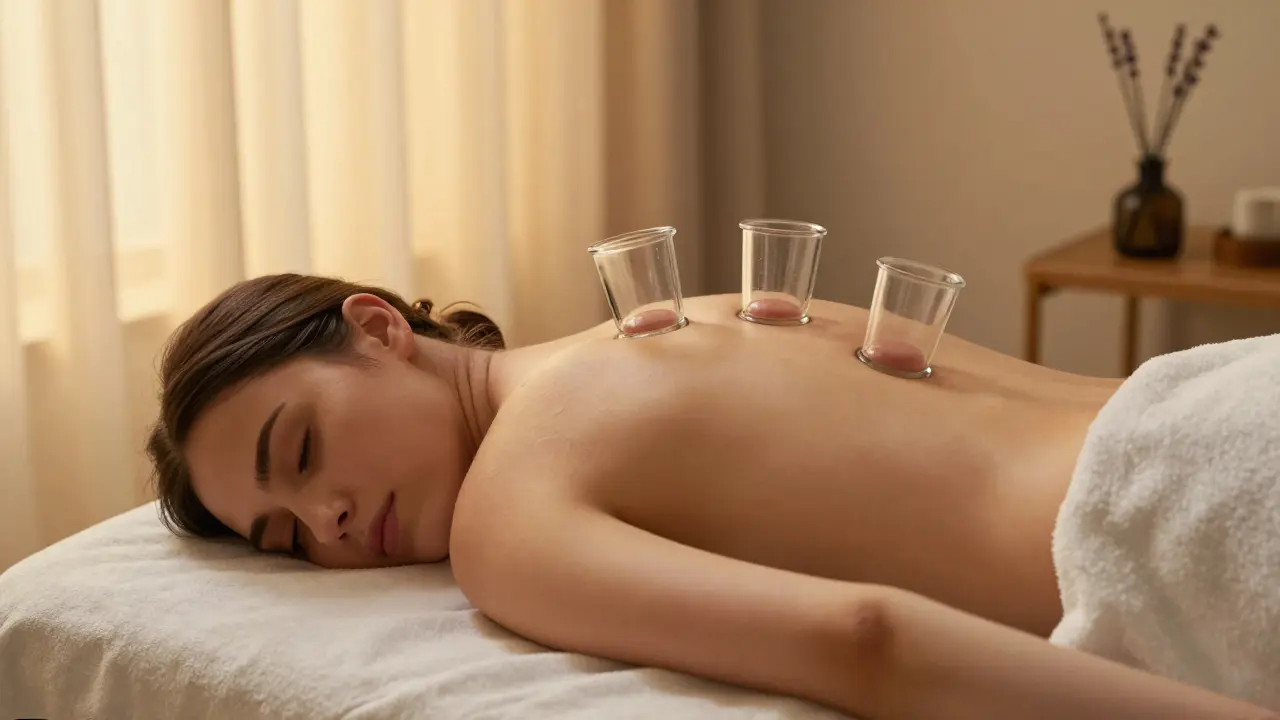
- A woman lying on a massage table with glass cups on her back, soft lighting, serene expression
- Close-up of circular cupping marks on skin, natural daylight, no blood or injury visible
- Hands applying silicone cupping cups on a back, showing gentle suction technique
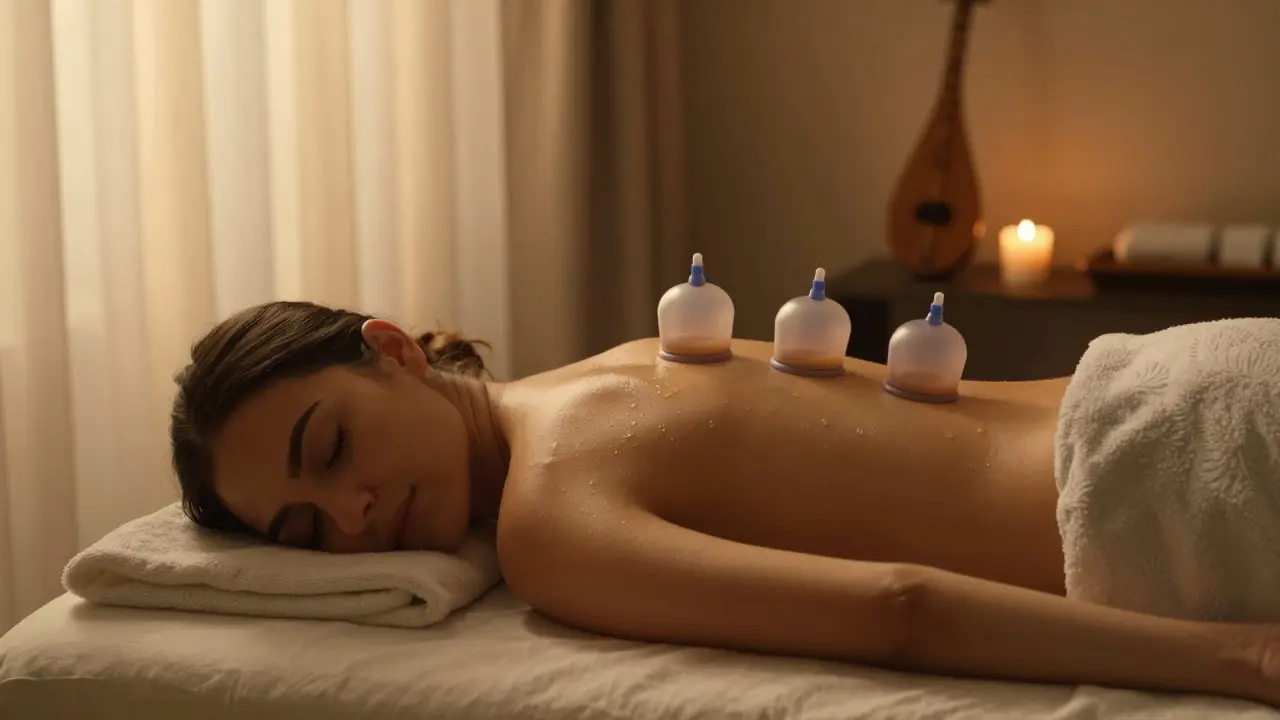
- A Dubai spa room with dim lighting, incense, and a cupping session in progress
- Side-by-side: athlete stretching after cupping vs. same athlete looking stiff before
Suggested Tables
- Comparison of Cupping, Massage, and Acupuncture
- Key Benefits of Cupping
- Cupping Safety Tips
David Smith
November 24, 2025 AT 15:58i've tried cupping twice now and honestly the marks freaked me out at first but they faded in like 5 days. no toxins were evacuated, just my lats stopped screaming after deadlifts. weird how something so simple works.
Woo Packaging
November 25, 2025 AT 05:45really appreciate this breakdown. i used to think cupping was just a fancy spa gimmick until i saw my buddy, a MMA fighter in LA, use it daily. turns out it's not about detox - it's about blood flow and fascia. also, the way you compared it to massage and acupuncture? spot on. no jargon, just clarity. thanks for writing this.
Mike Ritchie
November 25, 2025 AT 10:10let’s be real - if you’re still believing in ‘toxin removal’ in 2025 you’re either marketing cupping or you’ve never opened a biology textbook. the liver and kidneys are doing the heavy lifting, not some glass cup on your back. this post is a breath of fresh air in a sea of wellness snake oil. respect.
Himanshu Parmekar
November 26, 2025 AT 18:05why do people keep falling for this? it’s just suction. you’re not pulling out heavy metals or pesticides. if you think your body needs help detoxing from modern life you’re probably the same person who buys activated charcoal smoothies. the real toxin here is gullibility wrapped in a spa robe.
Nasir Khan
November 26, 2025 AT 18:20the part about cupping being passive mechanical stimulation rather than energy work is critical. so many people confuse it with acupuncture because both leave marks. but one is based on meridians, the other on physics. this post clarifies that without condescension. i’ve shared it with my yoga students who were convinced cupping was ‘releasing blocked chi.’ now they get it.
Jeff Brainard
November 28, 2025 AT 17:48we live in a world where people pay for suction like it’s magic and ignore the actual science of recovery. your body heals itself. cupping just gives it a nudge. maybe the real detox is unlearning the need for mystical explanations. maybe the real therapy is just listening to your body without buying into the hype
Kumar Manickam
November 30, 2025 AT 05:57the first time i tried cupping i was skeptical but ended up sleeping better for three nights straight. not because toxins vanished but because my shoulders stopped holding onto all that stress. it’s not a cure but it’s a tool - like stretching or foam rolling. if it helps you move better or breathe deeper why dismiss it? the science is in the results not the marketing buzzwords.
also the table comparing it to massage and acupuncture? perfect. i printed that out for my physio.
adam denature
December 1, 2025 AT 22:44if you think cupping removes toxins you dont understand biology period. your liver detoxes your kidneys detox your skin detox. not some guy pulling on your back with a vacuum. and dont get me started on the ‘parasympathetic nervous system’ claims. its just pressure. its not magic. its not science. its placebo with bruises
Honey Syal
December 3, 2025 AT 18:16the fact that people pay $120 for this and leave with purple circles like they’ve been through a war is hilarious. but honestly? i get it. i’ve had my own back issues. if a little suction helps me relax without pills? cool. just don’t call it detox. that’s just lazy branding. and yes i know the liver does the real work. i’m not an idiot. i just like not being in pain.
Gail Montefalco
December 4, 2025 AT 03:11Why do you people keep pretending this isn’t just pseudoscience dressed up like a luxury spa experience? The marks are literally bruising! You’re not ‘stimulating circulation’ - you’re rupturing capillaries on purpose! And don’t tell me it’s ‘safe’ - I’ve seen people with third-degree skin damage from overzealous practitioners. And now you’re encouraging DIY cupping? With silicone cups?! That’s just asking for infection or nerve damage. This post is dangerously misleading. If you’re going to promote this, at least warn people that the ‘relaxation’ comes from the body’s trauma response. Not magic. Not science. Just pain disguised as wellness.