Thai Massage Etiquette: What to Know Before Your Session in Dubai
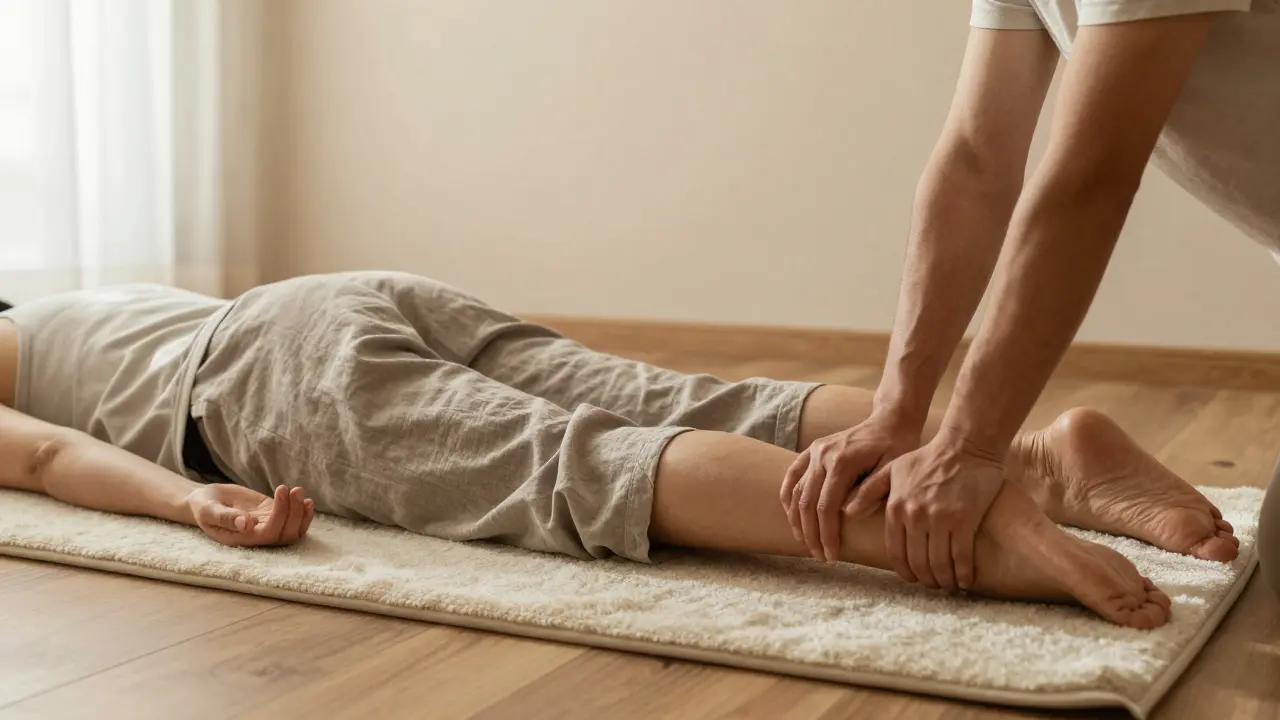
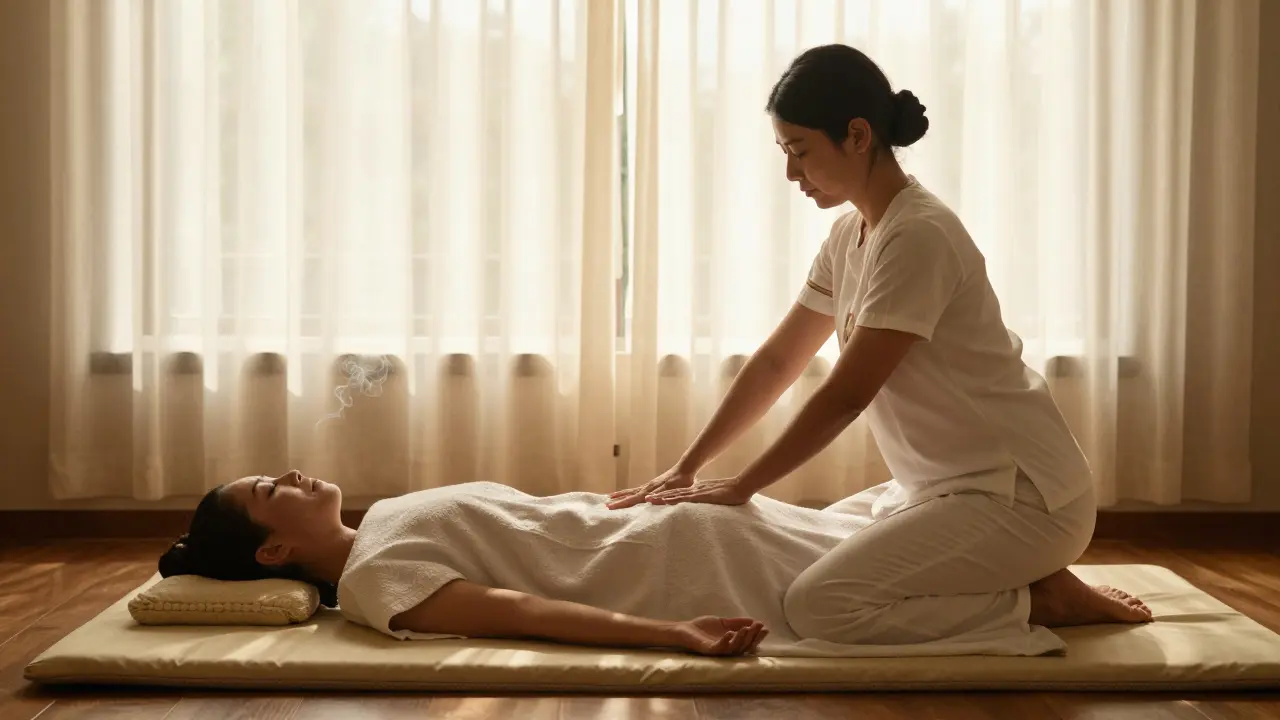
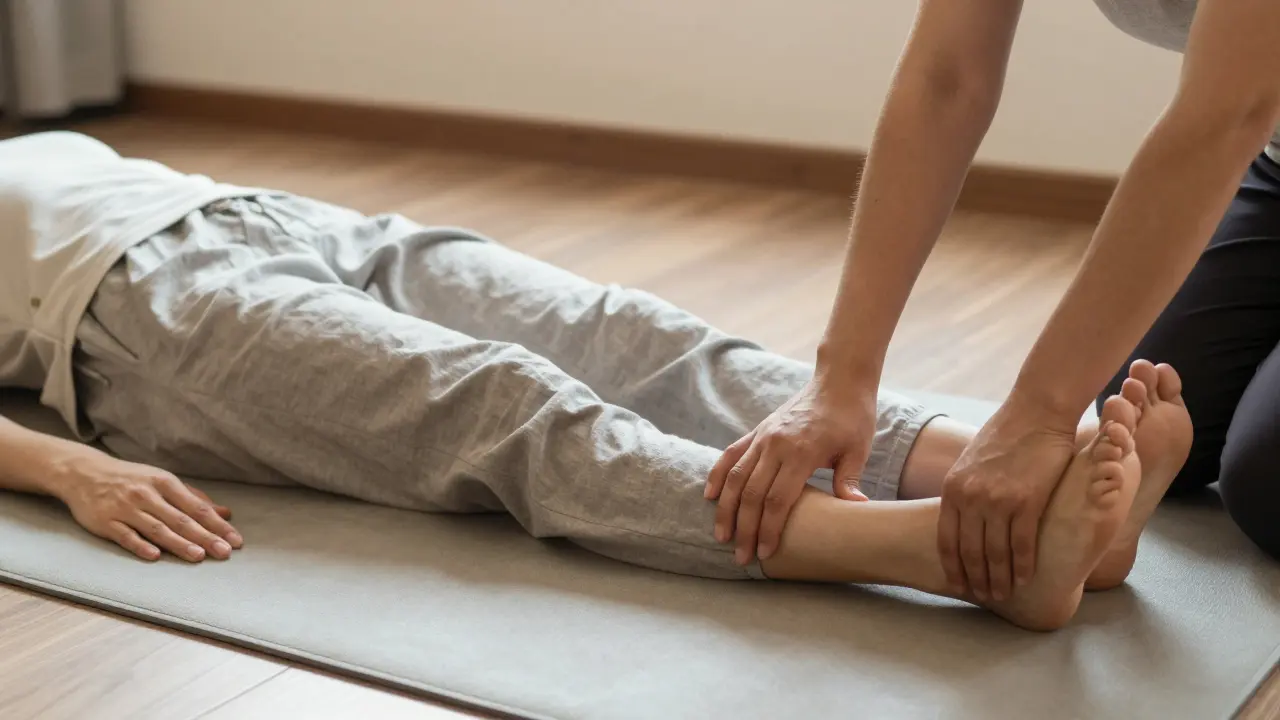
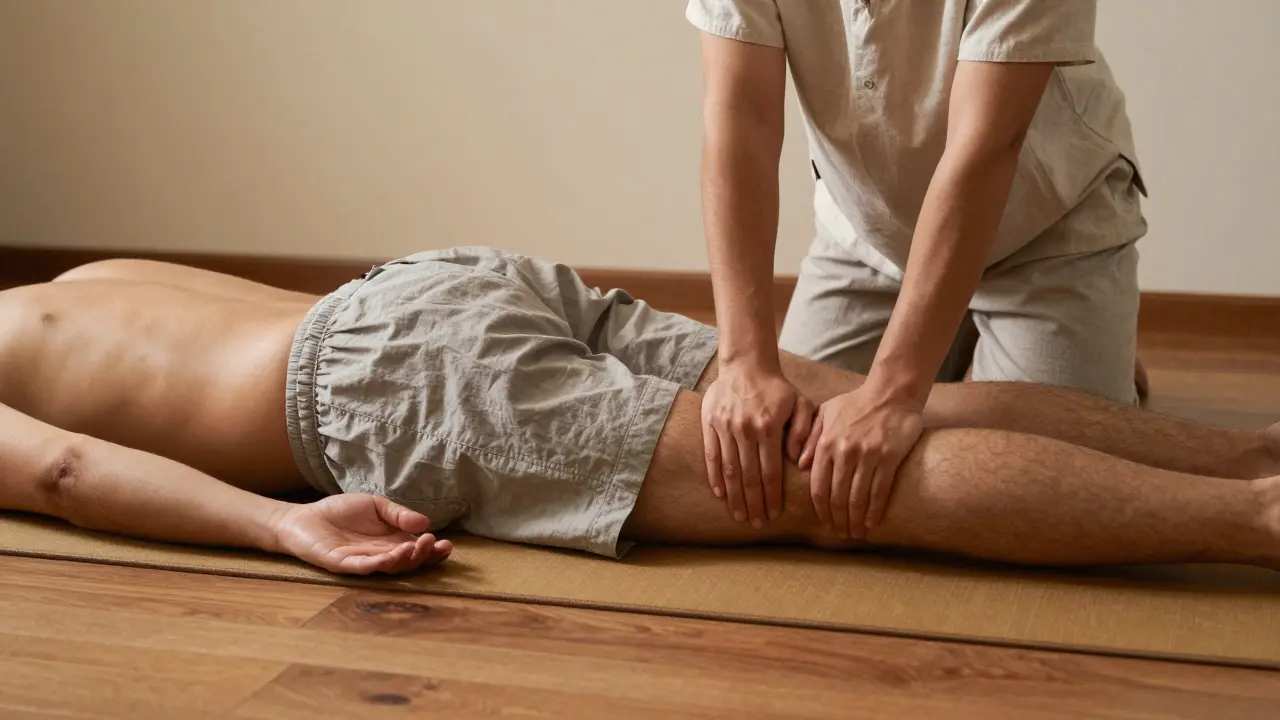
When you book a Thai massage, a traditional form of bodywork from Thailand that combines acupressure, assisted yoga postures, and deep stretching. Also known as Thai yoga massage, it’s not just a treatment—it’s a structured experience built on respect, rhythm, and clear boundaries. Unlike oil-based massages, Thai massage happens on a mat, fully clothed, with no lotions or undressing required. That’s the first thing to understand: your clothes stay on. You’ll wear loose, comfortable pants and a short-sleeve top—something you can move in. No need to overthink it. The therapist will guide you through positions, gently pulling and pressing to release tension. It’s not about being relaxed in the quiet, candlelit way you might expect from a spa. It’s active, sometimes intense, and always intentional.
What most people don’t realize is that Thai massage etiquette, the unspoken rules that make the session safe, respectful, and effective for both client and therapist is just as important as the technique itself. In Dubai, where cultural sensitivity matters, this becomes even clearer. You won’t be asked to remove clothing. You won’t be touched on private areas—ever. That’s not just policy; it’s standard practice across professional Thai massage studios here. The therapist works along energy lines, not skin. If you’re unsure about a move, speak up. A good therapist will pause, adjust, or explain. This isn’t a passive experience—you’re part of it. Your breathing, your comfort level, your feedback all shape the session. And yes, that means if something hurts too much, you say so. Thai massage isn’t about enduring pain. It’s about releasing tightness without crossing lines.
Spa culture in Dubai, a blend of global wellness trends and local norms that prioritize privacy, professionalism, and clear boundaries makes Thai massage here uniquely straightforward. No ambiguity. No pressure. No hidden expectations. You’ll find that most studios in Dubai follow strict gender protocols—male therapists work with male clients, female therapists with female clients—unless you’ve booked a mixed-gender session in advance and both parties are comfortable. That’s not about restriction; it’s about respect. And when you walk in, you’ll notice the quiet. No loud music. No small talk. The therapist will greet you, explain the flow, then let you settle in. That silence? It’s part of the ritual. It’s not awkward. It’s intentional.
Don’t come expecting a massage that ends with a glass of lemon water and a smile. Thai massage is a reset. It’s for people who carry tension in their hips, shoulders, and lower back—people who sit at desks, drive long hours, or stand on their feet all day. It’s not a luxury treat. It’s a tool. And like any tool, it works best when you show up ready to engage. Show up on time. Skip heavy meals. Leave your phone in your locker. Breathe through the stretches. And if you’re nervous? You’re not alone. Most first-timers are. But by the end of your first session, you’ll understand why people in Bangkok have been doing this for centuries. It’s not magic. It’s method. And in Dubai, where wellness is taken seriously, that method comes with clear rules—and real results.
Below, you’ll find real guides from people who’ve been there: what to wear, how to handle awkward moments, why tipping isn’t expected but still appreciated, and how to pick a studio that respects your boundaries. No fluff. Just what you need to walk in confident and walk out relieved.