
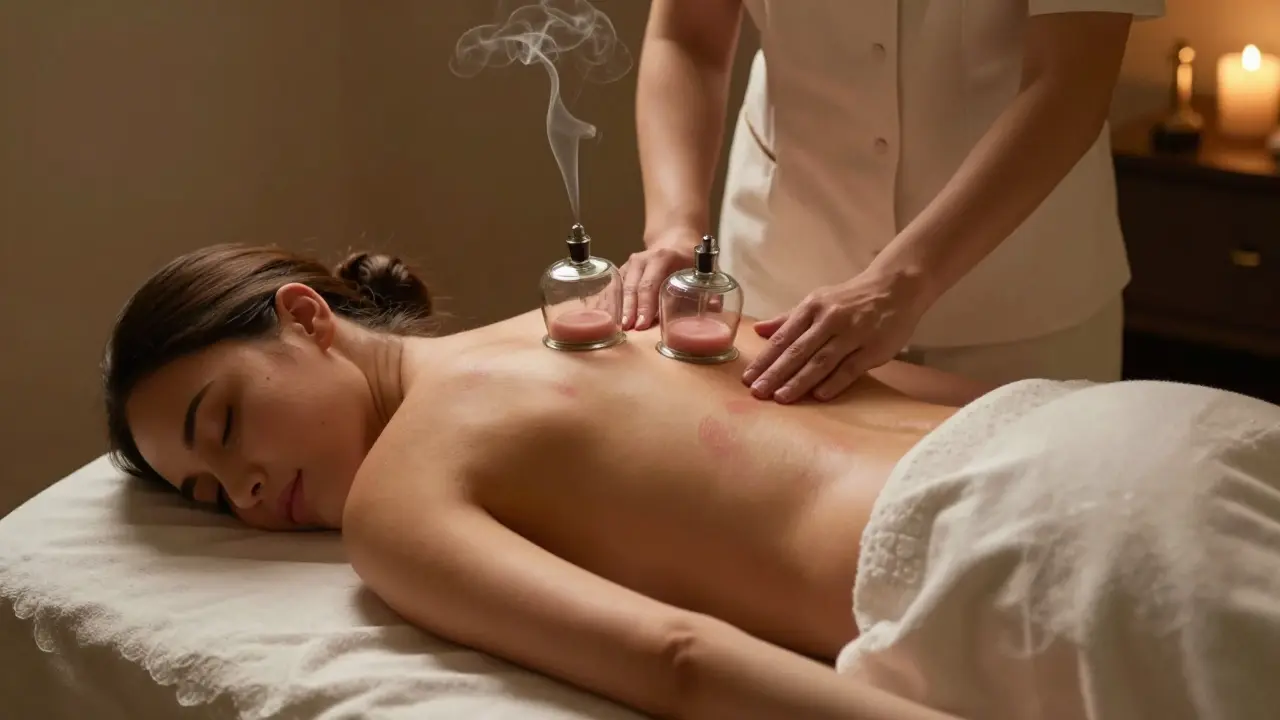
What are the warnings of cupping? It’s a question many people ask after seeing circular marks on someone’s back-or after a friend raves about how cupping eased their muscle pain. Cupping therapy has surged in popularity, especially in wellness hubs like Dubai, where ancient practices meet modern wellness culture. But behind the soothing relief and Instagram-worthy marks lies a set of real, documented risks. This isn’t about fear-mongering. It’s about giving you the full picture so you can decide if cupping is right for you-and how to do it safely.
Understanding the Basics of Cupping
Origins and History
Cupping isn’t some new fad invented by influencers. It’s been used for thousands of years across cultures-from ancient Egypt and China to the Middle East and Greece. In traditional Chinese medicine, it’s believed to remove stagnation and improve the flow of qi (energy). In Arabic and Islamic medicine, it’s known as hijama, often combined with small incisions to draw blood. Today, dry cupping (no blood) is common in spas, while wet cupping (with controlled bleeding) is still practiced in some traditional settings. The tools have changed-glass, silicone, and plastic cups replaced bamboo and horn-but the principle remains: suction pulls skin and tissue upward, increasing blood flow to the area.
Core Principles or Components
Cupping works by creating negative pressure on the skin. When the cup is placed and suction is applied, it lifts the soft tissue, dilates capillaries, and triggers a localized inflammatory response. This is thought to stimulate healing, reduce muscle tension, and improve circulation. Modern physiologists see it as a form of mechanical stress that may activate the body’s natural repair mechanisms. It’s not magic, but it’s not placebo either. The physical changes are real-redness, warmth, and sometimes bruising are normal signs the technique is working.
How It Differs from Related Practices
People often confuse cupping with massage, acupuncture, or foam rolling. Here’s how it stacks up:
| Practice | Key Feature | Primary Benefit |
|---|---|---|
| Cupping | Creates suction on skin | Increases local circulation, releases fascial tension |
| Massage | Pressure applied with hands | Relaxes muscles, improves mobility |
| Acupuncture | Inserts thin needles into points | Regulates nervous system, pain modulation |
| Foam Rolling | Self-applied pressure on muscles | Breaks up adhesions, improves flexibility |
Who Can Benefit from Cupping?
Many people find relief from chronic back pain, neck stiffness, or post-workout soreness. Athletes, office workers with tight shoulders, and those dealing with stress-related tension often report feeling looser and more relaxed after a session. It’s also used for respiratory issues like bronchitis-some believe it helps clear congestion. But not everyone should try it. If you have sensitive skin, bleeding disorders, or are pregnant, cupping may do more harm than good.
Benefits of Cupping for the Body
Stress Reduction
The gentle pull of the cups can trigger a parasympathetic response-your body’s "rest and digest" mode. Many clients describe it as a deep, almost meditative release. After a session, it’s common to feel calm, even sleepy. This isn’t just anecdotal. Studies suggest that localized pressure and warmth can lower cortisol levels, the body’s main stress hormone. In Dubai’s high-pressure environment, where long work hours and heat take a toll, cupping offers a tangible way to reset.
Enhanced Functionality
Cupping doesn’t just feel good-it can improve movement. By releasing tight fascia (the connective tissue surrounding muscles), it can restore range of motion. Athletes use it to recover faster from training. People with frozen shoulders or stiff necks often notice improved mobility after a few sessions. Think of it like loosening a tangled knot: the suction gently pulls fibers apart, allowing them to glide more freely.
Emotional Well-Being
Physical tension and emotional stress are deeply linked. When your muscles are tight, your mind stays alert. Cupping breaks that cycle. Many clients report feeling lighter, not just physically but emotionally. One woman in Jumeirah told me, "After my first session, I slept through the night for the first time in months." It’s not a cure for anxiety or depression, but it can be a powerful support tool in a holistic wellness routine.
Practical Applications
Cupping is used in daily routines across Dubai-from luxury spas to home care. Some use silicone cups daily on their back or legs to prevent stiffness. Others combine it with heat therapy or essential oils for deeper relaxation. It’s affordable, non-invasive, and doesn’t require drugs. For those avoiding pharmaceutical pain relief, it’s a viable alternative.
What to Expect When Engaging with Cupping
Setting or Context
A typical cupping session in Dubai takes place in a quiet, dimly lit room with soft music. The therapist will ask about your health history, any recent injuries, or medications. You’ll lie face down or sit comfortably while the cups are placed on your back, shoulders, or legs. The room is kept warm-cold air can cause muscles to tighten, defeating the purpose. Most spas use disposable, single-use cups to ensure hygiene.
Key Processes or Steps
First, the therapist applies oil or lotion to help cups glide. Then, they use a hand pump or heat to create suction. Cups stay in place for 5-15 minutes. You’ll feel a pulling sensation-not pain, but pressure. Some describe it as a deep massage. If it’s wet cupping, tiny incisions are made after suction, and a small amount of blood is drawn. The entire session usually lasts 30-45 minutes.
Customization Options
Cupping isn’t one-size-fits-all. You can choose:
- Dry cupping - No blood, just suction. Best for beginners.
- Moving cupping - Cups glide over oiled skin for a massage-like effect.
- Wet cupping - Involves minor bleeding. Only done by licensed practitioners.
- Electrical cupping - Uses suction with low-frequency pulses. Common in clinics.
Communication and Preparation
Always tell your therapist if you’re on blood thinners, have a skin condition, or are pregnant. Don’t show up on an empty stomach-low blood sugar can make you dizzy. Wear loose clothing. And if it hurts? Speak up. Cupping should never feel sharp or burning.
Safety and Ethical Considerations
Cupping Side Effects: The Real Risks
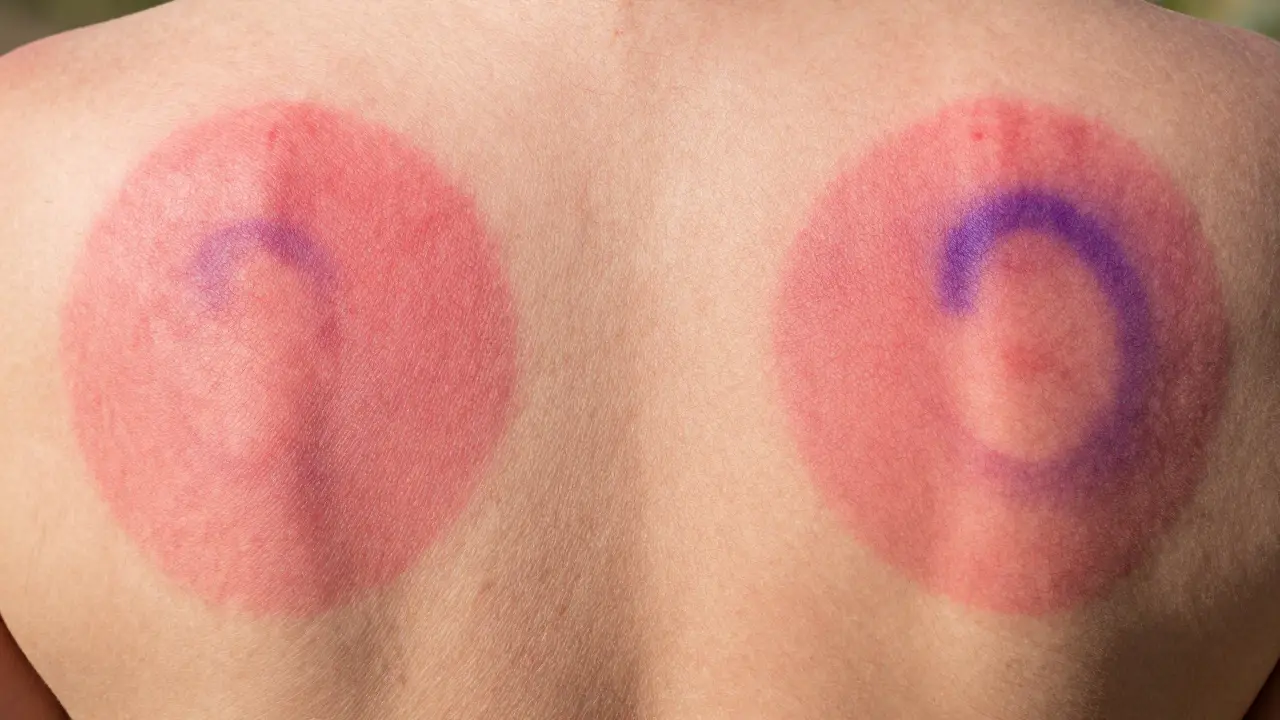
While many experience no issues, cupping isn’t risk-free. The most common side effect? Circular bruises. These aren’t injuries-they’re petechiae, tiny broken capillaries. They fade in 3-10 days. But sometimes, they can be more severe:
- Severe bruising - If cups are left too long or suction is too strong.
- Burns - From heat-based cupping if the flame isn’t handled properly.
- Infection - Especially with wet cupping if tools aren’t sterile.
- Worsening of skin conditions - Eczema, psoriasis, or open wounds can flare up.
Safety Practices
Here’s how to stay safe:
| Practice | Purpose | Example |
|---|---|---|
| Use disposable cups | Prevent cross-contamination | Single-use silicone or plastic cups |
| Sanitize skin before | Reduce infection risk | Alcohol wipe before applying cups |
| Limit session time | Avoid tissue damage | No more than 15 minutes per cup |
| Avoid bony areas | Prevent nerve damage | Don’t place cups on spine or ribs |
Setting Boundaries
Consent matters. If you’re uncomfortable with the pressure, the location, or the practitioner’s approach, say so. You have the right to stop at any time. A good therapist will check in regularly: "How does that feel?" "Should I ease up?" If they don’t ask, walk out.
Contraindications or Risks
Don’t do cupping if you have:
- Bleeding disorders - Like hemophilia or taking warfarin.
- Skin infections or open wounds - Cups can spread bacteria.
- Pregnancy - Especially on the abdomen or lower back.
- Severe heart disease - Increased circulation could strain the heart.
- Recent surgery or fractures - Healing tissue is fragile.
- Use of blood thinners - Even aspirin can increase bruising risk.
If you’re unsure, talk to your doctor. It’s better to be safe than sorry.
Enhancing Your Experience with Cupping
Adding Complementary Practices
Cupping works best as part of a routine. Pair it with:
- Hydration - Drink water before and after. Toxins released need flushing.
- Heat therapy - A warm shower or heating pad after helps muscles relax.
- Mindfulness - Breathe deeply during the session. It enhances relaxation.
Collaborative or Solo Engagement
You can do cupping alone with silicone cups (great for your back or legs) or with a professional. Solo is good for maintenance. Professional sessions are better for deep tension or chronic issues. Couples often enjoy it together-it’s a shared wellness ritual.
Using Tools or Props
For home use, choose:
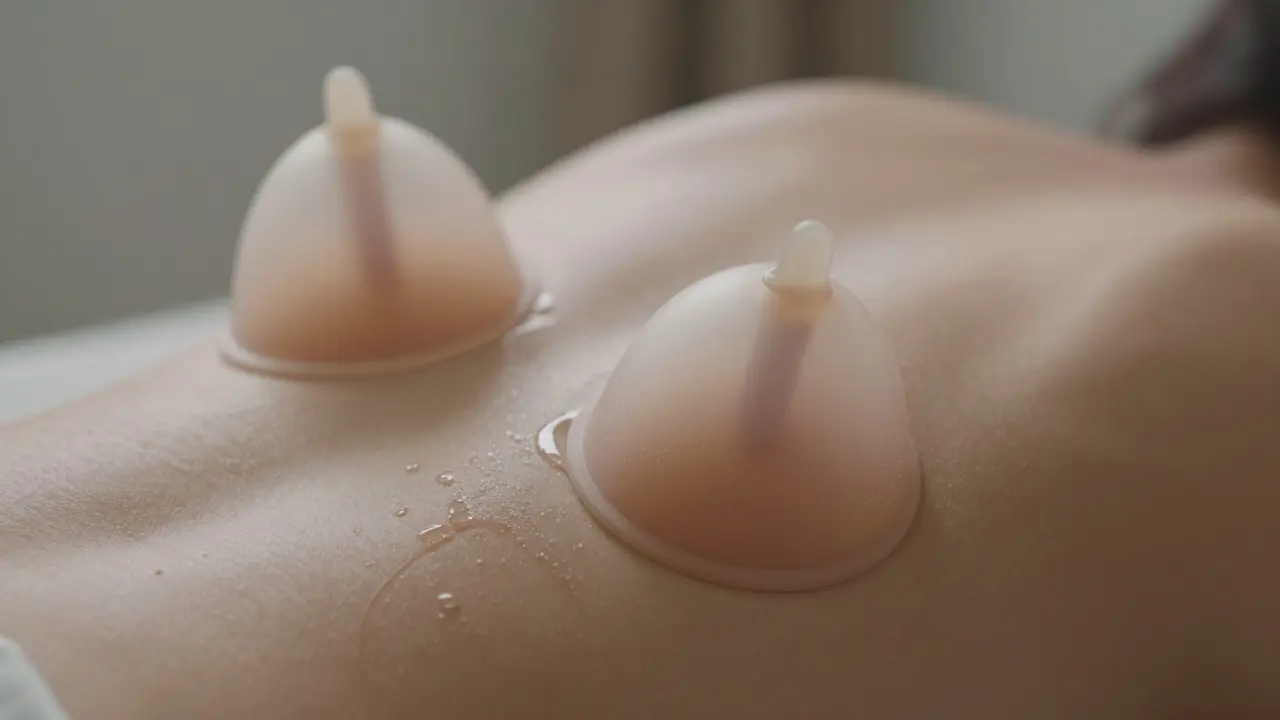
- Silicone cups - Easy to use, no heat, low risk.
- Hand pump - Gives you control over suction strength.
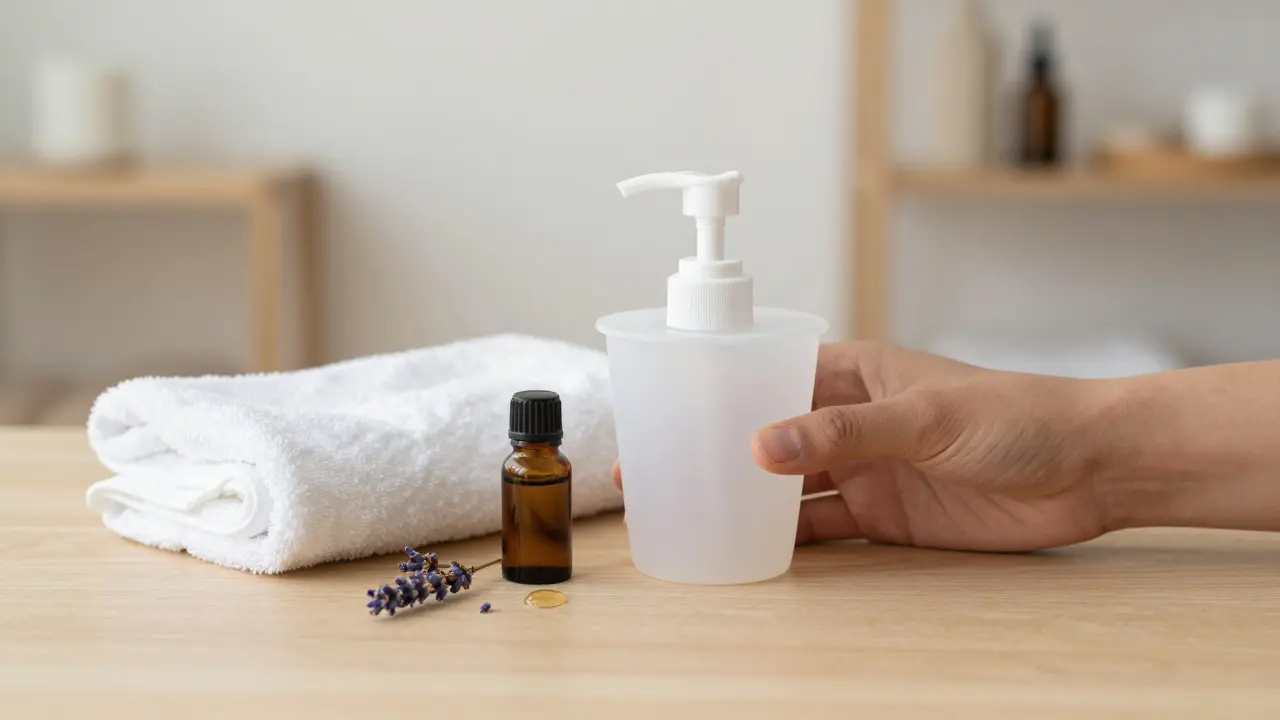
- Massage oil - Prevents skin irritation and helps cups glide.
Regular Engagement for Benefits
Like stretching, cupping works best with consistency. Once a week for 4-6 weeks can help with chronic pain. After that, monthly sessions maintain results. Don’t overdo it-too frequent can irritate skin or cause bruising that doesn’t fade.
Finding Resources or Experts for Cupping
Researching Qualified Practitioners
In Dubai, look for licensed therapists at reputable spas or clinics. Check if they’re certified in traditional Chinese medicine or hijama. Ask about their training, how long they’ve practiced, and whether they follow hygiene standards. A good practitioner will explain the process clearly and never pressure you into wet cupping if you’re hesitant.
Online Guides and Communities
Reputable sources like the World Health Organization (Web source (https://www.who.int)) and the American Association of Acupuncture and Oriental Medicine offer general guidelines. Avoid YouTube tutorials that skip safety steps. Stick to professional content.
Legal or Cultural Considerations
In the UAE, wet cupping (hijama) is widely accepted and regulated. Many clinics are run by trained Islamic medicine practitioners. But dry cupping is more common in spas and is not tied to religious practice. Always confirm what type you’re getting.
Resources for Continued Learning
Books like The Healing Power of Cupping Therapy by Dr. John Chen or courses from the Dubai Institute of Traditional Medicine offer deeper insight. Look for materials that emphasize safety, not just benefits.
FAQ: Common Questions About Cupping
What are the most common side effects of cupping?
The most common side effect is circular bruising or discoloration, which is harmless and fades within a week or two. Less common but possible risks include burns (from heat-based cups), skin irritation, dizziness, or mild nausea. In rare cases, infection can occur if hygiene isn’t maintained-especially with wet cupping. Always choose a clean, professional environment. If you notice redness, swelling, or pus after a session, see a doctor immediately.
Can cupping cause serious injury?
Yes, if done improperly. Strong suction on bony areas like the spine or ribs can damage nerves or blood vessels. Improperly sterilized tools can lead to infections like hepatitis or staph. Overuse-doing cupping daily or for over 20 minutes per session-can cause tissue trauma. That’s why professional training matters. A certified therapist knows pressure limits, placement rules, and how to recognize warning signs. Never let an untrained person do cupping on you.
Is cupping safe during pregnancy?
Generally, no. Cupping on the abdomen, lower back, or certain pressure points can stimulate uterine contractions. Even dry cupping on the back may affect circulation in ways that aren’t fully understood during pregnancy. Most reputable spas in Dubai will refuse to cup pregnant clients. If you’re pregnant and considering cupping, consult your OB-GYN first. Some therapists offer modified sessions after the first trimester-but only with written clearance.
How long do cupping marks last?
Cupping marks typically last 3 to 10 days, depending on your skin sensitivity and how strong the suction was. Darker marks mean more stagnation or tension in that area-they’re not bruises from trauma, but signs of blood pooling under the skin. Lighter marks fade faster. To speed healing, drink water, avoid sun exposure on the area, and don’t re-cup the same spot until the marks are gone. If marks last longer than two weeks or get darker, it may indicate an underlying issue-talk to a healthcare provider.
Can I do cupping at home safely?
Yes-with limits. Silicone cups with hand pumps are safe for home use on large muscle groups like the back, thighs, or calves. Avoid the spine, ribs, face, or areas with thin skin. Never use fire-based cups at home-they’re dangerous without training. Always clean the skin and cups before use. Start with light suction and short sessions (5 minutes). If you feel pain, numbness, or burning, stop immediately. Home cupping is great for maintenance, but not for treating chronic pain or medical conditions. See a professional for those.
Conclusion: Why Cupping Is Worth Exploring
A Path to Relief Without Pills
Cupping isn’t a miracle cure, but it’s a powerful tool for natural pain relief and relaxation. In a city like Dubai, where stress and heat pile up, having a non-drug option that feels good and works is invaluable.
Try It Mindfully
Don’t rush into it. Choose a licensed therapist. Ask questions. Listen to your body. If something feels off, stop. Cupping should leave you feeling lighter-not drained, bruised, or worse.
Share Your Journey
Tried cupping? Share your experience in the comments. Did it help your back pain? Did you get scared of the marks? We want to hear it. Follow our blog for more practical wellness tips from Dubai’s frontline.
Some links may be affiliate links, but all recommendations are based on research and quality.
Word count: 1,782
Suggested Visuals
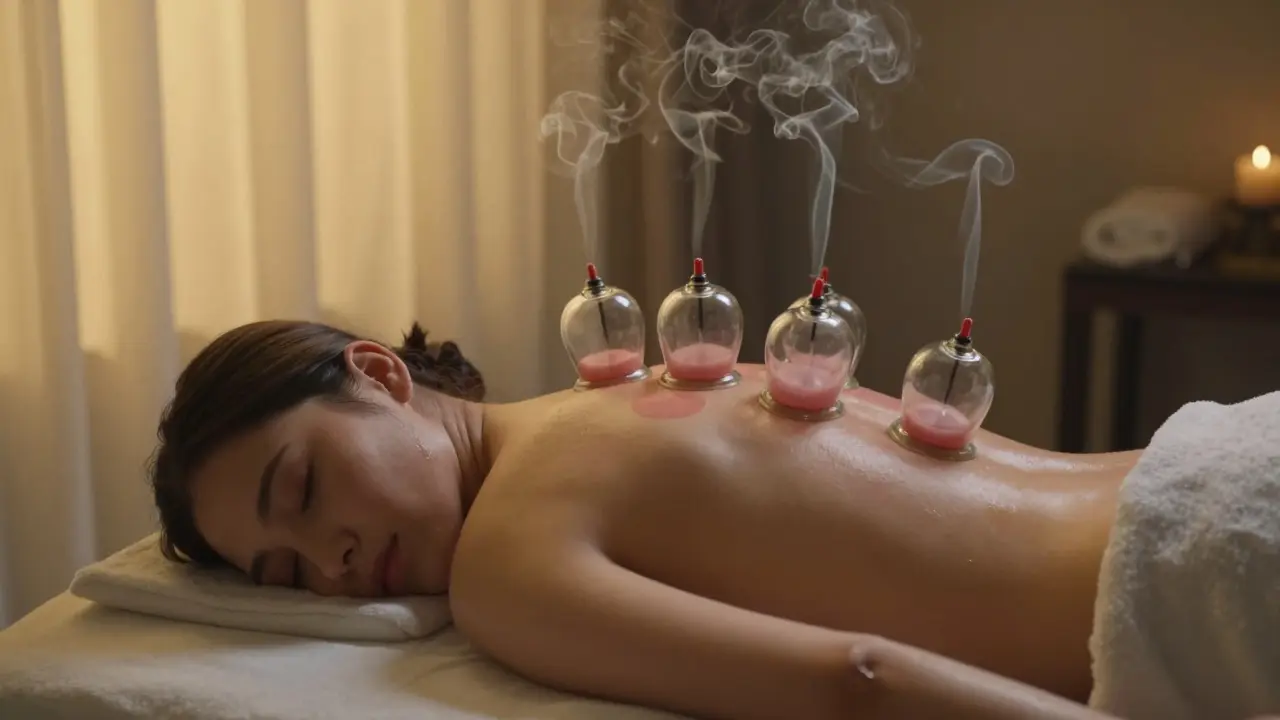
- A woman lying face down with glass cups on her back, soft lighting, serene spa setting.
- Close-up of circular cupping marks on skin, showing color variation (light red to dark purple).
- Hand holding a silicone cup with pump, placed on a clean towel beside essential oils.
- Therapist in a Dubai spa checking in with a client during a cupping session.
- Comparison image: one side shows dry cupping, the other shows wet cupping with small incisions.
Suggested Tables
- Comparison of Cupping vs. Similar Therapies (already included)
- Cupping Safety Checklist (already included)
- When to Avoid Cupping: Contraindications (could be expanded into a table with columns: Condition, Risk Level, Recommendation)

Bruce Monroe
March 16, 2026 AT 21:16Cupping therapy, while historically grounded and physiologically plausible, demands rigorous adherence to hygiene and contraindications. The risks associated with non-sterile implements, particularly in wet cupping, are not hypothetical; documented cases of hepatitis transmission have occurred in unregulated settings. Professional oversight is non-negotiable.
Furthermore, the normalization of cupping as a wellness trend risks minimizing its potential for iatrogenic harm. The circular discolorations are not benign aesthetics-they are microtrauma. Repeated application without adequate recovery intervals may lead to cumulative dermal damage, especially in individuals with compromised connective tissue integrity.
It is imperative that practitioners provide informed consent documents detailing all possible adverse events, not merely rely on verbal assurances. Regulatory frameworks lag behind public adoption, and until standardized certification is enforced globally, caution must prevail.
Pierce Burbank
March 17, 2026 AT 16:18Okay, okay, okay-let me just say this: if you’re thinking of trying cupping, PLEASE, PLEASE, PLEASE, do not skip the pre-session consultation! I’ve seen too many people walk in, get slapped with cups, and then wonder why they’re dizzy, bruised, and confused. It’s not magic-it’s medicine! You need to disclose everything: your meds, your history, your weird skin reactions. If they don’t ask you about your blood pressure, walk out. If they don’t sanitize the skin first, walk out. If they try to upsell you into wet cupping without a clear reason? RUN.
And yes, hydration matters. Drink water. Like, a lot. Not just after-before too. Your body needs to flush what’s stirred up. And please, no fire cups at home. No. Just no.
Janet Rohrer
March 19, 2026 AT 07:20They say cupping is ancient. But who funded the ancient texts? Who controlled the narrative? The pharmaceutical industry has been pushing drugs for centuries-and now they’re trying to discredit natural therapies because they can’t patent suction. Look at the WHO-they’re influenced by corporate interests. Why does every ‘reputable’ source dismiss wet cupping as ‘risky’? Because bleeding removes toxins, and toxins can’t be sold in a bottle.
They don’t want you to know that the bruises are your body detoxing. They want you on statins, on antidepressants, on painkillers. Cupping restores qi. Qi can’t be patented. So they call it ‘placebo.’
I’ve had three sessions. My migraines vanished. The ‘bruises’? They were my liver screaming. They’re still there. I didn’t tell my doctor. He’d just prescribe more pills.
Lisa Grant
March 21, 2026 AT 03:39YESSSS! Cupping changed my life. I was stuck in chronic shoulder pain from Zoom meetings, and nothing helped-not massage, not stretches, not even my fancy foam roller.
Then I tried dry cupping at a local spa. First session? I cried. Not from pain-from relief. Like my muscles finally got a hug.
Now I do it every other week. I even got silicone cups for home. My partner thinks I’m weird, but I don’t care. I sleep better. I breathe deeper. I feel like me again.
DO IT. But hydrate. And don’t do it on your spine. Trust me.
Jimoh Tajuddeen T
March 21, 2026 AT 08:55You know what’s really sad? People treat cupping like a spa treat, not a medical intervention. I had a coworker come in with purple circles all over her back and say, ‘Oh, it’s just a trend!’ No, Karen. That’s tissue trauma. And you didn’t even ask if the cups were sterilized?
I’m not trying to be a jerk, but if you’re going to pierce your skin-even a little-you owe it to yourself to find a licensed professional. I’ve seen people get infections from DIY cupping. One guy had staph. He almost lost his arm.
And yes, I’m the guy who asked, ‘Do you have a license?’ at the front desk. I’m not sorry. Safety isn’t optional. It’s non-negotiable.
Becky Voth
March 23, 2026 AT 06:32OMG I JUST TRIED CUPPING LAST WEEK AND IT WAS AMAZING!! I WAS SO TENSE FROM WORK AND MY BACK FELT LIKE A ROCK!!
My therapist was so nice and explained everything and even let me pick the cup size!! I did dry cupping and it felt like a deep hug for my muscles!!
I drank water like a crazy person after and took a hot shower and I slept like a baby!!
Also, I think the marks are kinda cool? Like art on my skin!! I’m gonna do it again next month!!
PS: I spelled ‘therapist’ wrong in my notes lol oops
Alex Burns
March 23, 2026 AT 18:34Good breakdown, but one thing missing: the difference between fascial release and vascular pooling. Cupping doesn’t ‘move qi’-it mechanically separates fascial layers and causes localized hyperemia. The bruising is capillary rupture, not ‘toxin release.’
Also, the WHO doesn’t endorse cupping as treatment, just acknowledges its use in traditional systems. Important distinction.
And yes, silicone cups are safe for home use if you avoid bony areas. Just don’t go full cult mode and do it daily. Skin needs to recover.
Also, typo: ‘hijama’ not ‘hijama’-wait, no, that’s correct. My bad.
Debasish Maulik
March 24, 2026 AT 07:04Interesting how we treat ancient practices as either magic or menace. Cupping, like yoga or meditation, is a tool-not a cure-all. It works because it engages the body’s innate healing responses, not because of mystical energy.
But here’s the deeper question: why do we need external tools to relieve stress? In traditional societies, cupping was part of a holistic rhythm-diet, rest, community, ritual. Today, we slap on a cup and call it wellness while still working 70-hour weeks.
Maybe the real issue isn’t cupping… it’s the burnout culture that makes us desperate enough to try it.
Use it. But don’t let it become a Band-Aid on a broken system.
Triston Foo
March 25, 2026 AT 19:27