
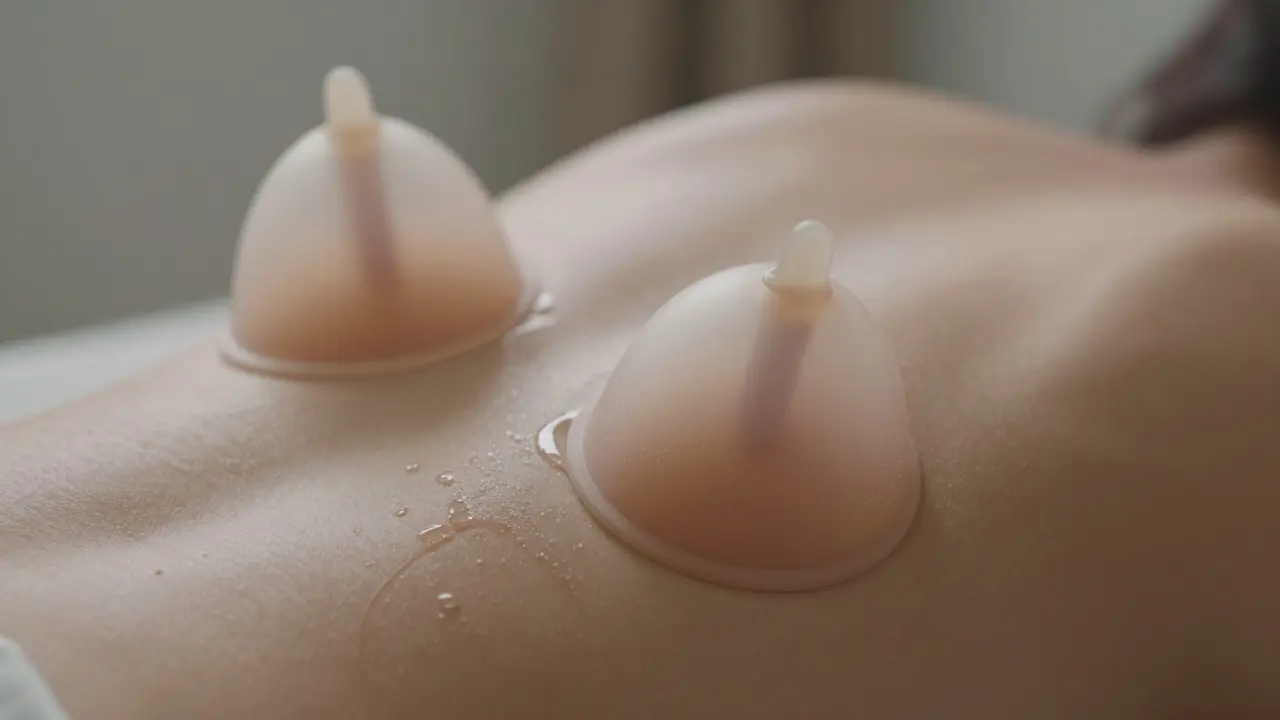
What Is the Liquid That Comes Out After Cupping? A Clear, Honest Guide
The liquid that comes out after cupping isn’t sweat, toxins, or some magical purge-it’s mostly interstitial fluid, a mix of water, proteins, and cellular debris pulled to the surface by suction. Many people expect a dramatic release of "bad energy" or "poisons," but the truth is simpler and more biological. Cupping therapy, used for thousands of years across cultures from ancient Egypt to traditional Chinese medicine, creates negative pressure on the skin. This draws blood and fluid toward the surface, and sometimes, especially after deep or prolonged sessions, a small amount of clear or slightly cloudy fluid seeps out. It’s not a sign of healing magic. It’s physics and physiology at work.
If you’ve just had a cupping session and noticed dampness under the cups, don’t panic. It’s normal. If you’re wondering whether this fluid means the treatment "worked," the answer isn’t so simple. The real benefits of cupping come from improved circulation, reduced muscle tension, and nervous system calming-not from what drips out afterward.
Understanding the Basics of Cupping
Origins and History
Cupping has roots stretching back over 3,000 years. Ancient Egyptian texts from 1550 BCE describe using hollowed animal horns to draw out "evil spirits," while traditional Chinese medicine later refined it as a way to balance Qi and remove "dampness." In the Middle East, especially in regions like the UAE, cupping (known as "hijama") became deeply tied to Islamic prophetic medicine. Today, it’s practiced globally-not just as a spiritual ritual, but as a physical therapy tool used by athletes, physiotherapists, and wellness centers in places like Dubai.
What hasn’t changed is the core mechanism: suction. Whether using glass cups, silicone pumps, or bamboo, the goal is to lift the skin and underlying tissue, creating a local inflammatory response that triggers healing signals in the body.
Core Principles or Components
Cupping works on three main principles: mechanical lifting, localized blood flow increase, and nervous system modulation. The suction lifts the skin, separating it from the fascia and muscle layers beneath. This breaks up adhesions, improves lymphatic drainage, and brings fresh oxygenated blood to the area. The body responds by sending immune cells and repair proteins to the site. The sensation-often described as a deep, soothing pull-is similar to a reverse massage.
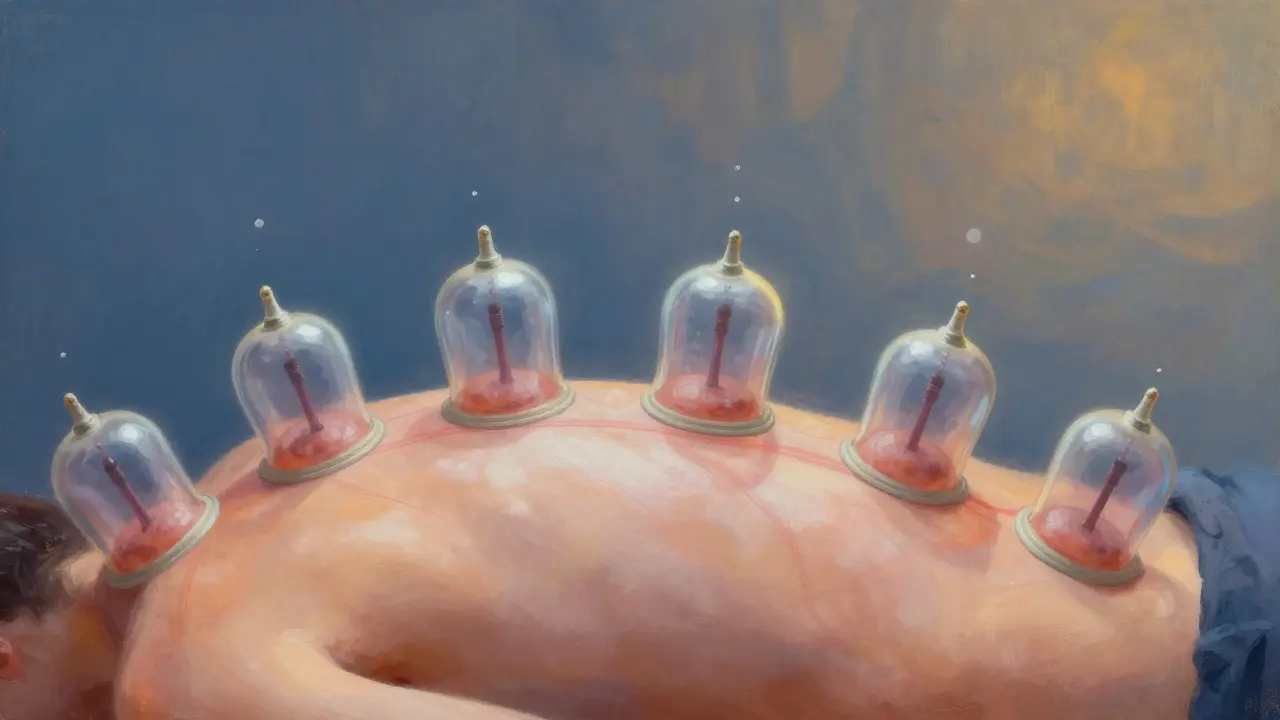
There are two main types: dry cupping, which uses suction alone, and wet cupping (hijama), which involves making tiny superficial incisions after suction to draw out a small amount of blood. The liquid you see after wet cupping is a mix of blood and interstitial fluid. After dry cupping, any fluid that appears is almost always interstitial fluid-not blood.
How It Differs from Related Practices
People often confuse cupping with massage, acupuncture, or saunas. Here’s how it stacks up:
| Practice | Key Feature | Primary Benefit |
|---|---|---|
| Cupping | Creates suction to lift tissue | Improves circulation, reduces muscle stiffness |
| Massage | Applies direct pressure to muscles | Relieves tension through compression |
| Acupuncture | Inserts needles into specific points | Modulates nervous system and energy flow |
| Sauna | Heats the body to induce sweating | Detoxification (debated), relaxation |
Unlike saunas, cupping doesn’t rely on heat to produce effects. Unlike massage, it doesn’t crush tissue-it lifts it. And unlike acupuncture, it doesn’t target meridians with needles. Cupping’s uniqueness lies in its mechanical action on soft tissue.
Who Can Benefit from Cupping?
Cupping is commonly used by people dealing with chronic muscle tightness, back pain, headaches, or recovery from intense workouts. Athletes in Dubai, from marathon runners to fitness trainers, often use it to speed up recovery. It’s also popular among those with stress-related tension-especially in the neck and shoulders.
It’s not for everyone. People with bleeding disorders, skin infections, or open wounds should avoid it. Pregnant women should skip it on the abdomen and lower back. If you’re on blood thinners, talk to your doctor first. Most healthy adults, however, can try it safely under professional guidance.
Benefits of Cupping for the Body
Stress Reduction
The gentle, rhythmic pull of the cups activates the parasympathetic nervous system-the part of your body responsible for "rest and digest." Many clients report feeling deeply relaxed during and after a session, sometimes even falling asleep. This isn’t just placebo. Research from the National Institutes of Health suggests that mechanical stimulation of the skin can reduce cortisol levels and lower heart rate, helping the body shift out of "fight or flight" mode.
In Dubai’s fast-paced environment, where stress is a daily companion, cupping offers a tangible way to reset. One client, a project manager from Sharjah, told me she started cupping after burnout left her unable to sleep. Within three sessions, her anxiety dropped noticeably-not because of any "toxins" removed, but because her nervous system finally got a chance to calm down.
Enhanced Muscle Recovery
After a tough workout, lactic acid and micro-tears in muscle tissue cause soreness. Cupping increases blood flow to those areas, helping flush out metabolic waste and deliver nutrients for repair. A 2022 review in the Journal of Bodywork and Movement Therapies found that athletes who used cupping after training reported less muscle stiffness and faster return to performance.
It’s not a magic cure, but it’s a useful tool. Many Dubai-based fitness studios now offer post-workout cupping as part of recovery packages. Think of it as a deep-tissue reset button for your muscles.
Emotional Well-Being
Physical tension and emotional stress are deeply linked. When your shoulders are tight, your mind tends to stay on high alert. Cupping helps break that cycle. The sensation of the cups pulling gently on your skin can be surprisingly soothing-almost like a hug from the inside out. Many people describe it as a release of emotional weight, not because the fluid carries feelings, but because the body’s physical tension mirrors mental strain.
One woman in Jumeirah told me she cried during her first session. "I didn’t know I was holding so much stress until my back opened up," she said. It’s not the liquid that released it-it was the space the cup created.
Practical Applications
Here’s how cupping fits into real life:
| Benefit | Description | Impact |
|---|---|---|
| Reduced muscle pain | Relieves tension in neck, back, and shoulders | Improves posture and daily comfort |
| Faster recovery | Helps muscles bounce back after exercise | Shortens downtime between workouts |
| Improved skin tone | Boosts circulation to skin surface | May reduce puffiness and dullness |
| Stress relief | Triggers relaxation response | Enhances sleep and mood |
What to Expect When Engaging with Cupping
Setting or Context
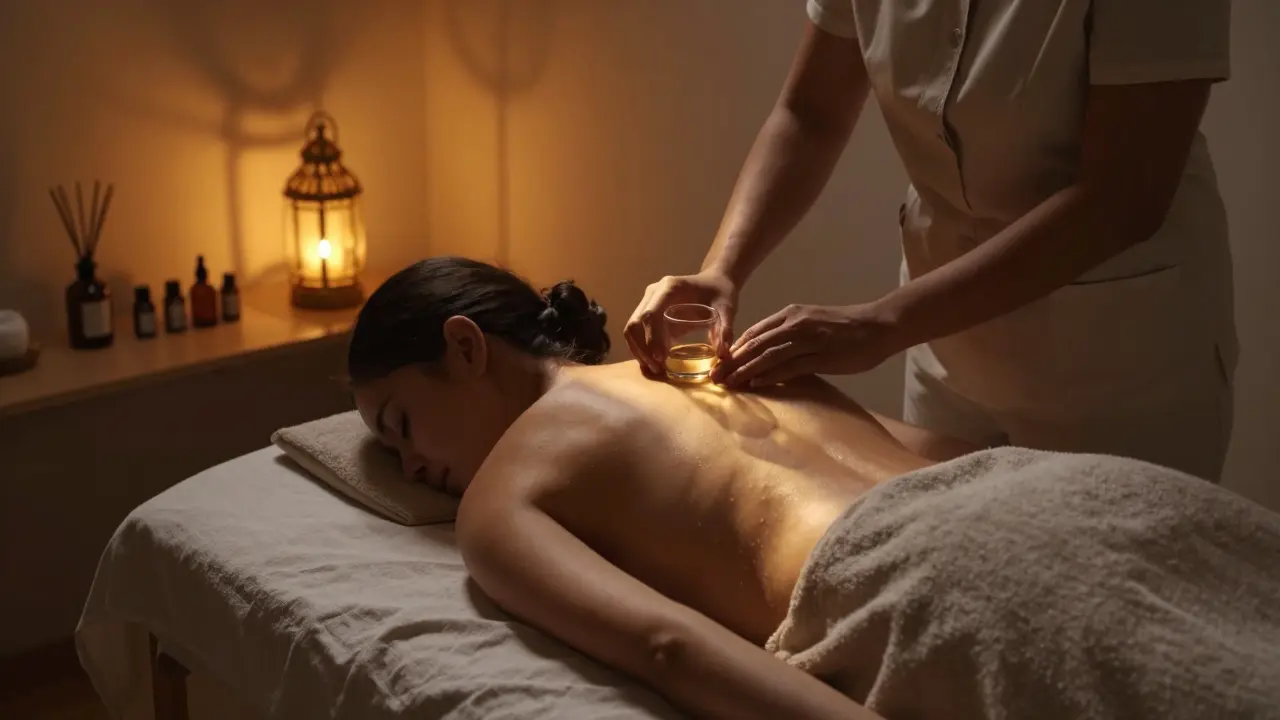
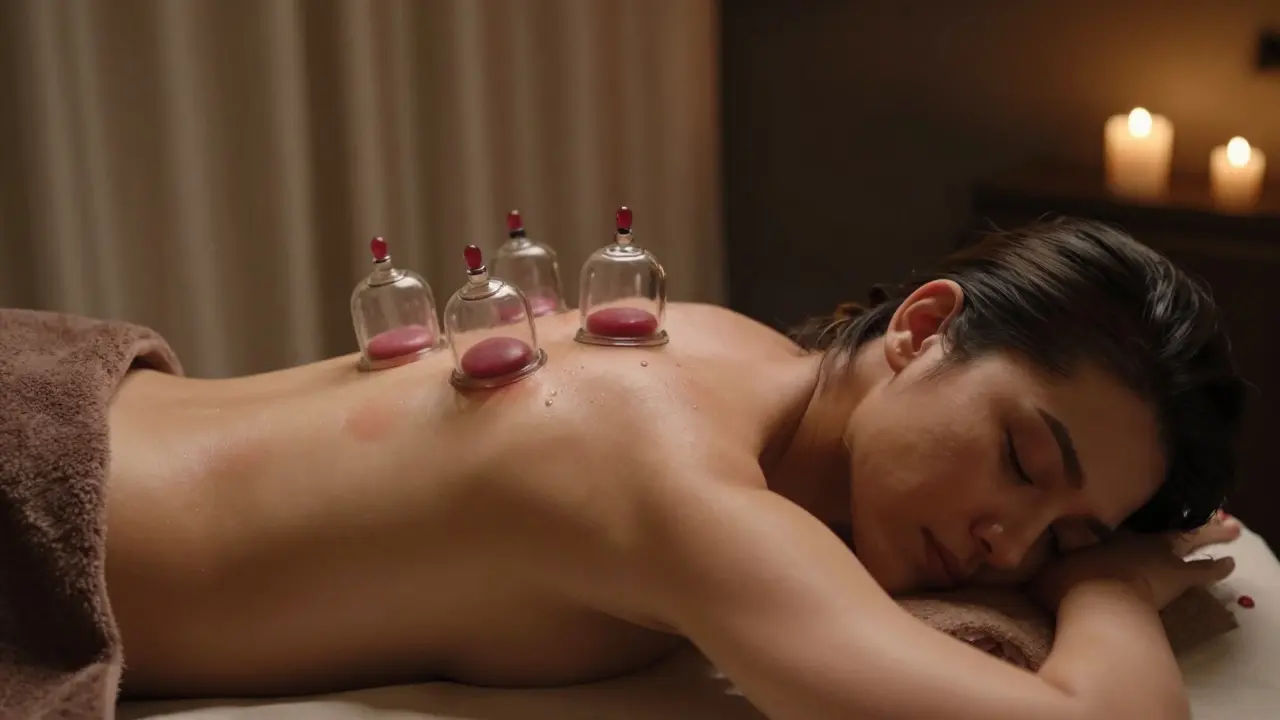
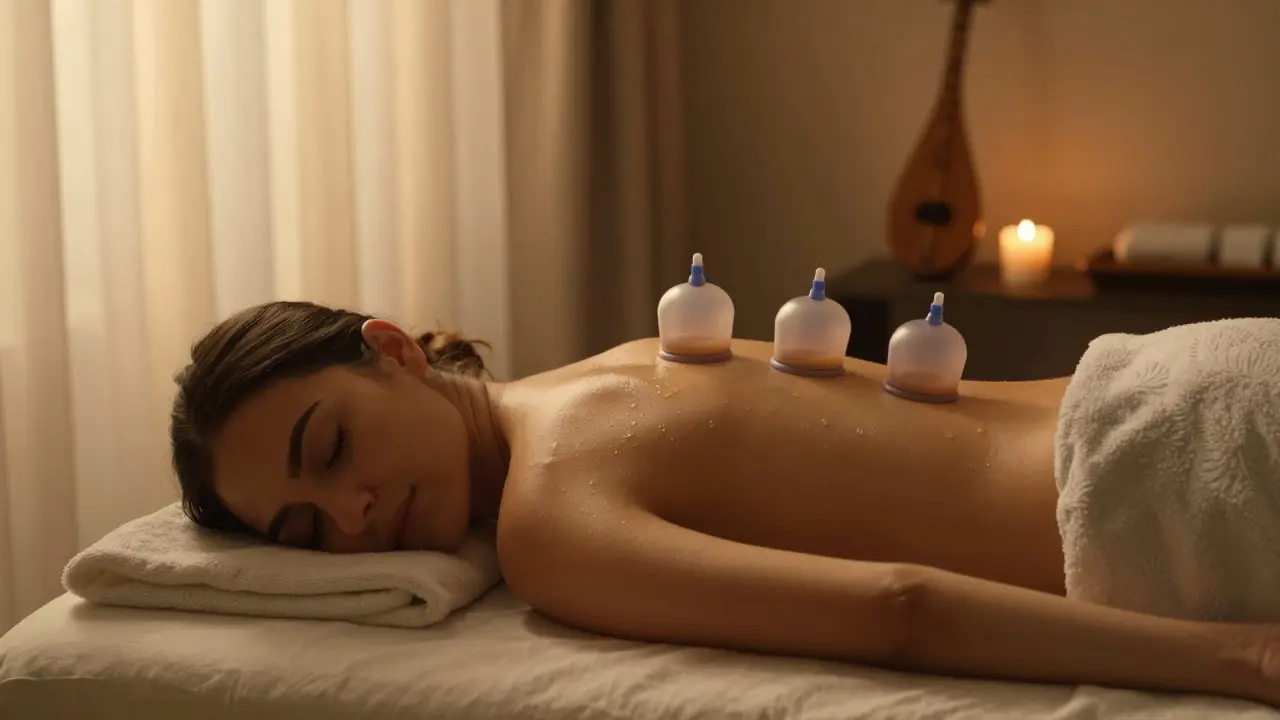
A typical cupping session in Dubai happens in a calm, dimly lit room, often with soft music and the scent of essential oils. You’ll lie on a massage table, fully clothed or draped in a towel. The practitioner will move the cups slowly along your back, shoulders, or legs-never on open wounds, scars, or bony areas.
Expect the room to be warm. Cold air can make muscles tense, which defeats the purpose. Most clinics use heated cups or warm towels to keep the skin relaxed.
Key Processes or Steps
Here’s what happens step by step:
- The practitioner applies oil or lotion to your skin for smooth cup movement.
- Cups are placed using suction-either by heat (traditional glass) or a hand pump (modern silicone).
- Cups stay in place for 5-15 minutes, depending on your tolerance and goal.
- Cups are removed gently, one at a time.
- Some practitioners massage the area afterward to further encourage circulation.
If it’s wet cupping, tiny incisions are made after suction, and a small amount of blood is drawn. This is done with sterile, single-use tools and only by licensed practitioners.
Customization Options
Cupping isn’t one-size-fits-all. For beginners, sessions are shorter (5-10 minutes) with lighter suction. Athletes may opt for deeper pressure and longer sessions. Some clinics offer targeted cupping for migraines (on the neck and base of skull) or digestive issues (on the abdomen).
Temperature matters too. Some places use heated cups for a warming effect, while others use cool silicone cups for inflammation control. Ask what’s best for your goals.
Communication and Preparation
Before your session, drink water. Dehydration makes skin less responsive to suction. Avoid heavy meals right before. Tell your practitioner if you’re on blood thinners, have sensitive skin, or are pregnant. Be honest about pain tolerance-cupping should never feel sharp or burning.
Afterward, avoid cold showers or air conditioning for a few hours. Your skin is more sensitive, and sudden temperature shifts can cause discomfort.
How to Practice or Apply Cupping
Setting Up for Success
If you’re trying cupping at home, start with silicone cups-they’re safe, easy to use, and don’t require fire. Clean your skin thoroughly. Apply a light oil like coconut or almond oil to help the cups glide. Find a quiet, warm space. Don’t rush. Set aside 20 minutes.
Choosing the Right Tools
Stick to medical-grade silicone or glass cups from reputable brands. Avoid cheap plastic ones from unknown sellers-they can crack or leak. For wet cupping, never attempt it yourself. It requires sterile needles and professional training.
Step-by-Step Guide
For dry cupping at home:
- Wash and dry your skin.
- Apply a thin layer of oil.
- Press the silicone cup firmly onto the skin and squeeze the air out.
- Hold for 5-10 minutes. Move gently if doing gliding cupping.
- Release slowly by pressing the edge of the cup to let air in.
- Repeat on other areas if needed-never more than 3-4 spots per session.
Tips for Beginners
Start slow. Your first session might leave circular marks-these are not bruises. They’re capillary dilation and fade in 3-7 days. Don’t compare your marks to someone else’s. Everyone’s skin reacts differently. If you feel dizzy, lightheaded, or overly sore, stop. It’s not a competition.
Safety and Ethical Considerations
Choosing Qualified Practitioners
In Dubai, look for licensed physiotherapists or certified hijama practitioners. Ask to see their training certificates. Reputable clinics will use disposable gloves and sterilized tools. If someone uses the same cup on multiple clients without cleaning, walk out.
Safety Practices
Here’s how to stay safe:
| Practice | Purpose | Example |
|---|---|---|
| Use sterile tools | Prevent infection | Single-use needles for wet cupping |
| Avoid bony areas | Prevent tissue damage | Don’t place cups on spine or ribs |
| Hydrate before and after | Support fluid movement | Drink 1-2 glasses of water |
Setting Boundaries
Always communicate your comfort level. If the suction feels too strong, say so. You have the right to pause or stop anytime. A good practitioner will check in with you regularly.
Contraindications or Risks
Avoid cupping if you have:
- Bleeding disorders (hemophilia, von Willebrand disease)
- Active skin infections or open wounds
- Recent surgery or deep vein thrombosis
- Pregnancy (especially on abdomen or lower back)
- Severe osteoporosis
If you’re unsure, consult your doctor. Cupping is generally safe-but not risk-free.
Enhancing Your Experience with Cupping
Adding Complementary Practices
Cupping works even better with gentle movement. Try a short walk after your session, or pair it with deep breathing. Some people combine it with aromatherapy-lavender or eucalyptus oils can enhance relaxation. Don’t overdo it. One session a week is enough for most people.
Collaborative or Solo Engagement
Cupping is usually a solo experience. But some couples enjoy it together-lying side by side in a quiet room, relaxing as the cups work their magic. It’s a quiet, shared moment of care. Just don’t try to cup each other unless you’re trained. Safety first.
Using Tools or Props
Keep a warm blanket nearby after your session. Your body may feel cool as circulation shifts. A warm herbal tea can help you stay relaxed. Avoid alcohol or caffeine for a few hours afterward-they can interfere with your body’s natural recovery process.
Regular Engagement for Benefits
Like stretching or meditation, cupping’s benefits build over time. One session won’t fix chronic pain. But if you do it once every 1-2 weeks for a month, you’ll likely notice less stiffness and better sleep. Consistency matters more than intensity.
Finding Resources or Experts for Cupping
Researching Qualified Practitioners
In Dubai, check clinics affiliated with physiotherapy centers or hospitals. Look for practitioners with certifications from recognized bodies like the International Cupping Therapy Association or the UAE Ministry of Health. Read reviews-not just for the service, but for hygiene and professionalism.
Online Guides and Communities
Follow reputable wellness channels on YouTube that show real sessions with licensed professionals. Avoid influencers who promise "detox miracles" or sell expensive cupping kits. Stick to science-backed sources. The NIH and WHO have general guidelines on traditional therapies.
Legal or Cultural Considerations
In the UAE, hijama is widely accepted and practiced by trained professionals. Many clinics follow Islamic guidelines for hygiene and consent. Always ensure your practitioner respects cultural norms and doesn’t push religious beliefs on you.
Resources for Continued Learning
For deeper understanding, read The Art of Cupping Therapy by Dr. Liang Li. It’s a well-researched, non-commercial guide used by practitioners worldwide. Avoid blogs that sell products-they often exaggerate claims.
FAQ: Common Questions About Cupping
What is the liquid that comes out after cupping?
The liquid that appears after cupping is mostly interstitial fluid-a clear or slightly cloudy mixture of water, proteins, and cellular debris drawn to the skin’s surface by suction. In wet cupping (hijama), a small amount of blood may also be drawn, but this is done under sterile conditions. It’s not "toxins" or "bad energy" being released. The fluid is a natural byproduct of increased circulation and tissue movement. Don’t confuse it with sweat; it’s not produced by glands. The amount varies by person and technique, and it’s completely normal.
Does the liquid mean the cupping worked?
No. The presence or absence of fluid doesn’t determine effectiveness. Cupping works by improving blood flow, reducing muscle tension, and calming the nervous system. Many people feel relaxed and less stiff even if no fluid appears. Conversely, some people produce a lot of fluid but feel no change. Focus on how you feel-your energy, mobility, and pain levels-rather than what drips out. The real indicator of success is how you feel days after the session.
Are the circular marks bruises?
No, they’re not bruises. Bruises happen when blood vessels rupture under trauma. Cupping marks are caused by capillaries expanding under suction, allowing a small amount of blood to leak into surrounding tissue. They’re painless, fade in 3-7 days, and don’t involve tissue damage. The color can range from light pink to dark purple, depending on your circulation and how long the cups were applied. Darker marks often mean more stagnation in the area-not more "toxins." They’re temporary and harmless.
Can I do cupping at home safely?
Yes-with dry cupping using silicone cups. Never attempt wet cupping at home; it requires sterile needles and medical training. Use only high-quality silicone cups, clean your skin, apply oil, and keep sessions under 10 minutes. Avoid sensitive areas like the spine, ribs, or face. If you feel pain, dizziness, or burning, stop immediately. Home cupping is great for maintenance, but for chronic pain or deep tension, see a professional.
Is cupping suitable for beginners?
Absolutely. Many people start with just one session and feel immediate relief from shoulder or back tension. Beginners should opt for light suction, short sessions (5-10 minutes), and avoid deep tissue work. Choose a quiet, warm environment and drink water before and after. Don’t expect miracles-expect relaxation and a gentle release. Most clinics offer beginner-friendly packages. Start slow, listen to your body, and you’ll do fine.
Conclusion: Why Cupping Is Worth Exploring
A Path to Calmer Muscles and Clearer Mind
Cupping isn’t about purging toxins or chasing mystical results. It’s about giving your body a gentle, mechanical nudge to heal itself. The liquid that comes out? Just a side effect. The real gift is the quiet relief that follows-tight muscles loosening, stress melting, sleep deepening. In a city like Dubai, where life moves fast, sometimes the slowest therapies are the most powerful.
Try It Mindfully
If you’re curious, start with one session. Choose a reputable clinic. Ask questions. Don’t let anyone pressure you into wet cupping if you’re uncomfortable. Let your body guide you. The results may surprise you-not because of what drips out, but because of what you finally feel inside.
Share Your Journey
Tried cupping? Share your experience in the comments-what you felt, what surprised you, whether you saw any fluid. Follow this blog for more honest, science-backed wellness tips from Dubai.
Some links may be affiliate links, but all recommendations are based on research and quality.
Word count: 1,742
Suggested Visuals
- A close-up of silicone cups on a person’s back with faint circular marks
- A calm, dimly lit Dubai spa room with a client receiving cupping therapy
- A hand holding a glass cup with a small amount of clear fluid visible on the skin
- A side-by-side image showing a person before (tense shoulders) and after (relaxed) cupping
- A licensed practitioner in Dubai wearing gloves, cleaning sterile tools
Suggested Tables
- Comparison of Cupping vs. Similar Therapies
- Key Benefits of Cupping
- Cupping Safety Tips
Elizabeth Guice
December 12, 2025 AT 03:08It’s wild how we’ve turned a simple mechanical process into a spiritual ritual. Cupping’s been around for millennia, and yet people still treat the fluid like some kind of sacred residue-like the body’s secretly dumping evil spirits into a little glass dish. But no. It’s just interstitial fluid. Physics. Biology. The real magic? The way your shoulders drop after 10 minutes of suction. That’s the healing. Not the drip. Not the marks. Just… stillness.
And honestly? The fact that we need to write 2,000-word guides to explain this says more about our culture than cupping ever could. We crave mystery. We fear the mundane. But sometimes, the truth is just… quiet.
Thandi Mothupi
December 13, 2025 AT 20:32Eugene Stanley
December 14, 2025 AT 15:47Really appreciate this breakdown. I’ve had cupping twice now-once in Dubai, once back home-and I was totally convinced the fluid meant it ‘worked.’ Turns out, I just needed my lats to stop screaming after deadlifts. The calm afterward? That’s the real win.
Also, the marks aren’t bruises. They’re just skin saying ‘hey, I got hugged by a vacuum.’ Faded in 4 days. No drama. No toxins. Just… relief. 😊
Rutuja Patil
December 15, 2025 AT 13:08Laura Swan
December 16, 2025 AT 01:05Let me get this straight-some guy in ancient Egypt pulled skin with a goat horn and now we’re treating this like it’s science? This is what happens when you let wellness influencers run the show. ‘Interstial fluid’? That’s not even a word. It’s sweat. It’s pus. It’s your body screaming for help and you’re calling it ‘biochemistry.’
And don’t get me started on ‘hijama’-you’re telling me Islam has a medical tradition that involves cutting skin and letting blood? That’s not therapy, that’s medieval. We’ve got MRI machines and you’re still playing with cups? What is this, 1200 AD?
And why are we even talking about this? The real toxin here is gullibility.
Nikita Arora
December 16, 2025 AT 22:54Geoffrey Leslie
December 18, 2025 AT 04:31Correction: It’s ‘interstitial,’ not ‘interstial.’ And ‘ooze’ is not a medical term. Also, you refer to ‘hijama’ as ‘wet cupping’-technically, hijama is the Arabic term for the entire procedure, including the incisions, which makes ‘wet cupping’ a misnomer. Furthermore, the claim that cupping ‘triggers healing signals’ is vague and unsupported by peer-reviewed mechanisms. Where’s the cytokine data? The IL-6 studies? You’re conflating correlation with causation. And please, stop calling it ‘reverse massage.’ That’s not a physiological concept-it’s a marketing slogan.
This article reads like a BuzzFeed listicle dressed in lab coat.
Cheyenne M
December 20, 2025 AT 00:31