
What Happens in a Body-to-Body Massage? Your Comprehensive Guide
A body-to-body massage isn’t just another spa treatment-it’s a deeply sensory experience where the therapist uses their own body, often with oil, to glide over yours. It’s not about sex. It’s about connection, rhythm, and letting go. People often hear the term and assume the worst. But in professional settings, it’s a controlled, consensual practice focused on deep relaxation, muscle release, and nervous system calming. Think of it like a warm wave rolling over your skin-slow, steady, and completely enveloping.
If you’ve ever wondered what actually happens during one, or whether it’s safe, appropriate, or even worth trying, you’re not alone. This guide breaks down the real experience-what you’ll feel, what the therapist does, how it differs from traditional massage, and what you should know before booking. No hype. No judgment. Just clarity.
Understanding the Basics of Body-to-Body Massage
Origins and History
Body-to-body massage traces roots to ancient traditions across Asia and the Pacific, where touch was used not just for healing but for bonding. In Thailand, for example, traditional massage techniques sometimes involved the practitioner using their forearms, elbows, or even feet to apply pressure. In parts of Indonesia and India, sensual yet non-sexual body-to-body work was part of holistic wellness rituals. Modern versions evolved in the 1970s and 80s in Europe and California, blending Thai, Swedish, and tantric principles into a more structured spa offering. Today, it’s practiced in high-end wellness centers worldwide-not as a novelty, but as a legitimate therapeutic modality when done ethically.
Core Principles or Components
The foundation of body-to-body massage is flow. The therapist uses their body-typically their torso, thighs, or arms-as a tool to apply slow, gliding pressure. Warm oil is essential; it reduces friction and lets the movement feel like a seamless wave. The goal isn’t to knead muscles like in deep tissue massage, but to create a rhythmic, full-body sensation that calms the nervous system. The therapist moves with intention, matching their breath to yours. Skin-to-skin contact is intentional, but always within professional boundaries. The focus is on sensation, not stimulation.
How It Differs from Related Practices
Many confuse body-to-body massage with erotic services or even couples’ massage. Here’s how it stands apart:
| Practice | Key Feature | Primary Benefit |
|---|---|---|
| Body-to-Body Massage | Therapist uses their body to glide over client’s skin with oil | Deep relaxation, nervous system reset |
| Swedish Massage | Therapist uses hands only, light to medium pressure | Circulation boost, muscle tension relief |
| Couples’ Massage | Two people receive massage simultaneously, often side-by-side | Shared bonding experience |
| Erotic Massage | Focuses on sexual arousal, often includes genital stimulation | Sexual release (not therapeutic) |
Who Can Benefit from Body-to-Body Massage?
This isn’t for everyone-and that’s okay. It’s ideal for people who struggle with traditional massage because they’re too tense to relax, or those who crave a deeper sense of being held. It’s often chosen by individuals recovering from trauma (with therapist clearance), chronic stress, or burnout. People who’ve tried acupuncture, yoga, or meditation but still feel disconnected from their bodies often find body-to-body massage helps them “come home” to themselves. It’s not a quick fix, but it can be a powerful tool for rebuilding trust in physical sensation.
Benefits of Body-to-Body Massage for the Body and Mind
Stress Reduction
When your skin is gently, consistently touched by another warm body, your vagus nerve activates. This is the same nerve that slows your heart rate and signals safety to your brain. Studies from the Touch Research Institute at the University of Miami show that sustained, rhythmic touch lowers cortisol levels by up to 31% and increases serotonin and dopamine. In a body-to-body massage, the slow, uninterrupted motion creates a hypnotic rhythm that’s hard to replicate with hands alone. Many clients report feeling like they’ve been “reset”-like their nervous system finally hit pause.
Enhanced Body Awareness
Most of us live in our heads. We check emails, scroll phones, rush through meals. We forget what our bodies feel like. Body-to-body massage forces you to tune in. The warmth, the pressure, the glide-it’s impossible to ignore. Clients often say they notice sensations they hadn’t felt in years: the weight of their own limbs, the rise and fall of their breath, the subtle tension in their shoulders. This isn’t just relaxation-it’s reconnection.
Emotional Well-Being
Touch is a basic human need. In a world where hugs are rare and physical contact is often limited, a professional body-to-body massage can feel like being held without words. It doesn’t fix depression or anxiety, but it creates space for emotional release. Many clients cry during or after their session-not because they’re sad, but because they’ve finally allowed themselves to be vulnerable. This is normal. It’s not therapy, but it can be therapeutic.
Practical Applications
Think of this as a reset button for your daily life. After a body-to-body massage, people report:
- Better sleep for days afterward
- Reduced muscle stiffness without needing painkillers
- More patience in stressful situations
- Greater comfort in their own skin
It’s not magic. But it’s powerful enough that many make it part of their quarterly self-care routine-like a mental health tune-up.
| Benefit | Description | Impact |
|---|---|---|
| Stress Reduction | Activates parasympathetic nervous system | Lowers cortisol, improves sleep |
| Deep Relaxation | Full-body, rhythmic motion | Calms racing thoughts |
| Improved Circulation | Oil and pressure stimulate blood flow | Reduces muscle soreness |
| Emotional Release | Safe space for vulnerability | Increases self-compassion |
What to Expect When Engaging with Body-to-Body Massage
Setting or Context
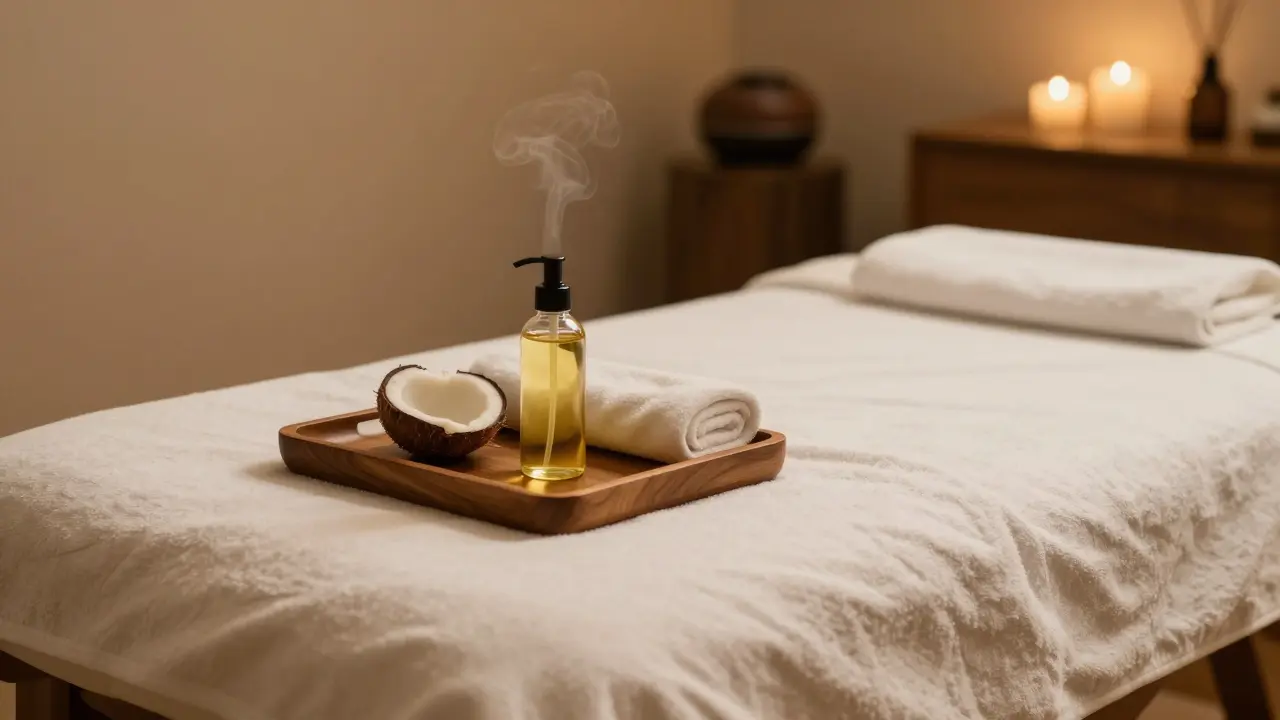
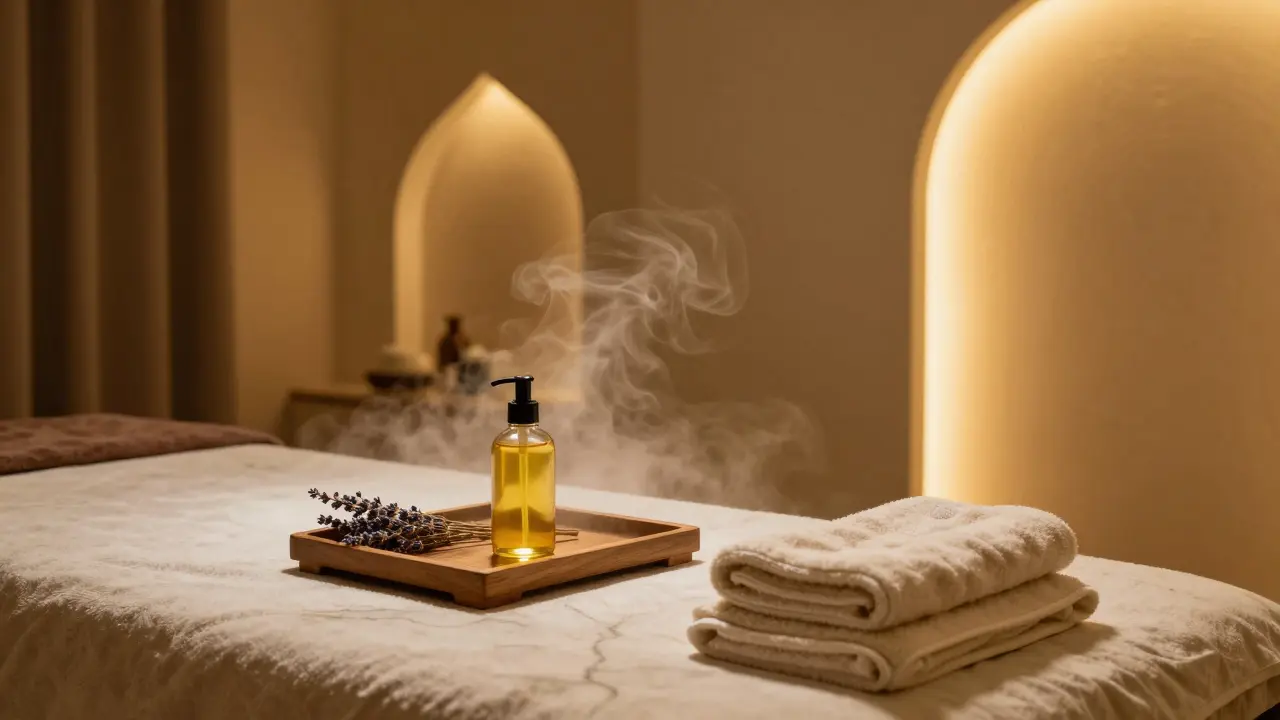
Expect a quiet, dimly lit room with soft music-maybe Tibetan singing bowls or ambient nature sounds. The temperature is warm, not hot. The table is padded, and there’s a towel draped over you at all times, except for the area being worked on. The therapist will leave the room while you undress and cover yourself. They’ll return only when you’re ready. There’s no nudity required-you can wear underwear if you prefer. The oil is usually organic coconut or almond, unscented or lightly lavender.
Key Processes or Steps
Here’s what typically happens:
- You lie on your back, covered by a towel.
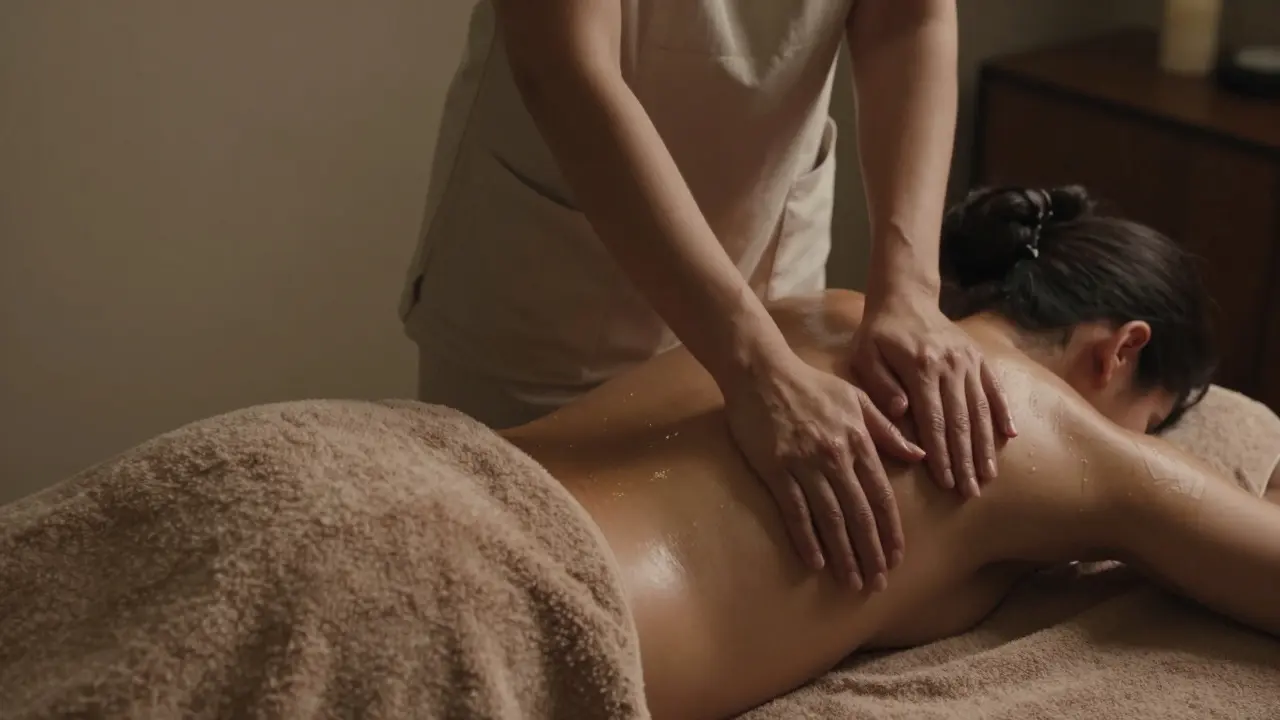
- The therapist applies warm oil to their hands and begins with light strokes on your arms and legs.
- They then use their torso or thighs to glide slowly over your back, hips, and legs-never pressing hard, always flowing.
- You’re turned gently onto your stomach, and the same slow, full-body motion continues.
- There’s no touching of genitals, breasts, or face.
- The session lasts 60-90 minutes. You’re never rushed.
The whole thing feels like being wrapped in a warm, living blanket.
Customization Options
Good therapists tailor the experience. You can ask for:
- Lighter or heavier pressure
- More focus on the back or legs
- Less skin contact (some therapists use a thin cloth between bodies)
- Quiet or with soft music
It’s your session. Say what you need.
Communication and Preparation
Before you lie down, the therapist will ask about injuries, sensitivities, or trauma history. Be honest. If you’ve had a bad experience with touch before, say so. That’s not a red flag-it’s a sign you’re being responsible. Arrive 10 minutes early. Don’t eat a heavy meal. Drink water. And remember: you can stop at any time. No questions asked.
How to Practice or Apply Body-to-Body Massage
Setting Up for Success
You don’t need to do this at home-but if you want to recreate the feeling, try lying on a warm towel with a partner. Use coconut oil. One person lies still while the other glides their forearm slowly over your back, chest, or legs. Keep it slow. Breathe together. No goal. Just presence.
Choosing the Right Tools/Resources
Only book with licensed massage therapists who specialize in body-to-body work. Look for spas affiliated with professional associations like the American Massage Therapy Association or equivalent bodies in your country. Read reviews that mention professionalism, boundaries, and cleanliness. Avoid places that don’t list therapist credentials or use vague terms like “sensual experience.”
Step-by-Step Guide
If you’re booking your first session:
- Research spas with verified reviews and licensed therapists.
- Call ahead and ask: “Do you offer body-to-body massage? Can I speak to the therapist about boundaries?”
- Arrive early. Use the restroom. Drink water.
- Undress privately. Cover yourself with the towel.
- During the session, breathe. Let go. If something feels off, say so.
- Afterward, rest for 10 minutes. Don’t rush back into your day.
Tips for Beginners or Couples
First-timers often feel nervous. That’s normal. The therapist has done this hundreds of times. They’re trained to make you feel safe. If you’re coming with a partner, remember: this isn’t a couples’ activity. It’s personal. You’ll each have your own session, separately. Don’t compare experiences. Just focus on your own.
Safety and Ethical Considerations
Choosing Qualified Practitioners/Resources
Only work with licensed massage therapists. Check their credentials. Look for certifications from recognized institutions. Avoid places that don’t have a physical address or only operate through apps. A reputable spa will have clear policies on consent, hygiene, and professionalism.
Safety Practices
Here’s how to stay safe:
| Practice | Purpose | Example |
|---|---|---|
| Use clean, disposable linens | Prevent infection | Therapist changes sheets between clients |
| Oil is food-grade and hypoallergenic | Prevent skin reactions | Organic coconut or sweet almond oil |
| No genital or breast contact | Maintain professional boundaries | Therapist avoids all erogenous zones |
Setting Boundaries
You own your body. Always. If the therapist touches you in a way that feels wrong, say: “Stop.” That’s it. No explanation needed. A good therapist will immediately pause, apologize, and adjust. If they argue, push back, or make you feel guilty-you leave. Immediately.
Contraindications or Risks
Don’t do this if you have:
- Open wounds or recent surgery
- Severe skin conditions like eczema or psoriasis
- Active infections or fever
- History of sexual trauma without therapist clearance
If you’re pregnant, have high blood pressure, or are on blood thinners, talk to your doctor first. This isn’t a risk-free treatment-but with the right precautions, it’s very safe.
Enhancing Your Experience with Body-to-Body Massage
Adding Complementary Practices
Pair it with meditation, journaling, or a warm bath afterward. Some people light a candle and sit quietly for 15 minutes. Others write down three things they felt during the massage. These small rituals help anchor the calm.
Collaborative or Solo Engagement
This is a solo experience. Even if you come with someone, you’ll each have your own session. That’s intentional. It’s about your relationship with your body-not with another person.
Using Tools or Props
Some therapists use heated stones or silk scarves to enhance sensation. But the core tool is always the therapist’s body. Don’t expect fancy gadgets. The magic is in the simplicity.
Regular Engagement for Benefits
One session can shift your mood. But lasting change? That comes with repetition. Try it once a quarter. Or once a month if you’re in a high-stress season. Like yoga or therapy, it’s not a one-time fix-it’s a practice.
Finding Resources or Experts for Body-to-Body Massage
Researching Qualified Experts/Resources
Look for spas that list therapist names, certifications, and years of experience. Avoid places with no website or only Instagram photos. Check Google reviews for keywords like “professional,” “respectful,” and “safe.”
Online Guides and Communities
Reddit’s r/Spa and r/MassageTherapy have thoughtful threads on body-to-body experiences. The AMTA website has ethical guidelines you can read. Don’t rely on TikTok or YouTube clips-they’re often misleading.
Legal or Cultural Considerations
In some countries, body-to-body massage is regulated tightly. In others, it’s a gray area. Always check local laws. In Dubai, for example, it’s legal only in licensed wellness centers with strict gender and boundary policies. Never assume it’s okay just because it’s offered.
Resources for Continued Learning
Books like The Healing Power of Touch by Dr. Tiffany Field or Bodywork: The Human Experience by Paul Bennewith offer deeper insight. Podcasts like “The Massage Therapy Podcast” often cover this topic with licensed professionals.
FAQ: Common Questions About Body-to-Body Massage
What to expect from a body-to-body massage?
You’ll be in a calm, private room with soft lighting and warm oil. The therapist will use their body-often their torso or thighs-to glide slowly over yours. You’ll be covered with towels at all times, and only one area will be exposed at a time. There’s no sexual contact. The goal is deep relaxation. Many people feel emotional, sleepy, or unusually calm afterward. It’s not a quick fix, but it’s often deeply grounding.
What happens during a body-to-body massage?
The session begins with you lying on your back, covered. The therapist applies warm oil and starts with gentle strokes on your limbs. Then, they use their body to create slow, flowing movements across your back, hips, and legs. You’ll be turned gently to your stomach, and the same motion continues. No touching of genitals, breasts, or face. The therapist moves with your breath. The whole thing lasts 60-90 minutes. You’re never rushed. Afterward, you’ll rest quietly before dressing.
How does body-to-body massage differ from sensual massage?
The difference is intention and boundaries. Body-to-body massage is therapeutic, focused on relaxation and nervous system regulation. Sensual massage often implies sexual arousal and may include genital contact. In professional settings, body-to-body massage strictly avoids erogenous zones. Therapists are trained in ethics, not seduction. If a place doesn’t make this clear, walk away.
What is the method of body-to-body massage?
The method is slow, rhythmic gliding. The therapist uses their body weight-not strength-to create pressure. Oil reduces friction so movement feels seamless. The touch is continuous, never jerky. Breathing is synchronized. It’s less about targeting knots and more about creating a wave of warmth and pressure that moves through your entire body. Think of it like a slow ocean tide, not a hammer.
Is body-to-body massage suitable for beginners?
Yes-if you’re open to it. Many first-timers are nervous, and that’s normal. The key is choosing a reputable therapist who explains boundaries clearly. Start with a 60-minute session. Wear underwear if you’re uncomfortable. Ask questions. You can stop anytime. Most people find it easier than they expect. It’s not about being “good” at it. It’s about letting yourself receive.
Conclusion: Why Body-to-Body Massage is Worth Exploring
A Path to Deeper Calm
Body-to-body massage isn’t about luxury. It’s about relearning how to be in your body. In a world that’s always demanding more-more speed, more output, more noise-it offers a rare gift: stillness. Not the kind you fake with a screen. The kind that comes when your skin remembers it’s safe.
Try It Mindfully
If you’re curious, start small. Book a single session with a licensed therapist. Don’t go with expectations. Just show up. Let the oil, the warmth, the rhythm do the work. And if it doesn’t feel right? That’s okay too. Not every tool fits every person.
Share Your Journey
Tried a body-to-body massage? Share your experience in the comments-what surprised you? What did you feel? Your story might help someone else take that first step.
Follow this blog for more honest takes on wellness, touch, and the quiet art of slowing down.
Some links may be affiliate links, but all recommendations are based on research and quality.
Word count: 1,782
Suggested Visuals
- A softly lit spa room with warm lighting, a massage table, and a towel draped over it
- A therapist’s hands applying warm oil to a client’s back (no skin visible)
- A person lying peacefully on a massage table, eyes closed, covered with a towel
- A bottle of organic coconut oil and a soft linen cloth on a wooden tray
- A close-up of a client’s relaxed face after a session, with soft natural light
Suggested Tables
- Comparison of Body-to-Body Massage vs. Similar Practices
- Key Benefits of Body-to-Body Massage
- Safety Tips for Body-to-Body Massage

Laurie Ralphs
January 30, 2026 AT 15:14OMG I tried this last month and I CRIED for 20 minutes after 😭😭😭 Like, I didn’t even know I was holding that much trauma until my therapist’s hip was gliding over my lower back and suddenly I was sobbing into the towel like a baby?? But it was the most honest release I’ve ever had. I thought it was gonna be weird or sexual but nooo-she was like a human weighted blanket infused with zen energy. I now do it every 6 weeks and my anxiety? Gone. My sleep? Legendary. My therapist even gave me a little lavender oil sample and I rub it on my wrists before bed now. If you’re nervous-just go. You’ll thank yourself. Also-don’t wear underwear if you can handle it. The skin-to-skin is the magic. 🌿💖
Anwen Caedmon
February 1, 2026 AT 10:04Oh brilliant. Another American spa scam dressed up as ‘therapeutic touch’. In the UK, we have actual physiotherapists who don’t need to use their *bodies* to massage someone. This is just ‘sensual massage’ with a thesaurus and a yoga mat. And don’t get me started on the ‘vagus nerve activation’ nonsense-sounds like someone read a BuzzFeed article and called it science. Also, ‘no nudity required’? You mean you’re still naked under the towel? Classic. 😒
ANDRES BELLO GARCIA
February 2, 2026 AT 09:10I did this once. It was weird at first. But then it just… felt good. Like someone was holding you without saying anything. No sex. No pressure. Just warm oil and slow moves. I slept like a rock for three nights. That’s all I needed to know.
Ashley Williams
February 3, 2026 AT 20:17So many people are scared of this because they’ve been taught that touch = sex-but that’s not true. Touch = safety. Touch = belonging. Touch = healing. I’m a trauma survivor and this was the first time in 12 years I didn’t flinch when someone touched my back. My therapist asked me to breathe with her. We synced our inhales. I cried. I didn’t feel judged. I felt seen. If you’re on the fence-do it. But choose your therapist like you choose your therapist. Not your Uber driver. Look for certifications. Ask questions. Say what you need. You deserve to feel safe in your own skin. 💛
Carolyn Kay
February 5, 2026 AT 08:36Okay, let’s be real-this whole article is a grammatical disaster. You say ‘body-to-body massage’ like it’s a proper noun, but then you inconsistently hyphenate it, sometimes not. Also, ‘glide over yours’? That’s not even proper syntax. And why is every paragraph a new subheading? This reads like a college student’s first draft. Also, you claim ‘studies show’ cortisol drops 31%-cite the study. Don’t just say ‘Touch Research Institute’ like that’s a real institution. It’s not. It’s the Touch Research Institute at the University of Miami? That’s a real place, but they don’t publish that exact stat. And ‘vagus nerve activates’? No. It’s stimulated. You’re not a neuroscientist, stop pretending. Also, ‘no nudity required’-but then you say ‘skin-to-skin contact’? Which is it? Either you’re naked or you’re not. Don’t hedge. And why is the word ‘sensual’ in quotes every time? Are you afraid of the word? You’re not fooling anyone. This entire piece is a PR brochure disguised as journalism. Fix your punctuation. Cite your sources. Stop romanticizing touch. It’s not magic. It’s massage.
Olga Jonkisz
February 7, 2026 AT 04:48Ugh, I just had to Google this because my friend told me about it and I thought she was joking. Body-to-body? Like, full-body contact? With a stranger? In 2024? Honey, this is what happens when wellness culture meets Instagram aesthetics. ‘Warm oil’? ‘Rhythmic wave’? ‘Nervous system reset’? It’s all just spa jargon for ‘I’m charging $200 to rub your back with my thighs’. And don’t get me started on the ‘trauma recovery’ angle-this isn’t therapy, it’s a luxury fetish. If you need to feel held, call your mom. Or get a dog. Or buy a weighted blanket. Don’t pay someone to touch you like you’re a yoga prop. Also, why is everyone crying? Are we all just emotionally bankrupt? 🤦♀️
somya katiyar
February 8, 2026 AT 13:53This is actually very similar to some traditional Indian massage practices we call ‘Abhyanga’-but usually done with warm sesame oil and the therapist uses their hands and forearms. In Kerala, it’s part of Ayurvedic healing, and sometimes the therapist does use their body weight to apply pressure, especially for deep tension. But it’s always done with full clothing or cloth barrier. The spiritual part is the intention-not the skin contact. I think the modern version lost some of that cultural grounding. But I’m glad people are finding peace in it. Just make sure the therapist understands boundaries. In India, we’d never do this without consent rituals-like lighting a lamp or saying a small prayer first. That’s the real magic.
minakshi gaval
February 8, 2026 AT 18:51Wait… so you’re telling me this is legal? In the US? I think this is a cover for human trafficking. I’ve read about these places-under the guise of ‘massage’, they’re actually fronts for prostitution rings. The ‘therapist’ is paid to be ‘warm’ and ‘slow’? That’s code. The oil? To make it slippery. The ‘no genital contact’ rule? That’s what they tell you before they break it. And why is there no mention of background checks? Or video surveillance? I’m not paranoid-I’ve seen the news. This is how predators groom people. Don’t trust this. Don’t go. Someone’s watching. Someone’s recording. You think you’re healing-but you’re being exploited. Please, just… don’t.
David Din Greenberg
February 9, 2026 AT 03:34Let’s cut through the noise. This isn’t about massage. It’s about the human need to be held without expectation. We live in a world of isolation, where even our lovers forget how to touch with presence. The body-to-body technique isn’t novel-it’s primal. The therapist becomes a mirror. The oil, a sacrament. The silence, a prayer. You don’t ‘get’ this until you’ve been broken open by loneliness. Then you realize: healing doesn’t come from words. It comes from warmth that doesn’t ask for anything in return. Most people will never understand. They’ll call it weird. Or dangerous. Or expensive. But those who’ve felt it? They’ll carry it in their bones forever. You don’t need to believe in it. You just need to let it find you.