What Happens in a Spa Room? Your Comprehensive Guide
What happens in a spa room? It’s not just about massages and cucumber slices. A spa room is a carefully designed space meant to reset your nervous system, quiet your mind, and give your body a chance to heal-without you having to do a thing. Think of it as a temporary escape hatch from daily stress, where every detail, from the lighting to the scent, is chosen to help you relax deeper than you thought possible. Whether you’ve never stepped into one or you’re a regular, understanding what actually goes on inside can make your next visit more meaningful-and more effective.
Understanding the Basics of Spa Rooms
Origins and History
Spa rooms trace back thousands of years. Ancient Romans built elaborate bathhouses with hot and cold pools, steam rooms, and massage areas-places where people didn’t just clean themselves, but connected, healed, and rested. In Japan, onsen (hot spring baths) were sacred rituals tied to nature and spiritual renewal. Traditional Ayurvedic centers in India used herbal oils and rhythmic strokes to balance body energies. Modern spa rooms blend these traditions into one quiet, controlled environment. Today’s spa rooms aren’t just luxury-they’re a response to our overstimulated lives. The goal? To create a sensory pause button.
Core Principles or Components
A spa room works because of three key elements: temperature, silence, and touch. Temperature is carefully regulated-warm enough to loosen muscles, cool enough to avoid overheating. Silence isn’t just the absence of noise; it’s intentional. No phones, no conversations, no alarms. Even the music, if any, is low-frequency and non-rhythmic to avoid stimulating the brain. Touch is the most powerful component. Whether it’s a massage, body wrap, or hydrotherapy, physical contact triggers the release of oxytocin and lowers cortisol. These aren’t random choices-they’re neuroscience-backed strategies to shift your body from fight-or-flight to rest-and-digest mode.
How It Differs from Related Practices
Spa rooms aren’t the same as salons, gyms, or even massage clinics. Here’s how they stack up:
| Service | Key Feature | Primary Benefit |
|---|---|---|
| Spa Room | Controlled sensory environment | Deep relaxation and nervous system reset |
| Massage Clinic | Focus on muscle relief | Pain reduction and mobility improvement |
| Salon | Aesthetic enhancement | Appearance improvement |
| Hot Tub | Water immersion | Circulation boost |
Who Can Benefit from Spa Rooms?
Anyone who feels drained, overwhelmed, or disconnected. Busy parents, shift workers, people recovering from illness, and even high-performing professionals all report feeling like a new person after a spa session. It’s not just for people with time to spare-it’s for people who need to recharge. Studies show that even one 60-minute session can lower heart rate and blood pressure for up to 48 hours. You don’t need to be stressed to benefit-you just need to be human.
Benefits of Spa Rooms for Body and Mind
Stress Reduction
When you enter a spa room, your body doesn’t just relax-it reprograms. The combination of warmth, quiet, and gentle touch tells your brain: “It’s safe to let go.” This switches off the stress hormone cortisol and activates the parasympathetic nervous system. People often describe it as the first time in weeks they’ve taken a full breath without thinking about their to-do list. The effects aren’t fleeting. Regular spa users report better sleep, fewer headaches, and less irritability-even when life stays chaotic.
Enhanced Circulation and Muscle Recovery
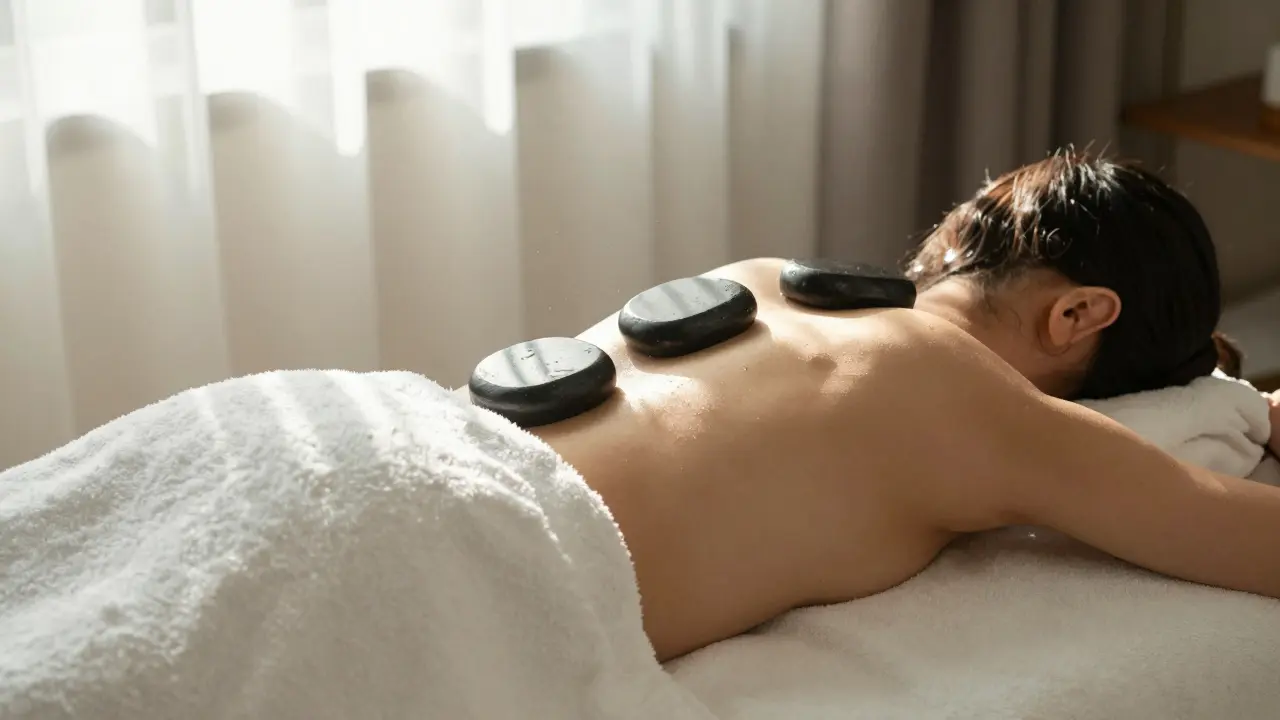
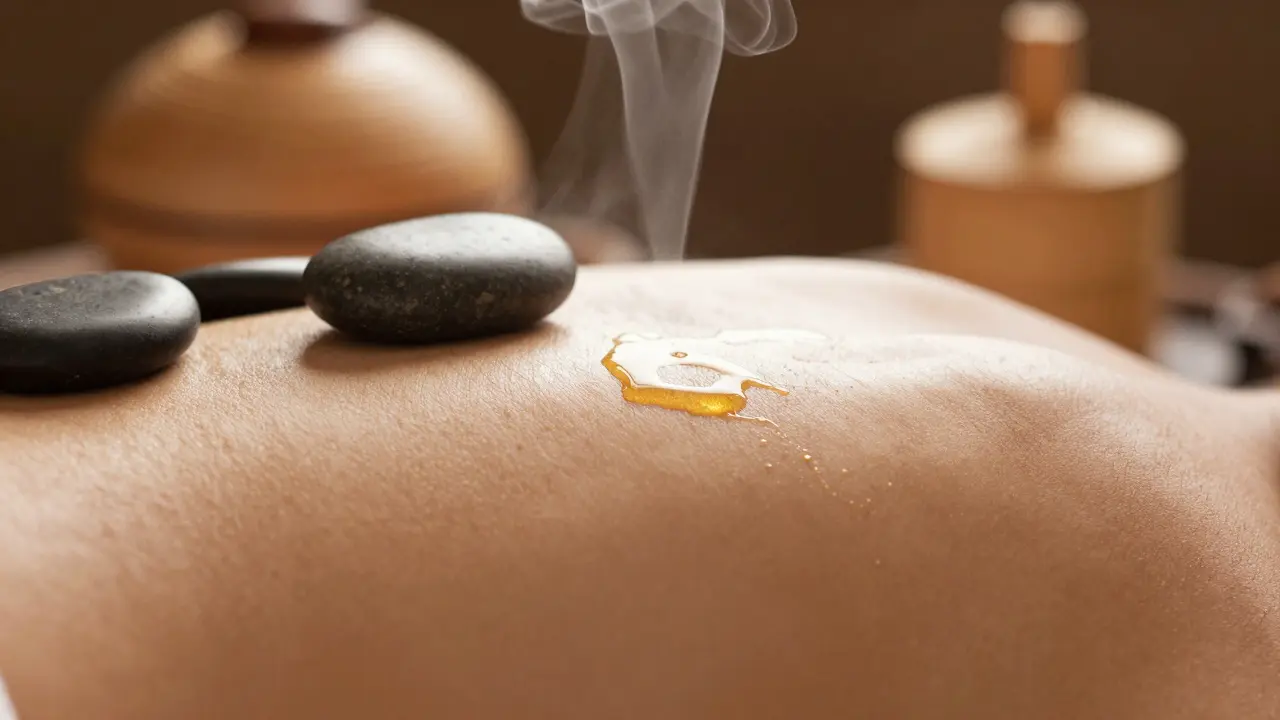
Heat from steam rooms, hot stones, or warm baths dilates blood vessels. That means more oxygen and nutrients flow to tired muscles, and waste products like lactic acid get flushed out faster. Athletes use spa rooms for recovery. Office workers use them to ease stiff shoulders and neck pain. It’s not magic-it’s physics. And you don’t need to be an athlete to feel the difference. After a long day, a warm soak can turn muscle tension into softness.
Emotional Well-Being
Spa rooms aren’t just physical sanctuaries-they’re emotional ones too. The ritual of being cared for, even briefly, can trigger feelings of being valued and safe. Many people cry during their first massage-not because they’re sad, but because they finally allowed themselves to be held, literally and emotionally. This isn’t a coincidence. The gentle pressure of touch releases endorphins and serotonin, the body’s natural mood lifters. For those dealing with anxiety or mild depression, spa sessions can be a gentle, non-medical support tool.
Practical Applications in Daily Life
What you learn in a spa room doesn’t stay there. Many people start breathing deeper, taking mini-breaks during their day, or turning off screens earlier. Some begin journaling after sessions, noticing thoughts they’d ignored. The calm doesn’t vanish-it becomes a reference point. You start recognizing when you’re tensing up and know how to reset. It’s like learning a new language for your nervous system.
| Benefit | Description | Impact |
|---|---|---|
| Lowered Stress | Reduction in cortisol and heart rate | Improved sleep and mood |
| Improved Circulation | Enhanced blood flow from heat therapy | Faster muscle recovery, reduced swelling |
| Emotional Release | Triggered by safe, nurturing touch | Reduced anxiety, increased self-awareness |
| Behavioral Shift | Adopting mindful habits post-spa | Long-term stress resilience |
What to Expect When Engaging with a Spa Room
Setting or Context
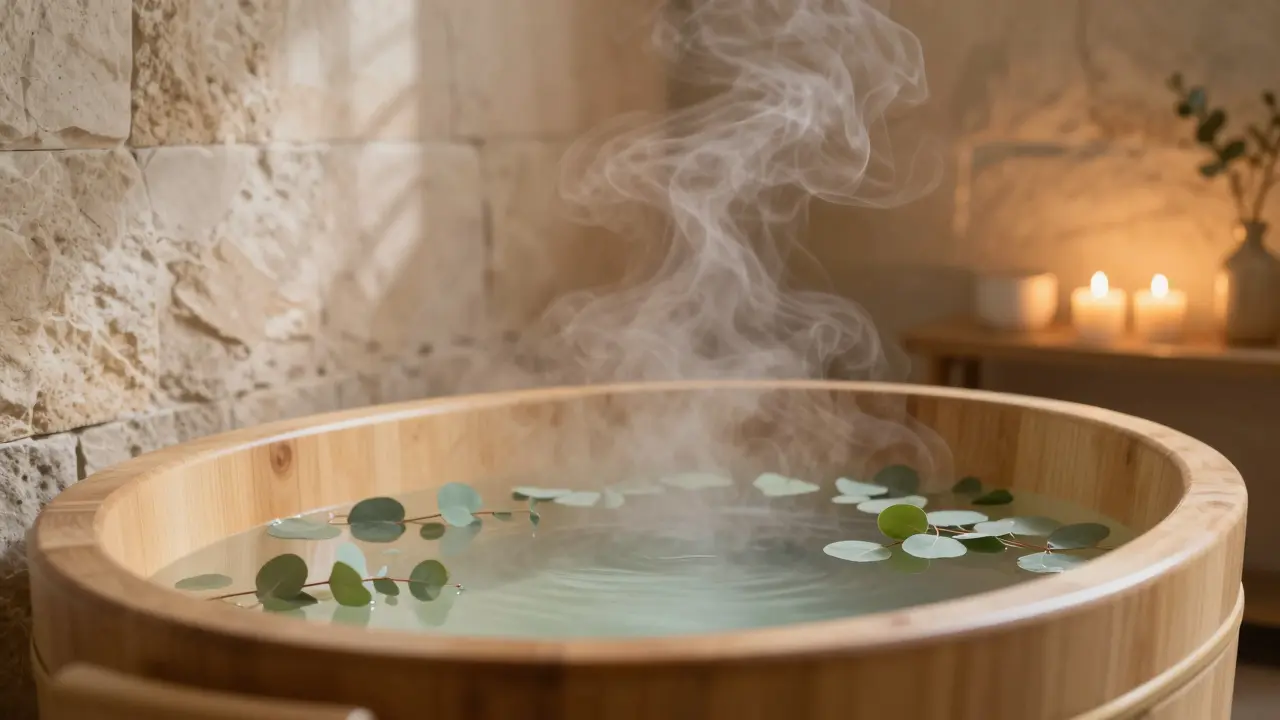
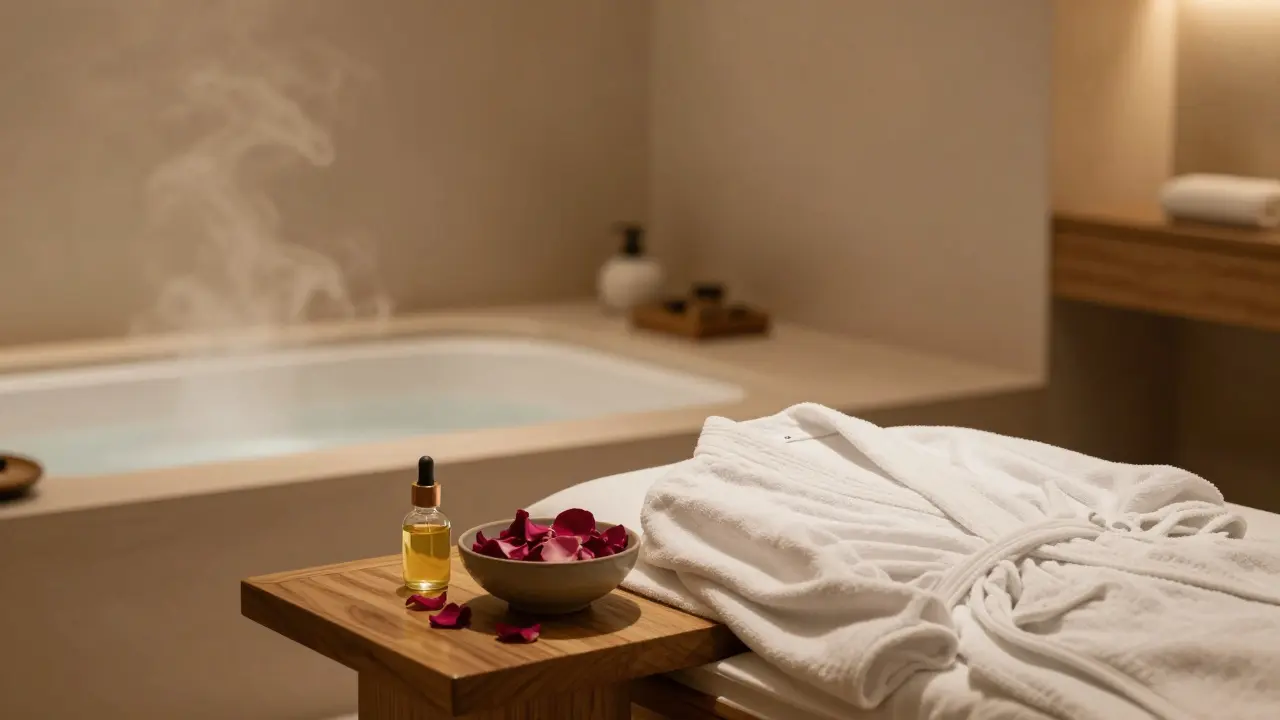
A good spa room feels like a cocoon. Soft lighting-often dim, warm, or candlelit. No harsh reflections. The floor is usually warm underfoot, sometimes heated. The air smells faintly of lavender, eucalyptus, or sandalwood-not overpowering, just present. There’s no clock on the wall. The temperature is kept at about 75-80°F (24-27°C), just enough to make you feel wrapped in a blanket. You’ll hear water dripping, maybe distant chimes. Everything is designed to tell your brain: “You’re not in the real world right now.”
Key Processes or Steps
Most spa room experiences follow a simple flow: arrival, preparation, treatment, and unwinding. You’ll be asked to change into a robe and slippers. Then, you’ll be guided to a private room where you’ll undress to your comfort level (you’re always covered with towels). The therapist will leave the room while you get settled. The treatment begins-whether it’s a massage, scrub, or steam. Afterward, you’ll rest in a quiet lounge area, often with herbal tea, for at least 15 minutes. This cooldown period is essential. It lets your body integrate the experience.
Customization Options
Spa rooms aren’t one-size-fits-all. You can choose pressure levels, scents, music (or none), temperature, and even whether you want to talk or be silent. If you’re sensitive to touch, you can ask for lighter pressure. If you have chronic pain, you can request focused work on specific areas. Many spas offer add-ons like aromatherapy, hot stones, or scalp massages. Don’t feel shy-your experience is yours to shape.
Communication and Preparation
Before your session, you’ll fill out a brief form asking about injuries, allergies, or pregnancy. Be honest. If you’re nervous, tell the therapist. They’ve heard it all. Many people worry about being judged for body hair, weight, or skin condition. Spoiler: they don’t care. Their job is to help you relax, not evaluate you. Arrive 15 minutes early to settle in. Don’t eat a heavy meal right before. Drink water afterward-it helps flush toxins.
How to Practice or Apply Spa Room Principles
Setting Up for Success
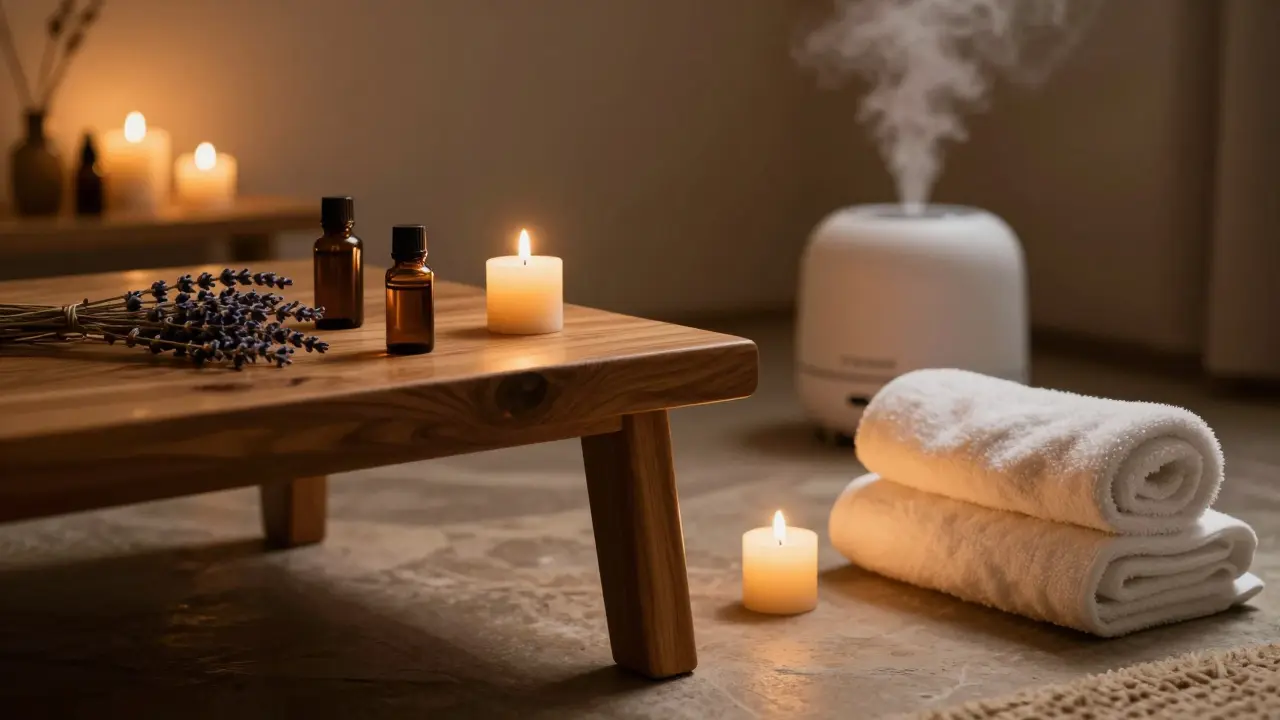
You don’t need a spa to recreate the vibe. At home, dim the lights, light a candle, play ambient sounds (rain, ocean waves), and warm a towel in the dryer. Add a few drops of lavender oil to a diffuser. Lie down on a comfortable surface. Close your eyes. Breathe slowly for 10 minutes. That’s a mini-spa. The goal isn’t perfection-it’s presence.
Choosing the Right Tools or Resources
When booking a spa, look for places that emphasize cleanliness and trained staff. Ask if therapists are certified by recognized bodies like the National Certification Board for Therapeutic Massage & Bodywork. Avoid places that push expensive packages or upsell aggressively. A good spa will let you choose what feels right for you.
Step-by-Step Guide for First-Timers
- Book a 60-minute massage or body wrap-start simple.
- Arrive early. Use the restroom. Drink water.
- Change into the robe. Leave jewelry and phones outside.
- Tell the therapist your preferences: pressure, areas of focus, any discomfort.
- Relax. Let go. Don’t try to “do” anything.
- Afterward, rest quietly for 15 minutes. Sip tea. Breathe.
- Wait at least 2 hours before showering-let the oils absorb.
Tips for Beginners or Couples
If you’re nervous, go alone first. It’s easier to tune into your body without distractions. Couples can enjoy side-by-side massages, but don’t feel pressured to talk. Silence together can be just as powerful. If you’re going with someone, agree beforehand: no phones, no checking watches. This is your shared quiet time.
Safety and Ethical Considerations
Choosing Qualified Practitioners
Look for certifications. In the U.S., licensed massage therapists (LMTs) have completed 500+ hours of training. In Europe, many follow EU standards. Ask to see credentials. A reputable spa will display them. Avoid places where staff don’t introduce themselves or refuse to answer questions.
Safety Practices
Hygiene matters. Towels should be fresh, linens washed after each use, and surfaces cleaned between clients. Here’s what to watch for:
| Practice | Purpose | Example |
|---|---|---|
| Use disposable undergarments | Prevent cross-contamination | For body scrubs or wraps |
| Wash hands before and after | Reduce infection risk | Therapists should do this visibly |
| Ask about product ingredients | Avoid allergic reactions | Coconut oil, nuts, fragrances |
Setting Boundaries
You have full control. If a technique hurts, say so. If you’re uncomfortable with the room temperature, ask to adjust it. If you don’t want to be touched in a certain area, mark it clearly. A good therapist will respect your boundaries without judgment. Your comfort is non-negotiable.
Contraindications or Risks
Spa rooms aren’t for everyone. Avoid them if you have: open wounds, infections, fever, recent surgery, or severe osteoporosis. Pregnant individuals should only receive prenatal massages from certified therapists. If you have heart conditions or high blood pressure, check with your doctor first. Always disclose medical history-this isn’t just paperwork, it’s protection.
Enhancing Your Experience with Spa Rooms
Adding Complementary Practices
Pair your spa visit with mindfulness. Try 5 minutes of deep breathing before or after. Journal about how you felt during and after. Some people meditate in the lounge area. Others take a slow walk afterward. These small rituals extend the calm beyond the spa room.
Collaborative or Solo Engagement
Spa rooms are deeply personal. Solo visits often lead to the most profound insights-you’re not sharing space with anyone else’s energy. But couples or friends can benefit from shared silence. The key is mutual respect. No talking, no phones, no rushing. Let the quiet do the work.
Using Tools or Props
At home, try a heated eye mask, a weighted blanket, or a foam roller. In a spa, ask about aromatherapy rollers, warm compresses, or salt scrubs. These tools deepen the sensory experience. Don’t skip the post-treatment tea-it’s not just a gesture; it’s hydration and ritual.
Regular Engagement for Benefits
One spa visit can feel amazing. Two or three a month can change your baseline stress level. Think of it like exercise for your nervous system. You don’t need to go weekly-just consistently. Even one session every six weeks helps your body remember what calm feels like.
Finding Resources or Experts for Spa Rooms
Researching Qualified Practitioners
Check spa websites for therapist bios and certifications. Look for reviews that mention professionalism, cleanliness, and respect for boundaries. Avoid places with only glowing 5-star reviews-real ones include small critiques. Ask friends for recommendations. Word-of-mouth still works.
Online Guides and Communities
Reputable wellness sites like the American Massage Therapy Association (AMTA) or the International Spa Association offer guides on what to expect. Reddit threads like r/spa or r/selfcare have real stories from people who’ve tried different treatments. These aren’t ads-they’re lived experiences.
Legal or Cultural Considerations
In some cultures, nudity is expected in spa settings. In others, full coverage is the norm. Always ask about local customs before booking. In Dubai, modesty is respected-most spas provide full coverage, and same-gender therapists are standard. Be mindful, be respectful.
Resources for Continued Learning
Books like The Healing Power of Touch by Dr. Tiffany Field or documentaries like Spa Culture offer deeper insight. Podcasts like The Calm Collective discuss mindfulness and body care. You don’t need to become an expert-just stay curious.
FAQ: Common Questions About Spa Rooms
What to expect from a spa room experience?
You’ll arrive, change into a robe, and be guided to a quiet room. You’ll undress to your comfort level and lie under warm towels. A therapist will enter, begin the treatment with gentle touch, and leave you alone to relax. Afterward, you’ll rest quietly, often with tea. The whole experience is designed to be slow, silent, and soothing. There’s no pressure to talk, laugh, or perform. Just breathe.
What happens during a typical spa session?
A typical session starts with a brief consultation. Then, you’re left alone to get comfortable. The therapist enters, applies oil or cream, and uses slow, rhythmic strokes-usually starting with your back, then legs, arms, and neck. Heat tools like warm stones or steam may be added. The room stays dim and quiet. The therapist checks in silently, adjusting pressure as needed. After 50-70 minutes, they leave quietly. You rest for 10-15 minutes before getting dressed.
How does a spa room differ from a massage clinic?
A massage clinic focuses on fixing pain or tightness-think sports injuries or chronic back issues. A spa room focuses on calming the nervous system. The environment is more sensory: softer lighting, ambient sound, aromatherapy. Treatments often include wraps, scrubs, or steam. The goal isn’t just muscle relief-it’s emotional reset. You’re not just getting a massage-you’re entering a ritual of stillness.
What is the method of a spa treatment?
The method is sensory regulation. Heat opens blood vessels. Slow, rhythmic touch calms the nervous system. Silence reduces mental chatter. Scent triggers emotional memory. Water (in baths or steam) hydrates and soothes. Together, these elements shift your body from stress mode to rest mode. It’s not complicated-it’s biology. The therapist’s skill lies in timing, pressure, and creating safety, not in flashy techniques.
Is a spa room suitable for beginners?
Absolutely. Most first-timers feel nervous, but spa professionals are trained to make you feel safe. Start with a basic 60-minute massage. Tell the therapist you’re new. They’ll explain everything and adjust pressure to your comfort. You don’t need to know what to expect-you just need to show up. The rest will unfold naturally. Many people say their first spa visit was the most relaxing thing they’ve ever done.
Conclusion: Why Spa Rooms Are Worth Exploring
A Path to Calm in a Noisy World
A spa room isn’t a luxury-it’s a necessity for anyone who feels constantly on edge. It’s a place where your body gets to remember what peace feels like. You don’t need to be rich, fit, or perfect to benefit. You just need to be willing to sit still.
Try It Mindfully
Don’t treat it like another appointment. Go with curiosity, not expectation. Let yourself be held, even if just for an hour. If you’re unsure, start with a simple massage. Listen to your body. If it feels right, return. If not, try a different spa. It’s your journey.
Share Your Journey
Tried a spa room? Share your experience in the comments-what surprised you? What did you feel? Your story might help someone take their first step.
Follow this blog for more tips on slowing down, recharging, and living with more presence.
Explore a spa room this month-and let us know how it goes.
Some links may be affiliate links, but all recommendations are based on research and quality.
Word count: 1,687
Suggested Images
- A dimly lit spa room with soft towels, a wooden table with essential oils, and a single lit candle.
- A person lying on a massage table, covered with warm towels, eyes closed, in serene silence.
- A close-up of warm stones placed along a back, with aromatic oil glistening on skin.
- A quiet lounge area with herbal tea, a window showing soft daylight, and a person resting with eyes closed.
- A pair of slippers and a robe laid neatly beside a spa door, symbolizing transition into calm.
Suggested Tables
- Comparison of Spa Rooms vs. Similar Services
- Key Benefits of Spa Room Experiences
- Spa Room Safety Tips