
Is Spa Day Worth It? Your Comprehensive Guide
Is spa day worth it? If you’ve ever sat there after a long week, scrolling through spa packages online, wondering if $200 for a massage and a facial is just fancy self-indulgence - you’re not alone. The truth? For many people, especially in fast-paced cities like Dubai, a spa day isn’t a luxury. It’s a reset button. It’s not about getting your skin glowing (though that’s a nice side effect). It’s about giving your nervous system a chance to stop screaming for help.
Understanding the Basics of Spa Day
Origins and History
Spa culture didn’t start with rose petals and lavender oil. It began thousands of years ago with hot springs. Ancient Romans built massive bathhouses as social hubs. The Turks perfected steam rooms. Japanese onsen traditions emphasized soaking as a spiritual ritual. In Dubai, where desert heat can feel relentless, the need for cool, quiet, cleansing spaces has always been part of life. Modern spas blend these global traditions with local customs - think oud-infused oils, Arabic hammam rituals, and desert-salt scrubs. It’s not new. It’s ancient wisdom, repackaged for people who work 12-hour days and still need to breathe.
Core Principles or Components
A good spa day isn’t just a list of treatments. It’s built on three pillars: touch, stillness, and sensory calm. Massage therapy stimulates blood flow and releases tension. Hydrotherapy - whether it’s a hot tub, steam room, or cold plunge - helps regulate your body’s stress response. Aromatherapy and ambient sound aren’t just for vibes; they directly influence your brain’s limbic system, which controls emotions and memory. Even the lighting matters. Soft, warm light tells your body it’s safe to relax. No alarms. No notifications. No rush. That’s the real foundation.
How It Differs from Related Practices
People often confuse spa days with gym sessions or meditation apps. They’re not the same. Here’s how:
| Practice | Key Feature | Primary Benefit |
|---|---|---|
| Spa Day | Multi-sensory, professional treatment | Full-body nervous system reset |
| Yoga | Active movement and breath control | Mind-body connection, flexibility |
| Meditation App | Guided audio, self-paced | Mental clarity, reduced anxiety |
| Massage Only | Focused on muscles | Relieves physical tension |
Spa days combine all these elements - touch, sound, scent, warmth - into one immersive experience. You don’t have to do anything. No effort. No focus. Just receive.
Who Can Benefit from Spa Day?
Anyone who feels drained. That includes new parents, shift workers, entrepreneurs, teachers, and yes - even people who think they’re "too busy." If you’ve ever said, "I just need a break," a spa day is that break. It’s especially helpful for those with chronic stress, poor sleep, or muscle tension from sitting at a desk all day. In Dubai, where the pace is relentless and the sun is fierce, even a 90-minute escape can help reset your internal clock. You don’t need to be rich. You just need to be tired enough to want peace.
Benefits of Spa Day for Body, Mind, and Mood
Stress Reduction
When you’re stressed, your body pumps out cortisol - the fight-or-flight hormone. High cortisol over time leads to weight gain, poor sleep, and brain fog. A spa day lowers cortisol by 30-50% in just one session, according to studies on relaxation therapies (Web source (https://www.nih.gov)). Massage triggers the release of serotonin and dopamine - your brain’s natural feel-good chemicals. The warmth of a hot stone or the float of a salt bath signals your body: "You’re safe now." It’s not magic. It’s biology.
Enhanced Functionality
Think about how much your body holds onto - stiff shoulders from typing, tight hips from driving, aching feet from walking in heels. A deep tissue massage or a hot stone treatment can improve mobility within hours. Better circulation means more oxygen to your muscles and brain. That’s why so many people report feeling more focused and energized after a spa day - not because they slept more, but because their body finally stopped working overtime.
Emotional Well-Being
It’s not just about physical relaxation. Many people cry during their first facial or massage. Not because it hurts - because they finally allowed themselves to feel. In cultures where "being strong" means never showing weakness, a spa day becomes a rare permission slip to be soft. The quiet space, the gentle touch, the absence of judgment - it creates emotional safety. For many, it’s the first time in weeks they’ve felt truly seen.
Practical Applications
Spa days aren’t just for weekends. They’re a tool for managing burnout. A single session can improve sleep quality for days. It can reduce the frequency of tension headaches. It can make you more patient with your kids, less reactive at work. One woman in Dubai told me she started scheduling a monthly spa day after her divorce. "It was the first thing I did just for me," she said. "And it reminded me I still existed outside of being someone’s wife or mother." That’s the real power.
| Benefit | Description | Impact |
|---|---|---|
| Lower Stress Hormones | Cortisol drops significantly after massage and heat therapy | Improved mood, better sleep |
| Improved Circulation | Heat and pressure boost blood flow | Reduced muscle soreness, clearer skin |
| Emotional Release | Safe space allows suppressed feelings to surface | Greater self-awareness, reduced anxiety |
| Reset Routine | Breaks the cycle of constant doing | Increased focus and creativity |
What to Expect When Engaging with Spa Day
Setting or Context
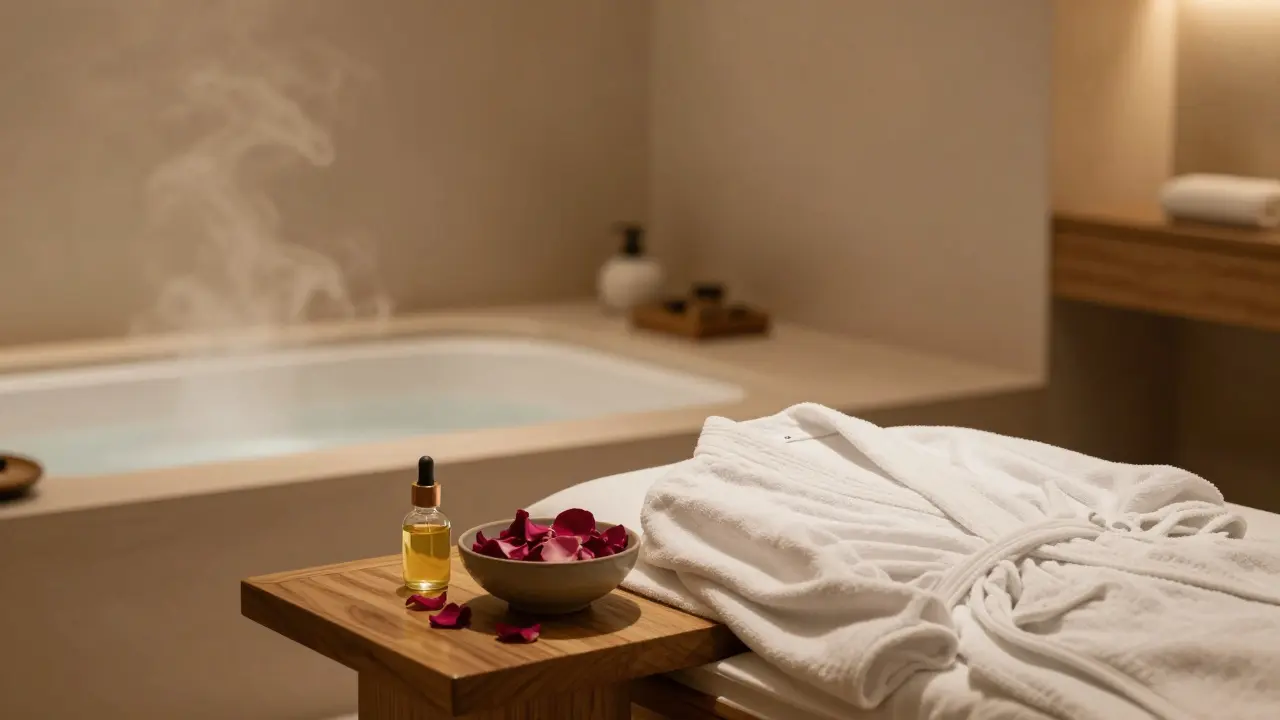
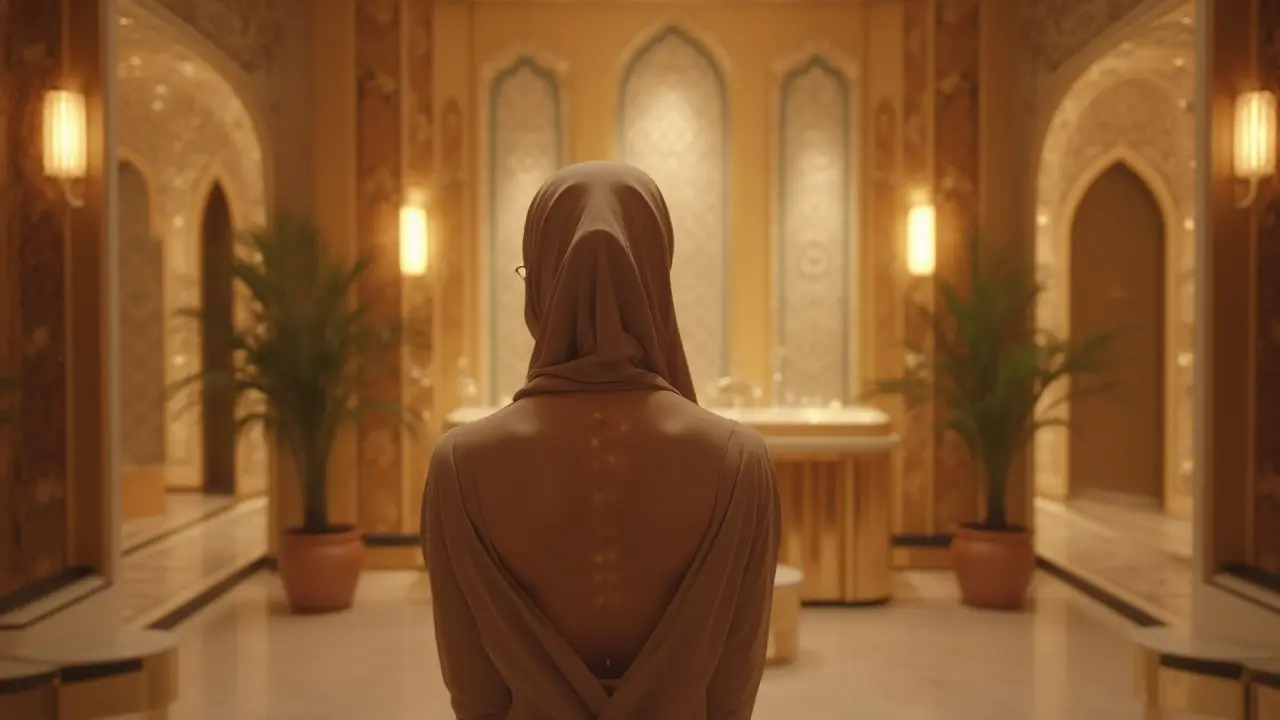
At a quality spa in Dubai, you’ll walk into silence. No loud music. No bright lights. The air smells like sandalwood or orange blossom. You’ll be given a robe, slippers, and a towel. Your phone? Left in a locker. The staff won’t rush you. They’ll ask if you’d like tea or water. You’ll sit in a quiet lounge before your treatment, listening to soft water sounds. This isn’t just decoration. It’s part of the therapy. Your nervous system needs to transition from "work mode" to "rest mode." That takes time - and space.
Key Processes or Steps
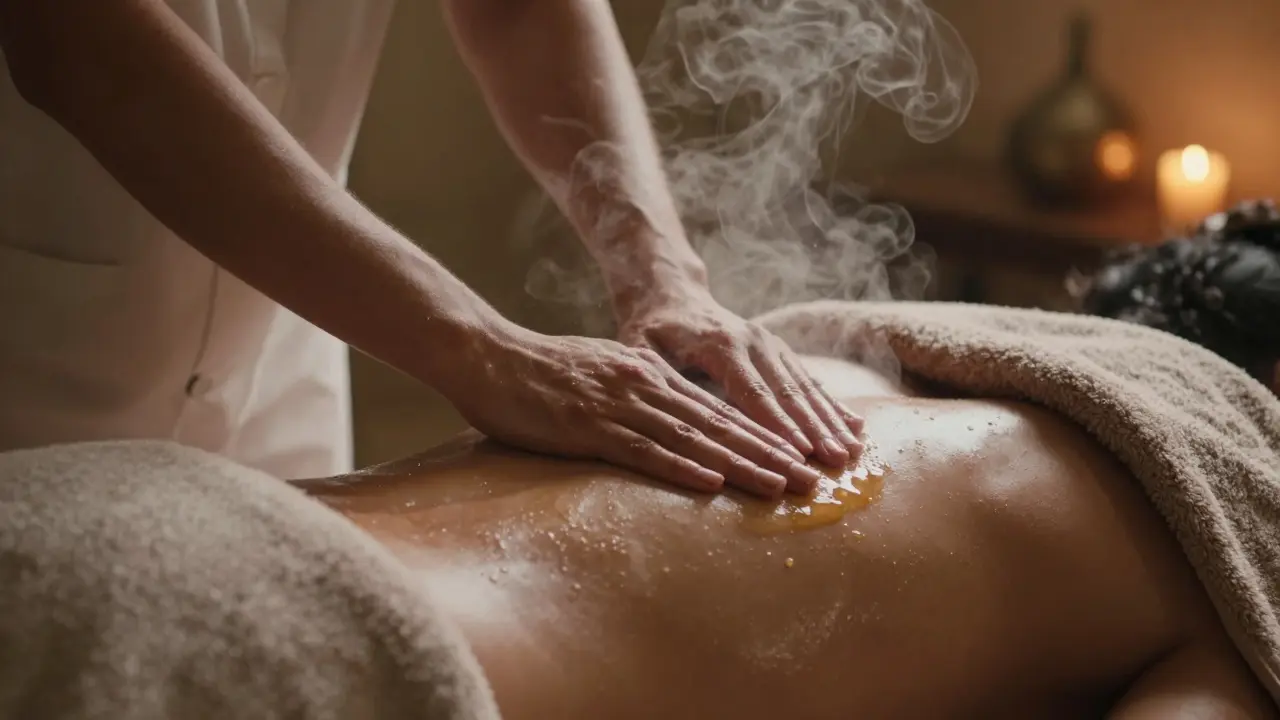
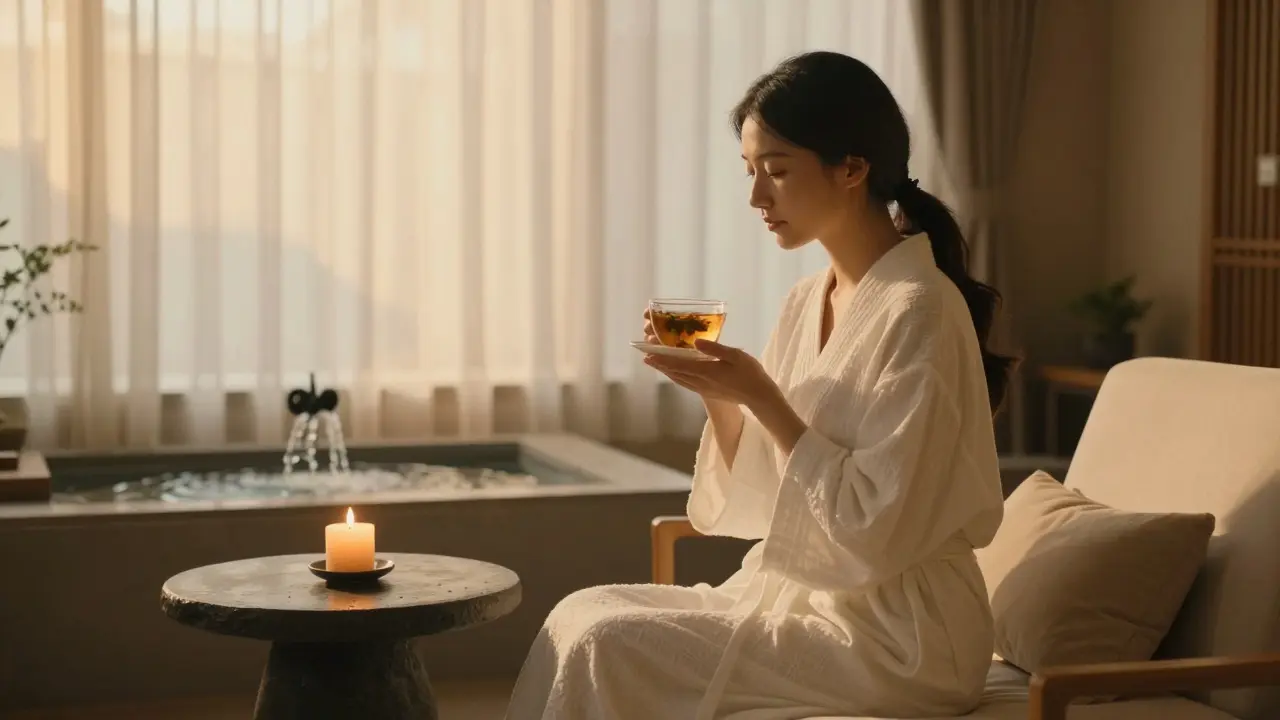
Most spa days follow a rhythm: cleanse, relax, treat, renew. You’ll start with a shower to remove sweat and dirt. Then you might soak in a warm bath or sit in a steam room. After that, your therapist will guide you through your chosen treatment - massage, facial, body scrub, or wrap. The whole process usually lasts 60 to 120 minutes. The last step? Quiet time. You’ll be offered herbal tea and asked to rest for 15 minutes before leaving. This isn’t optional. It’s when your body absorbs the benefits.
Customization Options
Spa treatments aren’t one-size-fits-all. If you have sensitive skin, they’ll skip harsh scrubs. If you’re pregnant, they’ll adjust pressure and positioning. If you hate being touched on your neck, you can say so. A good spa will ask you about your pain points, allergies, and goals before you even lie down. Some places even let you choose the oil scent, music, or room temperature. You’re not a customer. You’re a guest.
Communication and Preparation
Don’t be shy. Tell your therapist if the pressure is too light or too hard. Say if you’re cold. Ask if you can skip a step. Most people worry about being "rude," but spa professionals are trained to listen. They want you to feel safe. Also, avoid heavy meals or caffeine right before your session. Drink water. Arrive 15 minutes early. The goal is to arrive relaxed - not stressed about being late.
How to Practice or Apply Spa Day
Setting Up for Success
If you’re doing a home spa day, create a ritual. Dim the lights. Light a candle. Play nature sounds. Use a warm towel. Even a 20-minute foot soak with Epsom salt and lavender oil can help. The key is consistency. You don’t need a luxury resort. You need intention.
Choosing the Right Tools/Resources
In Dubai, look for spas with licensed therapists and clean facilities. Check reviews for mentions of hygiene, professionalism, and customization. Avoid places that pressure you into add-ons. A reputable spa will offer clear pricing and let you choose what you want. If you’re unsure, ask if they follow international spa standards - many in Dubai do, especially those in five-star hotels.
Step-by-Step Guide
1. Pick a time when you won’t be interrupted.
2. Book your treatment in advance.
3. Arrive early - no rushing.
4. Turn off your phone.
5. Communicate your needs clearly.
6. Let go. Don’t think about your to-do list.
7. Rest after your treatment.
8. Drink water.
9. Notice how you feel the next day.
10. Schedule your next one.
Tips for Beginners or Couples
First-timers often feel awkward. That’s normal. Just breathe. If you’re going with a partner, you can do side-by-side massages - but don’t feel pressured to talk. Sometimes silence together is the best part. And if you’re solo? That’s the point. This is your time.
Safety and Ethical Considerations
Choosing Qualified Practitioners/Resources
Always ask about training. A good therapist has certification in massage therapy or esthetics. In Dubai, many spas display licenses. Look for affiliations with international bodies like the International Spa Association. If they can’t tell you their qualifications, walk away.
Safety Practices
| Practice | Purpose | Example |
|---|---|---|
| Hygiene | Prevent infection | Disposable towels, clean linens |
| Consent | Respect boundaries | Therapist asks before touching |
| Temperature Control | Avoid burns or shock | Hot tubs under 40°C |
Setting Boundaries
You own your body. If a therapist touches you in a way that feels wrong, say so. You can ask them to stop. You can leave. No apology needed. A professional will respect that.
Contraindications or Risks
Don’t go to a spa if you have an open wound, fever, or recent surgery. Avoid intense scrubs if you have eczema or rosacea. If you’re pregnant, skip hot tubs and deep pressure. Always tell your therapist about medical conditions - even if you think it’s irrelevant. They’ve seen it all.
Enhancing Your Experience with Spa Day
Adding Complementary Practices
After your spa day, try journaling for five minutes. Write down how you feel - physically and emotionally. Or take a quiet walk. Avoid screens for an hour. These small acts help the calm stick.
Collaborative or Solo Engagement
Spa days can be shared or solitary - both work. Solo is for self-reconnection. Shared is for bonding without pressure. Just make sure you’re both there for the same reason. If one person is just there to "get it done," it won’t feel the same.
Using Tools or Props
At home, try a foam roller, heated eye mask, or Himalayan salt lamp. These cost less than $30 and extend the calm long after you leave the spa.
Regular Engagement for Benefits
One spa day won’t fix chronic stress. But one a month? That changes your baseline. Think of it like brushing your teeth. You don’t do it because it’s fun. You do it because it keeps you healthy.
Finding Resources or Experts for Spa Day
Researching Qualified Experts/Resources
Check Google reviews for keywords like "professional," "clean," "listens to needs." Avoid places with only 5-star reviews - they’re often fake. Look for real stories: "They adjusted my pressure," "The therapist asked about my back pain."
Online Guides and Communities
Follow Dubai-based wellness influencers who focus on real experiences, not staged photos. Join Facebook groups like "Dubai Wellness Seekers" - people share honest reviews and hidden gems.
Legal or Cultural Considerations
In Dubai, spas in hotels are fully licensed and gender-segregated if requested. Public spas are mixed, but modesty is respected. Always ask about dress codes. Some places require swimsuits in shared areas. Others provide robes only. Know the rules before you go.
Resources for Continued Learning
Books like "The Art of Stillness" by Pico Iyer or "The Body Keeps the Score" by Bessel van der Kolk offer deeper insight into why rest matters. Podcasts like "The Calm Collective" also feature local spa owners sharing their stories.
FAQ: Common Questions About Spa Day
What to expect from a spa day?
You’ll be welcomed quietly, given a robe, and asked about your preferences. You’ll shower, relax in a steam or soak, then receive your treatment - massage, facial, or scrub. Afterward, you’ll rest quietly with tea. No talking is required. The whole experience is designed to help you disconnect from daily stress. Most people leave feeling lighter, calmer, and surprisingly more alert.
What happens during a spa treatment?
It depends on the treatment. A massage involves pressure on muscles to release tension. A facial includes cleansing, exfoliation, steam, mask, and moisturizing. A body scrub uses salt or sugar to remove dead skin, followed by a hydrating wrap. All treatments are done in a warm, private room. Your therapist will leave the room while you undress and cover yourself with a towel. They’ll knock before returning. You’re never exposed.
How does a spa day differ from a massage?
A massage focuses only on muscles. A spa day includes massage plus other sensory elements - heat, water, scent, silence. It’s a full-system reset. You’re not just relaxing your back; you’re calming your nervous system, slowing your breath, and resetting your mind. The environment matters as much as the touch.
What is the method of a spa day?
The method is simple: create a sensory environment that tells your body it’s safe to rest. This means warmth, gentle touch, quiet, and no demands. The techniques - massage, steam, scrubs - are tools to help you get there. The real work is done by your nervous system, which finally gets to switch off. There’s no complex routine. Just presence.
Is a spa day suitable for beginners?
Absolutely. Most spas are designed for first-timers. Staff will guide you through every step. You don’t need to know what a "hot stone" is or how to breathe. Just show up. Tell them you’re new. They’ll adjust everything. The hardest part? Giving yourself permission to be still. Once you do, you’ll wonder why you waited so long.
Conclusion: Why Spa Day is Worth Exploring
A Path to Calm
A spa day isn’t about looking good. It’s about feeling human again. In a world that never stops asking for more - more productivity, more speed, more output - a spa day says: "You are enough, exactly as you are, right now." It’s not a cure-all. But it’s one of the few things that gently reminds your body and mind that rest isn’t lazy. It’s necessary.
Try It Mindfully
Start small. Book a 60-minute massage. Skip the extra add-ons. Just feel. Let yourself be taken care of. You don’t need to justify it. You don’t need to earn it. You just need to show up.
Share Your Journey
Tried a spa day in Dubai? Share your experience in the comments - what surprised you? What did you feel? Follow this blog for more honest takes on wellness in the city. And if you’re thinking about booking one - do it. Your future self will thank you.
Some links may be affiliate links, but all recommendations are based on research and quality.
Word count: 1,723
Suggested Images
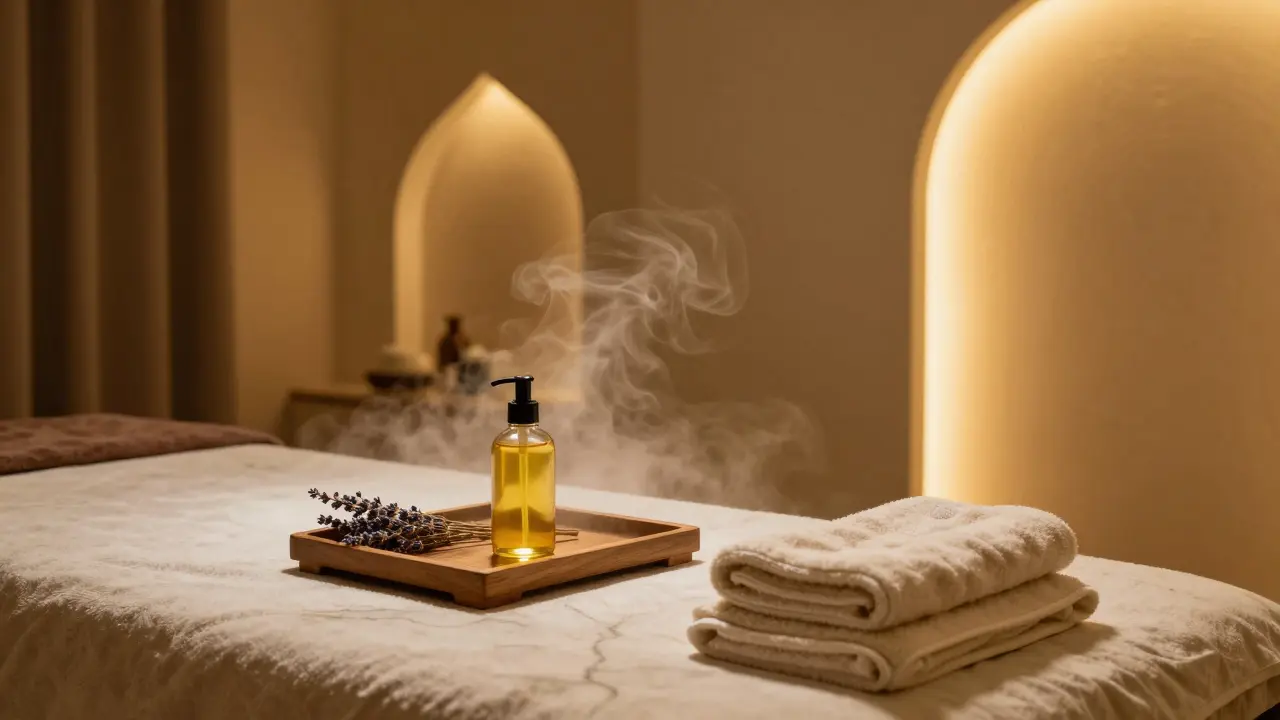
- A serene spa treatment room in Dubai with soft lighting, a wooden table, and a robe draped neatly
- Hands applying warm oil during a massage, with steam rising in the background
- A woman in a robe sipping herbal tea in a quiet lounge after a spa session
- Close-up of a traditional Arabic hammam bath with rose petals floating in warm water
- Two friends smiling, wrapped in matching robes, walking out of a spa together
Suggested Tables
- Comparison of Spa Day vs. Other Relaxation Methods
- Key Benefits of a Spa Day
- Spa Safety Tips

Gerald Matlakala
December 7, 2025 AT 01:03Vaishnavi Agarwal
December 7, 2025 AT 06:57Kirsten Stubbs
December 7, 2025 AT 21:10Sara Roberts
December 9, 2025 AT 02:34Terrance Bianco
December 10, 2025 AT 00:09William Kramer
December 11, 2025 AT 14:00Zakaria SANKARA
December 13, 2025 AT 12:22Kevin Puls
December 15, 2025 AT 09:43Oskar Banaszek
December 17, 2025 AT 03:09