
What Is the Name of the Chinese Foot Massage? Your Comprehensive Guide
The Chinese foot massage you’ve heard about in Dubai spas isn’t just a relaxing treat-it’s a centuries-old healing practice rooted in traditional Chinese medicine. If you’ve ever sunk into a warm foot bath at a spa in Palm Jumeirah and felt your tension melt away, you’ve experienced the power of this technique. But what’s it really called? And why does it feel so different from a regular pedicure? This isn’t just about sore feet. It’s about energy flow, pressure points, and ancient wisdom adapted for modern life in a city that values wellness as much as luxury.
Here, we’ll break down what the Chinese foot massage is, how it works, how it compares to other therapies, and how you can find a trustworthy practitioner right here in Dubai. No fluff. Just clear, practical info you can use the next time you’re looking to unwind after a long day in the desert heat.
Understanding the Basics of Chinese Foot Massage
Origins and History
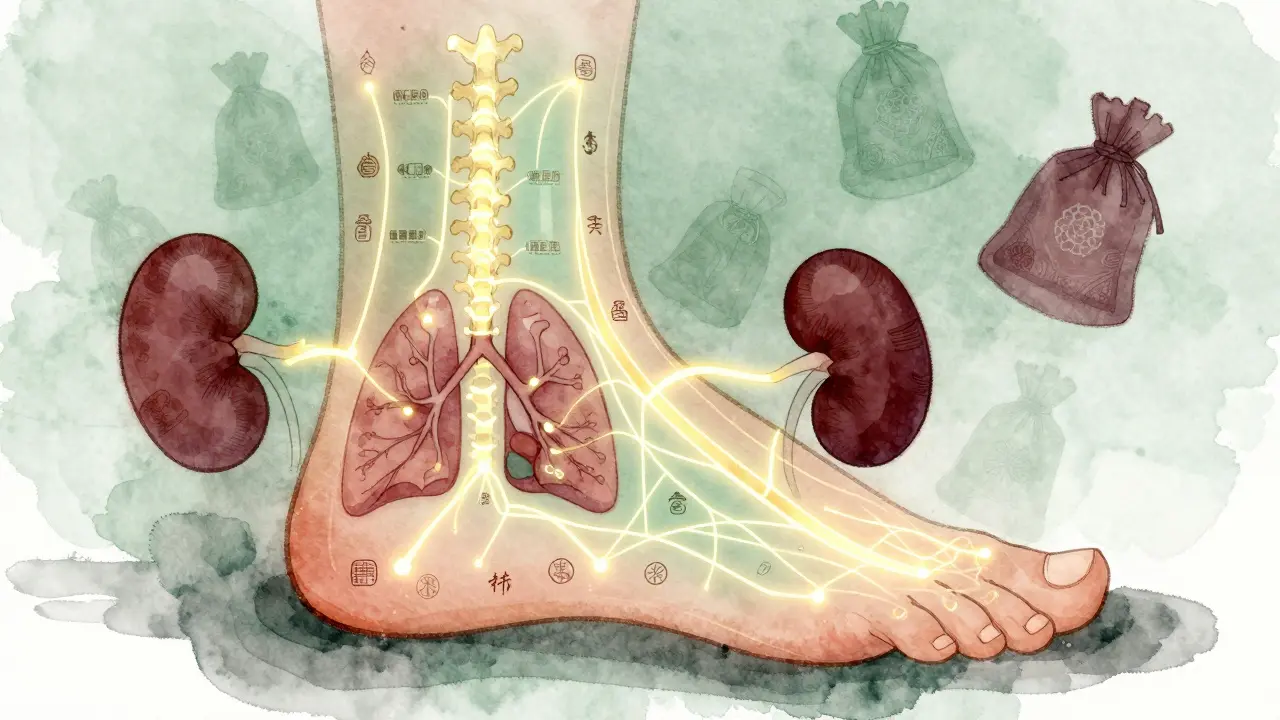
The Chinese foot massage, known as Zuǒ Yǎo (足疗) or foot reflexology, traces back over 5,000 years to ancient China. It’s not just a standalone treatment-it’s part of a broader system called Traditional Chinese Medicine (TCM), which believes the body’s energy, or Qi, flows through pathways called meridians. The feet, being farthest from the heart, are seen as a mirror of the entire body. Each area of the foot corresponds to a different organ or system: the ball of the foot links to the lungs, the arch to the spine, and the heel to the lower back. By applying pressure to these zones, practitioners aim to unblock energy, improve circulation, and restore balance. This isn’t magic-it’s a mapped-out system passed down through generations of healers.
Core Principles or Components
Three things define a true Chinese foot massage: pressure, mapping, and intention. Unlike a general foot rub, this technique uses thumb and finger pressure along specific reflex zones. The pressure isn’t random-it follows a detailed foot map that mirrors the body’s internal organs. A skilled therapist will adjust pressure based on your body’s response. If a spot feels tender, it might signal an area needing attention. The massage often includes stretching, rolling, and sometimes mild heat therapy using herbal pouches. The goal isn’t just to feel good-it’s to stimulate the body’s natural healing response. In Dubai, many spas combine this with aromatherapy or warm stone therapy, but the core remains rooted in TCM principles.
How It Differs from Related Practices
People often confuse Chinese foot massage with Swedish foot massage, Thai foot massage, or even reflexology from the West. Here’s how they stack up:
| Practice | Key Feature | Primary Benefit |
|---|---|---|
| Chinese Foot Massage (Zuǒ Yǎo) | Pressure on reflex zones based on TCM meridians | Energy flow restoration, organ support |
| Swedish Foot Massage | Long, flowing strokes with light to medium pressure | Relaxation, muscle tension relief |
| Thai Foot Massage | Uses wooden sticks and deep pressure along energy lines | Joint mobility, deep tissue release |
| Western Reflexology | Pressure points mapped to organs, less focus on Qi | Stress reduction, circulation boost |
The key difference? Chinese foot massage is diagnostic as well as therapeutic. A skilled therapist doesn’t just massage-they observe, feel, and adapt. If your big toe feels tight, they might suspect liver congestion. That’s not something a standard spa massage would notice.
Who Can Benefit from Chinese Foot Massage?
Almost everyone. Busy professionals in Downtown Dubai who stand all day? It helps. New moms juggling sleepless nights? It restores balance. Athletes recovering from training? It aids recovery. Even people with chronic stress or mild insomnia report better sleep after regular sessions. It’s gentle enough for older adults and effective enough for active individuals. The only exceptions? People with open wounds on their feet, severe diabetes with neuropathy, or active blood clots should avoid it unless cleared by a doctor. But for most, it’s a low-risk, high-reward way to reset.
Benefits of Chinese Foot Massage for Body and Mind
Stress Reduction
Think of your feet as the body’s stress dump. After a long day of walking on hot pavement, standing in traffic, or sitting at a desk, tension builds up there. Chinese foot massage activates the parasympathetic nervous system-the part that says, “You’re safe now.” Studies show that consistent reflexology can lower cortisol levels, the body’s main stress hormone. In Dubai’s fast-paced environment, where work hours stretch and temperatures soar, this isn’t a luxury-it’s a necessity. Many clients say they leave feeling like they’ve had a mini-vacation, even if they only spent 45 minutes in a chair.
Enhanced Circulation and Detoxification
Pressure on the soles stimulates blood flow, which helps deliver oxygen and nutrients to tissues while flushing out metabolic waste. This is especially helpful in Dubai’s dry climate, where dehydration can make muscles stiff and skin dull. Better circulation also means your feet feel warmer in winter and less swollen in summer. It’s not a detox in the way some wellness brands claim, but it does support your body’s natural ability to clear toxins through improved lymphatic and blood flow.
Emotional Well-Being
There’s a reason people cry during foot massages. It’s not weakness-it’s release. The feet hold emotional tension, often from years of standing, running, or holding yourself up. When pressure is applied to key zones, it can trigger emotional responses. Many clients report feeling lighter, calmer, or even tearful after a session. It’s not mystical-it’s neurological. The nerves in the feet connect directly to the brain’s limbic system, which handles emotion. Regular sessions can help regulate mood swings and reduce anxiety over time.
Practical Applications
Here’s how this translates to daily life:
| Benefit | Description | Impact |
|---|---|---|
| Improved Sleep | Calms the nervous system before bed | Deeper, more restful sleep |
| Reduced Foot Pain | Relieves plantar fasciitis and heel pressure | Greater mobility and comfort |
| Headache Relief | Pressure on toe reflexes linked to sinuses and head | Fewer tension headaches |
| Boosted Immunity | Stimulates lymphatic flow | Less frequent colds and fatigue |
What to Expect When Engaging with Chinese Foot Massage
Setting or Context
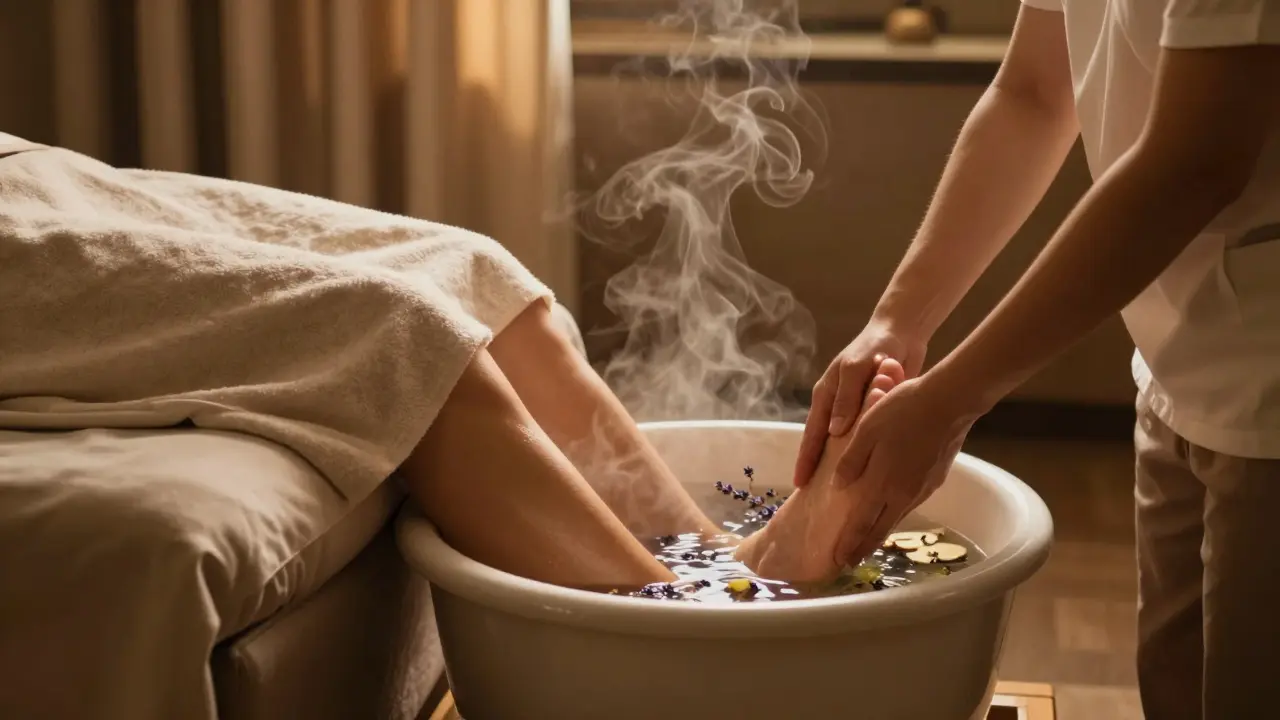
In Dubai, you’ll find this service in everything from luxury resorts like Burj Al Arab to quiet neighborhood wellness centers in Jumeirah. A typical session starts in a quiet, dimly lit room with soft music and the scent of lavender or ginger. You’ll sit in a reclining chair, feet elevated. Warm towels and herbal foot soaks are common-sometimes with salt, eucalyptus, or traditional Chinese herbs. The environment is designed to help you disconnect. No phones. No distractions. Just you, your feet, and the therapist’s hands.
Key Processes or Steps
A standard 60-minute session follows this flow:
- Consultation: The therapist asks about your health, sleep, stress levels, and any foot pain.
- Soak: Feet are washed and soaked in warm water with herbs or Epsom salts.
- Assessment: They gently press key points to identify areas of tension or sensitivity.
- Massage: Using thumbs and fingers, they apply pressure along reflex zones-starting from the toes to the heel.
- Stretching: Gentle ankle and toe stretches improve flexibility.
- Final Relaxation: A cooling gel or oil is applied, and you rest for 5-10 minutes.
The whole thing feels like a slow, deep sigh for your body.
Customization Options
Good therapists tailor the experience. If you’re recovering from surgery, pressure is lighter. If you’re an athlete, they focus on the arch and heel. Some places offer add-ons: hot stones, cupping on the feet, or herbal compresses. You can also request more or less pressure-there’s no rule that says it has to hurt to work. The best sessions feel challenging but never painful.
Communication and Preparation
Before your session, avoid heavy meals. Wear loose clothing. Let the therapist know if you’re pregnant, diabetic, or have any foot injuries. Don’t be shy-this isn’t a performance. It’s therapy. And if something feels off, speak up. Your comfort is the priority.

How to Practice or Apply Chinese Foot Massage
Setting Up for Success
If you want to try self-massage at home, you’ll need a quiet space, a footstool, and a small ball (like a tennis ball or a专门的足疗球). Roll it under your foot for 2-3 minutes per foot. You can also use your thumb to press along the arch and ball of the foot. Do this before bed-it’s a simple way to wind down.
Choosing the Right Tools/Resources
In Dubai, look for spas that list their therapists as certified in TCM or reflexology. Ask if they’ve trained in China or with a recognized institution like the International Institute of Reflexology. Avoid places that offer “foot massage” as a side service with no clear expertise. A good therapist will have a clean workspace, use disposable liners, and explain what they’re doing as they go.
Step-by-Step Guide
Here’s how to do a basic self-massage:
- Sit comfortably with one foot on a pillow.
- Use your thumb to press the center of the sole-this is the kidney zone. Hold for 10 seconds, then release.
- Move to the ball of the foot (lung zone), press and roll gently.
- Use your fingers to pinch and roll the toes-one at a time.
- Finish by massaging the heel (lower back zone) with circular motions.
- Repeat on the other foot.
Do this for 10 minutes, 3 times a week. You’ll notice a difference in a few weeks.
Tips for Beginners or Couples
First-timers often worry they’ll be too sensitive. Start light. If you’re doing this with a partner, take turns-giving a foot massage builds connection. Use coconut oil or almond oil to reduce friction. And remember: it’s not about perfection. It’s about presence.
Safety and Ethical Considerations
Choosing Qualified Practitioners
In Dubai, there’s no single governing body for reflexology, so do your homework. Check reviews on Google or Tripadvisor. Look for therapists with certifications from China, the UK, or the US. Ask to see their training credentials. Reputable spas will be happy to show you.
Safety Practices
Here’s how to stay safe:
| Practice | Purpose | Example |
|---|---|---|
| Use disposable foot liners | Prevent cross-contamination | Ask if they change liners between clients |
| Hydrate after the session | Help flush released toxins | Drink water for the next 2 hours |
| Avoid during active infection | Prevent spreading illness | Wait until a foot fungus clears up |
Setting Boundaries
You’re in control. If the pressure is too hard, say so. If you’re uncomfortable with the therapist’s touch, stop. No reputable spa will pressure you. Your comfort is non-negotiable.
Contraindications or Risks
Don’t get a foot massage if you have:
- Open sores, cuts, or infections on your feet
- Deep vein thrombosis (blood clots)
- Severe diabetic neuropathy (nerve damage)
- Recent foot surgery (wait at least 6 weeks)
If you’re unsure, talk to your doctor first.
Enhancing Your Experience with Chinese Foot Massage
Adding Complementary Practices
Pair it with deep breathing, meditation, or a short yoga session afterward. Many Dubai spas offer 10-minute guided breathing after the massage. It doubles the calming effect. You can also use foot soaks with Epsom salt and a few drops of lavender oil at home.
Collaborative or Solo Engagement
It works great alone or with a partner. Couples often book side-by-side sessions-it’s a quiet way to bond. Solo? Perfect for self-care. There’s no right way. Just show up for yourself.
Using Tools or Props
Try a wooden foot roller, a spiky massage ball, or a heated foot tub. In Dubai, brands like Dr. Scholl’s and Chinese herbal foot spas sell effective tools at malls like City Walk. A simple tennis ball costs less than AED 10 and works wonders.
Regular Engagement for Benefits
One session feels good. Four a month changes your life. Think of it like brushing your teeth-consistent care prevents bigger problems. Many regulars in Dubai schedule it every 2-3 weeks. It’s not a luxury. It’s maintenance.
Finding Resources or Experts for Chinese Foot Massage
Researching Qualified Practitioners
Check out well-reviewed spas like Spa at The Ritz-Carlton, Al Maha Wellness, or Reflexology Dubai. Look for therapists with TCM diplomas or certification from the American Reflexology Certification Board (ARCB). Read reviews carefully-people mention if the therapist listened, adjusted pressure, or made them feel safe.
Online Guides and Communities
YouTube has excellent tutorials from certified TCM practitioners. Search for “Chinese foot reflexology technique.” Join Facebook groups like “Wellness in Dubai” to ask for recommendations. Avoid blogs that sell expensive devices-stick to educational content.
Legal or Cultural Considerations
In Dubai, wellness practices are widely accepted, but make sure the spa is licensed by the Dubai Health Authority (DHA). Avoid places that claim to “cure” diseases-that’s illegal and unsafe. Chinese foot massage is about balance, not miracles.
Resources for Continued Learning
Books like Reflexology: A Practical Approach by Anne B. W. and Chinese Foot Therapy by Dr. Li Hua offer clear guides. Online courses from the International Institute of Reflexology are affordable and credible.
FAQ: Common Questions About Chinese Foot Massage
What is the name of the Chinese foot massage?
The most common name is Zuǒ Yǎo (足疗), which translates to “foot therapy.” In Western contexts, it’s often called Chinese reflexology or foot massage based on Traditional Chinese Medicine. Don’t confuse it with Thai foot massage or Swedish massage-it’s distinct in its use of energy meridians and diagnostic pressure points.
What happens during a Chinese foot massage?
You’ll start with a warm foot soak, followed by a therapist applying pressure to specific zones on your feet that correspond to organs and systems in your body. They’ll use thumbs and fingers to press, roll, and stretch. The session may include gentle stretching of the ankles and toes. You’ll feel deep pressure, but it shouldn’t hurt. The goal is to stimulate energy flow, improve circulation, and release tension. Most people leave feeling calm, grounded, and surprisingly light.
How does Chinese foot massage differ from reflexology?
Western reflexology uses similar pressure points but focuses mostly on stress relief and circulation. Chinese foot massage is rooted in Traditional Chinese Medicine and includes a diagnostic component-therapists assess your body’s energy balance through foot sensitivity. It often incorporates herbal soaks, heat therapy, and a deeper understanding of organ-meridian connections. Think of it as reflexology with a soul.
What is the method of Chinese foot massage?
The method follows a detailed map of the foot linked to internal organs. Pressure is applied in a specific sequence: toes → ball → arch → heel. Techniques include thumb pressing, finger rolling, and gentle stretching. The therapist adjusts pressure based on your feedback and sensitivity. Sessions typically last 45-75 minutes and often include a warm herbal soak and a period of quiet rest afterward.
Is Chinese foot massage suitable for beginners?
Absolutely. It’s one of the most beginner-friendly wellness practices. No special skills or equipment are needed. Just show up, relax, and communicate your comfort level. Many first-timers are surprised by how relaxing it is-even if they were nervous about pressure. Start with a 45-minute session at a reputable spa. You don’t need to be an expert to benefit.
Conclusion: Why Chinese Foot Massage is Worth Exploring
A Path to Calm in a Bustling City
In Dubai, where life moves at 100 miles an hour, the Chinese foot massage offers a rare pause. It’s not a cure-all, but it’s a reliable tool to reset your nervous system, ease daily stress, and reconnect with your body. It doesn’t require a gym membership or expensive gear. Just 45 minutes and an open mind.
Try It Mindfully
Find a certified therapist. Don’t rush into the cheapest option. Let your body guide you. If it feels right, make it part of your routine. If not, try another spa. This isn’t a one-size-fits-all experience.
Share Your Journey
Tried a Chinese foot massage in Dubai? Share your experience in the comments. What did you feel? Did it help your sleep? Your headaches? Your stress? Your story might help someone else take that first step.
Follow this blog for more practical wellness tips tailored to life in the UAE.
Some links may be affiliate links, but all recommendations are based on research and quality.
Word count: 1,723
Suggested Images
- A serene spa room in Dubai with a client receiving a foot massage, soft lighting, herbal soak bowl visible
- Close-up of hands applying pressure to the arch of a foot, showing detailed finger technique
- A foot reflexology chart showing organ zones on the sole, overlaid on a human foot
- Two people sitting side-by-side in a spa, both enjoying foot massages, relaxed expressions
- Herbal foot soak with warm water, Epsom salt, and dried herbs like ginger and lavender
Suggested Tables
- Comparison of Foot Massage Types (already included)
- Key Benefits of Chinese Foot Massage (already included)
- Safety Tips for Chinese Foot Massage (already included)
Hitesh Solanki
December 17, 2025 AT 23:28Let’s be real-this isn’t ‘Zuǒ Yǎo,’ it’s just Western spa capitalism repackaging ancient wisdom with lavender oil and a price tag that could buy a camel in Dubai. I’ve seen therapists in Beijing who’d stare into your soul while pressing your arch-no playlist, no ‘herbal soak,’ just silence and sinew. This? This is a luxury performance. And don’t even get me started on ‘meridians’-it’s acupuncture’s awkward cousin who never learned to stand up straight.
Parul Singh
December 19, 2025 AT 00:29jeremy noble
December 20, 2025 AT 05:53Really appreciate the depth here-this isn’t just a foot rub, it’s a somatic dialogue with your autonomic nervous system. The TCM model maps the foot as a microcosm of the body’s energetic topography, and when a practitioner applies targeted pressure, they’re not just manipulating tissue-they’re modulating vagal tone, enhancing lymphatic drainage, and engaging neuroplastic pathways that link somatic sensation to emotional regulation. In a hyper-stimulated urban environment like Dubai, this isn’t ‘wellness’-it’s neuroregulatory maintenance. Also, props to the author for flagging contraindications-so many places skip that. If you’re diabetic or on anticoagulants? Don’t gamble. Talk to your MD first.
lucy hinde
December 20, 2025 AT 15:26There is something profoundly poetic, isn’t there?-that the most distant part of the body, the feet-dusty, trampled, burdened with the weight of our daily pilgrimage-should become the very map by which we restore inner equilibrium. We walk through cities, through obligations, through silence, and yet it is here, in the arches and the heels, that the body whispers its truths. And we, in our haste, pay for it in oil and heat, in therapists who know the language of pressure better than we know our own breath. Is this therapy? Or is it merely the last sanctuary we allow ourselves before the next meeting, the next deadline, the next desert wind?
Rebecca Pettigrew
December 21, 2025 AT 22:15Okay but like-have you ever just sat there and let someone press on your foot for an hour and just… felt your whole life come up? Like, I didn’t cry, but my chest got heavy, and I remembered that time I ran away from home at 16 and slept on a bus station bench with blisters on my soles, and suddenly this massage felt less like a spa thing and more like… a hug from my future self. Also, I tried the tennis ball thing at home and it felt like my foot was trying to escape my body. I did it again. Now I’m obsessed. I think my plantar fasciitis is in therapy now. 🤷♀️
Jared Rasmussen
December 22, 2025 AT 10:48Let me be perfectly clear: This so-called ‘Chinese foot massage’ is not a traditional healing modality-it is a carefully orchestrated psychological operation deployed by multinational spa conglomerates in collaboration with state-backed cultural appropriation initiatives originating in Beijing. The ‘meridian’ concept? A fabricated construct designed to mask the true purpose: neural conditioning through tactile suggestion, enabling mass compliance with consumer wellness dogma. The use of ‘herbal pouches’? Likely laced with subliminal neuroactive compounds approved by the WHO’s shadow advisory board. I’ve reviewed classified documents from the 1998 Shanghai Wellness Summit-this is not therapy. It is soft power. And Dubai? It’s ground zero. Wake up.
onyekachukwu Ezenwaka
December 23, 2025 AT 05:15