
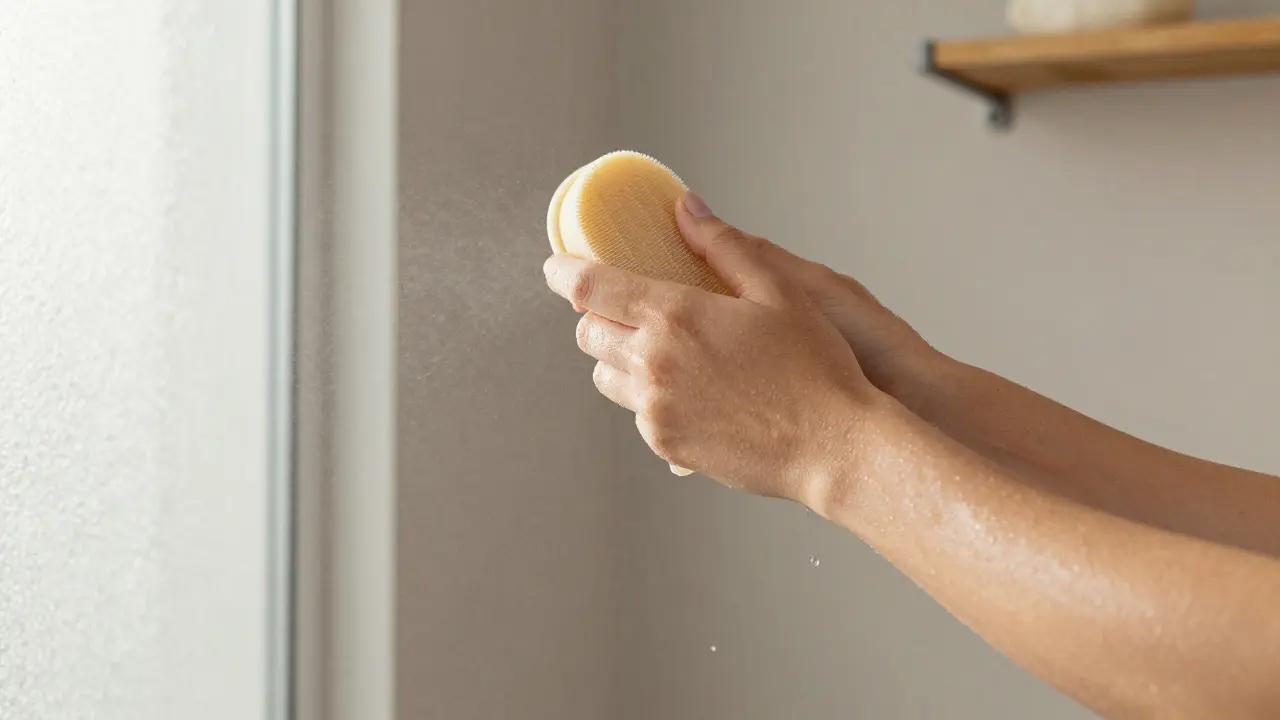
What kind of body scrubber is best? Your no-fluff guide to real results
When it comes to body scrubber choices, the internet is flooded with glowing reviews, influencer picks, and endless options-natural loofahs, silicone brushes, electric scrubbers, bamboo tools, even those weirdly shaped ones that look like sea creatures. But here’s the truth: the best body scrubber isn’t the most expensive or the trendiest. It’s the one that actually works for your skin, your routine, and your sensibilities. Forget the hype. Let’s cut through the noise and find what really matters.
Understanding the Basics of Body Scrubbers
Origins and History
Body exfoliation isn’t new. Ancient Egyptians used sand and salt to polish their skin. Romans scrubbed with pumice stones in public baths. Traditional Japanese onsen rituals included bamboo scrubbers called tawashi. These weren’t luxury items-they were practical hygiene tools. Fast-forward to today, and we’ve got everything from plastic bristle brushes to smart scrubbers with vibration modes. But the core idea hasn’t changed: remove dead skin, boost circulation, and let your skin breathe. The tools evolved, but the goal? Still simple.
Core Principles or Components
A good body scrubber does three things: it gently removes dead skin cells, stimulates blood flow, and helps your moisturizers absorb better. That’s it. No magic. No secret ingredients. The effectiveness comes down to texture, material, and how you use it. Too rough? You’ll irritate or micro-tear your skin. Too soft? You won’t get the exfoliation you’re after. The sweet spot is consistent, gentle pressure with a surface that doesn’t trap bacteria or break down in water.
How It Differs from Related Practices
People often confuse body scrubbers with chemical exfoliants like AHAs or BHAs. They’re not the same. Scrubbers are physical-mechanical. They work by friction. Chemical exfoliants dissolve dead skin with acids. One’s a scrub, the other’s a peel. You can use both, but not always together. Also, don’t mix up body scrubbers with facial brushes. Facial skin is way thinner. A brush that’s perfect for your legs might shred your cheeks.
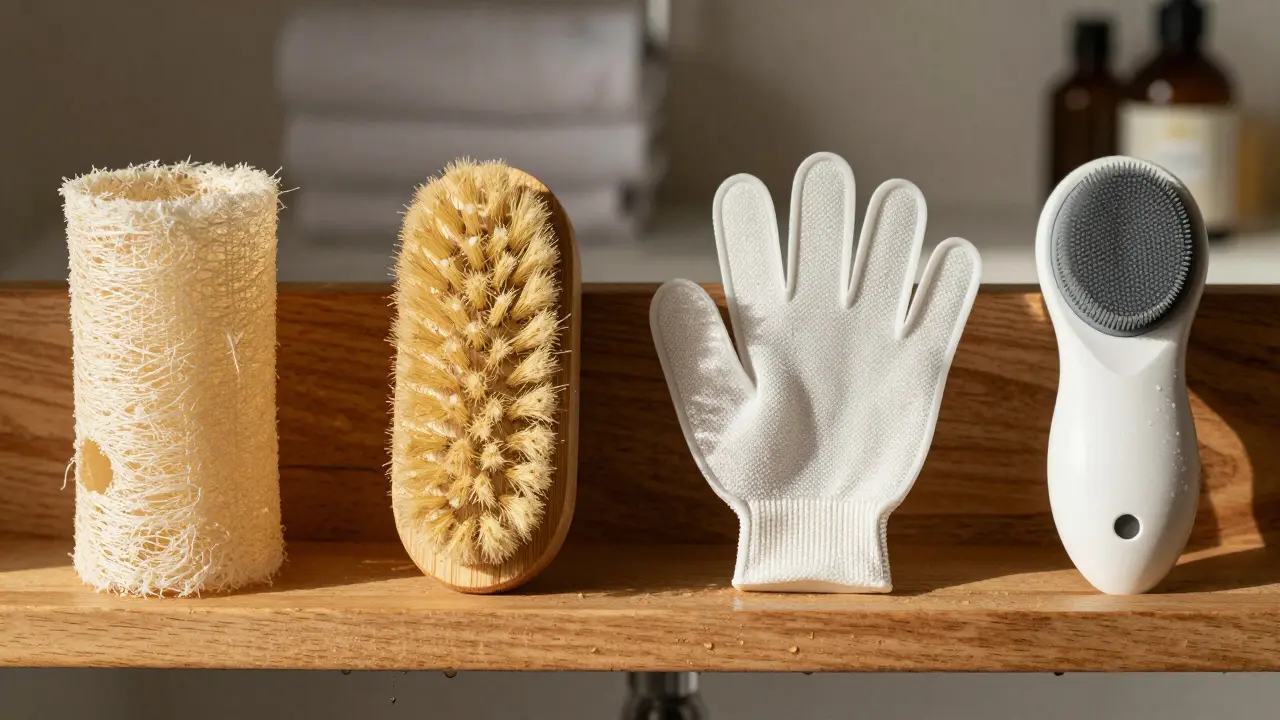
| Method | Key Feature | Primary Benefit |
|---|---|---|
| Loofah (natural) | Organic, porous, biodegradable | Good lather, gentle scrub |
| Silicone scrubber | Non-porous, antimicrobial, easy to clean | Hygienic, durable, great for sensitive skin |
| Exfoliating glove | Worn on hand, adjustable pressure | Controlled scrubbing, no tool to lose |
| Electric scrubber | Motorized, vibration or rotation | Deep clean, less effort, good for rough skin |
| Wooden or bamboo brush | Stiff bristles, traditional design | Stimulates lymphatic flow, invigorating |
Who Can Benefit from Body Scrubbers?
Almost everyone. People with dry, flaky skin? A scrubber helps slough off rough patches. Those with keratosis pilaris (those little bumps on arms)? Gentle daily scrubbing can reduce their appearance. Athletes or people who sweat a lot? It prevents clogged pores and ingrown hairs. Even if your skin isn’t problematic, regular exfoliation keeps your complexion smooth and your moisturizer working better. The only exceptions? People with active eczema, open wounds, sunburns, or severe rosacea. If your skin’s inflamed or raw, skip the scrubber until it heals.
Benefits of Body Scrubbers for Skin Health
Improved Skin Texture
Dead skin cells build up over time, making skin look dull and feel rough. A body scrubber physically removes them, revealing fresher, smoother skin underneath. After just a few uses, you’ll notice your skin feels softer-not just because it’s wet, but because it’s genuinely smoother. This isn’t just cosmetic. Smoother skin absorbs lotions and oils better, so your expensive body butter actually works.
Reduced Ingrown Hairs
If you shave, wax, or laser your legs, underarms, or bikini line, you’ve probably dealt with ingrown hairs. These happen when hair curls back into the skin. Regular scrubbing helps lift hairs out before they get trapped. Many users report fewer bumps and less redness after switching to a daily scrubber, especially after shaving. It’s not a cure, but it’s a game-changer for consistency.
Enhanced Circulation and Lymphatic Drainage
Scrubbing isn’t just about skin-it’s about stimulation. The motion of a brush or glove increases blood flow to the surface. This brings oxygen and nutrients to skin cells and helps flush out toxins through the lymphatic system. People who use firm brushes (like bamboo or boar bristle) often feel more energized after their showers. It’s like a mini massage that wakes up your whole body.
Better Product Absorption
Think of your skin like a sponge. If it’s covered in dead cells, it can’t soak up moisture. After scrubbing, your moisturizer sinks in deeper and lasts longer. You’ll use less product and see better results. One user told me she cut her body lotion usage in half after adding a silicone scrubber to her routine-because her skin finally started holding onto the hydration.
| Benefit | Description | Impact |
|---|---|---|
| Smooth texture | Removes flaky, rough patches | Softer skin, better makeup prep |
| Fewer ingrowns | Prevents trapped hairs | Less redness, fewer bumps |
| Improved circulation | Boosts blood flow to skin | More energy, glowing appearance |
| Deeper hydration | Allows moisturizers to penetrate | Less product needed, longer results |
What to Expect When Using a Body Scrubber
Setting or Context
You don’t need a spa. A clean shower is enough. Make sure your scrubber is rinsed and hanging to dry after each use-dampness breeds bacteria. Keep your scrubber away from the showerhead stream if possible. A soap dish with drainage works better than letting it sit in a puddle. Some people like to scrub before shaving; others prefer after. Try both and see what feels better for your skin.
Key Processes or Steps
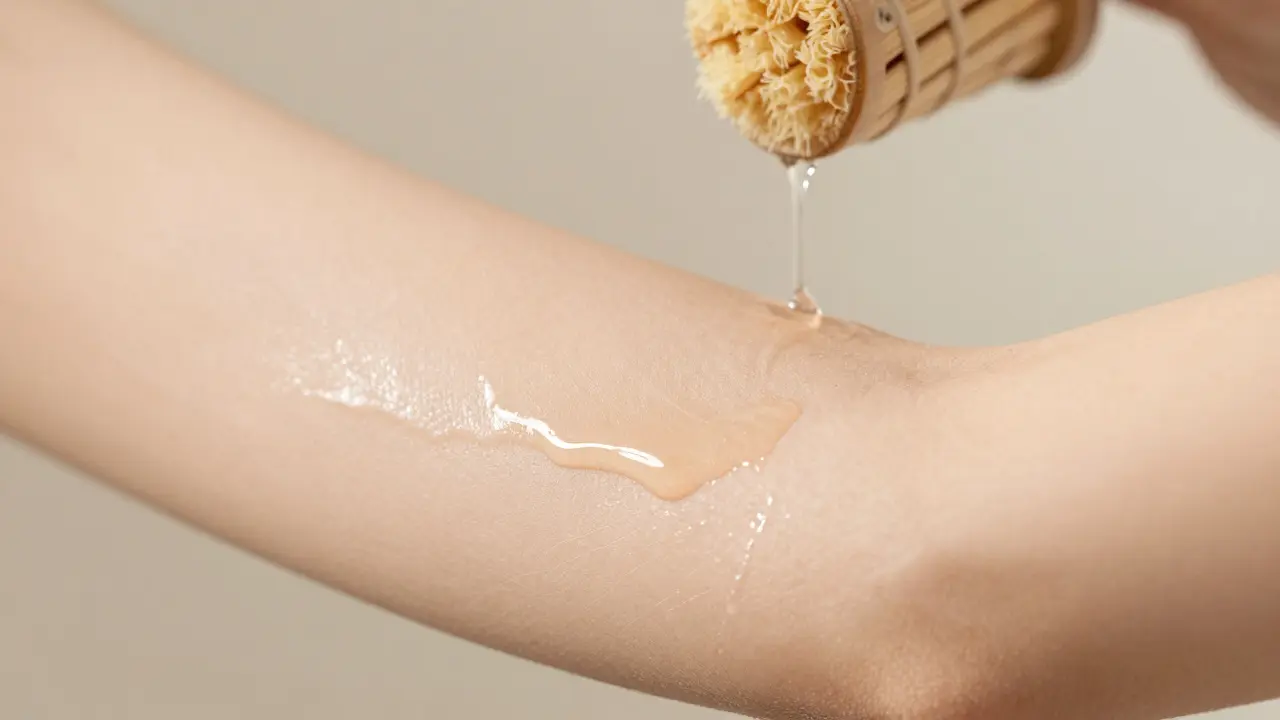
Start with wet skin. Apply your favorite body wash or oil. Use slow, circular motions-not aggressive scrubbing. Focus on rough areas: elbows, knees, heels, and the back of your arms. Don’t scrub your chest or stomach too hard unless you’re using a very soft tool. Spend about 60-90 seconds total. Rinse thoroughly. Pat dry. Then moisturize. That’s it.
Customization Options
Everyone’s skin is different. Sensitive skin? Go with silicone or a soft exfoliating glove. Thick, calloused skin? A loofah or electric scrubber works better. If you’re unsure, start with something gentle and work your way up. You can also vary pressure: light for daily use, firmer once a week. And don’t forget-some scrubbers come with different textures on each side. Use the soft side for your arms, the firm side for your feet.
Communication and Preparation
If you’re sharing a bathroom, label your scrubber. Don’t assume others know it’s yours. Also, replace your scrubber every 3-6 months. Natural loofahs break down faster-swap them every 2 months. Silicone ones last longer but still collect oils and dead skin over time. Clean it weekly with vinegar or mild soap. A dirty scrubber is worse than no scrubber at all.
How to Choose and Use the Right Body Scrubber
Setting Up for Success
Keep your scrubber dry between uses. Hang it with a hook, or use a ventilated soap dish. Store it away from the shower spray. If you travel, get a compact silicone scrubber-it folds, dries fast, and won’t leak in your bag. Always use it with a body wash or oil. Never scrub dry skin-that’s asking for irritation.
Choosing the Right Tools
Here’s what works best for different needs:
- For sensitive skin: Silicone scrubbers or microfiber gloves
- For rough skin or calluses: Loofah, bamboo brush, or electric scrubber
- For hygiene focus: Silicone or stainless steel
- For eco-conscious users: Natural loofah or bamboo
- For convenience: Exfoliating glove (no extra tool to lose)
Step-by-Step Guide
- Wet your skin with warm (not hot) water.
- Apply your favorite body wash or oil.
- Hold the scrubber at a 45-degree angle and use slow, circular motions.
- Focus on elbows, knees, heels, and arms-avoid face and chest unless using a gentle tool.
- Scrub for 60-90 seconds total.
- Rinse thoroughly.
- Pat skin dry.
- Apply moisturizer within 3 minutes.
Tips for Beginners
Start slow. Use your scrubber 2-3 times a week. Don’t rush. If your skin stings or turns red, stop. Switch to a softer tool. Don’t use it on freshly shaved skin-wait 24 hours. And if you’re using an electric scrubber, start on the lowest setting. You don’t need to scrub like you’re cleaning a grill.
Safety and Ethical Considerations
Choosing Qualified Tools
There’s no certification for body scrubbers-so you’re on your own. Stick to brands that list materials clearly. Avoid cheap plastic scrubbers with unknown additives. Look for BPA-free, non-toxic silicone, or natural fibers. If it smells like chemicals when new, return it.
Safety Practices
| Practice | Purpose | Example |
|---|---|---|
| Replace every 3-6 months | Prevent bacterial buildup | Loofahs: every 2 months |
| Don’t share tools | Avoid skin infections | Use your own scrubber |
| Clean weekly with vinegar | Remove oils and residue | Soak in 1:1 vinegar/water for 15 mins |
| Dry after use | Stop mold growth | Hang in well-ventilated area |
Setting Boundaries
Scrubbing should feel good, not painful. If someone else is helping you (like a partner or therapist), communicate clearly. Say, “Lighter,” or “That’s too much.” Your skin is yours. No one else gets to decide how hard you scrub.
Contraindications or Risks
Avoid body scrubbers if you have:
- Active eczema or psoriasis flare-ups
- Open cuts, burns, or rashes
- Severe rosacea or acne
- Recent waxing or laser treatments (wait 48 hours)
If you’re unsure, talk to a dermatologist. Your skin’s health matters more than a smooth feel.
Enhancing Your Experience with Body Scrubbers
Adding Complementary Practices
Pair your scrubbing with dry brushing before the shower for lymphatic support. Or follow up with a hydrating oil like jojoba or sweet almond. Some people love adding a few drops of lavender to their body wash for a calming effect. It’s not necessary-but if it makes your routine feel like self-care, go for it.
Collaborative or Solo Engagement
Scrubbing alone is peaceful. Scrubbing with a partner can be intimate-just make sure you both use your own tools. Never share. But if you’re giving each other a gentle back scrub, it’s a lovely way to connect. Just keep it light and communicate.
Using Tools or Props
A shower hook, a drying rack, and a good moisturizer are your best friends. A long-handled brush helps reach your back. A silicone scrubber with a handle is easier to hold than a loofah. Don’t overcomplicate it. You don’t need ten tools-just one that works.
Regular Engagement for Benefits
Like brushing your teeth, consistency beats intensity. Scrubbing 2-4 times a week gives you the best results without irritation. Once a week? You’ll notice a difference, but not as much. Daily? Only if your skin can handle it. Listen to your skin. If it’s tight, red, or flaky, take a break.
Finding Resources or Experts for Body Scrubbers
Researching Qualified Tools
Look for brands that list ingredients and materials. Avoid vague labels like “natural fiber” without specifics. Read reviews from people with similar skin types. Dermatologist-recommended brands (like CeraVe or Cetaphil) often sell silicone scrubbers that are safe for sensitive skin.
Online Guides and Communities
Reddit’s r/SkincareAddiction and r/BodyCare have honest threads about scrubbers. DermNet NZ (Web source (https://dermnetnz.org)) offers reliable skin science. Avoid TikTok trends that say “scrub every day for glowing skin”-that’s not science, it’s sales.
Legal or Cultural Considerations
Some cultures use body scrubbing as part of spiritual or ritual cleansing. Respect those traditions if you’re adopting them. Don’t turn sacred practices into Instagram aesthetics. If you’re using a loofah because it’s part of a heritage ritual, honor that. If you’re using it just because it’s trendy, that’s fine too-but know the difference.
Resources for Continued Learning
Books like The Beauty of Skin by Dr. Hadley King offer science-backed advice. YouTube channels like The Beauty Brains break down ingredients and tools without hype. Stick to sources that cite dermatology, not influencers.
FAQ: Common Questions About Body Scrubbers
What kind of body scrubber is best for sensitive skin?
Silicone scrubbers are the top choice. They’re non-porous, so they don’t trap bacteria or mold. They’re also gentle enough for daily use without irritating skin. Brands like St. Ives and GoGlow make soft silicone options that work well for eczema-prone or reactive skin. Avoid natural loofahs or stiff brushes-they’re too abrasive. Start with a silicone glove or a small handheld brush with fine, flexible bristles.
How often should I use a body scrubber?
Two to four times a week is ideal for most people. If your skin is dry or rough, you can go up to daily-but only with a very gentle tool like silicone. If you have sensitive skin, stick to twice a week. Over-scrubbing can strip natural oils and cause redness or flaking. Think of it like brushing your teeth: daily is fine, but you don’t scrub like you’re cleaning a floor. Listen to your skin. If it feels tight or irritated, take a break.
Can I use a body scrubber if I shave regularly?
Yes-and you should. Scrubbing helps prevent ingrown hairs by lifting hairs out of the follicle before they curl back under the skin. But don’t scrub right after shaving. Wait at least 24 hours. Shaving leaves skin micro-abraded. Scrubbing too soon can cause irritation or razor burn. Use your scrubber the day before or two days after shaving for best results.
Do electric body scrubbers really work better?
They can, but only if you need deep exfoliation or have thick, calloused skin. Electric scrubbers are great for feet, elbows, or back skin. But for arms, legs, or torso, a manual tool works just as well-and it’s cheaper. The vibration helps with circulation, but it’s not magic. If you’re lazy or have arthritis, an electric one saves effort. If you’re just looking for smooth skin, a $10 silicone scrubber does the job.
Is a body scrubber better than chemical exfoliants?
They’re different tools for different jobs. Chemical exfoliants (like glycolic or salicylic acid) dissolve dead skin at a molecular level. Scrubbers physically remove it. If you have acne-prone skin, chemical exfoliants are better for pores. If you have dry, rough skin, scrubbers give immediate smoothness. Many people use both: scrub 2-3 times a week, and apply a chemical exfoliant once a week. Never combine them in the same shower-it’s too harsh.
Conclusion: Why the right body scrubber is worth it
A Path to Healthier Skin
The right body scrubber doesn’t just make your skin feel nice-it improves how your skin functions. It helps your body’s natural renewal process. It prevents bumps, improves moisture retention, and even makes you feel more awake in the morning. It’s one of the simplest, cheapest ways to upgrade your self-care routine.
Try It Mindfully
Don’t buy the flashiest scrubber. Don’t follow trends. Pick one based on your skin type, your needs, and your lifestyle. Start slow. Pay attention to how your skin reacts. If it feels better, you’re on the right track.
Share Your Journey
Tried a body scrubber that changed your skin? Tell us in the comments. What worked? What didn’t? Your experience might help someone else avoid a costly mistake.
Some links may be affiliate links, but all recommendations are based on research and quality.
Word count: 1,682
Suggested Visuals
- A person using a silicone scrubber in the shower, water droplets on skin
- Side-by-side comparison of different scrubber types: loofah, silicone, glove, brush
- Close-up of smooth skin after scrubbing, with moisturizer being applied
- Hygiene tip graphic: clean scrubber hanging on a hook vs. sitting in water
- Hand holding a bamboo scrubber with natural fibers, sunlight in background
Suggested Tables
- Comparison of Body Scrubbing Methods
- Key Benefits of Regular Body Scrubbing
- Body Scrubber Safety Tips
ervin andriana taufik
January 7, 2026 AT 04:29Matt Basler
January 7, 2026 AT 15:13Erica Faith
January 9, 2026 AT 14:26Homer Simpson
January 10, 2026 AT 16:37Ed Malaker
January 10, 2026 AT 17:47Chris Hogan
January 11, 2026 AT 21:29Michael Thompson
January 12, 2026 AT 22:55