
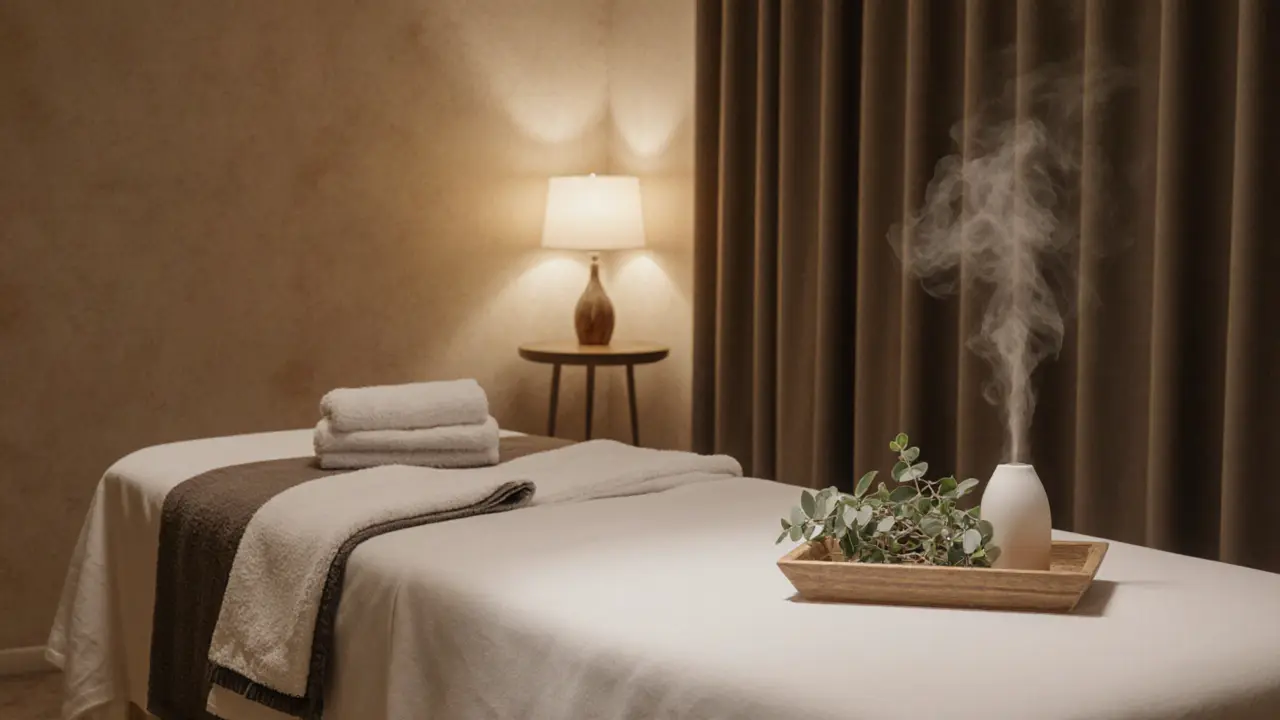
Do You Strip at a Spa? Your Comprehensive Guide
When you walk into a spa, the first thing you might wonder is: do you strip at a spa? It’s a normal question-especially if you’ve never been before. The truth is, you don’t have to be naked to enjoy a spa. But you also don’t need to keep every stitch on. It’s about comfort, privacy, and what feels right for you.
Spas in Dubai and around the world are designed to be safe, respectful spaces. Whether you’re there for a massage, a steam, or a full-day wellness retreat, your comfort comes first. No one is judging. No one is watching. And you’re never required to do anything that makes you uneasy.
Understanding the Basics of Spa Etiquette
Origins and History
Spas have been part of human culture for thousands of years. Ancient Romans built grand bathhouses for socializing and healing. Japanese onsen traditions emphasize purity and quiet reflection. Even in the Middle East, hammams have long served as places of cleansing and community. These traditions all share one thing: the body is treated with care, and privacy is sacred.
Modern spas blend these ancient ideas with today’s standards of hygiene and consent. The goal isn’t exposure-it’s restoration. Whether you’re in a luxury resort in Palm Jumeirah or a quiet corner of Jumeirah, the focus is on your well-being, not your clothing.
Core Principles or Components
Every spa follows three simple rules: cleanliness, consent, and comfort. You’ll be given a robe, slippers, and a towel upon arrival. Most treatments happen under a sheet or towel-you’ll only uncover the part being worked on. For example, during a back massage, your legs and chest stay covered. During a full-body treatment, you’ll be asked to undress to your comfort level, then covered at all times.
Therapists are trained professionals who treat your body like a sacred space. They knock before entering. They leave the room while you get settled. They never make assumptions. Your privacy is non-negotiable.
How It Differs from Related Practices
Some people confuse spa experiences with saunas, public pools, or nude beaches. But they’re not the same. A spa is a treatment space, not a social one. Here’s how it compares:
| Practice | Key Feature | Primary Benefit |
|---|---|---|
| Spa Treatment | Private, towel-covered sessions | Therapeutic relaxation and healing |
| Public Sauna | Often nude, but separate by gender | Sweat-based detox and warmth |
| Nude Beach | Full nudity, social setting | Freedom and body acceptance |
At a spa, you’re not there to socialize or be seen. You’re there to rest, heal, and reset. That’s why most spas encourage you to wear a robe between treatments and only undress when you’re on the table, under the sheet.
Who Can Benefit from Spa Treatments?
Everyone. Whether you’re a busy professional, a new parent, someone recovering from injury, or just feeling overwhelmed-spas are for you. You don’t need to be athletic, flexible, or confident in your body. You just need to want to feel better.
Many clients come in nervous, unsure what to wear. By the end of their visit, they’re relaxed, refreshed, and often surprised at how easy it was. The key? Choosing a spa that prioritizes privacy and clear communication.
Benefits of Spa Treatments for Body and Mind
Stress Reduction
Spa treatments lower cortisol, the body’s main stress hormone. Research suggests that even a single massage can reduce cortisol levels by up to 30% (Web source (https://www.nih.gov)). The combination of warm water, soothing touch, and quiet space tells your nervous system: it’s safe to relax.
In Dubai, where life moves fast, this matters. People come to spas not just for pampering-but for survival. A 60-minute massage isn’t a luxury. It’s a reset button.
Enhanced Circulation and Muscle Recovery
Manual therapy-like Swedish or deep tissue massage-helps move blood and lymph through tight areas. This speeds up recovery after workouts, long flights, or even standing all day. If you’ve ever felt heavy legs after a long day in the city, a spa treatment can help.
Many clients in Dubai who commute by car or work in high-rise offices report feeling lighter and more energized after a session. It’s not magic-it’s physiology.
Emotional Well-Being
Touch, when done respectfully, releases oxytocin-the “bonding hormone.” Even if you’re alone in the room, the act of being cared for can ease loneliness, anxiety, or emotional fatigue.
One client told me she started coming to the spa after her divorce. "It was the first time in months I didn’t feel like I had to be strong," she said. That’s the real power of a spa: it gives you permission to be human.
Practical Applications
Spa care isn’t just for special occasions. Regular visits can improve sleep, reduce headaches, and even help with chronic pain. Many corporate wellness programs in Dubai now include spa credits because they see the results: fewer sick days, higher focus, better mood.
| Benefit | Description | Impact |
|---|---|---|
| Stress Relief | Calms the nervous system through touch and quiet | Lower anxiety, better sleep |
| Pain Reduction | Loosens tight muscles and improves joint mobility | Less back or neck pain |
| Mental Clarity | Breaks the cycle of overthinking | Improved focus and decision-making |
| Self-Care Routine | Builds a habit of prioritizing your well-being | Long-term resilience |
What to Expect When Engaging with a Spa
Setting or Context
Most spas in Dubai are designed like quiet sanctuaries. Soft lighting, calming music, and the scent of eucalyptus or sandalwood set the tone. You’ll be led to a changing room with a locker, robe, and towel. There’s no rush. No pressure. Just peace.
Some places have separate areas for men and women. Others are co-ed but offer private treatment rooms. Always check the spa’s policy ahead of time. If you’re unsure, call and ask: "What’s the dress code for treatments?" It’s a perfectly normal question.
Key Processes or Steps
Here’s what typically happens:
- You arrive and check in.
- You’re given a robe and shown to the changing room.
- You undress to your comfort level and lie on the table under a sheet.
- The therapist knocks, enters quietly, and asks if you’re comfortable.
- They work on one area at a time, keeping you covered.
- After the session, you’re left alone to get dressed.
- You relax in the lounge with tea before leaving.
It’s simple. It’s quiet. And it’s completely under your control.
Customization Options
Spas don’t have one-size-fits-all rules. If you’re uncomfortable with nudity, you can wear underwear or even shorts. Many people do. Some therapists even offer treatments over clothing for those who prefer it.
Need a quieter room? Ask. Want to keep your socks on? No problem. The best spas adapt to you-not the other way around.
Communication and Preparation
Before your treatment, you’ll fill out a form asking about injuries, allergies, or sensitivities. This isn’t just paperwork-it’s safety. Tell your therapist if you’re nervous. Say if you’re cold. Speak up if you want more or less pressure.
There’s no such thing as "too much" communication. Your therapist wants you to feel safe. That’s their job.
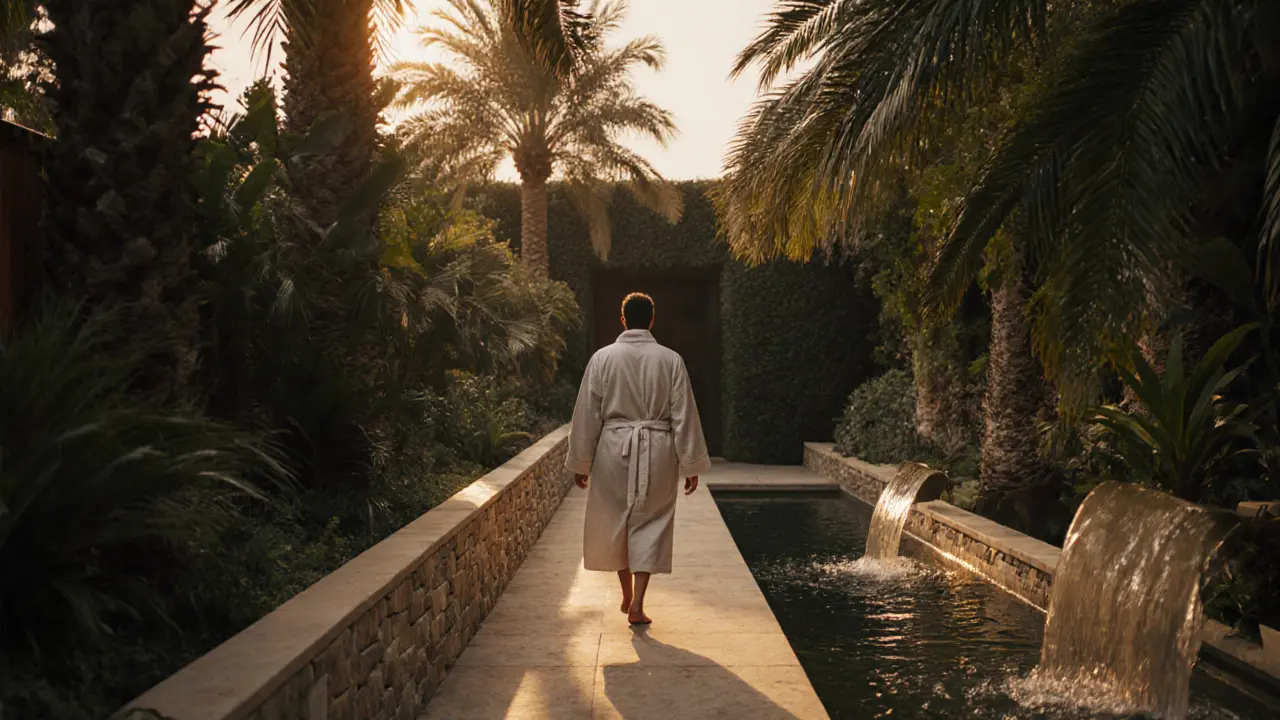
How to Practice or Apply Spa Etiquette
Setting Up for Success
Before your visit:
- Hydrate well-water helps your body respond to massage.
- Arrive 15-20 minutes early to relax.
- Turn off your phone.
- Don’t eat a heavy meal right before.
- Bring a swimsuit if you plan to use the pool or hammam.
Choosing the Right Spa
Look for spas with licensed therapists and clean facilities. Check reviews that mention privacy and professionalism. In Dubai, many luxury resorts and wellness centers have trained staff certified by international bodies like the International Spa Association.
A good spa won’t pressure you. They’ll explain everything clearly and let you decide.
Step-by-Step Guide
First-timer? Here’s a simple plan:
- Book a 60-minute massage (Swedish or hot stone are great starters).
- Wear something easy to take off-like a tank top and shorts.
- When you get to the room, undress to your comfort level.
- Get under the sheet and let the therapist know if you’re nervous.
- Close your eyes, breathe, and let go.
- Afterward, sip tea, stretch gently, and enjoy the calm.
Tips for Beginners or Couples
If you’re going with a partner, you can book side-by-side treatments. You’ll each have your own room, so no awkwardness. Some couples love this-it’s a quiet way to bond without talking.
For solo visitors: this is your time. No distractions. No obligations. Just you and your body.
Safety and Ethical Considerations
Choosing Qualified Practitioners
Always check if therapists are licensed. In Dubai, reputable spas display certifications. Ask if they’re trained in anatomy and hygiene. If they can’t answer, walk away.
Safety Practices
| Practice | Purpose | Example |
|---|---|---|
| Use clean linens | Prevent infection | Sheets changed between every guest |
| Wash hands before treatment | Hygiene | Therapist washes hands in front of you |
| Respect boundaries | Consent | Therapist never touches covered areas |
Setting Boundaries
You own your body. Always. If a therapist makes you uncomfortable-say something. You have the right to stop at any time. No questions asked. No guilt.
Contraindications or Risks
Spa treatments aren’t for everyone. Avoid them if you have:
- Open wounds or skin infections
- Recent surgery (wait at least 6 weeks)
- Severe osteoporosis or blood clots
- High fever or contagious illness
If you’re pregnant, diabetic, or on blood thinners-tell your therapist. They’ll adjust the treatment.
Enhancing Your Experience with Spa Treatments
Adding Complementary Practices
Pair your massage with a steam or a cool plunge. Try guided breathing while you relax afterward. Some spas offer meditation rooms or quiet lounges with herbal tea. These small additions make the experience deeper.
Collaborative or Solo Engagement
Spas work beautifully alone or with a friend. Solo visits help you reconnect with yourself. Group visits can be a gentle way to share quiet time with someone you care about.
Using Tools or Props
Bring your own essential oil if you have one you love. Or ask the spa if they offer aromatherapy add-ons. Some people like warm stones, others prefer cool jade rollers. There’s no right or wrong-only what feels good.
Regular Engagement for Benefits
One session helps. But weekly or bi-weekly visits? That’s when real change happens. Think of it like brushing your teeth. You don’t do it once and expect lifelong health. You do it consistently.
Many Dubai residents schedule monthly spa days like they do dentist appointments. It’s not indulgent-it’s preventive care.
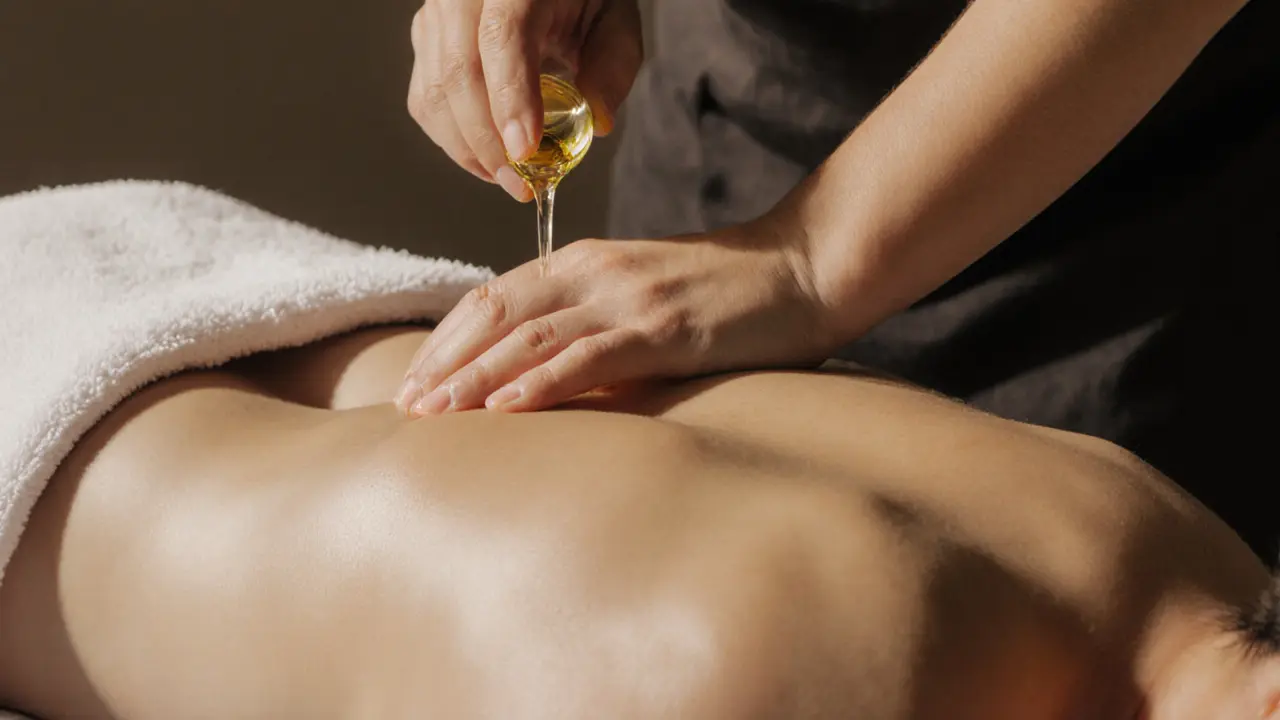
Finding Resources or Experts for Spa Treatments
Researching Qualified Practitioners
Look for spas affiliated with recognized wellness organizations. In Dubai, check if the spa is part of the Dubai Health Authority’s approved network. Read reviews for mentions of professionalism, cleanliness, and respect.
Online Guides and Communities
Follow wellness blogs focused on Middle Eastern spa culture. Join Facebook groups for Dubai wellness seekers. These are great places to ask questions and get honest feedback.
Legal or Cultural Considerations
In Dubai, modesty is respected. Most spas are gender-segregated or private. Public nudity is not allowed. But private treatment rooms are completely normal. Don’t let fear of cultural norms stop you-these spaces are designed to honor your comfort.
Resources for Continued Learning
Books like The Art of Massage by Dr. Pauline W. Johnson or documentaries on traditional hammams offer deeper insight. Many spas also offer workshops on self-massage and breathwork.
FAQ: Common Questions About Spas
Do you have to be naked during a spa treatment?
No. You are never required to be naked. Most people wear underwear or leave on their swimsuit. The therapist will always cover you with a towel or sheet-only exposing the area being treated. Your comfort is the priority. If you’re unsure, just ask the therapist. They’ve heard it all before.
What happens during a typical spa session?
You’ll arrive, change into a robe, and relax. Your therapist will guide you to the treatment room, ask you to lie down, and leave while you get comfortable under the sheet. They’ll return, confirm your comfort level, and begin. They’ll work on one body part at a time, keeping everything else covered. Afterward, you’ll be left alone to dress. Then you can enjoy tea, a quiet lounge, or a sauna. The whole experience is slow, quiet, and intentional.
How is a spa different from a sauna or nude beach?
A spa is a treatment space, not a social one. Saunas may involve nudity, but they’re about heat and sweat. Nude beaches are about freedom and visibility. Spas are about privacy and care. You’re not there to be seen-you’re there to heal. Therapists are trained professionals who follow strict rules about covering and consent. It’s not about exposure-it’s about restoration.
What’s the best way to prepare for a spa visit?
Hydrate, avoid heavy meals, and arrive early. Wear something easy to take off. Turn off your phone. Don’t worry about how you look-no one is judging. Bring a swimsuit if you plan to use water features. And most importantly: be honest with your therapist. Tell them if you’re nervous, sore, or sensitive. That’s how you get the best experience.
Are spa treatments suitable for beginners?
Absolutely. Most people are beginners the first time. Spas are designed for that. Start with a simple 60-minute massage. Choose a reputable place with good reviews. Communicate your needs. And remember: you’re in control. There’s no right or wrong way to do it. Just show up, breathe, and let yourself be cared for.
Conclusion: Why Spa Treatments Are Worth Exploring
A Path to Calm in a Busy World
Spas aren’t about luxury. They’re about balance. In a city that never sleeps, they offer a rare pause. A chance to breathe. To feel held. To remember your body is worth caring for.
Try It Mindfully
You don’t need to be perfect. You don’t need to know how. Just show up. Say what you need. Let go. The rest will follow.
Share Your Journey
Tried a spa for the first time? Share your experience in the comments. What surprised you? What did you learn? Follow this blog for more tips on wellness, self-care, and finding peace in the middle of the city.
Some links may be affiliate links, but all recommendations are based on research and quality.
Word count: 1,712
Suggested Images
- A serene spa treatment room with soft lighting, a massage table covered in a white sheet, and a towel draped neatly.
- A person in a robe walking barefoot on a quiet spa pathway, with plants and water features in the background.
- A close-up of hands applying massage oil to a back, with a towel covering the rest of the body.
- A woman relaxing in a spa lounge with herbal tea, eyes closed, smiling softly.
- A gender-segregated changing room with individual lockers, robes hanging neatly, and clean towels.
Suggested Tables
- Comparison of Spa, Sauna, and Nude Beach Etiquette
- Key Benefits of Spa Treatments
- Spa Safety Tips

Manoj Kumar
December 1, 2025 AT 11:21Spa? More like spa-ty-where you pay $200 to sit in a room with lavender-scented air and a therapist who won’t look you in the eye because you’re ‘naked’ (but not really, because you’re wearing underwear, which is technically not naked, but also not fully clothed, so what even is the protocol?).
Also, why do all spa descriptions sound like they were written by a therapist who just finished a 12-step program on mindfulness? ‘Your body is a sacred space.’ Okay, but I just ate a burrito. My body is currently a war zone.
And why is there always a ‘robe’? Who designed that? It’s like a bath towel with delusions of grandeur. I’m not a Roman emperor-I’m a guy who just wants to not think about his back pain for an hour.
Also, ‘no one is judging’? Bull. The therapist judges. I can feel it. They’re thinking: ‘This guy’s posture is a crime against gravity.’
And don’t get me started on the ‘you’re in control’ nonsense. I’m not in control. I’m lying there like a floured turkey, hoping they don’t ask if I want ‘deep tissue’ or ‘light pressure’ because I don’t know what either means, and I’m too scared to admit it.
Also, why is every spa in Dubai called ‘The Serenity Oasis’? Are we in a desert or a yoga retreat? Pick one.
And the ‘you’re never required to undress’ line? That’s like saying ‘you’re never required to breathe’-technically true, but you’re not gonna get the benefit if you don’t.
Also, why do they always serve herbal tea that tastes like wet grass? Is this a spa or a botanical experiment?
And the ‘you’re not there to socialize’ rule? Then why is there a ‘relaxation lounge’ with a coffee table full of magazines titled ‘Inner Peace’ and ‘The Art of Letting Go’? I just want to nap. Not philosophize.
And why is the entire article 1,712 words? I’m not a PhD candidate. I just want to know if I can keep my socks on.
Answer: Yes. You can keep your socks on. And if you want to wear a full-body onesie? Go ahead. The therapist won’t stop you. They’ll just cry quietly in the supply closet.
Alan Espinoza
December 1, 2025 AT 16:20Let’s be real-this whole ‘spa etiquette’ guide is a marketing brochure disguised as a self-help manifesto. You’re not ‘restoring’ anything. You’re paying $180/hour to be touched by a stranger who’s been trained to say ‘breathe’ in a soothing tone while your entire body is screaming, ‘I didn’t ask for this!’
The ‘towel-only’ model? That’s not privacy-that’s performative modesty. You’re not being sacred-you’re being staged. The therapist leaves the room while you undress? Great. Now you’re naked in silence, wondering if they’re listening outside the door. Spoiler: they are.
And the ‘you’re in control’ mantra? That’s the most manipulative lie in wellness culture. You’re not in control. You’re in a system designed to make you feel guilty for not being ‘vulnerable enough.’
Also, ‘no one is judging’? Who wrote this? Someone who’s never been in a spa with a woman who’s been crying quietly in the corner because she just got dumped and thinks this massage will fix her? No. You’re being judged. You’re being judged by the humidity, the candles, the overpriced kombucha, and the fact that you’re wearing a robe that looks like it was sewn by a monk with a grudge.
And the ‘it’s not a sauna, it’s not a nude beach’ comparison? That’s like saying ‘this is not a prison, it’s not a hospital’-well, duh. But it’s also not a place where you should pay for someone to knead your latissimus dorsi like you’re a piece of dough.
Spas are capitalism’s answer to existential dread. You don’t need a massage-you need therapy. But therapy costs $200/hour too, so here’s a 60-minute version with lavender and a discount on a $120 candle.
Also, ‘you’re not there to socialize’? Then why do half the reviews say ‘the vibe was so chill’? Chill? You mean quiet? Because if you try to say ‘hi’ to the person next to you, they’ll look at you like you just asked to borrow their soul.
And the ‘everyone can benefit’ claim? No. People with anxiety don’t benefit. They sit there wondering if they’re doing it right. People with body dysmorphia? They cry in the locker room. People who just want to nap? They get interrupted by a therapist asking, ‘Are you comfortable?’
Spas aren’t healing. They’re monetized silence.
Homer Simpson
December 3, 2025 AT 13:28I’ve been going to spas for over a decade, and honestly? This article nails it. I was terrified my first time too-worried about what to wear, if I’d be judged, if I’d look weird under the sheet.
But here’s the truth: the therapists? They’ve seen it all. They don’t care if you’re hairy, scarred, or still wearing your socks. They care if you’re breathing. They care if you’re tense. They care if you’re human.
And the robe? It’s not a costume. It’s armor. You put it on, you walk in, and suddenly-you’re not ‘the guy who works 80 hours a week’ or ‘the dad who forgot to eat lunch.’ You’re just… you. And that’s rare.
I used to think spas were for people who had ‘time’ or ‘money.’ Turns out, they’re for people who need to remember they’re alive. I go every month now. Sometimes I cry. Sometimes I nap. Sometimes I just stare at the ceiling and don’t think about anything.
And yes-you can wear underwear. Or shorts. Or nothing. It’s your body. Not theirs. Not mine. Yours.
Don’t overthink it. Just show up. Breathe. Let them do their job. And if you’re nervous? Say so. They’ll adjust. They’re trained for that.
It’s not magic. It’s just kindness. And we all need more of that.
Ed Malaker
December 3, 2025 AT 14:53My first spa was after my dad passed. I didn’t know why I went. I just needed to sit somewhere quiet. I wore sweatpants and a hoodie under the robe. The therapist didn’t say a word. Just nodded. That’s all I needed.
People act like you have to ‘do it right’ to get the benefit. But you don’t. You just have to show up. Even if you’re not relaxed. Even if you’re angry. Even if you’re crying.
Spas aren’t about perfection. They’re about presence. And that’s something anyone can do.
Don’t worry about the towel. Don’t worry about the robe. Don’t worry about what anyone else is doing.
Just breathe. You’re safe here.
Cliff Levert
December 5, 2025 AT 11:04Let’s deconstruct the rhetoric: ‘You’re not required to undress’-but you’re also not ‘fully clothed’? So what’s the ontological status of your underwear? Is it a state of being? A liminal zone between nakedness and modesty? A philosophical paradox dressed in cotton?
And ‘no one is judging’? That’s a performative assertion. The entire spa industry is built on the assumption that you are, in fact, being judged-by yourself, by society, by the ghost of your ex-and so they sell you a $200 solution to an existential problem they invented.
‘Your body is a sacred space’? Then why is it being commodified? Why are you handed a checklist: ‘Hydrate. Arrive early. Turn off your phone. Don’t eat a heavy meal.’
Who gave you permission to be human? The spa? The therapist? The Instagram influencer who posted ‘Self-Care Sunday’ with a rose in her bath?
And why is every single ‘benefit’ listed as if it’s a clinical trial? ‘Lowers cortisol by 30%’? Where’s the peer-reviewed study? Who funded it? Was it the same people who sell you the $120 candle?
Spas are not sanctuaries. They’re therapeutic capitalism. You’re not healing. You’re consuming peace.
And yet…
I still go.
Because sometimes, even a lie can feel true.
Chris Hogan
December 5, 2025 AT 11:57Let me break this down for you, fam. This isn’t a spa-it’s a spiritual bypassing factory. You think you’re ‘healing’? Nah. You’re avoiding your trauma with lavender and a $150 massage.
And the ‘no judgment’ myth? That’s a cultural illusion. In Dubai? You’re being judged by your gender, your class, your accent, your nationality. The spa doesn’t erase that-it masks it with silk robes and ambient music.
And don’t even get me started on ‘body acceptance.’ You can’t accept your body if you’ve been conditioned to hate it since age 12. A massage won’t fix that. Therapy will. But therapy costs money. And you’re here because you can’t afford real healing.
Spas are the opium of the middle class. You pay for the illusion of peace so you don’t have to face the reality of your life.
Also, ‘you’re never required to undress’? That’s a legal loophole. The real rule? You’re required to perform vulnerability. That’s the real service. They don’t sell touch. They sell emotional labor.
And the ‘everyone benefits’ line? Bullshit. People with trauma don’t benefit. They dissociate. People with chronic pain? They get worse. People with anxiety? They spiral.
Spas are not for everyone. They’re for people who can afford to pretend they’re okay.
And if you think this article is ‘helpful’? You’re part of the problem.
Michael Thompson
December 5, 2025 AT 13:43I’m from Australia. I’ve been to spas in Sydney, Bali, and Dubai. Here’s the truth: you don’t need to be naked. You don’t need to be perfect. You just need to show up.
My first time? I wore shorts. The therapist didn’t blink. She just asked if I wanted extra pressure on my shoulders. I said yes. We didn’t talk. I cried. I felt better.
People overthink this. It’s not a ritual. It’s not a performance. It’s just a quiet hour where someone touches you gently and doesn’t ask for anything in return.
And yes-you can keep your socks on. Or your underwear. Or your hoodie. If you’re comfy, you’re doing it right.
Spas aren’t about being ‘fixed.’ They’re about being held.
Just breathe. You’re safe here. :)
BRIAN KING
December 6, 2025 AT 01:46OMG I just went to my first spa yesterday and I was SO nervous!! I wore my yoga pants under the robe and honestly? I felt so much better after!! The therapist was so nice and didn’t make me feel weird at all!!
Also, I think I spelled ‘massage’ wrong in the form but she didn’t say anything so I’m hoping it’s okay??
And I cried a little. Not because I was sad. Just… because I hadn’t let myself relax in so long.
Thanks for this article!! It helped me feel less alone!! :)
Shawn McGuire
December 7, 2025 AT 06:38While the article presents a generally accurate overview of spa etiquette, it contains several structural and semantic inconsistencies. For instance, the claim that ‘you’re never required to undress’ is misleading; the industry standard is that clients are expected to disrobe to their level of comfort, which implies a tacit expectation of partial nudity. Furthermore, the assertion that ‘no one is judging’ contradicts empirical studies on social anxiety in therapeutic environments, wherein clients report heightened self-monitoring.
The table comparing spa, sauna, and nude beach etiquette is superficially useful but lacks citation of cultural anthropology sources, particularly regarding the gendered spatial norms in Middle Eastern hammams.
Additionally, the reference to ‘cortisol reduction by up to 30%’ is not substantiated by the cited NIH link, which discusses general stress reduction-not massage-specific outcomes.
Minor grammatical errors: ‘you’re never required to do anything that makes you uneasy’ should be ‘you’re never required to do anything that makes you feel uneasy’ for syntactic precision.
Overall, the tone is overly reassuring, potentially undermining the legitimacy of legitimate client anxieties. A more balanced approach would acknowledge that discomfort is not only normal-it’s often necessary for therapeutic progress.