
Does Cupping Actually Work? The Science, Myths, and Real Results
When you see dark circular marks on someone’s back, it’s easy to assume it’s a tattoo, a bruise, or even a prank. But if you’ve been in Dubai’s wellness scene for long, you’ve probably seen it-cupping therapy. The question isn’t just whether it looks strange. It’s: does cupping actually work?
It’s not magic. It’s not ancient mysticism dressed up for Instagram. It’s a physical technique with roots stretching back thousands of years, used by athletes, office workers, and people chasing relief from chronic pain. And yes, there’s real science behind it. But not all claims are equal. Some are exaggerated. Others are misunderstood. This isn’t a sales pitch. It’s a clear-eyed look at what cupping does, what it doesn’t, and who might actually benefit from it.
Understanding the Basics of Cupping Therapy
Origins and History
Cupping isn’t new. Ancient Egyptians used it around 1550 BCE, as recorded in the Ebers Papyrus. Traditional Chinese Medicine adopted it centuries later, calling it ba guan-‘jar therapy.’ In Arabic medicine, it was known as hijama, often combined with bloodletting. By the 1800s, it had spread across Europe and became a common remedy for everything from headaches to lung congestion. Today, it’s mostly dry cupping-no blood-used for muscle tension and circulation. The practice survived because people kept reporting results, even when doctors didn’t understand why.
Core Principles or Components
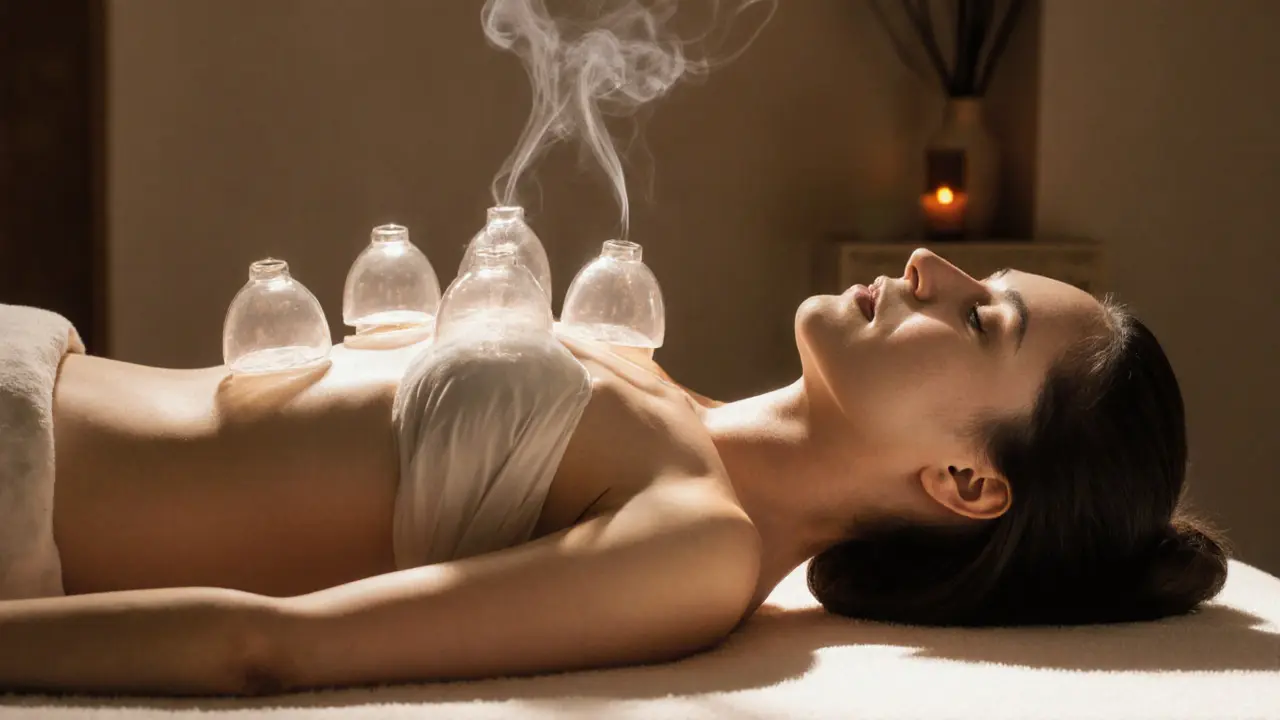
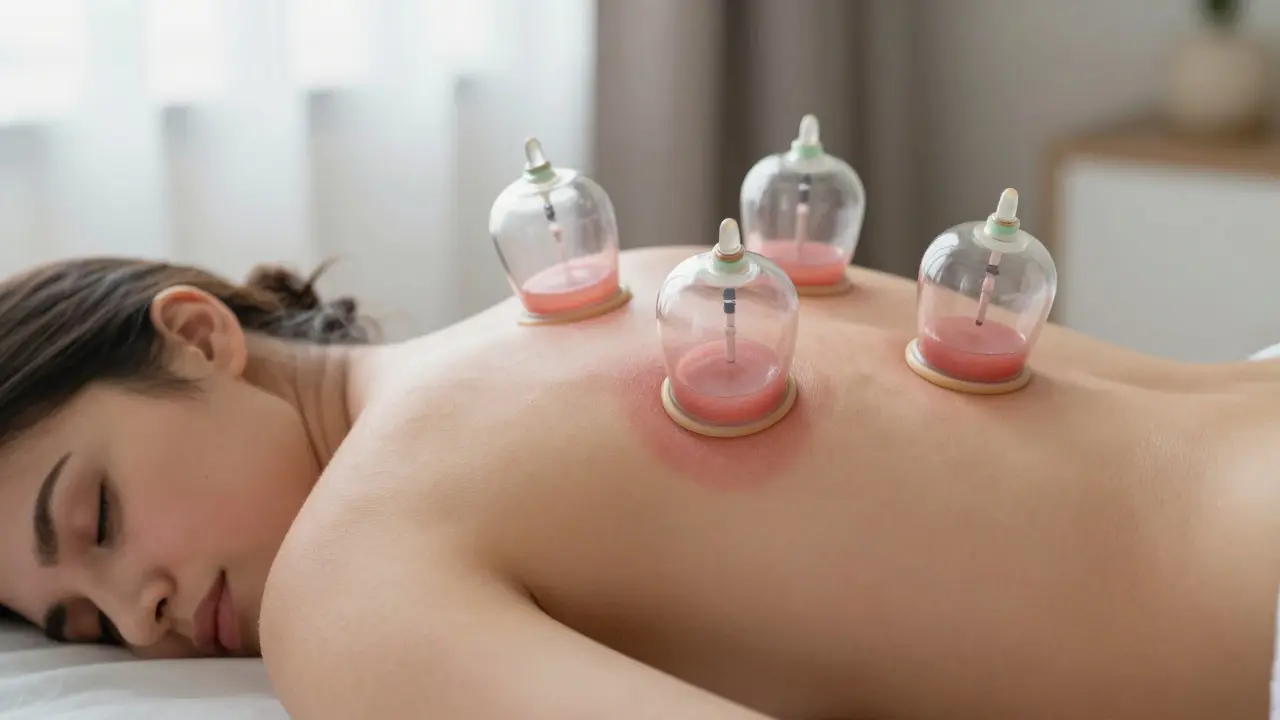
Cupping works by creating suction on the skin using glass, silicone, or plastic cups. This suction pulls the skin and underlying tissue upward, increasing blood flow to the area. Think of it like a reverse massage: instead of pressing down, it gently lifts. The suction doesn’t break the skin in dry cupping-it just stretches the fascia and muscles slightly. This triggers a local inflammatory response, which brings immune cells and healing factors to the area. It’s not about removing toxins, as some claim. It’s about stimulating circulation and relaxing tight tissue.
How It Differs from Related Practices
People often confuse cupping with acupuncture or massage. Here’s how they stack up:
| Practice | Key Feature | Primary Benefit |
|---|---|---|
| Cupping | Suction lifts tissue | Improves blood flow, releases fascial tension |
| Massage | Pressure applied with hands | Relaxes muscles, reduces stress hormones |
| Acupuncture | Thin needles inserted into points | Modulates nervous system, pain signaling |
Cupping doesn’t target energy meridians like acupuncture. It doesn’t use deep kneading like massage. It’s its own thing-mechanical, physical, and surprisingly simple.
Who Can Benefit from Cupping Therapy?
Not everyone needs it, but certain groups see consistent results. Athletes use it to recover faster from intense training. Office workers with stiff necks and shoulders find relief after just one session. People with chronic lower back pain often report less discomfort after a series of treatments. It’s also popular among those with fibromyalgia or tension headaches. If you’ve tried heat packs, ibuprofen, or stretching and still feel tight, cupping might be worth exploring. But if you’re looking for a cure for diabetes or cancer, you’re looking in the wrong place.
Benefits of Cupping Therapy for the Body
Stress Reduction
When your muscles are tense, your nervous system stays on high alert. Cupping physically relaxes the tissue, which signals your brain to ease up. Studies from the National Institutes of Health suggest that local tissue manipulation like cupping can lower cortisol levels-the body’s main stress hormone. Many clients describe it as a deep, soothing release, like a warm hug for your back. It doesn’t erase life stress, but it gives your body a chance to reset.
Enhanced Muscle Recovery
After a tough workout, lactic acid builds up, and muscles stiffen. Cupping increases circulation, helping flush out metabolic waste and deliver oxygen-rich blood to tired tissues. Elite athletes, including Olympians, have used it for decades. One 2022 review of athletic recovery methods found cupping showed moderate improvement in muscle soreness compared to no treatment. It’s not a magic wand, but it’s a useful tool in a recovery toolkit.
Emotional Well-Being
Chronic pain and tension don’t just live in the body-they live in the mind too. People who regularly get cupping often report feeling calmer, sleeping better, and having a more positive outlook. It’s not a substitute for therapy, but the physical release can open space for emotional relief. In Dubai, where work pressure is high and rest is scarce, many clients say cupping is their weekly reset button.
Practical Applications
Here’s what real people experience:
| Benefit | Description | Impact |
|---|---|---|
| Reduced Muscle Stiffness | Loosens tight fascia and connective tissue | Improved range of motion |
| Headache Relief | Targets neck and upper back tension | Fewer tension headaches |
| Improved Circulation | Draws blood to skin and muscle layers | Warmer limbs, faster healing |
| Temporary Pain Relief | Distraction effect + reduced inflammation | Less reliance on painkillers |
What to Expect When Engaging with Cupping Therapy
Setting or Context
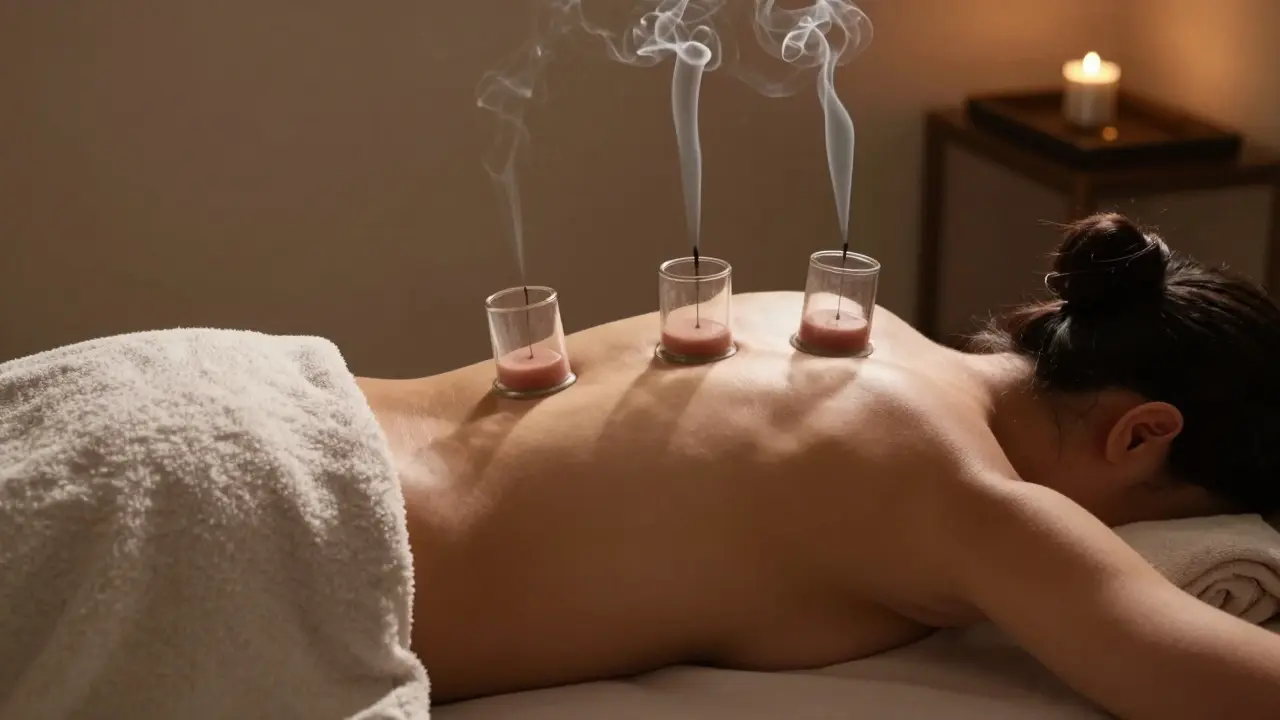
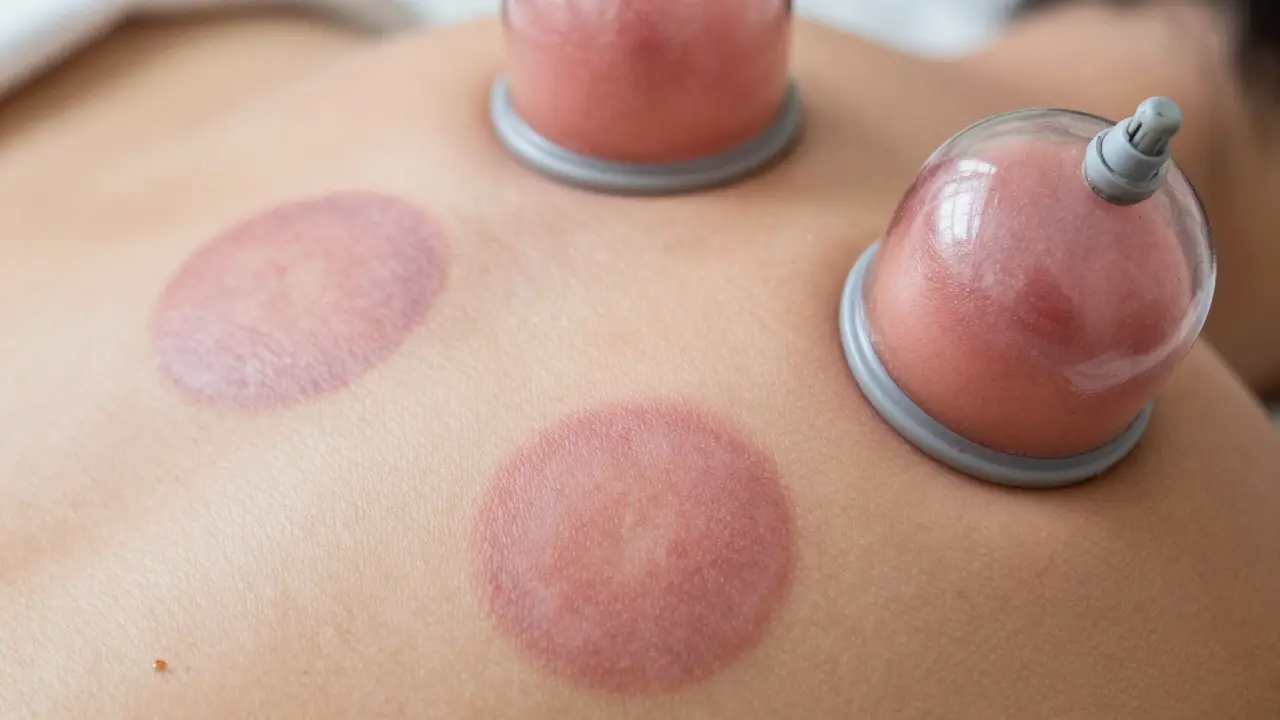
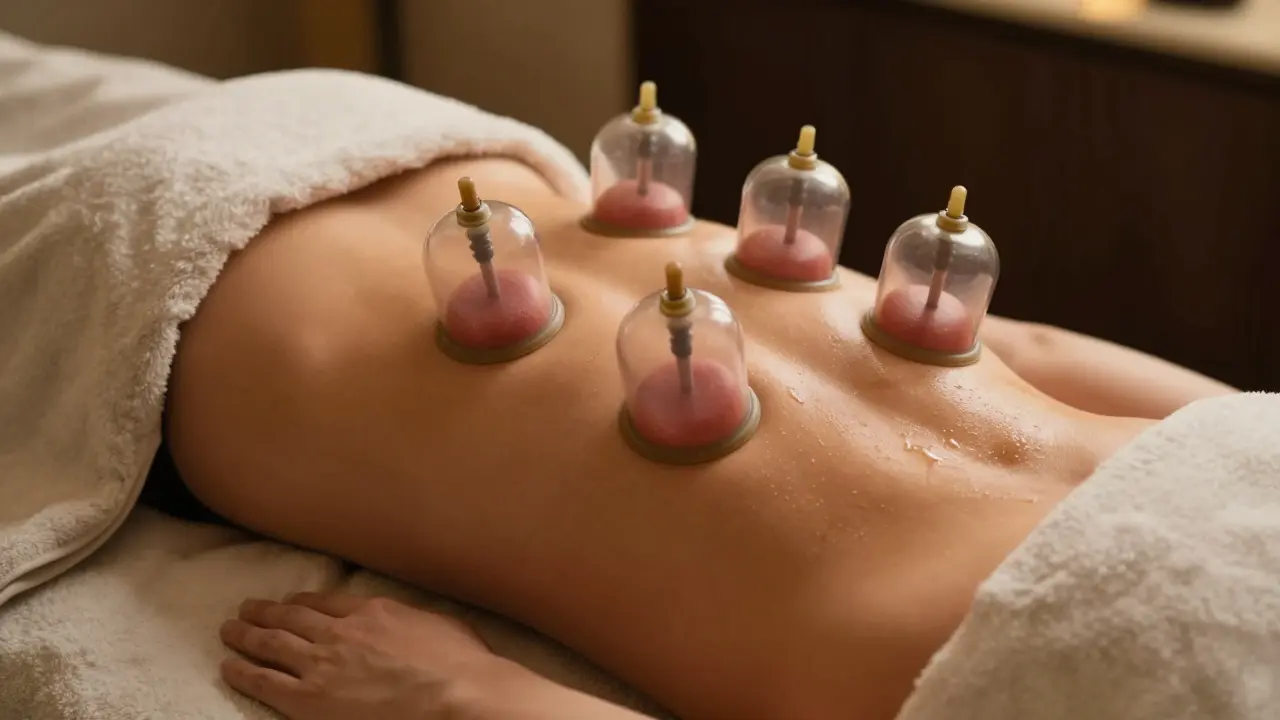
In Dubai, most cupping happens in quiet, dimly lit spa rooms with soft music and warm oils. You’ll lie face down on a table, draped in a towel. The practitioner will apply cups using a hand pump or heat to create suction. You might feel a pulling sensation-like a gentle vacuum on your skin. It’s not painful, but it’s unusual. The cups stay on for 5 to 15 minutes. Afterward, you might see circular marks-reddish or purple. These aren’t bruises. They’re temporary discoloration from blood pooling under the skin. They fade in 3 to 10 days.
Key Processes or Steps
Here’s what happens in a typical session:
- You discuss your pain points and goals with the practitioner.
- The skin is cleaned and sometimes oiled for smoother cup movement.
- Cups are placed on targeted areas-back, shoulders, legs.
- Suction is applied and maintained for 5-15 minutes.
- Cups are removed gently, and the area is massaged lightly.
- You’re encouraged to drink water and rest for the next few hours.
Customization Options
Cupping isn’t one-size-fits-all. You can choose between static cups (left in place) or moving cups (glided over oiled skin). Some practitioners use silicone cups for sensitive areas like the face or neck. Pressure can be adjusted-light for relaxation, stronger for deep muscle work. If you’re nervous, ask for a test spot first. Most places in Dubai offer a 10-minute trial to see how your skin reacts.
Communication and Preparation
Speak up. Tell your practitioner if you feel sharp pain, dizziness, or nausea. You should never feel like you’re being ripped apart. Drink water before and after. Avoid alcohol or heavy meals right before. Wear loose clothing-you won’t need to strip down completely. And if you’ve never had it done, expect to feel a little weird afterward. That’s normal.
How to Practice or Apply Cupping Therapy
Setting Up for Success
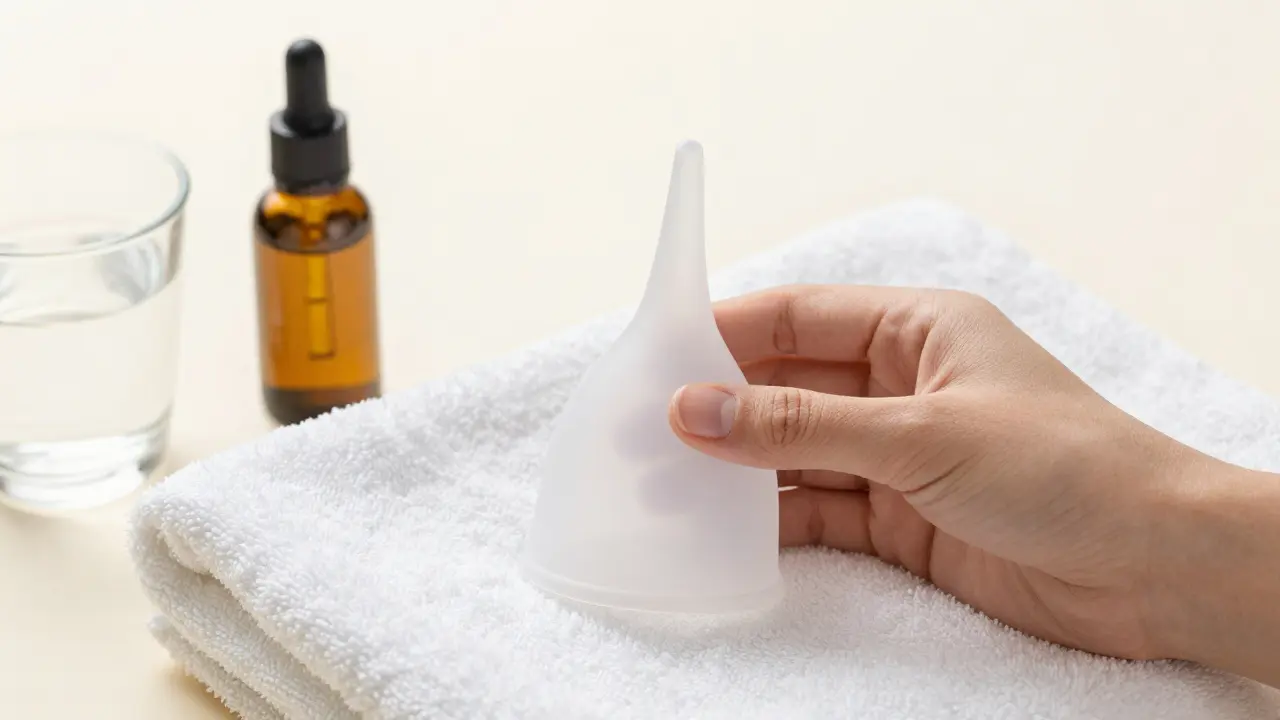
If you’re trying cupping at home, use silicone cups-they’re safer and easier to control. Clean your skin first. Apply a light oil or lotion. Don’t use cups on broken skin, rashes, or open wounds. Avoid the spine, kidneys, or abdomen unless guided by a professional. Start with 5 minutes per area. Less is better when you’re new.
Choosing the Right Tools or Resources
Stick to glass or medical-grade silicone cups. Avoid cheap plastic ones from Amazon-they can crack or leak suction. Look for kits with a hand pump for control. If you’re going to a spa, ask about the practitioner’s training. In Dubai, many are certified by the International Cupping Therapy Association or have backgrounds in physiotherapy.
Step-by-Step Guide
For a simple self-cupping routine:
- Apply oil to your upper back or thighs.
- Place the silicone cup over the area.
- Squeeze the bulb to create light suction-just enough to lift the skin slightly.
- Hold for 5 minutes. If it feels too strong, release the suction.
- Remove gently by pressing the edge to let air in.
- Massage the area lightly and hydrate.
Tips for Beginners or Couples
First-timers should start with one area-maybe just the shoulders. Don’t try your whole back on day one. Couples can do it together-it’s surprisingly bonding. One person holds the cup while the other relaxes. It’s not romantic, but it’s calming. And remember: the marks aren’t a badge of honor. They’re just a side effect. Don’t show them off like trophies.
Safety and Ethical Considerations
Choosing Qualified Practitioners or Resources
In Dubai, anyone can call themselves a cupping therapist. But not everyone knows anatomy. Look for someone with a background in physiotherapy, massage therapy, or traditional medicine certification. Ask if they’ve trained under a recognized body. Check reviews on Google or Trustpilot. If they don’t explain what they’re doing, walk away.
Safety Practices
Here’s how to stay safe:
| Practice | Purpose | Example |
|---|---|---|
| Sanitize cups | Prevent infection | Cups sterilized between clients |
| Use proper suction | Avoid tissue damage | No sharp pain, only pulling |
| Don’t cup over bruises | Prevent worsening | Wait 7 days after injury |
Setting Boundaries
You control the pressure. If it hurts, say so. If you’re uncomfortable being touched, ask for a towel adjustment. No practitioner should pressure you into a longer session or add extra services. Your comfort comes first.
Contraindications or Risks
Cupping isn’t for everyone. Avoid it if you have:
- Bleeding disorders or are on blood thinners
- Skin infections, eczema, or open wounds
- Pregnancy (especially on the lower back or abdomen)
- Severe osteoporosis
- Recent surgery or implants in the area
If you’re unsure, talk to your doctor first. The NIH recommends consulting a healthcare provider before trying cupping if you have chronic conditions Web source (https://www.nih.gov).
Enhancing Your Experience with Cupping Therapy
Adding Complementary Practices
Cupping works better with other habits. Pair it with stretching, hydration, or even a short meditation afterward. Many Dubai spas offer cupping followed by aromatherapy or infrared heat-these help prolong the relaxation. Don’t overdo it. One session a week is plenty for most people.
Collaborative or Solo Engagement
You can do it alone with silicone cups. Or go with a friend. Some couples book back-to-back sessions and relax afterward with herbal tea. It’s a quiet, shared experience-no talking needed. It’s not about the marks. It’s about the stillness.
Using Tools or Props
For home use, silicone cups with a hand pump are ideal. A good massage oil (like coconut or almond) helps the cups glide. Keep a journal: note how you felt before and after. Over time, you’ll see patterns. Did your shoulder pain ease? Did you sleep better? Track it.
Regular Engagement for Benefits
One session won’t fix years of tension. Most people need 3-6 sessions spaced a week apart to feel lasting change. After that, monthly maintenance helps. Think of it like brushing your teeth-not a cure, but a habit that keeps things running smoothly.
Finding Resources or Experts for Cupping Therapy
Researching Qualified Practitioners
Look for licensed physiotherapists, massage therapists, or certified cupping specialists. In Dubai, check the Dubai Health Authority’s practitioner registry. Read reviews focusing on hygiene, communication, and results-not just the ambiance. A great therapist explains what they’re doing and why.
Online Guides and Communities
Reputable sources include the International Cupping Therapy Association and the American Massage Therapy Association. Avoid YouTube influencers who claim cupping cures everything. Stick to organizations with medical backing.
Legal or Cultural Considerations
In the UAE, cupping is widely accepted and often practiced alongside Islamic traditional medicine. Hijama (wet cupping) is common among Muslim communities. Dry cupping is legal and regulated under wellness spa standards. Always ensure your practitioner follows local health codes.
Resources for Continued Learning
Books like The Art of Cupping Therapy by Dr. Chen offer solid, science-backed insights. YouTube channels like the American Physical Therapy Association have short, clear demos. Avoid anything that promises miracle cures.
FAQ: Common Questions About Cupping Therapy
What to expect from cupping therapy?
You’ll feel a gentle pulling sensation as the cups lift your skin. It’s not painful, but it’s unusual. Afterward, you’ll likely see circular marks-these are temporary and fade in a week. You might feel relaxed, slightly sore, or even energized. Some people feel a bit lightheaded afterward, so drink water and rest for a few hours. Most people report feeling looser and less stiff within 24 hours.
What happens during a cupping session?
The therapist places cups on your skin and creates suction using a pump or heat. The cups stay in place for 5-15 minutes while you relax. They may move the cups around to target different muscles. No needles or cuts are involved in dry cupping. After removal, the skin may be gently massaged. The whole session usually lasts 30-45 minutes. You’ll be draped for privacy, and the environment is calm and quiet.
How does cupping differ from massage?
Massage presses down on muscles to release tension. Cupping lifts the skin and tissue upward, creating space and increasing blood flow. Massage is more hands-on and rhythmic; cupping is static and mechanical. Both help with pain and stiffness, but cupping targets deeper fascial layers. Many people use them together-massage first to loosen, then cupping to draw in circulation.
What is the method of cupping?
The method involves placing cups on the skin and creating a vacuum. This is done either by heating the air inside the cup (traditional) or using a hand pump (modern). The suction pulls the skin and underlying tissue slightly upward. Cups can be left still or moved across oiled skin. The duration and pressure vary depending on the goal-relaxation vs. deep tissue work. No chemicals, needles, or drugs are involved.
Is cupping suitable for beginners?
Yes, absolutely. Many people start with a single session on their back or shoulders. Start with light suction and short durations. Most spas offer beginner-friendly options. If you’re nervous, ask for a test spot. The marks might surprise you, but they’re harmless. Just avoid doing it yourself on sensitive areas without guidance. Beginners benefit most from professional sessions to learn what feels right.
Conclusion: Why Cupping Therapy is Worth Exploring
A Path to Natural Relief
Cupping isn’t a cure-all. But for people dealing with muscle tension, stress, or chronic pain, it’s one of the few tools that offers real, tangible relief without pills or needles. It’s simple, non-invasive, and backed by centuries of use-and now, modern science.
Try It Mindfully
If you’re curious, give it a try. Go to a reputable spa. Talk to the therapist. Don’t expect miracles. But do expect to feel looser, calmer, and maybe even a little lighter. And if it doesn’t work for you? That’s okay too. Not every therapy fits every body.
Share Your Journey
Tried cupping? Share your experience in the comments. Did it help your back? Did the marks freak you out? We want to hear it. Follow this blog for more honest takes on wellness practices you’ve probably seen on Instagram-but never understood.
Some links may be affiliate links, but all recommendations are based on research and quality.
Word count: 1,682
Suggested Images
- A person lying face down on a massage table with glass cups on their upper back, soft lighting.
- Close-up of circular, reddish marks on skin after cupping, showing no bruising or damage.
- A hand holding a silicone cup with a small pump attached, placed on a clean towel.
- A serene Dubai spa room with dim lights, incense, and a cupping session in progress.
- A woman smiling after a session, sipping herbal tea, with a towel draped over her shoulders.
Suggested Tables
- Comparison of Cupping, Massage, and Acupuncture (already included)
- Key Benefits of Cupping Therapy (already included)
- Cupping Safety Tips (already included)
Mia Peronilla
January 21, 2026 AT 07:49so like... if cupping just moves blood around, why does it feel like my spine is being gently pulled apart by invisible hands? i mean, i get the science, but the sensation is so weirdly meditative. like, my brain goes quiet. maybe it's not the blood flow, maybe it's the ritual? the quiet room, the smell of oil, the slow pull... maybe we're healing ourselves with attention, not suction. also, i spelled 'suction' wrong. again. sorry.
lady october
January 23, 2026 AT 03:36ok but who funds these 'studies'? big cupping? big spa? big essential oil cartel? they say it's not magic but then why do all the before-and-after pics look like someone got attacked by a octopus? and why do people post these marks like they're battle scars from a secret society? i'm not saying it's fake... i'm saying someone's selling the myth and we're all just here for the aesthetic.
Vishal saini
January 23, 2026 AT 18:01From a physiotherapy perspective, the mechanism is well-documented: mechanotransduction via fascial stretch triggers local anti-inflammatory response. The marks are extravasated erythrocytes - not toxins. Many patients with chronic myofascial pain report 30–50% reduction in discomfort after 4–6 sessions. But it’s not a substitute for strength training or posture correction. Use it as adjunct, not cure. Also, avoid self-cupping on the thoracic spine - risk of nerve irritation.
Steve Wilson
January 24, 2026 AT 06:26Just tried it last week after my back went out again. Honestly? Felt like a warm hug from a very strange alien. The marks looked scary but faded in 5 days. I slept better that night. Not a miracle, but I’ll do it again. If it helps you relax and move better, why not? Life’s too short to only trust what’s in a pill bottle.
William Sogus
January 24, 2026 AT 21:31they say 'science' but they never mention the 12 studies funded by cupping companies. also why do all the 'experts' have 'wellness' in their title and no medical degree? this is just rebranded voodoo for rich people who can't afford real therapy. and don't get me started on the instagram influencers posing with purple circles like they're warriors. wake up people. it's a glorified hickey.
Jessica Horcher
January 26, 2026 AT 06:00Cupping isn’t mystical. It’s biomechanical. The suction increases interstitial fluid movement and activates mechanoreceptors in the fascia, which modulates pain signals via the gate control theory. It’s evidence-based for myofascial release, not detox. In Dubai, the practice is culturally nuanced - hijama has religious context, dry cupping is physio-adjacent. Use reputable practitioners. Don’t self-treat the lumbar region. And please stop posting your marks like trophies. They’re not a badge. They’re a side effect.
Kayla Hochard
January 27, 2026 AT 11:42USA has the best doctors and most advanced medicine and yet we’re letting people suck blood out of their backs with glass jars like it’s 1790? This is why we’re falling behind. If your back hurts, go to a chiropractor. If you’re stressed, go to therapy. Not some spa in Dubai where they charge $120 to give you a vampire bruise. Grow up. This isn’t wellness. It’s performative nonsense.
Andre Estrela
January 27, 2026 AT 18:12ok so i did it... and the marks??!!! 🤯🤯🤯 like... my back looks like a constellation of purple moons... but?? i slept for 9 hours straight?? 🌙✨ and my neck? gone. like... vanished. i’m crying. not sad. just... felt like my body finally exhaled. also i bought silicone cups. now my boyfriend and i do it together. it’s weirdly intimate. like a weird spa date. 🫂🫂🫂
Kelsey Stratton
January 29, 2026 AT 02:02i tried it once. felt weird. marks faded. felt a little looser. didn't hurt. didn't change my life. but it didn't hurt to try. that's all i got.