
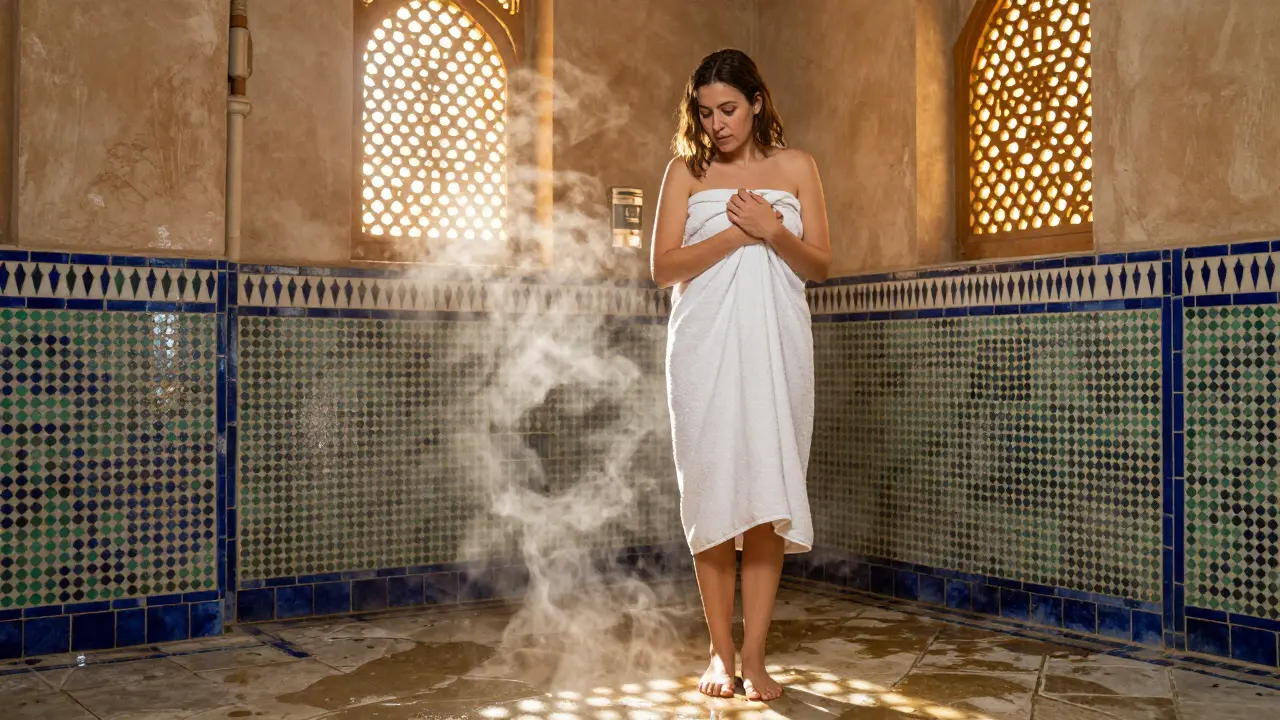
What to Bring to a Moroccan Bath in Dubai: The Ultimate Packing Guide
If you’ve ever wondered what to bring to a Moroccan bath, you’re not alone. Many first-timers show up with nothing but a towel-and end up feeling unprepared, uncomfortable, or even a little lost. A Moroccan bath, or hammam, isn’t just a spa treatment; it’s a centuries-old ritual rooted in North African culture, now thriving in Dubai’s luxury wellness scene. Done right, it leaves your skin glowing, your mind calm, and your body deeply relaxed. Done wrong? You might end up shivering, confused, or worse-wandering the steam room without soap.
This guide cuts through the noise. No fluff. Just what you actually need to walk into a hammam in Dubai feeling confident, comfortable, and ready to soak in every moment. Whether you’re visiting for the first time or you’ve been told to ‘just bring a towel’ and you’re still unsure, this is your clear, practical roadmap.
Understanding the Basics of a Moroccan Bath
Origins and History
The Moroccan bath, or hammam, traces back over a thousand years to Roman bathhouses, adapted by Arab and Berber cultures across North Africa. In Morocco, it wasn’t just about cleanliness-it was a social ritual, a place to unwind, bond, and cleanse both body and spirit. Today, in Dubai, you’ll find modernized versions in five-star hotels and authentic traditional ones tucked into older neighborhoods. The core remains the same: heat, steam, exfoliation, and rinsing. It’s a full-body reset.
Core Principles or Components
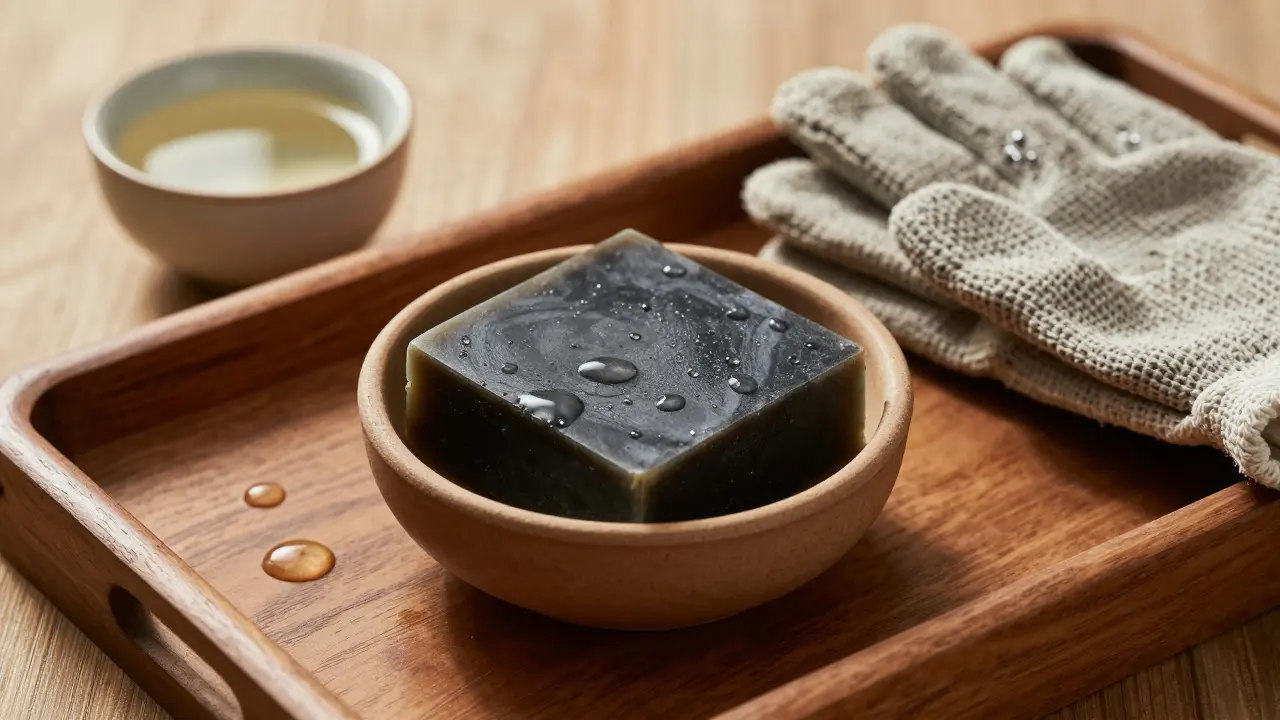
A traditional hammam experience follows three key stages: heat, scrub, and rinse. First, you relax in a hot, steamy room to open your pores. Then, a therapist (or you, if you’re doing it solo) scrubs your skin with black soap and a kessa glove to slough off dead cells. Finally, you’re rinsed with cool water and sometimes draped in warm towels. The whole thing takes 45 to 90 minutes. It’s not a quick massage-it’s a full sensory reset.
How It Differs from Related Practices
People often confuse hammams with saunas, Turkish baths, or regular spa treatments. Here’s how they stack up:
| Practice | Key Feature | Primary Benefit |
|---|---|---|
| Moroccan Hammam | Steam + black soap + kessa glove scrub | Deep exfoliation and detox |
| Sauna | Dry heat, no scrubbing | Relaxation and sweating |
| Turkish Bath | Similar steam, but often includes massage | Relaxation and circulation |
| Spa Massage | Manual pressure, oils, no steam | Muscle relief |
What makes the hammam unique is the physical scrub. It’s not gentle. It’s intense. And that’s where preparation matters.
Who Can Benefit from a Moroccan Bath?
Almost everyone. If you’re tired of dull skin, clogged pores, or just feeling sluggish, the hammam works. Athletes use it to recover. Travelers use it to reset after long flights. Locals use it weekly. Even if you’re not into spa culture, the physical results speak for themselves: smoother skin, better circulation, and a deep sense of calm. Just avoid it if you have open wounds, severe eczema, or are pregnant without checking with your doctor first.
Benefits of a Moroccan Bath for Your Body
Deep Skin Exfoliation
Dead skin builds up faster than you think-especially in Dubai’s dry, dusty climate. The kessa glove, made of rough woven fabric, combined with natural black soap (made from olive oil and eucalyptus), removes layers of buildup you didn’t even know were there. After one session, your skin feels like it’s been polished. Many say their makeup applies smoother, their moisturizers absorb better, and even acne-prone skin clears up over time. It’s not magic-it’s physics. Heat opens pores, scrubbing lifts debris, and rinsing flushes it out.
Improved Circulation and Detox
The heat from the steam rooms raises your core temperature, making your heart pump faster and blood flow more freely. This isn’t just about feeling warm-it’s about oxygenating your skin and organs. While the idea of ‘detoxing’ through sweat is often exaggerated, the combination of heat and scrubbing helps your lymphatic system move more efficiently. Think of it like a spring clean for your skin’s plumbing.
Stress Reduction and Mental Clarity
There’s something about the rhythm of the hammam that quiets the mind. The steam, the silence, the rhythmic scrubbing-it’s meditative. Research from the National Institutes of Health shows that heat therapy can lower cortisol levels, the hormone tied to stress. After your session, you won’t just look refreshed-you’ll feel it. The kind of calm that lasts hours, not minutes.
Practical Applications in Daily Life
Regular hammam visits (once a week or every two weeks) can reduce the need for harsh chemical scrubs at home. You’ll notice your body washes more easily, your legs feel softer without shaving cream, and your skin doesn’t get as dry in winter. For people with psoriasis or keratosis pilaris, many dermatologists recommend gentle hammam sessions as part of a skincare routine. It’s not a cure-but it’s a powerful support tool.
What to Expect When Engaging with a Moroccan Bath
Setting or Context
In Dubai, you’ll find hammams in three main settings: luxury hotel spas (like the Ritz-Carlton or Burj Al Arab), standalone wellness centers (such as Al Maha or The Spa at Address), and traditional Moroccan-run hammams in Deira or Bur Dubai. The luxury spots are cleaner, quieter, and come with robes and slippers. The traditional ones are more authentic-think tiled rooms, loud steam, and therapists who’ve been doing this for 30 years. Both are valid. Choose based on your vibe.
Key Processes or Steps
Here’s what happens during a standard session:
- You’re given a towel, slippers, and a private changing room.
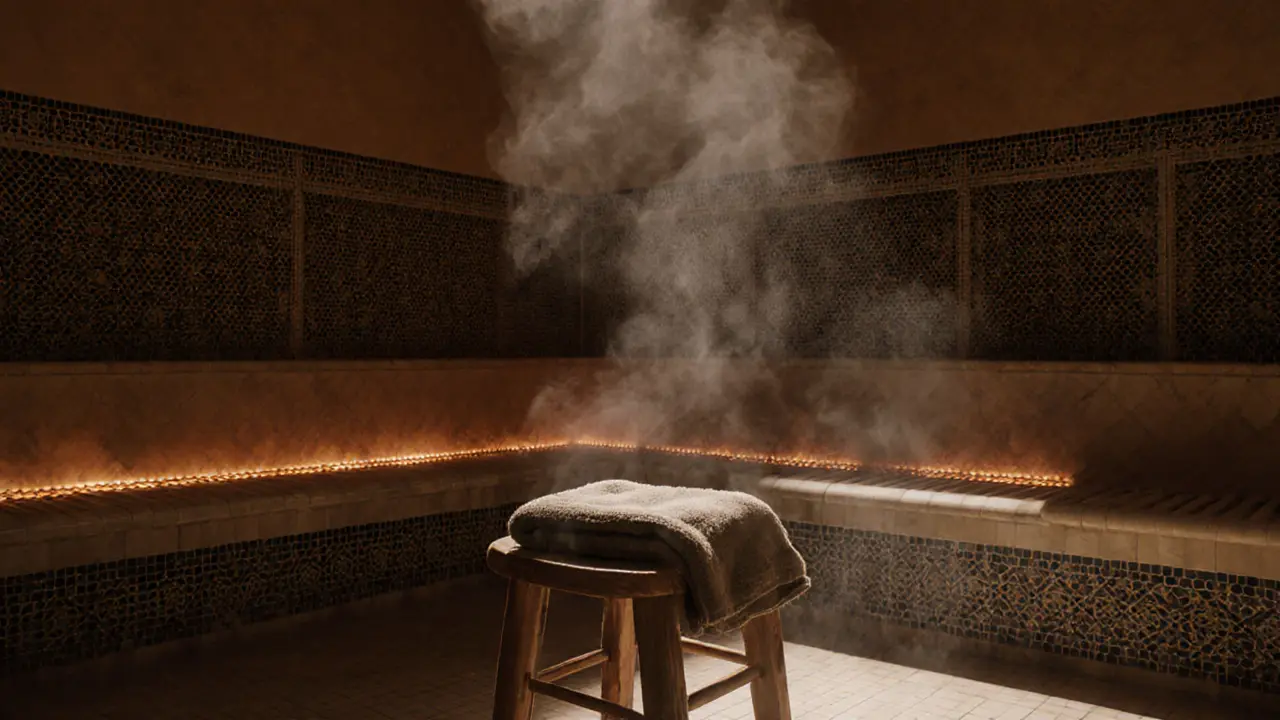
- You enter the warm room (around 40°C) and relax for 10-15 minutes.
- You move to the hotter room (up to 50°C) for another 10-15 minutes.
- A therapist calls you over for the scrub-usually 15-20 minutes.
- You’re rinsed with cool water, then wrapped in warm towels.
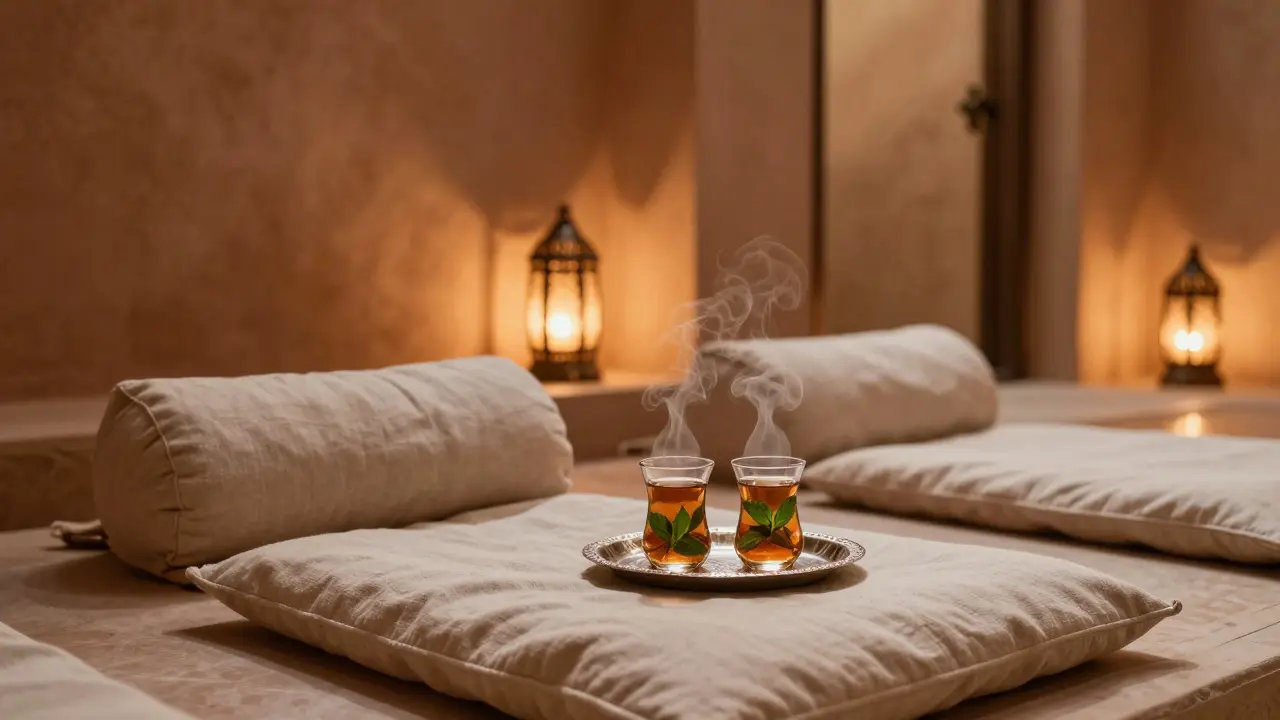
- You rest in a quiet lounge with mint tea before leaving.
It’s not rushed. You’re never pushed. If you feel dizzy at any point, say so. The staff will pause.
Customization Options
Most places let you choose your scrub intensity. If you’re sensitive, ask for a light scrub. If you want deep exfoliation, go for it. Some places offer aromatherapy oils (lavender, orange blossom) or body masks made with rhassoul clay. You can also upgrade to a full-body oil massage afterward. Don’t be shy-ask what’s available.
Communication and Preparation
Speak up. If you’re not comfortable with a therapist of a certain gender, say so. If you’re on your period, most places will still let you go in-you just wear a tampon and bring an extra towel. If you’re claustrophobic, ask for the least crowded room. The staff has heard it all. They’re used to first-timers.
What to Bring to a Moroccan Bath
Essentials: The Non-Negotiables
Here’s what you absolutely need:
- One towel (for drying off after)
- Flip-flops (to protect your feet on wet floors)
- A change of clothes (for after)
- A small bag (to carry your stuff)
Most places rent towels and slippers for 10-20 AED, but bringing your own saves time and feels more hygienic. A lightweight, quick-dry towel works best. Skip the big beach towel-it’s bulky and takes forever to dry.
Recommended Add-Ons: Make It Better
These aren’t required, but they make the experience smoother:
- Black soap (if you plan to scrub yourself later at home)
- Kessa glove (a rough, loofah-like glove for exfoliation)
- Water bottle (hydration is key before and after)
- Plastic bag (for your wet towel after)
- Light makeup remover (if you’re wearing makeup)
You can buy black soap and kessa gloves at any Moroccan market in Dubai-try the Gold Souk or the Deira Spice Souk. They’re cheap and last months.
What NOT to Bring
Leave these at home:
- Expensive jewelry (no lockers are 100% secure)
- Heavy makeup (it’ll smear and clog pores)
- Perfume or body spray (the steam will magnify it, and it’s distracting)
- Your phone (yes, really. You’re here to unplug.)
Safety and Ethical Considerations
Choosing Qualified Practitioners
Look for places with clean, well-maintained rooms. Check reviews for mentions of hygiene. If the towels smell musty or the floors are slippery, walk out. Reputable places use disposable liners for the massage tables and change towels between guests. If you’re unsure, go to a hotel spa-they’re held to higher standards.
Safety Practices
Here’s how to stay safe:
| Practice | Purpose | Example |
|---|---|---|
| Hydrate before and after | Prevent dizziness | Drink 1-2 glasses of water |
| Don’t stay too long in heat | Avoid overheating | Max 20 minutes per room |
| Use the kessa glove gently | Prevent micro-tears | Don’t scrub red or irritated skin |
Setting Boundaries
If you’re uncomfortable with touch, say so. You can request a same-gender therapist. You can ask them to skip certain areas. You can even do the scrub yourself-many places sell the tools and let you do it alone. No one will judge you. This is your experience.
Contraindications or Risks
Avoid the hammam if you have:
- Open wounds or recent surgery
- Severe high blood pressure
- Heart conditions
- Active skin infections (like herpes or ringworm)
- Are in your first trimester of pregnancy
If you’re unsure, check with your doctor. Better safe than sorry.
Enhancing Your Experience with a Moroccan Bath
Adding Complementary Practices
Pair your hammam with a 10-minute meditation after your rinse. Or sip chamomile tea in the lounge. Some people like to do light yoga before the session to loosen up. The goal? Slow down. Let the heat do the work.
Collaborative or Solo Engagement
You can go alone or with a friend. Many couples book side-by-side sessions-it’s a great way to bond. Just make sure you’re both on the same page about the intensity. One person might want a deep scrub; the other might want a gentle steam. Communicate ahead of time.
Using Tools or Props
Bring your own kessa glove and black soap if you’re serious about skincare. The ones provided are fine, but your own are cleaner and more familiar. Some people bring a small bottle of body oil to apply after-coconut or argan oil works well in Dubai’s dry air.
Regular Engagement for Benefits
One session feels amazing. Two a month feels transformative. Regular users say their skin looks younger, they sleep better, and they feel more grounded. Think of it like brushing your teeth-but for your whole body.
Finding Resources or Experts for a Moroccan Bath
Researching Qualified Practitioners
Look for places with clear hygiene policies, licensed staff, and good reviews on Google or TripAdvisor. Avoid places with no photos or no clear pricing. In Dubai, try The Spa at Al Maha, The Hammam at Burj Al Arab, or Al Noor Hammam in Deira for authentic experiences.
Online Guides and Communities
Join Dubai Wellness Groups on Facebook. You’ll find locals sharing tips, deals, and honest reviews. YouTube has great walkthroughs-search for ‘Moroccan bath Dubai tour’ to see what the rooms look like.
Legal or Cultural Considerations
Dubai respects cultural traditions. Most hammams are gender-segregated. Some offer mixed-gender hours-always check ahead. Dress modestly in common areas. No swimsuits in the steam rooms-just your towel.
Resources for Continued Learning
Check out The Art of the Hammam by Moroccan wellness expert Fatima Zahra. It’s available on Amazon and explains the history, recipes for black soap, and DIY routines. Not a textbook-just a beautiful, practical guide.
FAQ: Common Questions About Moroccan Baths in Dubai
What to expect from a Moroccan bath in Dubai?
You’ll start in a warm room, then move to a hotter one to sweat and open your pores. A therapist will scrub your skin with a rough glove and black soap, then rinse you off. You’ll feel a little exposed at first, but it’s all very professional. Afterward, you’ll be wrapped in warm towels and given mint tea. The whole thing lasts about an hour. You’ll leave feeling like your skin has been reborn.
What happens during a Moroccan bath?
First, you relax in steam for 10-15 minutes. Then, you’re guided to a scrubbing table. The therapist uses black soap and a kessa glove to exfoliate your entire body-back, arms, legs, even your feet. It’s firm but not painful. After scrubbing, you’re rinsed with cool water, then wrapped in towels. You rest in a quiet lounge with tea before leaving. No needles, no oils, no massage-just heat, scrub, rinse.
How does a Moroccan bath differ from a Turkish bath?
Both use steam and heat, but the Moroccan hammam focuses on deep exfoliation with a kessa glove and black soap. Turkish baths often include a full-body massage with oils and are more about relaxation than skin renewal. The Moroccan version is grittier, more intense, and leaves your skin noticeably smoother. The Turkish bath feels more like a spa day; the hammam feels like a reset.
What is the method of a Moroccan bath?
The method is simple: heat, scrub, rinse. You enter a series of progressively hotter rooms to sweat and open pores. Then, you’re scrubbed with a natural black soap and a coarse glove to remove dead skin. Afterward, you’re rinsed with cool water to close pores and refresh. No chemicals, no machines-just water, heat, and friction. That’s it.
Is a Moroccan bath suitable for beginners?
Absolutely. Most places are designed for first-timers. Staff will guide you through every step. Start with a basic package-no extra treatments. Wear your own flip-flops and towel. Stay hydrated. Don’t rush. If you feel dizzy, sit down. You’ll be fine. Many beginners say it was the best spa experience they’ve ever had.
Conclusion: Why a Moroccan Bath is Worth Exploring
A Path to Radiant Skin and Calm
It’s not just a trend. The Moroccan bath works. It’s science-backed, culturally rich, and deeply effective. If you’re tired of lotions that don’t deliver, or massages that don’t stick, try this. Your skin will thank you. So will your mind.
Try It Mindfully
Don’t treat it like a checklist item. Slow down. Breathe. Let the steam do its work. Choose a place that feels right-not just the cheapest or the fanciest. And if you’re unsure, start with a hotel spa. You’ll be amazed at how different it feels from a regular shower.
Share Your Journey
Tried a Moroccan bath in Dubai? Share your experience in the comments. What surprised you? What would you do differently? Follow this blog for more local wellness tips-from desert yoga to hidden hammams in Bur Dubai.
Some links may be affiliate links, but all recommendations are based on research and quality.
Word count: 1,687
Suggested Images
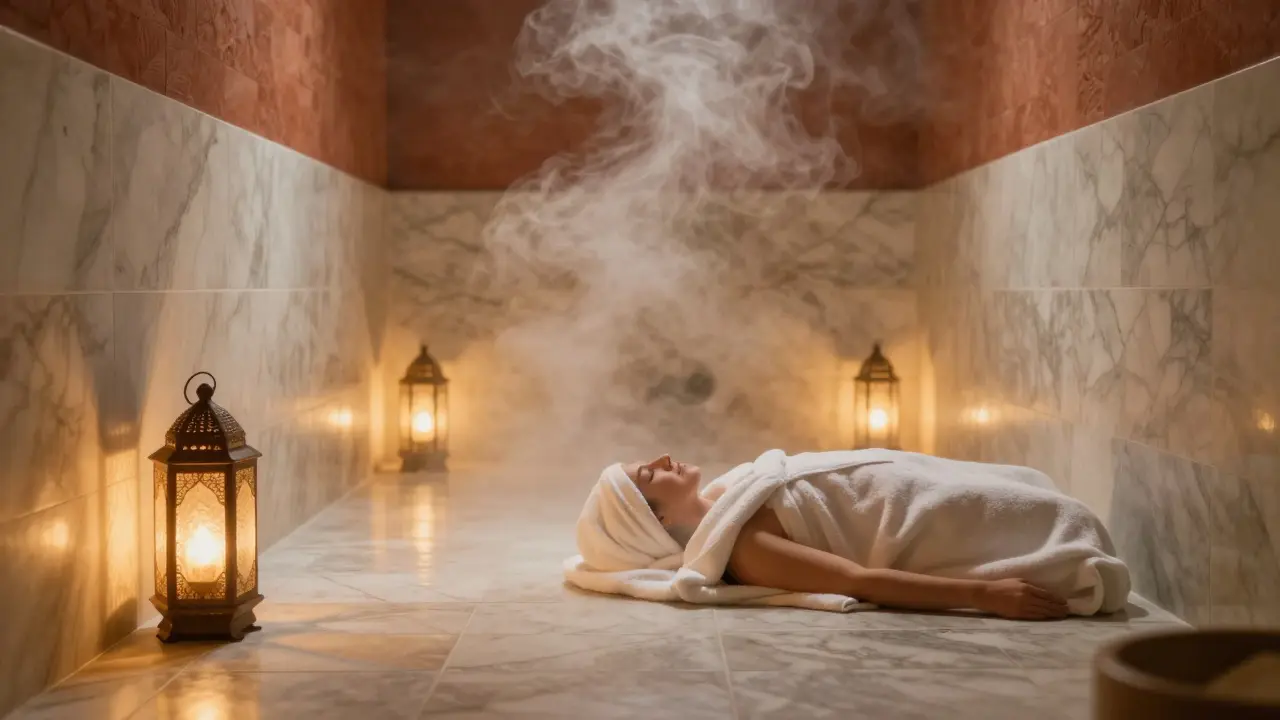
- A woman wrapped in a white towel, stepping out of a steam room in a traditional Moroccan-style hammam with mosaic tiles.
- A close-up of black soap and a kessa glove on a wooden tray next to a bowl of warm water.
- A quiet lounge area in a Dubai hammam with mint tea, cushions, and soft lighting.
- A therapist gently scrubbing a client’s back with a kessa glove in a steamy room.
- A before-and-after skin comparison (smooth, glowing skin vs. dull, rough texture).
Suggested Tables
- Comparison of Hammam vs. Other Spa Treatments
- Hammam Safety Tips
- What to Bring vs. What Not to Bring to a Moroccan Bath

alyssa golightly
December 5, 2025 AT 05:10I went to a hammam in Deira last month and honestly? I cried. Not from pain, but from how deeply relaxed I felt. The therapist didn’t say a word, just scrubbed like she’d been doing it since birth. I brought my own kessa glove and black soap-totally worth it. No rental gear for me, thanks. Also, mint tea after? Chef’s kiss. 🤍
Hannah Ronquillo
December 6, 2025 AT 10:00If you’re new to this, start with a hotel spa like the Ritz. The steam rooms are cleaner, the staff speaks English, and they’ll walk you through every step. I was nervous about the scrubbing, but my therapist asked if I wanted light or medium-and I went medium. My skin has never been smoother. Also, drink water before AND after. Seriously. Your body will thank you.
Tim Paradis
December 8, 2025 AT 09:29Stop overcomplicating this. Bring a towel and flip flops. That’s it. Everything else is marketing. The soap and glove are provided. You don’t need to buy black soap from the Gold Souk. You’re not in Morocco. You’re in Dubai. Stop acting like this is a sacred pilgrimage.
Matt Ferry
December 8, 2025 AT 20:11Everyone says it’s transformative but have you actually tried it without the hype? I went twice. First time felt like being sandblasted. Second time I just sat in the steam room for 45 minutes and left. Same result. No scrub, no drama. The whole ‘exfoliation’ thing is just a fancy way to say ‘rub hard until skin turns red.’
Richard Reyes
December 9, 2025 AT 05:52Thank you for this comprehensive guide. 🙏 I appreciate the emphasis on safety, cultural respect, and personal boundaries. As someone who values both wellness and dignity, I found your notes on gender preferences and contraindications particularly thoughtful. For those hesitant: it’s okay to say no to touch, no to scrub, no to anything that doesn’t feel right. This ritual is yours to shape. 🌿💧
Leanne McNally
December 10, 2025 AT 09:39so like... you just let some stranger scrape your skin off with a burlap sack and call it self care? 🤡 i went because my friend said it was 'life changing' and honestly? i felt like a lobster that got boiled then rubbed with a cheese grater. also why is everyone suddenly obsessed with 'black soap'? it's just soap. and no, i don't need a kessa glove in my bathroom. i have a loofah. and it's fine.
Kristin Kuchenbecker
December 12, 2025 AT 06:41Wow. Just… wow. I’ve been doing this every two weeks for the past year, and I still get teary-eyed after the rinse. The way the steam wraps around you, the quiet, the rhythm of the scrub-it’s not just skincare, it’s soulcare. I used to think spa days were frivolous, but now? This is my therapy. My mental reset. My weekly permission to just… be. I even started making my own black soap with olive oil and eucalyptus-so simple, so grounding. If you’re on the fence, just go. You’ll know when it’s right for you.
Tony Giny
December 13, 2025 AT 06:09Bring towel. Bring flip flops. Go. Done.