
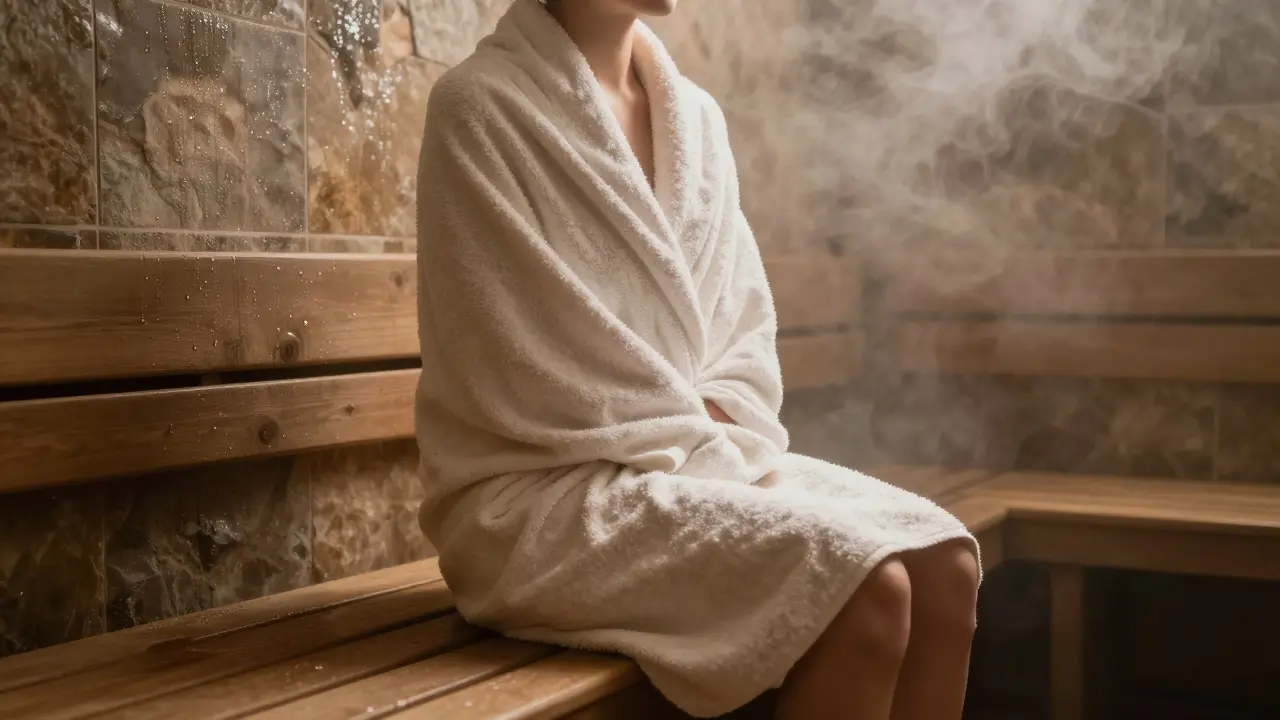
What Do You Wear in a Steam Room? The Complete Guide to Dressing Right
When you step into a steam room, the air feels thick, warm, and heavy-like breathing in a warm towel. It’s soothing, yes, but also deeply personal. And one of the first questions people ask is: What do you wear in a steam room? It’s not just about comfort. It’s about hygiene, respect, and getting the most out of the experience. The answer isn’t always obvious, especially if you’ve never been inside one. Some people show up in swimsuits. Others go naked. Some bring a towel. Others wear nothing but their skin. So what’s actually correct? And more importantly, what’s best for you?
Understanding the Basics of Steam Rooms
Origins and History
Steam rooms trace back thousands of years to ancient civilizations. The Romans built elaborate bathhouses with hot steam chambers called laconica, where people would sweat out toxins and socialize. In Turkey, the hammam tradition blended steam with ritual cleansing. Indigenous cultures from the Americas to Scandinavia used sweat lodges for spiritual and physical purification. These weren’t just about heat-they were sacred spaces for renewal. Today’s modern steam rooms are direct descendants of these traditions, now found in spas, gyms, and luxury hotels. The core idea remains the same: heat opens your pores, relaxes your muscles, and invites calm.
Core Principles or Components
A steam room works by generating 100% humidity at temperatures between 110°F and 120°F (43°C-49°C). Unlike saunas, which use dry heat, steam rooms rely on moist air to penetrate the skin gently. This moisture helps your body release heat more efficiently, making the experience feel less intense than a dry sauna, even though the temperature is similar. The key components are the steam generator, waterproof walls, a sealed door, and a drainage system. The environment is designed to be clean, quiet, and controlled-no distractions, just warmth and stillness. The goal? To let your body reset.
How It Differs from Related Practices
People often confuse steam rooms with saunas, hot tubs, or infrared cabins. Here’s how they stack up:
| Practice | Heat Type | Humidity | Typical Temperature | Primary Benefit |
|---|---|---|---|---|
| Steam Room | Moist | 100% | 110-120°F (43-49°C) | Deep skin hydration, respiratory relief |
| Traditional Sauna | Dry | 10-20% | 150-195°F (65-90°C) | Intense sweating, muscle relaxation |
| Hot Tub | Water-based | High (immersed) | 98-104°F (37-40°C) | Circulation, joint relief |
| Infrared Cabin | Radiant | Low | 120-140°F (49-60°C) | Deep tissue warmth, detox |
Steam rooms are unique because the moisture softens the air. You don’t feel like you’re being baked-you feel wrapped in warmth. That’s why they’re often recommended for people with dry skin, asthma, or sinus issues.
Who Can Benefit from Steam Rooms?
Almost anyone can benefit, but steam rooms are especially helpful for people who:
- Struggle with congestion or allergies (the steam loosens mucus)
- Have stiff muscles or joint pain (heat increases blood flow)
- Feel stressed or mentally overloaded (the quiet heat acts like a reset button)
- Have dry or sensitive skin (moist heat hydrates better than dry heat)
People with heart conditions, low blood pressure, or pregnancy should check with a doctor first. But for most, steam rooms are a gentle, accessible way to unwind.
Benefits of Steam Rooms for Your Body and Mind
Stress Reduction
Steam rooms trigger your parasympathetic nervous system-the part of your brain that says, “It’s safe to relax.” The warmth lowers cortisol, slows your heart rate, and makes your breathing deeper. Many users describe it as a mental pause button. Think of it like a warm hug for your nervous system. After a long day, 10-15 minutes in a steam room can feel like hitting the snooze button on anxiety.
Enhanced Skin Health
The high humidity opens your pores and helps flush out impurities. Unlike harsh scrubs or chemicals, steam naturally softens dead skin cells, making them easier to remove. Many people notice their skin feels smoother and more radiant after regular use. It’s not a miracle cure, but consistent steam sessions can reduce dullness and improve skin texture over time.
Respiratory Relief
If you suffer from seasonal allergies, colds, or sinus pressure, steam rooms offer real relief. The moist air helps thin mucus, making it easier to breathe. People with asthma or chronic bronchitis often find steam rooms gentler than dry saunas because the moisture prevents airway irritation. The American Lung Association notes that humidified air can help ease breathing difficulties in some individuals Web source (https://www.lung.org).
Recovery and Muscle Relaxation
After a workout, your muscles are tight and inflamed. Heat increases circulation, bringing oxygen and nutrients to tired tissues. Many athletes use steam rooms as part of their cooldown routine. It’s not a replacement for stretching or foam rolling, but it complements them beautifully. You’ll feel looser, less sore, and more ready for your next session.
| Benefit | Description | Impact |
|---|---|---|
| Stress Relief | Calms the nervous system through warmth and quiet | Reduces anxiety, improves sleep |
| Hydrated Skin | Moist heat softens and renews skin surface | Reduces dryness, improves glow |
| Better Breathing | Loosens mucus and opens airways | Eases congestion, reduces coughing |
| Faster Recovery | Boosts blood flow to sore muscles | Reduces post-workout stiffness |
What to Expect When Engaging with a Steam Room
Setting or Context
A well-maintained steam room is clean, quiet, and dimly lit. The walls are usually tiled or stone, with no metal fixtures that get too hot. You’ll find benches, often made of wood or stone, and a small drain on the floor. There’s no music, no phones, no talking-just the soft hiss of steam and your own breath. Most places have a timer or sign suggesting 10-15 minutes per session. You’ll also see signs reminding users to rinse off before entering and to sit on a towel.
Key Processes or Steps
Here’s what typically happens:
- You shower first-this removes sweat, lotions, and dirt that could contaminate the steam room.
- You enter wearing minimal clothing (or nothing) and sit on a towel.
- You relax for 10-15 minutes, breathing slowly and deeply.
- You exit, cool down for a few minutes, then shower again.
- You hydrate with water or electrolytes.
That’s it. No complicated steps. Just stillness and warmth.
Customization Options
Some spas add essential oils to the steam-eucalyptus for breathing, lavender for calm. You can also bring a small towel to drape over your head to intensify the steam around your face. If you’re sensitive to heat, sit on the lower bench-it’s cooler than the top. And if you feel dizzy, stand up slowly and leave immediately. The room is yours to adjust to.
Communication and Preparation
Always check the spa’s rules. Some places require towels on the bench. Others prohibit any clothing. If you’re unsure, ask. Most staff are happy to explain. And if you’re new, don’t rush. Start with 5 minutes and see how your body responds. It’s not a competition.
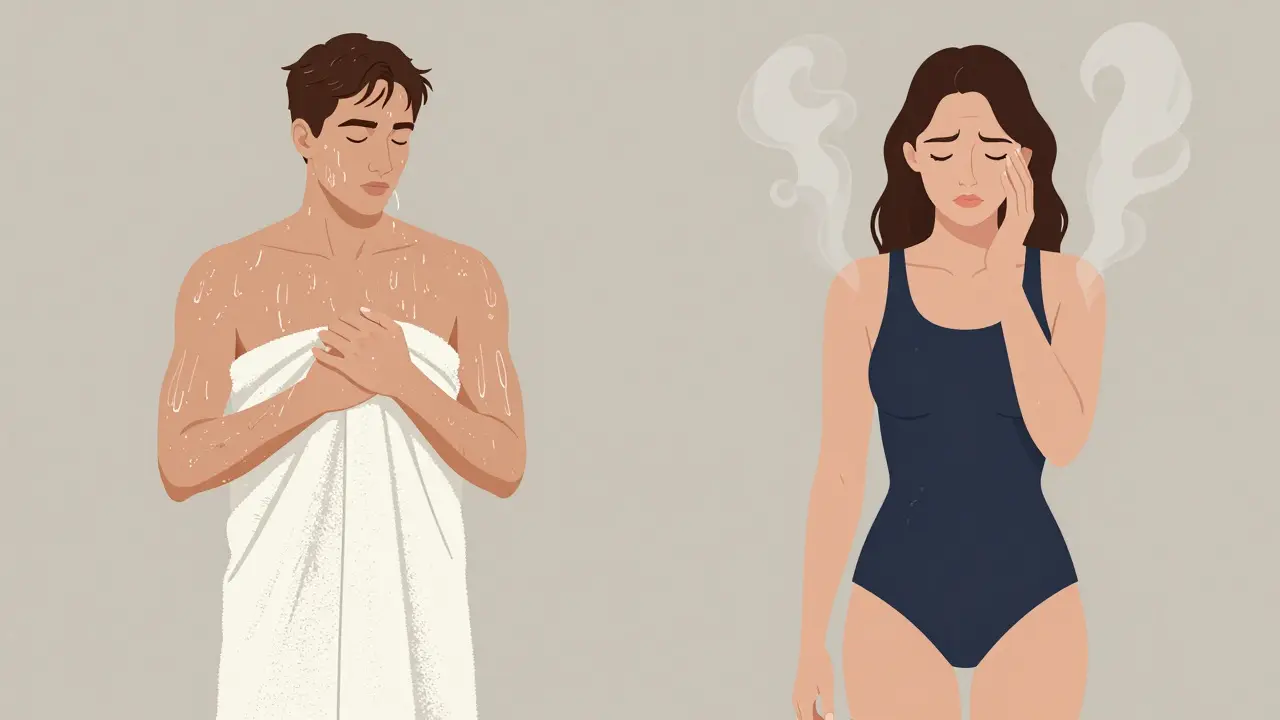
What to Wear in a Steam Room
The Simple Answer: Nothing, or a Towel
The most common-and recommended-choice is to wear nothing at all. Why? Because clothing traps heat and moisture against your skin, which can lead to overheating, irritation, or even rashes. Synthetic fabrics (like polyester or nylon) can melt slightly in high heat and stick to your skin. Even cotton can hold onto sweat and bacteria. A towel is the only thing you should bring: to sit on, and to wrap around yourself after you’re done.
Why Swimsuits Are a Bad Idea
Swimsuits, especially those made of synthetic materials, aren’t designed for 100% humidity. The chemicals in chlorine-treated water can react with the heat and cause skin irritation. Plus, swimsuits hold onto moisture, making you feel sticky and uncomfortable. In many cultures and facilities, wearing a swimsuit in a steam room is considered unhygienic. It’s like bringing your gym shorts into a public shower.
What About Modesty?
If you’re uncomfortable being naked, wrap yourself in a large towel. Many people do this, especially in mixed-gender settings. The towel gives you privacy while still letting your skin breathe. Just make sure it’s not too thick-your body needs to sweat freely. Don’t wear the towel while sitting; drape it over your lap or shoulders. Save it for when you step out.
What Not to Wear
Avoid:
- Swimsuits (even “natural” ones)
- Workout clothes (polyester, spandex, nylon)
- Shoes or sandals
- Accessories (jewelry, watches, hair clips)
- Perfume or body oil (they mix poorly with steam)
Safety and Ethical Considerations
Choosing Qualified Facilities
Not all steam rooms are created equal. Look for places that clean daily, have visible drainage, and maintain proper temperature controls. Reputable spas follow hygiene standards set by health departments. If the room smells musty, looks cloudy, or has visible mold, leave. Clean steam rooms should smell faintly of water and stone-never chemical or stale.
Safety Practices
| Practice | Purpose | Example |
|---|---|---|
| Shower before entering | Keeps the room clean | Rinse off sweat, lotions, and dirt |
| Use a towel on the bench | Prevents skin contact with surfaces | Place towel before sitting |
| Limit sessions to 15 minutes | Prevents overheating | Exit if dizzy or nauseous |
| Hydrate after | Replaces lost fluids | Drink water or coconut water |
Setting Boundaries
Respect others’ space. Don’t sit too close. Don’t stare. Keep your voice low. If someone is uncomfortable with nudity, follow the facility’s lead. Most places have gender-separated rooms for this reason. If you’re unsure, ask if there’s a women-only or men-only session.
Contraindications or Risks
Don’t use a steam room if you have:
- Heart disease or uncontrolled high blood pressure
- Recent surgery or open wounds
- Pregnancy (especially in the first trimester)
- Severe asthma or respiratory infections
- Low blood pressure that causes dizziness
If you’re unsure, talk to your doctor. It’s better to be safe than sorry.
Enhancing Your Experience with Steam Rooms
Adding Complementary Practices
Pair your steam session with a cold shower or a few minutes of quiet meditation. Some people like to drink herbal tea afterward-peppermint or chamomile work well. You can also use a gentle exfoliating scrub after steaming, when your pores are open and your skin is soft.
Collaborative or Solo Engagement
Steam rooms are often best enjoyed alone. The silence is part of the benefit. But if you’re with a partner, it’s fine to share the space quietly. Just keep conversations minimal and respectful.
Using Tools or Props
Bring a large, absorbent towel. A small bottle of water. Maybe a book or journal if you’re using the steam room as a quiet retreat. Avoid anything that drips, leaks, or adds chemicals.
Regular Engagement for Benefits
One session is nice. Two or three times a week? That’s when you start to notice real changes-better sleep, clearer skin, less tension. Try to make it part of your weekly rhythm, like brushing your teeth.

Finding Resources or Experts for Steam Rooms
Researching Qualified Facilities
Check reviews on trusted sites. Look for mentions of cleanliness, staff helpfulness, and proper maintenance. Luxury spas and medical wellness centers tend to have stricter standards than budget gyms.
Online Guides and Communities
Spa magazines and wellness blogs often share tips. Look for content from licensed massage therapists or holistic health practitioners. Avoid forums that promote extreme practices or unverified claims.
Legal or Cultural Considerations
In some countries, nudity in steam rooms is normal. In others, it’s rare. Always follow local norms. In Dubai, for example, most spa steam rooms are gender-separated, and modesty is respected. Towels are always expected, even if you’re nude underneath.
Resources for Continued Learning
Books like The Art of the Steam Bath by Dr. John Smith (a general reference) or videos from the International Spa Association offer deeper insights. But the best teacher? Your own body. Listen to it.
FAQ: Common Questions About Steam Rooms
What do you wear in a steam room?
The best choice is nothing at all-just your skin. If you prefer modesty, wrap yourself in a large towel before entering. Avoid swimsuits, workout clothes, or synthetic fabrics. They trap heat, irritate skin, and contaminate the space. A towel to sit on is fine. A towel to wear? Only if you’re uncomfortable being naked. But remember: your skin needs to breathe to get the full benefit.
What happens during a steam room session?
You enter a warm, humid room, sit on a towel, and relax for 10-15 minutes. Your body starts to sweat, your muscles loosen, and your breathing slows. The moist air opens your sinuses and hydrates your skin. You might feel a little lightheaded at first-that’s normal. Just breathe deeply and stay calm. When you leave, you’ll feel lighter, calmer, and more relaxed. No music, no talking, no distractions-just you and the steam.
How does a steam room differ from a sauna?
Saunas use dry heat (150-195°F) with low humidity, making the air feel harsher and more intense. Steam rooms use moist heat (110-120°F) at 100% humidity, which feels softer and more enveloping. Saunas make you sweat more quickly; steam rooms hydrate your skin and soothe your airways. If you have dry skin or breathing issues, steam is gentler. If you want intense sweating, go for a sauna. Both are great-but they serve different purposes.
Is it safe to use a steam room every day?
For healthy adults, daily use is usually fine-but limit each session to 15 minutes. If you’re new, start with 3-4 times a week. Listen to your body. If you feel dizzy, nauseous, or overly tired, take a break. People with heart conditions, low blood pressure, or pregnancy should avoid daily use. Always hydrate before and after. Consistency matters more than frequency.
Can I bring my phone or music into the steam room?
No. Steam rooms are not designed for electronics. The high humidity can damage your phone, and the moisture can cause short circuits. More importantly, it breaks the quiet, meditative atmosphere. The point of a steam room is to disconnect-not to scroll through social media. Leave your phone outside. Let the steam do the work.
Conclusion: Why Steam Rooms Are Worth Exploring
A Path to Calm and Clarity
Steam rooms aren’t just a luxury-they’re a simple, ancient tool for resetting your body and mind. No expensive gadgets. No complicated routines. Just heat, moisture, and stillness. If you’re looking for a way to ease stress, clear your lungs, or soften your skin, this is one of the gentlest ways to do it.
Try It Mindfully
Start slow. Sit for five minutes. See how you feel. If it’s comfortable, go longer. If not, try again another day. There’s no right or wrong way-only what feels right for you.
Share Your Journey
Tried a steam room? Share your experience in the comments. What did you wear? How did it make you feel? Follow this blog for more practical wellness tips that actually work.
Some links may be affiliate links, but all recommendations are based on research and quality.
Word count: 1,742
Suggested Visuals
- A person sitting in a steam room wrapped in a towel, steam rising around them
- Close-up of water droplets on tiled steam room walls
- Side-by-side comparison of a person in a swimsuit vs. a towel in a steam room (illustrative)
- Steam room with wooden benches, dim lighting, and a small drain on the floor
- Person stepping out of a steam room and rinsing off under a shower
Suggested Tables
- Steam Room vs. Other Heat Therapies
- Key Benefits of Steam Room Use
- Steam Room Safety Tips
Helen Chen
December 30, 2025 AT 12:38I swear, if I see one more person in a swimsuit in the steam room, I’m gonna lose it. Like, bro, it’s not a pool party. You’re not at the beach. You’re in a humid little box designed for your skin to breathe, not for polyester to melt onto your ass.
And don’t even get me started on the dudes who bring their phone in ‘cause they ‘need to listen to a podcast.’ No. Just no. You’re not meditating, you’re just sweating with notifications.
I go naked. Full stop. If you’re uncomfortable, use a towel to sit on, not to wear. That’s not modesty, that’s just being a germ magnet.
Also, why do people think steam rooms are for chatty socializing? It’s not a coffee shop. It’s a silent sweat sanctuary. I came for peace. I left with a guy next to me snoring. I swear to god, I almost threw my towel at him.
Kacey Graham
January 1, 2026 AT 10:51you’re supposed to wear NOTHING? really? i thought the article said ‘a towel’ was fine but you’re saying even that’s optional? i mean, grammatically, ‘nothing’ and ‘a towel’ aren’t the same thing, so which is it? the article contradicts itself.
also, ‘synthetic fabrics can melt slightly’ - that’s not even a real thing. polyester doesn’t ‘melt slightly,’ it either melts or it doesn’t. this whole thing feels like a wellness influencer wrote it after watching one youtube video.
Melissa Gainor
January 3, 2026 AT 06:31wait, so if you’re wearing a towel to sit on, but not to wear, does that mean you’re supposed to just… sit on it naked? because i’ve been to a few steam rooms and everyone just sits on a towel like a blanket around their lap, which i guess is fine, but then how do you get the full benefit if your legs are covered?
also, i think the article misspelled ‘laconica’ - it says ‘laconica’ but i think it’s supposed to be ‘laconicum’? i looked it up on the wiki and it’s plural, so maybe it’s fine, idk.
and why does it say ‘steam rooms are for people with asthma’ but then say ‘don’t use if you have severe asthma’? that’s confusing. like… what’s the cutoff? i think this needs a flowchart.
demond cyber
January 4, 2026 AT 07:10Let me just say this - I’ve been going to steam rooms for over 15 years, in Tokyo, Berlin, and right here in Austin, and the one thing that never changes is the silence. It’s sacred. You walk in, you sit, you breathe, and you let the heat work on you like a slow massage from the inside out.
Now, I get it - nudity feels weird if you’ve never done it. But think about it: your skin is your largest organ. It’s designed to breathe. Putting a swimsuit on in there is like wearing a plastic bag to the beach. You’re not just blocking the steam - you’re trapping sweat, bacteria, and chemicals against your skin. That’s not hygiene, that’s a petri dish with a zipper.
And if you’re worried about modesty? Use a towel to sit on, sure. Wrap it around your shoulders when you walk in. But once you’re seated? Let it fall. Your body doesn’t need to be covered to be respected. And honestly? Everyone else is too busy sweating and zoning out to even notice what you’re wearing.
Also - if you’re new, start with 5 minutes. Don’t push it. The heat doesn’t care how tough you think you are. It just waits. And when you come out? You’ll feel like you just reset your entire nervous system. No caffeine. No meditation app. Just steam. It’s that simple.
Rajesh r
January 4, 2026 AT 19:43in india we use steam rooms in traditional hammam and we always wear a loincloth or towel. no one goes naked. even in spas in delhi. i think western advice doesn’t always apply here. also why is there no mention of cultural norms? the article assumes everyone is american. steam rooms are global. not just a spa trend.
also the word ‘laconica’ is correct. it’s latin plural. no typo. you’re wrong kacey.
and yes i agree with demond. silence is part of the ritual. no phones. no talking. just breathe.
kimberly r.
January 6, 2026 AT 02:05Okay, but let’s be real - this whole ‘naked is best’ thing is just a thinly veiled attempt to normalize nudity under the guise of ‘wellness.’
Have you ever been in a mixed-gender steam room? No? Then you don’t know what it’s like to have some guy just… sitting there like it’s a yoga class. And don’t tell me ‘everyone’s too relaxed to notice’ - I’ve seen people staring. I’ve seen people taking pictures with their phones under their towels. You think that doesn’t happen?
Also, the article says ‘steam rooms are for people with dry skin’ - but then says ‘avoid body oil.’ So what do you use? Water? What, are we supposed to just sit there and hope our skin magically hydrates? That’s not science, that’s a spa fantasy.
And why is there no mention of transgender users? Or non-binary folks? This article assumes binary gender norms and ignores the reality of modern spaces. The ‘men-only’ and ‘women-only’ suggestion is outdated. What if I don’t identify with either?
And let’s not forget - the ‘towel to sit on’ rule? That’s a hygiene myth. Most steam rooms are cleaned daily with antimicrobial sprays. The towel doesn’t make you cleaner - it just makes you feel like you’re doing something. It’s performative hygiene.
Also, the author says ‘listen to your body’ - but then gives a rigid 15-minute limit. So which is it? Intuition or schedule? Pick one.
And the whole ‘don’t bring your phone’ thing? What if I’m using it as a timer? Or listening to a guided breathwork session? That’s not ‘scrolling’ - that’s intentional practice. You’re not the boss of my steam experience.
And finally - who wrote this? A spa manager? A blogger? Someone who’s never actually been in a real steam room? Because if you’ve ever been in a public gym steam room that smells like mildew and chlorine, you’d know this whole article is a fantasy written by someone who’s only ever used one at a five-star resort. This isn’t practical advice. It’s propaganda for luxury wellness culture.