
Does Cupping Release Tight Muscles? The Science and Experience Behind the Practice
Cupping therapy has been used for thousands of years across cultures - from ancient Egyptian texts to traditional Chinese medicine - and today, it’s showing up in spas from Dubai to Denver. But the biggest question people ask is simple: Does cupping release tight muscles? The short answer? Yes, for many people, it does. But not because it’s magic. It’s because of how it interacts with your body’s soft tissues, circulation, and nervous system.
If you’ve ever woken up with a knot in your shoulder that won’t budge, or felt your lower back stiffen after sitting at a desk all day, you know how frustrating tight muscles can be. Massage helps. Stretching helps. But sometimes, you need something that reaches deeper than fingers or foam rollers can. That’s where cupping comes in.
This isn’t just a trendy spa treatment. People in Dubai’s wellness scene, athletes in training centers, and even office workers taking lunch breaks are turning to cupping not for the red circles it leaves - but for the lasting relief it brings. Let’s break down how it works, who it helps, and what you can realistically expect.
Understanding the Basics of Cupping Therapy
Origins and History
Cupping isn’t new. Ancient Egyptians used it around 1550 BCE, as recorded in the Ebers Papyrus. In China, it became a core part of Traditional Chinese Medicine (TCM), where it was believed to balance qi - the body’s vital energy - by drawing out stagnation. In the Middle East, it’s known as hijama, often practiced with wet cupping for detoxification. Modern cupping, especially in spas and physical therapy clinics, mostly uses dry cupping - no incisions, just suction.
Today, it’s not just traditional healers doing it. Physical therapists, chiropractors, and sports trainers in Dubai and beyond have integrated cupping into rehabilitation programs. It’s not a replacement for medical care, but it’s a tool many find useful for muscle tension.
Core Principles or Components
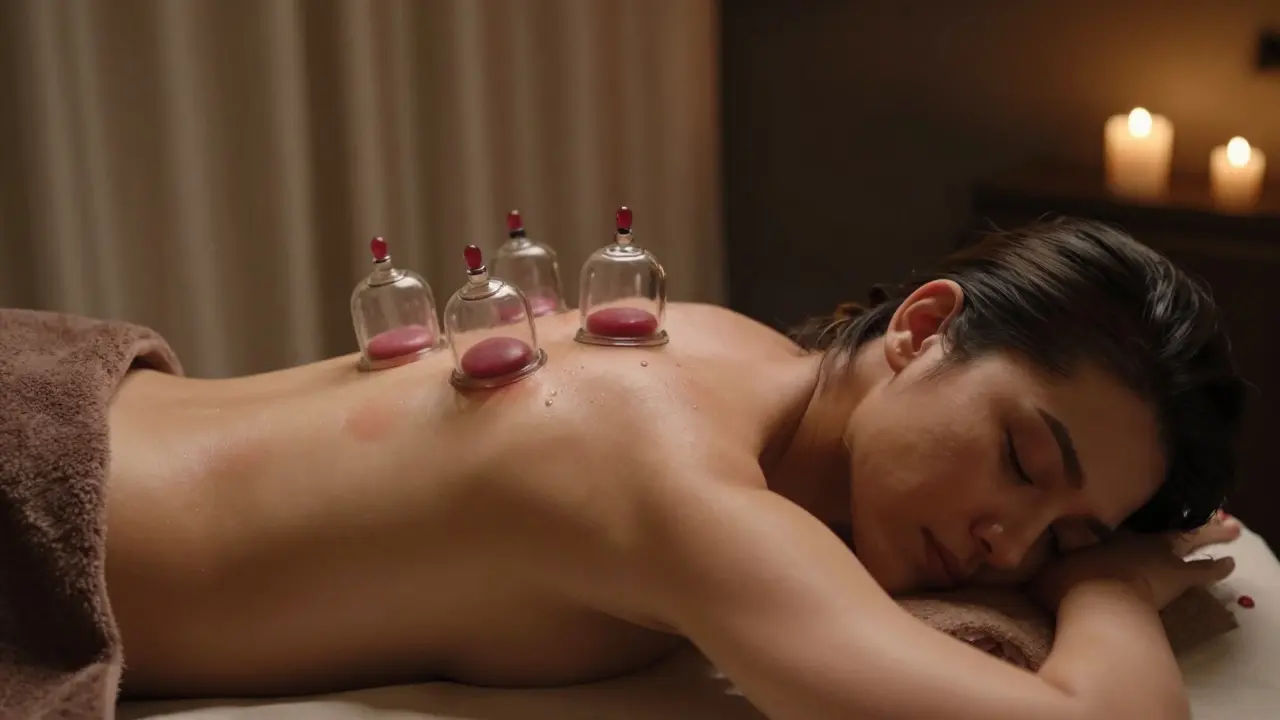
At its simplest, cupping uses glass, silicone, or plastic cups to create suction on the skin. This lifts the skin and underlying tissue - not just the surface, but the fascia, the connective web that wraps around muscles. The suction increases blood flow to the area, which brings oxygen and nutrients. It also stimulates mechanoreceptors in the skin, which can interrupt pain signals sent to the brain.
Think of it like gently pulling apart two pieces of tape stuck together. The suction separates the layers of tissue that may have stuck together due to injury, overuse, or stress. This isn’t just surface-level relaxation - it’s a physical release at the tissue level.
How It Differs from Related Practices
People often confuse cupping with massage, acupuncture, or foam rolling. Here’s how they compare:
| Practice | Key Feature | Primary Benefit |
|---|---|---|
| Cupping | Creates negative pressure (suction) | Releases fascial adhesions, improves circulation |
| Massage | Applies direct pressure with hands | Relaxes muscle fibers, reduces tension |
| Foam Rolling | Self-applied pressure using a roller | Breaks up knots, improves mobility |
Cupping doesn’t crush the muscle - it lifts it. That’s why it often feels different: less intense than deep tissue massage, but with a lingering sense of release that lasts hours after the cups come off.
Who Can Benefit from Cupping Therapy?
Anyone with persistent muscle tightness can benefit - especially those who sit all day, athletes recovering from intense workouts, or people with chronic stress. Office workers in Dubai’s high-rises often report relief in their necks and upper backs after cupping. Runners use it for tight calves and hamstrings. Even people with fibromyalgia or arthritis find temporary comfort.
It’s not for everyone. People with bleeding disorders, open wounds, or severe skin conditions should avoid it. Pregnant women should consult their doctor first. But for most healthy adults, it’s a low-risk option to explore.
Benefits of Cupping Therapy for Muscle Tension
Improved Circulation and Blood Flow
When the cup pulls the skin upward, it creates a local increase in blood flow. This isn’t just about warmth - it’s about delivering oxygen and nutrients to tired, overworked muscles. Studies from the National Institutes of Health suggest that increased local circulation can help reduce inflammation and speed up recovery (Web source (https://www.nih.gov)).
After a cupping session, you might notice your skin feels warmer and slightly flushed. That’s your body responding to the stimulus. This boost in circulation helps flush out metabolic waste like lactic acid, which builds up during physical activity and contributes to stiffness.
Reduction in Muscle Stiffness and Adhesions
When muscles are overused or injured, the fascia - the connective tissue surrounding them - can become tight and sticky. This creates what feels like knots or bands of tension. Cupping mechanically separates these layers, breaking up adhesions that massage alone can’t reach.
One physical therapist in Dubai told me her clients often say, “It’s like the muscle finally breathed again.” That’s not poetic exaggeration - it’s the sensation of restored tissue mobility. Many report feeling looser within 24 hours, with improved range of motion in shoulders, hips, and lower backs.
Nervous System Calming Effect
Chronic muscle tightness isn’t just physical - it’s often tied to stress. When your nervous system is stuck in “fight or flight,” your muscles stay clenched. Cupping activates the parasympathetic nervous system, the part of your body that says, “It’s safe to relax.”
That’s why many people feel calm, even sleepy, after a session. It’s not just the physical release - it’s the neurological reset. This makes cupping especially helpful for people whose tightness comes from anxiety, poor sleep, or long hours in front of screens.
Practical Outcomes in Daily Life
Here’s what real people report:
| Benefit | Description | Impact |
|---|---|---|
| Less morning stiffness | Waking up without a stiff neck or back | Improved morning mobility |
| Better sleep | Reduced pain leads to deeper rest | Enhanced recovery |
| Increased range of motion | Easier to bend, reach, or turn without discomfort | Improved function |
| Reduced reliance on painkillers | Less need for NSAIDs after consistent use | Lower risk of side effects |
These aren’t magic fixes - but they’re real, measurable improvements for people who try it consistently.
What to Expect When Engaging with Cupping Therapy
Setting or Context
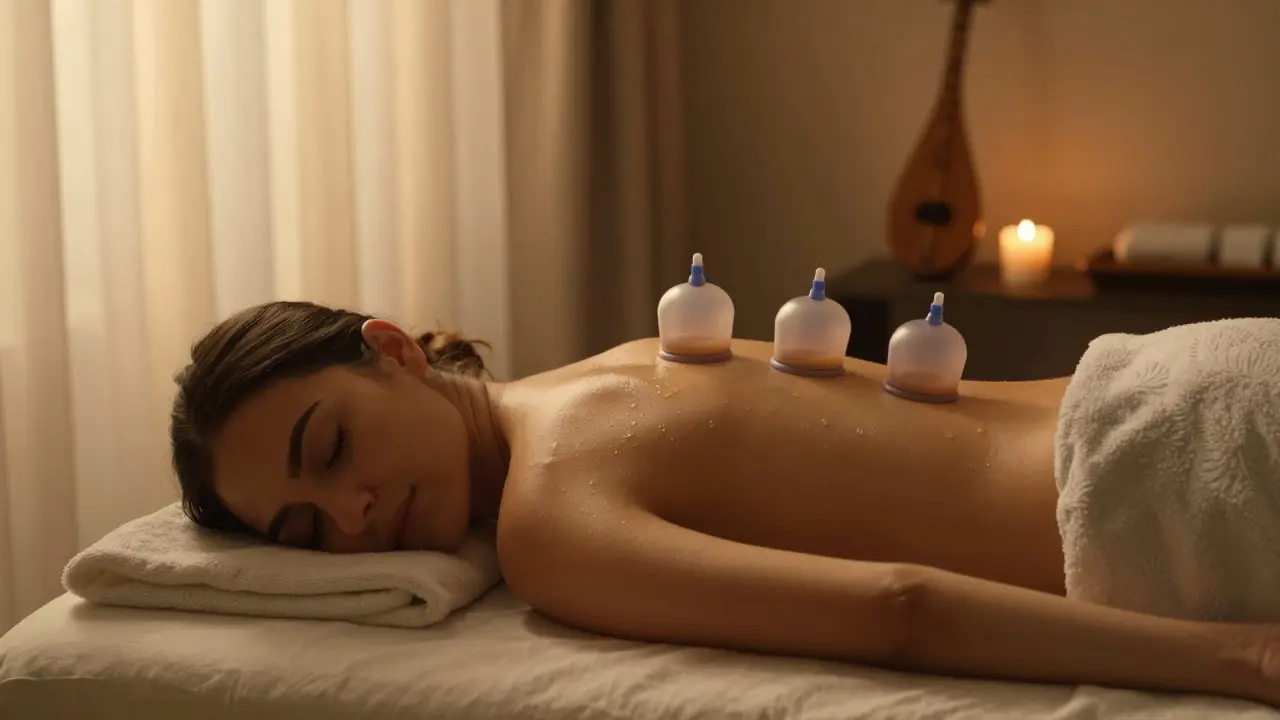
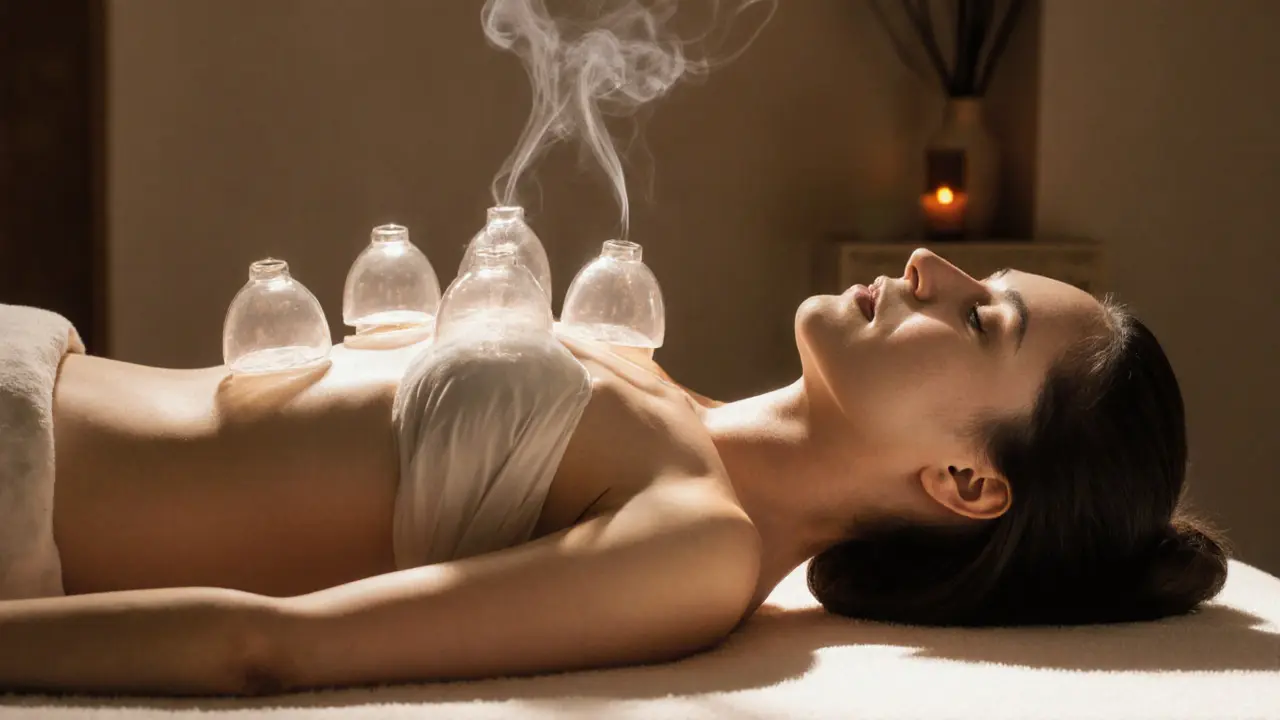
Most cupping sessions happen in quiet, warm rooms - think dim lights, soft music, and the smell of essential oils. In Dubai, many spas use heated tables and aromatherapy to enhance relaxation. The environment matters. You’re not just getting your muscles worked on - you’re resetting your nervous system.
Key Processes or Steps
A typical session lasts 20-30 minutes. The practitioner places cups on targeted areas - often the back, shoulders, or thighs. Suction is created using a hand pump or heat. Cups stay on for 5-15 minutes. You might feel a gentle pulling sensation, like a soft vacuum. It’s not painful, but it can be surprising the first time.
Some practitioners glide the cups across the skin (called “sliding cupping”), which feels like a slow, deep massage. Others leave them still for a more localized effect.
Customization Options
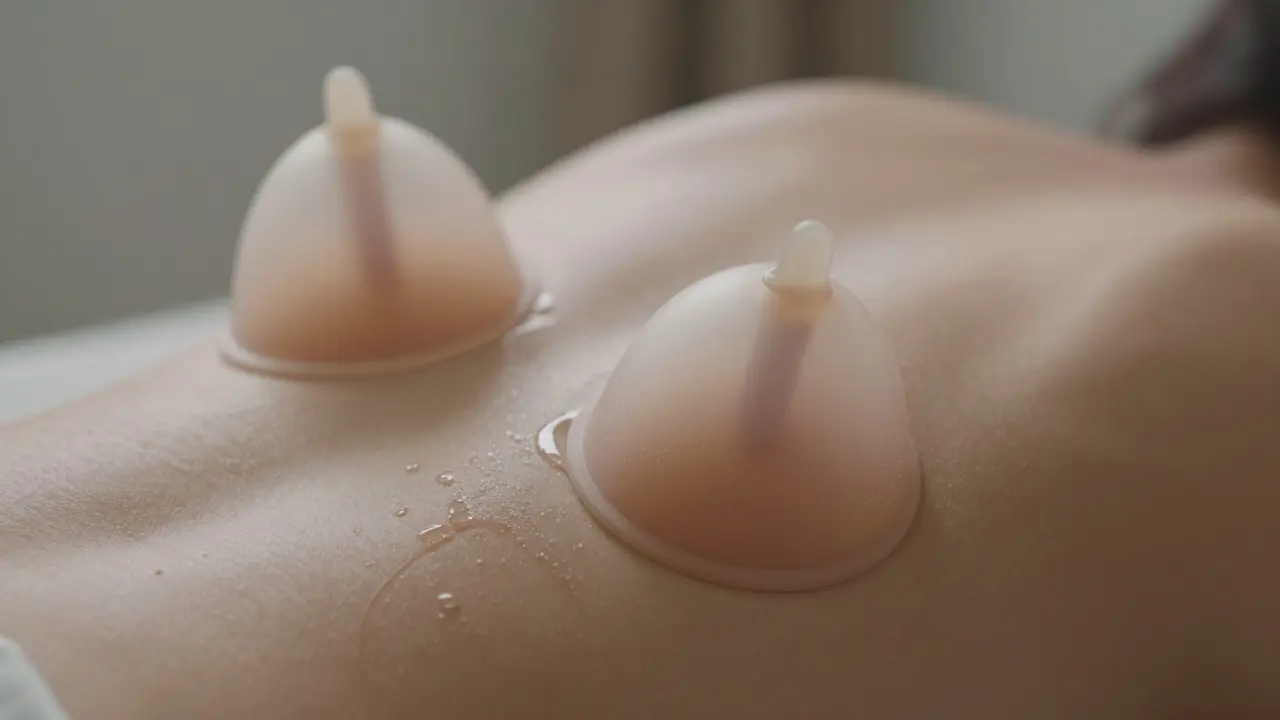
Cupping isn’t one-size-fits-all. Pressure can be adjusted - light for relaxation, firmer for athletes. Cup size matters too: smaller cups for the neck, larger ones for the back. Silicone cups are great for beginners because they’re gentler and easier to control.
Communication and Preparation
Always tell your practitioner if you’re sensitive to pressure, have scars, or are on blood thinners. Drink water before and after. Avoid heavy meals right before. And don’t expect to feel instant relief - the best results come after 2-3 sessions spaced a week apart.
How to Practice or Apply Cupping Therapy
Setting Up for Success
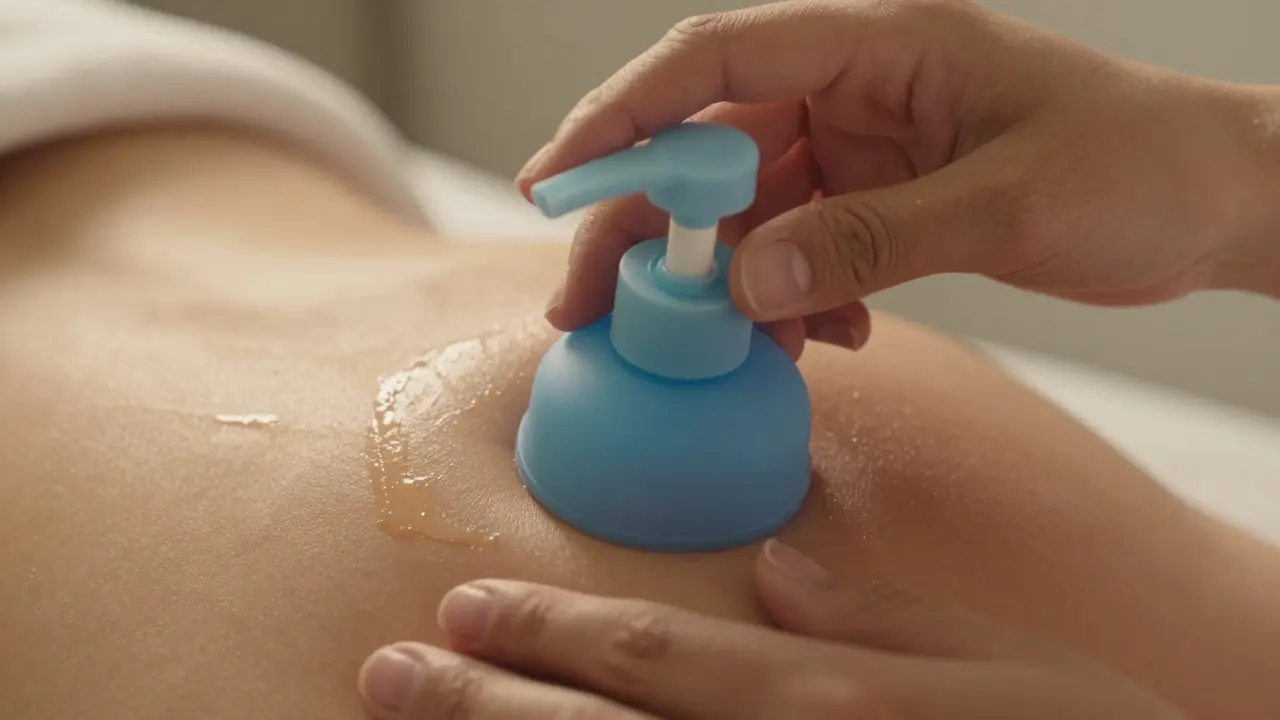
If you’re trying cupping at home, start with silicone cups. Clean your skin. Use a little oil so the cups glide smoothly. Pick a quiet time - not right after a workout or when you’re stressed. Lie down on your back or stomach, relax your muscles, and let the suction do the work.
Choosing the Right Tools
Look for medical-grade silicone or glass cups with manual pumps. Avoid cheap plastic ones that crack or leak suction. Brands like Cuppex or TheraCup are trusted by professionals. You don’t need to spend hundreds - a good starter set costs under $50.
Step-by-Step Guide
- Wash and dry the area you want to treat.
- Apply a light oil or lotion to reduce friction.
- Place the cup on the skin and squeeze the pump to create suction.
- Leave it on for 5-10 minutes - never longer than 15.
- Release the suction slowly by pressing the edge of the cup to let air in.
- Repeat on other areas if needed, but avoid the same spot twice in one day.
Tips for Beginners or Couples
First-timers often feel nervous. It’s normal. Start with just one or two cups on your upper back. If you’re doing it with a partner, take turns - it’s a great way to bond. Talk through the pressure. If it hurts, stop. Cupping should feel like a deep stretch, not pain.
Safety and Ethical Considerations
Choosing Qualified Practitioners
Look for licensed massage therapists, physical therapists, or certified cupping specialists. In Dubai, many spas list credentials on their websites. Ask: “Are you trained in dry cupping?” Avoid places that offer “detox cupping” or claim to cure diseases - those are red flags.
Safety Practices
Here’s how to stay safe:
| Practice | Purpose | Example |
|---|---|---|
| Use clean cups | Prevent infection | Disinfect after each use |
| Don’t cup over bruises or wounds | Avoid skin damage | Wait until skin heals |
| Limit session time | Prevent tissue stress | Max 15 minutes per area |
Setting Boundaries
It’s your body. Say no if the pressure is too much. You can ask the practitioner to adjust suction at any time. No one should pressure you into staying longer than you’re comfortable.
Contraindications or Risks
Avoid cupping if you have:
- Bleeding disorders or are on blood thinners
- Open wounds, burns, or severe eczema
- Recent surgery or fractures
- Pregnancy (especially on the abdomen or lower back)
If you feel dizzy, nauseous, or have sharp pain during a session, stop immediately.
Enhancing Your Experience with Cupping Therapy
Adding Complementary Practices
Cupping works even better when paired with other tools. Try light stretching after a session. A warm shower helps circulation. Some people combine it with heat therapy - a heating pad on the back for 10 minutes after cupping. Mindfulness or deep breathing during the session can deepen the relaxation effect.
Collaborative or Solo Engagement
You can do cupping alone at home - it’s simple and safe. Or, make it a shared experience. Many couples in Dubai enjoy doing it together as a weekly ritual. It’s not just about relief - it’s about connection.
Using Tools or Props
Oil or lotion helps cups glide. A heating pad warms the area first. A foam roller before cupping can loosen big muscle groups, making the suction more effective. Don’t overdo it - one tool at a time is enough.
Regular Engagement for Benefits
One session won’t fix chronic tightness. Most people see real changes after 3-5 sessions over 2-3 weeks. Then, maintenance once a month keeps things loose. Think of it like brushing your teeth - not a cure, but a habit that prevents bigger problems.
Finding Resources or Experts for Cupping Therapy
Researching Qualified Practitioners
Check reviews on Google or trusted wellness platforms. Look for practitioners with certifications from recognized bodies like the International Cupping Therapy Association or licensed massage therapy schools. Ask about their training - 50+ hours of hands-on practice is a good benchmark.
Online Guides and Communities
YouTube has many tutorials - look for videos from licensed therapists, not influencers. Reddit communities like r/Cupping offer real user experiences. The National Association of Myofascial Trigger Point Therapists (NAMTPT) also has educational resources.
Legal or Cultural Considerations
In the UAE, cupping is widely accepted and regulated under wellness standards. But avoid places offering “hijama” without proper hygiene - it’s legal only if performed under sterile conditions. Always choose licensed spas or clinics.
Resources for Continued Learning
Books like The Art of Cupping Therapy by Dr. Chen and online courses from the American Cupping Therapy Association are solid starting points. Look for materials that focus on anatomy and safety, not mystical claims.
FAQ: Common Questions About Cupping Therapy
What to expect from cupping?
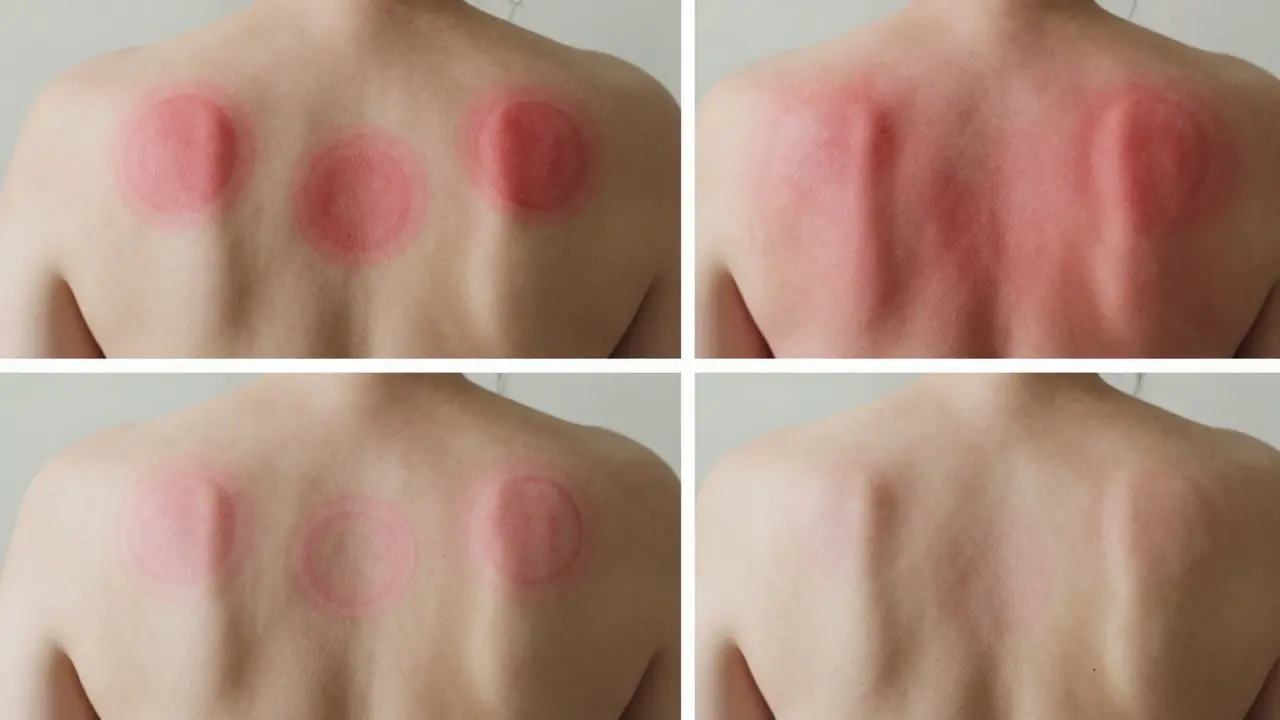
You’ll feel a gentle pulling sensation, like a soft vacuum on your skin. Red circles may appear - these are not bruises, but temporary marks from dilated capillaries. They fade in 3-7 days. Most people feel relaxed during and after the session. Some feel a bit sore the next day, like after a good workout. That’s normal. You’ll likely notice your muscles feel looser within a day or two.
What happens during a cupping session?
Your practitioner will place cups on your skin and create suction using a pump or heat. The cups stay on for 5-15 minutes, depending on your needs. You’ll lie still, breathe deeply, and relax. Some practitioners move the cups slowly across your skin. After removal, they may apply lotion or recommend light stretching. No needles, no cutting - just suction and time.
How does cupping differ from massage?
Massage uses direct pressure to compress muscles. Cupping uses suction to lift and separate tissue. Massage is great for surface tension. Cupping reaches deeper into the fascia - the webbing between muscles - where stiffness often hides. Many people use both: massage to warm up, cupping to release.
What is the method of cupping?
The most common method today is dry cupping. A cup is placed on the skin, and air is removed using a hand pump (or heat in traditional methods). This creates negative pressure, lifting the skin and underlying tissue. The cup stays in place or glides slowly. No liquids are drawn out in dry cupping - that’s a different technique called wet cupping.
Is cupping suitable for beginners?
Absolutely. Start with light suction and short sessions (5 minutes). Silicone cups are gentler and easier to control. Many beginners use cupping at home with a $40 starter kit. Just avoid sensitive areas like the spine, neck, or bony joints. If you’re unsure, try a professional session first - it’s worth the investment to learn proper technique.
Conclusion: Why Cupping is Worth Exploring
A Path to Muscle Freedom
Cupping doesn’t promise miracles. But for people tired of temporary fixes - ibuprofen, stretching, heat packs - it offers something deeper: a way to physically release tension that’s been stuck for months or years. It’s not a cure-all, but it’s a powerful tool in the toolbox.
Try It Mindfully
If you’ve been living with tight shoulders, stiff hips, or a back that never feels right, give cupping a chance. Start small. Be patient. Listen to your body. And always work with a trained professional if you’re unsure.
Share Your Journey
Tried cupping? Share your experience in the comments - did it help your tight muscles? Follow this blog for more practical wellness tips from Dubai’s thriving spa scene.
Some links may be affiliate links, but all recommendations are based on research and quality.
Word count: 1,678
Suggested Visuals
- A person lying face down with glass cups on their upper back, soft lighting, relaxed expression
- Close-up of silicone cup being applied to a shoulder with light oil on skin
- Before-and-after comparison of cupping marks fading over 4 days
- Spa setting in Dubai with dim lights, candles, and a cupping session in progress
- Hand holding a set of glass and silicone cups with oil bottle and towel
Suggested Tables
- Comparison of Cupping, Massage, and Foam Rolling
- Key Benefits of Cupping for Muscle Relief
- Cupping Safety Tips
Sana Siddiqi
January 3, 2026 AT 04:48Maria Biggs
January 4, 2026 AT 19:03Ben Görner
January 5, 2026 AT 16:42Eddie Valdes
January 7, 2026 AT 11:23Vikram Sinha
January 8, 2026 AT 16:09Jenn Davenport
January 10, 2026 AT 06:36Dan Mihai
January 10, 2026 AT 15:56