
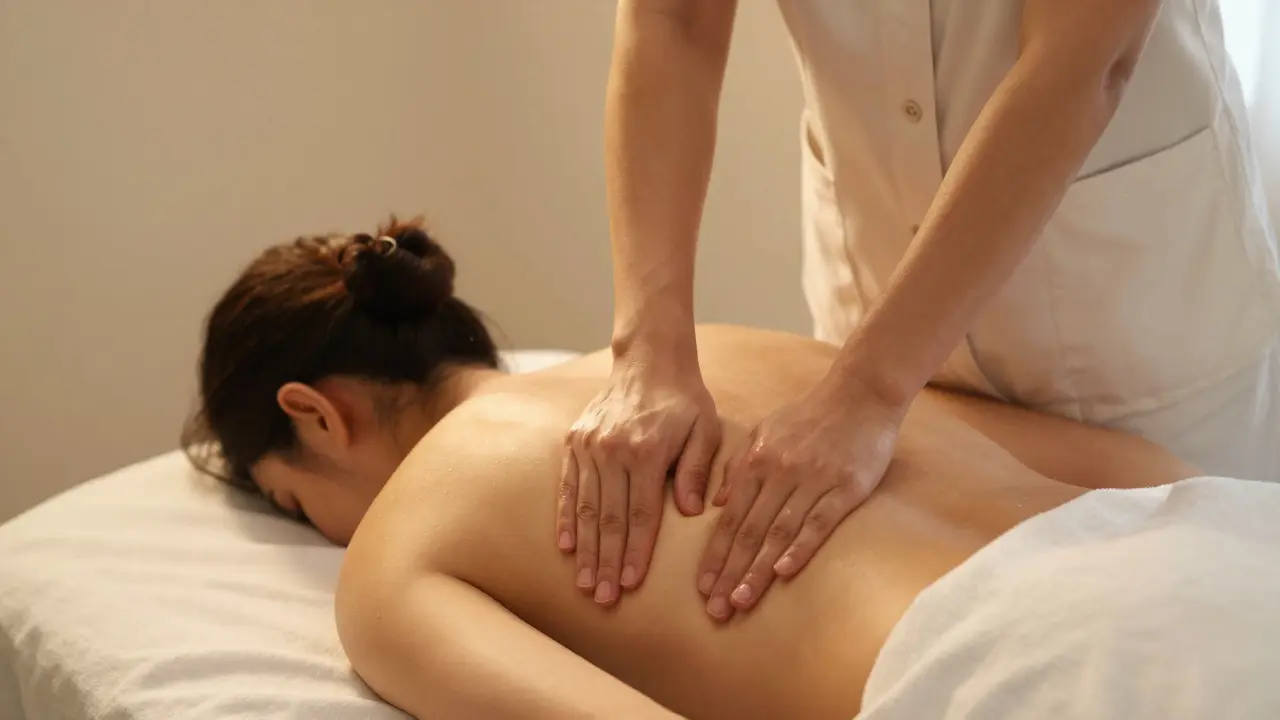
What Is a Red Flag in Massage? Essential Signs to Watch For
A red flag in massage isn’t just a warning-it’s a signal that something fundamental is off. Whether you’re new to deep tissue massage or have been getting them for years, knowing what to look for can protect your body, your comfort, and your trust in the process. Massage isn’t just about pressure; it’s about consent, communication, and care. In Dubai’s bustling wellness scene, where options range from luxury spas to hidden clinics, spotting a red flag early can save you from discomfort, injury, or worse-emotional distress.
Most people think a good massage is just about pain. But real healing happens when you feel safe, respected, and heard. That’s why the signs of a bad massage often have nothing to do with technique-and everything to do with behavior.
Understanding the Basics of Massage
Origins and History
Massage has been used for thousands of years-from ancient Chinese and Ayurvedic texts to Greek and Roman therapeutic practices. Deep tissue massage, as we know it today, evolved from Swedish massage in the 19th century but was refined in the 20th century to target chronic muscle tension. It’s not about brute force; it’s about working with the body’s natural structure to release tightness. In Dubai, where wellness blends Eastern traditions with Western science, this approach has become widely popular. But with popularity comes risk: untrained practitioners may misinterpret intensity as effectiveness.
Core Principles or Components
A legitimate deep tissue massage follows three core principles: precision, communication, and progression. Precision means the therapist targets specific layers of muscle and fascia, not just rubbing broadly. Communication means you’re encouraged to speak up-about pressure, pain, or discomfort. Progression means the work builds gradually, not starts with unbearable force. A good therapist checks in every few minutes. A bad one assumes you know what you want-or worse, assumes you’ll stay silent.
How It Differs from Related Practices
Many people confuse deep tissue with sports massage, Swedish, or even chiropractic adjustments. Here’s how they stack up:
| Practice | Primary Focus | Pressure Level | Communication Required? |
|---|---|---|---|
| Deep Tissue | Chronic muscle tension, fascia release | Medium to high (but adjustable) | Yes-constant feedback needed |
| Swedish | Relaxation, circulation | Light to medium | Optional |
| Sports Massage | Performance, recovery | Variable, often high | Yes-athletes report pain zones |
| Chiropractic Adjustment | Joint alignment | High (but brief, percussive) | Minimal |
Deep tissue is not a one-size-fits-all treatment. It’s meant for people with persistent knots, athletes recovering from injury, or those with posture-related pain. If your therapist treats it like a generic pressure session, that’s a red flag.
Who Can Benefit from Deep Tissue Massage?
People with chronic back pain, desk-job stiffness, or sports-related muscle tightness often see the best results. But it’s not for everyone. Pregnant individuals, those with osteoporosis, recent surgeries, or blood clots should avoid it unless cleared by a doctor. In Dubai, where many expats live sedentary lifestyles, demand is high-but so is the risk of unqualified providers. Always ask about training: a certified therapist has completed at least 500 hours of hands-on education.
Benefits of Deep Tissue Massage
Stress Reduction
Deep tissue massage doesn’t just loosen muscles-it calms the nervous system. When tight muscles are released, the body produces less cortisol, the stress hormone. A 2022 study by the American Massage Therapy Association found that participants who received regular deep tissue sessions reported a 30% drop in perceived stress levels within four weeks. In Dubai’s high-pressure environment, where work hours are long and downtime is scarce, this effect is more than welcome. But if your therapist rushes you, doesn’t let you breathe, or ignores your cues, the stress relief vanishes-and so does the benefit.
Enhanced Functionality
Think of your muscles like tangled ropes. Deep tissue helps untangle them. When fascia (the connective tissue around muscles) becomes stiff from sitting all day, movement becomes restricted. A skilled therapist works slowly, layer by layer, restoring mobility. Many clients report better posture, easier bending, and less morning stiffness after just a few sessions. But if the pressure is too aggressive, you don’t get better-you get sore for days. That’s not progress. That’s damage.
Emotional Well-Being
Physical tension often holds emotional stress. People who’ve experienced trauma, burnout, or anxiety sometimes find deep tissue unexpectedly emotional. That’s normal. But a good therapist will never push you past your emotional limits. If a therapist makes inappropriate comments, touches non-muscular areas, or pressures you to talk about personal issues, that’s a red flag. Massage is not therapy. It’s bodywork. Boundaries matter.
Practical Applications
For Dubai residents, deep tissue massage isn’t a luxury-it’s a tool. Commuters with neck pain from long drives, fitness enthusiasts with tight hamstrings, or office workers with rounded shoulders all benefit. But you need to know what to expect. A real session leaves you feeling relieved, not wrecked. If you’re limping out of the room, you didn’t get a massage-you got assaulted.
What to Expect When Engaging with Deep Tissue Massage
Setting or Context
A professional setting is calm, clean, and quiet. You should feel safe walking in. The room should be warm, with soft lighting and no distractions. In Dubai, some spas use loud music or overly theatrical decor to mask poor service. That’s a red flag. The focus should be on you-not the ambiance. A reputable spa will have a private changing area, clean linens, and no clutter.
Key Processes or Steps
A good session starts with a consultation. The therapist asks about your pain, injuries, and goals. Then they begin with lighter strokes to warm the tissue. Progression is slow. You should feel a deep stretch or ache-but never sharp, shooting, or burning pain. If they start with a fist on your lower back, that’s not deep tissue. That’s recklessness.
Customization Options
Every body is different. A 60-year-old with arthritis needs a different approach than a 30-year-old athlete. A good therapist adjusts pressure, technique, and duration based on your feedback. If they use the same routine for everyone, they’re not a therapist-they’re a machine.
Communication and Preparation
Before the session, you should be asked: “What’s your pain level on a scale of 1 to 10?” and “Where do you feel tightest?” If they don’t ask, walk out. During the session, you should feel comfortable saying: “Too much,” “Slower,” or “I’m uncomfortable.” A real therapist welcomes that. A bad one will ignore it, joke it off, or guilt you into staying silent.
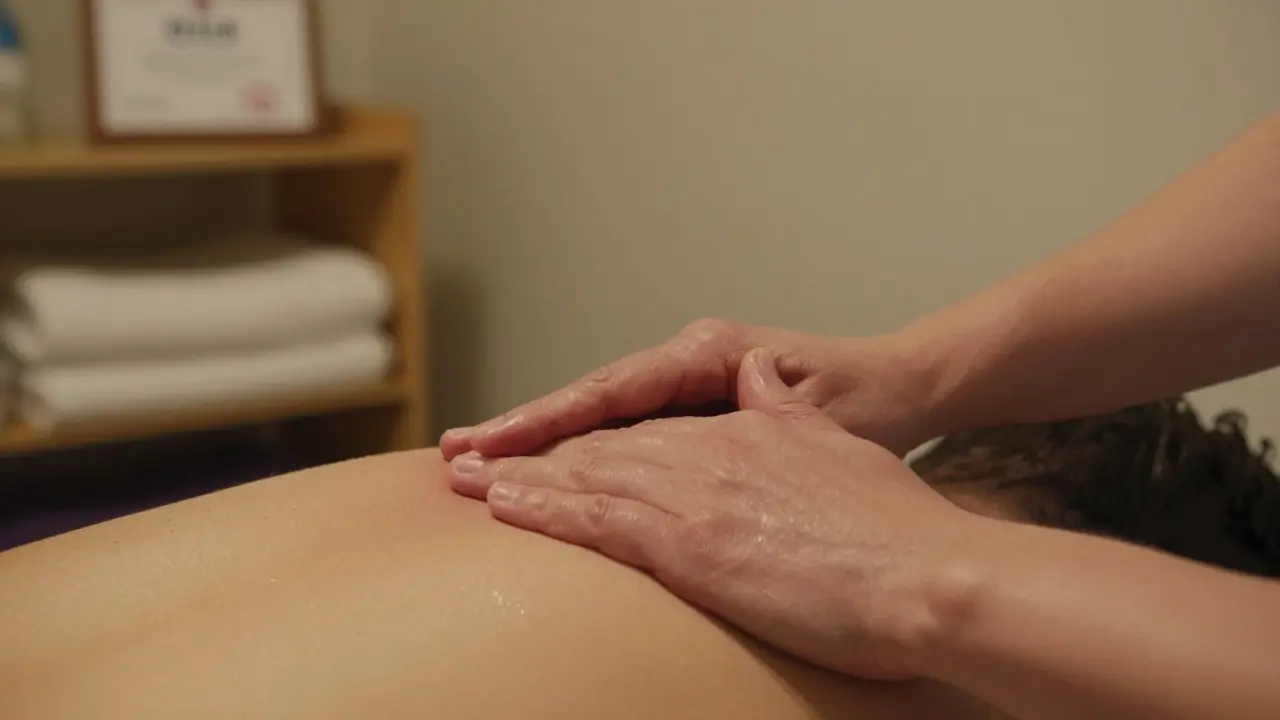
How to Practice or Apply Deep Tissue Massage
Setting Up for Success
Hydrate before your session. Eat lightly. Avoid caffeine or alcohol. Wear loose clothing to your appointment. Arrive 10 minutes early to fill out any forms. If they hand you a form that doesn’t ask about medical history, that’s a red flag.
Choosing the Right Practitioners
Look for certification from recognized bodies: the American Massage Therapy Association (AMTA), the Federation of Holistic Therapists (FHT), or the Dubai Health Authority (DHA). Ask: “What’s your training background?” If they say, “I took a weekend course,” walk away. In Dubai, some spas hire staff with no formal training. Don’t risk your body for a discount.
Step-by-Step Guide
- Book with a licensed provider-check reviews and credentials.
- Arrive early and complete a health questionnaire.
- Communicate your goals and pain points clearly.
- During the session, give feedback on pressure and comfort.
- Afterward, drink water and rest. Avoid intense exercise for 24 hours.
Tips for Beginners
First-timers often think more pressure = better results. It doesn’t. Start with 60 minutes, medium pressure. Tell your therapist: “I’m new to this-go slow.” If you leave feeling worse than when you came in, you got a bad session-not a deep tissue massage.
Safety and Ethical Considerations
Choosing Qualified Practitioners
Verify their license. In Dubai, all massage therapists must be registered with the DHA. Ask to see their ID. Check online reviews for consistent mentions of professionalism. If people say, “They were creepy,” or “They touched my private areas,” that’s not a red flag-it’s a warning siren.
Safety Practices
Hygiene is non-negotiable. The therapist should wash hands before and after. Sheets should be changed between clients. Tables should be disinfected. If you see reused towels or dirty linens, leave. Here’s what to look for:
| Practice | Purpose | Example |
|---|---|---|
| Hand washing | Prevent infection | Therapist washes hands before touching you |
| Linens changed | Hygiene | Fresh sheet and towel for each client |
| Consent before touch | Respect boundaries | “May I begin?” before starting |
| No unsolicited comments | Professionalism | No remarks about your body, appearance, or personal life |
Setting Boundaries
You have the right to say no. No one should touch your genitals, breasts, or buttocks-even if they claim it’s “part of the technique.” If they do, it’s abuse. You also have the right to stop the session at any time. No therapist should pressure you to continue. Ever.
Contraindications or Risks
Don’t get deep tissue massage if you have: blood clots, recent fractures, open wounds, severe osteoporosis, or are in your first trimester of pregnancy. If you have high blood pressure, diabetes, or cancer, talk to your doctor first. If your therapist doesn’t ask about your medical history, they’re not qualified.
Enhancing Your Experience with Deep Tissue Massage
Adding Complementary Practices
Pair your massage with light stretching, hydration, or mindfulness breathing. After a session, take a warm bath. Avoid screens for 30 minutes. Let your body integrate the work. Some people find journaling helps-write down how you felt before and after. It’s not magic. It’s awareness.
Collaborative or Solo Engagement
Deep tissue is a solo experience. Don’t bring a friend into the room. Don’t record the session. Don’t ask the therapist to share personal stories. Keep it professional. If they invite you to social media or suggest meeting outside the spa, that’s a red flag.
Using Tools or Props
Some therapists use foam rollers, massage balls, or hot stones. These are fine if used correctly. But if they’re using a tool to apply pressure without your consent, that’s not therapy-it’s aggression.
Regular Engagement for Benefits
One session won’t fix years of tension. Aim for monthly sessions if you’re dealing with chronic pain. If you’re an athlete, biweekly may help. But don’t overdo it. Too much deep tissue can cause inflammation. Listen to your body. If you’re sore for more than two days, you’ve had too much.

Finding Resources or Experts for Deep Tissue Massage
Researching Qualified Practitioners
Use the DHA website to verify licenses. Look for therapists with at least 500 hours of training. Read reviews that mention professionalism, not just “great massage.” Avoid places that offer 30-minute sessions for 100 AED-that’s not a massage, it’s a hustle.
Online Guides and Communities
Reputable sites like the American Massage Therapy Association (AMTA) and the International Massage Association offer free guides. Avoid YouTube tutorials claiming to teach deep tissue in 10 minutes. That’s dangerous. Massage is a skilled trade-not a TikTok trend.
Legal or Cultural Considerations
In Dubai, public displays of affection are restricted. But private, professional massage is legal and regulated. Make sure the spa is licensed. Avoid unregistered clinics in residential buildings. They’re not safe.
Resources for Continued Learning
Books like The Concise Book of Trigger Points by John Upledger or Myofascial Release by Robert Schleip offer clear, science-backed insights. Avoid books that promise instant results. Real change takes time.
FAQ: Common Questions About Red Flags in Massage
What is a red flag in massage?
A red flag in massage is any behavior that violates your safety, comfort, or consent. This includes unsolicited touching, lack of hygiene, ignoring your feedback, rushing the session, or making inappropriate comments. A professional therapist will always ask for permission before touching, check in regularly, and respect your boundaries. If you feel uneasy, anxious, or disrespected, it’s not the massage-it’s the person.
What happens during a deep tissue massage?
A deep tissue massage begins with a brief consultation about your pain and goals. The therapist uses slow, deliberate strokes to reach deeper muscle layers. You’ll feel pressure, but it should never be sharp or unbearable. They’ll pause to ask how you’re feeling. The session ends with gentle strokes to calm the nervous system. You should feel relaxed, not bruised. If you leave with soreness lasting more than 48 hours, the pressure was too aggressive.
How does deep tissue massage differ from regular massage?
Regular massage, like Swedish, focuses on relaxation and surface muscles. Deep tissue targets chronic tension in deeper layers-fascia, ligaments, and muscle fibers. It’s slower, more focused, and requires constant feedback. The goal isn’t to hurt you-it’s to release long-term tightness. If a therapist uses the same technique for both, they don’t understand the difference.
Is deep tissue massage painful?
It can feel intense, but it shouldn’t hurt. There’s a big difference between “good pain” (a deep stretch) and “bad pain” (sharp, burning, or shooting). If you’re holding your breath, clenching your fists, or crying, the pressure is too much. A good therapist adjusts based on your feedback. Pain is not progress. Discomfort is not the goal. Healing is.
Can I get a deep tissue massage if I’m new to it?
Yes-but start slow. Book a 60-minute session with medium pressure. Tell your therapist you’re a beginner. Avoid places that push you into 90-minute sessions or high pressure right away. Your first session should leave you feeling relieved, not exhausted. If you’re sore for more than two days, you went too hard. Listen to your body. It knows better than any therapist.
Conclusion: Why Deep Tissue Massage Is Worth Exploring
A Path to Lasting Relief
Deep tissue massage isn’t about indulgence. It’s about reclaiming your body from years of stress, poor posture, and silent strain. When done right, it’s one of the most effective tools for physical and emotional balance. But only if you know how to spot the red flags.
Try It Mindfully
Don’t rush into the first spa you find. Ask questions. Check credentials. Trust your gut. If something feels off, it probably is. A good massage therapist doesn’t just move your muscles-they honor your boundaries.
Share Your Journey
Tried deep tissue massage? Share your experience in the comments. Did you spot a red flag? Did you find a therapist who changed your life? Your story could help someone else avoid a bad experience.
Follow this blog for more honest guides on wellness in Dubai. No fluff. No hype. Just real advice.
Some links may be affiliate links, but all recommendations are based on research and quality.
Word count: 1,712
Suggested Images
- A therapist using forearms for deep tissue work on a client’s back, with soft lighting and clean linens
- Close-up of hands applying pressure to a tight shoulder muscle, showing controlled technique
- A client relaxing after a session, eyes closed, with a warm towel over their shoulders
- Side-by-side: a cluttered, unprofessional massage room vs. a calm, licensed spa setting
- Handwritten note: “Tell me if it hurts-your comfort comes first” on a clipboard
Suggested Tables
- Comparison of Massage Types (already included)
- Massage Safety Checklist (already included)
- Key Benefits of Deep Tissue Massage: Benefit, Description, Impact

Steve Wilson
January 13, 2026 AT 02:21Really appreciated this breakdown. I’ve had a few bad experiences in spas where they just went full brute force, and it left me worse off. Knowing the difference between ‘good pain’ and ‘bad pain’ is everything. Also, the checklist for hygiene and consent? Spot on. More therapists should be held to this standard.
William Sogus
January 13, 2026 AT 17:23lol so now we need a 500 hour certification just to get a back rub? next they’ll make us sign a waiver before we can hug someone. i’ve had better massages from my cousin who watched 3 youtube videos. also why is everyone so scared of touch now? i bet half these ‘red flags’ are just people who don’t like being touched at all. #cancelmassage #sensitivetycrisis
Jessica Horcher
January 15, 2026 AT 10:51William, your comment is not just wrong-it’s dangerous. Massage therapy is a clinical practice with evidence-based protocols, not a backyard service. In Dubai alone, unlicensed practitioners have caused nerve damage and infections. The 500-hour requirement exists because human bodies aren’t IKEA furniture. You don’t assemble them with guesswork. If you value your health, don’t gamble on weekend-certified ‘therapists.’
Kayla Hochard
January 15, 2026 AT 19:16Oh wow, another liberal spa pamphlet. Next you’ll tell me I need a background check to give my dad a shoulder rub. Who let the woke therapists take over? I’ve been getting deep tissue since 2008 and never once was I asked if I ‘felt safe.’ Guess what? I didn’t need to. I just told them to go harder. That’s how real people do it. Also, ‘consent before touch’? You’re not getting a massage, you’re signing up for a therapy session with a notary.
Andre Estrela
January 15, 2026 AT 19:40OMG I HAD THIS EXPERIENCE LAST WEEK 😭😭😭 I went to this ‘luxury’ spa in Dubai and the therapist just… started touching my lower back without asking?? I froze. I didn’t know what to do. I just cried silently. Then he said ‘you’re so tense’ like it was a compliment?? I left mid-session. I haven’t told anyone. I feel so violated. 🥺💔 #RedFlag #NotOkay
Kelsey Stratton
January 16, 2026 AT 10:13i got a massage last month and the guy didn't ask anything. just started. i didn't say anything because i didn't want to be rude. turned out fine. i guess if you feel weird just leave. no big deal.
Sean Marcus
January 17, 2026 AT 01:15so… is the red flag that the therapist didn’t ask me if i wanted to be touched? or that i’m not a toddler who needs a permission slip to get a back rub? 🤷♂️ i just want my knots gone. not a therapy session with a side of virtue signaling.
prajesh varma
January 17, 2026 AT 02:43Bro in India we got guys who do massage with wooden sticks and coconut oil since the 90s. No certificates. No forms. Just muscle and sweat. Some of them broke my back in the best way possible. You think a diploma makes you better than a guy who’s massaged 10,000 backs? Nah. Skill > paperwork. Don’t let corporate wellness kill the real stuff.
Selene Becmar
January 17, 2026 AT 06:24Isn’t it fascinating how the modern body has become a site of bureaucratic negotiation? We’ve turned the sacred act of somatic release into a compliance checklist-consent forms, hygiene audits, pressure scales. Where is the poetry in touch anymore? The silent understanding between skin and hand? We’ve mechanized intimacy, and now we’re surprised when people feel alienated. 🌿✨
Carli Lowry
January 18, 2026 AT 00:24Prakash, I get your point-experience matters. But let’s not romanticize the untrained. I’ve seen people with chronic pain get worse because someone ‘knew what they were doing’ without knowing anatomy. A certified therapist doesn’t just know where to press-they know what NOT to press. And yes, there’s poetry in touch… but poetry shouldn’t come with a risk of nerve damage. The best therapists blend skill, heart, and science. Not just one.