
Who Should Not Get a Foot Massage? Essential Safety Tips for Dubai Wellness Seekers
When you think of a foot massage in Dubai, you might picture a relaxing hour after a long day of shopping, or a soothing end to a business trip. And for most people, it is exactly that - a gentle, rejuvenating experience. But not everyone should step onto that massage table. Foot massages are generally safe, even beneficial, but there are real, medically recognized situations where they can do more harm than good. Ignoring these red flags isn’t just risky - it’s dangerous. If you’re planning to book a session in a luxury spa in Downtown Dubai or even a hotel wellness center, knowing who should avoid foot massage isn’t optional. It’s essential.
Understanding the Basics of Foot Massage
Origins and History
Foot massage isn’t a modern spa invention. Its roots stretch back thousands of years - to ancient China, Egypt, and India. In Traditional Chinese Medicine, the feet are seen as a map of the body, with pressure points linked to organs and systems. Reflexology, a structured form of foot massage, was developed in the early 20th century by American physician William Fitzgerald, who believed that applying pressure to the feet could relieve pain elsewhere in the body. Today, foot massage blends these ancient ideas with modern massage techniques, using oils, heat, and rhythmic pressure to relax muscles and improve circulation. In Dubai’s wellness scene, it’s become a staple - often paired with aromatherapy, hot stones, or herbal soaks.
Core Principles or Components
A standard foot massage focuses on the soles, arches, heels, and toes. Therapists use thumb pressure, knuckle strokes, and gentle stretching. The goal isn’t to fix medical conditions - it’s to reduce tension, improve blood flow, and promote relaxation. In Dubai’s high-stress urban environment, this matters. Many clients report feeling lighter, calmer, and more grounded after a session. But the same techniques that soothe one person can irritate another - especially if underlying health issues are present.
How It Differs from Related Practices
Foot massage is often confused with reflexology, acupressure, or even pedicures. Here’s how they stack up:
| Practice | Primary Focus | Primary Benefit |
|---|---|---|
| Foot Massage | Relaxation, muscle tension relief | Stress reduction, improved circulation |
| Reflexology | Pressure points linked to organs | Alleged systemic balance (not medically proven) |
| Pedicure | Nail care, cosmetic grooming | Aesthetic improvement, hygiene |
Foot massage is about touch and comfort. Reflexology claims to affect internal organs - a claim not backed by strong scientific evidence. Pedicures are about appearance. If you’re seeking relief, not a beauty treatment, foot massage is the right choice - but only if your body is ready for it.
Who Can Benefit from Foot Massage?
Most adults can safely enjoy a foot massage. People with chronic stress, standing jobs, athletes, and those recovering from light activity often report improved sleep and reduced leg fatigue. In Dubai, where long commutes and desert heat take a toll on the feet, many find daily relief through weekly sessions. Even people with mild arthritis or plantar fasciitis can benefit - as long as pressure is gentle and the therapist is informed.
Benefits of Foot Massage for the Body
Stress Reduction
Feet contain over 7,000 nerve endings. Stimulating them triggers a cascade of calming signals to the brain. Studies show that even a 15-minute foot massage can lower cortisol levels - the body’s main stress hormone. In Dubai’s fast-paced culture, where work hours are long and social expectations high, this matters. Many spa-goers describe it as a reset button for their nervous system. It’s not magic - it’s physiology.
Enhanced Circulation
When you’re on your feet all day - whether in heels, sandals, or hard-soled work shoes - blood can pool in the lower limbs. A foot massage helps move that fluid back toward the heart. Better circulation means less swelling, fewer cramps, and warmer toes in air-conditioned malls. This is especially helpful for travelers who’ve been sitting for hours on long-haul flights to Dubai.
Emotional Well-Being
Touch is deeply calming. A skilled therapist’s hands, warm oils, and quiet environment create a sensory escape. Many clients report feeling more present, less anxious, and even emotionally lighter after a session. It’s not therapy - but it can feel like it. For people managing burnout, grief, or daily pressure, foot massage offers a quiet, non-verbal way to decompress.
Practical Applications
Foot massage isn’t just luxury - it’s functional. For teachers, nurses, retail staff, and delivery workers in Dubai, it helps manage daily physical strain. It’s also used in post-surgery recovery (with doctor approval) to reduce swelling and improve mobility. Even people with diabetes - if their condition is well-controlled - can benefit from gentle foot care, as long as they avoid deep pressure on sensitive areas.
What to Expect When Engaging with Foot Massage
Setting or Context
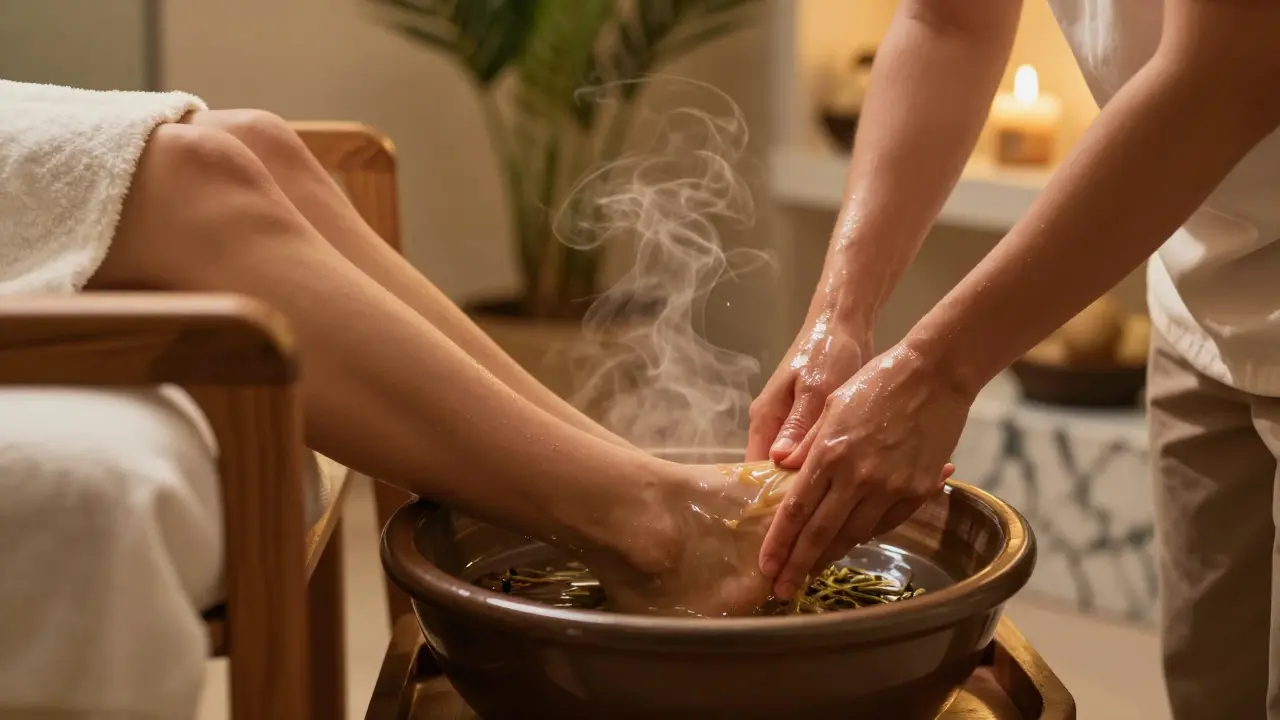
In Dubai, foot massage experiences vary. Luxury spas in Burj Khalifa hotels offer private rooms with ambient lighting, herbal foot soaks, and chilled cucumber water. Boutique wellness centers in Jumeirah might use traditional oils like sesame or almond. Budget-friendly salons in Deira focus on speed and affordability. No matter the setting, expect a clean, quiet space, a comfortable chair, and a therapist who asks about your comfort level.
Key Processes or Steps
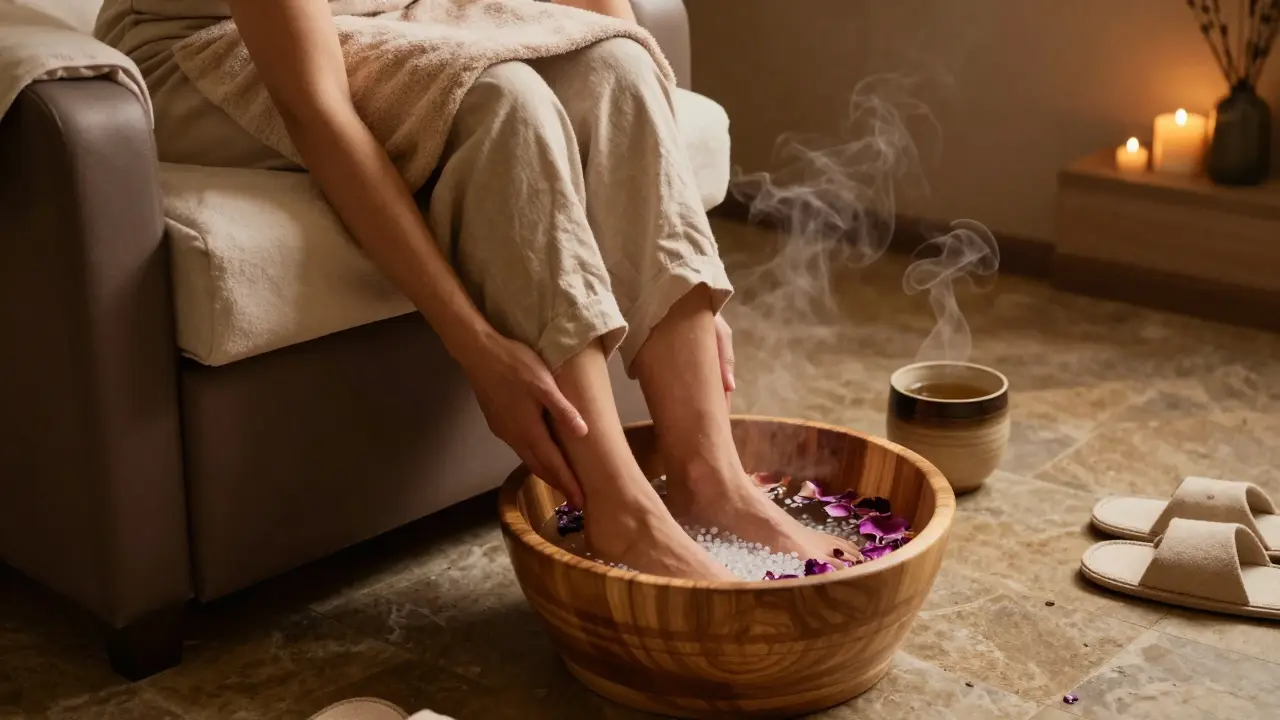
A typical session lasts 30 to 60 minutes. It usually starts with a warm foot soak, sometimes with Epsom salts or essential oils. Then the therapist dries your feet and applies oil or lotion. They’ll begin with light strokes to warm the skin, then move into deeper pressure on the arches and heels. Toe stretches and gentle ankle rotations are common. The session ends with a light cool-down massage and sometimes a moisturizing mask.
Customization Options
Good therapists adjust pressure based on your feedback. If you’re sensitive, they’ll go lighter. If you’re an athlete, they might focus on the plantar fascia. Some spas offer add-ons: hot stones, reflexology maps, or CBD-infused oils. Always speak up - your comfort is the priority.
Communication and Preparation
Before your session, avoid heavy meals or alcohol. Wear loose clothing. Tell your therapist about any recent injuries, surgeries, or medical conditions. Don’t assume they’ll guess. If you’re pregnant, have neuropathy, or are on blood thinners - say so. The more they know, the safer your experience.
Safety and Ethical Considerations
Choosing Qualified Practitioners
Dubai has strict licensing for wellness professionals. Look for therapists certified by the Dubai Health Authority (DHA) or trained through recognized institutions like the International Institute of Complementary Therapies. Ask to see their license. Avoid unlicensed salons - especially in tourist areas - where hygiene standards may be low.
Safety Practices
Here’s how to stay safe during your session:
| Practice | Purpose | Example |
|---|---|---|
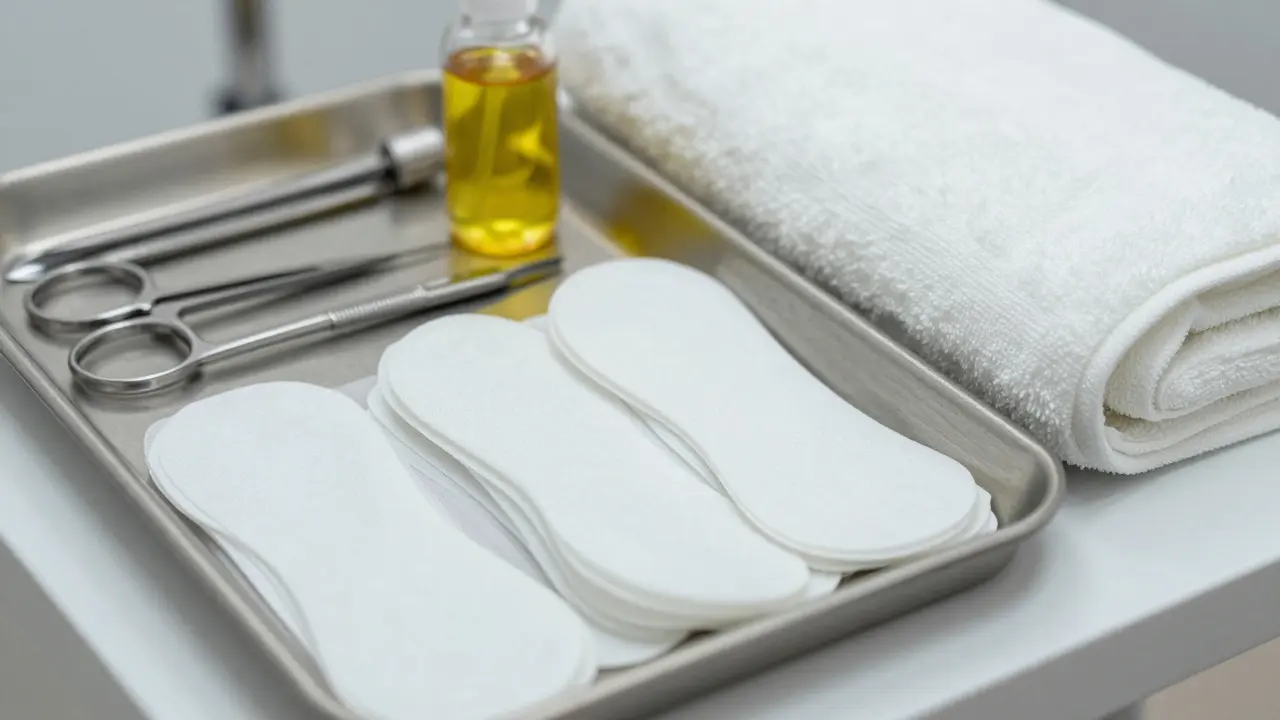
| Sanitize tools | Prevent infection | Therapist uses disposable liners and sterilized instruments |
| Ask about pressure | Avoid tissue damage | "Can you go lighter?" - say it without shame |
| Check for open wounds | Stop massage if skin is broken | Don’t proceed if you have cuts, blisters, or rashes |
Setting Boundaries
Foot massage is personal. You have the right to say no to any technique. If a therapist ignores your cues, ends the session politely and leaves. No reputable spa will pressure you.
Contraindications or Risks
These are the people who should not get a foot massage - without medical clearance first:
- People with active foot infections - like athlete’s foot, open sores, or cellulitis. Massage can spread bacteria.
- Those with deep vein thrombosis (DVT) - a blood clot in the leg. Massage can dislodge it, causing a life-threatening pulmonary embolism.
- Individuals with severe peripheral neuropathy - often from uncontrolled diabetes. They may not feel pain or pressure, leading to unnoticed injury.
- People in the first trimester of pregnancy - some reflexology points are linked to uterine stimulation. While evidence is weak, most therapists avoid them early on.
- Anyone with recent foot surgery or fractures - even if it’s healing, pressure can delay recovery.
- Those with severe osteoporosis - fragile bones can crack under even gentle pressure.
- People with contagious skin conditions - like warts or fungal infections - should wait until fully treated.
If you’re unsure, ask your doctor. A quick consultation can prevent a bad experience.
Enhancing Your Experience with Foot Massage
Adding Complementary Practices
Pair your foot massage with mindfulness. Breathe slowly during the session. Or follow it with a short walk in a quiet garden - like the Dubai Miracle Garden - to extend the calm. Avoid screens for 30 minutes after. Your nervous system needs time to settle.
Collaborative or Solo Engagement
Foot massage is best done alone - it’s a personal reset. But couples can book side-by-side sessions. Some spas offer dual rooms. It’s a quiet way to bond without talking.
Using Tools or Props
At home, try a foam roller or tennis ball under your foot for 2 minutes before bed. It’s not a replacement for professional care - but it helps maintain the benefits between sessions.
Regular Engagement for Benefits
One session feels great. Weekly sessions for 4-6 weeks can lead to lasting changes: less swelling, better sleep, lower stress. Think of it like brushing your teeth - small, consistent care adds up.
Finding Resources or Experts for Foot Massage
Researching Qualified Practitioners
Check the Dubai Health Authority’s website for licensed spas. Read reviews on Google or Tripadvisor - look for mentions of hygiene, professionalism, and attention to medical history. Avoid places with no reviews or only glowing, generic comments.
Online Guides and Communities
Follow wellness blogs focused on UAE health trends. Many Dubai-based therapists share tips on Instagram or YouTube. Look for content from licensed professionals, not influencers selling products.
Legal or Cultural Considerations
Dubai enforces strict health codes. Spas must follow DHA hygiene rules. If you’re unsure, ask about their licensing. Respect cultural norms - modest clothing is preferred, and mixed-gender sessions are common but private.
Resources for Continued Learning
Books like The Reflexology Handbook by Barbara and Kevin Kunz offer insight into foot anatomy. For practical tips, search for DHA-approved wellness workshops in Dubai. Many hotels offer free guest sessions - ask at concierge.
FAQ: Common Questions About Foot Massage
Who should avoid a foot massage in Dubai?
People with active foot infections, deep vein thrombosis, severe neuropathy (especially from uncontrolled diabetes), recent foot surgery, or severe osteoporosis should avoid foot massage unless cleared by a doctor. Pregnant women in the first trimester should also proceed with caution. If you have any open wounds, rashes, or swelling, wait until healed. Always inform your therapist about your medical history - it’s not just polite, it’s life-saving.
Can I get a foot massage if I have diabetes?
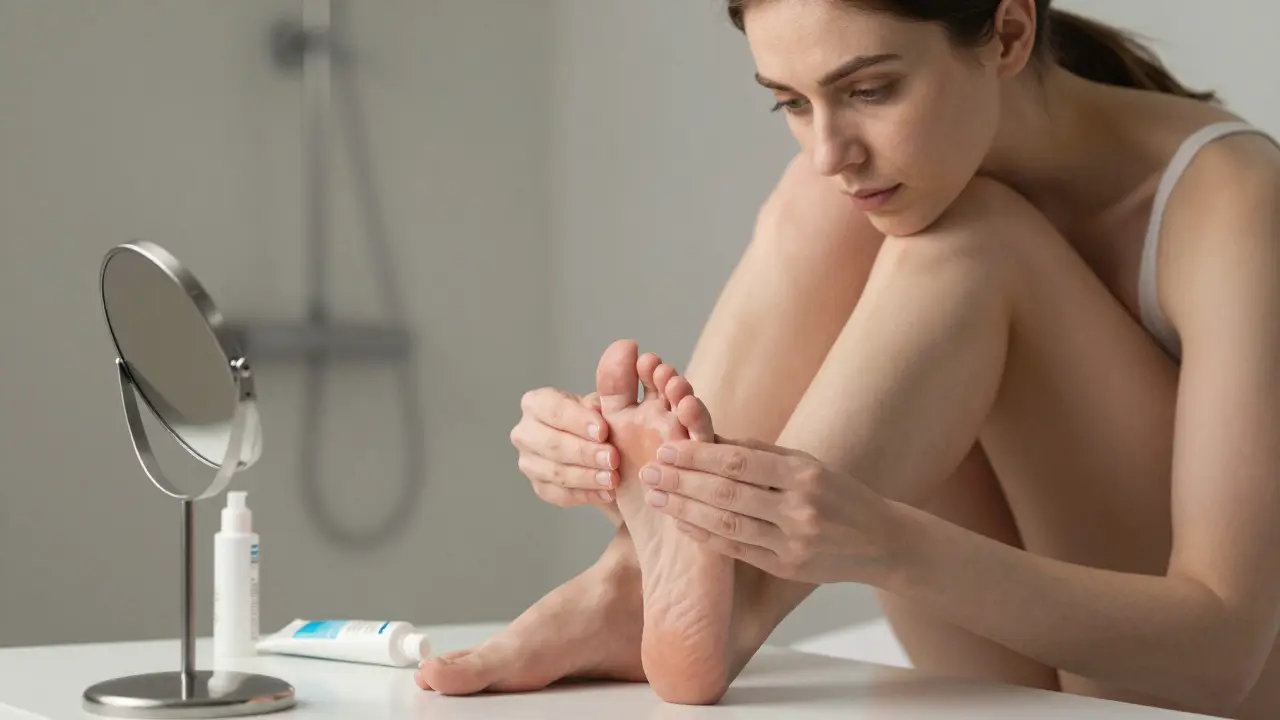
Yes - but only if your diabetes is well-managed and you don’t have numbness, open sores, or poor circulation in your feet. Diabetics are at higher risk for unnoticed injuries. Choose a therapist experienced with diabetic clients. Avoid deep pressure, and never let them cut calluses or use sharp tools. Always inspect your feet afterward for redness or irritation. If in doubt, ask your endocrinologist first.
Is foot massage safe during pregnancy?
Generally, yes - after the first trimester. Many pregnant women in Dubai find foot massage helps with swelling and leg cramps. However, certain reflexology points on the feet are believed to stimulate contractions. Reputable therapists avoid these areas during early pregnancy. Always inform your therapist you’re pregnant. Avoid deep pressure on the ankles and arches. If you have high-risk pregnancy complications, check with your OB-GYN first.
What should I do if I feel pain during a foot massage?
Speak up immediately. Pain is your body’s signal that something’s wrong. A good therapist will adjust pressure or stop the technique. Don’t be polite - your comfort matters more than their schedule. If the therapist ignores your feedback, end the session. Walk out if needed. No reputable spa will pressure you to continue. Afterward, report the incident to the spa manager or the Dubai Health Authority if hygiene or safety was violated.
How often should I get a foot massage?
For general relaxation, once every two to four weeks is ideal. If you’re on your feet all day - as a nurse, teacher, or delivery worker - weekly sessions can help manage fatigue. Athletes might benefit from sessions after training. But if you have a medical condition, follow your doctor’s advice. More isn’t always better. Overdoing it can cause soreness or inflammation. Listen to your body - if you feel worse after, take a break.
Conclusion: Why Foot Massage is Worth Exploring
A Path to Better Well-Being
Foot massage isn’t just a luxury - it’s a simple, powerful tool for daily well-being. In a city like Dubai, where stress and heat pile up, taking 30 minutes for your feet is an act of self-care that pays off. It’s not a cure-all, but it’s a proven way to reduce tension, improve circulation, and find calm.
Try It Mindfully
Before you book your next session, ask yourself: Do I have any health conditions? Am I honest with my therapist? Am I listening to my body? If you answer yes, you’re ready. If not, pause. Safety comes first - always.
Share Your Journey
Tried a foot massage in Dubai? Share your experience in the comments - what worked, what didn’t, and which spa you’d recommend. Follow this blog for more honest wellness tips tailored to life in the UAE.
Some links may be affiliate links, but all recommendations are based on research and quality.
Word count: 1,682
Suggested Visuals
- A serene foot massage session in a Dubai spa with soft lighting, herbal soak, and therapist using gentle pressure.
- Close-up of clean, sanitized tools and disposable foot liners used in professional spas.
- Woman with diabetes checking her feet after a massage, emphasizing post-care awareness.
- Before-and-after comparison: swollen feet vs. relaxed, moisturized feet after massage.
- Therapist consulting with a client about medical history before beginning the session.
Suggested Tables
- Comparison of Foot Massage, Reflexology, and Pedicures (already included in article).
- Foot Massage Safety Tips (already included in article).
- Key Benefits of Foot Massage: Benefit, Description, Impact (e.g., Stress Reduction - lowers cortisol - improves sleep; Improved Circulation - reduces swelling - less leg cramps; Emotional Calm - activates parasympathetic nervous system - reduces anxiety).
Lizzie Fieldson
January 27, 2026 AT 05:31Shannon Gentry
January 27, 2026 AT 13:31Rebecca Putman
January 28, 2026 AT 23:02jasmine grover
January 30, 2026 AT 21:32Fred Lucas
January 31, 2026 AT 04:25Martha Lorini
January 31, 2026 AT 12:35