
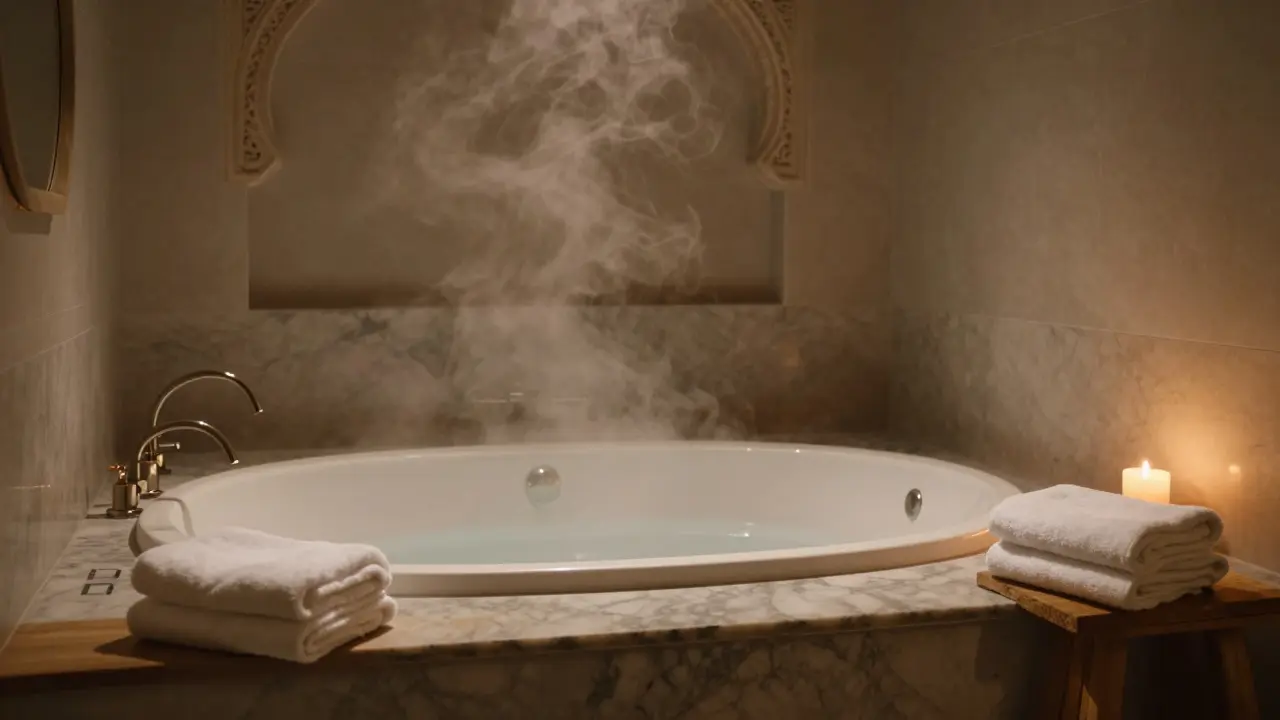
Can I take a bath with my wife in Islam? This isn’t just a question about hygiene-it’s about understanding intimacy, modesty, and respect within the framework of Islamic teachings. In Dubai, where luxury spas and private villas offer secluded bathing experiences, many couples wonder: Can I take a bath with my wife in Islam? The answer isn’t just yes or no-it’s layered with cultural nuance, religious guidance, and practical wisdom.
Understanding the Basics of Bathing Together in Islam
Origins and History
The concept of private intimacy between spouses in Islam traces back to the Quran and Hadith, where marital relations are framed as sacred, protected, and deeply personal. The Prophet Muhammad (peace be upon him) is reported to have bathed with his wife Aisha (may Allah be pleased with her), a fact documented in authentic collections like Sahih al-Bukhari. This wasn’t just about cleanliness-it was an expression of closeness, trust, and mutual care within the boundaries of marriage.Historically, communal bathing was common in many Muslim cultures, but the emphasis was always on privacy between spouses. In places like Dubai, where traditional Arab values meet modern luxury, this balance is preserved: public bathhouses are gender-segregated, but private family villas and hotel suites allow couples to enjoy bathing together without compromise.
Core Principles or Components
Islam teaches that marriage is a sanctuary. The Quran says: "They are clothing for you and you are clothing for them" (2:187). This metaphor of mutual protection and comfort extends to physical intimacy, including bathing. The core principles are simple:- Marriage is the only permissible context for nakedness between a man and woman.
- Privacy must be maintained-no third parties, no public exposure.
- Intent matters: bathing together should be an act of love, not lust or performance.
- Wudu (ablution) and ghusl (full ritual bath) remain important for prayer, but they don’t prohibit shared bathing if done respectfully.
So, bathing together isn’t just allowed-it’s encouraged as a way to strengthen emotional and physical bonds, as long as it stays within the bounds of marriage.
How It Differs from Related Practices
Many people confuse Islamic guidelines with other cultural norms. Here’s how Islamic views on shared bathing compare to other settings:
| Practice | Islamic View | Western Spa Culture | Traditional Arab Hammam |
|---|---|---|---|
| Shared Bathing Between Spouses | Permitted and encouraged in privacy | Common in private settings | Not practiced in public hammams |
| Public Mixed-Gender Baths | Strictly prohibited | Rare, often illegal | Strictly gender-separated |
| Intent Behind Bathing | Intimacy, purification, rest | Relaxation, beauty, socializing | Ritual cleansing, community |
Unlike Western spas where nudity may be normalized in group settings, Islamic teachings require absolute privacy between spouses. In Dubai, this means choosing a villa with a private jacuzzi or a hotel suite with an enclosed bathroom-not a public spa lounge.
Who Can Benefit from Bathing Together in Islam?
This practice isn’t just for newlyweds or couples in the early stages of marriage. It benefits:
- Couples seeking deeper emotional connection after years of routine
- Parents who want to reclaim intimacy amid busy family life
- Those recovering from illness or stress, where gentle touch and warmth aid healing
- Individuals who view cleanliness as an act of worship and want to share it with their partner
In Dubai, where life moves fast and stress is high, shared bathing becomes a quiet ritual-a moment to slow down, breathe, and reconnect without screens, schedules, or distractions.
Benefits of Bathing Together for Couples
Stress Reduction
Warm water lowers cortisol, the body’s main stress hormone. When you bathe with your spouse, the combination of heat, touch, and presence creates a powerful calming effect. Research suggests that physical closeness during relaxation increases oxytocin-the "bonding hormone"-which reduces anxiety and promotes emotional security.
In Dubai’s dry, fast-paced environment, this ritual can be a lifeline. Imagine stepping into a softly lit, scented bath after a long day at work, your wife’s hand gently brushing your shoulder. No words needed. Just warmth. Just presence.
Enhanced Emotional Connection
Intimacy isn’t just about sex. It’s about knowing someone’s silence, their sighs, their unspoken needs. Bathing together removes barriers. You see each other without filters. You’re vulnerable-not in a risky way, but in a safe, sacred way.
Many couples in Dubai report that sharing baths became their favorite way to talk without pressure. No TV, no phones, no kids knocking. Just steam, water, and honesty.
Emotional Well-Being
When couples feel emotionally safe, they’re more likely to communicate openly, resolve conflicts calmly, and feel satisfied in their relationship. A 2022 study by the Dubai Family Wellness Center found that couples who engaged in regular private rituals like shared bathing reported 40% higher relationship satisfaction scores than those who didn’t.
It’s not magic-it’s consistency. Small, sacred moments build lasting trust.
Practical Applications
Practically, this means:
- Using bath time to check in: "How was your day?"
- Applying oil or lotion together as a form of care
- Practicing wudu or ghusl side by side, reinforcing spiritual connection
- Ending the bath with quiet prayer or a shared dua
These aren’t just habits-they’re acts of worship when done with intention.
| Benefit | Description | Impact |
|---|---|---|
| Emotional Bonding | Non-verbal connection through touch and presence | Reduces loneliness, increases trust |
| Physical Relaxation | Warm water eases muscle tension and improves sleep | Helps with insomnia and stress-related fatigue |
| Spiritual Alignment | Shared ritual reinforces faith and mutual respect | Strengthens commitment to Islamic values |
| Communication Boost | Uninterrupted time encourages honest dialogue | Reduces misunderstandings and resentment |
What to Expect When Engaging with Shared Bathing
Setting or Context
In Dubai, you have options. Luxury resorts like Burj Al Arab or Anantara offer private plunge pools with steam rooms. Boutique villas in Jumeirah or Palm Jumeirah often include heated marble baths with dim lighting and essential oils. Even in homes, many families install deep soaking tubs with privacy screens.
What matters isn’t the price tag-it’s the privacy. No windows facing neighbors. No sounds carrying. Just you, your wife, and the water.
Key Processes or Steps
There’s no rigid formula, but a natural rhythm often emerges:
- Prepare the space: Warm the room, light a candle, play soft music (no lyrics), use natural scents like rose or sandalwood.
- Enter together: No rush. Let the steam rise slowly.
- Wash gently: Use your hands, not just soap. Feel the warmth of each other’s skin.
- Share silence: Let the water speak. Sometimes, words get in the way.
- Exit together: Dry off slowly. Wrap each other in a towel if you like.
This isn’t a checklist-it’s a rhythm you’ll find together.
Customization Options
Some couples like to add rose petals. Others prefer plain water. Some say prayers. Others just hold hands. There’s no right way. Your bath is yours to shape.
If one partner is more reserved, start with just the feet. Or wash each other’s backs. Build comfort gradually. The goal isn’t perfection-it’s presence.
Communication and Preparation
Before you begin, talk. Not about sex. About boundaries. About comfort. Ask: "Is this okay?" "Do you need space?" "Would you like me to wash your hair?"
Respect is the foundation. If your wife says no one day, honor it. The next time might be better.

How to Practice or Apply Shared Bathing
Setting Up for Success
Start small. Use your bathroom at home. Run warm water. Light a candle. Turn off your phone. Let the steam fill the room. You don’t need a luxury spa to begin.
Choosing the Right Tools/Resources
Look for:
- Non-slip mats (safety first)
- Organic, fragrance-free body washes (avoid harsh chemicals)
- Soft cotton towels (preferably warm from the dryer)
- A small tray for candles, tea, or a book to read after
Some couples in Dubai use traditional Arabic oud oil for scent. Others prefer lavender. Choose what feels calming to you both.
Step-by-Step Guide
- Set a time: Sunday evenings work well-no work emails, no kids awake.
- Prepare the space: Adjust temperature, dim lights, add scent.
- Enter together: No rush. Sit side by side for a minute. Breathe.
- Wash gently: Use your hands. No scrubbing. Just touch.
- Share silence: Let it be quiet. Let it be sacred.
- Exit slowly: Dry each other. Hug. Say thank you.
Tips for Beginners or Couples
First time? Don’t expect perfection. It might feel awkward. That’s okay.
- Start with just 10 minutes.
- Keep clothes on at first if needed-just sit in the tub together.
- Don’t pressure yourselves to be romantic. Just be together.
- Afterward, drink warm water or mint tea. Let the calm linger.
Safety and Ethical Considerations
Choosing Qualified Practitioners/Resources
If you’re using a spa, choose one with private couple’s suites. Avoid places that advertise "mixed-gender relaxation"-those violate Islamic norms. Look for spas that explicitly mention "private Islamic-compliant suites" or "family-only bathing areas."
Safety Practices
Water safety matters. Here’s what to keep in mind:
| Practice | Purpose | Example |
|---|---|---|
| Check water temperature | Prevent burns | Keep below 40°C (104°F) |
| Use non-slip surfaces | Prevent falls | Install rubber mats or textured tiles |
| Keep the door locked | Ensure privacy | Never leave children or guests uninvited |
Setting Boundaries
Even in marriage, boundaries matter. If one partner feels uncomfortable with nudity, honor that. Start with partial bathing. Use robes. Build trust slowly.
Islam doesn’t demand perfection-it demands sincerity.
Contraindications or Risks
Avoid shared bathing if:
- Either partner has an open wound or infection
- One is recovering from surgery or illness
- There’s ongoing emotional conflict-wait until you can speak kindly
If in doubt, consult a doctor or a trusted Islamic scholar.
Enhancing Your Experience with Shared Bathing
Adding Complementary Practices
After your bath, try:
- Reciting a dua together before sleep
- Lighting a candle and reading a verse from the Quran aloud
- Practicing deep breathing for 5 minutes
These small acts turn a bath into a spiritual reset.
Collaborative or Solo Engagement
Shared bathing is meant for couples. But if your wife is away, bathe alone with intention. Use it as a time to reflect on your marriage, your gratitude, your hopes. Then, when she returns, share what you felt.
Using Tools or Props
Simple tools make a difference:
- A wooden stool to sit on
- Soft cotton washcloths
- Essential oil diffuser nearby
- A small cup to pour water gently over each other
These aren’t luxuries-they’re tools of care.
Regular Engagement for Benefits
Once a week is ideal. But even once a month makes a difference. Consistency builds connection. Don’t wait for "special occasions." Make it a quiet ritual.
Finding Resources or Experts for Shared Bathing
Researching Qualified Experts/Resources
In Dubai, look for:
- Spas certified by the Dubai Health Authority (DHA)
- Hotels with "Islamic Wellness" packages
- Marriage counselors who specialize in Islamic family dynamics
Ask: "Do you offer private, gender-segregated couple’s baths?" If they hesitate, move on.
Online Guides and Communities
Reputable Islamic websites like IslamQA.info or SeekersGuidance.org have detailed discussions on marital intimacy and hygiene. Avoid social media influencers who mix spirituality with sensationalism.
Legal or Cultural Considerations
In Dubai, public indecency is illegal. Never assume a spa is private unless confirmed. Always choose venues that respect Islamic norms. Your privacy is your right.
Resources for Continued Learning
Books like "The Islamic Guide to Marital Intimacy" by Dr. Aisha Abdur-Rahman or "Marriage in Islam" by Dr. Jamal Badawi offer thoughtful, grounded guidance.
FAQ: Common Questions About Bathing Together in Islam
Is it permissible to bathe with my wife in Islam?
Yes, it is not only permitted but encouraged in Islam, as long as it occurs within the bounds of marriage and privacy. The Prophet Muhammad (peace be upon him) bathed with his wife Aisha, and scholars agree that shared bathing fosters love, closeness, and mutual care. Public or mixed-gender bathing is strictly forbidden, but private, consensual bathing between spouses is a beautiful expression of marital intimacy.
What if my wife is not comfortable with nudity?
Start slowly. You don’t need full nudity to share a bath. Sit together in the tub fully clothed. Wash each other’s backs with towels. Hold hands under the water. The goal isn’t exposure-it’s connection. Respect her pace. Over time, comfort grows naturally when trust is built gently. Islam values consent and emotional safety above all.
Does bathing together affect wudu or ghusl?
No. Ghusl (full ritual bath) is required after certain acts like sexual intercourse, and bathing together can be part of fulfilling that obligation. If you’re performing ghusl for prayer, ensure water reaches all parts of the body as required. You can still bathe together while doing so. Wudu is separate-it’s for prayer before bathing, and you can renew it afterward if needed. The key is intention: if your goal is purification, your bath counts.
Can we use scented oils or bath products?
Yes, as long as the products are halal, free from alcohol or animal by-products, and used respectfully. Many couples in Dubai use natural oils like rose, amber, or sandalwood. Avoid anything that causes distraction or overstimulation. The goal is calm, not arousal. Choose scents that soothe, not excite. Your bath should feel like a prayer, not a party.
Is this practice only for young couples?
Not at all. Many older couples in Dubai find shared bathing especially meaningful after years of raising children or dealing with health changes. It’s a gentle way to reconnect when physical intimacy becomes harder. Age doesn’t diminish the need for closeness-it deepens it. Whether you’ve been married for 5 years or 50, this ritual can renew your bond.
Conclusion: Why Shared Bathing is Worth Exploring
A Path to Deeper Connection
Can I take a bath with my wife in Islam? Yes-and doing so can become one of the most meaningful rituals in your marriage. It’s not about luxury. It’s about presence. About touch. About remembering why you chose each other.
Try It Mindfully
Start small. Be patient. Respect boundaries. Let it grow naturally. This isn’t a performance. It’s a prayer in motion.
Share Your Journey
Tried bathing with your spouse in a way that honored your faith? Share your story in the comments. Follow this blog for more quiet, meaningful practices for Muslim couples in Dubai.
Some links may be affiliate links, but all recommendations are based on research and quality.
Word count: 1,687
Suggested Visuals
- A softly lit private bathroom with steam rising from a deep tub, two towels hanging nearby, candles glowing
- A couple sitting side by side in a marble tub, backs to the camera, hands gently touching under water
- A traditional Arabic oud oil bottle and cotton washcloth on a wooden tray beside a tub
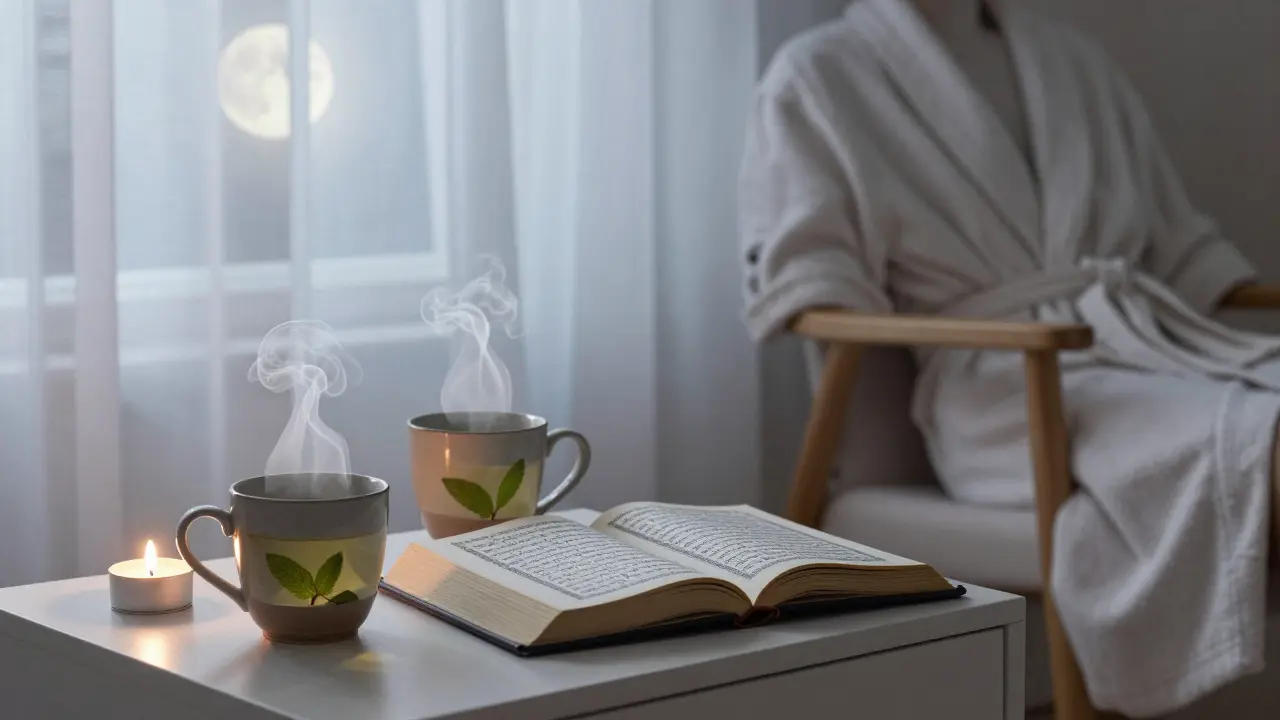
- A quiet bedroom after bath time: two mugs of mint tea, a Quran open on a nightstand
- A luxury spa suite in Dubai with a private indoor pool, curtains drawn, no visible guests
Suggested Tables
- Comparison of Bathing Practices Across Cultures
- Key Benefits of Shared Bathing for Muslim Couples
- Safety Tips for Shared Bathing
Kelly ¯_(ツ)_/¯
January 11, 2026 AT 13:25Look, I get that this is meant to be a guide for Muslim couples, but the idea of bathing together in Islam feels like it’s being romanticized way too much. I’m from the U.S., and I’ve seen enough cultural appropriation of religious practices to know when something’s being sold as a lifestyle hack. This isn’t about intimacy-it’s about marketing luxury villas in Dubai to people who want to feel spiritually elite. Respect boundaries? Sure. But don’t turn prayer into a spa day.
Also, if your wife isn’t comfortable with nudity, maybe don’t write a 1,600-word essay telling her she should be.
And please stop calling it a ‘ritual.’ It’s a bath. Not a sacred ceremony.
Also, the ‘dua after the bath’ part? That’s just performative piety. Stop it.
And no, I don’t care if the Prophet did it. That doesn’t make it a requirement for every married couple in 2025.
Just let people bathe how they want.
Also, the oil recommendations? Halal-certified oud? Are you serious? Someone’s getting rich off this.
And the ‘no lyrics’ music? Really? You’re policing ambient sound now?
I’m done.
Also, the comment section is already full of people pretending this is profound. It’s not.
Also, I’m not mad. I’m just… disappointed.
Amanda turman
January 12, 2026 AT 12:26ok so i just read this whole thing and i’m like… wait so if i bathe with my wife in islam i’m basically doing a spiritual reset?? like is this a cult?? or just a really expensive way to say ‘hey honey let’s get naked and relax’??
also the part about ‘no third parties’-so if my sister comes over and i’m in the tub with my wife and she walks in by accident is that haram?? because i’ve had that happen and it was awkward as hell and now i’m worried i’ve sinned for life
and why does everyone keep saying ‘no screens’ like we’re in a mindfulness app?? i just want to watch netflix while soaking in bubbles and no one will let me
also the ‘soft cotton towels warm from the dryer’?? who has time for that?? i have two kids and a dog and my towels are always damp and smell like regret
and can we talk about how this entire post is written like a luxury hotel brochure?? ‘dim lighting’ ‘essential oils’ ‘sandalwood’-i live in a studio apartment in Ohio and my bathtub is a 1987 clawfoot with a leaky faucet
also i’m not muslim but i’m starting to feel guilty for not having a sacred bath ritual
also why is everyone so calm about this?? i would be too nervous to even get in the tub with my wife without a consent form and a notary
also i just realized i’ve been bathing alone for 7 years and now i’m questioning my entire marriage
also can i just say i love the ‘drying each other off’ part?? that’s cute if you’re in a rom-com, not if you’re both 45 and one of you has a hernia
also i’m done
also i’m still confused
also i need a drink
Casey Brown
January 12, 2026 AT 23:17Hey, I just wanted to say this is actually really thoughtful. I’m not Muslim, but I’ve been married for 12 years and I’ve seen how easy it is to drift apart-especially when life gets loud. The idea of turning something as simple as a bath into a quiet moment of connection? That’s gold.
I used to think intimacy meant sex or big gestures. Turns out, it’s just being present. Washing each other’s backs without rushing. Sitting in silence with steam rising. That’s the stuff that lasts.
I’ve started doing this with my wife once a week-no phones, no TV, just warm water and a candle. We don’t always talk. Sometimes we just hold hands. And yeah, we use lavender oil because it’s calming, not because it’s ‘halal-certified’-but it works.
And to the people saying this is performative? Maybe. But so is going to church, meditating, or journaling. If it helps you feel closer to your partner and grounded in your faith? Do it. No judgment.
Also, if your wife isn’t ready? Start slow. Sit in the tub together fully clothed. Talk. Breathe. Let it grow. No pressure.
And to the author-thank you for writing this without shame or sensationalism. That matters.
Keep sharing these quiet, real things. They’re rare.
Nathan Poupouv
January 13, 2026 AT 07:39There’s a quiet beauty here that’s easy to miss if you’re scrolling for controversy. The Prophet (PBUH) bathing with Aisha (RA) isn’t just a historical footnote-it’s a lived tradition in many Muslim households across the world, from Jakarta to Jeddah to Jersey City.
What this post gets right is that intimacy in Islam isn’t about secrecy-it’s about sanctity. The bath isn’t a performance. It’s a space where two people who chose each other get to be unguarded, without fear of being judged by the world.
And yes, the luxury spa examples are nice, but they’re not the point. My cousin in Lahore shares a bathroom with three siblings and still bathes with his wife every Friday night using a plastic tub and a single candle. No oud oil. No marble. Just intention.
The real takeaway? It’s not about the setting. It’s about the presence.
Also, the ‘no lyrics’ thing? That’s not about control-it’s about avoiding distraction. Music with lyrics pulls you out of the moment. Soft instrumental? Fine. Silence? Even better.
To those mocking the ‘dua after the bath’-maybe you’ve never felt the weight of a day and needed to end it with gratitude. That’s not performative. That’s human.
This isn’t a trend. It’s a tradition. And traditions survive because they mean something.
Also, if you’re worried about boundaries? Good. That means you’re paying attention. That’s half the battle.
Paul Waller
January 15, 2026 AT 06:10Permitted. Encouraged. Private. No exceptions.