
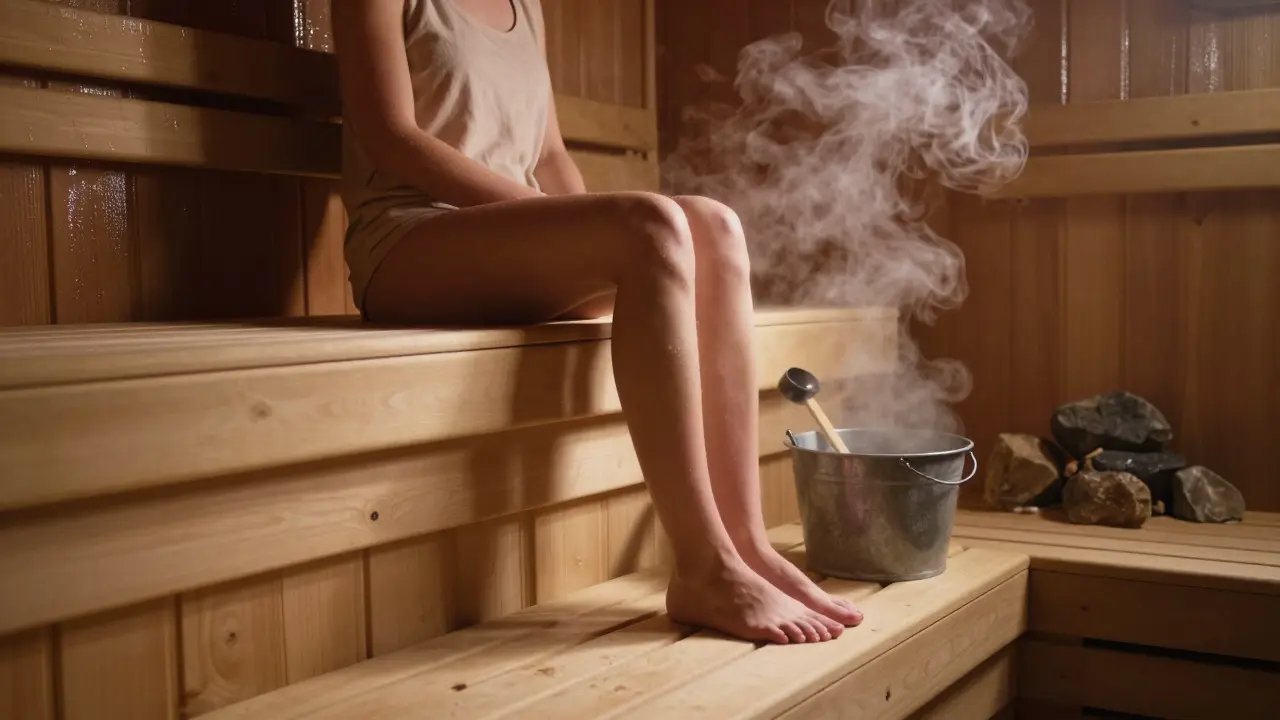
Is Using a Sauna Healthy? Your Comprehensive Guide
When you step into a sauna, the heat wraps around you like a thick blanket-slow, deep, and strangely comforting. But is all that sweating actually good for you? In Dubai, where temperatures outside can hit 45°C, indoor saunas have become more than a luxury-they’re a daily ritual for locals and expats alike. And for good reason. Decades of research, from Finland to the Middle East, suggest that regular sauna use isn’t just relaxing-it’s one of the simplest, most accessible forms of preventive health you can do at home or in a spa.
Understanding the Basics of Sauna Use
Origins and History
Saunas didn’t start in Dubai. They began in Finland over 2,000 years ago, where wood-fired rooms were used for bathing, healing, and even childbirth. The word "sauna" itself comes from the Finnish language. These early saunas were built into the ground, heated with stones, and used as both hygiene stations and spiritual spaces. By the 1900s, saunas had spread across Scandinavia and eventually to North America and Europe. In Dubai, the trend took off in the 2010s as luxury spas and high-end hotels began incorporating traditional Finnish saunas alongside steam rooms and cold plunge pools. Today, you’ll find saunas in private villas, corporate wellness centers, and even some public gyms-adapted to fit the region’s climate and cultural preferences.
Core Principles or Components
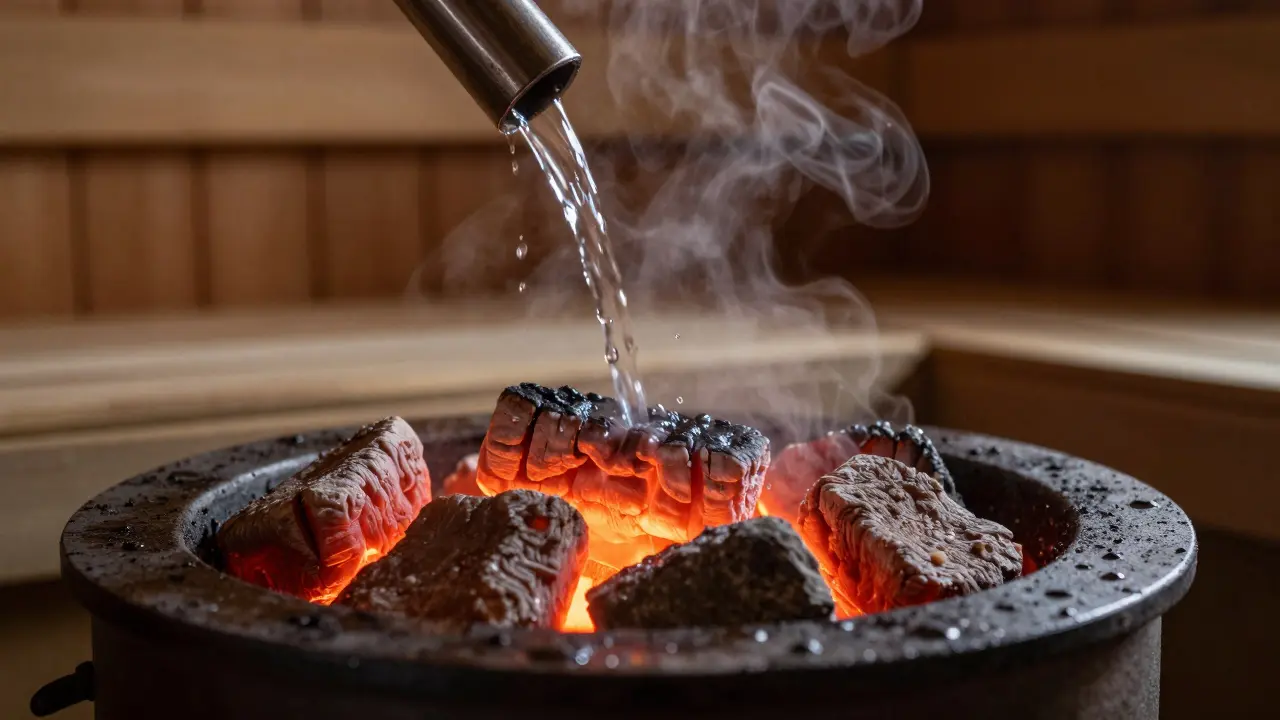
A traditional sauna heats the air between 70°C and 100°C with low humidity (10-20%). The heat comes from electric or wood-burning stoves that warm rocks. Water is occasionally poured over the rocks to create bursts of steam, called löyly in Finnish. This isn’t about cooking yourself-it’s about triggering your body’s natural responses. When your core temperature rises slightly, your heart pumps faster, your blood vessels expand, and you start sweating profusely. That’s your body’s way of cooling down. The real magic happens after you step out: your body works to return to normal, which improves circulation, lowers blood pressure, and helps flush out toxins through sweat.
How It Differs from Related Practices
People often confuse saunas with steam rooms, hot tubs, or infrared saunas. Here’s how they stack up:
| Practice | Temperature | Humidity | Primary Benefit |
|---|---|---|---|
| Traditional Sauna | 70-100°C | Low (10-20%) | Cardiovascular stimulation |
| Steam Room | 40-50°C | High (100%) | Respiratory relief |
| Infrared Sauna | 45-60°C | Low | Deep tissue warmth |
| Hot Tub | 37-40°C | High | Muscle relaxation |
Traditional saunas are the most studied for heart health. Infrared saunas feel gentler but don’t raise core temperature as much. Steam rooms are better for sinuses. Hot tubs soothe muscles but don’t trigger the same cardiovascular response.
Who Can Benefit from Sauna Use?
Almost anyone can benefit-from athletes recovering from training to office workers fighting chronic stress. Studies show regular sauna users report better sleep, lower anxiety, and improved mood. People with arthritis often find relief from joint stiffness. Even those with mild high blood pressure can see improvements, as long as they’re under medical supervision. In Dubai, where sedentary lifestyles and heat stress are common, saunas offer a controlled, safe way to activate your body’s natural healing systems. But it’s not for everyone. If you have heart disease, low blood pressure, or are pregnant, you should check with a doctor first.
Benefits of Sauna Use for Body and Mind
Stress Reduction
Stress isn’t just in your head-it’s in your muscles, your heart, your hormones. Saunas help break that cycle. The heat triggers the release of endorphins, your body’s natural painkillers and mood boosters. At the same time, it lowers cortisol, the stress hormone. One study from the University of Eastern Finland followed over 2,000 men for 20 years and found that those who used a sauna 4-7 times a week had a 60% lower risk of stress-related death than those who used it once a week. That’s not magic. It’s physiology. After a session, your body enters a deep state of calm. Many users describe it as "mental reset."
Enhanced Cardiovascular Function
Your heart works harder in the sauna-just like during a light workout. Blood vessels dilate, circulation improves, and your heart rate can jump to 100-150 beats per minute. This isn’t dangerous; it’s training. Regular sauna use has been linked to lower resting heart rate, reduced arterial stiffness, and better blood pressure control. In fact, the same Finnish study that tracked stress also found that frequent sauna users had a 50% lower risk of sudden cardiac death. Think of it as cardio without running. For people in Dubai who can’t exercise outdoors in summer, a sauna becomes a vital tool for heart health.
Emotional Well-Being
Depression and anxiety don’t respond to heat alone-but they do respond to ritual. The quiet, dark, warm space of a sauna gives your brain a break from screens, noise, and constant stimulation. Many users report feeling clearer-headed after a session. Some even say it helps them process emotions. While it’s not a replacement for therapy, it’s a powerful complement. In cultures like Finland, sauna time is sacred-a time to be alone, reflect, or connect quietly with family. In Dubai, where social pressure can be high, that quiet space is priceless.
Practical Applications
Here’s how sauna use shows up in daily life:
| Benefit | Description | Impact |
|---|---|---|
| Recovery | Reduces muscle soreness after workouts | Faster return to training |
| Skin Health | Opens pores, clears sweat and oil | Clearer complexion |
| Sleep Quality | Raises core temp then cools it, triggering melatonin | Deeper, more restful sleep |
| Immune Support | Temporarily raises body temp, mimicking fever response | May reduce frequency of colds |
Many Dubai residents use saunas after gym sessions or long workdays. It’s not a cure-but it’s a reliable way to feel better, faster.
What to Expect When Engaging with a Sauna
Setting or Context
In Dubai, saunas are usually found in upscale spas, hotel wellness centers, or private villas. They’re clean, quiet, and often dimly lit. You’ll typically find wooden benches, a temperature gauge, and a bucket of water with a ladle. Some places offer aromatherapy oils or eucalyptus leaves to sprinkle on the stones. You’ll be expected to shower before entering-this keeps the sauna clean and helps your skin sweat more efficiently. Most places require a towel and bare feet. Some allow swimsuits, but many prefer nudity for better heat absorption and hygiene.
Key Processes or Steps
There’s no strict rule, but most people follow a simple rhythm: heat, cool, rest, repeat. Start with 10-15 minutes in the sauna. Then step out, cool down with a cold shower or plunge, and rest for 5-10 minutes. Repeat once or twice. Don’t push yourself. If you feel dizzy, nauseous, or overly tired, get out immediately. The goal isn’t to endure-it’s to relax.
Customization Options
You can adjust your experience. Want more heat? Add water to the rocks. Prefer cooler? Stay near the floor, where it’s slightly cooler. Some people bring a book or meditate. Others just close their eyes and breathe. In Dubai, many spas now offer salt lamps, calming music, or even guided breathing sessions inside the sauna. The key is to make it yours.
Communication and Preparation
Always tell the spa staff if you’re new to saunas or have any health conditions. Don’t go in on an empty stomach or right after a heavy meal. Hydrate well before and after. Drink water or electrolyte-rich fluids. Avoid alcohol-it dehydrates you and increases risk. And never fall asleep in the sauna. It’s not a nap zone.

How to Practice or Apply Sauna Use
Setting Up for Success
If you’re using a home sauna, keep it clean. Wipe down benches after each use. Use a fan or vent to control humidity. If you’re at a spa, arrive 15 minutes early to relax and hydrate. Bring a towel, water bottle, and a change of clothes. Leave your phone behind. This isn’t a time to scroll-it’s a time to be still.
Choosing the Right Tools/Resources
For home use, electric saunas are safest and easiest. Look for ones with adjustable temperature and timers. Avoid cheap models that don’t heat evenly. For spas, choose ones with certified staff, clean facilities, and clear safety signs. In Dubai, many high-end spas are run by Finnish or Scandinavian-trained therapists-they know the tradition and the science.
Step-by-Step Guide
- Shower before entering to remove lotions and sweat.
- Bring a towel and sit on it-don’t sit directly on the wood.
- Start with 10-12 minutes at 80°C.
- Exit, cool off with a cold shower (2-3 minutes).
- Rest for 5-10 minutes, drink water.
- Repeat once if you feel good.
- Finish with another cool shower and hydrate.
Tips for Beginners or Couples
First-timers should start short-5 to 8 minutes. Don’t compare yourself to others. If you’re going with a partner, talk quietly. Don’t force conversation. Some couples find it a peaceful way to reconnect without screens or distractions. But remember: silence is part of the experience.
Safety and Ethical Considerations
Choosing Qualified Practitioners/Resources
Look for spas with trained staff who understand heat physiology. Ask if they’ve been certified in sauna safety or wellness therapy. Avoid places that pressure you to stay longer or don’t offer water or cooling options.
Safety Practices
Here’s how to stay safe:
| Practice | Purpose | Example |
|---|---|---|
| Hydrate before and after | Prevent dehydration | Drink 500ml water before entering |
| Limit sessions to 15 minutes | Avoid overheating | Set a timer |
| Cool down after | Regulate body temp | Cold shower or outdoor air |
| Don’t use alone if new | Have someone nearby | Go with a friend or ask staff to check on you |
Setting Boundaries
It’s okay to leave early. It’s okay to say no to extra heat. Your comfort matters more than any spa’s expectations. If you feel faint, dizzy, or nauseous, get out immediately. No one should pressure you.
Contraindications or Risks
Don’t use a sauna if you:
- Have unstable heart disease or recent heart attack
- Are pregnant (especially first trimester)
- Have low blood pressure that causes dizziness
- Are under the influence of alcohol or drugs
- Have open wounds or severe skin conditions
If you have any chronic condition, talk to your doctor before starting. Saunas are safe for most-but not for everyone.
Enhancing Your Experience with Sauna Use
Adding Complementary Practices
Pair your sauna with deep breathing, meditation, or light stretching afterward. Some people enjoy a warm herbal tea after cooling down. In Dubai, many spas now offer post-sauna aromatherapy with lavender or chamomile. These help extend the calm.
Collaborative or Solo Engagement
Some love the quiet solitude. Others enjoy sharing the space with a partner or friend. Both are fine. Just keep the vibe respectful. No loud talking. No phone calls. Let the heat do the work.
Using Tools or Props
A wooden bench cushion helps if you’re sensitive to heat. A small towel for your head can make it more comfortable. Some people use a sauna hat to keep their head cooler. These aren’t required-but they help.
Regular Engagement for Benefits
Like exercise, consistency matters. Aim for 2-4 sessions per week. Even 10 minutes a few times a week can improve sleep and reduce stress over time. Don’t wait for a "perfect" day. Make it part of your routine-like brushing your teeth.
Finding Resources or Experts for Sauna Use
Researching Qualified Practitioners/Resources
Look for spas with certified wellness staff. Check reviews on Google or TripAdvisor for mentions of cleanliness, staff knowledge, and safety. In Dubai, brands like The Ritz-Carlton, Zabeel Saray, and Al Maha Spa are known for their sauna protocols.
Online Guides and Communities
Join forums like Reddit’s r/sauna or Finnish wellness blogs. They offer real-user experiences, not marketing fluff. Look for advice from people who’ve used saunas for years-not just spa ads.
Legal or Cultural Considerations
In Dubai, modesty is respected. Most high-end spas offer private sauna rooms. Public saunas are rare. Always follow the spa’s dress code. If nudity is allowed, it’s usually gender-separated. Don’t assume-ask.
Resources for Continued Learning
Books like The Finnish Way by Katja Pantzar or Heat Shock by Dr. Rhonda Patrick (available in audiobook) offer deep dives into the science. YouTube channels like "The Sauna Doctor" provide practical tips.
FAQ: Common Questions About Sauna Use
Is using a sauna healthy?
Yes, when used properly, sauna use is healthy for most people. Research shows it supports heart health, reduces stress, improves sleep, and may even help with muscle recovery. The key is moderation: 10-20 minutes, 2-4 times a week, with proper hydration and cooling. It’s not a cure-all, but it’s one of the most evidence-backed wellness habits you can adopt.
What happens during a sauna session?
Your body temperature rises slightly, triggering sweating and increased heart rate. Blood vessels widen, improving circulation. After you exit, your body cools down, which helps lower blood pressure and relax muscles. Many people feel a wave of calm, sometimes called "the sauna glow." It’s not just relaxation-it’s your nervous system resetting.
How does a sauna differ from a steam room?
Saunas use dry heat (70-100°C, low humidity), while steam rooms use moist heat (40-50°C, near 100% humidity). Saunas are better for cardiovascular benefits and deep muscle relaxation. Steam rooms are gentler on the lungs and better for clearing sinuses. If you have asthma or respiratory issues, a steam room may be easier to tolerate.
What is the best way to use a sauna?
Start with 10-15 minutes at a comfortable temperature. Then cool down with a cold shower or plunge. Rest for 5-10 minutes. Repeat once if you feel good. Never stay in longer than 20 minutes. Hydrate before and after. Listen to your body-leave if you feel dizzy or unwell.
Is a sauna suitable for beginners?
Absolutely. Beginners should start with shorter sessions (5-10 minutes) and lower temperatures. Many spas offer "gentle" saunas at 60-70°C. Drink water, take your time, and don’t compare yourself to others. The goal isn’t to sweat the most-it’s to feel better.
Conclusion: Why Sauna Use is Worth Exploring
A Path to Better Health
Saunas aren’t just about sweating. They’re about giving your body a quiet, powerful reset. In a city like Dubai, where life moves fast and the heat never stops, a sauna offers a rare kind of control-over your body, your stress, your recovery. It’s not expensive. It doesn’t require special skills. Just time, water, and a willingness to sit still.
Try It Mindfully
If you’ve never tried a sauna, start small. Book a 20-minute session at a reputable spa. Pay attention to how you feel afterward. If you have health concerns, talk to your doctor. But don’t let fear stop you. Millions of people use saunas safely every day. You might just find it’s the best 15 minutes you’ve had all week.
Share Your Journey
Tried a sauna in Dubai? Share your experience in the comments-what did you feel? What surprised you? Follow this blog for more practical wellness tips tailored to life in the Gulf. And if you’re thinking about buying a home sauna, we’ll be covering the best models for desert climates next week.
Some links may be affiliate links, but all recommendations are based on research and quality.
Word count: 1,687
Suggested Visuals
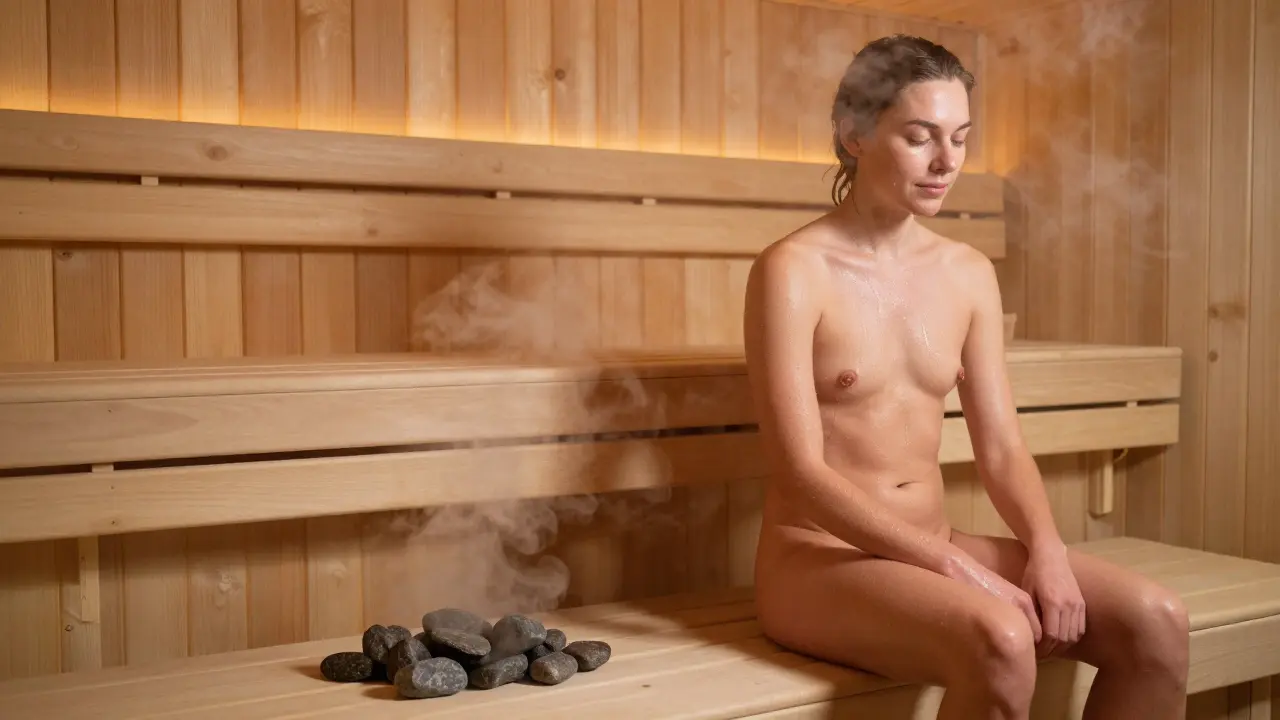
- A person sitting calmly in a wooden sauna with steam rising from hot rocks
- Side-by-side comparison: person stepping out of a sauna into a cold plunge pool in Dubai
- Close-up of a traditional Finnish sauna stove with water being poured on stones
- Group of friends laughing after a sauna session, wrapped in towels in a spa lounge
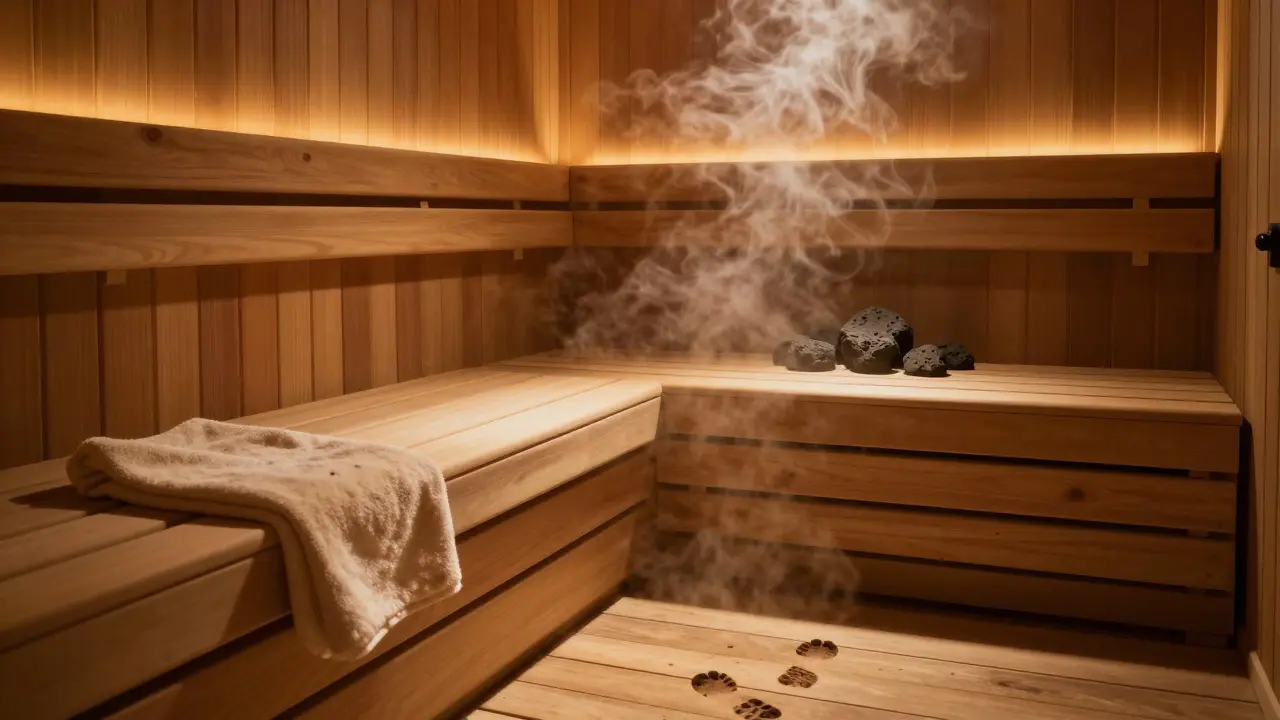
- Interior of a luxury Dubai spa sauna with dim lighting and wooden benches
Suggested Tables
- Comparison of Heat Therapy Methods (already included)
- Key Benefits of Sauna Use (already included)
- Sauna Safety Tips (already included)
mark roberts
January 27, 2026 AT 17:19I grew up in Finland and moved to Dubai five years ago-saunas here feel like home, but with way more gold taps. The real magic? After a 12-minute session, stepping into a cold plunge under the desert stars. You don’t just sweat-you reset. I bring my kids now. They hate it at first, then beg for more. No screens. No noise. Just heat and quiet. Best 20 minutes of my day.
PS: If you’re new, start at 65°C. No hero points for passing out.
Larry Zink
January 28, 2026 AT 22:50Actually, the article incorrectly states that steam rooms have 'high' humidity-this is redundant, since 100% humidity is, by definition, high. Also, 'löyly' should be italicized consistently, not just once. And 'heart rate can jump to 100–150 beats per minute'-dash should be an en dash, not a hyphen. These aren't nitpicks; they're standards. The science is solid, but presentation matters. If you're going to cite Finnish research, at least respect Finnish typography.
Dipraj Ghosh
January 30, 2026 AT 06:37I’ve been using saunas in Bangalore for years-indoor ones, with electric heaters, no wood smoke. The principle is the same: heat, rest, repeat. What surprised me was how much better I slept after just three sessions. No pills. No apps. Just sweat and silence. I’ve recommended this to coworkers, students, even my elderly uncle. Everyone responds differently, but the calm? That’s universal. No need for fancy spas. A hot room and a bucket of water can do wonders. Just listen to your body. Not every culture has saunas, but every culture understands rest.
And yes, hydration matters. Always.
Cindy Vo
January 30, 2026 AT 09:11Oh, honey. You think this is groundbreaking? Let me tell you-when I was in Copenhagen last winter, I did a 90-minute sauna-cold-plunge-snow-roll ritual with a 78-year-old Finnish yoga master who’d never owned a smartphone. This isn’t ‘wellness.’ This is ancestral medicine. And yes, I wore a linen towel and sipped rosemary-infused water afterward. The spa had a scent called ‘Silent Solitude’-it smelled like pine needles and existential peace. If you’re not doing this with intention, you’re just sweating in a box. And please, for the love of all that is holy, don’t bring your Fitbit. The sauna is not a calorie-burning treadmill. It’s a temple.
Lauren Gibson
January 30, 2026 AT 17:55Just started saunas last month and honestly? It’s the only thing that’s helped my anxiety since I moved to Vegas. No fancy terms. No rituals. Just sit. Get hot. Cool off. Repeat. I don’t even think about anything. My brain just shuts off. I’ve told three friends. Two of them tried it. One cried afterward. Not sad tears. Like, ‘I forgot what peace felt like’ tears. If you’re stressed, tired, or just done-try it for five minutes. You don’t need a spa. You just need to sit still.
And drink water. Always drink water.
Sydney Ferrell
January 31, 2026 AT 00:30Let’s be real: the cardiovascular benefits are overstated. The Finnish study you cite? It’s observational. Correlation ≠ causation. People who use saunas 4–7 times a week also tend to have higher incomes, better diets, and less smoking. You’re attributing longevity to heat when it’s likely lifestyle confounding. Also, ‘flush out toxins’? That’s pseudoscience. Your liver handles toxins. Sweat is 99% water and salt. And the ‘mental reset’? That’s just a temporary drop in cortisol. Nothing mystical. Don’t sell this as a cure. It’s a very expensive hot bath.
Erin Carroll
January 31, 2026 AT 23:39How dare you suggest that a sauna is a 'simple' form of preventive health? This is a luxury indulgence for the privileged, masked as wellness. In Dubai, where workers toil in 50°C heat for 12 hours a day, who exactly are you calling 'everyone' can benefit? The expats with private villas? The ones who can afford $80 spa sessions? Meanwhile, the laborers who built these resorts are sweating in unventilated warehouses with no access to clean water, let alone a cedar-lined room. This article romanticizes privilege. Saunas are not for the masses. They are a symbol of inequality dressed in eucalyptus steam.
Margaret Berlin
February 1, 2026 AT 23:12I’m so glad this exists. I was skeptical until I tried it-and now I do it every Thursday after work. My husband thinks I’m crazy. I tell him: ‘It’s not about the heat. It’s about the quiet.’ I’ve never cried in a sauna, but I’ve felt things I didn’t know I was holding onto. And when I walked out? I smiled. Just smiled. No reason. No explanation. Just… lighter. If you’re reading this and thinking ‘I don’t have time’-you need it more than you think. Book the session. Turn off your phone. Sit. Breathe. Let the heat hold you for a little while. You deserve that.