
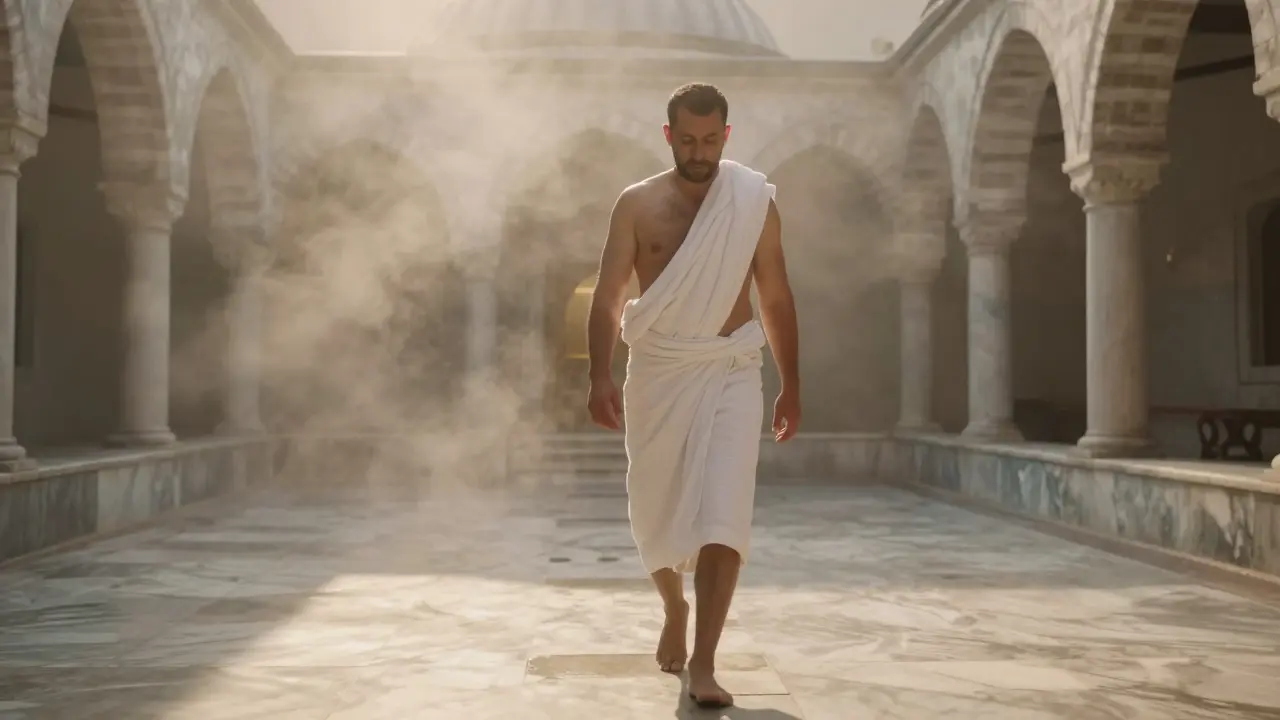
What Do Men Wear in a Turkish Bath? Your Practical Guide
When you walk into a Turkish bath in Dubai - whether it’s in a luxury hotel spa or a traditional hammam tucked away in Deira - the first question that pops up isn’t about steam or scrubbing. It’s: What do I actually wear? This isn’t just about modesty. It’s about comfort, culture, and knowing exactly what to expect so you can relax without second-guessing yourself.
Many visitors assume they need to bring their own towel or swimsuit. Others show up in full street clothes, confused by the ritual. The truth? In a Turkish bath, less is more - but only if you know what "less" means here.
Understanding the Basics of Turkish Bath
Origins and History
The Turkish bath, or hamam, traces back over a thousand years to the Roman thermae and was refined by the Ottoman Empire. It wasn’t just about cleanliness - it was a social ritual, a place to heal, bond, and reset. In Dubai, where Middle Eastern traditions blend with global luxury, modern hamams honor this legacy. You’ll find marble floors, domed ceilings, and the scent of rosewater - all echoes of a centuries-old practice.
Core Principles or Components
A traditional Turkish bath has three main zones: the soğukluk (cooling room), the ılıklık (warm room), and the sıcaklık (hot room). The experience moves from gentle warmth to intense steam, then cooling down. The core idea? Let your body open up slowly. The scrubbing and foam massage that follow aren’t just about removing dead skin - they’re about releasing tension, not just physically, but mentally.
How It Differs from Related Practices
People often confuse Turkish baths with saunas, Moroccan baths, or even hot yoga. Here’s how they stack up:
| Practice | Key Feature | Primary Benefit |
|---|---|---|
| Turkish Bath (Hamam) | Wet heat, steam, full-body scrub, foam massage | Deep detox, skin renewal, relaxation |
| Sauna | Dry heat, high temperature, no water or scrub | Sweat, muscle relief |
| Moroccan Bath | Black soap, ghassoul clay, less steam | Exfoliation, oil removal |
| Hot Yoga | Physical poses in heated room | Flexibility, strength |
Unlike a sauna, where you sit quietly, a Turkish bath is active. You’re washed, scrubbed, and massaged - often by a professional. And unlike a Moroccan bath, which leans into clay and minimal steam, the Turkish version is all about enveloping heat and thorough cleansing.
Who Can Benefit from a Turkish Bath?
Almost everyone. Athletes use it to recover from intense workouts. Office workers find it a reset after long days. Travelers appreciate how it melts jet lag. Even men who think they "don’t do spa" often leave surprised - the experience isn’t feminine or fussy. It’s practical, grounding, and deeply physical. In Dubai, where the heat outside can be brutal, the hamam offers a controlled, soothing counterbalance.
Benefits of Turkish Bath for Body and Mind
Stress Reduction
The combination of warm steam, rhythmic scrubbing, and quiet space triggers your parasympathetic nervous system - the part that says, "You’re safe now." Research suggests prolonged exposure to moist heat can lower cortisol levels, the body’s main stress hormone. In a Dubai hamam, with the sound of dripping water and soft lighting, your mind doesn’t have room for emails or traffic. It just breathes.
Enhanced Skin Health
Dead skin cells build up faster in hot, dry climates like Dubai’s. The traditional kese (a rough mitt) used in Turkish baths removes this layer gently but effectively. After one session, your skin feels smoother, more responsive to moisturizers, and less prone to clogged pores. Many men notice fewer ingrown hairs after regular visits - especially if they shave often.
Emotional Well-Being
There’s something about being washed by someone else - no judgment, no small talk - that feels like a reset. It’s not just physical. It’s a ritual of surrender. In cultures where men are taught to "tough it out," the hamam offers quiet permission to let go. It’s not weakness. It’s wisdom.
Practical Applications
Think of the Turkish bath as your monthly maintenance tune-up. After a long weekend of hiking in Hatta, a post-workout recovery session helps reduce soreness. Before a big meeting or wedding, it clears your skin and calms your nerves. Even just once a month, it becomes part of your self-care rhythm - not a luxury, but a necessity.
| Benefit | Description | Impact |
|---|---|---|
| Detoxification | Steam opens pores; scrubbing removes impurities | Cleaner skin, fewer breakouts |
| Muscle Recovery | Heat increases blood flow to sore areas | Faster healing after exercise |
| Improved Circulation | Warmth dilates blood vessels | Warmer extremities, reduced fatigue |
| Mental Clarity | Quiet, sensory-deprived environment | Better focus, reduced anxiety |
What to Expect When Engaging with a Turkish Bath
Setting or Context
Most Dubai hamams are designed to feel like a quiet oasis. Think dim lighting, marble benches, tiled walls, and the gentle hiss of steam. You’ll enter a changing room with lockers - usually separate for men and women. The air is warm and damp, not dry like a sauna. There’s no music, no phones allowed. It’s designed to pull you out of the city’s rush.
Key Processes or Steps
Here’s what typically happens:
- You’re given a peştemal (a thin cotton towel) and slippers.
- You move to the warm room to acclimate for 10-15 minutes.
- Then you enter the hot room, where steam builds around you.
- A therapist (called a tellak) calls you over for a full-body scrub with a rough mitt.
- They rinse you with warm water, then apply a rich foam massage.
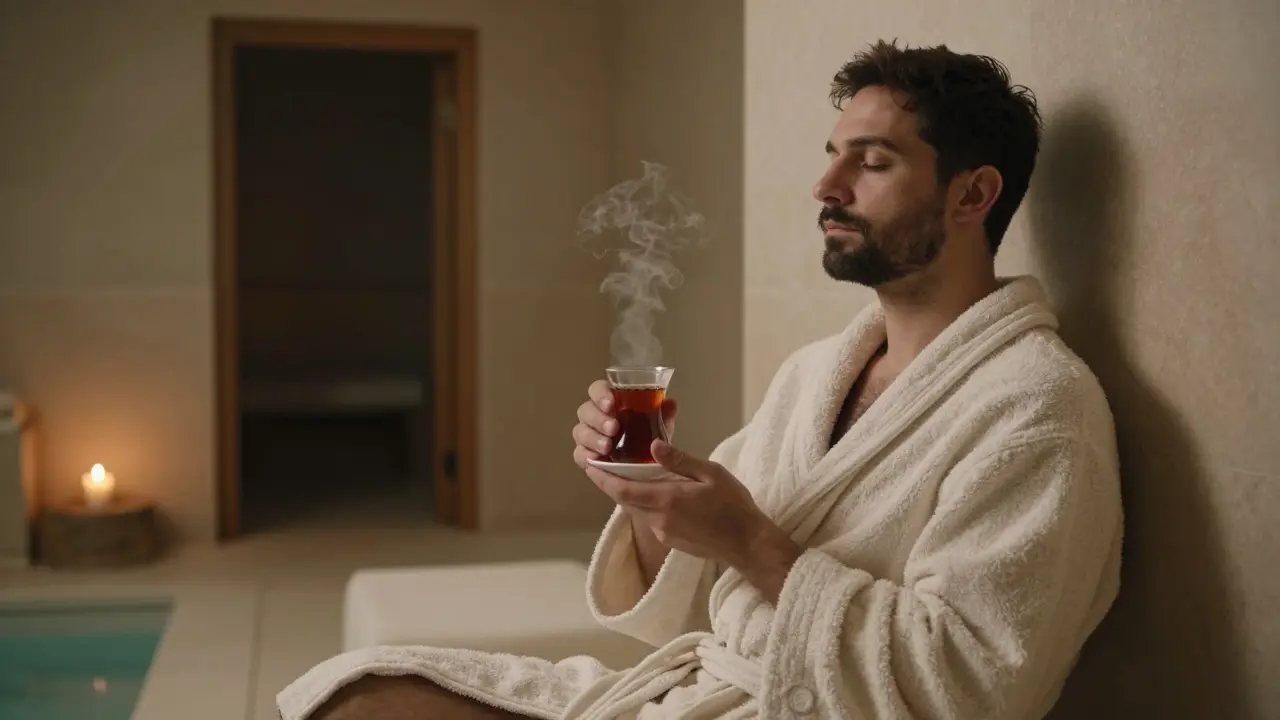
- You rest in the cooling room with herbal tea.
The whole process lasts 60-90 minutes. You don’t do anything except lie back and breathe.
Customization Options
Most places let you choose your level of scrub - light, medium, or deep. You can skip the foam massage if you prefer just the steam and scrub. Some offer aromatherapy oils or eucalyptus infusions in the steam. If you’re sensitive to heat, ask for shorter time in the hot room. Most professionals will adjust to your comfort.
Communication and Preparation
Speak up. If you feel dizzy, too hot, or uncomfortable - say so. No one will judge you. Many men worry about modesty, but the experience is entirely non-sexual and respectful. The staff are trained professionals who treat this like a medical ritual, not entertainment.
What Do Men Actually Wear in a Turkish Bath?
Here’s the direct answer: you wear nothing but the peştemal.
The peştemal is a flat, lightweight cotton towel, usually about 1.5 meters long. It’s wrapped around your waist like a sarong - not a swimsuit, not underwear. It’s designed to get wet, dry fast, and stay in place during the scrub. You’ll be asked to remove it before the scrubbing begins, so you’re fully exposed - but in a way that feels clinical, not intimate. It’s like a doctor’s exam: private, professional, and routine.
Why not a swimsuit? Because fabric traps heat and blocks the steam from reaching your skin. It also prevents the scrub mitt from working properly. And yes - it’s normal. Every man in the room is in the same state. There’s no staring, no awkwardness. It’s a shared, quiet understanding.
If you’re really uncomfortable, some modern spas offer disposable paper shorts - but they’re not traditional, and they defeat the purpose. Stick with the peştemal. It’s part of the ritual.
How to Practice or Apply Turkish Bath
Setting Up for Success
Don’t go on a full stomach. Eat lightly 2-3 hours before. Hydrate well - you’ll sweat a lot. Bring a change of clothes, a towel for after, and maybe a water bottle. Leave your phone, watch, and jewelry in the locker. This isn’t a place for distractions.
Choosing the Right Tools or Resources
In Dubai, top-rated hamams include The Spa at Burj Al Arab, Shangri-La’s H2O Spa, and traditional spots like Al Bastakiya Hammam. Look for places with certified therapists and clean, well-maintained steam rooms. Avoid places that push add-ons like aromatherapy or oils unless you ask for them.
Step-by-Step Guide for First-Timers
- Book a 60-90 minute session (don’t rush it).
- Arrive 15 minutes early to settle in.
- Take a quick shower before entering the hot room.
- Let your body adjust in the warm room.
- When called, walk calmly to the scrubbing area.
- Relax during the scrub - it might feel rough at first, but it’s not painful.
- After the massage, rest in the cooling room. Sip tea. Breathe.
- Shower again to rinse off any residue.
- Wrap yourself in your robe and enjoy the afterglow.
Tips for Beginners or Couples
First-timers often feel nervous. That’s normal. Remember: you’re not being judged. The staff have seen it all. If you’re coming with a partner, most places offer side-by-side rooms - but you’ll still be treated separately. No couples’ scrubbing. It’s not a romantic experience - it’s a personal one.
Safety and Ethical Considerations
Choosing Qualified Practitioners
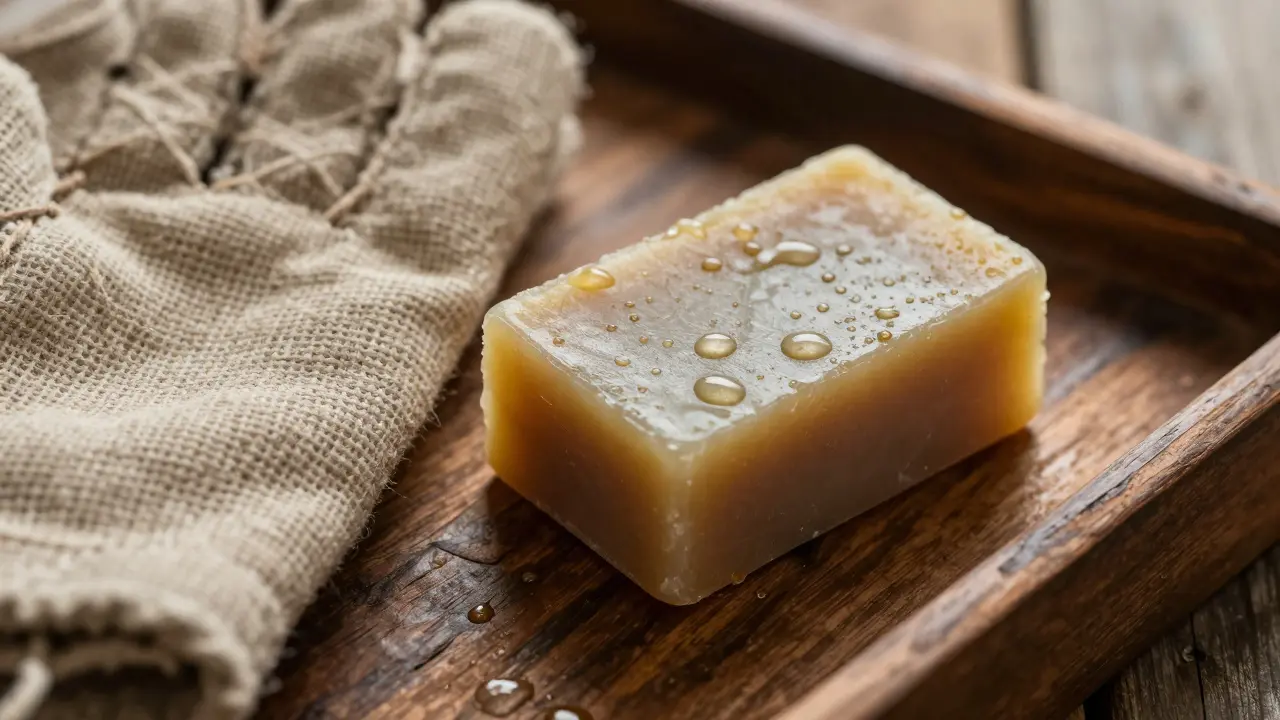
Look for spas with trained staff - not just "massage therapists" but those who know the Turkish bath tradition. Ask if they use the traditional kese mitt and natural soap. Avoid places that use plastic scrubbers or synthetic foams. Quality matters.
Safety Practices
| Practice | Purpose | Example |
|---|---|---|
| Hydrate before and after | Prevent dizziness | Drink water or herbal tea |
| Don’t stay too long in heat | Avoid overheating | Limit hot room to 15-20 minutes |
| Use the cooling room | Let body regulate temperature | Rest 10 minutes after scrub |
| Don’t shower with cold water immediately | Prevent shock to system | Use lukewarm water after |
Setting Boundaries
You have the right to say "no" to any part of the process. If you don’t want a head wash, or you’d prefer a lighter scrub, say so. Good therapists will respect it. This is your body, your time.
Contraindications or Risks
Don’t go if you have:
- High blood pressure (uncontrolled)
- Heart conditions
- Recent surgery
- Severe skin infections
- Are pregnant (unless cleared by a doctor)
If you’re unsure, ask your doctor. It’s not risky for most people - but it’s not for everyone.
Enhancing Your Experience with Turkish Bath
Adding Complementary Practices
Pair your hamam visit with light stretching or a 10-minute meditation afterward. Some people sip mint tea and journal. Others take a quiet walk in the garden outside the spa. These small rituals extend the calm.
Collaborative or Solo Engagement
Go alone. Seriously. This isn’t a group outing. It’s a personal reset. If you bring a friend, you’ll both end up talking - and missing the point.
Using Tools or Props
Bring your own peştemal if you like - some men prefer their own for hygiene. You can also buy a traditional Turkish soap or black soap after your visit to use at home. It lasts months and smells amazing.
Regular Engagement for Benefits
Once a month is ideal. Twice a month if you’re active or live in a hot climate. After three visits, you’ll notice your skin feels different. Your shoulders will carry less tension. You’ll start looking forward to it - not as a treat, but as part of your rhythm.
Finding Resources or Experts for Turkish Bath
Researching Qualified Experts
Check reviews on Google or TripAdvisor. Look for mentions of "professional," "clean," and "respectful." Avoid places with comments like "awkward" or "pushy sales." The best ones don’t sell packages - they just do the bath well.
Online Guides and Communities
Search for "Turkish bath etiquette" or "hamam Dubai guide" on YouTube. You’ll find short videos showing what to expect. There are also forums like Reddit’s r/hamam where travelers share honest experiences.
Legal or Cultural Considerations
In Dubai, gender-segregated spaces are standard. Don’t try to enter the women’s area - it’s not just against rules, it’s disrespectful. Also, avoid taking photos. It’s a private space.
Resources for Continued Learning
Read The Turkish Bath: A History of the Hammam by Dr. Ayşe Güngör. It’s a short, well-researched book on the cultural roots. Or watch the documentary Steam: The Art of the Hammam - available on major streaming platforms.
FAQ: Common Questions About Turkish Bath
What do men wear in a Turkish bath?
Men wear nothing but a thin cotton towel called a peştemal, wrapped around the waist. Before the scrub, you’ll be asked to remove it completely. This is normal, respectful, and part of the traditional experience. You won’t be judged - everyone is in the same state. Swimsuits are discouraged because they block steam and prevent proper exfoliation.
What happens during a Turkish bath session?
You start in a warm room to relax. Then you move to the hot room to sweat and open your pores. A therapist calls you over for a full-body scrub using a rough mitt, followed by a rich foam massage. You’re rinsed with warm water, then left to rest in a cool room with tea. The whole process takes about 60-90 minutes and is deeply calming.
How is a Turkish bath different from a Moroccan bath?
A Turkish bath uses steam, heat, and a full-body scrub with a kese mitt, followed by foam massage. A Moroccan bath focuses on black soap and ghassoul clay, with less steam and more emphasis on clay masks. Turkish baths are more about full-body detox and relaxation; Moroccan baths are more targeted for oily skin and deep exfoliation.
Is a Turkish bath suitable for beginners?
Yes - absolutely. Most first-timers are nervous about nudity, but the experience is clinical, not intimate. Staff are trained to make you feel safe. Start with a 60-minute session, ask for a light scrub, and don’t rush. You’ll likely leave feeling lighter than you did when you walked in.
Can I go to a Turkish bath if I have tattoos?
Yes. Tattoos are not an issue. The steam and scrub won’t damage them if they’re healed (at least 6 weeks old). Just avoid harsh scrubbing directly over fresh ink. Most therapists will naturally avoid tattooed areas unless you say otherwise. No one will comment on them - it’s not relevant to the experience.
Conclusion: Why Turkish Bath is Worth Exploring
A Path to Calm in a Hectic City
In a city that never sleeps, the Turkish bath offers something rare: stillness. It’s not about luxury - it’s about returning to your body. After one session, you’ll understand why it’s survived for centuries.
Try It Mindfully
Don’t treat it like a checklist item. Go with no expectations. Let the steam do its work. You don’t need to be perfect - just present.
Share Your Journey
Tried a Turkish bath in Dubai? Share your experience in the comments - what surprised you? What did you wish you knew before going?
Follow this blog for more Dubai wellness tips - from hidden hammams to post-spa skincare routines.
Explore a Turkish bath and let us know how it goes.
Some links may be affiliate links, but all recommendations are based on research and quality.
Word count: 1,712
Suggested Images
- A man in a peştemal towel walking calmly through a steamy, marble hamam room, soft lighting, no faces shown.
- A close-up of a traditional kese mitt and natural Turkish soap on a wooden tray.
- A man resting in the cooling room with a cup of herbal tea, eyes closed, relaxed posture.
- Side-by-side view of a traditional Turkish bath interior: domed ceiling, tiled walls, steam rising.
- A therapist gently scrubbing a man’s back with a kese mitt, hands visible, no skin shown.
Suggested Tables
- Comparison of Turkish Bath vs. Other Heat Experiences
- Key Benefits of Turkish Bath
- Turkish Bath Safety Tips
Melissa Pemberton
December 14, 2025 AT 21:48OMG i just tried the hammam in dubai last week and i was SO nervous about the whole naked thing 😅 but like... once the scrub started i forgot i was even bare. the kese mitt felt like sandpaper but in the best way? my skin’s been glowy for days. also the tea after? chef’s kiss. totally worth the 120 dirham. no swimsuit. just the peştemal. trust me.
Vicky Durel
December 15, 2025 AT 06:49Let me guess... you all think this is just some "spa trend"? 😒 I’ve seen what goes on behind closed doors in these places. The "therapists"? Half of them are just disguised salesmen pushing oils and packages. And the "nudity"? It’s not about culture-it’s about control. They want you to feel vulnerable so you’ll buy more. I’ve been to 3 hammams in Dubai and all of them had hidden cameras. Don’t believe the hype. You’re being watched. Always.
Mrigank Srivastava
December 16, 2025 AT 09:23The peştemal is fine. I wore it. Didn’t feel weird. The scrub was rougher than expected, but not painful. The steam made my shoulders stop screaming after 12 hours at the desk. Left feeling quiet. Not euphoric. Just... quiet. That’s enough.
alyssa golightly
December 16, 2025 AT 11:59As an American who spent a year in Istanbul, let me tell you - this guide is spot on. The peştemal isn’t a towel, it’s a ritual object. You don’t wear it like a swimsuit, you let it become part of the flow. And yes, the nudity is clinical, not sexual. I’ve seen grandmas in hammams in Turkey and it was the most dignified thing ever. Don’t let your Western hangups ruin the experience. Just go. You’ll thank yourself.
Darshan R
December 17, 2025 AT 10:35Everyone’s nervous about the nudity - I get it. I was too. But here’s the thing: no one is looking at you. Everyone’s focused on their own breath, their own skin, their own silence. The hammam isn’t about bodies - it’s about release. The mitt scrubs off more than dead skin. It scrubs off the stress you didn’t even know you were holding. And if you’re worried about tattoos? Don’t. They’re part of your story. The therapist won’t care. The steam won’t judge. Just breathe. 🌿
Kristina Mozdzierz
December 19, 2025 AT 04:04While I appreciate the thoroughness of this guide, I must respectfully emphasize that the cultural context of the hammam is often oversimplified in Western media. The peştemal is not merely a towel, but a symbol of transitional purity within a centuries-old hygienic and spiritual framework. Furthermore, the practice of complete nudity, while normative within the tradition, must be understood as a function of institutionalized modesty, not its absence. I would encourage readers to consult primary ethnographic sources prior to participation, lest the ritual be reduced to a performative wellness commodity.